REVIEW · MUNSTER
Münster Private Guided Walking Tour
Book on GetYourGuide →Operated by Travmonde OÜ · Bookable on GetYourGuide
Münster’s peace deal lives in your footsteps. I especially love the stop-and-stare feeling of the Peace of Westphalia story and the way St Paulus Dom turns medieval architecture into something you can actually read with your eyes. One thing to weigh: this is a walking tour, so wear good shoes, and I’d double-check the meeting spot because some past booking details have been inconsistent.
I also like how the tour works for mixed ages. In at least one private booking, the guide Greta Verduyn kept kids (age 9 to 19) and adults engaged, and she handled a group that included people over 70 with care.
In just 2 hours, you’ll cover the Old Town on foot, with key context that connects Münster’s role in European history to what you see on the street.
In This Review
- Key highlights at a glance
- Why Münster hits hardest in a short, guided walk
- Town Hall start: the Peace of Westphalia story where it matters
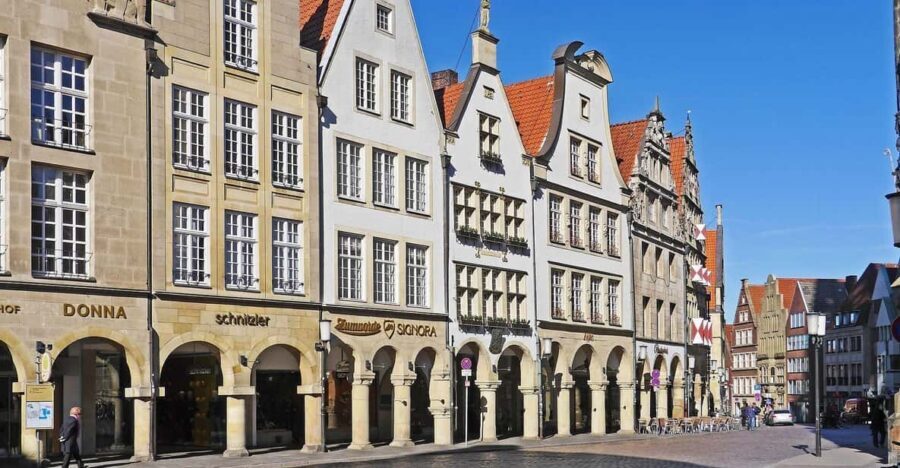
- Old Town streets and Prinzipal Market: Hanseatic life in everyday form
- St Paulus Dom and the astronomical clock moment
- Münster Rebellion and the shadow side after major wars
- Picasso in Münster: why this museum belongs here
- Bicycle culture in 2 hours: quick lessons before you walk
- Price and value: $294 for a private group up to 15
- Who this walking tour is best for (and who should think twice)
- Should you book this Münster Private Guided Walking Tour?
- FAQ
- How long is the Münster Private Guided Walking Tour?
- What is the price for this tour?
- Is this a private tour?
- What languages are available for the live guide?
- Where do we meet for the tour?
- Are entrance fees included?
- Can the tour be customized?
- What is the cancellation policy?
Key highlights at a glance
- Peace of Westphalia (1648): Stand in the area tied to the signing and hear how it reshaped the region.
- St Paulus Dom: A 13th-century cathedral visit framed by medieval details, including an astronomical clock.
- Münster Rebellion: The dramatic, uncomfortable side of the city’s past—explained with clear local context.
- Post-Thirty Years’ War aftermath: How the city’s later recovery shows up in architecture and atmosphere.
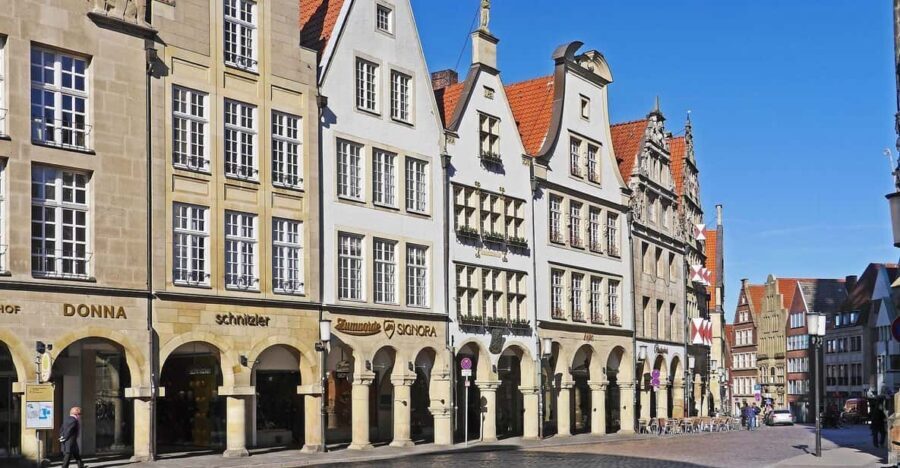
- Principais Market streets: A walking route that links merchant life to today’s Münster.
- Picasso Museum (Germany’s only dedicated one): Learn why Münster claims Picasso in a very specific way.
Why Münster hits hardest in a short, guided walk
Münster is one of those Northern German cities where history isn’t trapped behind glass. It sits in the plan of the streets, in the big civic landmarks, and in the way the city still runs on everyday rhythm. You’ll feel that right away: Münster is a university city and a bicycle city, and those two facts make the past feel less like a museum piece.
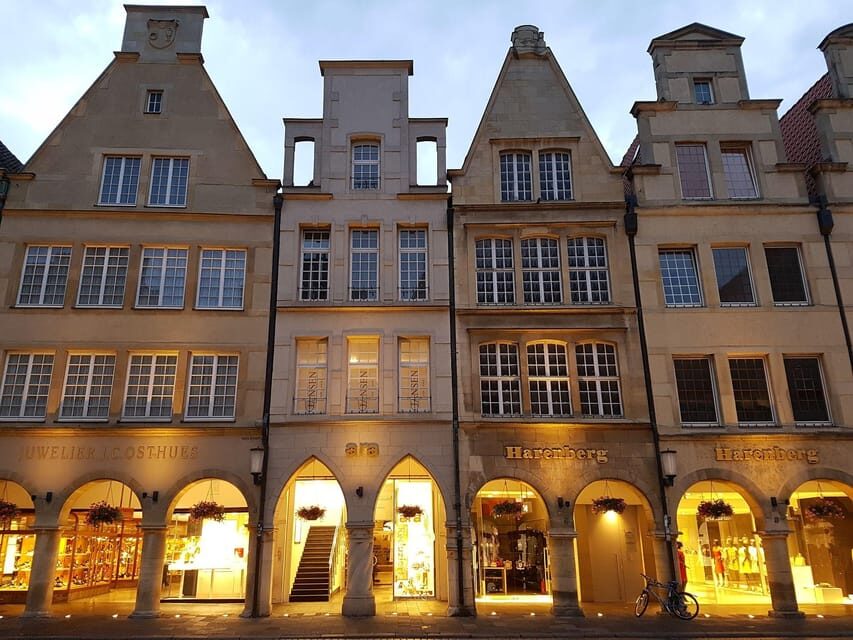
You’ll also get a guided version of “reading the town.” A good guide helps you connect dates and conflicts—Bishop’s seat, Hanseatic years, the Thirty Years’ War, the Peace of Westphalia—with what you can actually see: facades, cathedral angles, market lanes, and historic squares.
The tour’s sweet spot is that it’s long enough to make sense of Europe-level events, but short enough to keep you moving and not stuck in one spot.
You can also read our reviews of more walking tours in Munster
Town Hall start: the Peace of Westphalia story where it matters
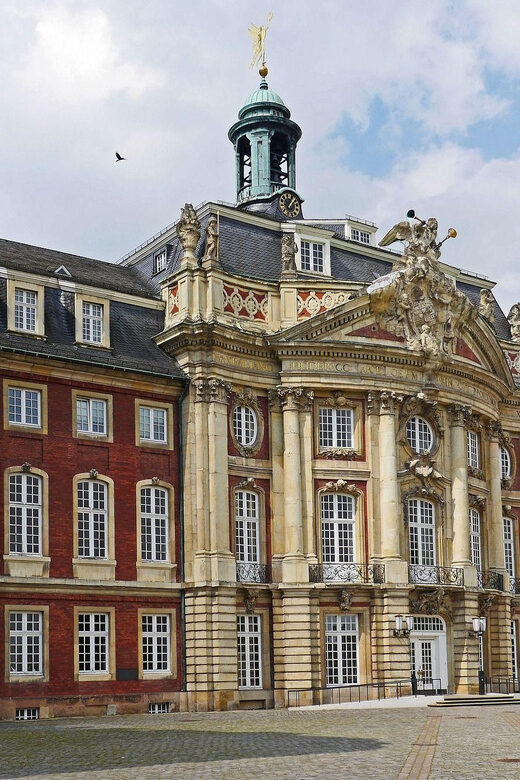
You meet in front of the Town Hall area at Stadthaus 1, Klemensstraße 10, 48143 Münster. That’s not random. From the start, the tour is set up to connect the city’s most famous diplomatic moment to the physical place where it happened.
Your guide focuses on the Peace of Westphalia (1648)—the kind of event that sounds huge and abstract until someone points you toward the right streets and explains why Münster was chosen and what changed after. You’re not trying to “memorize” dates. The goal is to learn how a city becomes important on the European stage, and then how that importance echoes in everyday architecture and civic identity.
Practical tip: Arrive a little early. If the meeting point feels busy, take 30 seconds to get your bearings before everyone crowds in.
Old Town streets and Prinzipal Market: Hanseatic life in everyday form
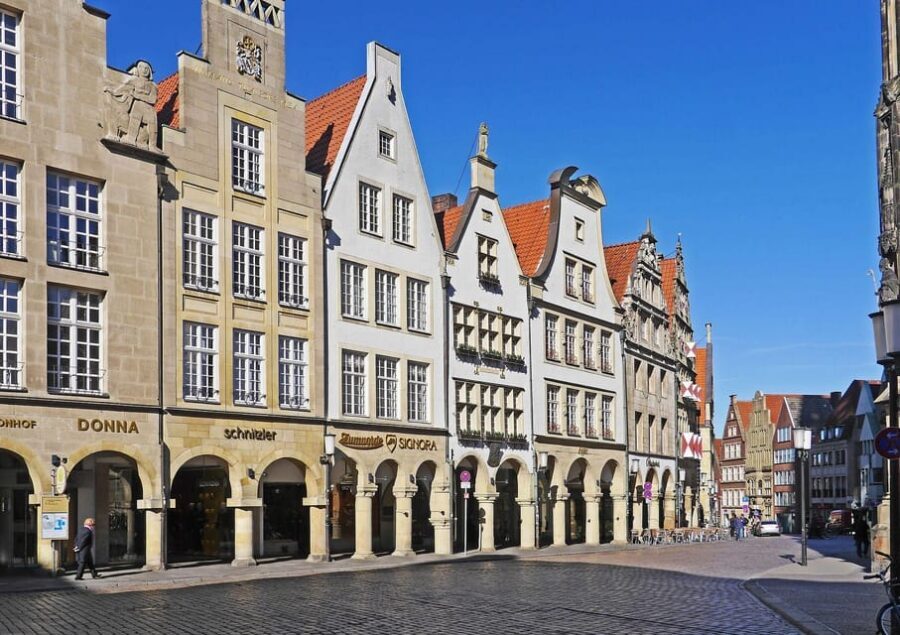
After the civic starting point, you’ll shift into the Old Town walking flow. This is where Münster’s identity becomes more than a list of centuries.
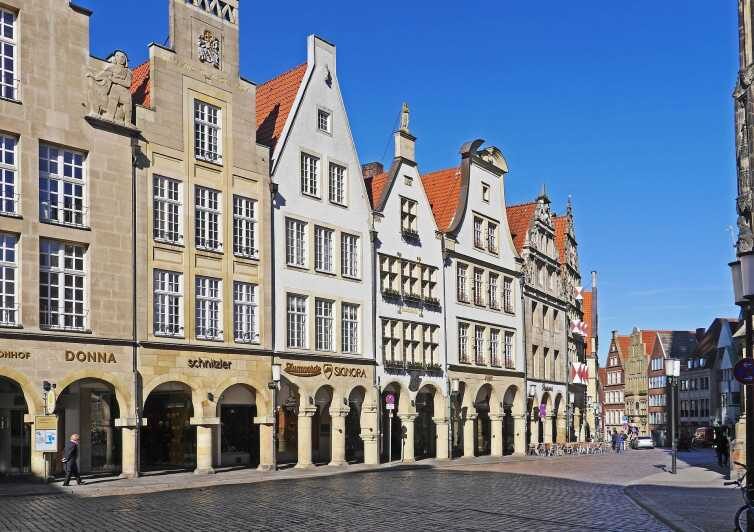
One of your key routes is through the streets near Prinzipal Market. The market area is linked with merchant families and commercial life that still continues. That matters because it prevents a common mistake: treating medieval Münster as purely religious or purely political. The merchants and the Hanseatic connection helped fund and shape the city, and you’ll see that relationship in the way the old center is laid out.
Expect your guide to point out how the city’s history vibrates through what’s preserved—and what has been adapted. You’ll get explanations that make architectural features feel less random: why certain buildings sit where they do, how civic and religious structures relate, and how trade and power overlapped.
What to watch for on the walk: architecture details and street geometry. Even without going into museums, you can learn a lot just by noticing how buildings line up around squares and lanes.
St Paulus Dom and the astronomical clock moment
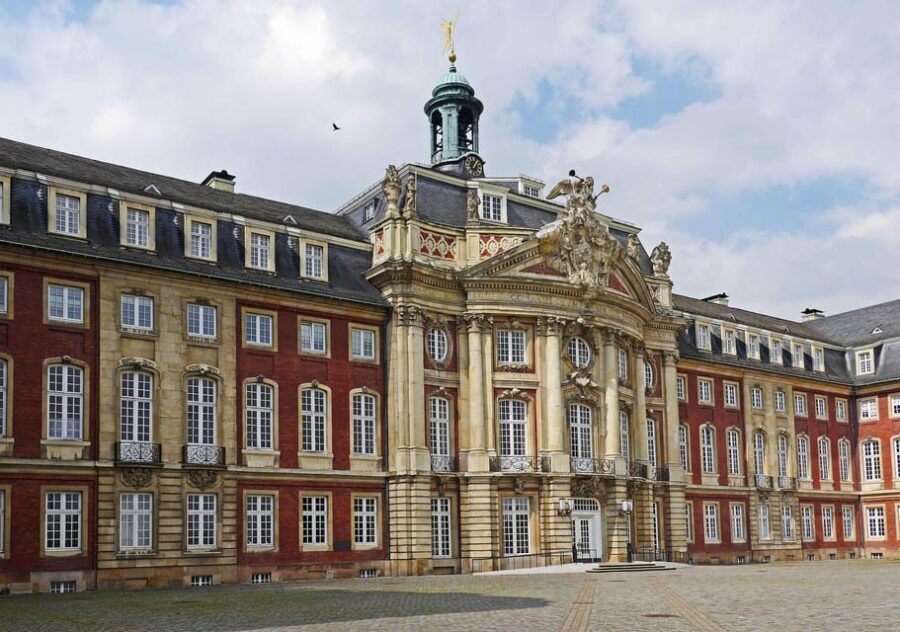
No Münster tour feels complete without St Paulus Dom, a 13th-century cathedral in the town center. On this walk, the cathedral isn’t just a photo stop. It’s presented as living history—connected to medieval times, the Hanseatic era, and the merchant traditions that lasted beyond the Middle Ages.
A standout detail is the astronomical clock. Your guide should help you understand what makes it special and what it signifies in a pre-modern world, when timekeeping wasn’t just practical—it was a statement of knowledge and order.
Why this stop works on a short walking tour: you get a single landmark that compresses multiple time periods. The cathedral becomes a readable summary of Münster’s religious and civic backbone.
Small consideration: cathedral stops can mean standing still for a bit. If you’re traveling with anyone who prefers shorter breaks, plan for a comfortable pace and bring water.
Münster Rebellion and the shadow side after major wars
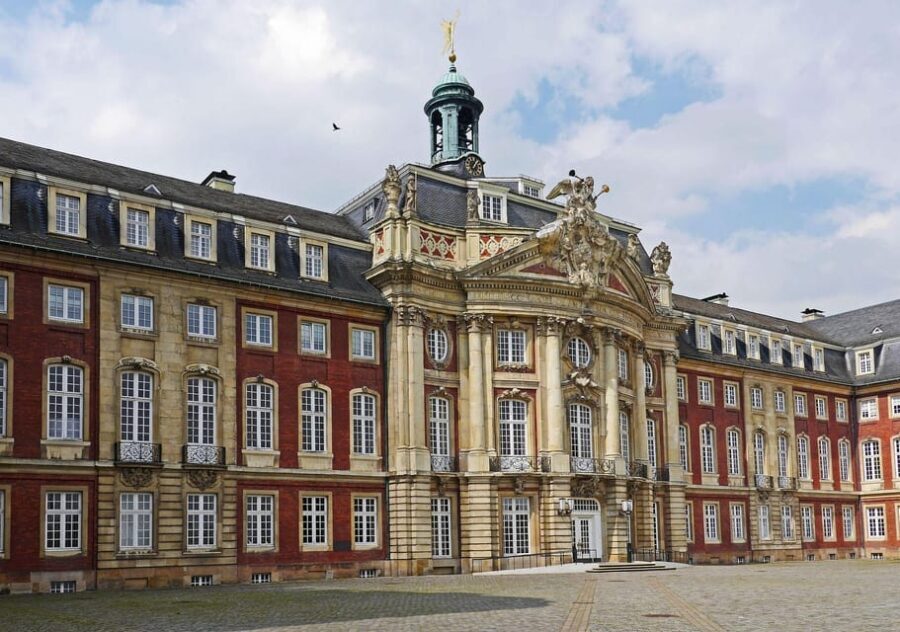
Münster’s history includes dramatic upheaval, and this tour doesn’t skip it. You’ll hear about the Münster Rebellion, and you’ll also get the context of the aftermath of the Thirty Years’ War.
Here’s what I’d take from that, as a traveler: major events aren’t only about what happened in the moment. They shape power structures, civic trust, and even the way later generations rebuild and interpret earlier periods. When your guide connects these conflicts to what you see around town, it stops feeling like the city is telling you a single heroic story.
Instead, Münster comes across as realistic—capable of great diplomacy, religious intensity, political conflict, and long recovery.
How to get the most from this part: listen for cause-and-effect. Ask yourself: what changed after the conflict, and how did that change show up in buildings, civic focus, and public identity?
You can also read our reviews of more guided tours in Munster





Picasso in Münster: why this museum belongs here
The tour also includes the Picasso Museum. Münster’s claim is specific: it’s the only museum in Germany dedicated to Picasso. That’s a clear, useful fact, and it hints at something bigger—how cities build cultural identity not just through their ancient past, but through choices they make now.
Even if you don’t enter any museum during the walk, this stop is valuable because it ties past and present together. Münster isn’t stuck “as a historic town.” It’s also a place with modern cultural pull, and the guide should help you see why Picasso fits into Münster’s ongoing story.
Value note: Entrance fees aren’t included, so if you want to go inside the museum, plan on paying separately and give yourself time beyond the 2-hour tour.
Bicycle culture in 2 hours: quick lessons before you walk
One of the most distinctive parts of Münster is its bicycle culture. The city has about 500,000 bicycles circling around a population of roughly 280,000 to 300,000 people. That ratio is the point. Münster doesn’t treat cycling as a hobby. It’s infrastructure and everyday life.
On a walking tour, this shows up in small ways: where cyclists appear, how busy certain lanes feel, and how quickly movement flows in intersections. Your guide’s commentary can help you read the city without panic.
Practical advice: walk confidently, stay aware at crossings, and assume cyclists may approach from directions you didn’t expect.
Price and value: $294 for a private group up to 15
The tour costs $294 per group, up to 15 people, and lasts 2 hours. That pricing is one of the reasons it can feel like good value—if you’re traveling with a group.
Here’s the math, simply:
- If you fill the group (15 people), it’s about $19.60 per person.
- If it’s only a small group, the per-person cost climbs fast.
So the deal depends on your situation. Families, small friends groups, and multi-generational trips can get excellent value because you share the guide cost.
Also, you’re not just buying “a walk.” You’re paying for context: the Peace of Westphalia, the Münster Rebellion, the Thirty Years’ War aftermath, plus architectural reading at key stops. When those pieces click, you come away feeling like the city made sense.
One more value point: your group is private, with a local professional guide who stays with you, and there’s room for possible customizing on the spot.
Who this walking tour is best for (and who should think twice)
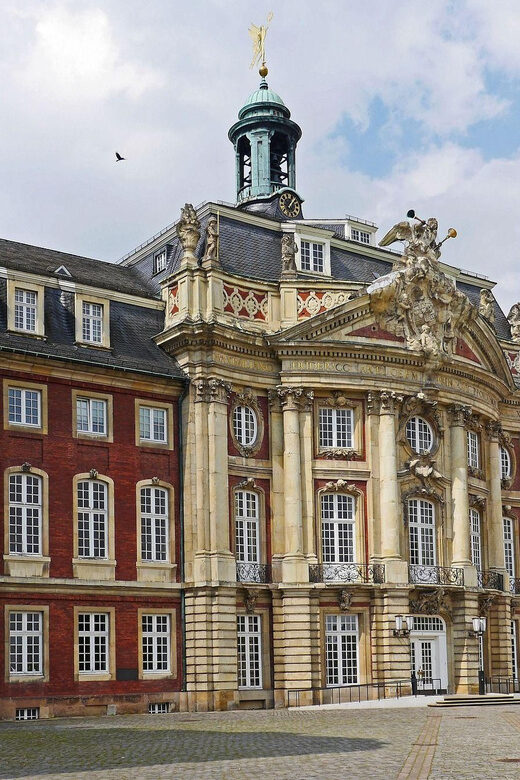
This works especially well if you want a history-focused Old Town experience without getting lost in research. You’ll like it if you:
- enjoy walking but want the guide to do the heavy lifting on meaning
- want a connected story (diplomacy, conflict, rebuilding, religion, trade)
- travel with mixed ages and want an engaging pace (one guide was noted for exciting both kids and adults)
Think twice if you prefer a slower sightseeing style with minimal walking, because the format is built around a 2-hour walking circuit. Also, based on past confusion, don’t assume “walking” descriptions will match what you expected—confirm the meeting point and the walking nature before you go.
Should you book this Münster Private Guided Walking Tour?
Yes, I’d book it if you want Münster to feel understandable fast—especially if your time is limited and you care about how big European events connect to specific streets and landmarks.
I’d pause or ask extra questions before booking if you’re sensitive to walking time or if your group needs very exact meeting-point clarity. Given that past bookings had issues with tour labeling and meeting details, it’s smart to double-check before you set off.
If you’re a history-minded traveler who also likes practical city context (bicycles, market life, and architecture you can actually see), this private 2-hour format is a strong use of your time.
FAQ
How long is the Münster Private Guided Walking Tour?
It lasts 2 hours.
What is the price for this tour?
It’s $294 per group, up to 15 people.
Is this a private tour?
Yes. It’s a private group, and the guide stays with your group only.
What languages are available for the live guide?
The live tour guide is available in English and German.
Where do we meet for the tour?
Meet in front of the Town Hall, Stadthaus 1, Klemensstraße 10, 48143 Münster.
Are entrance fees included?
No. Entrance fees are not included.
Can the tour be customized?
Yes. There is possible customizing with your local guide on the spot.
What is the cancellation policy?
You can cancel up to 24 hours in advance for a full refund.