REVIEW · MUNICH
Munich: Resistance against Hitler – Historical Walking Tour
Book on GetYourGuide →Operated by Munich Stories · Bookable on GetYourGuide
Hitler’s story starts in Munich. So does the courage to resist it. This two-hour historical walk focuses on the resistance against the Nazis—not just the famous names, but also lesser-known movements tied to real streets and buildings.
What I like most is how much is packed into the route without feeling rushed, and how Alex, a Munich local, brings the events to life with clear explanations and historical images that match what you’re seeing. I also appreciate the range: you’ll connect the well-known White Rose to other forms of resistance, including plots involving a single would-be assassin and a dramatic military coup.
One drawback to consider: the tour is in German, so if you’re not comfortable following a fast-moving conversation, you might need to rely more on visual context and your own reading afterward. Also, it’s rain or shine, so plan on being outside the whole time.
In This Review
- Key takeaways before you go
- Munich, where propaganda rose—and resistance answered
- Starting at LMU: a smart way to get your bearings
- Alex’s local approach: how the tour stays clear and human
- White Rose: more than the famous name
- Youth resistance and the uncomfortable question: who stayed silent?
- Former Central Ministry and the logic of conspiracies
- The lonely bomb plot: seeing assassination planning as a desperate act
- The military coup story: where dramatic plans met real streets
- Odeonsplatz finish: a good end point for reflection and next steps
- Price and value: is $28 worth two hours?
- Practical tips so you enjoy the walk more
- Should you book this resistance walk?
- FAQ
- Where do we meet for the Munich Resistance against Hitler tour?
- How long is the guided walking tour?
- What language is the live guide speaking?
- Is the tour wheelchair accessible?
- What should I bring?
- What is included in the price?
- How much does the tour cost?
Key takeaways before you go
- LMU meeting point at Geschwister-Scholl-Platz 1 makes it easy to start with context and direction.
- Alex guides the full walk, and he’s clearly passionate about history and answering questions.
- White Rose is covered, but you’ll also hear about resistance stories that are less known.
- You’ll pass original sites connected to both assassination planning and an attempted military coup.
- The tour ends at Odeonsplatz, a central, scenic place to keep thinking and exploring.
Munich, where propaganda rose—and resistance answered
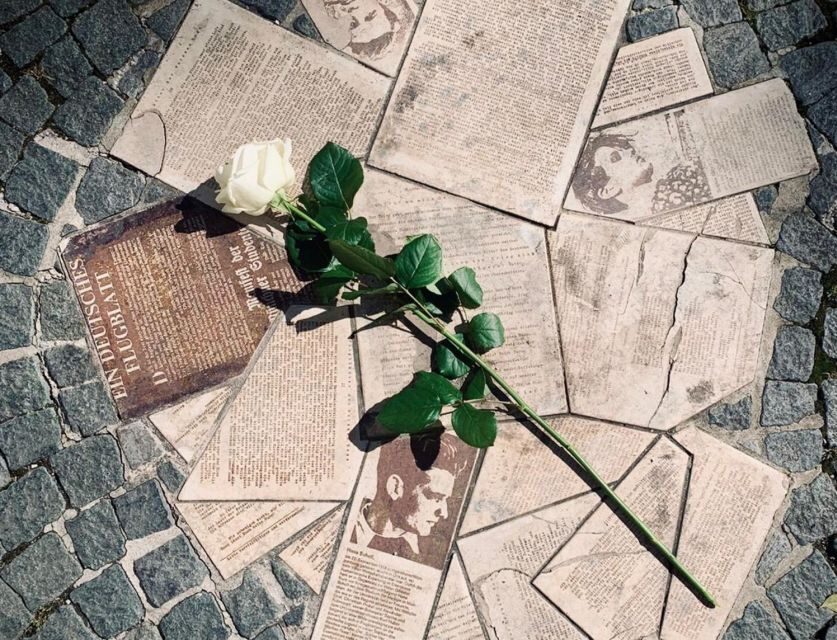
Munich was a launchpad for Nazi power. It’s where Hitler made early speeches, where the Nazi Party took shape, and where propaganda became part of everyday life until the very end. But that same city also holds another side of the story: Germans who didn’t just endure, but acted—often at deadly personal risk.
What I find meaningful here is the balance between tragedy and hope. You’re not only hearing facts; you’re seeing how people made different choices under extreme pressure. That theme—silence from many, active resistance from some—runs through the walk like a spine, and it helps you understand why these locations matter.
This is not a party-tour kind of history. Expect serious moments and real moral questions. The upside is that you walk away with a clearer sense of how resistance took multiple forms in Munich, not one single storyline.
You can also read our reviews of more walking tours in Munich


Starting at LMU: a smart way to get your bearings
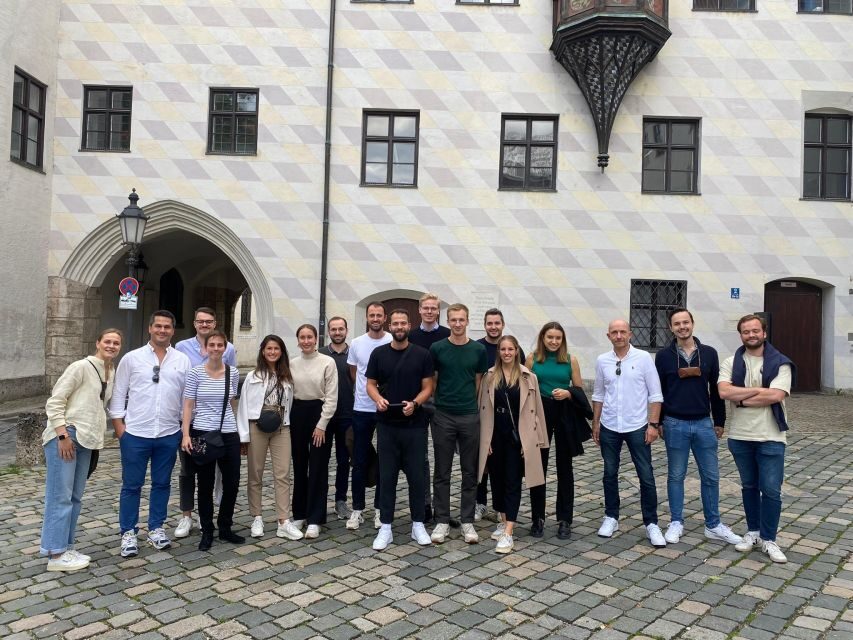
The tour begins at the big fountain at the main entrance of the University of Munich (LMU), at Geschwister-Scholl-Platz 1. Meeting there is practical: you get a stable, obvious landmark, and the location immediately signals the theme of youth, education, and political influence—things that Nazi propaganda targeted hard.
From the first steps, the guide sets you up to read the city differently. Instead of seeing architecture only as scenery, you start seeing it as a stage where different people made different decisions. If you’re the kind of person who likes to connect stories to sidewalks, this start is a good match.
Bring comfortable shoes. The route is about two hours, and you’ll want your legs to feel good enough to focus on details—not just survive the walking.
Alex’s local approach: how the tour stays clear and human
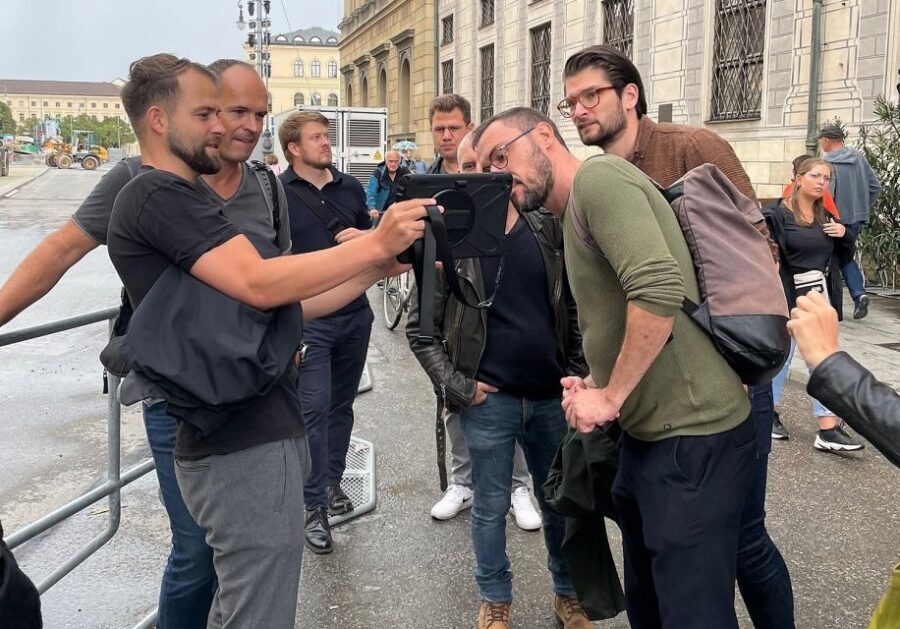
This tour is fully guided by Alex, a Munich local with a passion for history. That matters more than you might think, because resistance history can get abstract fast. Alex’s job is to turn dates and names into something you can picture, then connect it to specific places as you pass them.
One of the best parts is the pacing. The tour moves from major themes to specific incidents, with room for questions along the way. That gives you a chance to ask what you’re genuinely curious about, rather than being stuck waiting until the end.
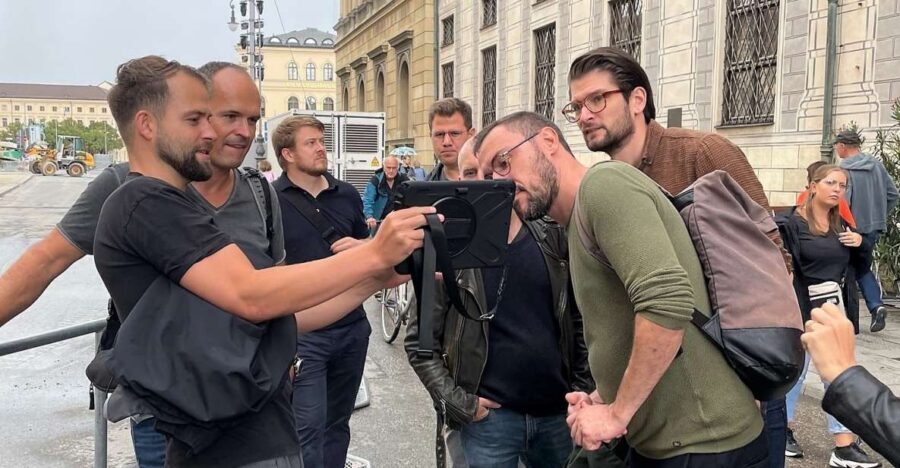
Alex also uses historical images connected to the sites you’re visiting. I like this technique because it does two things at once: it helps you visualize the events, and it keeps you from feeling like you’re only reading plaque text at random.
White Rose: more than the famous name
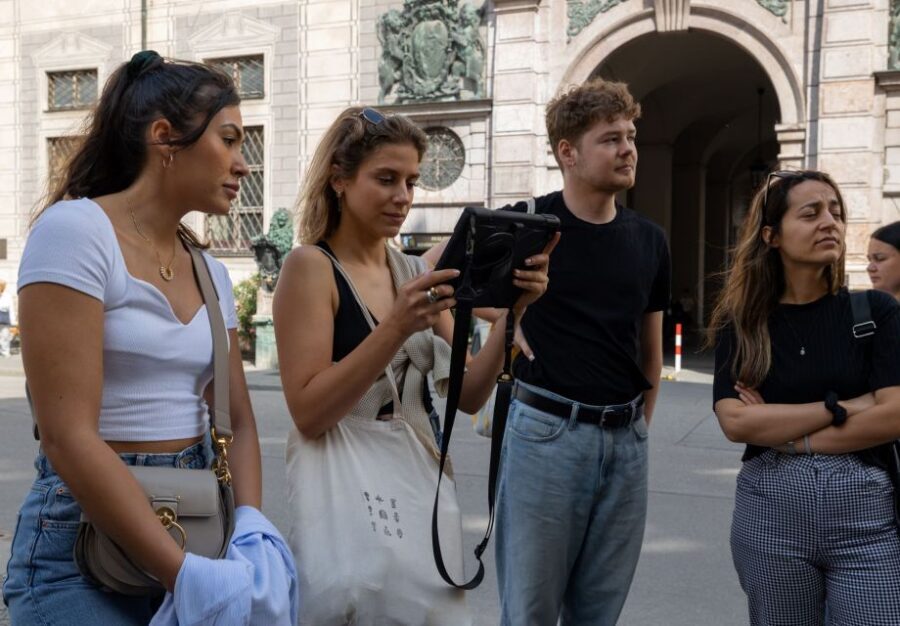
You’ll learn about the White Rose, Germany’s best-known resistance group. Even if you already know the headline, the value here is how the story fits into the wider resistance landscape of Munich.
The key idea you’ll get on the walk is context. Resistance wasn’t only about one group, one moment, or one type of action. The White Rose becomes an anchor point that helps you compare other stories you’ll hear later—especially the theme that some young people chose to resist when many older people looked away.
As you move through the walk, you’ll notice how the guide frames these choices as moral courage under pressure. That’s not just heavy-handed preaching; it’s an explanation of how dissent can spread even when the regime tries to make it impossible.
If you want history that feels connected to people—not just slogans—this is the portion most likely to stick with you.
Youth resistance and the uncomfortable question: who stayed silent?
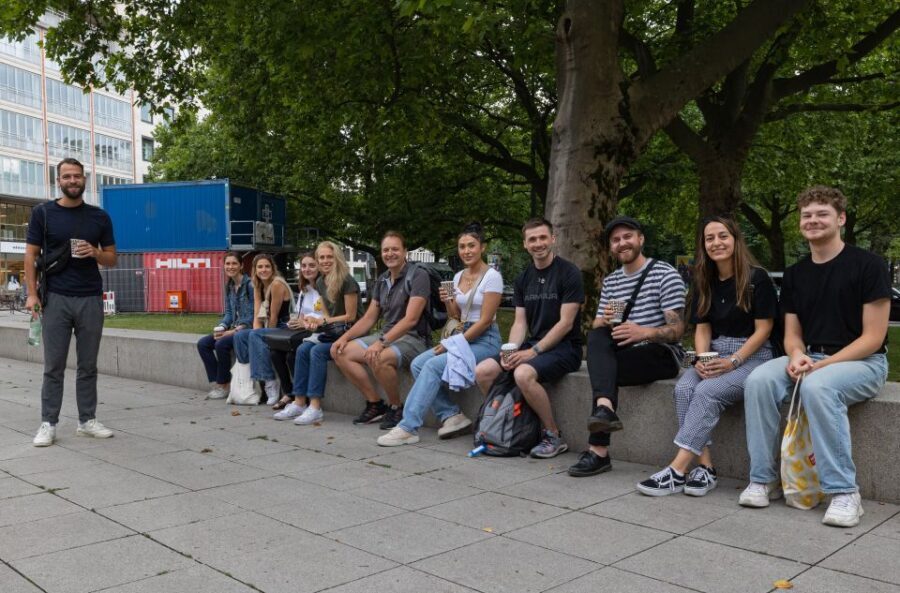
One of the tour’s strongest themes is how Munich’s youth was also prepared to resist. That point isn’t filler. It’s a contrast designed to make you think about social roles—who had power, who felt safe, and who took risks.
The guide draws attention to the fact that many Germans silently endured the Nazis’ madness. Against that backdrop, the people who acted—especially young people—feel sharper, more personal, and harder to dismiss as distant “history figures.”
You’ll come away with a better understanding of how a city can be shaped by fear and conformity, yet still contain pockets of resistance. That’s part of why this walk works so well: it doesn’t treat resistance as a miracle. It treats it as a set of choices made by ordinary people in extraordinary conditions.
You can also read our reviews of more historical tours in Munich




Former Central Ministry and the logic of conspiracies
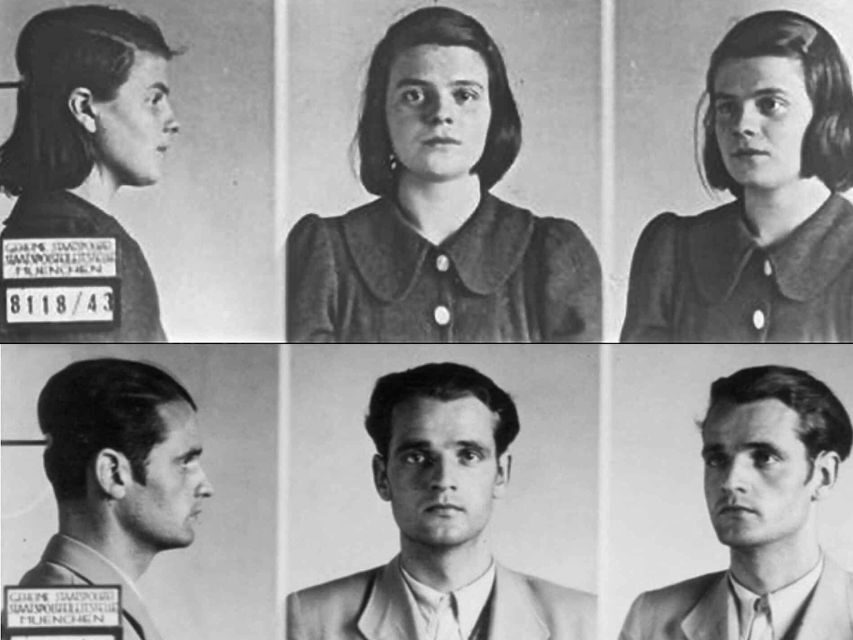
The tour includes stops at original historical sites connected to the Nazi power structure. One highlight is the former Central Ministry. Even without turning it into a lecture about government machinery, the location helps you grasp how resistance planners had to work around a system that was already entrenched.
Then the story shifts into secret planning: you’ll encounter the place connected to a secret military plot, and you’ll also hear about resistance efforts that involved bold plans against the regime. This is where you start understanding resistance as strategy, not just emotion.
What I like about this part is that it helps you read the idea of conspiracy in a concrete way. You’re not only hearing that plots existed—you’re learning how they depended on access, timing, and risk. The guide connects those elements to the feel of the city, so the events don’t stay stuck in textbooks.
The lonely bomb plot: seeing assassination planning as a desperate act
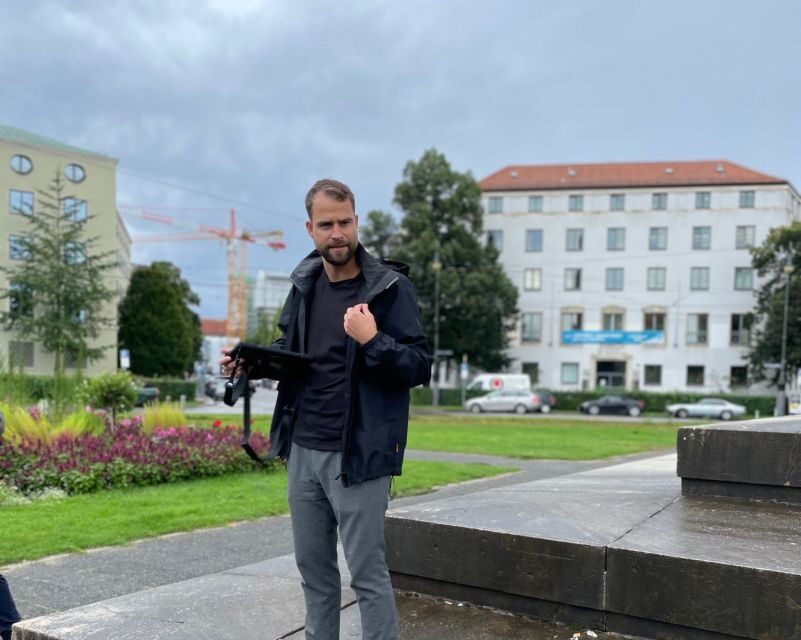
One of the most gripping themes is the place where a lone man built a bomb intended to kill Hitler. The story is presented as dramatic, but the tone stays grounded. You’re encouraged to understand the act as a desperate attempt to stop a regime that had become inhuman and destructive, not as a cinematic stunt.
Even if you’ve heard about this theme before, seeing it tied to a specific location changes your mental picture. The city becomes a kind of evidence board. Every stop feels like a piece of the larger question: how could one person—or one group—try to interrupt a mass movement?
This part of the walk is heavy, and you’ll likely feel the weight of it in your body more than in your head. That’s normal. It’s also a sign the guide is doing the right thing: letting the seriousness land without turning it into spectacle.
The military coup story: where dramatic plans met real streets
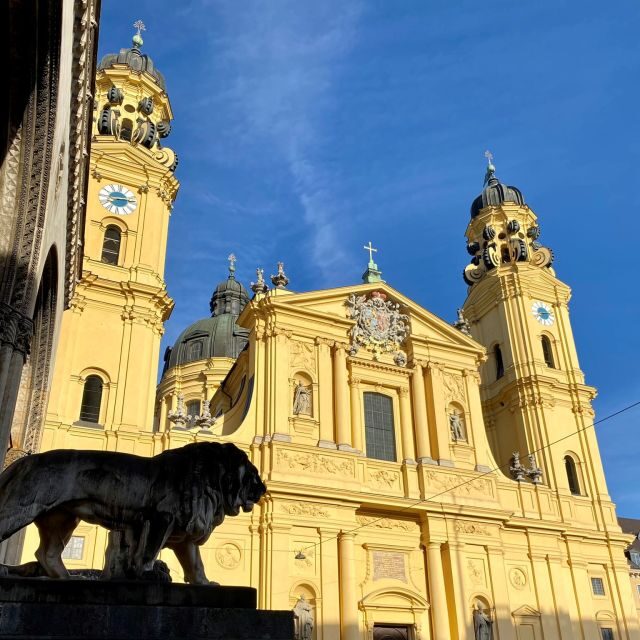
Another stop focuses on the original sight of a dramatic military coup against the Nazis. You don’t need to be a WWII scholar to follow this section, because the guide treats it as a story of risk and consequences.
The value here is that you see resistance as multiple tracks moving in parallel. Some people resisted through pamphlets and moral courage. Others considered violence and political force. Still others worked from inside systems that were trying to keep the regime stable.
As you walk, look at the city like it’s trying to keep secrets. Not every location will scream what happened there, and that’s part of the point. The story gives you permission to notice how power can occupy ordinary streets and buildings.
When you connect the coup attempt to what came before and after, it becomes less like a single event and more like a chain of decisions. That chain is what makes the route satisfying rather than just informative.
Odeonsplatz finish: a good end point for reflection and next steps
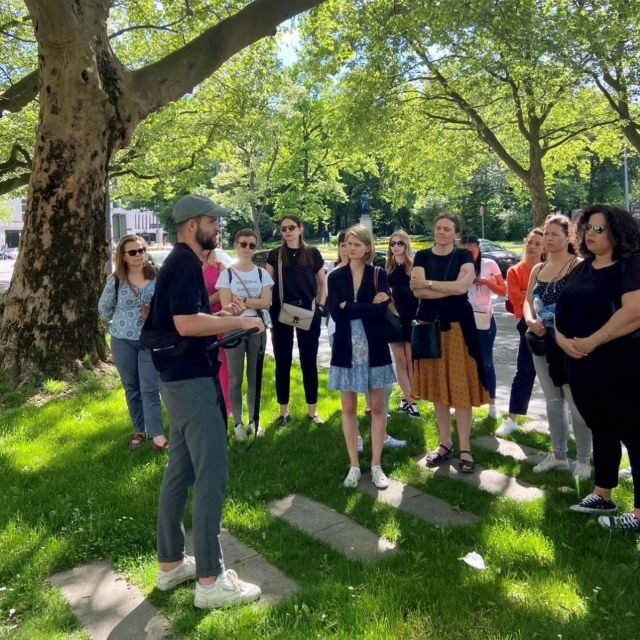
The final stop is at Odeonsplatz. This is a smart choice because you end in a central, walkable area where it’s easy to continue on your own—either to process what you just heard or to connect it with other Munich sights.
I like ending at a place that feels public and historic. Resistance history is full of private fear, coded plans, and closed rooms. Ending in a visible square helps your brain switch from “events” to “meaning.”
If you want to keep the learning going after the walk, you’ll be better prepared to spot themes in the city. You’ll also know what to search for when you’re reading later, because you’ll have a route-based mental map of the resistance story in Munich.
Price and value: is $28 worth two hours?
At $28 per person for about 2 hours, this is a solid value if you want a focused, guided route rather than piecing together sites on your own. The big cost driver isn’t the walking time—it’s the guidance. A local guide like Alex adds interpretation: why each place matters, how each resistance movement connects, and how the story fits together in a way that’s hard to recreate alone.
This is especially worth it if you want more than the White Rose. The tour is designed to include resistance stories that are better known and others that are almost forgotten, all within one practical loop. That kind of curated storytelling is hard to DIY unless you already know exactly what you’re hunting.
If you’re the sort of visitor who likes to ask questions and get direct answers, the price also makes sense. Two hours is enough time to go beyond surface-level info, while still leaving you energy for the rest of your Munich day.
Practical tips so you enjoy the walk more
This tour is rain or shine, so plan for the outdoors. Your best friend is simple gear: a jacket you don’t mind getting a little weathered and comfortable shoes that can handle uneven pavement.
Since the tour is in German, think about your comfort level with the language. The guide answers questions, which helps if you can communicate even a little. If you’re not fluent, you can still benefit from the visuals and the clear structure, but don’t expect it to turn into a slow multilingual summary.
Also, don’t underestimate the topic. Resistance history in Munich is not light entertainment. Give yourself a calm buffer afterward—grab a coffee, sit for a bit, and let the stories settle before you jump into upbeat sightseeing.
Should you book this resistance walk?
Yes—if you want a structured, location-based way to understand how resistance against the Nazis played out in Munich. This is one of those tours that gives you a sharper mental map: White Rose, quieter acts of resistance, secret military plotting, and the dramatic assassination and coup story threads tied to real places.
Skip it only if you strongly prefer casual sightseeing or if the German language requirement would keep you from following the guide’s explanations. If you can handle serious history and you enjoy learning through walking, this one feels like money well spent.
FAQ
Where do we meet for the Munich Resistance against Hitler tour?
You meet at the big fountain in front of the main entrance of the University of Munich (LMU), at Geschwister-Scholl-Platz 1.
How long is the guided walking tour?
The tour lasts about 2 hours.
What language is the live guide speaking?
The tour guide speaks German.
Is the tour wheelchair accessible?
Yes, the tour is listed as wheelchair accessible.
What should I bring?
Wear comfortable shoes. The tour runs rain or shine.
What is included in the price?
It includes a fully guided tour by Alex, a real Munich local, plus personal recommendations to explore Munich like a local.
How much does the tour cost?
The price is listed as $28 per person.