REVIEW · MUNICH
Munich: Private Walking Tour of the Historical City Center
Book on GetYourGuide →Operated by Travmonde OÜ · Bookable on GetYourGuide
Munich’s center feels scripted by history. This private walking tour takes you through Munich’s historical city core, starting at Marienplatz and ending near the food-and-beer hub of Viktualienmarkt, with WWII stories woven in along the way. If you want more indoor history, there’s an optional stop at the Residenz Museum.
I especially like the way the tour links landmarks to people and events, not just dates. Two standouts for me are the Rathaus-Glockenspiel explanation (what it means and why it matters) and the WWII material, including Georg Elser’s daring plot in Munich and the story around Eva Braun. You’ll also get the practical benefit of seeing where the city’s famous beer culture grew up, not just reading about it afterward.
One possible drawback: this is narration-heavy. One guide experience was described as hard to understand because of quiet volume and low engagement, so if you depend on clear audio, pick a time and guide that works for your language comfort.
In This Review
- Key things you’ll notice on this Munich tour
- Starting at Marienplatz: the fastest way to orient yourself
- Rathaus-Glockenspiel and Mary’s Column: why the square is named that way
- Old Town to WWII Munich: the people behind the headlines
- Odeonsplatz and the Beer Hall Putsch: politics on the move
- Churches and legends: St. Peter, Frauenkirche, and the devil’s footprint
- Beer gardens and market life near Viktualienmarkt
- Optional Residenz Museum: worth it if you want the indoor chapter
- Price and group value: how to judge the $288-per-group rate
- Who this tour fits best (and who should consider something else)
- Should you book it?
- FAQ
- Where does the tour start?
- How long is the walking tour?
- Is this tour private?
- What group size is it designed for?
- What languages are offered?
- Does the Residenz Museum visit include admission?
- Are food and drinks included?
- Is wheelchair access available?
- Is free cancellation available?
- Is there an option to pay later?
Key things you’ll notice on this Munich tour
- Marienplatz focus: Old and New Town Hall plus the meaning behind the Glockenspiel
- WWII real-person stories: Georg Elser’s attempt to stop Hitler and context around Eva Braun
- Church legends with a purpose: St. Peter’s early role and the Frauenkirche devil’s footprint legend
- Beer culture on the street: Hofbräuhaus history (est. 1589) and views toward major beer-garden areas
- Beer Hall Putsch context: Odeonsplatz and the 1923 march of about 2,000 men
- Optional Residenz Museum add-on: When you want extra royal-court history beyond the walk
Starting at Marienplatz: the fastest way to orient yourself
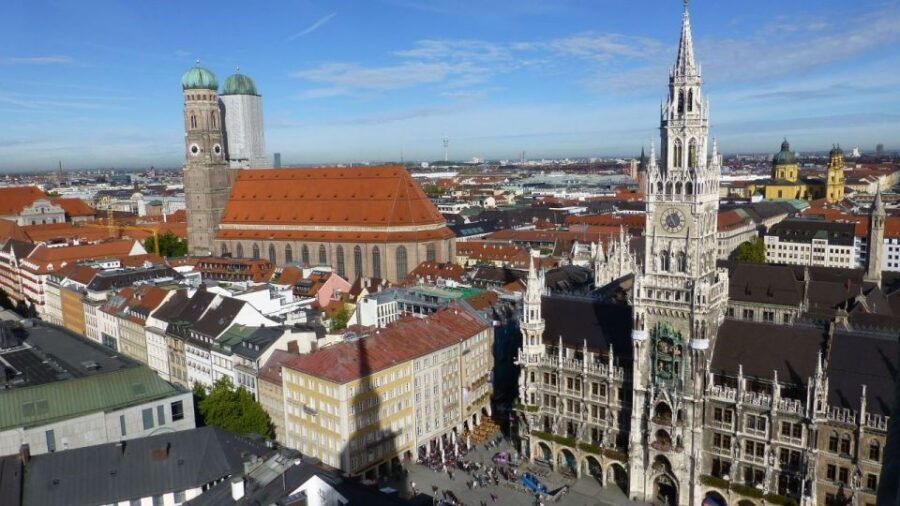
I like tours that help you understand a city layout in real time. This one begins at the fish fountain outside the Town Hall at Marienplatz 8, 80331 München, which is about as central as it gets. In a few minutes, you’re standing on the square that anchors Munich’s identity, then moving outward like the city is drawing a map for you.
The good news for you is that the route is designed around sightlines: you’ll see major civic buildings together, then shift to religious landmarks, then drift into the areas tied to political upheaval and brewing culture. It’s three hours long, so it’s long enough for story depth but short enough that you still have energy for a beer garden after.
It’s also private, for a group up to 15. That matters because you can actually ask follow-up questions instead of hearing your guide through a wall of strangers.
You can also read our reviews of more walking tours in Munich
Rathaus-Glockenspiel and Mary’s Column: why the square is named that way
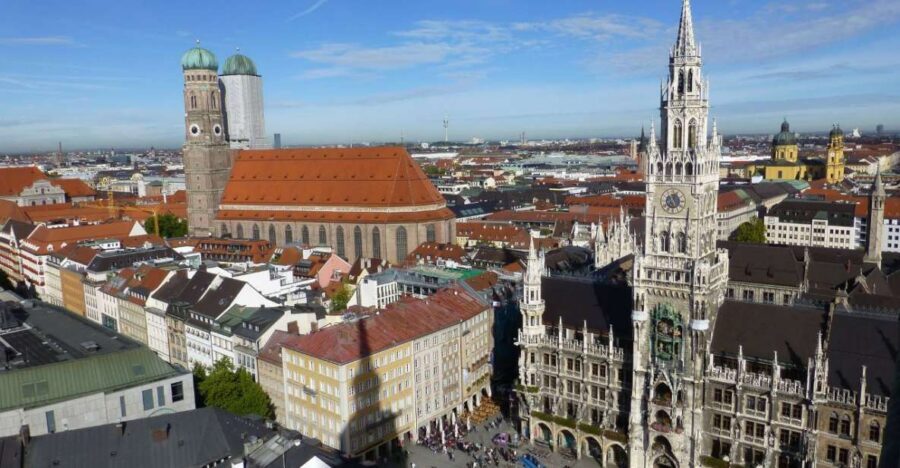
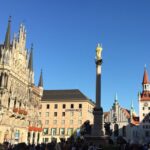
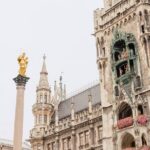
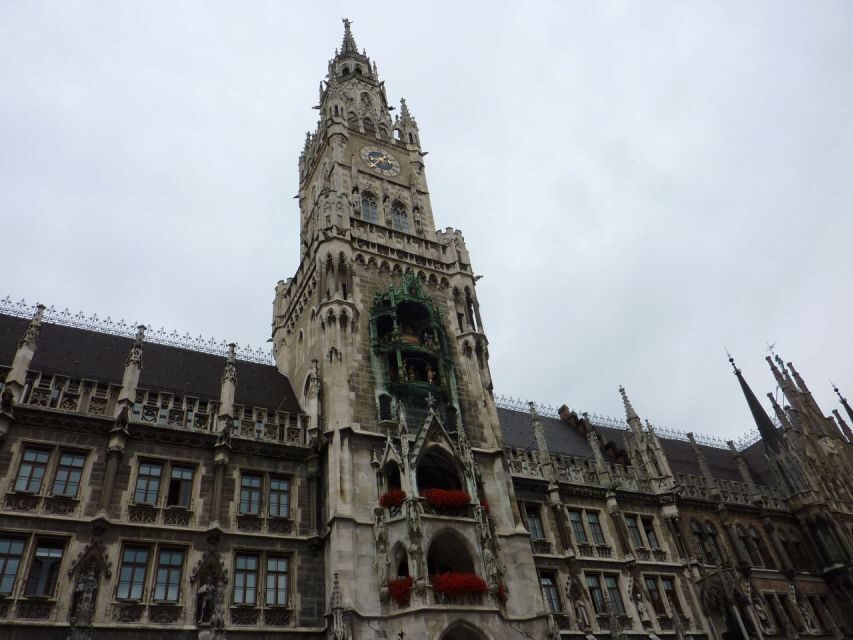
Your first big payoff is the storytelling around Marienplatz itself. The tour connects the square name to Mary’s Column, then walks you through both the Old and the New Town Hall, so you’re not just taking photos of buildings that happen to be pretty.
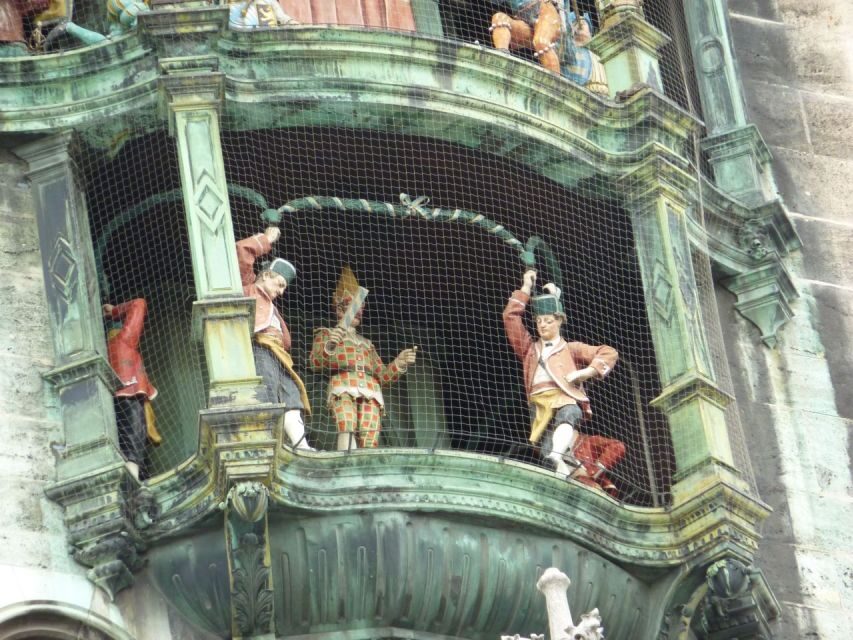
Then comes the clock tower moment: the Rathaus-Glockenspiel. You’ll hear what the landmark clock tower is doing and what the scenes mean, which is the difference between seeing something and understanding why locals care. Munich has plenty of tourist-friendly sights, but the Glockenspiel explanation is a classic case of getting the cultural key to the city.
This is also where a private guide shines. If you’re the type who likes details about symbolism, guild life, civic power, or how Munich chose to present itself, you’ll get more out of this stop than you would on a generic “look at this, next stop” walk.
Old Town to WWII Munich: the people behind the headlines
This tour doesn’t treat World War II like a distant lecture. It uses Munich streets as the stage, with human stories placed in context where they belonged. You’ll hear about how the city played a role in WWII, and the guide includes the point that the war was almost stopped by a daring attempt on Hitler’s life.
One key story is Georg Elser, the carpenter from Munich who planned an assassination plot against the Fuhrer. That’s not just a dramatic anecdote; it’s a reminder that smaller actors and quieter plans shaped history too. If you’ve ever wondered how the “big speeches” of that era connected to everyday life and everyday risk, this is the thread you’ll follow.
You’ll also get a story involving Eva Braun: the tour mentions the hometown of the young German girl who later became Hitler’s wife. The value here isn’t gossip. It’s geography—where people lived and how that location fits into the bigger story of the period.
Odeonsplatz and the Beer Hall Putsch: politics on the move
From the city’s civic center, the tour shifts toward political history. At Odeonsplatz, you’ll learn about the Beer-Hall-Putsch, when about 2,000 men led by Adolf Hitler marched to the center of Munich in the Nazis’ first attempt to seize power.
This stop helps you understand something important for your own sightseeing. When you walk past a square or a grand building, you’re really walking past layers of intent—who wanted control, how they tried, and what the city became afterward. Even if you’ve read about the Putsch before, hearing it tied to the actual setting makes the timeline feel more solid.
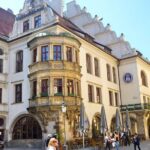
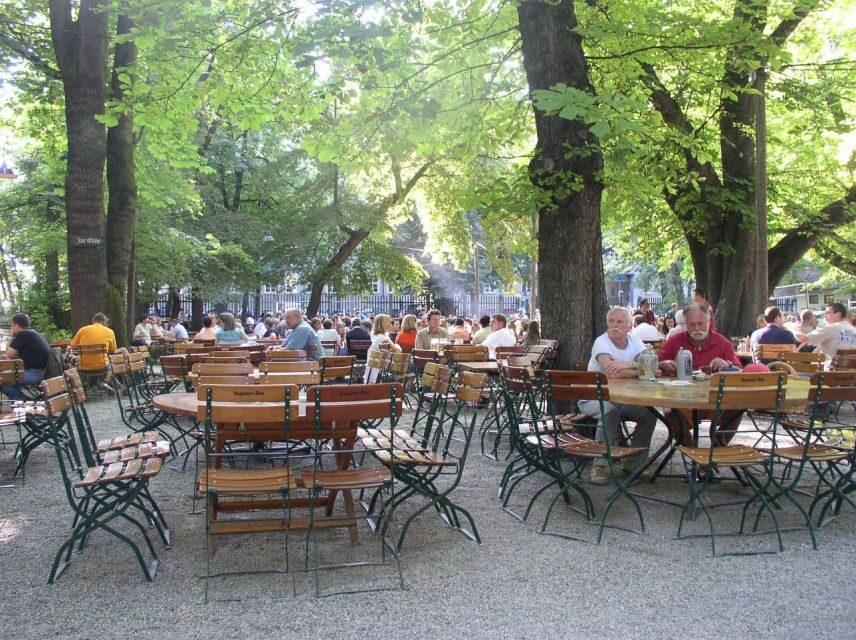
You’ll also pick up local context around Munich’s beer culture, including the royal brewery known as Hofbräuhaus, established in 1589. That date matters because it explains why beer isn’t just a casual activity here. It’s part of the civic rhythm, commerce, and social life that made Munich fertile ground for gatherings of every kind.
Churches and legends: St. Peter, Frauenkirche, and the devil’s footprint
Some walking tours focus on a single theme. This one balances civic history and religion, and the church stops are where legends turn into useful understanding.
At St. Peter, the guide explains how monks helped give rise to the city, and it’s framed at the oldest catholic church of Munich. Even if you’re not a church-history person, you’ll still get value here because it shows how early religious institutions shaped where people gathered, built, and organized life.
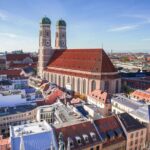
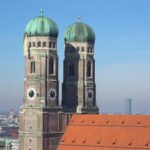
Next, you get a strong visual reward: views of the double towers of the Frauenkirche. The tour calls it the largest church in Munich, and the guide pairs the architecture with a well-known legend: the devil’s footprint. It’s the kind of story you’ll remember later when you’re back in Munich, because it gives the building a human twist instead of treating it like stone.
One practical tip for you: churches often have their own pace. Plan to slow down, look up, and let your guide finish the legend before you drift toward the next photo angle.
You can also read our reviews of more city tours in Munich

Beer gardens and market life near Viktualienmarkt
The tour doesn’t end with “and then you’re done.” It finishes by passing Viktualienmarkt, Munich’s public food market. This is a great wrap-up because you shift from history into the living city.
The market area is also tied to one of the most central beer gardens in Munich. That matters because you get a sense of how beer culture lives day-to-day, not only as an old story. If you like to keep your sightseeing practical, this ending point sets you up well for lunch, a snack, or a cold drink after the walking is done.
The tour also mentions seeing famous beer gardens in Munich, established nearly 450 years ago. Even if you can’t verify every exact garden’s founding date during a short walk, the bigger message is useful: Munich’s beer-garden tradition is long-running, deeply social, and built on routines that locals still keep.
Optional Residenz Museum: worth it if you want the indoor chapter
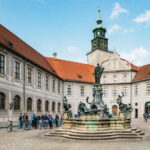
If you choose the option, your guide leads you to the Residenz Museum. Entrance fees aren’t included, so you’ll want to budget extra if you add this. Still, the logic is sound: a walking tour gives you context, but museum time can add depth when you want it.
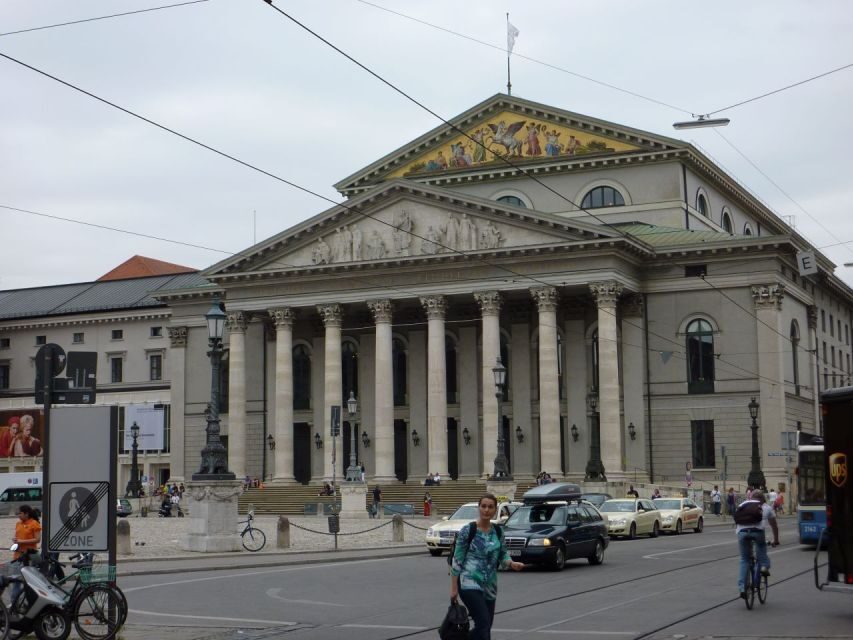
This option is best for you if you care about royal life, art, interiors, and the “seat of power” layer that outdoor monuments can’t fully explain. It’s less ideal if you prefer only street-level storytelling and don’t want to add museum pacing on top of the walking.
Since it’s private, the guide can generally tailor how long you spend depending on what you’re most interested in. That flexibility is hard to get on group tours.
Price and group value: how to judge the $288-per-group rate
The tour costs $288 per group for up to 15 people, lasting about 3 hours. On the surface, that can sound expensive, but the value depends on how you share it.
Here’s a simple way to think about it: divide the total cost by the number of people in your group to estimate your per-person rate. With a small group, it’s naturally higher per person than a mass-market tour. With a fuller private group (closer to 15), it can become a very good deal, especially in a city where private guiding is pricey.
You’re paying for a local professional guide, private pacing, and a story-heavy route that hits multiple major landmarks: Marienplatz, Rathaus-Glockenspiel, key churches, Odeonsplatz, and Viktualienmarkt. If you want a guided mix of WWII context plus beer-culture grounding plus architectural legends, this format can be worth it.
Also, one review highlighted a guide named Tom for strong Munich storytelling. Another experience mentioned a guide who was hard to hear and not very engaging, even in a private setup. That doesn’t mean the tour is inconsistent, but it does tell you to choose with language comfort in mind and come prepared to get as close as you can to your guide during stops.
Who this tour fits best (and who should consider something else)
This is a strong match if you want history that feels tied to the street: you care about how Munich’s center worked politically and socially, and you’d rather understand the city than only collect photos. It’s also ideal for couples or small friend groups who can actually talk with the guide, plus families who like guided “big stories” at a pace that doesn’t drag.
You might want to consider a different option if you prefer quiet sightseeing without narration. This tour leans into explanation and legends, so it’s less suited to travelers who just want to wander independently.
One more note: it’s not suitable for wheelchair users. If accessibility is a priority for you, you’ll need to look for a different format or another route designed for mobility needs.
Should you book it?
I’d book this tour if you want a single guided loop that covers Munich’s core in 3 hours, with smart context on WWII-era events, the meanings behind major landmarks like the Rathaus-Glockenspiel, and the beer culture that shaped social life. The optional Residenz Museum can also turn it into a more complete “power + art + city” day if you’re interested.
I’d hesitate only if you know you struggle with hearing guides in open spaces, or if your priority is purely museum time instead of street storytelling. If audio clarity matters to you, choose your language option carefully and be ready to stay close to your guide at each stop.
If that sounds like your style, this is one of the more practical ways to get oriented in Munich while learning the stories that make the buildings feel alive.
FAQ
Where does the tour start?
It starts at the fish fountain in front of the Town Hall at Marienplatz 8, 80331 München.
How long is the walking tour?
The duration is 3 hours.
Is this tour private?
Yes. It’s a private group experience.
What group size is it designed for?
It’s priced for a group up to 15.
What languages are offered?
The live guide is available in English and German.
Does the Residenz Museum visit include admission?
No. Entrance fees are not included.
Are food and drinks included?
No. Food and drinks are not included.
Is wheelchair access available?
No. It is not suitable for wheelchair users.
Is free cancellation available?
Yes. You can cancel up to 24 hours in advance for a full refund.
Is there an option to pay later?
Yes. The listing offers reserve now & pay later, meaning you can book your spot and pay nothing today.