REVIEW · BAMBERG
Bamberg: Immersive Medieval Tour
Book on GetYourGuide →Operated by AGIL Bamberg erleben · Bookable on GetYourGuide
One stop in Bamberg feels oddly magical: you start with medieval mead and end with Bamberg’s streets making sense in a new way. I love how this tour mixes storytelling with hands-on acting, turning you into a noble lady or a simple craftsman for a short sprint through the old town. I also love that it keeps you moving in side streets, so you see the city without feeling trapped in tour-group traffic. One possible drawback: the tour is German only, so if you do not read the language comfortably, the interactive parts may feel less satisfying.
The pacing is tight for just 75 minutes, which is great if you want a fun history hit without committing an entire afternoon. You meet at Tourismus- und Kongressservice Bamberg, get welcomed with mead, and then you’re guided through Bamberg’s “second Rome” story tied to Emperor Henry II in the 11th century.
In This Review
- Key highlights worth planning around
- A Glass of Mead Kicks Off Bamberg’s 75 Minutes
- From Henry II to Second Rome: The Story You’ll Remember
- UNESCO-Listed Architecture: Town Hall and Romanesque Cathedral Moments
- Witches’ Ointment, Demons, and the Everyday Stuff You Act Out
- Fire, Fire Strikers, and Why the Props Feel Authentic
- Side Streets Over the Main Squares: See Bamberg Without the Crowds
- Price and Value: Is $23 Worth It?
- Who This Tour Suits Best (and Who Might Skip)
- The Practical Stuff That Helps You Have a Better Day
- Should You Book This Bamberg Immersive Medieval Tour?
- FAQ
- Is the tour offered in English?
- How long is the Bamberg medieval tour?
- What is included in the price?
- Do I need to bring my own mead or food?
- Are alcohol or other substances allowed during the tour?
- Where do I meet the guide?
Key highlights worth planning around
- Mead welcome: You begin the experience with a proper taste of medieval-style Met.
- Role-play you can feel: You’re not just listening; you’re asked to act out everyday medieval roles.
- Real props, real tasks: Collect water from wells and use a fire striker to ignite embers like you’re living then.
- UNESCO World Heritage context: Bamberg’s architecture and urban form are connected to central European city evolution.
- Mostly quieter streets: The route favors narrow lanes over the busiest main areas, especially helpful during busy seasons.
A Glass of Mead Kicks Off Bamberg’s 75 Minutes

Bamberg has that rare trick of feeling historic without feeling dead. This tour leans into that energy right away. You start at Tourismus- und Kongressservice Bamberg (Geyerswörthstraße 5, 96047 Bamberg) and are greeted with a small glass of medieval mead. It is not a random souvenir moment. It sets the tone: fire, superstition, daily life, and a little theater—fast.
What I like most is how the mead welcome makes everyone part of the same moment, even if you arrive with different expectations. Some people come for medieval history. Some come for the hands-on stuff. Either way, the mead gives the group a shared start point.
The tour’s duration—about 75 minutes—matters. It’s short enough that you can do it even if you only have a half-day in Bamberg. And it’s long enough that you’re not just hearing a couple of facts. You get time to play, learn, and ask questions.
You can also read our reviews of more tours and experiences in Bamberg.
From Henry II to Second Rome: The Story You’ll Remember
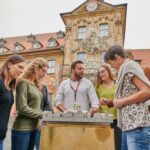
The big idea you’ll carry away is Bamberg’s 11th-century identity as a chosen “second Rome,” tied to Emperor Henry II. That phrase can sound grand on paper, but on the street it becomes practical. You start to understand why the city’s layout and buildings look the way they do, and how that influenced the way central European towns evolved later.
This is where the tour does something smart: it does not stop at a zoomed-out history lecture. Instead, it uses history as a framework for everyday life. That’s why you hear about the city across centuries and still end up thinking about ordinary actions: drawing water, lighting a fire, and living through hard conditions.
And yes, the medieval theme includes witches’ ointment, demons, and dark folk beliefs. That doesn’t replace the historical material—it acts like the emotional texture of the era. You end up with a stronger sense of how people might have explained the world when they did not have modern science.
You also learn how Bamberg’s architecture helped shape urban form across central Europe. The point is not memorizing dates. The point is learning to spot patterns: how towns plan space, where authority shows up in stone and design, and how religious and civic life becomes visible in the layout.
UNESCO-Listed Architecture: Town Hall and Romanesque Cathedral Moments
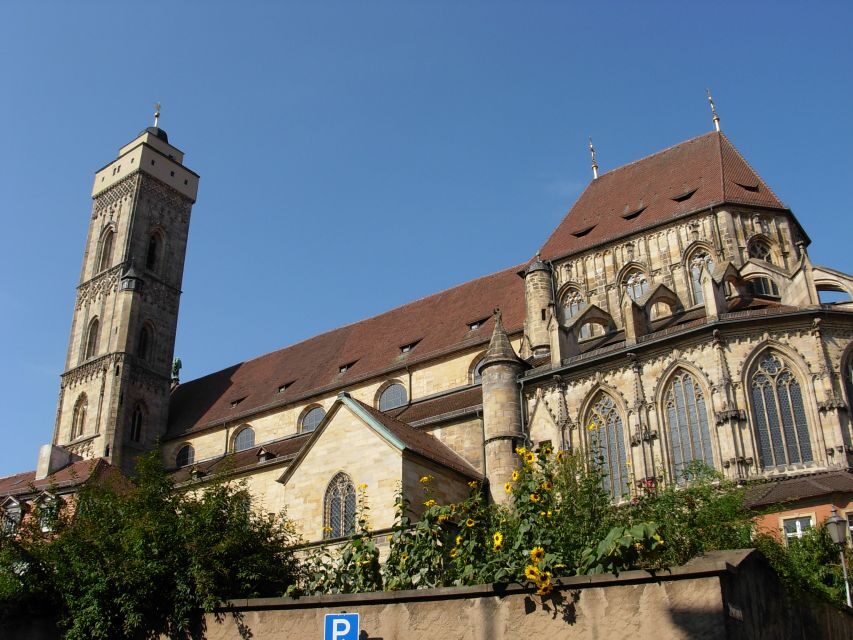
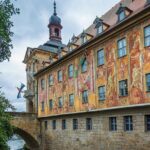
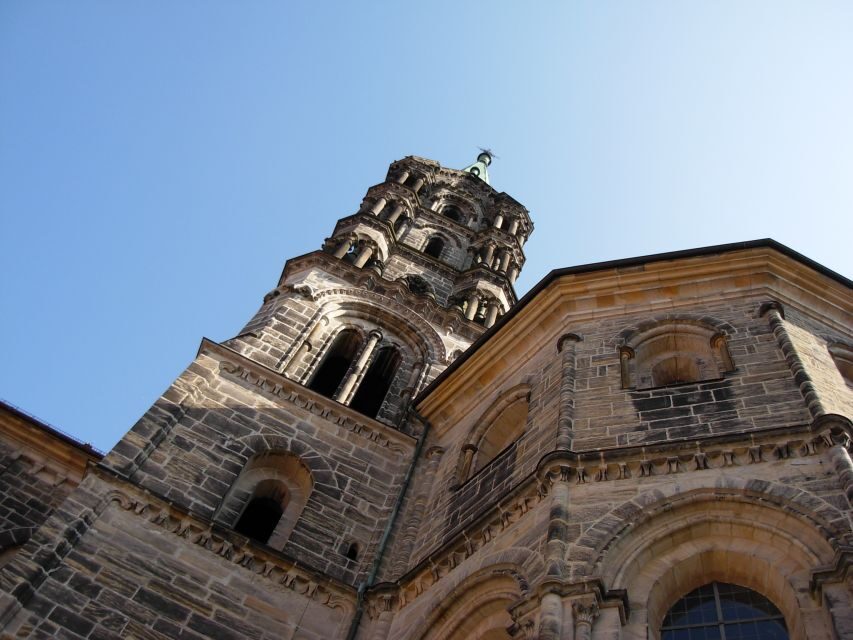
Even with all the theater, you still get real Bamberg landmarks. Two standouts in the experience are the colorful town hall and the city’s ancient Romanesque cathedral.
The town hall is more than a pretty facade. In medieval cities, civic power needed a visible stage, and Bamberg’s preserved structures show how that worked across time. During your walk, you’ll connect those building choices to the city’s longer story—why certain design decisions became part of the urban DNA.
Then you have the Romanesque cathedral, which anchors Bamberg’s religious importance. Romanesque architecture carries a specific weight: solid forms, strong lines, and a “built to last” feeling. On a normal sightseeing day, you might take a photo and move on. Here, you’re nudged to notice how that kind of architecture signals authority and community life.
A practical note: Romanesque stone can be striking in daylight. But if you go in cool weather or near evening light, the building surfaces can feel more dramatic. It is worth dressing for the walk between stops—this tour moves.
Witches’ Ointment, Demons, and the Everyday Stuff You Act Out
This is not a sit-and-stare history tour. The tour leans hard into interactive medieval life—complete with spooky imagery—while still keeping it grounded in everyday routines.
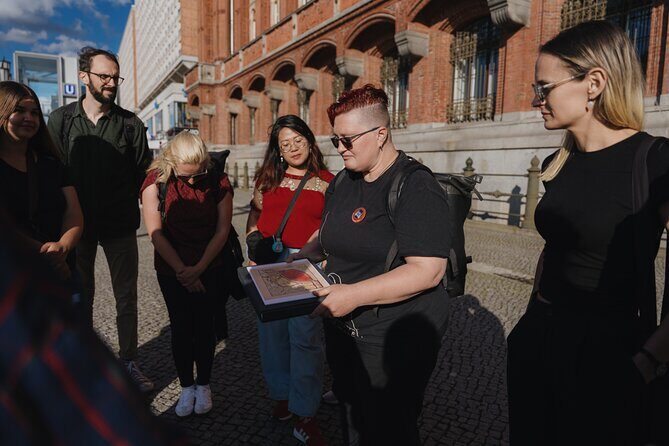
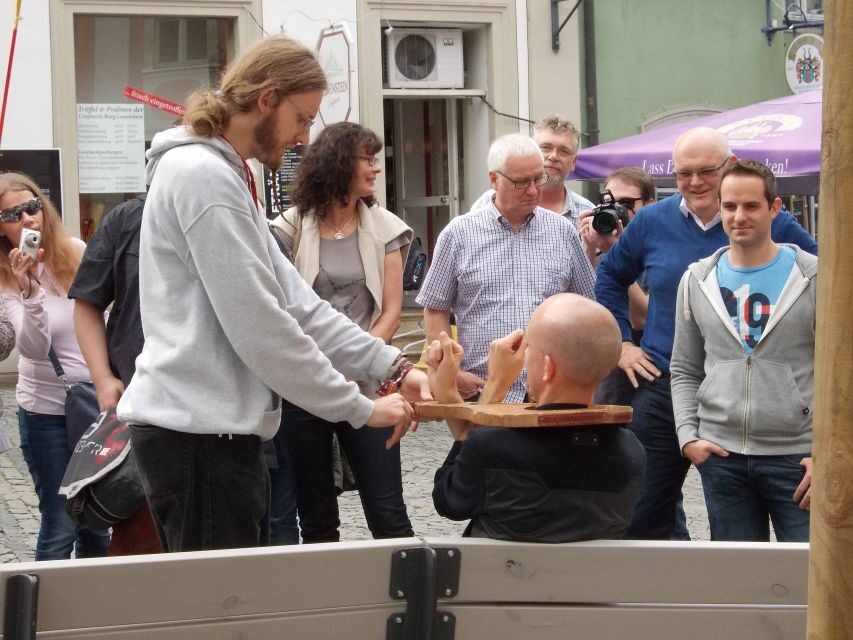
You may be asked to take on a role, such as a noble lady or a simple craftsman. That matters more than it sounds. When you act out a role, you remember details better. You stop thinking of the medieval era as a museum label and start thinking of it as a lived system of tools, chores, and beliefs.
The hands-on props are a major reason this tour earns such a high rating. You might get to collect water from wells, which forces you to picture how essential water was before modern plumbing. You also get to ignite embers in a stove using a fire striker, so you experience the effort and method behind making a fire.
That kind of task-based learning is rare in short walking tours. It also helps you understand why medieval life felt different. Fire was not guaranteed. Water required work. And daily routines shaped everything—diet, temperature, hygiene, and even superstition.
If your idea of fun history is quiet museums and long lectures, this may feel a bit theatrical. But if you want history with texture and action, this is exactly the right approach.
Fire, Fire Strikers, and Why the Props Feel Authentic
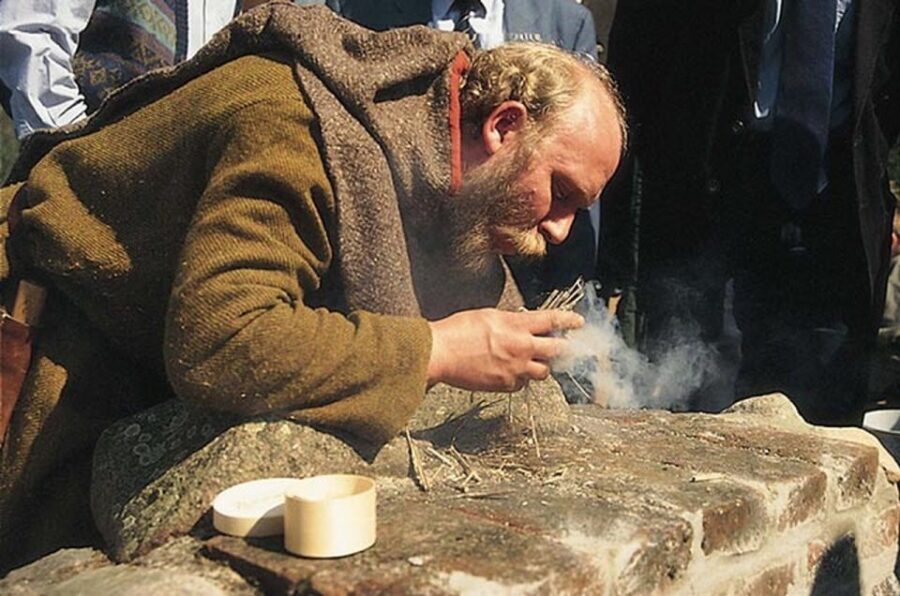
One thing I really appreciate is that the tour uses props in a way that stays connected to real medieval logic. The goal is not a special effect. It is the mechanics of daily living.
A fire striker demonstration does something simple and effective: it makes you respect how difficult ignition could be. You feel how a process requires steps and patience. It also makes the medieval “fire” theme more than a spooky word. Fire becomes a daily partner.
And when you collect water from wells, you get a sense of effort that a photo never gives. Even if you do it briefly, your brain starts calculating distance, time, and physical work. That’s the kind of learning you can carry into the rest of your Bamberg sightseeing.
From a practical standpoint, these tasks also mean the group spends some time standing and moving at a pace dictated by the guide. If you prefer constant motion, you’ll be fine. If you need lots of seated time, this may not be your ideal tour.


Side Streets Over the Main Squares: See Bamberg Without the Crowds
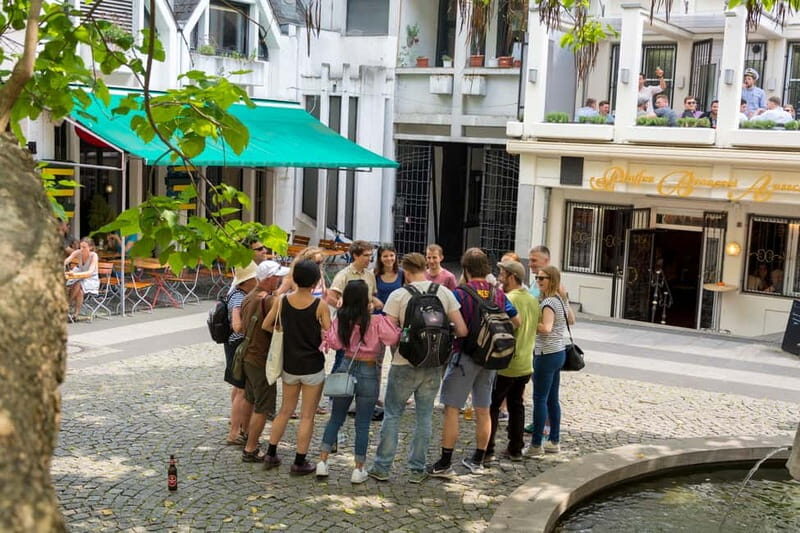
Bamberg gets busy at weekends and around Advent market time, and the main areas can feel packed. This tour avoids that problem by spending more time in smaller lanes and side streets. That approach is not just for comfort. It also makes the history feel more believable.
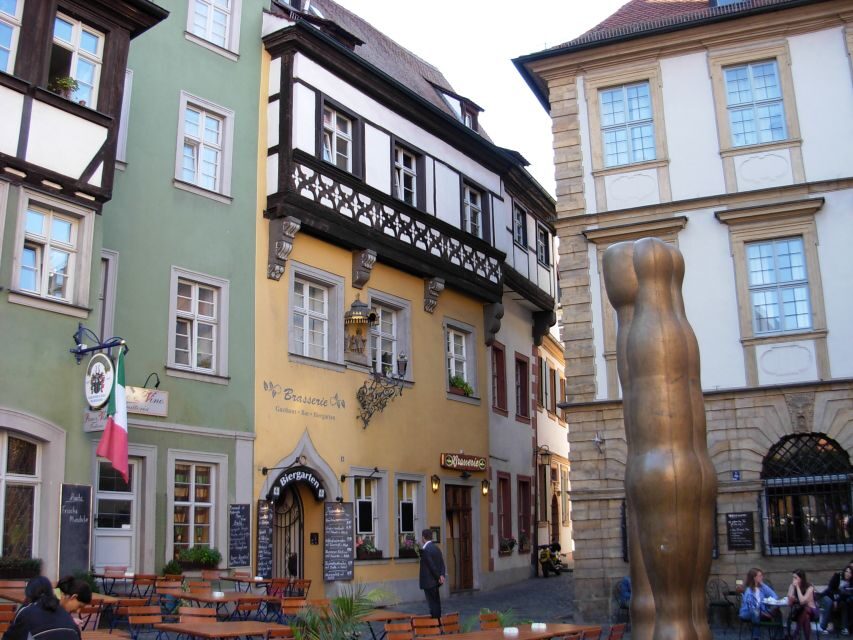
When you walk through quieter alleys, you can imagine how people moved between home, work, and church. Narrow streets also make it easier to picture how buildings, courtyards, and facades relate to each other. You start noticing how Bamberg’s urban form supports daily life.
It also means you’re not only photographing the same postcard corners. You see the town’s scale and texture. That alone can make a short tour feel longer in the best way.
Dress matters here. In colder months, you’ll be outside walking between stops while you act and listen. Plan for layers, even if Bamberg looks sunny at first.
Price and Value: Is $23 Worth It?
At $23 per person for around 75 minutes, this is priced like a budget-friendly afternoon activity. That would already be a win in many European cities, but the real value comes from what you get for that money.
You receive:
- A live guide (German)
- An interactive medieval experience
- Mead included in the welcome
For the type of experience—short, theatrical, hands-on—you’re paying for time and performance, not just access to a landmark. You also get a curated route that helps you understand Bamberg’s big story without spending hours researching on your own.
If you already know medieval history and you prefer free-form exploring, you could spend less and build your own day. But if you want Bamberg to click quickly, this offers strong “learn-per-minute” value.
Who This Tour Suits Best (and Who Might Skip)
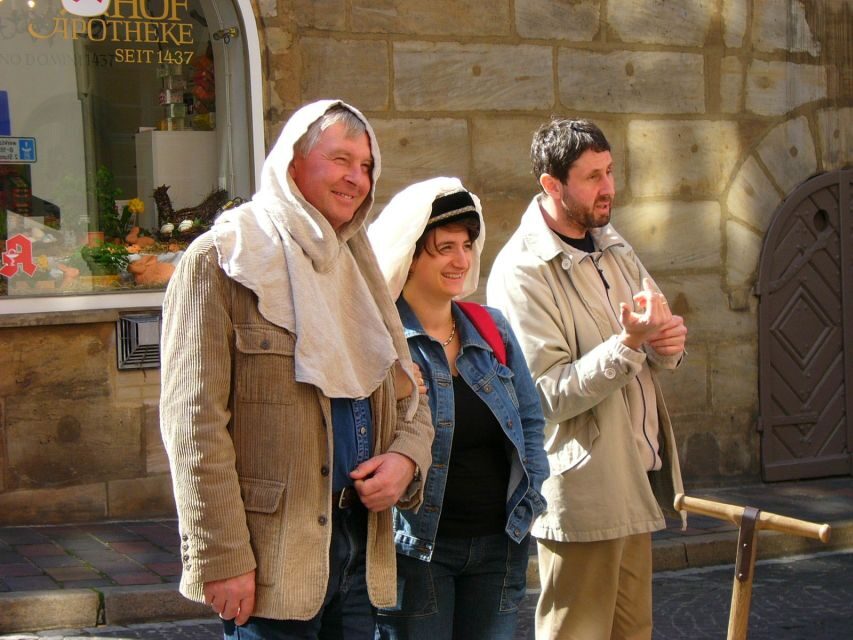
I’d put this tour at the top of the list for:
- People who enjoy interactive experiences, even if you are not a theater person
- Travelers who like medieval life in a story format, not just a lecture
- Anyone short on time who still wants more than one or two sights
It may not be ideal if:
- You need an English-language guide and you cannot follow spoken German
- You strongly prefer quiet sightseeing with no role-play or spooky themes
- You want detailed museum-style explanations at every stop
The sweet spot is a curious traveler who likes a little play with their history. If you’re open to role cues and hands-on tasks, you’ll probably have a great time.
The Practical Stuff That Helps You Have a Better Day
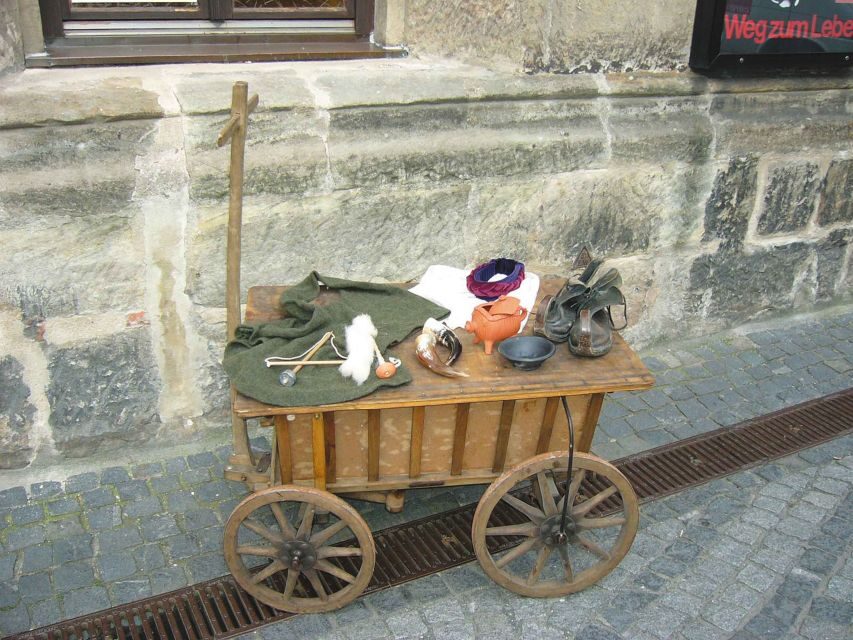
Meeting point is Tourismus- und Kongressservice Bamberg, Geyerswörthstraße 5, 96047 Bamberg. Arrive a little early so you can settle in and hear the welcome without rushing.
Also note the tour’s content and rules. Alcohol and drugs are not allowed during the activity. That does not mean you won’t taste anything—you get the included mead at the start—but it does mean you should not bring extra drinks.
Finally, the language is German. If you speak only basic German, the acting and the hands-on tasks will still carry a lot of the experience. But you’ll get more out of it with at least some comfort with everyday German.
Should You Book This Bamberg Immersive Medieval Tour?
If you want Bamberg history that feels human—fire, water, beliefs, civic buildings, and the “second Rome” story wrapped into one short experience—then yes, book it. This tour earns its strength through action and atmosphere, not through long speeches.
I’d especially recommend it if you are visiting in a busy season when you want the route to feel calmer and less crowded. The side-street approach helps you see Bamberg as a lived-in place, not a checklist.
Skip it only if language is a deal-breaker or if you dislike interactive role-play and medieval spooky themes.
FAQ
Is the tour offered in English?
No. The tour is guided in German.
How long is the Bamberg medieval tour?
It lasts 75 minutes.
What is included in the price?
You get a live guide, an immersive interactive tour, and a glass of mead.
Do I need to bring my own mead or food?
No. Mead is included as part of the experience.
Are alcohol or other substances allowed during the tour?
Alcohol and drugs are not allowed.
Where do I meet the guide?
Meet at Tourismus- und Kongressservice Bamberg, Geyerswörthstraße 5, 96047 Bamberg.