REVIEW · BERLIN
Hitler’s Germany: Berlin During the Third Reich & WWII
Book on GetYourGuide →Operated by Original Berlin Walks GmbH · Bookable on GetYourGuide
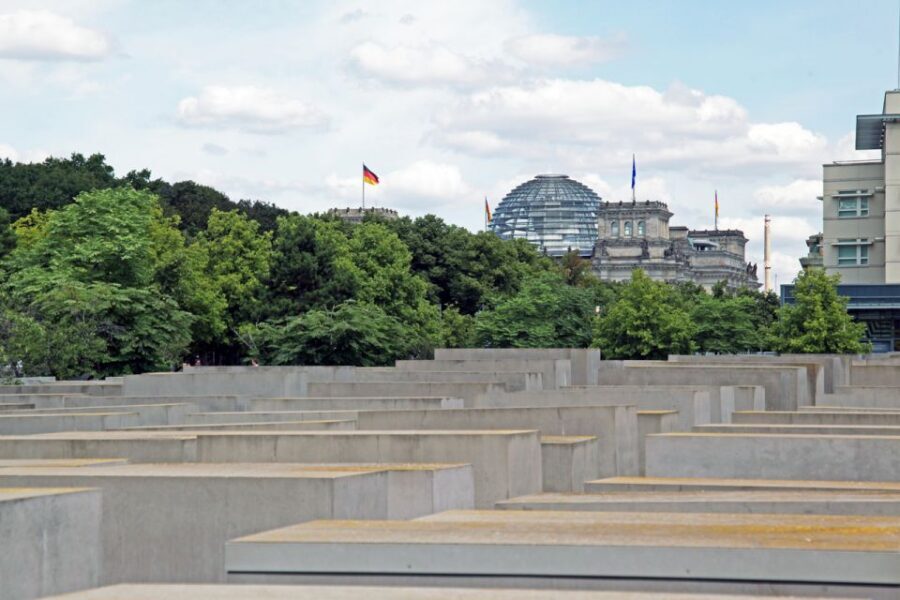
Berlin’s Nazi past is still written on streets. This 4-hour walk and short transit ride takes you from the city’s Jewish Quarter losses to key power centers, with stops at places like the Reichstag and the Holocaust Memorial. I like how the tour keeps the focus tight and human, not just stone-and-statue facts, and I especially like the expert native-level English guides (Rebecca, Glen, Jonathan N, and others earned top marks for making the topic clear and real).
What I like most: you cover both the machinery of the regime and the memory left behind—think Topography of Terror and the memorials in the Tiergarten area—while still getting a workable flow through central sights. The other win is time and route length: at $23 for four hours, it’s strong value for seeing a lot of high-impact locations without trying to stitch it together alone. The one drawback to weigh is that it’s a heavy, difficult topic and the tour is outdoors and transit-based, with no building entry during the stops (so comfort and pace matter).
In This Review
- Key things to know before you go
- Entering Berlin’s Third Reich corridor in just 4 hours
- Jewish Quarter origins, and how war starts with policy
- The Nazi government district walk: architecture as an instrument
- From Göring’s power to the Gestapo and SS headquarters zone
- Propaganda, T4, and the Holocaust: the guide connects policies to places
- Tiergarten approach: memorials that force you to remember specifics
- Hitler’s bunker context, the Reichstag, and the Battle of Berlin finale
- Price and value: $23 for four hours of high-impact Berlin
- Who should book this tour
- My booking verdict: should you choose this over DIY?
- FAQ
- How long is the tour?
- How much does it cost?
- What languages are the guides?
- Does the tour enter buildings?
- Is public transport required?
- Where do I meet the guide?
- Is there a private tour option?
- What sites are covered?
- What’s the weather like for planning?
- Is free cancellation available?
Key things to know before you go
- Jewish Quarter history + Anhalter Bahnhof: you start with the destruction of a nearby Jewish district and then move to a WWII-scarred station site.
- The “government district” walk: you pass former Nazi power hubs tied to Göring and the Luftwaffe complex.
- Topography of Terror break: the Gestapo and SS headquarters area is central to how the city documents terror.
- Propaganda, T4, and the Holocaust: the guide connects ideology to policies you can trace through Berlin’s places.
- Memorial stops in the Tiergarten approach: you visit sites for the Sinti and Roma victims and for 96 politicians arrested in 1933.
- Reichstag finale with Hitler’s bunker context: you end at the German parliament with the Battle of Berlin explained.
Entering Berlin’s Third Reich corridor in just 4 hours
Berlin can swallow you in big attractions—what this tour does well is cut through that fog. You meet in central Berlin, then for much of the time you’re moving on foot between major sites that shaped Nazi rule and WWII outcomes. It’s a 4-hour format, so the guide can stay focused without turning every stop into a lecture marathon.
Two things make this kind of tour worth your time. First, you’re not just looking at monuments; you’re seeing how power worked in space—offices, headquarters, and propaganda machinery placed in plain view. Second, you’re also shown how Berlin builds remembrance right where those events unfolded, so the lesson doesn’t end when the story turns grim.
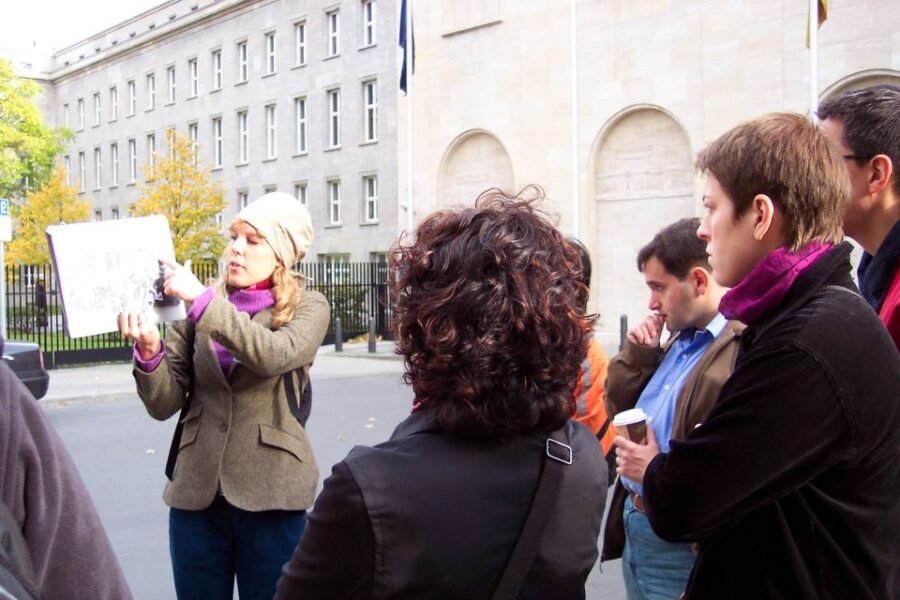
And because the guides are praised for engaging delivery (names like Rebecca, Glen, Jonathan N, and Padraig come up again and again), you’ll spend less time lost in translation and more time actually understanding why each stop matters. One review also mentioned maps, photographs, and documents used to bring the past to life, which is the best way to make dense history stick.
You can also read our reviews of more tours and experiences in Berlin.



Jewish Quarter origins, and how war starts with policy
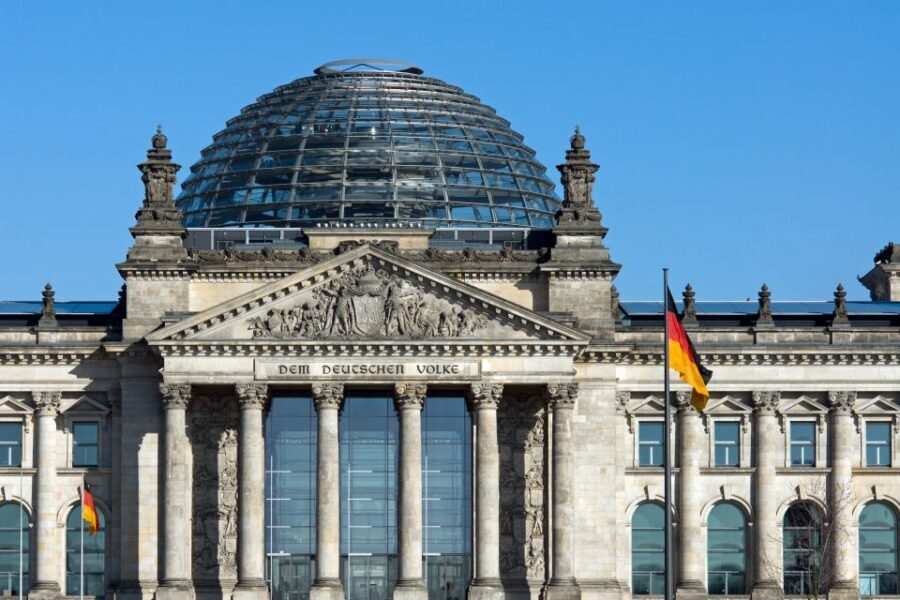
The tour begins with context about how the Nazis decimated Berlin’s nearby Jewish district. That matters because it puts the city’s later ruins into a sequence. You’re not just learning dates; you’re seeing the logic of persecution and how it spread from nearby neighborhoods into national catastrophe.
Then comes a short metro ride to Anhalter Bahnhof, a huge train station destroyed in WWII. Rail hubs are a good historical anchor point because they connect daily life to deportation, movement, and wartime logistics. Even if you know the headline events, the station stop gives you a physical sense of how the city functioned and how war broke its systems.
Practical tip: this is a walking tour with a transit segment, so dress for weather. The tour runs in all weather, and one review even mentioned umbrellas being available—use that as your cue to bring something weather-ready anyway.
The Nazi government district walk: architecture as an instrument
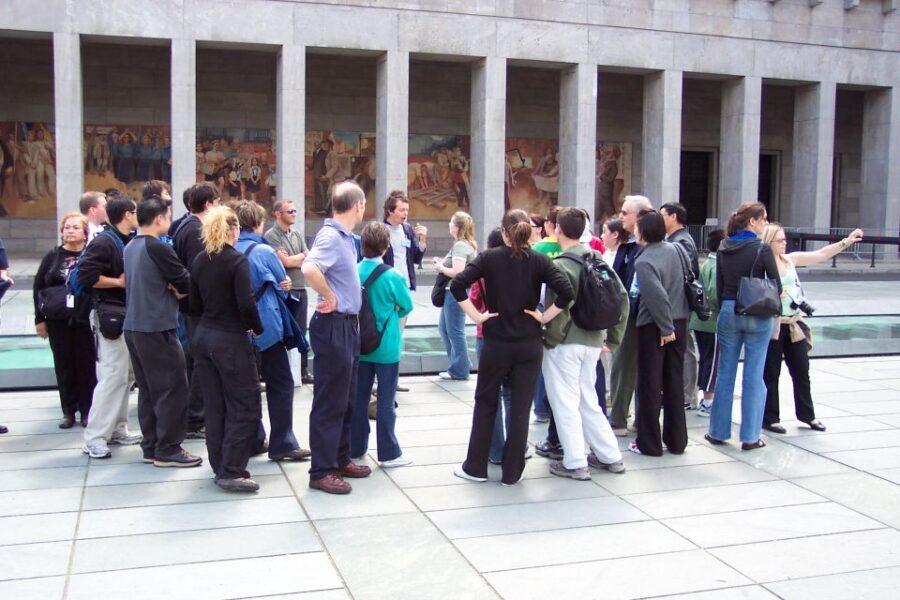
After the station context, you move through the former Nazi government district. This is where Berlin’s streets become a kind of textbook. You walk past the former Nazi Air Ministry and other regime-linked buildings, and the guide points out how the architecture served the regime’s image of strength and order.
One of the standout stops is the colossal former Luftwaffe headquarters, associated with Hermann Göring. The guide frames it not just as an impressive structure, but as a surviving example of Nazi architecture—proof that propaganda wasn’t only in speeches and posters. It was also in the built environment: scale, symmetry, and presence.
A detail I appreciate here: the stops are spaced so you can actually process what you’re seeing. The guide can keep moving, but you still get enough pauses to connect the dots between locations and the roles of key figures. In several reviews, guides were praised for keeping the group engaged and for answering questions, which is exactly what you want on a route like this.
From Göring’s power to the Gestapo and SS headquarters zone
Next you head toward the heart of state terror. You pass through the area tied to the Gestapo and SS headquarters, which now houses the Topography of Terror Museum. The tour includes a museum break there, and that pause is important.
Why? Because the city’s story can feel abstract until you see the evidence. A museum break gives your brain a reference point—documents, visuals, and curated materials—so the subsequent discussion of propaganda and genocide doesn’t float. It becomes anchored.
The good news is that the tour doesn’t require you to spend your entire day in a building. You’ll move on afterward, with the guide continuing the timeline and the moral weight of what happened.
Also, the tour is described as not entering buildings during the overall experience. So the museum portion is handled as a break rather than a “go in and wander all day” situation.
Propaganda, T4, and the Holocaust: the guide connects policies to places
What you get next isn’t just Nazi leadership trivia. The guide covers several of the regime’s most sinister actions and ties them into what you’ve just walked past.
You hear about Joseph Goebbels’ use of propaganda, which is a key part of understanding how the regime built consent and normalized brutality. Then comes the T4 euthanasia program—another grim reminder that the state’s violence wasn’t limited to the battlefield. Finally, you reach the Holocaust.
This section is where the tour can feel emotionally heavy. That’s not a flaw; it’s the purpose. But I’d treat it like a history lesson you prepare for. If you’re prone to overwhelm on dark topics, plan your day around it: bring water, keep snacks in mind if your schedule allows, and don’t push it back-to-back with other demanding activities.
What makes the experience work—based on the consistently high praise for guides—is the way the narrative is structured. Reviews mention guides who kept interest the whole four hours, and others who made room for questions. That matters here because the topics raise ethical and factual questions that don’t always fit neatly into a script.


Tiergarten approach: memorials that force you to remember specifics
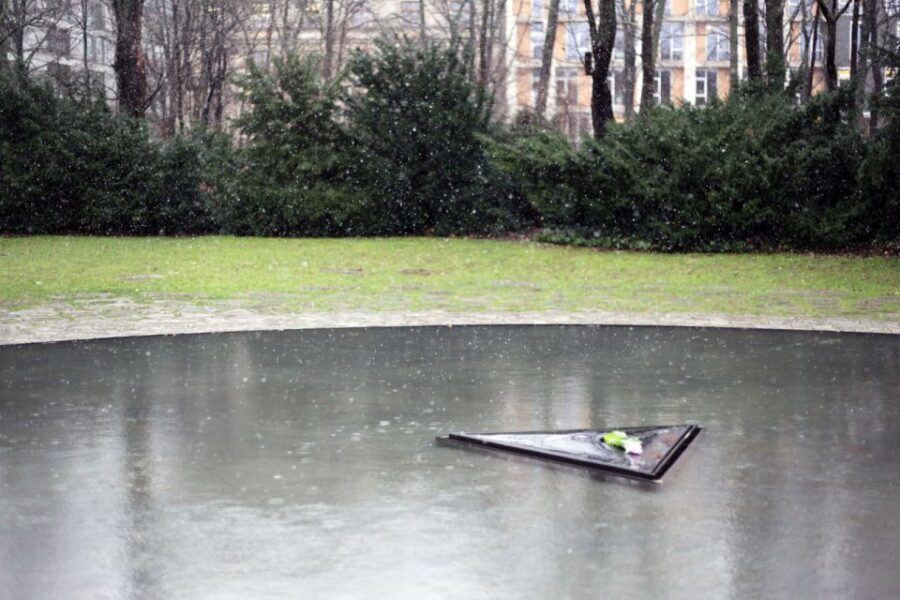
As you head toward Berlin’s largest park, the Tiergarten, the tour slows down in meaning. You visit memorials that highlight victims the Nazi regime targeted, and you also see how Berlin marks political persecution.
Two memorial stops stand out from the route description:
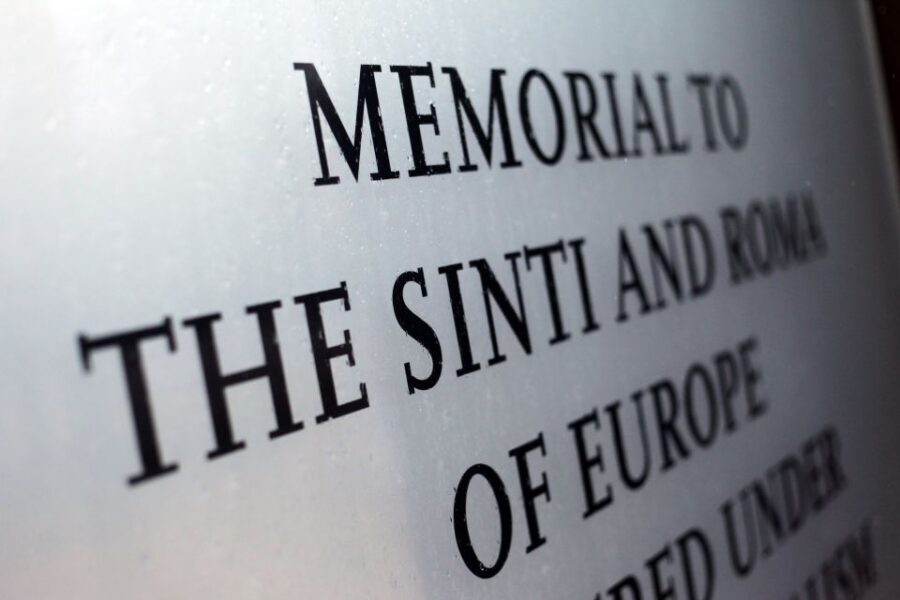
- The Memorial to the Sinti and Roma Victims of National Socialism
- A memorial for 96 politicians arrested by the Nazis as they seized power in 1933
These stops change the tone of the walk. Earlier you’re tracking power and policy. Now you’re facing memory and accountability in physical form. It’s one thing to learn that specific groups were persecuted. It’s another to stand where a city tells you, in a visible, lasting way, that names and lives mattered.
I like that this section isn’t skipped. Many people arrive in Berlin and head straight for the headline sites. This tour makes sure you also hit the memorial layer that gives the story depth.
Hitler’s bunker context, the Reichstag, and the Battle of Berlin finale
The tour’s closing stretch brings you to the Reichstag, the German parliament building. This isn’t just a photo stop. The guide explains both Hitler and Albert Speer’s plan to redesign Berlin into “Germania,” the empire’s world capital, and how this grand fantasy collided with reality.
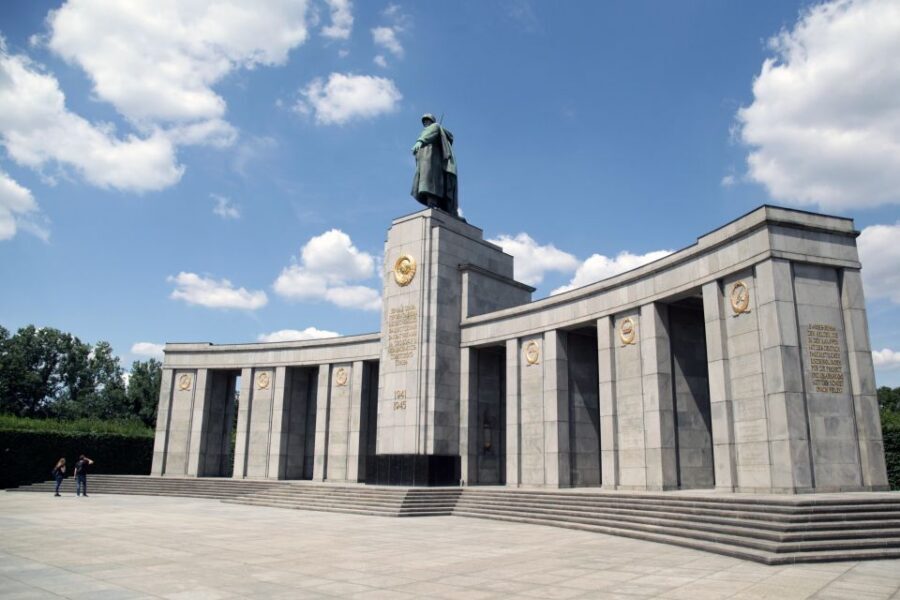
Then you get the wartime ending you came for: the Battle of Berlin, including how Soviet soldiers assaulted the Reichstag under anti-aircraft fire. The guide also explains that Hitler was committing suicide not even a mile away—linking the Reichstag’s siege story to the nearby endgame of the regime.
If you’re tempted to treat the Reichstag like a standalone landmark, don’t. The value here is the chain of meaning: ideology → architecture and government → war → destruction → remembrance. By the time you look at the building, you’re seeing it as part of a sequence, not a single event.
One more point: the tour is said to include seeing the site of Hitler’s bunker as well. Even if your route is a mix of close-up sights and contextual viewpoints, that bunker context helps you understand why the final days played out the way they did.
Price and value: $23 for four hours of high-impact Berlin
At $23 per person for a 4-hour guided tour, this is priced like an accessible day activity. The main value isn’t just the cost—it’s the density of serious sites that you’d otherwise have to research and assemble yourself.
Here’s the practical math: you’re getting a route that covers multiple key locations across Berlin—Jewish Quarter history, WWII station context, Nazi government district architecture, the Topography of Terror zone, memorials tied to specific victims, and the Reichstag finale. Add in a native-level English guide (and sometimes a small-group experience, depending on your booking), and $23 can feel like a bargain.
The one thing to watch is that public transport is involved. The tour notes that you need a public transport ticket if required, and it mentions a single AB ticket may be needed. So budget a little for transit, and you’ll avoid surprises.
Who should book this tour
This is a strong fit if:
- You want a structured walk that connects Nazi power, WWII impact, and memorial remembrance.
- You like guided context at a steady pace (the route is built for a 4-hour attention span).
- You care about understanding Berlin beyond its postcard highlights.
It may be less ideal if:
- You want a light, casual sightseeing day.
- You’re looking to enter buildings extensively, since the tour specifies no building entry during the tour.
- You get overwhelmed easily by genocide and state violence themes.
One clue from the reviews: guides were repeatedly praised for making the tour engaging—even when the subject matter is bleak. That doesn’t remove the heaviness, but it can help the information land in a way that’s easier to absorb.
My booking verdict: should you choose this over DIY?
If you’re trying to decide between a loose self-guided plan and a focused guided route, I’d lean guided for this one. Berlin has too many layers, and Nazi-era sites can blur together fast without a guide to connect them. The biggest reason to book is not convenience—it’s clarity. You’ll walk away understanding what each place contributed to the story, and you’ll do it in a time window that makes sense for a travel day.
So yes, I’d book it if history is part of your reason for being in Berlin. Especially if you value a guide who can keep you engaged, answer questions, and explain why the city still looks the way it does.
If you want, tell me your travel dates and whether you prefer shared or private, and I’ll suggest how to pair this with other Berlin stops on the same day (without overloading your schedule).
FAQ
How long is the tour?
The tour runs for 4 hours.
How much does it cost?
The price is listed as $23 per person.
What languages are the guides?
The tour is offered in English and German.
Does the tour enter buildings?
No. The information provided says no buildings are entered during the tour.
Is public transport required?
Yes. A public transport ticket is needed on this tour, and the route includes at least one short metro ride.
Where do I meet the guide?
The meeting point may vary depending on the option booked.
Is there a private tour option?
Yes. Private group available is listed as an option.
What sites are covered?
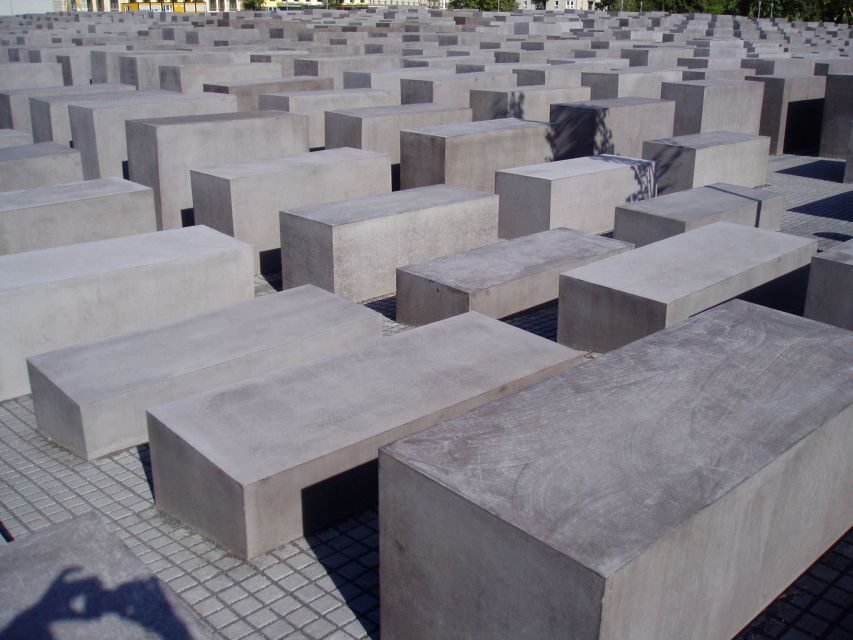
The tour includes key Third Reich and WWII locations such as the Reichstag and the Holocaust Memorial, plus stops connected to the Nazi government district, including the area now associated with Topography of Terror. It also includes memorials such as the one for Sinti and Roma victims, and the memorial for 96 politicians arrested in 1933.
What’s the weather like for planning?
The tour runs in all weather and on public holidays.
Is free cancellation available?
Yes. The tour offers free cancellation up to 24 hours in advance for a full refund, and there’s also a reserve now & pay later option listed.