REVIEW · HANOVER
Hanover: Old Town Historical Walking Tour by Geo Epoche
Book on GetYourGuide →Operated by Eat the World GmbH · Bookable on GetYourGuide
Hanover’s Old Town has a talent for surprises. This 2-hour walking tour of the city centers on how a medieval market town grew into an electoral residence for kings and chancellors. I like that you don’t just see buildings, you connect them to the people, power shifts, and everyday life that shaped Hanover.
Two things I’d put at the top: the chance to spot the dramatic pentagram on the Marktkirche tower and learn what it symbolizes, and the way the tour guides you through the transition from Am hoch Ufer to a city tied to the Guelphs and even an English king. One drawback to weigh: the tour is in German only, so if that’s a barrier for you, you may need to rely more on the visuals in the brochure than the narration.
In This Review
- Why This Hanover Walking Tour Feels Worth $29
- Key Stops and Moments You Should Look For
- Meeting at the Beginenturm: Get Oriented Fast
- From Am hoch Ufer to Electoral Hanover: The Story Behind the Streets
- Half-Timbered Hanover: Old Town Views That Reward Walking
- Old Town Hall (1410): Red-Brick Gothic With City-Power Energy
- The Marktkirche Pentagram: A Tower Detail You’ll Never Forget
- Calenberger Neustadt and Neustädter Markt: 17th-Century Freedoms
- Gottfried Wilhelm Leibniz: The Scholar Thread Through Hanover
- The Tour Style: German-Language Storytelling and Question Time
- Price vs. Value: Where You Get Your Money’s Worth
- Who This Tour Is Best For
- Quick Practical Tips Before You Go
- FAQ
- FAQ
- Is the Hanover Old Town Historical Walking Tour offered in English?
- How long is the tour?
- Where do I meet the guide?
- Does the tour run in bad weather?
- Are pets allowed on this tour?
- Is the tour suitable for people with mobility impairments?
- Can I cancel for a full refund?
- Should You Book This Hanover Old Town Walking Tour?
Why This Hanover Walking Tour Feels Worth $29
For many walking tours, the pitch is simple: follow the guide, take photos, move on. This one feels more like a focused history lesson with walking shoes, built around specific landmarks you can actually stand in front of. You get a guide, you get a brochure with historical illustrations, and you get enough time to connect the dots without feeling rushed.
And at around $29 for two hours, it lands in the practical range for a guided city experience in Germany. You’re paying mostly for two things: expert storytelling in the exact places where the story happened, and time saved guessing what matters. Even if you’ve been to Hanover before, this format can sharpen what you notice when you look up at the façades, churches, and civic buildings.
Key Stops and Moments You Should Look For
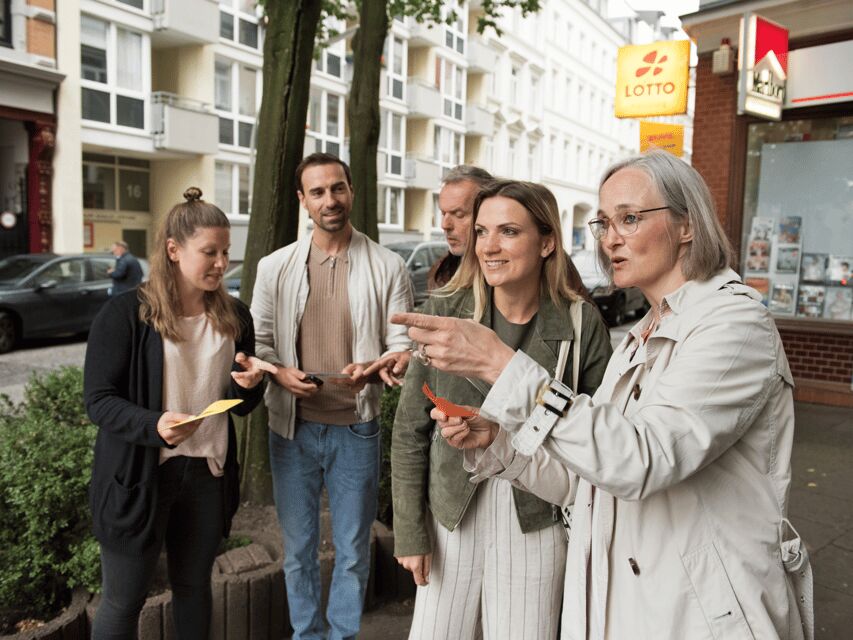
- Beginenturm meeting point: find the guide holding a pouch with the Meet the World logo
- Half-timbered Old Town streets: an easy walk through the center where merchants and craftspeople once lived
- Old Town Hall from 1410: see the red-brick Gothic façade up close
- Marktkirche tower pentagram: learn the symbolism tied to the church’s western tower
- Calenberger Neustadt at Neustädter Markt: stories about 17th-century freedoms plus plenty of places to snack afterward
You can also read our reviews of more walking tours in Hanover



Meeting at the Beginenturm: Get Oriented Fast
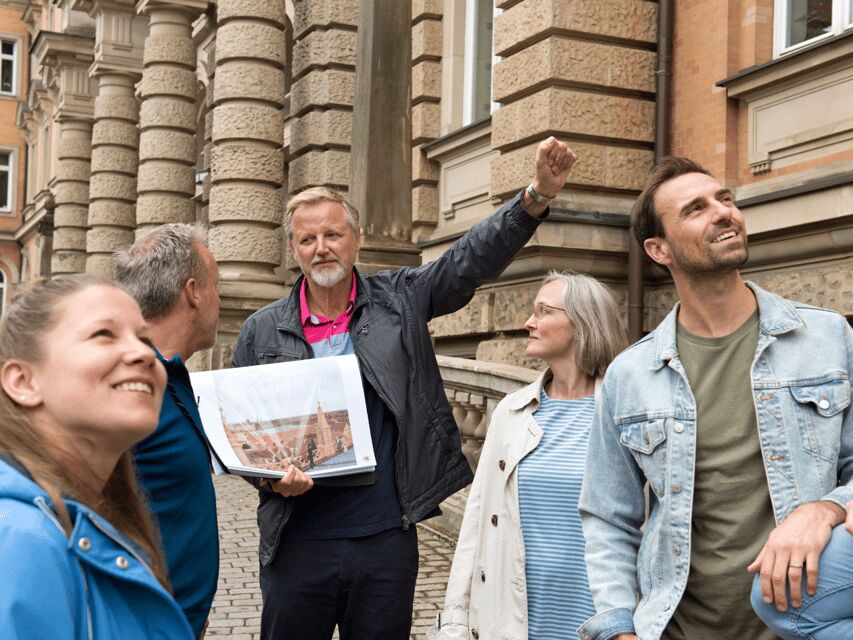
You’ll meet your guide at the Beginenturm. It’s the kind of starting point that helps you settle in quickly because you can launch directly into the Old Town core rather than spending your first ten minutes figuring out where to begin.
A small but useful detail: the guide carries a pouch with the Meet the World logo, so you’re not stuck playing tourist detective. After that, the tour keeps moving, with the narration tied to what you’re looking at rather than drifting into vague background.
Because this is a walking tour that takes place rain or shine, I’d plan your day around being outside for the full duration. Comfortable shoes matter more than you think here—Hanover’s center is walkable, but you’ll still want your feet to feel fresh when the conversation turns to details on towers and façades.
From Am hoch Ufer to Electoral Hanover: The Story Behind the Streets
The heart of the experience is the long arc of Hanover’s development—told by watching how the city evolved over centuries. You’ll hear how the medieval market town of Am hoch Ufer grew into the electoral residence city of Hanover, a place associated with rulers and state power.
What I like about this approach is that it gives meaning to ordinary streets. Instead of treating the Old Town as a photo backdrop, you’re asked to imagine who once lived there: merchants, craftspeople, and others whose daily routines depended on the market life of the town.
The tour also leans into the role of noble power. You’ll walk in the footsteps of the Guelphs and learn how that old dynasty shaped Hanover. There’s a particularly interesting thread that connects the city to an English king, which helps you see Hanover not as a quiet backwater, but as part of wider European history.
A practical consideration: this is a guided tour with a clear narrative. If you like slowing down to read every plaque, you might wish you had more time. If you enjoy a brisk, story-driven walk, this pace fits.
Half-Timbered Hanover: Old Town Views That Reward Walking

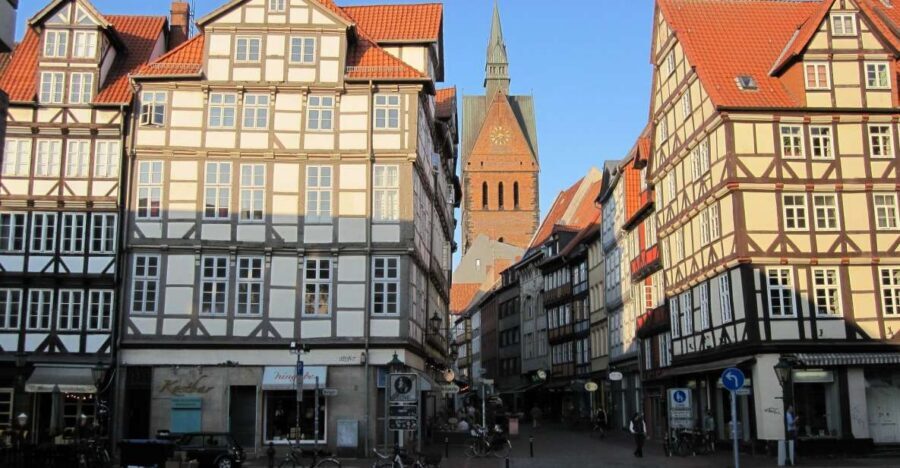
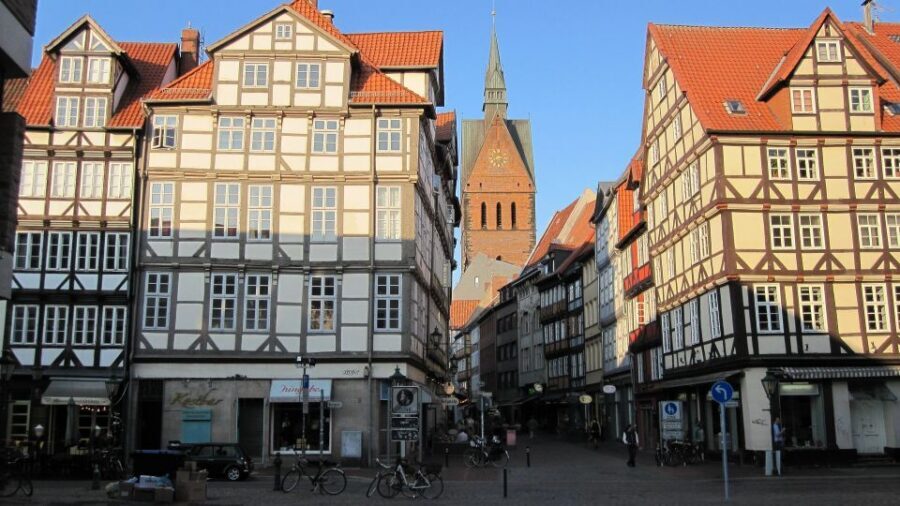
Along the way, you’ll stroll through the center of the Old Town where merchants and craftspeople once lived. The half-timbered look matters here, but the point isn’t style for style’s sake. It becomes a way to picture the city’s earlier urban fabric—buildings that weren’t made for today’s tourism, but for the work and life of the town.
I also appreciate that this part of the tour is naturally paced. You’re outside, you can look up, and you’re not constantly hopping between distant spots. That makes it feel like a real walk through neighborhoods, not a check-list sprint.
For you, this is a good moment to decide how you’ll experience it: keep your eyes on the guide’s landmarks, or take a couple of quick pauses to look at façades and street layouts once the guide points them out. Either approach works because the key details are anchored to what you’re seeing.
Old Town Hall (1410): Red-Brick Gothic With City-Power Energy
One of the anchor stops is the Old Town Hall, dating back to 1410. Up close, it’s the kind of building that makes you understand why civic structures mattered so much. This wasn’t just administrative space—it was a symbol of stability and authority in a growing market town.
You’ll admire the red-brick Gothic façade, and the guide frames it so it doesn’t feel like decorative trivia. Instead, it reads as part of Hanover’s shift from medieval town life toward a more formal political role in the region.
If you’re the type who likes architectural details, this stop is your friend. If you’re more into stories, you still get value because the façade is tied to how the city expressed power in stone and brick. Either way, it’s one of the reasons I’d call this tour good value: you’re seeing a real, meaningful landmark within a short time window.



The Marktkirche Pentagram: A Tower Detail You’ll Never Forget
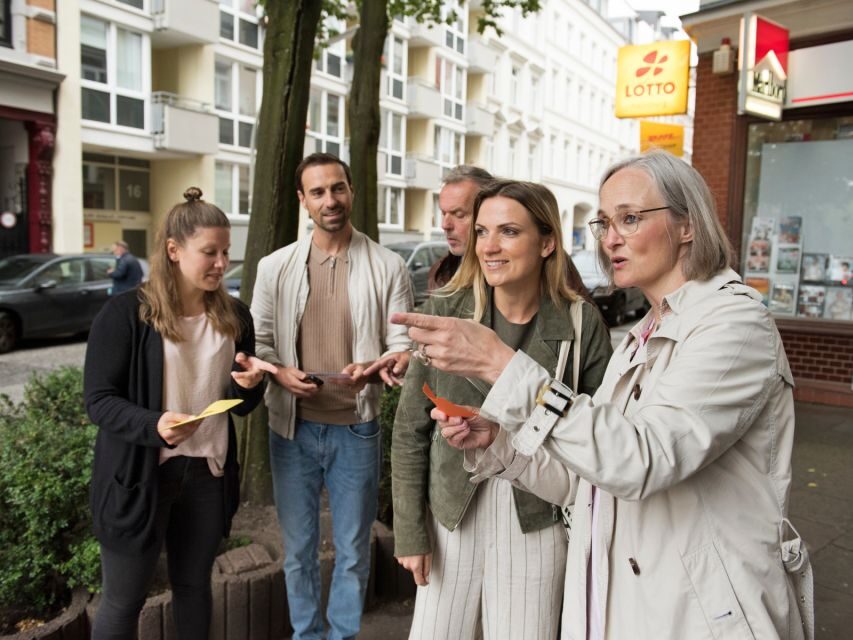
Next comes the Market Church, a 14th-century landmark with one dramatic feature on its western tower: a pentagram. You’ll take a close look and then learn what the symbol represents, directly from your guide.
This is one of the most praised elements because it changes how you look at religious architecture. Instead of treating churches as fixed monuments, you start noticing the signals, symbols, and messages built into towers and façades. You also get a clear reason for the stop, which makes the time feel intentional.
A small heads-up: since the tour is in German only, you’ll want to stay engaged from the start—this is exactly the kind of moment where understanding the explanation enhances the payoff. If you’re comfortable with at least some German, you’ll likely catch a lot. If not, still, seeing the pentagram in person is memorable on its own, and the brochure’s historical illustrations can help you follow along.
Calenberger Neustadt and Neustädter Markt: 17th-Century Freedoms
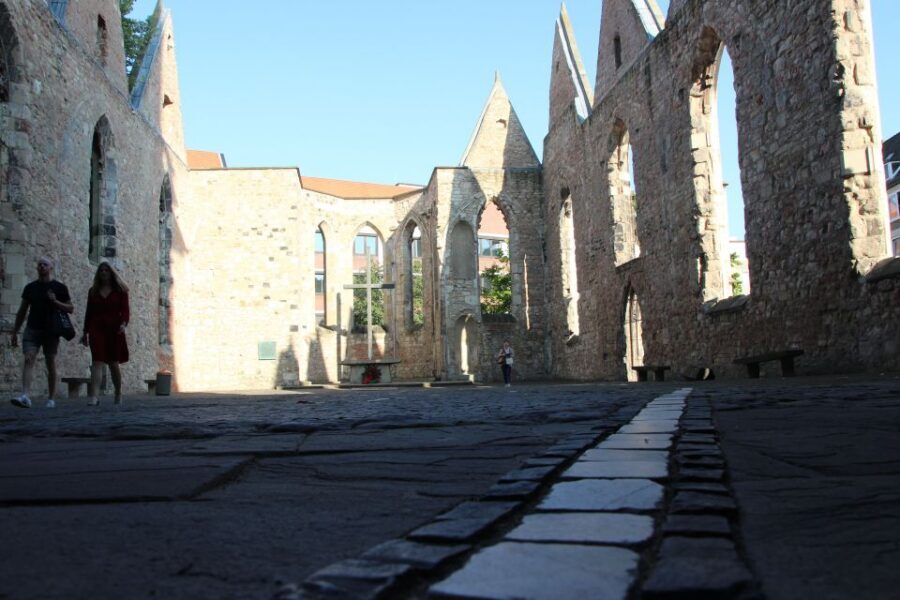
After you’ve been in the historical core, the tour shifts to the Calenberger Neustadt district, just a stone’s throw from the city center. Here, you’ll pass shops, restaurants, and snack bars—so the walk feels connected to the Hanover you’d actually encounter today.
What makes this segment more than a change of scenery is the story. Your guide explains the “great freedom of the 17th century,” giving you a sense of how life and society could change in a city that was growing in status and influence.
When you reach Neustädter Markt, you’ll hear more anecdotes about the people of Hanover. This is where the tour starts to feel more human. You get the background of power and buildings, then the narrative comes down to daily life, civic culture, and the kinds of changes that affect how people lived.
And yes, this is a convenient moment to think about food. Since the area has restaurants and snack bars, you’re well-positioned to continue your day with something easy right after the walk ends.
Gottfried Wilhelm Leibniz: The Scholar Thread Through Hanover
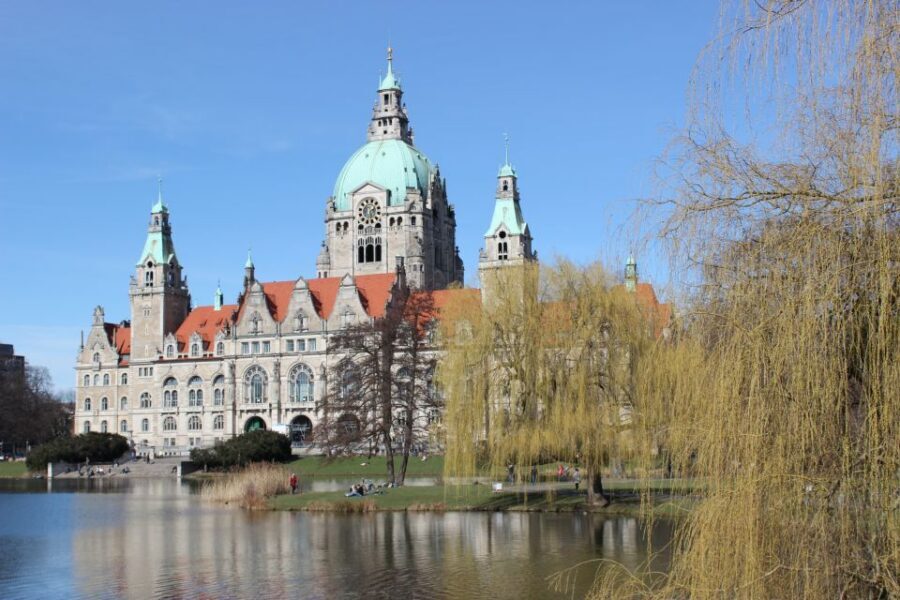
One of the more intriguing storylines for many history lovers is the connection to Gottfried Wilhelm Leibniz. At Neustädter Markt, the guide explains what drove Leibniz to Hanover and why his presence mattered in the city’s story.
This kind of stop is valuable because it prevents the tour from becoming all politics and façades. Even in a short walk, you get a window into the intellectual life connected to the city. It’s a reminder that the “electoral residence” wasn’t only about rulers—it also drew scholars, ideas, and people who shaped the broader world of learning.
If you like history that includes both people and place, this final stretch lands well. You’ll leave with a few names and concepts you can connect to what you’ve just seen.
The Tour Style: German-Language Storytelling and Question Time

The tour runs for about two hours with a live guide in German only. That language detail is not a throwaway line—it affects your experience. If you speak German (or even just follow along with enthusiasm), you’ll get the most out of the symbolism on towers, the explanations of civic buildings, and the political-to-social story arc.
The good news is that the format supports you. You also receive a brochure with historical illustrations, which helps you visualize what the guide describes. And the tour is designed to be engaging rather than lecture-heavy, with stories meant to keep you listening while you walk.
One extra note from what I’ve seen praised: guides who answer questions clearly can really make this type of tour feel personal. If you tend to ask “why does that matter?” questions, this is the kind of guided walk where you won’t feel silly for wanting context.
Price vs. Value: Where You Get Your Money’s Worth
At $29 per person, this tour isn’t a budget souvenir hunt. It’s paying for time with a guide and for access to interpretation of real landmarks: the 1410 Old Town Hall, the 14th-century Market Church, and the neighborhood shift into Calenberger Neustadt.
Two hours is the sweet spot for people who want structure without committing to a full half-day. You also get tangible extras: a guide and an illustration brochure. In other words, you’re not just walking and hoping you figure it out yourself later.
If you’re comparing to other city tours, I’d judge this one by what it helps you notice. The pentagram explanation alone can change your impression of the church. The Guelphs and English king thread can make the city feel bigger than you expected.
Who This Tour Is Best For
You’ll probably love this tour if:
- you like guided walks that connect buildings to real stories
- you enjoy symbolism and can appreciate what a single detail means on a tower
- you want a structured way to understand Hanover’s shift from medieval market life to higher political status
- you’re traveling with teenagers or school-age kids who are okay with a guided, story-based format
It’s not a great fit if:
- German is a deal-breaker
- you need mobility support. The tour isn’t suitable for people with mobility impairments
Quick Practical Tips Before You Go
- Wear comfortable shoes. You’re walking the Old Town and you’ll want your feet to stay happy.
- Dress for the weather. It runs rain or shine, so bring layers you can adjust.
- Bring your curiosity. The tour works best when you’re listening for the meaning behind the landmarks, not just the landmark itself.
- Plan a snack stop after. Calenberger Neustadt and Neustädter Markt are full of places to eat nearby.
FAQ
FAQ
Is the Hanover Old Town Historical Walking Tour offered in English?
No. The walking tour is in German only.
How long is the tour?
The tour lasts about 2 hours.
Where do I meet the guide?
Meet your guide at the Beginenturm. The guide carries a pouch with the Meet the World logo.
Does the tour run in bad weather?
Yes. The tour takes place rain or shine.
Are pets allowed on this tour?
No, pets are not allowed.
Is the tour suitable for people with mobility impairments?
No. It is not suitable for people with mobility impairments.
Can I cancel for a full refund?
Yes. You can cancel up to 24 hours in advance for a full refund.
Should You Book This Hanover Old Town Walking Tour?
If you want a smart, place-based way to understand Hanover in a short time, I’d book it. The pentagram on the Marktkirche tower, the 1410 Old Town Hall façade, and the story connecting the city’s rise to the Guelphs and even an English king give you clear reasons to pay attention instead of wandering.
Only pause if German-only narration is likely to frustrate you. Otherwise, this is a solid value: 2 hours, a live guide, and a brochure that helps you make sense of what you’re seeing while you walk through the Old Town and into Calenberger Neustadt.