REVIEW · HANOVER
Hannover: Exciting Walking Tour through the Criminal Past
Book on GetYourGuide →Operated by Stattreisen Hannover e.V. · Bookable on GetYourGuide
Crime stories in old streets can be surprising. This Hannover walking tour uses real local cases to explain how law, punishment, and fear shaped everyday life. You’ll move through the city with a live German guide, tying together murders, witch trials, and the people who carried out justice.
What I really like is the way the tour zooms in on named crimes, not vague “dark history.” You’ll hear about the Butcher of Hanover and make a stop at the former location of Fritz Haarmann’s home, plus the crime scene of his atrocities.
One thing to think about: it deals with serious violence and historic persecution. It’s not suitable for kids under 12, and it may feel heavy if you prefer gentler city stories.
In This Review
- Key Highlights You’ll Actually Want
- A Walking Tour That Explains How Fear Worked in Hanover
- Finding the Haarmann Story: From Home to the Crime Scene
- The Butcher of Hanover: Why Nicknames Matter
- Witch Trials and Women’s Lives: A Reality Check, Not a Costume Pageant
- The Executioner Profession: Justice With Teeth
- Beguine Tower Stop: A Landmark With a Purpose in the Story
- How the Tour Flows: What You’ll Experience in Sequence
- Price and Value: $14 for a Focused, Guided Story
- Who This Walk Fits Best (and Who Might Skip It)
- Should You Book the Hannover Criminal Past Tour?
- FAQ
- FAQ
- How long is the Hannover criminal past walking tour?
- What’s the price for the tour?
- Is there a live guide?
- Does the tour include Fritz Haarmann locations?
- What historical topics will the guide cover?
- Where does the tour start?
- Is the tour wheelchair accessible?
- Is it suitable for children?
- What if I need to cancel?
Key Highlights You’ll Actually Want
- Fritz Haarmann locations: the former home and the crime scene are part of the walk
- The Butcher of Hanover story: context that helps you understand how it unfolded in the city
- Witch trials explained in human terms: what it meant for women back then
- The profession of the executioner: why this role existed and how cities enforced punishment
- Beguine Tower stop: you’ll connect a named landmark to the tour’s justice-and-society themes
A Walking Tour That Explains How Fear Worked in Hanover
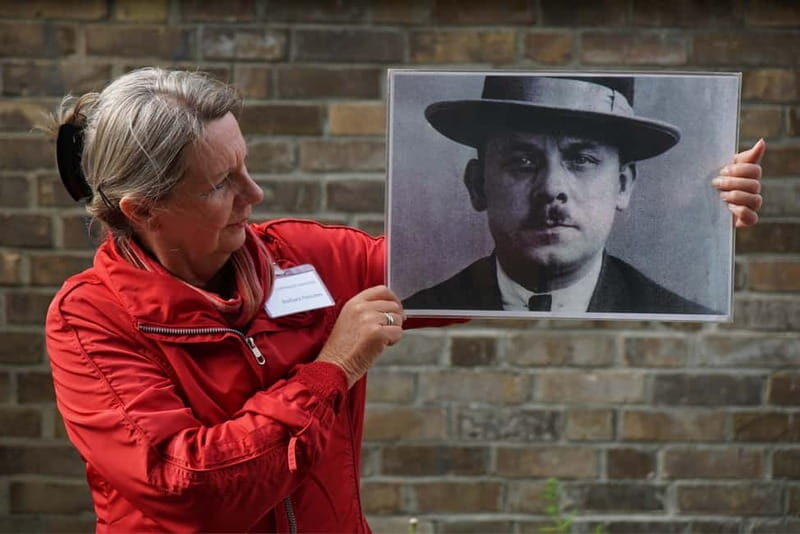
This is the kind of tour that treats crime like a system, not just a headline. In 1–2 hours, you get a guided path through the city’s criminal past—how accusations spread, how punishments were carried out, and how certain people became targets. The guide uses anecdotes to keep it moving, so you’re not stuck with dates and names only.
I also like the tight scope. The duration is short, which matters for a topic that can get grim. You’ll cover several distinct threads—witch trials, murders in high places, and the “how justice worked” side of history—without turning the whole thing into a marathon.
If you’re the kind of traveler who enjoys history with moral discomfort (and you want your questions answered in a straightforward way), this hits a sweet spot. The tour’s value isn’t in sensationalism. It’s in how the guide connects punishment to the society that produced it.
You can also read our reviews of more walking tours in Hanover


Finding the Haarmann Story: From Home to the Crime Scene
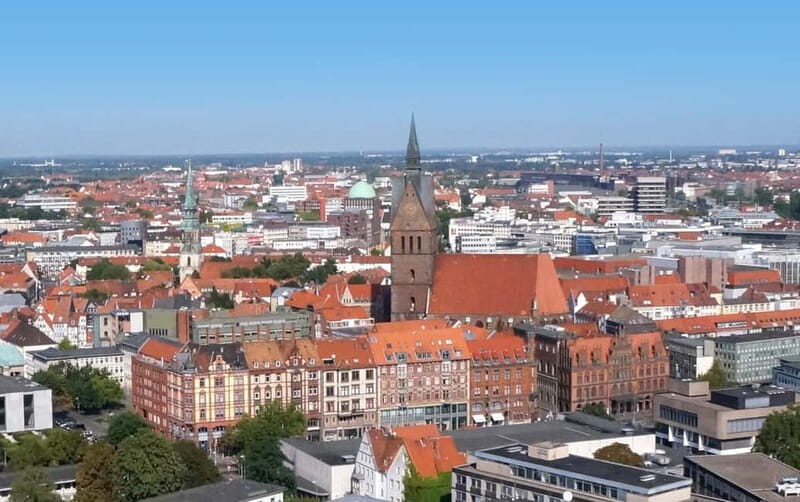
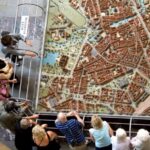
The tour’s center of gravity is Fritz Haarmann, and it doesn’t stay abstract. You’ll go to the former location of his home and then to the crime scene tied to his atrocities. That pairing matters because it forces you to consider two different questions at once: where something began, and where it became real for victims and witnesses.
You’ll also hear background about his motivations, not just a list of events. That’s an important difference. Without context, the story can turn into shock value. With context, it becomes an explanation—still disturbing, but clearer. The tour is trying to help you understand how the pattern developed and why it was able to continue long enough to become notorious.
A practical note: because you’re moving between places connected to a violent case, expect a serious tone. Bring a little emotional stamina. This isn’t a “fun facts” walk.
The Butcher of Hanover: Why Nicknames Matter

The tour doesn’t only mention names; it also explains how the city framed them. The label Butcher of Hanover is more than a spooky nickname. It reflects how people made sense of horror in a way they could repeat, remember, and warn each other about.
Hearing that alongside specific stops helps you see how crime stories get turned into public language. You’ll learn how Hanover’s darker reputation formed, including references to murder in the highest circles—so the tour isn’t stuck on one “type” of criminal.
If you like your history with cause-and-effect, this is where it clicks. The story shows you how fear, rumor, and official action can feed each other. That’s the kind of insight that makes a short walking tour feel longer in the best way: it changes how you read the city around you.
Witch Trials and Women’s Lives: A Reality Check, Not a Costume Pageant
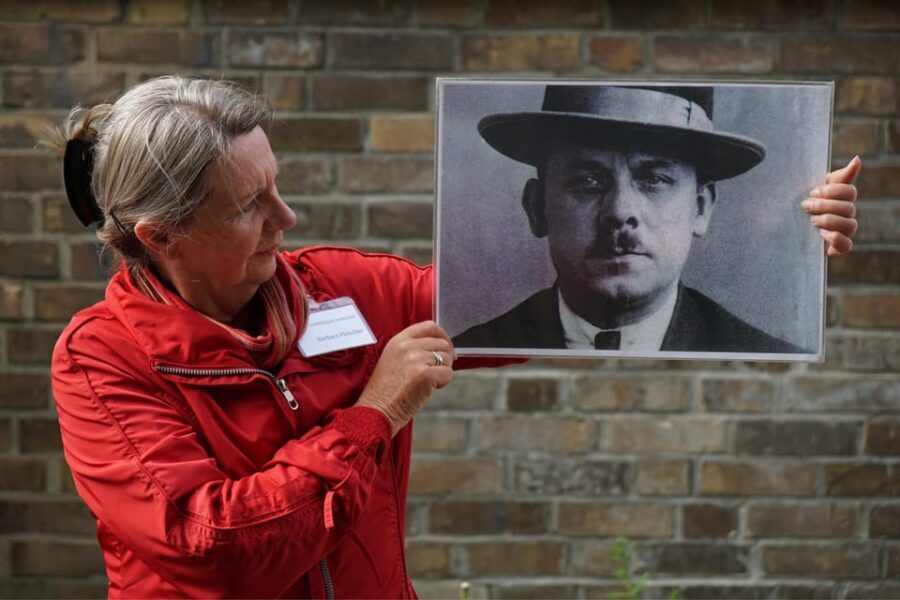
Witch trials are one of those topics that people often treat like costumes and spectacle. This tour takes a different route. You’ll hear about the witch trials in Hanover and, crucially, the reality of women’s lives back then.
That focus is valuable because it anchors the story in consequences. You’re not just learning that trials happened. You’re learning what it meant to be a woman when accusation became power. The guide frames it through the lived conditions that made accusations plausible in the first place.
One reason I appreciate this approach is that it helps you avoid the common trap: thinking of persecution as a faraway medieval misunderstanding. Instead, you see it as a social mechanism—how communities decided who belonged, who was suspect, and who could be punished.
If you’re sensitive to persecution stories, mentally prepare for it. This segment is not about spooky folklore. It’s about human harm.
The Executioner Profession: Justice With Teeth
A standout part of the tour is the explanation of the profession of the executioner. This is one of those historical jobs people rarely consider deeply. Most people remember the punishment, not the system behind it.
On this tour, you’ll learn how punishment wasn’t only a legal idea. It was physical. Someone had to carry out sentences, and that role existed within the city’s order. Hearing about the executioner as a profession makes the justice system feel less like a legend and more like a workplace—grim, yes, but clearer.
Why it’s worth your time: understanding the executioner helps you understand the social boundaries of the time. When you know how punishment got done, you understand how fear could become predictable. That also makes the tour’s other topics—murder cases and witch trials—feel connected rather than random.



Beguine Tower Stop: A Landmark With a Purpose in the Story

The walk also includes a look connected to the Beguine Tower. Even if you don’t know anything about it before you start, the guide uses it to connect the city’s institutions and beliefs to how communities regulated behavior.
I like landmark stops when they’re not just photo ops. Here, the Beguine Tower isn’t treated like trivia. It’s part of the tour’s theme: how society structured authority, discipline, and moral expectations.
Expect the guide to tie it into what you’ve already heard—crime, punishment, and how certain professions and religious communities fit into the broader machinery of control. That gives you a mental map that lasts longer than the walk itself.
How the Tour Flows: What You’ll Experience in Sequence
The exact start point can vary depending on the booking option, so plan to arrive a few minutes early and double-check your meeting details. Once you’re with the guide, the flow generally follows a theme: first, the city’s criminal cases; then, the broader legal culture that made those punishments possible.
Here’s the practical shape of what to expect:
- You’ll hear about Hanover’s criminal past and the kinds of laws or punishments the city used.
- You’ll move into the Haarmann story with the former home location and then the crime scene.
- You’ll shift time periods toward witch trials and women’s realities.
- You’ll connect punishment to the executioner profession.
- You’ll finish with the Beguine Tower as a landmark tie-in to the tour’s big theme.
Because this is 1–2 hours, you don’t need to overpack your schedule. It fits well before or after a longer daytime plan. Just know it’s a “head and heart” tour more than a “walking for views” tour.
Price and Value: $14 for a Focused, Guided Story
At about $14 per person for a 1–2 hour walking tour, the value is tied to one thing: you’re paying for a guide-led explanation, plus specific stops tied to major cases and named locations.
This price works best if you want:
- clear context about crimes and punishment,
- guided interpretation of places (not just self-guided plaques),
- and a compact format that doesn’t waste your time.
It’s not the cheapest thing you can do in Hanover. But it’s also not trying to be a full-day museum. For the subject matter—where context is everything—the guided format is the whole point, and the cost reflects that.
Who This Walk Fits Best (and Who Might Skip It)
This tour is ideal for you if you:
- like city history that’s grounded in real incidents,
- enjoy stories with context (why, not just what),
- and can handle serious subject matter in a short timeframe.
It’s not suitable for children under 12. If you’re traveling with younger kids, you’ll likely want a different activity.
Also, if you’re looking for light sightseeing—views, shopping streets, and laughs—this is probably not your best match. The tone is built around crime, prosecution, and persecution.
But if you want to understand Hanover beyond its postcard self-image, this walk does that quickly and clearly.
Should You Book the Hannover Criminal Past Tour?
I think you should book it if you want a short, guided explanation of how Hanover dealt with crime and fear—through the stories of Haarmann, the witch trials, the executioner profession, and landmarks like the Beguine Tower. The price is reasonable for what you get, and the time length makes it easy to fit into a day.
You might skip it if you dislike heavy topics or if you want a purely scenic walking tour. It’s not trying to be comfortable. It’s trying to make the past legible.
FAQ
FAQ
How long is the Hannover criminal past walking tour?
The tour lasts about 1–2 hours, depending on the starting time and option you book.
What’s the price for the tour?
The price is listed as $14 per person.
Is there a live guide?
Yes. You’ll have a live tour guide speaking German.
Does the tour include Fritz Haarmann locations?
Yes. The tour includes the former location of Fritz Haarmann’s home and the crime scene connected to his atrocities.
What historical topics will the guide cover?
You can expect the tour to cover Hanover’s criminal past, the witch trials and women’s realities back then, the Butcher of Hanover story, the executioner profession, and information connected to the Beguine Tower.
Where does the tour start?
The meeting point may vary depending on the option booked, so check your specific booking details.
Is the tour wheelchair accessible?
Yes, it’s listed as wheelchair accessible.
Is it suitable for children?
No. It is not suitable for children under 12.
What if I need to cancel?
You can cancel up to 24 hours in advance for a full refund.