REVIEW · HANOVER
Hanover: Royal Gardens of Herrenhausen Guided Tour
Book on GetYourGuide →Operated by Hannover Marketing & Tourismus GmbH · Bookable on GetYourGuide
A walk in Baroque math and art. The Herrenhausen Royal Gardens tour gives you the story behind one of Europe’s best-preserved Great Garden designs, plus the standout sights in about 1.5 hours. I especially like how the guide ties the garden’s layout to real political and royal connections, not just pretty plants.
Two things I’d bet you’ll enjoy right away: the boxwood and marble-gravel patterns that make the garden feel engineered, and the grotto with colorful glass mosaics by artist Niki de Saint Phalle. One thing to consider: the tour is timed and can cover a lot of ground, so come with comfy shoes and a willingness to walk at a steady pace.
In This Review
- Key Highlights at a Glance
- Where the Tour Starts at Herrenhausen (And How to Not Waste Time)
- Great Garden: Walking Through a Baroque Masterpiece’s Rules
- The Great Fountain: Water, Symmetry, and Why Baroque Loved Drama
- Boxwood, Marble Gravel, and Flower Borders You Can Actually Read
- The Grotto by Niki de Saint Phalle: When the Garden Changes Tone
- Why Hanover and the English Royal Family Get Mentioned Here
- How the 1.5 Hours Add Up (And What You Should Plan Next)
- Price, Value, and Whether $18 Fits Your Priorities
- Should You Book the Herrenhausen Royal Gardens Tour?
- FAQ
- How long is the Hanover: Royal Gardens of Herrenhausen guided tour?
- What does the tour cost?
- Where is the meeting point?
- Is entrance included?
- What language is the live guide?
- What should I bring?
- What is not allowed on the tour?
- Is the tour refundable if my plans change?
Key Highlights at a Glance
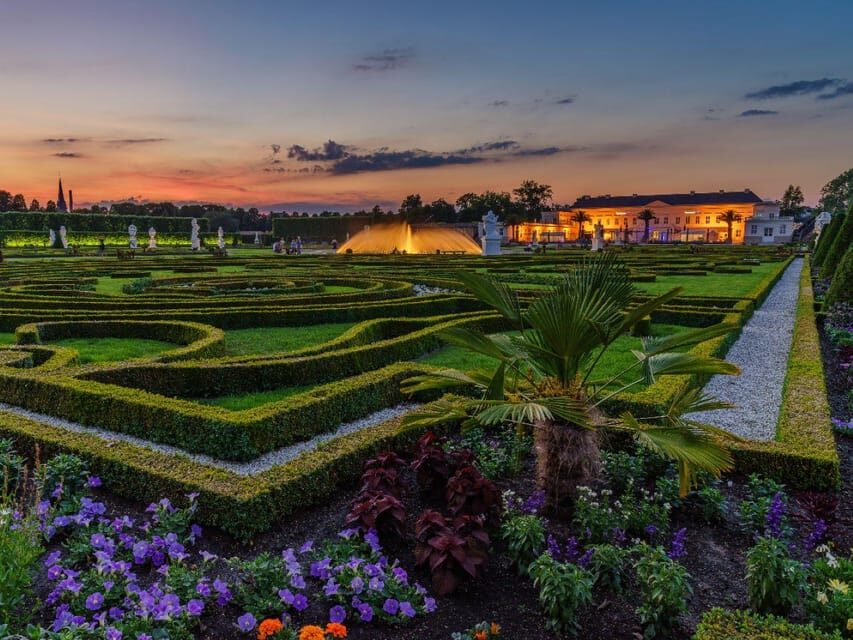
- Great Garden Baroque layout you can actually follow with your eyes, not just admire from one spot
- Great Fountain moments that explain how water and symmetry work together in the design
- Color borders and garden geometry built from boxwood, marble gravel, and seasonal plantings
- Grotto by Niki de Saint Phalle with colorful glass mosaics that shift the mood fast
- Hanover’s royal connections explained through the influence of Elector Sophie of the Palatinate
Where the Tour Starts at Herrenhausen (And How to Not Waste Time)
The tour meets at Herrenhäuser Str. 5, with your meeting point in the foyer in front of the TV at the main entrance. It’s a small detail, but it matters: if you arrive late or outside the right entrance area, you lose your place in a tour that runs on a tight 1.5-hour schedule.
This is also a “you’ll move quickly” kind of experience. There are several short sightseeing stops (some just 10 minutes) and one longer stretch (about 20 minutes), which tells you the format: brief orientation, then a sequence of key garden moments. You’re not meant to wander alone. You’re meant to follow a guided path so the garden’s design clicks into place.
One more practical note: the tour guide language is German, so if your German is basic, you’ll still be fine visually. The garden is doing a lot of work for you. But if you want the history and symbolism to really land, having even a little language helps.
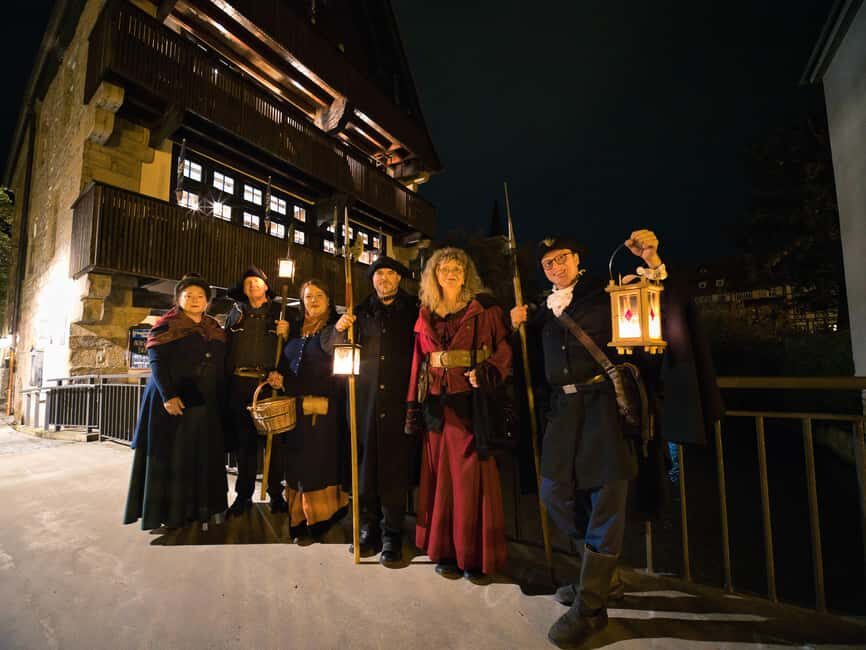
If you like art-history tours where facts are explained in a human, conversational way, you’re in the right neighborhood. Guides such as Herrn Kron and Frau Focke are known (by the quality of their delivery) for making the explanations clear and entertaining, rather than dry.
You can also read our reviews of more guided tours in Hanover



Great Garden: Walking Through a Baroque Masterpiece’s Rules
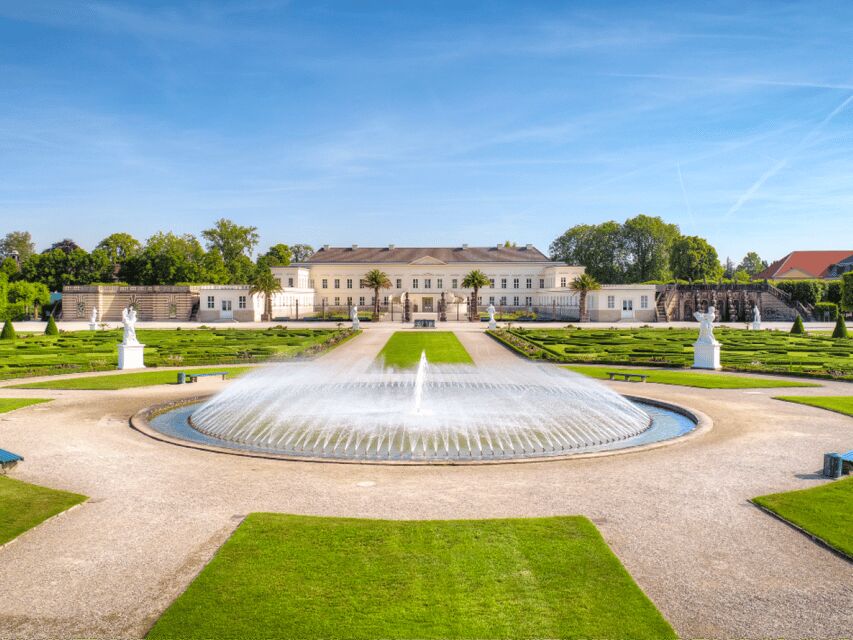
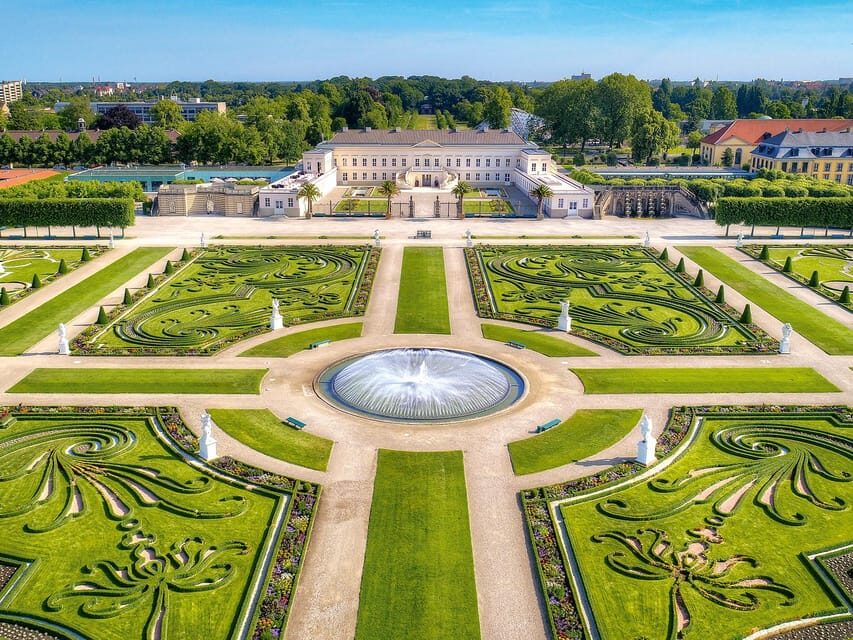
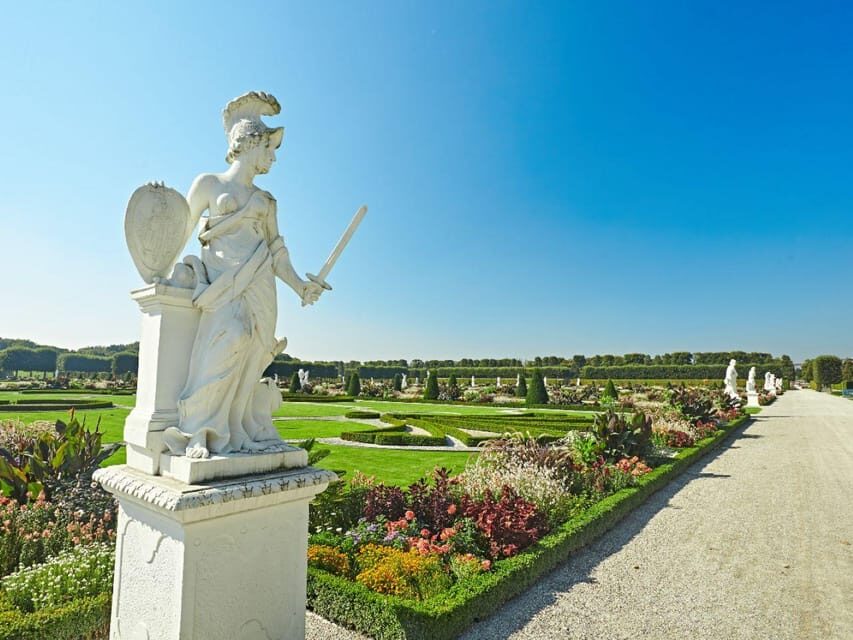
Your main focus is the Great Garden, a Baroque design with more than 300 years of history. Think of it as a planned outdoor room, built to control sightlines and reward you for moving. Baroque gardens can feel like “look, symmetry” from far away. Here, the design is close enough that you can start to understand the logic: curves, axes, and repeat patterns that lead your eye.
The tour’s best trick is that it gives you the garden’s design and the reason it looks that way. The city of Hanover is closely tied to this place thanks to Elector Sophie of the Palatinate. The guide explains how she made the garden her life project at the end of the 17th century, drawing on the French model and inspiration from the Sun King Ludwig XIV. Even if you’re not into European court politics, that context explains why the garden is so deliberately staged.
If you’re the kind of traveler who likes to see design principles in real scale, you’ll appreciate the way the tour moves you across different garden “systems.” You’ll notice the boxwood borders acting like structure, while gravel and flowers provide contrast and rhythm. It’s one thing to see a photo. It’s another to stand near the plants and see how tidy the patterns are meant to stay.
Potential drawback: because it’s a walking tour through formal grounds, there’s less time to stop for long photo breaks in every corner. If you like slow, lingering garden wandering, you might crave extra time after the tour ends.
The Great Fountain: Water, Symmetry, and Why Baroque Loved Drama
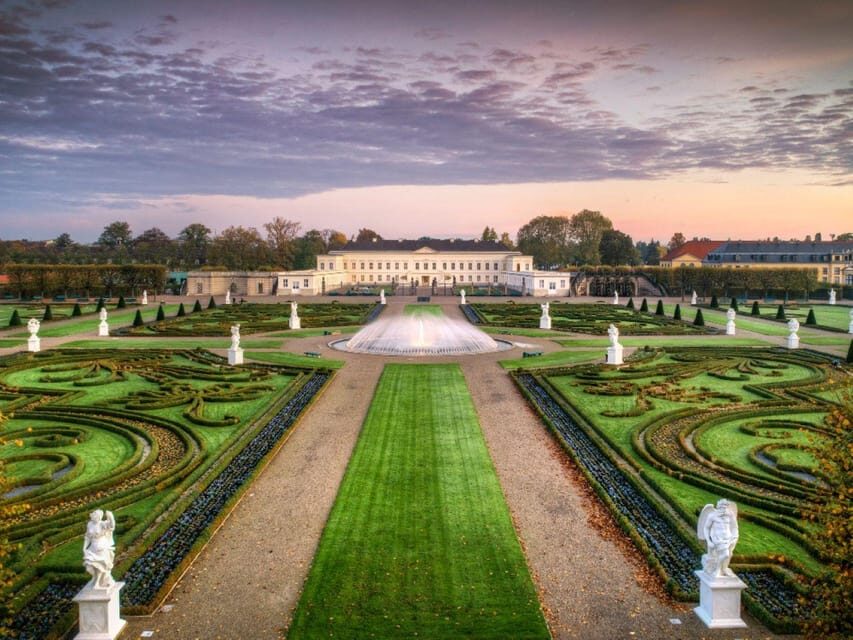
One of the tour’s signature stops is the Great Fountain. In Baroque gardens, water features aren’t just decoration. They’re punctuation marks—moments that reinforce symmetry and keep the layout from feeling static.
During your tour, the guide shows you where the fountain fits into the overall visual plan and explains what the garden is trying to do. If the Great Garden’s geometry is the sentence, the fountain is often the emphasis point. You’ll likely get a sense of why the design team cared so much about the relationship between open spaces, sightlines, and focal points.
This is also one of those places where timing and weather matter. The tour is designed for about 1.5 hours total, so you’ll want to take in the fountain without planning on a long wait for perfect conditions. If it’s a clear day, the fountain reads as a strong focal point. If conditions are mixed, you’ll still get the design explanation, which is the main value of the guided format.
A small travel tip: keep your phone/camera strap short or secure. Garden paths can be busy with other visitors, and you don’t want to fumble when the guide is pointing out exact alignment.
Boxwood, Marble Gravel, and Flower Borders You Can Actually Read

This is where the tour turns from “sightseeing” into something more satisfying: the chance to see the garden’s craftsmanship up close. You’ll spend time looking at intricate patterns made of boxwood and marble, plus colorful flower borders.
Here’s what that means for you on the ground. Boxwood is used like architectural material. It holds shape, so it works like a living border that stays legible. Marble gravel (or marble-like surfacing) gives you that clean, bright contrast that helps the edges of patterns pop. Then flowers bring softness and seasonal color on top of the rigid structure.
The guided portion matters because without context, you might notice pretty planting and move on. With context, you start noticing repetition: how lines curve, where borders start and stop, and how the garden uses color to guide your attention without breaking the symmetry.
If you’re traveling in a season when bloom is lighter or different than expected, don’t worry too much. The key garden value here is the structure and the design intention. The flowers are the icing; the planning is the cake.
Also, bring the right shoes. You’re on gravel and across formal pathways where slipping is easy if you’re in flimsy footwear. Comfortable shoes isn’t just advice—it’s how you keep the experience enjoyable.
The Grotto by Niki de Saint Phalle: When the Garden Changes Tone
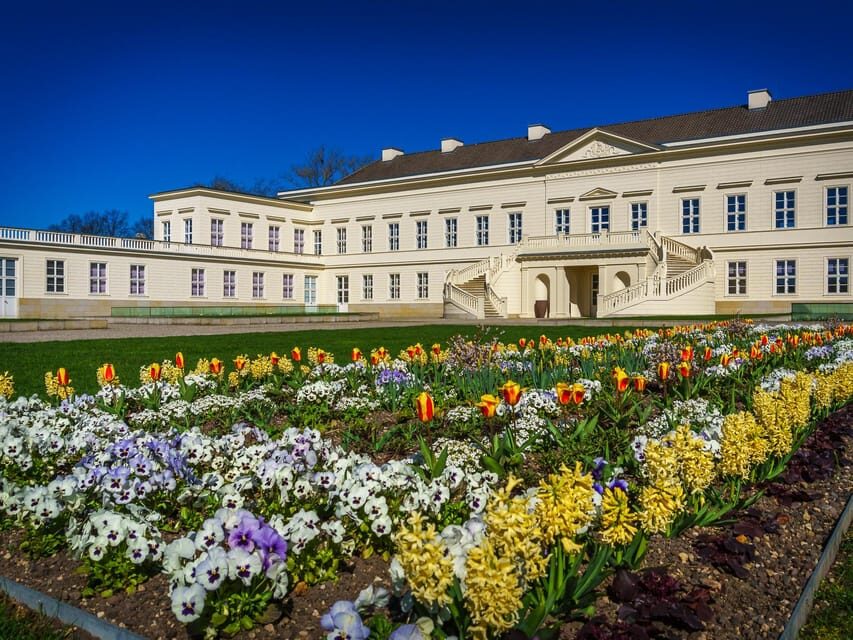
The standout creative surprise on this tour is the grotto designed by Niki de Saint Phalle, featuring colorful glass mosaics. This is a major reason this garden doesn’t feel stuck in the 1600s. Baroque design can be rigid in its mood, but the grotto adds a playful, modern art layer to the experience.
Expect the guide to point out what makes this place special: the way mosaic color catches light, and how the grotto functions as a themed shift from the formal geometry. In practical terms, it gives you a break from “straight lines and patterns” and lets your eyes rest on something more expressive.
If you like art installations in unexpected settings, this is the part that will likely make you remember the tour. It’s not just decoration. It’s a different visual language inside the garden’s older grammar.
One consideration: because it’s a designed focal point, it can draw attention quickly from other visitors. Keep your expectations realistic. You’ll get the moment, but you may not always have the space to photograph endlessly.




Why Hanover and the English Royal Family Get Mentioned Here
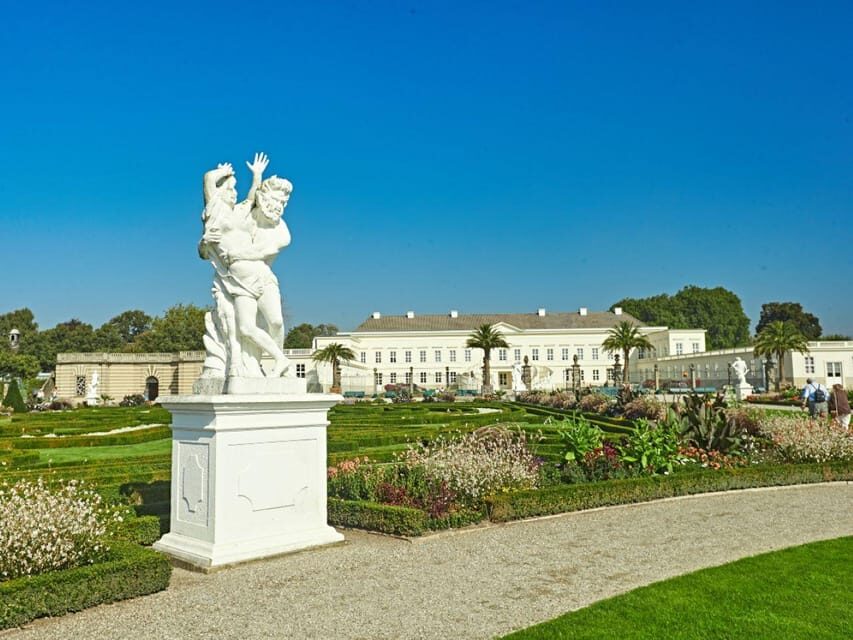
A big part of the tour’s value is the story the guide brings to the garden. You’ll hear about the garden’s connection to the English royal family, along with how the influence of French court taste and the political context of Elector Sophie of the Palatinate shaped what Hanover built.
Even if you don’t know the full web of European royalty, this part helps you see the garden as more than landscaping. It’s diplomacy in plants and stone. It’s power made visible. That’s why the guide’s explanations matter: they connect the design’s choices to real people and real ambitions.
This is also where the guided format pays off. You could walk the garden on your own and enjoy it visually, sure. But you’d likely miss why certain design choices were so important to courtly status, or why the English connection matters in the first place.
If you enjoy hearing history translated into practical storytelling (not a long lecture), watch for the way your German guide structures the narrative. Names like Hr Roland Wagenführer come up as examples of guides who keep it lively and easy to follow.
How the 1.5 Hours Add Up (And What You Should Plan Next)
The duration is about 1.5 hours, and the structure includes several short sightseeing stretches. That pacing is intentional. It keeps you moving through the garden’s main points without turning the tour into a full afternoon commitment.
So what should you do with the rest of your day? Plan to use this tour as your “first look” and orientation. After it ends, you’ll know what to look for if you want to linger. You’ll have internal reference points: Great Fountain as focal moment, grottos as artistic shift, and the boxwood/marble patterns as the design backbone.
If you only have a limited time window in Hanover, this timing makes sense. For many visitors, Herrenhausen is one of those places where you either go thoughtfully with a guide or risk walking a lot without feeling like you learned anything. This tour leans into learning while still being enjoyable.
One caution: since the guide is German and the time is tight, don’t assume you’ll catch every detail if your language level is limited. Your strategy should be: listen for themes, not every word. The garden itself will keep giving you visuals to anchor what you hear.
Price, Value, and Whether $18 Fits Your Priorities

The price is $18 per person, and the tour includes entrance plus fast lane access through a separate entrance. That combo is the real value story.
If you’ve ever stood in a ticket line on a busy day, you know time isn’t free. Fast lane entry saves energy, which matters because this is a tour you’ll enjoy more if you can start quickly, get moving, and stay in a good pace. Entrance included also means fewer decisions at the last second.
For a 1.5-hour guided visit focused on multiple garden highlights—Great Garden, Great Fountain, grotto, and design details—that price is hard to argue with, especially if you want the history and symbolism explained in place rather than reading about it later.
Where it may not feel like a bargain is if you already know Baroque garden design deeply and prefer self-guided wandering. In that case, you might want to spend more time at your favorite spots and pay only for entry. But for most visitors, guidance at this price range is a strong deal.
Should You Book the Herrenhausen Royal Gardens Tour?
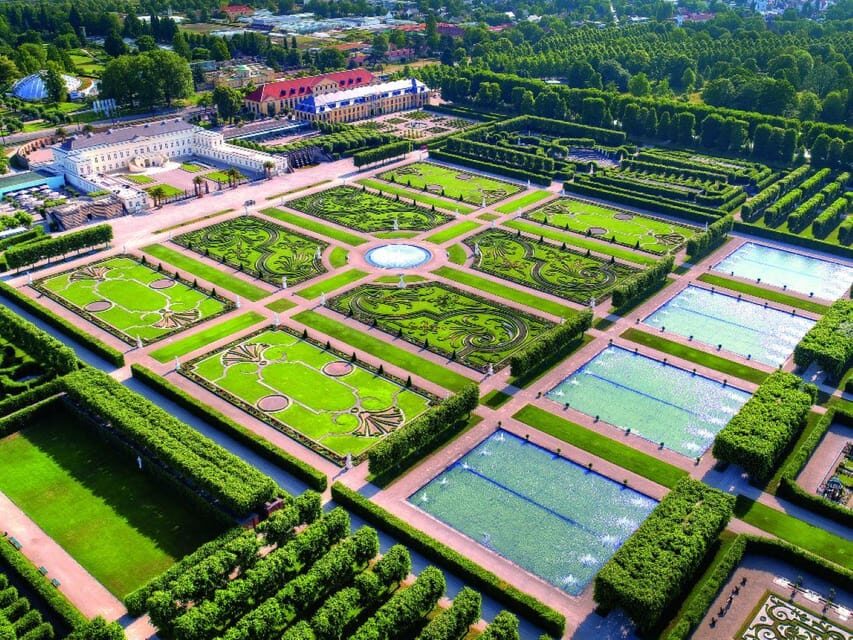
Book it if you want a fast, well-focused way to understand the Herrenhausen Great Garden—especially if you care about how the garden works, not just how it looks. You’ll get the key design elements (boxwood, marble patterns, flower borders), major focal points (Great Fountain), and the modern jolt of the grotto by Niki de Saint Phalle.
Skip it only if you hate structured walking tours or you’re the type who needs long solo time to roam. Even then, consider that this garden is easier to enjoy when someone helps you read it like a design, not just look at it like scenery.
If you’re in Hanover for a short stay, this is one of the most efficient ways to leave the park with actual understanding. And when the grotto mosaics catch the light, you’ll likely feel like your time was spent where the garden wants to be experienced, not just photographed.
FAQ
How long is the Hanover: Royal Gardens of Herrenhausen guided tour?
It lasts about 1.5 hours.
What does the tour cost?
The price is listed as $18 per person.
Where is the meeting point?
The meeting point is in the foyer in front of the TV at the main entrance.
Is entrance included?
Yes. Entrance is included, and there’s also fast lane access through a separate entrance.
What language is the live guide?
The live tour guide is German.
What should I bring?
Wear comfortable shoes.
What is not allowed on the tour?
Pets, drones, and bikes are not allowed.
Is the tour refundable if my plans change?
Free cancellation is available up to 24 hours in advance for a full refund.