REVIEW · HANOVER
Hanover: Very British – on the trail of the personal union
Book on GetYourGuide →Operated by Hannover Marketing & Tourismus GmbH · Bookable on GetYourGuide
England and Hanover share one family tree. This short guided tour maps the personal union era when British monarchs also ruled Hanover, and it does it in a very human way—through tea, stories, and old-town atmosphere. I like how it starts with a proper tasting rather than lecturing, and I also love the way it connects the British royal family to Hanover in a story you can actually follow.
I especially enjoyed the Guelph/Welfen tea start: you’re served a dedicated tea tied to the House of Hanover and its close relationship with Great Britain. The guide also brings in the court detail that Earl Grey was the official English court tea for over 200 years, so history feels less abstract and more like daily life. Then the tour closes with a Guinness (or a non-alcoholic alternative) in a pub setting, giving the whole thing a satisfying end.
One possible drawback: the live guide language is German, and some content is shown in its original language. If your German is limited, you may need to rely on the big-picture story and your own historical curiosity.
In This Review
- Key Things I’d Mark on Your Mental Map
- Tea First: How Welfen/Guelph Tasting Sets the Tone
- The Core Story: Hanover and Great Britain Under One Ruling Umbrella
- Following the Trail: How the Route Makes Royal Connections Feel Local
- Earl Grey Meets the Court: Why the Tea Detail Works
- Guinness at the Finish: A Pub Stop That Doesn’t Feel Forced
- Value for $24: What You’re Really Paying For
- Practical Stuff That Helps You Decide
- Should You Book Hanover: Very British on the Trail of the Personal Union?
Key Things I’d Mark on Your Mental Map
- Welfen/Guelph tea at the start ties the House of Hanover to British court culture right away.
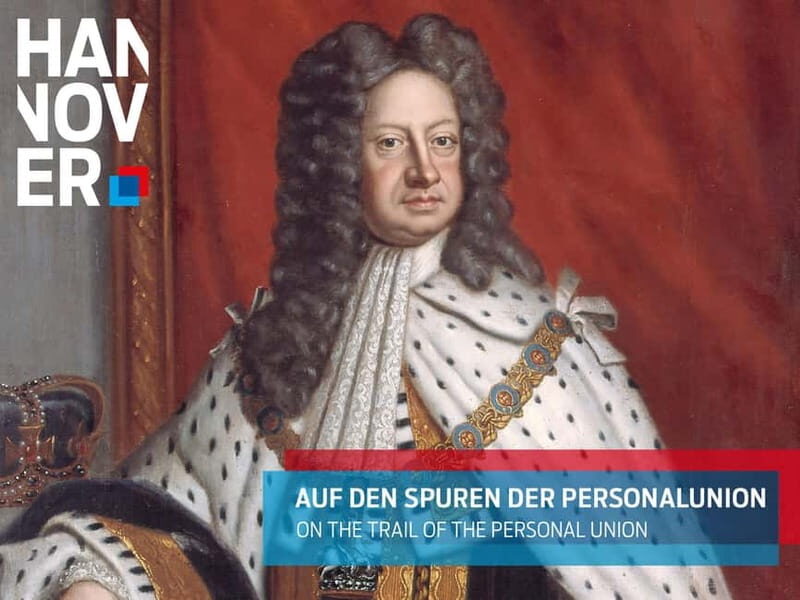
- Personal union explained with names and dates (George I onward, ending in 1837) so the story stays clear.
- Earl Grey as a court tradition: the tour uses a real “what people drank” detail to anchor the history.
- English royal family links to Hanover are woven through the route, not dumped in a single lecture.
- A pub drink at the end: Guinness or non-alcoholic gives you a fun, low-pressure finish.
Tea First: How Welfen/Guelph Tasting Sets the Tone
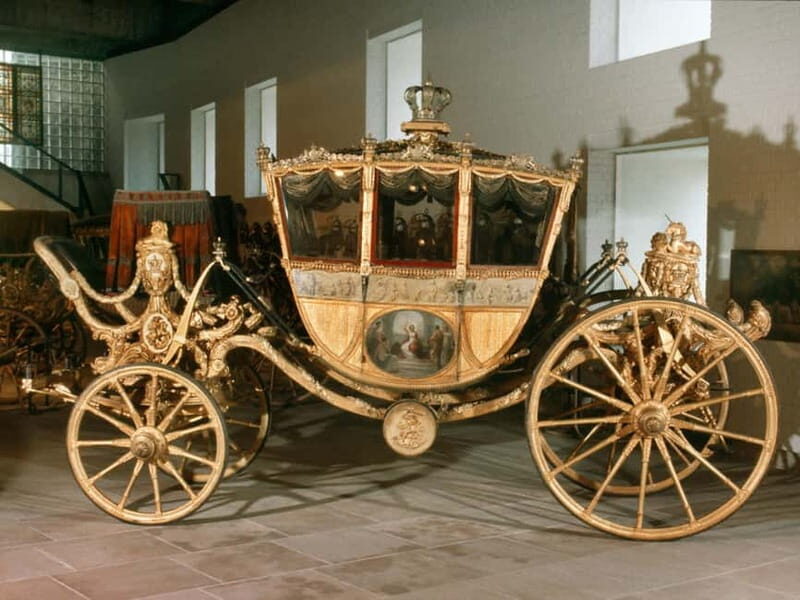
The tour opens with something smarter than a generic welcome: you sit down for Welfen/Guelph tea in a tea room setting before you walk. That matters because the theme here is the House of Hanover and its British connections, and tea is a cultural shortcut. It turns politics into something you can picture—people drinking, socializing, choosing favorites at court.
You’re served a tea associated with the Guelphs (also spelled Welfen), and the tea moment comes with a clear dedication to the Guelphs and the House of Hanover. It’s not just a drink in a cup; it’s treated like a symbol of that long relationship between Hanover’s rulers and Great Britain. If you’ve ever felt that “royal history” is all dates and portraits, this start gives you a texture—something sensory—so the later story lands better.
One specific detail I appreciated: Earl Grey is mentioned as a classic that was chosen as the official drink of the English court for over 200 years. That’s a strong anchor. Instead of saying the English court had a lot going on, the tour gives you one concrete “daily life” point you can remember long after the cup is empty. Even if you don’t usually drink tea, it helps you understand why culture traveled along with power.
You can also read our reviews of more tours and experiences in Hanover.



The Core Story: Hanover and Great Britain Under One Ruling Umbrella
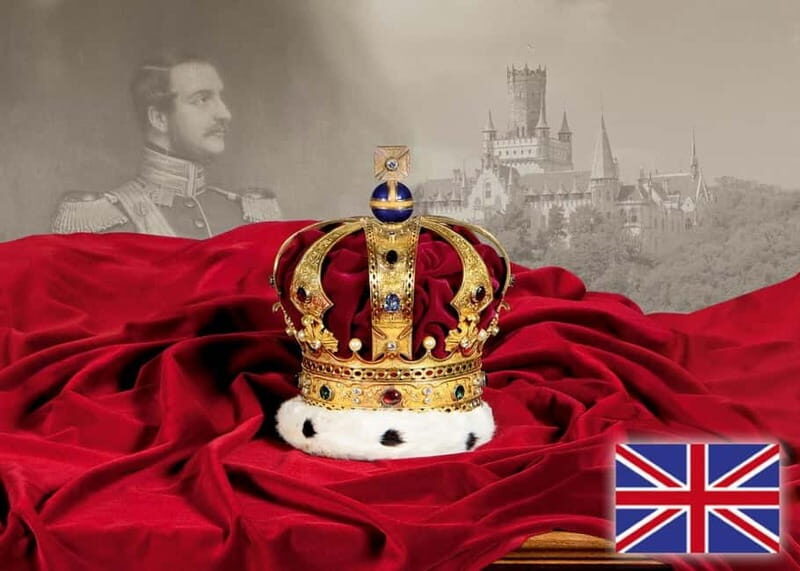
Once you’ve had that opening tasting, the tour shifts into the heart of the matter: the personal union. Here’s the clean timeline the tour is built on.
In 1714, Elector George Ludwig became King of Great Britain as George I. From that moment, rulers from Hanover held the British throne as well. The key point is that the countries didn’t merge into one new state. They stayed separate, but the same person ruled both. That’s what makes it a “personal union,” not a full political takeover in the everyday sense.
The tour also covers what this meant beyond who sat on which throne. You learn that there was an exchange in fields like science, agriculture, and art. I like how that avoids turning the story into pure dynastic trivia. It nudges you to think about what happens when two elite worlds overlap: ideas travel, practices get shared, and cultural tastes move across borders.
You also get the ending. The period comes to a close in 1837, tied to William IV. The tour explains that he had no male descendants, and that the Guelph law of succession ruled out a female succession. That detail matters because it shows how legal rules can end a political era even when the cultural ties remain.
As a traveler, I find this structure valuable: you get a beginning (1714), a “how it worked” middle (exchange of ideas while countries stayed separate), and a hard stop (1837). The story has edges. It doesn’t float in vague “royal history” territory.
Following the Trail: How the Route Makes Royal Connections Feel Local
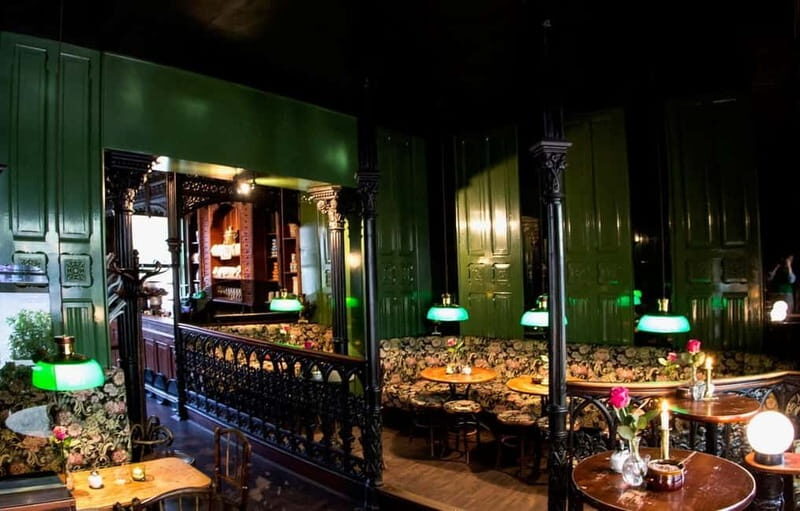
The highlights promise Hanover and the English royal family, and the tour’s “on the trail” feel is what turns this from a history lecture into a walk with context. Even without you needing to memorize every ruler, the guide connects the story back to Hanover’s setting, so the personal union doesn’t feel like it happened in a vacuum across the sea.
During the walking portion, you can expect the guide to bring the English royal family link back again and again, tying it to what Hanover’s rulers represented during that period. This is where the tour earns its short duration. In just 2 hours, it doesn’t try to cover everything about Britain, Germany, or the Hanover court. Instead, it focuses on the thread that connects the crown—then keeps pulling that thread until you can see the full picture.
There’s also a practical benefit: walking makes it easier to keep track of time and story. You start seated (tea), then move (personal union and royal-family connections), then finish with another break (pub drink). That rhythm keeps attention from drifting.
Earl Grey Meets the Court: Why the Tea Detail Works
Let’s talk about that Earl Grey detail again, because it’s more than a quirky fact. The tour points out that Earl Grey was chosen as the official drink of the English court for over 200 years. In a topic full of ruling houses and succession laws, that kind of fact is useful.
Why? Because it turns a huge, abstract system into something you can understand in human terms. Tea is daily life. It’s also a sign of taste and identity—what court society preferred, what it normalized, and what it used to signal belonging. When the House of Hanover is involved, you’re not just dealing with political headlines. You’re dealing with cultural preferences that travel with power.
I also like that the tour uses this point to frame the relationship between Hanover and Great Britain. You’re learning how ties form at both the political and social levels. That’s the real value here: a personal union isn’t only a legal arrangement. It’s a network of relationships, habits, and influence moving between people and places.
Guinness at the Finish: A Pub Stop That Doesn’t Feel Forced
Every tour needs an ending that feels like more than “and then you leave.” Here, you get a final drink in the old town in a pub setting. You’ll have Guinness—or a non-alcoholic drink option—so it lands for different preferences.
I like this approach because it gives you closure. You’ve spent time hearing about a royal era and the rules that ended it. Then you sit down and have a drink in the kind of casual place where real conversations happen. It’s a small moment, but it makes the history feel like it belongs to the present too.
Also, the fact that there’s a non-alcoholic option means you don’t have to make it a logistics problem. You can keep things simple and just enjoy the finish.


Value for $24: What You’re Really Paying For
At $24 per person for a 2-hour tour, you’re not paying for a long day or a bus ride. You’re paying for focus: a guided experience, a tasting at the start, and a drink at the end.
The included items are clear:
- 1x Welfen tea
- 1x Guinness
- Guide
That’s important for value because it reduces the guesswork. You’re not wondering if you’ll pay extra for drinks. The tour builds those into the experience, which makes the total cost feel more predictable.
Is it pricey? For a short, guided, drink-included activity, it’s fairly straightforward: you’re essentially buying time with a guide plus two cultural drinks. If you’re the kind of traveler who likes history but gets impatient with long, info-heavy tours, this length and structure can be a good fit.
If you’re expecting a huge museum-style production or a detailed tour of major named landmarks, you might find the scope more focused than dramatic. But if you want the personal union explained clearly and anchored with tea and a pub finish, the value makes sense.
Practical Stuff That Helps You Decide
This tour runs for 2 hours and is designed as a live guided experience. The guide is German, and some parts are shown in original language. If you read German comfortably or you’re comfortable following along with a historical story even when you miss a few details, you’ll likely enjoy it more.
It’s also wheelchair accessible, which is a big plus for a walking-based town experience—something you’ll appreciate if mobility is an issue.
One more detail: the theme is pretty specific. This isn’t a general Hanover history sampler. It’s about the personal union and the Hanover-to-Britain royal connection. So it’s best for people who actively want that specific story.
Should You Book Hanover: Very British on the Trail of the Personal Union?
I’d book it if you want a short, focused history experience in Hanover that doesn’t feel like a classroom. The combination of a tea tasting tied to the House of Hanover, a clear personal union storyline (1714 to 1837), and a pub ending with Guinness (or non-alcoholic) makes it memorable without taking over your whole day.
I’d skip it or approach with caution if you need a fully English-language guide or you prefer tours that name and visit major landmark interiors. This one is structured around a guided narrative and the drinks-as-culture theme, with German as the main guide language.
If that matches what you’re craving, this tour is a neat way to connect Hanover to British royalty using the kind of details you’ll actually remember.