REVIEW · HANOVER
Hanover: Guided Walking Tour of the Linden-Limmer District
Book on GetYourGuide →Operated by Hannover Marketing & Tourismus GmbH · Bookable on GetYourGuide
Linden’s factories tell stories you can still see. I love the preserved weavers’ houses at Weberstraße 20/21 and the survival of the 1749 kitchen garden pavilion, moved uphill in 1913. It turns Hanover’s industrial past into something you can walk through.
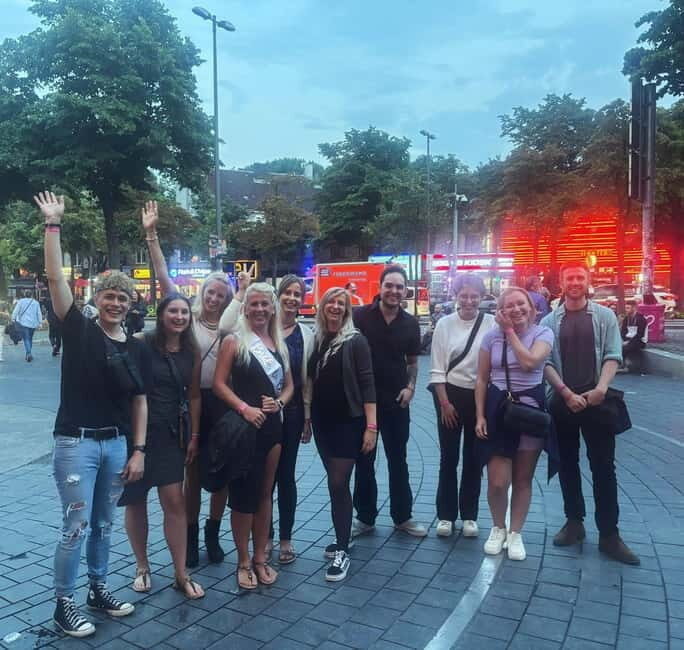
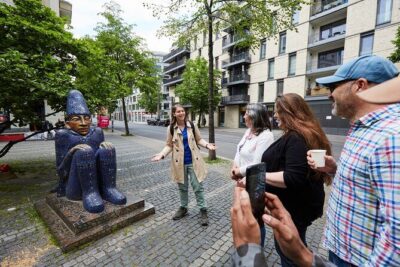
You meet your guide at TAK – Die Kabarett Bühne, and they wear a Hannover Marketing & Tourismus GmbH card. The tour stays human-sized and relaxed, so it’s easy to ask questions when the district starts to make sense.
One possible drawback: you’ll spend time at the controversial Ihme Center, a brutalist complex some locals call an eyesore. If you only want pretty scenery, this stop might feel like homework.
In This Review
- Key highlights worth your feet
- Meeting at TAK and What to Expect in 2 Hours
- Weberstraße 20/21: Weavers’ Houses That Still Hold the Old World
- Küchengarten and the 1749 Pavilion Move to the Lindener Berg
- Linden’s Industrial Turn: Egestorff, Textile Work, and the Prussian Shift
- The Ihme Center: Brutalism, Debate, and Why Young People Care
- Faust Cultural Center: Werner & Ehlers Bed Factory to Concert Space
- Nedderfeldstraße: Graffiti, Pubs, and the Apollo Arthouse Cinema
- Limmerstraße and the Limmern: Kiosks, Cafés, and Everyday Density
- The Hanover Combined Heat and Power Plant: Modern Industry in the Same Story
- Should You Book This Hanover Linden-Limmer Walk?
- FAQ
- How long is the Hanover Linden-Limmer guided walking tour?
- Where does the tour meet?
- What language is the guided tour in?
- Is the tour wheelchair accessible?
- What are the main highlights on the tour?
- Is free cancellation available, and can I pay later?
Key highlights worth your feet
- Weavers at Weberstraße 20/21: preserved courtly-era houses that anchor the story in real buildings.
- The 1749 kitchen garden pavilion: a structure with an unusual move to the Lindener Berg in 1913.
- Johann Egestorff and the factory shift: how lime and industry kickstarted Linden’s transformation.
- Ihme Center, love it or hate it: an “eyesore” that still grabs attention, especially from younger people.
- Faust Cultural Center’s former bed factory: Werner & Ehlers, now used for concerts, exhibitions, and readings.
- Limmerstraße’s everyday food scene: kiosks, cafés, and restaurants clustered where locals actually hang out.
Meeting at TAK and What to Expect in 2 Hours

This is a straightforward walking tour with a clear goal: understand Linden-Limmer by moving through it, not by reading about it later. You’ll spend about 2 hours with a live guide in German, and the pace is built for neighborhood noticing.
Your guide waits at TAK – Die Kabarett Bühne. They’ll have a Hannover Marketing & Tourismus GmbH card on a lanyard, which makes it easy to spot them. This small detail matters because it keeps you from wandering around Hanover trying to match faces to emails.
What I like about this length is that it’s enough time to connect the dots—royal garden to workers’ quarter to today’s mix of culture, street art, and cafés—without turning into a full-day commitment. At $17 per person, you’re basically paying for interpretation: someone to explain why the district looks the way it does.
You can also read our reviews of more walking tours in Hanover

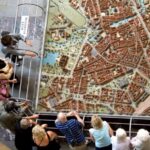
Weberstraße 20/21: Weavers’ Houses That Still Hold the Old World
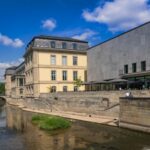
Early on, you hit a part of Linden that feels almost like a time capsule. The weavers’ houses at Weberstraße 20/21 are preserved from the courtly period. In other words, you’re not just seeing a themed “old street.” You’re looking at buildings tied to how people lived before the area became dominated by factory work.
These houses matter because they show the contrast that the rest of the tour keeps coming back to. Linden doesn’t only have industrial architecture. It has evidence of a previous rhythm of life—more structured, more “placed,” and more connected to the royal side of Hanover.
Even if you don’t read every sign or plaque, the buildings do the heavy lifting. You’ll start noticing how quickly a district’s identity can flip once machines and production move in.
Küchengarten and the 1749 Pavilion Move to the Lindener Berg
Next comes the Küchengarten, Hanover’s kitchen garden story—what it once supplied and how much it changed once politics and industry took over. You’ll see the kitchen garden pavilion from 1749, and the fact that it was moved to the Lindener Berg in 1913 gives you a great clue: heritage wasn’t treated like a museum piece. It was treated like a structure with a practical afterlife.
That pavilion is a weirdly powerful symbol for how neighborhoods survive. A garden tied to royal supply can be repurposed, re-situated, and reinterpreted over time. You’re watching preservation happen through relocation, not through freezing a place in time.
If you like architecture, this is one of those stops where details feel political. Why move it? What did people value later? The guide’s explanation helps you see the pavilion not as a decoration, but as a witness to a changing district.
Linden’s Industrial Turn: Egestorff, Textile Work, and the Prussian Shift
Here’s where the tour does its most useful work: it explains cause and effect. Linden developed around the machine and textile industry, shifting from the “most beautiful village in the Kingdom of Hanover” into a workers’ quarter. That’s a big transformation, and it didn’t happen by accident.
A key name in the story is (lime) Johann Egestorff. The founding of factories begins with him, and suddenly you have a reason for the district’s industrial character. It helps you connect the present—brick buildings, reuse of factory sites, infrastructure—with the moment production took center stage.
Then comes the political turning point: annexation by Prussia in 1866. That’s what freed the area of the royal kitchen garden. After that, a freight station was built, and a middle-class residential area developed around Lichtenbergplatz.
That last part is important for your understanding. Linden-Limmer isn’t only “working class vs. rich.” It’s also industrial logistics plus new housing patterns. This tour makes that mixing visible, so you can look at today’s streets and understand the logic underneath them.
The Ihme Center: Brutalism, Debate, and Why Young People Care
The Ihme Center is one of those places where you’ll get the local argument, not just the official explanation. Many Hanoverians call it an eyesore. At the same time, it pulls in strong interest from many young people—partly because of the brutalist construction method.
I like this stop because it prevents a common travel mistake: treating architecture like it’s either automatically beautiful or automatically ugly. Here, you learn that even an “unpopular” building can still attract attention, study, and conversation. That’s a real part of city life.
Your guide also helps you see why this building belongs in the Linden-Limmer story. The district’s identity has always been tied to industry and production. So when a major construction like the Ihme Center shows up, it’s not random. It reflects another layer of how the area is used and perceived.
If you’re the type who only wants soft, historical scenery, this is the one moment to consider your taste. For everyone else, it’s a good lesson in how modern design gets judged.
You can also read our reviews of more guided tours in Hanover



Faust Cultural Center: Werner & Ehlers Bed Factory to Concert Space
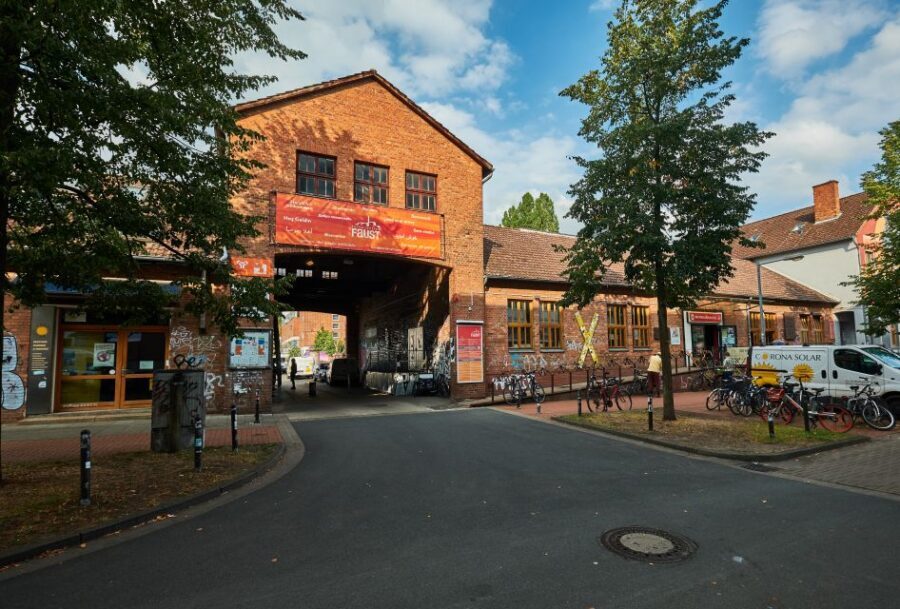
The Faust cultural center is where the district starts feeling creative in a very practical way. It houses the former Werner & Ehlers bed factory, which means you’re walking through a site that once focused on production, not performances.
Today, the building is used for concerts, exhibitions, readings, and more. That matters because it shows a working pattern in cities like Hanover: reuse what you can. When factory space becomes cultural space, you keep industrial structure while changing the audience’s role—from workers to visitors, from production to creation.
The best part is that you don’t have to take it on faith. The story of a bed factory turning into a cultural center is easy to understand, and it matches the tour’s earlier theme of repurposing old functions.
Even if you don’t attend an event that day, the meaning is still there. You’ll look at the building differently, and that’s the whole point of a guided walk like this.
Nedderfeldstraße: Graffiti, Pubs, and the Apollo Arthouse Cinema
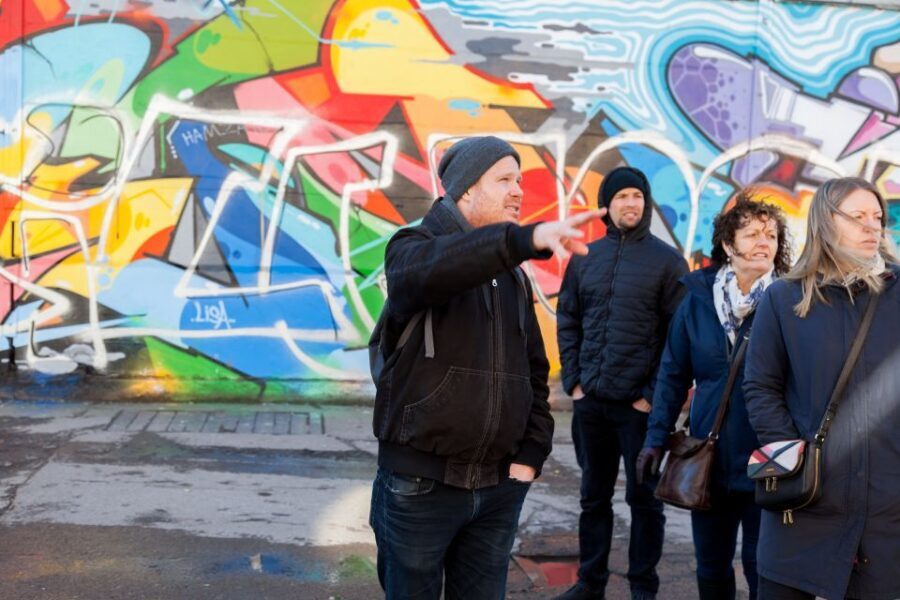
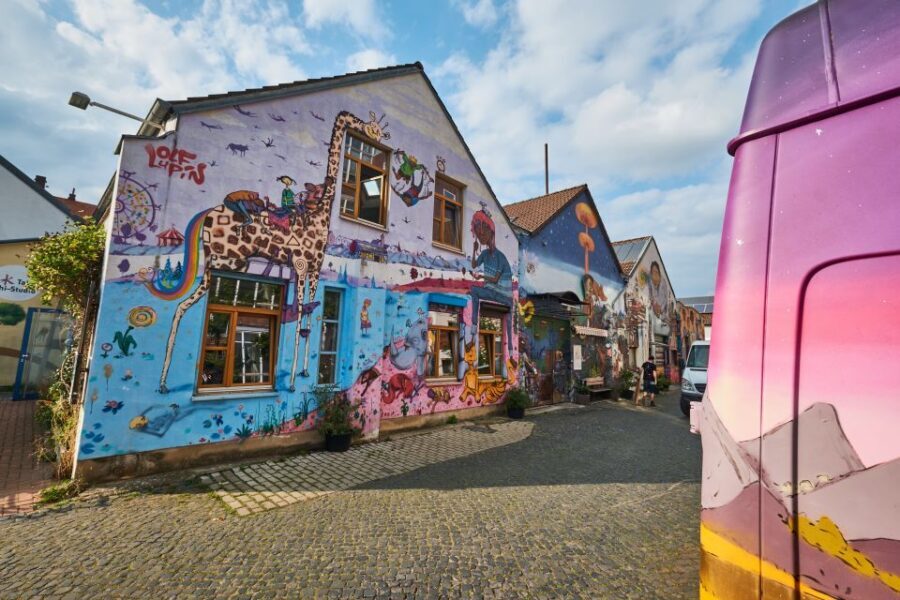
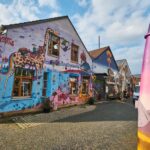
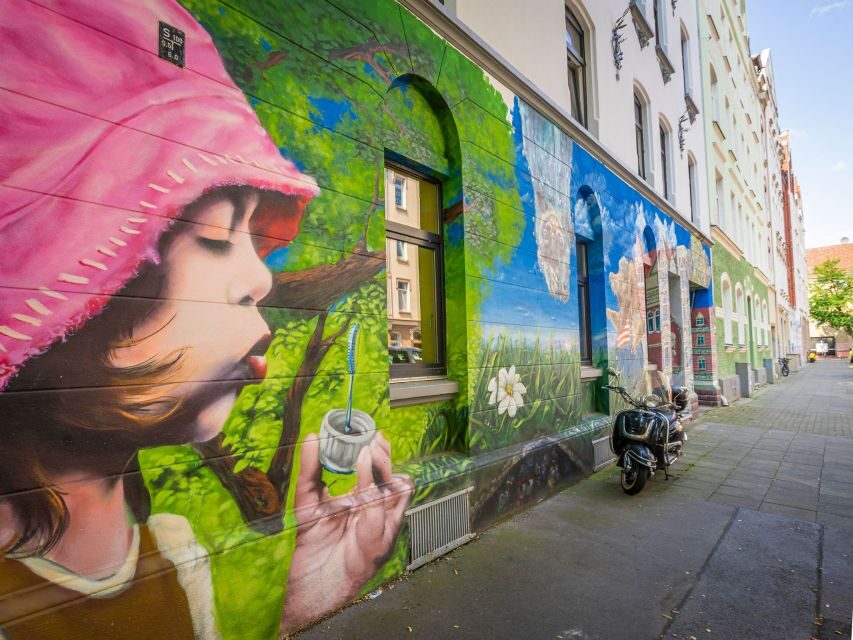
Next you move to Nedderfeldstraße, and the mood shifts in a good way. You get an area with graffiti art and numerous pubs, which feels less like a lesson and more like you’re watching local life happen.
Right next to this, you learn about the Apollo cinema, described as one of the first arthouse cinemas in Germany. That’s a fascinating pairing: street art energy plus an older film culture landmark.
This stop is valuable because it breaks the illusion that Linden-Limmer is only factories and old buildings. It’s also nightlife, casual social life, and creative venues. The district’s identity keeps evolving, not just decaying into history.
If you like wandering with purpose—seeing why places are where they are—this is one of the stops that will stick with you after you’ve left.
Limmerstraße and the Limmern: Kiosks, Cafés, and Everyday Density
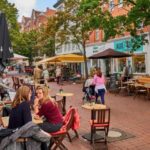
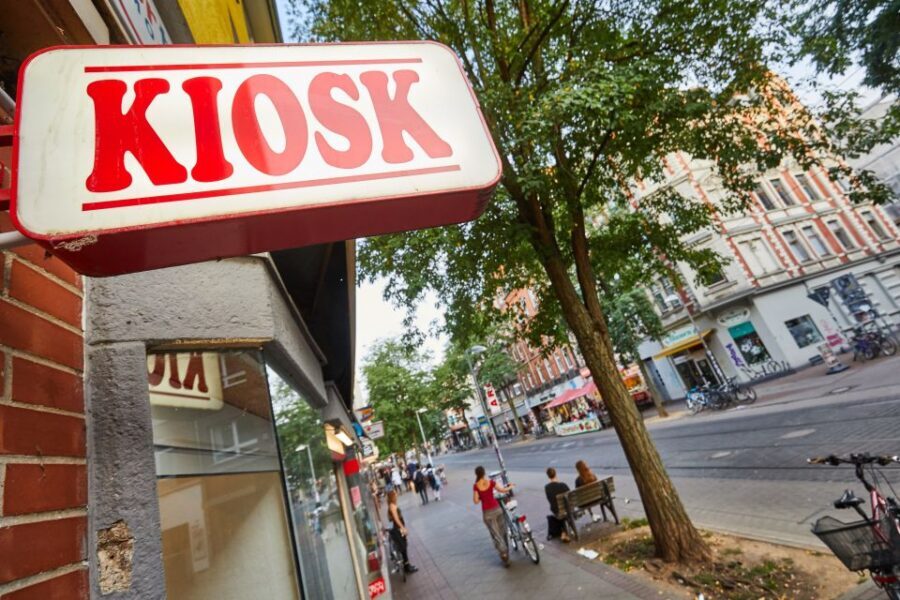
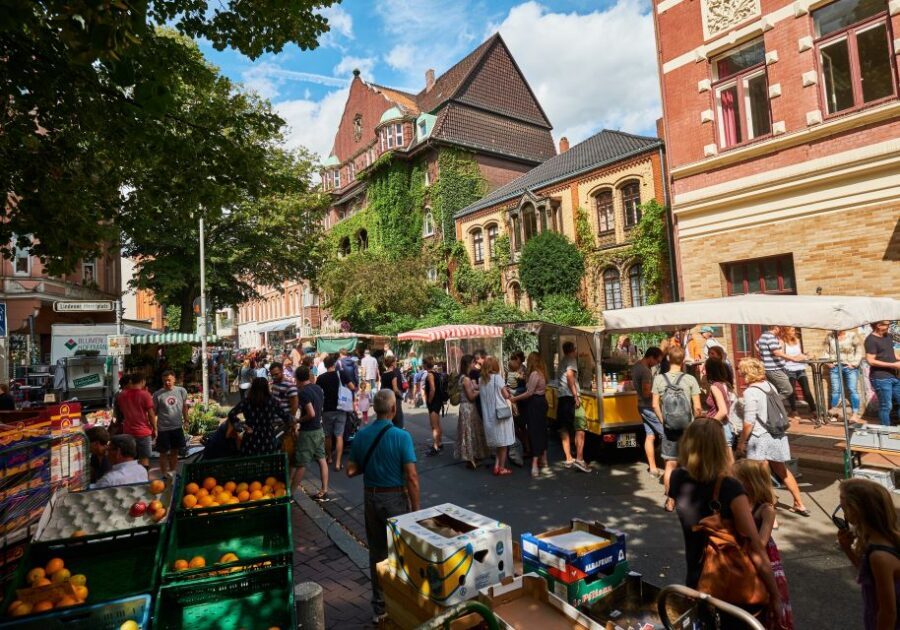
You end up on Limmerstraße, where the Limmern area is known for its high density of kiosks, restaurants, and cafés. This is a great finale because it brings the story back to daily habits.
After learning about royal gardens, freight stations, factory founders, and repurposed industry, you can finally see how the district supports everyday routines. People eat here. People meet here. Shops and kiosks cluster because foot traffic and community needs support them.
I also think this is where the tour becomes most useful for future planning. Once you know the logic behind the neighborhood’s layout, you can pick your own routes afterward instead of relying on the “main sights” list.
And if your interest leans local rather than postcard-perfect, Limmerstraße is exactly your kind of place.
The Hanover Combined Heat and Power Plant: Modern Industry in the Same Story
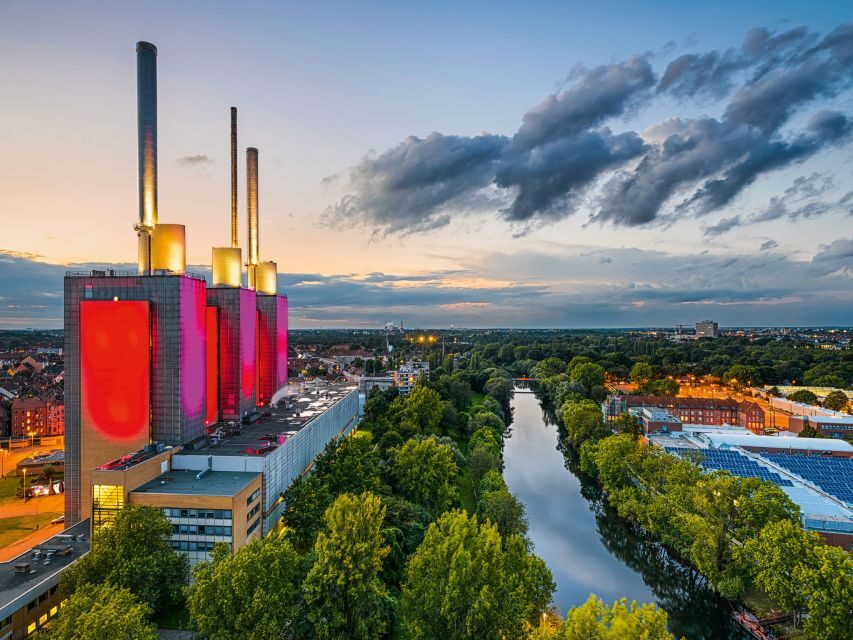
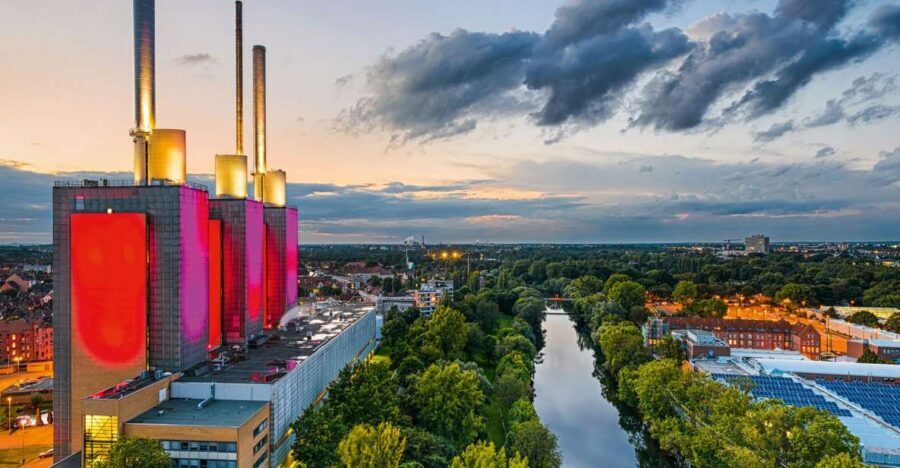
One highlight on the route is the Hanover combined heat and power plant. You don’t need a technical background to understand why it belongs here. In Linden-Limmer, energy infrastructure is part of the district’s industrial DNA.
This stop helps you connect past and present. The tour shows how industry shaped the area first through machines and textile work, then through transportation and housing changes, and now through utilities that keep cities running.
Think of it as the district’s “today” chapter. Old factory buildings became cultural spaces. But industrial infrastructure still matters, still takes up space, and still influences how neighborhoods function.
Should You Book This Hanover Linden-Limmer Walk?
Book it if you want a 2-hour district story you can see with your own eyes. At $17, you’re paying for interpretation of preserved houses, moved heritage, and repurposed industrial sites—plus a tour that includes both the controversial and the everyday.
Skip it only if you’re mostly after polished tourist classics. This walk spends time on industrial architecture and buildings that some people dislike, like the Ihme Center. If you can handle that, you’ll leave with a clearer sense of why Linden-Limmer looks the way it does, and where to go next for food and culture afterward.
Also, the vibe described for this tour is friendly and easygoing, and the guide’s explanations help you connect local names and landmarks in a way that makes the whole neighborhood feel less random.
FAQ
How long is the Hanover Linden-Limmer guided walking tour?
It lasts 2 hours.
Where does the tour meet?
The meeting point is TAK – Die Kabarett Bühne.
What language is the guided tour in?
The live guide speaks German.
Is the tour wheelchair accessible?
Yes, it’s listed as wheelchair accessible.
What are the main highlights on the tour?
Key stops include Küchengarten, Ihme Center, the Hanover combined heat and power plant, Faust cultural center, and Limmerstraße.
Is free cancellation available, and can I pay later?
You can cancel up to 24 hours in advance for a full refund. You can also reserve and pay later, keeping your travel plans flexible.