REVIEW · HAMBURG
Hamburg: Speicherstadt and HafenCity 2-Hour Tour
Book on GetYourGuide →Operated by Adventure World Tours · Bookable on GetYourGuide
Two hours, and Hamburg’s water stories click into place. I really like how the tour ties the Speicherstadt to global trade (spices, coffee, and oriental carpets), and I also love the built-in photo moments around the Wasserschloss motif. The guide doesn’t just point at buildings. You get the why behind them.
One thing to consider: this is a true walking tour. In winter (or after rain), those canal paths and bridges can feel slippery, and the route is paced for walking, not long stops inside.
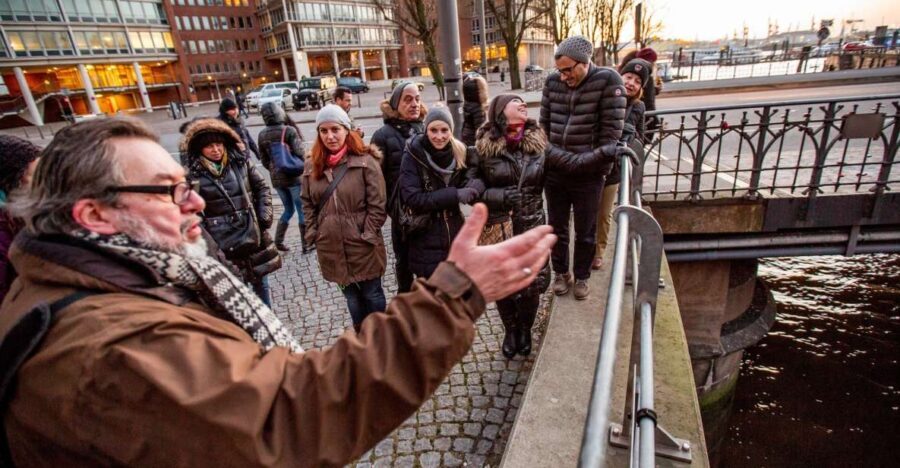
The payoff is that your guide—people like Stefan, Mikel/Mikkel, and André—keeps the facts moving with stories that sound human, not like a script. You finish at the Chilehaus, so your last steps still feel like a “main event.”
In This Review
- Key things to know before you go
- UNESCO warehouses and sleek docks: why this 2-hour mix works
- Meet at Baumwall, then walk HafenCity to Speicherstadt (and finish strong)
- Hafen Police Station to Hanseatic Trade Center: early views that set the stage
- Speicherstadt’s canals and warehouse walls: the parts you’ll remember
- Hitting the famous motifs: Wasserschloss and Fleetschlösschen
- The town hall stop: neo-Gothic architecture with a purpose
- Genuss Speicher, Teekontor, and the trade-theme details that click
- Bridges and final approach: Poggenmühlen Bridge to Chilehaus
- Elbe Philharmonic Hall and the HafenCity contrast you can feel
- Price and value: is $282 per group worth it?
- Practical tips for a smoother walk (especially in winter)
- Who should book this, and who might skip it?
- Should you book this Hamburg Speicherstadt and HafenCity 2-hour tour?
- FAQ
- How long is the Hamburg Speicherstadt and HafenCity tour?
- Where do I meet the guide?
- Is this a walking tour or a boat ride?
- What is included in the price?
- What language will the guide speak?
- Is entry to attractions included?
- Is there a minimum number of participants?
Key things to know before you go
- UNESCO Speicherstadt + modern HafenCity in one loop: you’re not stuck in one era.
- Wasserschloss is the star photo: the tour is built around the big visual moments.
- Fleetschlösschen gets treated like a character: you’ll hear what makes it special.
- Stops are themed around trade: coffee, tea, and the world of warehouses.
- The pace is tight but not rushed: most stops are short photo-and-explain breaks.
- German public, English private: match your language to the booking type.
UNESCO warehouses and sleek docks: why this 2-hour mix works
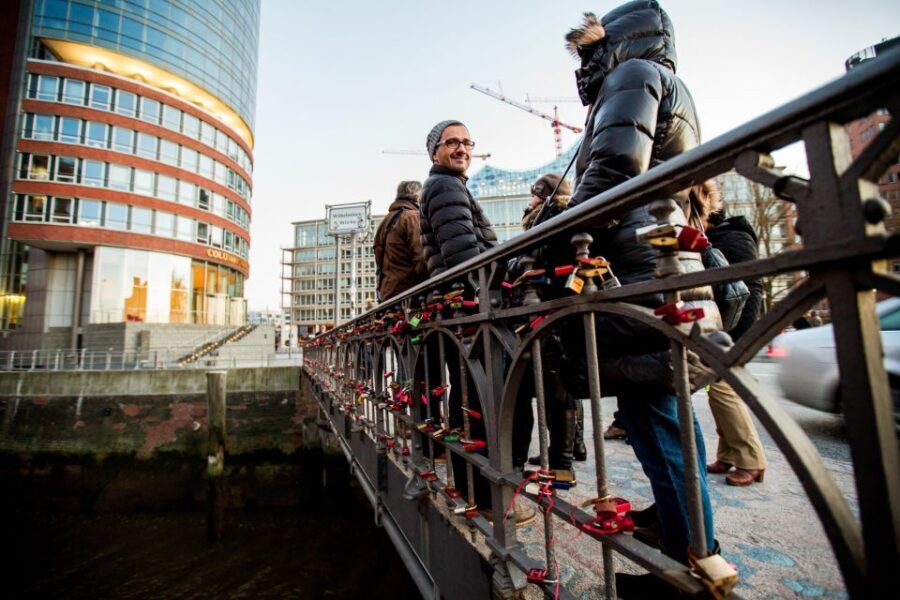
Hamburg has two faces you can feel on your walk: the old harbor world of the Speicherstadt and the newer, sharper angles of HafenCity. In just two hours, this tour gives you both without asking you to plan two separate days. It’s the kind of route that helps you connect dots fast—why the warehouses were built the way they were, and why the waterfront looks different today.
What makes this experience work so well is the storytelling focus. The guide links the buildings to what moved through them: spices, coffee, and oriental carpets. That turns “pretty brick” into something more memorable. You’ll leave with pictures in your head that aren’t just pretty facades—they’re trade routes and human decisions.
The other big win is that the tour is designed around the area’s visual rhythm. You’re constantly moving between canals, warehouses, bridges, and standout landmarks. Even if you’re not a “history person,” you’ll still understand what you’re seeing because the guide keeps translating the setting into clear, practical meaning.
A few more Hamburg tours and experiences worth a look


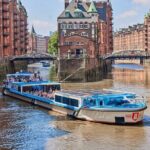
Meet at Baumwall, then walk HafenCity to Speicherstadt (and finish strong)
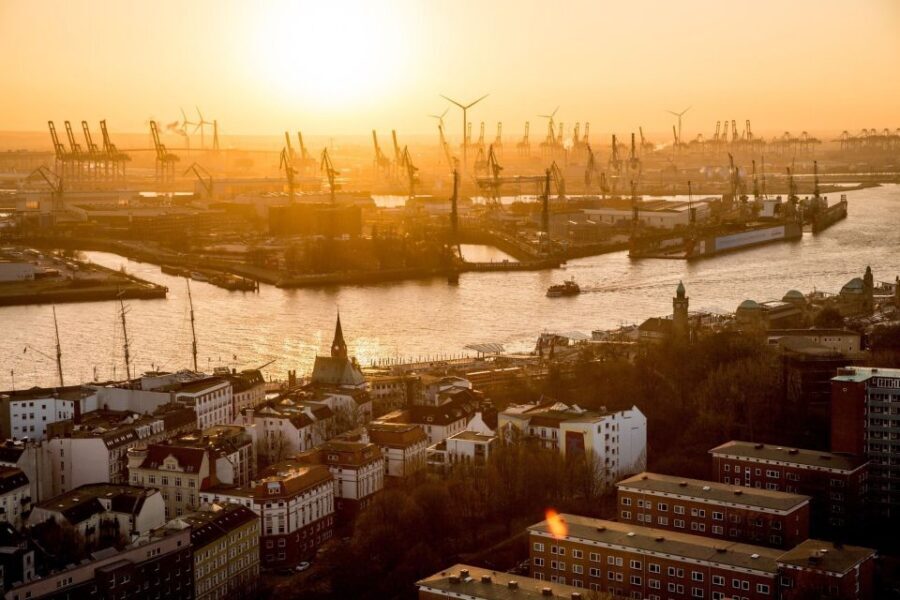
The meeting point is practical and easy to spot once you know where to look: Backshop Baumwall, under the railway bridge at the bottom of the stairs from Baumwall subway station (Kehrwiederspitze exit). If you’re early, use that time to orient yourself—because after the tour starts, you’ll be moving quickly between photo points and short explanations.
The route itself is a classic “do-you-get-it?” walk: you begin along the harbor edges, then step into the warehouse district, and finish at the world-famous Chilehaus in the Kontorhaus district. Ending at the Chilehaus matters. It’s a recognizable landmark that gives your last minutes that satisfying feeling of arrival, so you’re not left wondering what the big finale was.
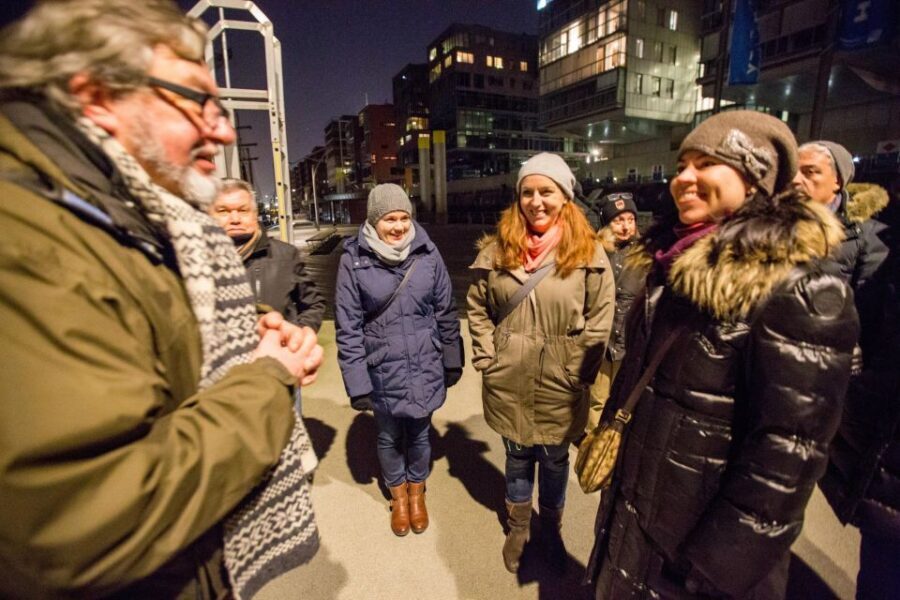
Expect the tour to be mostly on foot with frequent stops. Some locations are listed as photo stops, others include short guided walks. Translation: you won’t be forced into long monologues, but you’ll also get enough context to make each site stick.
Hafen Police Station to Hanseatic Trade Center: early views that set the stage
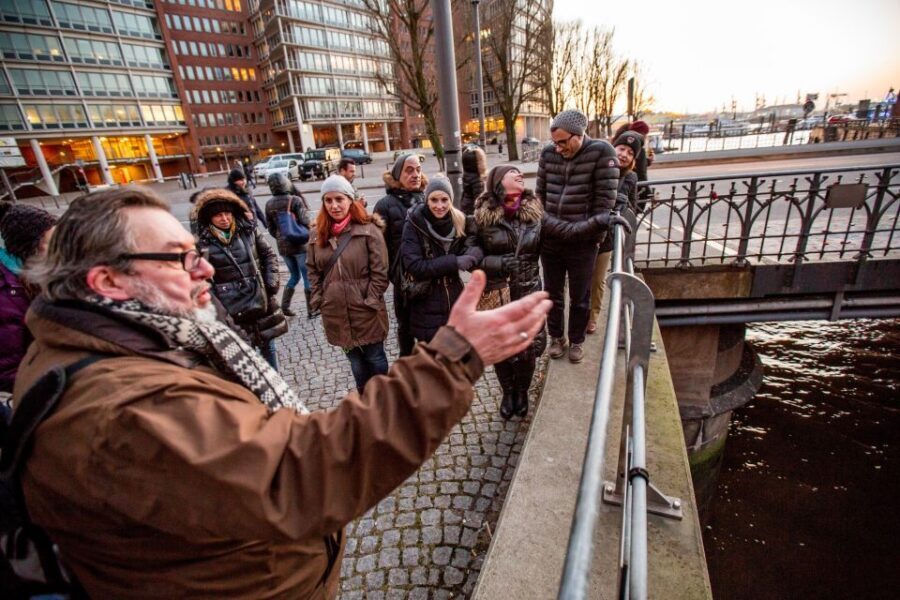
The first stops quickly teach you how to read the harbor. At Harbor Police Station No. 2, you get an initial photo break plus guided orientation. This is where the guide helps you see the waterway layout—because once you understand how the canals and docks connect, the rest of Speicherstadt starts to make sense.
Then comes the Hanseatic Trade Center, another short photo stop that sets a contrast tone. You’ll start to notice how Hamburg’s harbor wasn’t just about ships; it was about logistics, offices, and trade infrastructure. Even with brief stops here, the guide’s job is already underway: giving you a framework so you can interpret the architecture as you go.
A quick stop at Wilhelminenbrücke follows, and bridges matter on this route. They’re where you get those “look both ways” moments—how the canal lines pull you through Speicherstadt. If you like photos, this is the kind of segment that gives you angles you wouldn’t naturally find on your own.
Speicherstadt’s canals and warehouse walls: the parts you’ll remember
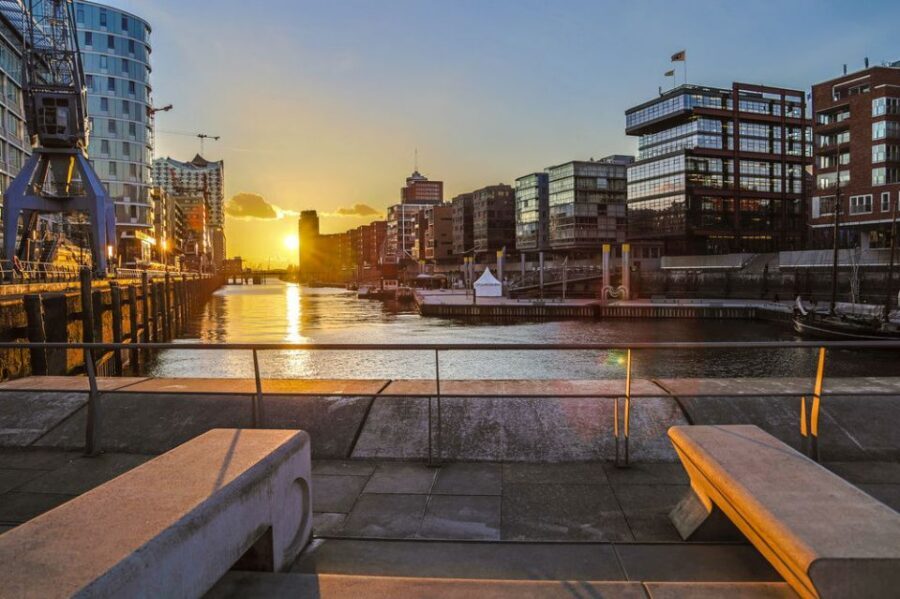
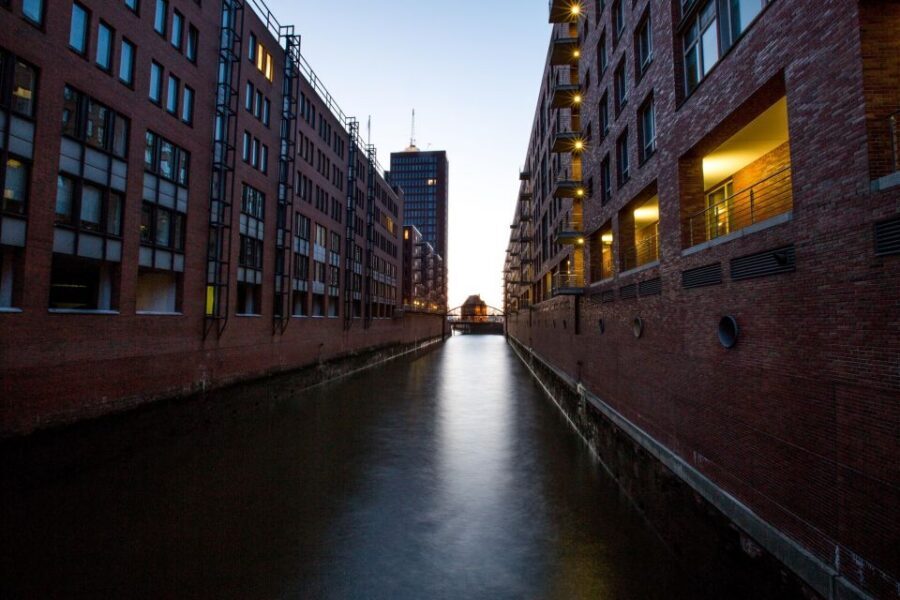
The heart of the experience is the UNESCO Speicherstadt, the 19th-century warehouse district known for global trade. The tour describes it as a gigantic and worldwide biggest connected depot complex, which is a huge claim—but even if you don’t measure it, you feel the scale as you walk.
A key stop is Kibbelsteg, which is given enough walking time to let the guide point out what’s important. This is the kind of location where the guide can tie together sightlines: where water meets brickwork, and how that maze of warehouses feels both orderly and slightly magical.
Then you’ll spend time at Hälssen & Lyon GmbH. The tour’s trade theme becomes more tangible here. Since the itinerary explicitly mentions coffee and tea as some of the big products of the district, this stop works as more than a name on a wall. It helps you see how those commodities were part of the harbor’s daily identity, not just abstract “history facts.”
At Am Sandtorkai 73 and Sandtorkai-Hof (Block H), you’re in the warehouse geometry zone. These are the moments where you start noticing details you’d usually miss: the way blocks and courtyards shape movement, and how the district was designed for function. Short photo stops here are useful because they force you to look quickly, then let the guide explain what you’re actually seeing.
Hitting the famous motifs: Wasserschloss and Fleetschlösschen
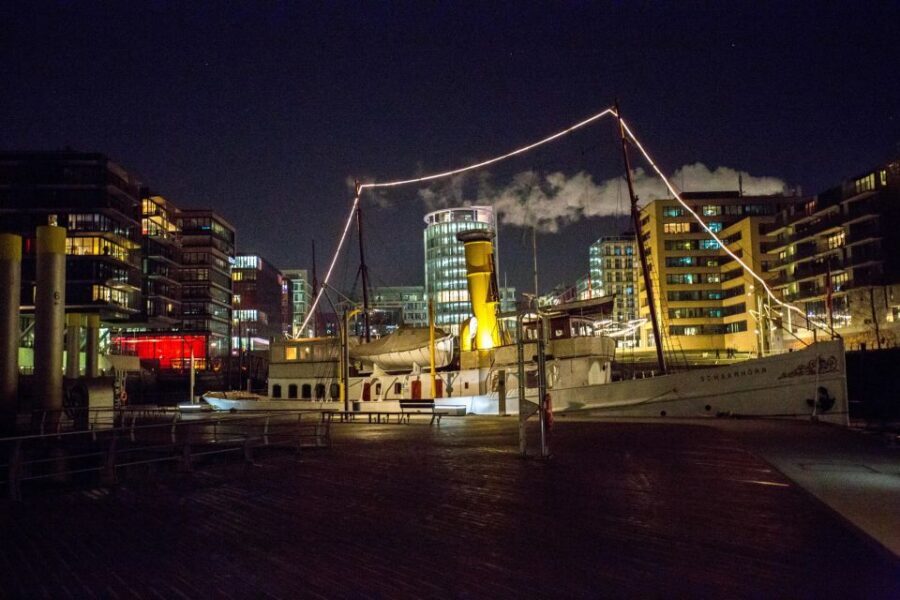
Two names do most of the work for this tour, and both show up in a way you can’t really miss.
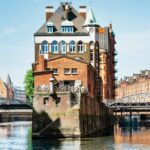
First is the Wasserschloss. The tour calls it the most frequently photographed motif in Speicherstadt, and that reputation is earned. Even in a short photo-and-explain moment, you’ll understand why it’s the icon: it visually captures the district’s relationship to water. The guide’s job isn’t just to say “this is important.” It’s to make you connect the architecture to the harbor’s practical needs.
Second is Fleetschlösschen by Daniel Wischer, described as magical. This is one of those spots where the guide’s stories can change the whole feel. The buildings here don’t read as random. They read as engineered—and then dressed with character. When the tour treats Fleetschlösschen like a standout character, that’s your cue to slow your attention for a minute, even if the stop isn’t long.
If you’re the type who likes to take photos, these two stops give you a satisfying outcome: you’ll shoot familiar icons, but you’ll also understand the logic behind why they became the icons.



The town hall stop: neo-Gothic architecture with a purpose
You’ll also stop by the town hall of Speicherstadt. The tour highlights its typical neo-Gothic style, and that matters because it signals something beyond decoration. In a district built for trading and storage, you’re also seeing how authority and planning showed up in bold architecture.
A short stop like this can feel easy to skip if you’re in “just walk and photograph” mode. Don’t. A neo-Gothic building in a warehouse district is a useful reminder that the harbor was a full system—commerce needed rules, administration, and a public-facing face.
Genuss Speicher, Teekontor, and the trade-theme details that click
As you move through the Speicherstadt blocks, you’ll encounter additional stops tied to the commodities the district is known for. Teekontor is explicitly part of the itinerary. Even without going inside, the name itself gives you a mental hook: tea wasn’t a side story. It was a core product enough to shape how buildings and business spaces were organized.
Genuss Speicher is another stop that gets both a guided element and walking time. What I like about this approach is that the tour doesn’t just stick to grand icons. It keeps sampling the everyday trade identity so the district feels lived-in, not like a museum set.
You’ll also pass Bei St. Annen 1, another guided photo-and-walk segment. These sections are where the guide helps you connect the “big picture” landmarks to the smaller, repeating patterns you see throughout Speicherstadt—warehouses that look similar until you learn the differences.
Bridges and final approach: Poggenmühlen Bridge to Chilehaus
A Poggenmühlen Bridge stop (with a short walk and photo time) acts like a palate cleanser. By then, you’ve absorbed brick, water, and canal geometry. Bridges help you reframe the view, and they’re often the moment you realize your photos will look better if you shift your angle just a few steps.
Then you finish at Chilehaus. It’s a strong finish for two reasons. First, it’s a landmark your brain can bookmark after the dense warehouse district. Second, it gives you a sense that the harbor story extends beyond Speicherstadt—into the Kontorhaus district and the wider urban fabric.
Elbe Philharmonic Hall and the HafenCity contrast you can feel
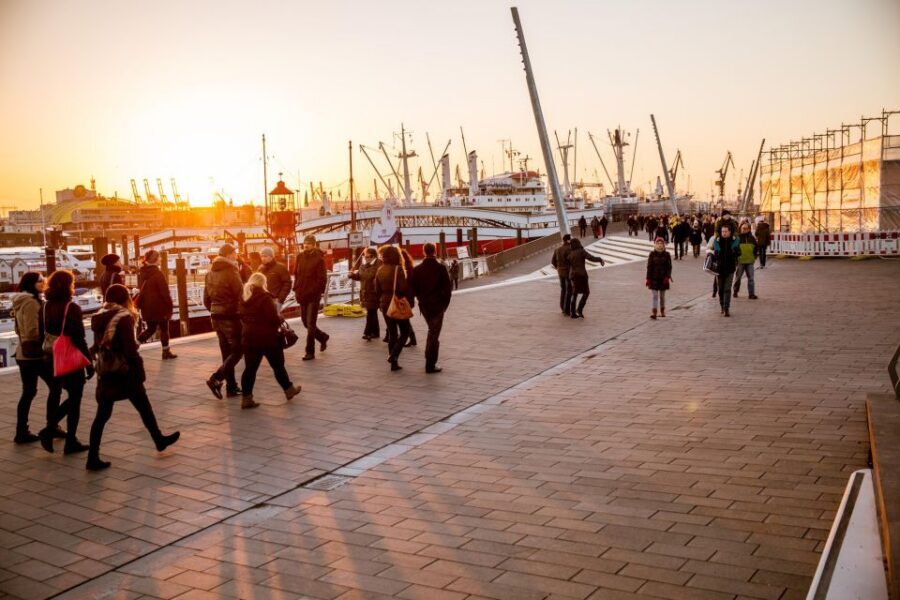
One of the tour highlights includes Elbe Philharmonic Hall, which is a big name and often people associate with architecture more than harbor history. Here, it plays a contrasting role. You’re walking from a trading-world built around storage and water access into a city-world shaped by modern design and public culture.
That contrast is the point. HafenCity isn’t just “new Hamburg.” It’s Hamburg choosing a different kind of identity—one where the waterfront is still about movement, but now it’s movement of people and ideas as much as goods.
When the guide mentions Elbe Philharmonic Hall alongside HafenCity elements, it helps you avoid the common trap of treating the modern side as totally separate. You start to see the continuity: the harbor is always in the story, just rewritten.
Price and value: is $282 per group worth it?
This tour costs $282 per group up to 10, for a 2-hour guided walking experience. Put differently, you’re paying for a guide who knows how to make Speicherstadt understandable quickly, plus a route that hits the core landmarks without you needing to piece it together yourself.
So where’s the value?
- You save time. With a focused 2-hour route, you get the main motifs—Wasserschloss, Fleetschlösschen, and the Chilehaus finale—without guessing where to go for the best angles.
- You get context. The guide connects coffee, tea, spices, and oriental carpets to what you see, which is the difference between “I saw it” and “I get it.”
- You get story momentum. Reviews highlight guides like Stefan, Mikel/Mikkel, and André for turning facts into funny, memorable anecdotes. When a guide handles questions well (even in winter cold), that’s real value, not fluff.
It’s not a bargain option if you’re traveling solo. But for a small group (up to 10), it often pencils out as smart spending versus spending your own time sorting logistics and trying to understand the district on your own.
Practical tips for a smoother walk (especially in winter)
This is an outdoor route, and that’s the main planning variable. In cold weather, wind off the water can make a big difference, and winter reviews mention that the tour still worked well even with harsh conditions. That doesn’t mean you should gamble with footwear.
Here’s what I’d plan for:
- Wear shoes with solid grip. Canal-side paths and bridges can be slick.
- Bring a light layer plus something wind-resistant, even if the day looks mild.
- Have your phone ready, but don’t spend the entire time shooting. Let the guide finish a point, then take your photo right after for the best angle.
Also, note the basic rule: this is not a boat ride. It’s walking, so you’ll want to be comfortable on your feet.
Who should book this, and who might skip it?
Book it if you want a fast, structured introduction to Hamburg’s water districts, with enough landmark density to make your camera happy and enough explanations to make the place stick. It’s especially good if you like guided storytelling—where the “why” matters as much as the “what.”
You might skip it if you’re the type who wants long independent time inside buildings, or if you prefer a slower pace with lots of stops that last 30 minutes or more. This tour’s strength is efficiency. If you want a slower day, you can still explore on your own, but you’ll lose the quick connections the guide provides.
Should you book this Hamburg Speicherstadt and HafenCity 2-hour tour?
If you want a smart first taste of Hamburg’s harbor, I’d say yes. The route is tight, the landmarks are iconic (Wasserschloss, Fleetschlösschen, Chilehaus), and the guide-driven trade story—coffee, tea, spices, and oriental carpets—gives the whole area meaning. The fact that the experience can run with humor and handles questions well is a big plus, especially when weather makes everything feel tougher.
If your language matters, double-check the format: public tours are only in German, while private options can be booked in English. And if you’re traveling with a small group, the per-group pricing makes it feel like real value rather than a pricey “show up and walk.”
FAQ
How long is the Hamburg Speicherstadt and HafenCity tour?
It lasts 2 hours.
Where do I meet the guide?
Meet at Baumwall subway station, Kehrwiederspitze exit, at the bottom of the stairs in front of the kiosk named Back Shop, located under the railway bridge.
Is this a walking tour or a boat ride?
It’s a walking tour, not a boat ride.
What is included in the price?
You get a tour of the Speicherstadt and HafenCity with a live guide.
What language will the guide speak?
The tour is offered in German and English. The public tour is only available in German, while private groups can be booked in English.
Is entry to attractions included?
No. Entry to attractions is not included.
Is there a minimum number of participants?
Yes. A minimum of 2 participants is required.