REVIEW · HAMBURG
Hamburg: Culinary Insider Tour of St. Georg
Book on GetYourGuide →Operated by Adventure World Tours · Bookable on GetYourGuide
St. Georg in Hamburg tastes like a story. This 3-hour walking and food tour takes you through one of the city’s trendiest neighborhoods while your guide connects the current street life to its plague-era past. It’s a small-group style experience (private group available), built around five tastings and a gentle pace.
I like how the route is less about ticking boxes and more about helping you read the neighborhood. You’ll walk through streets where the queer night scene sits close to mosques, churches, and schools, and that contrast explains why St. Georg feels so open and mixed.
One thing to plan for: this is a tasting tour, not a sit-down dinner. At some stops, you’ll eat while standing, and if the place needs space, the group may take food outside.
In This Review
- Key things to know before you go
- Why St. Georg Works So Well for a Food-and-Walk
- Starting Point at Heidi-Kabel-Platz and Ohnsorg Theater
- The Street Scene You’ll Walk Through (Gay Nightlife Next to Community Spaces)
- How the Dark Plague-Era Story Explains Today’s St. Georg
- The Five Tastings: How You Actually Experience the Neighborhood
- Vegetarian-friendly, but know how tastings are served
- What the Guide Adds: Real Stories and Good Q&A
- Pace, Comfort, and What to Wear
- Price and Value: $589 per Group Up to 10 People
- Who This Tour Suits Best
- Practical Notes So You’re Not Caught Off Guard
- Should You Book This St. Georg Culinary Insider Tour?
- FAQ
- How long is the Hamburg St. Georg culinary insider tour?
- Where does the tour meet?
- What’s included in the tour price?
- Are drinks included?
- Is the tour vegetarian-friendly?
- How many tastings will I have?
- What languages is the tour available in?
- Is a private group available?
Key things to know before you go
- St. Georg, explained on the street: you connect today’s scene to the neighborhood’s darker background.
- Dark history, handled thoughtfully: St. Georg was used as a plague isolation zone before it became part of Hamburg.
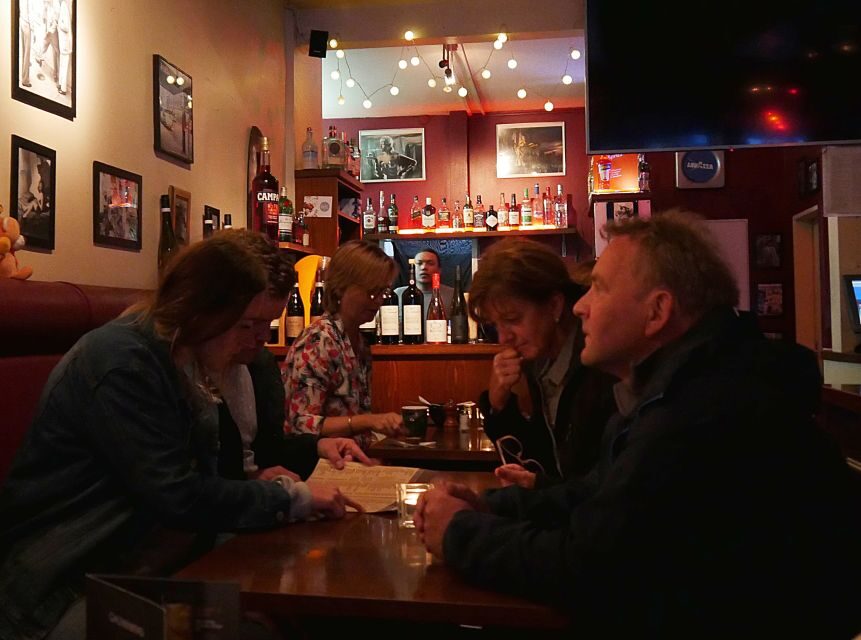
- Five tastings in local bars and restaurants: you’re sampling across different spots, not just one meal.
- Gentle walking, real neighborhood feel: it’s built for an easy stroll, not a workout.
- Vegetarian-friendly: the tour is suitable for vegetarians, so you’re not forced into meat-only choices.
- Guides who bring the quarter to life: guides like Henning, Martin, and Patricia stand out for clear storytelling and good Q&A.
Why St. Georg Works So Well for a Food-and-Walk
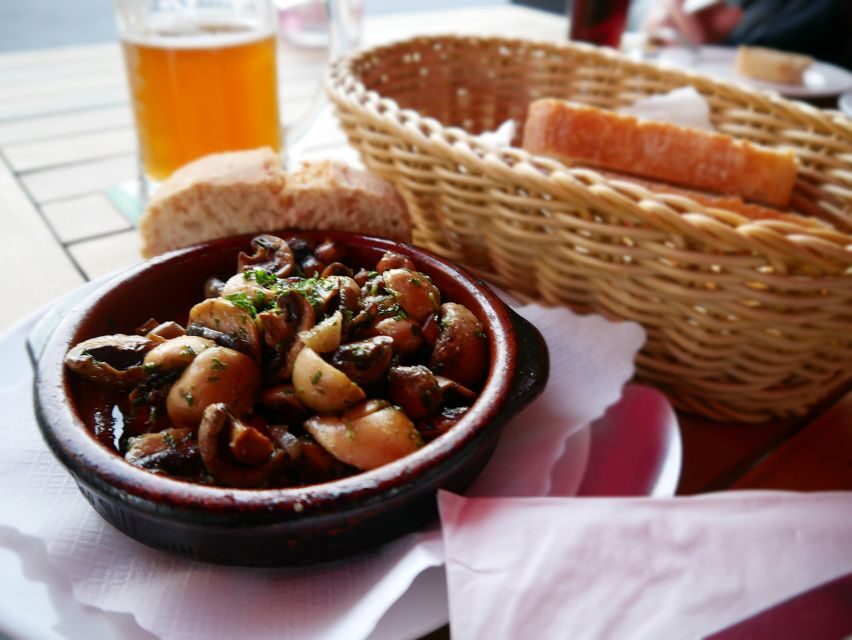
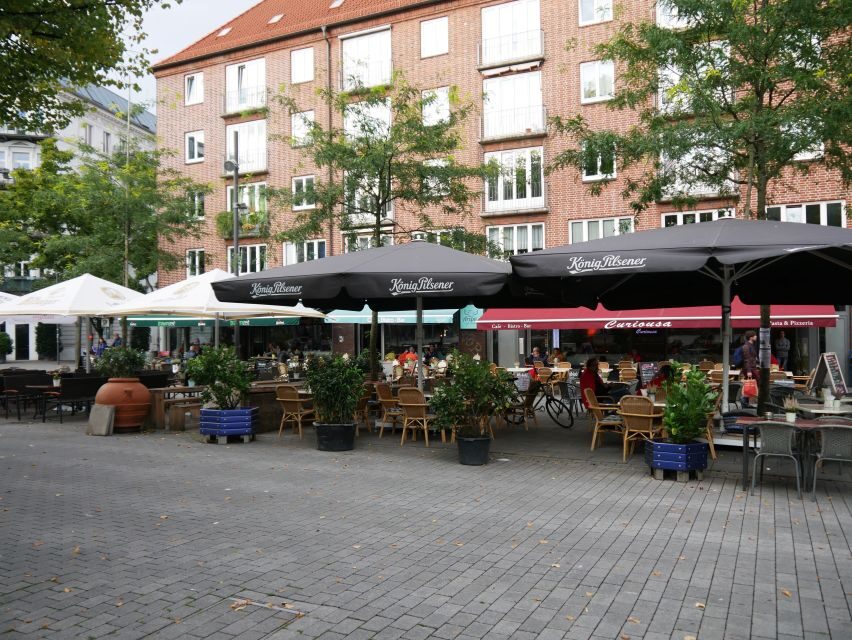
If you only know Hamburg from postcards, St. Georg changes the picture fast. This part of town is known for being trendy and diverse, and the streets give you the evidence: different communities, different faiths, different nightlife rhythms, all within walking distance.
What makes this tour click is the balance between food and context. You’re not just collecting samples; you’re learning what you’re looking at as you walk. St. Georg’s reputation as multicultural and open-minded isn’t an abstract slogan here. It’s visible in how close everyday institutions and nightlife can be.
I also love the way the tour keeps things practical. It’s designed as a 3-hour outing with a gentle pace, and the tastings are spread across the neighborhood so you’re not stuck in one loud room or one cramped restaurant for the whole time.
You can also read our reviews of more tours and experiences in Hamburg.



Starting Point at Heidi-Kabel-Platz and Ohnsorg Theater
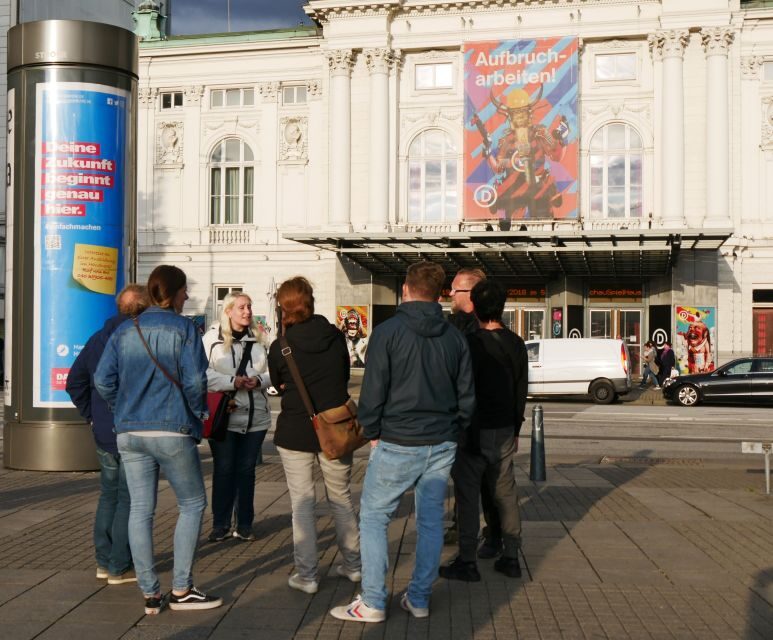
You meet at Heidi-Kabel-Platz 1, in front of the Ohnsorg Theater. That’s a solid choice for a walking tour: it’s easy to find, and it gives you a clear “we’re in the right neighborhood” moment before you head into side streets.
From the start, the focus is on walking comfortably through St. Georg rather than racing to the next photo spot. You’ll get quick orientation as your guide sets the tone for what the neighborhood means historically and today. If you tend to zone out on long introductions, don’t worry: the tour style keeps moving, and the guide’s stories tie directly into what you see outside.
This also matters for timing. Since the tour is only 3 hours, good pacing at the beginning helps you feel like the whole experience lands, not just the last half.
The Street Scene You’ll Walk Through (Gay Nightlife Next to Community Spaces)
St. Georg has a reputation for being trendy, and part of what makes it feel modern is how many different types of life overlap. During the walk, you’ll pass areas tied to the gay and queer scene, including nightclubs, and you’ll also see mosques, churches, and schools nearby.
For me, that’s one of the most interesting parts of the experience because it changes how you interpret the neighborhood. Instead of treating nightlife as something isolated, you start to see it as part of a larger urban mix—people living, learning, worshiping, and partying within the same district.
You’ll also get a sense of why people describe St. Georg as open-minded. The guide frames it as more than entertainment. It’s about coexistence—how different groups share streets, storefronts, and public space without the neighborhood feeling hostile or forced.
How the Dark Plague-Era Story Explains Today’s St. Georg
Then the tour shifts. St. Georg was used as a plague isolation zone before it was incorporated into Hamburg. That’s a heavy detail, but the way it’s presented on a walking route is what makes it useful: it turns a vague historical fact into a reason the district carries echoes of upheaval.
Here’s what you take away. Cities don’t just change through new buildings; they change through how they handled crisis, movement of people, and boundaries. Isolation zones shape neighborhoods long after the danger passes. They influence where infrastructure grows, which streets get attention, and how a community’s identity forms over generations.
Even though the tour stays a gentle walk, you’re getting that contrast: the neighborhood’s past as an exclusion area versus its current reputation for openness and variety. It’s not just “dark history for shock value.” It’s history that helps you understand why St. Georg feels the way it does now.
The Five Tastings: How You Actually Experience the Neighborhood
After you’ve got your bearings, the tour moves into the part you came for: food. You’ll visit local bars and restaurants across the quarter for 5 different tastings. Drinks are not included, so think of this as a guided sampling of local flavor rather than a full meal with a beverage pairing.
Since no single dish list is provided ahead of time, the best way to think about it is this: each stop is a chance to try something “very St. Georg” in both taste and setting. You get to experience different corners of the neighborhood without needing to choose restaurants yourself.
What I like about the tasting structure is that it reduces decision fatigue. In a new city, you can spend hours reading menus and still end up eating the wrong thing for the vibe. On this tour, the guide handles the selection, and you focus on noticing details: how the place feels, how locals order, and what kind of comfort food style shows up in a district with a mixed crowd.






Vegetarian-friendly, but know how tastings are served
The tour is suitable for vegetarians, which is a big deal for a food walking experience. Still, keep an open mind: tastings are small by design, and you may have choices that don’t look like what you’d pick at a full restaurant meal.
Also, plan for logistics around eating. Meals are sometimes enjoyed while standing, and at some restaurants the group may need to take food outside. That’s not a problem if you go in expecting casual sampling.
What the Guide Adds: Real Stories and Good Q&A
A tour like this rises or falls on the guide’s storytelling. The best part is hearing how your guide ties together street corners, community overlap, and the plague-era background into one flowing explanation you can remember while you keep walking.
The guide names that stand out from recent bookings include Henning (also seen as Hennig), Martin, and Patricia. Across those examples, the common theme is how smoothly the guide handles both history and food, while also answering questions without rushing you.
Here’s the practical value for you: if you’re the type who always asks why a neighborhood looks the way it does, this tour rewards that instinct. Your guide doesn’t just read facts; they connect those facts to what you’re seeing at the moment—like the way religious spaces, schools, and nightlife areas sit close together.
Pace, Comfort, and What to Wear
This is described as a gentle walking tour, and you should treat it that way. You’re walking through St. Georg’s streets in a steady rhythm, with enough time to listen and enough stops to make sense of the food component.
Because it’s still a walking tour, wear comfortable shoes. Also, expect the standing-and-sampling style. If you strongly prefer to sit for every meal, you’ll still have a good time, but you might find the format a bit more “street snacks” than “restaurant dining.”
The good news: the group duration is just 3 hours, so even if you’re not used to tasting tours, you’re not committing to a half-day event.
Price and Value: $589 per Group Up to 10 People
The price is $589 per group up to 10 for the 3-hour tour. On a per-person basis, it can be a great deal or a pricey one, depending on your group size.
- If you’re close to the maximum group size of 10, you’re roughly in the neighborhood of about $59 per person for a guided walking route plus five tastings.
- If you’re traveling as a couple or small family and it runs below capacity, it can feel like a premium private experience.
That’s the key to value here: you’re paying for guided context plus curated food stops. If you’re the kind of traveler who likes to understand neighborhoods (not just eat in them), the guide component makes the price more reasonable.
It also helps that the tour is suitable for vegetarians, so you’re not paying the same price but losing value because half your options disappear.
Who This Tour Suits Best
This is a strong fit if you want a neighborhood story you can taste, not just a list of places. I’d especially recommend it for:
- First-timers in Hamburg who want to understand St. Georg quickly
- Travelers who enjoy walking tours but don’t want a hardcore pace
- People who like food sampling across multiple local spots
- Groups who can fill more of the 10-person capacity (better value)
- Vegetarians who want a food-forward tour without feeling left out
If you’re expecting a formal, sit-down multi-course meal, you’ll be happier choosing a restaurant instead. This tour is about guided tastings and street context.
Practical Notes So You’re Not Caught Off Guard
A few things to keep in mind before you go so you can relax and enjoy the walk:
- Drinks aren’t included, so plan to grab water or a drink on your own if you want one.
- You might eat while standing, and some tastings may happen outside if a restaurant needs space.
- The tour runs with a live guide in German and English, so language support is covered.
- There’s a private group option, which is handy if you want a more flexible experience for your own crew.
Should You Book This St. Georg Culinary Insider Tour?
Book it if you want St. Georg explained with your feet and your fork. The mix of a gentle walk, five tastings, and the neighborhood’s plague-era background makes it more memorable than a typical “eat your way through a district” tour.
Skip it only if you’re set on a full meal with lots of sitting down. This is sampling-focused, and the format is designed for variety and movement, not long restaurant stays.
If your goal is to come away understanding why St. Georg feels so mixed, and to taste that story in real places, this tour is a smart, value-minded choice.
FAQ
How long is the Hamburg St. Georg culinary insider tour?
It lasts 3 hours.
Where does the tour meet?
The meeting point is Heidi-Kabel-Platz 1, 20099 Hamburg, in front of the Ohnsorg Theater.
What’s included in the tour price?
You get a 3-hour guided walking tour, a professional guide, and 5 different tastings in various localities.
Are drinks included?
No, drinks are not included.
Is the tour vegetarian-friendly?
Yes, the tour is also suitable for vegetarians.
How many tastings will I have?
You’ll sample 5 different tastings.
What languages is the tour available in?
The guide speaks German and English.
Is a private group available?
Yes, private group availability is offered.