REVIEW · BERLIN
Get to Know Berlin’s Main Sites –A Private Tour with Jacob
Book on Viator →Operated by Nadav Jacobs Berlin experience · Bookable on Viator
Berlin hits hard fast.
This private tour with guide Nadav Jacobs Berlin is a smart way to see the city’s biggest landmarks without feeling rushed or lost, and you can customize the focus to your interests. I especially like the meet-in-your-hotel-lobby approach and the fact it’s built for a small group of up to 6, so questions don’t get drowned out. One note to plan for: it’s a walking-heavy day with short, high-impact stops, so if you want deep time inside buildings, you’ll likely want to pair it with extra museum time later.
You get the convenience of a pickup in Berlin (hotel, apartment, B&B, train station, or airport), plus a mobile ticket approach that simplifies the start. I also like that the tour includes a guide folder (an A3 guidance folder) and a public transport map, so you can keep moving on your own right after. The possible drawback is that some stops are more of a photo-and-walk-by moment (like the Fuhrerbunker sign), so book it if you’re more into context and orientation than into long indoor visits.
In This Review
- Key things to know before you go
- What this private Berlin route really gives you
- Price and value: $310 per group, so do you fill it?
- Your guide: meeting Nadav Jacobs and keeping control of the pace
- Stop-by-stop: the main sites in one connected story
- Reichstag Building: the German parliament stop that sets the tone
- Brandenburg Gate: freedom imagery, plus wall-fall context
- Holocaust Memorial: walking through a place of remembrance
- Fuhrerbunker sign stop: learning what happened in the final days
- Federal Ministry of Finance: the Nazi-era building that’s still there
- Topography of Terror: a Nazi-era museum moment and photo time
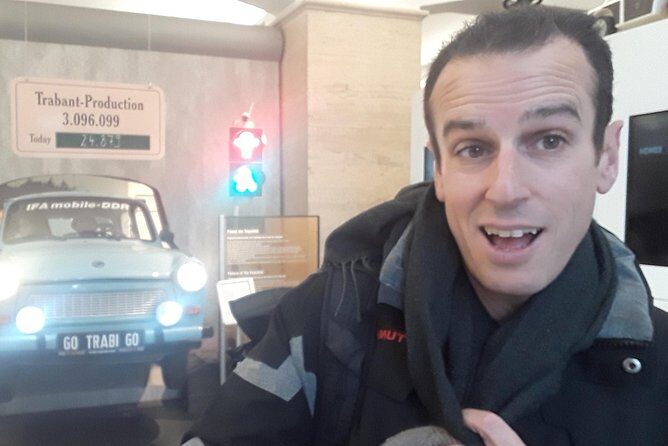
- Trabi Museum: shifting tone with an East German car
- Checkpoint Charlie: crossing a Cold War icon
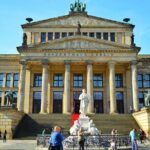
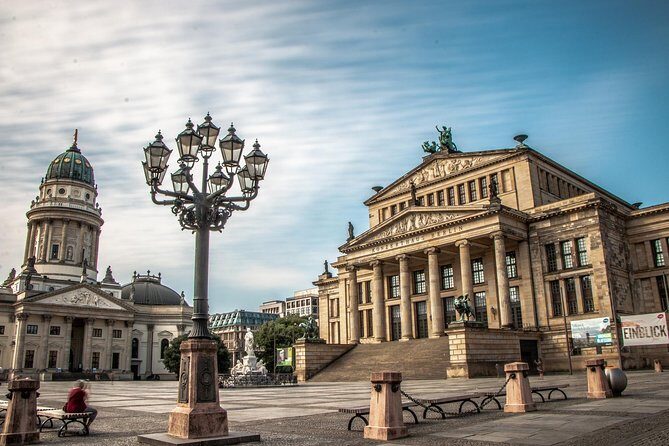
- Gendarmenmarkt: a beautiful square as a reminder of imperial Berlin
- Rausch Schokoladenhaus: end with chocolate and a sweet reset
- What’s included (and why those extras help)
- The best fit: who should book this private tour
- Quick planning tips that make the day smoother
- Should you book it?
- FAQ
- FAQ
- How long is the Berlin private tour with Nadav Jacobs?
- How many people are in a group?
- How much does the tour cost?
- Is pickup included?
- What about admission tickets for the main stops?
- Is a mobile ticket provided?
- Can I choose my start time?
- Is public transportation included?
- Can I cancel for a full refund?
- Are service animals allowed?
Key things to know before you go
- Private group up to 6: Small enough for real back-and-forth with Nadav Jacobs.
- Flexible start time: Pick a departure time that fits your schedule.
- Hotel/airport pickup included: You meet your guide right in your hotel lobby.
- Free admission tickets listed for major stops: Reichstag, Memorial to the Murdered Jews of Europe, and more are included with free entry.
- A focused route through Cold War and WWII sites: You’ll cover the big Berlin story from the German parliament to Checkpoint Charlie.
- Add-on help for the rest of your trip: You get recommendations for museums, restaurants, and venues, plus help if questions pop up.
What this private Berlin route really gives you
Berlin can feel like a museum without a map. This tour helps you make sense of the city’s main political and historical anchor points in a single, organized walk. You’re not just seeing famous buildings—you’re getting the “why this matters” thread that connects them.
The “private” part matters more than you might think. When your guide can tailor the conversation, you can spend extra time on the topic you care about—Germany’s government, the Cold War, Nazi-era sites, or the way Berlin rebuilt itself after the wall fell. That flexibility is one of the biggest reasons to book a private tour instead of trying to stitch together landmarks on your own.
Another practical win: meeting your guide in your hotel lobby and having pickup options across central Berlin means you lose less time figuring out logistics. You’re still walking, but you aren’t starting the day as a logistics scavenger hunt.
Finally, the route is built around short stops. That’s not a flaw—it’s the point. In about 2 hours 45 minutes, you get a strong sweep of the must-see sites, plus your guide can answer questions on the spot.
You can also read our reviews of more private tours in Berlin

Price and value: $310 per group, so do you fill it?
The price is $310 per group for up to 6 people. That’s the key number for deciding if this is a good value for you. If you have a group of 4–6, the cost becomes easier to swallow because you’re spreading the guide and pickup across multiple people.
If you’re traveling as a couple or solo, it still may be worth it if you care about getting context quickly and want a smooth start with pickup. Where it’s less of a slam dunk is if you mainly want to “look at” landmarks and you’re comfortable doing transit and self-guided walking routes.
Also remember: admission tickets are listed as free for the stops included in the tour. Public transport is not included, and the tour data notes public transport per person is around €3–11, depending on what you use. So even if you don’t pay admission fees for these specific stops, you might still spend a little on transit if you’re not using pickup for the whole experience.
Your guide: meeting Nadav Jacobs and keeping control of the pace
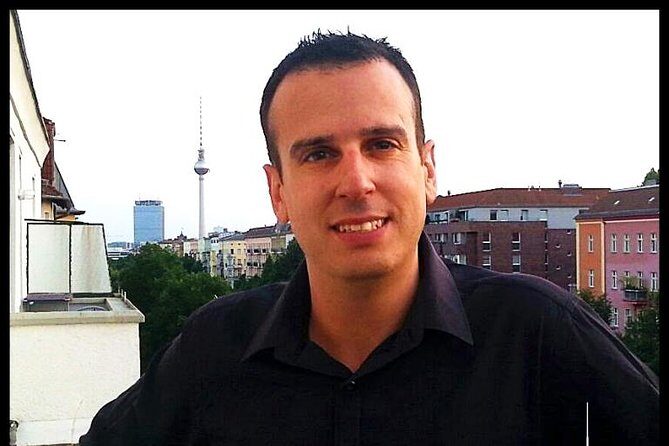
The tour is led by Nadav Jacobs. In the review summary, one standout comment described Nadav as knowledgeable and praised how much they enjoyed the walk around the city. That lines up with what you want from a landmarks tour: someone who can point out details and explain what you’re actually looking at.
The private format also gives you control over pace. If you want photos at a certain stop, you’re not stuck waiting for a large group. If you want to ask a quick “why is this here” question at a major WWII or Cold War site, your guide can adjust the timing without the awkward shuffle of a bigger tour.
Stop-by-stop: the main sites in one connected story
Reichstag Building: the German parliament stop that sets the tone
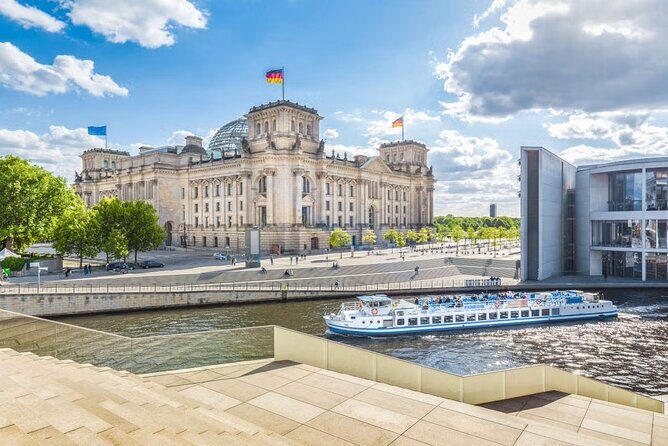
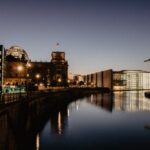
You start at the Reichstag Building, the home of the German parliament. This is a powerful opening because it anchors the tour in the political heart of modern Germany, not just the past.
Admission is listed as free here, and your guide’s role is helpful for getting you in the right mindset: what this building represents and how it connects to Berlin’s 20th-century upheavals. Even if your time is short, arriving first helps you frame everything else you’ll see later.
Practical tip: wear shoes you can stand in. You’ll be in and around government buildings and plazas where footing matters.


Brandenburg Gate: freedom imagery, plus wall-fall context
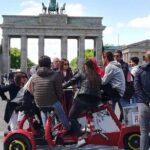
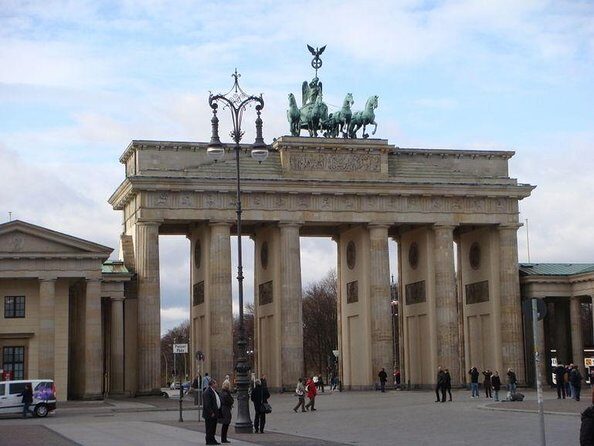
Next is the Brandenburg Gate, often described as a symbol of freedom and a marker of Berlin’s division and later reunification. Your guide will talk about the famous moment when the Wall fell, and why the gate became such a visual shorthand for that change.
The stop is short (about 15 minutes), so don’t plan on lingering like you might at a viewpoint. Instead, use it to orient yourself: where this gate sits in relation to other key areas, and how Berlin’s political story is reflected in its most recognizable structures.
If you care about photos, arrive ready. You’ll want to get images quickly, and you can count on your guide to help you choose the best angles during the time you have.
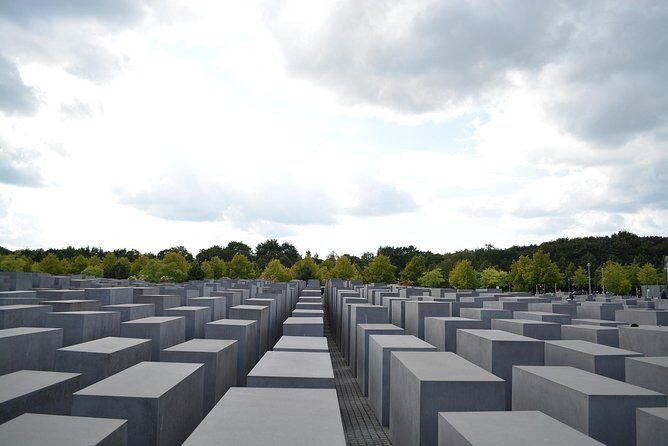
Holocaust Memorial: walking through a place of remembrance
Then you reach the Memorial to the Murdered Jews of Europe, where you’ll walk through the memorial for about 20 minutes. This is not the kind of stop to rush. Even at a short duration, you’ll feel the weight of the space just by moving through it.
Your guide’s job here is important: this isn’t a “sightseeing photo” moment first. It’s a remembrance stop, so go in with a respectful pace. You’ll get more from the walk when you treat it as a quiet experience, not a checklist item.
Practical tip: keep your phone use minimal. Photos are okay in many memorial areas, but the best experience comes from actually being there—standing, walking, and taking in the mood of the site.
Fuhrerbunker sign stop: learning what happened in the final days
Next is the Fuhrerbunker, where the tour notes you’ll stop at the sign and learn about the last days of the war. This is an example of a stop that’s less about buildings you can enter and more about what the location meant.
That can feel unusual if you’re expecting a full historical complex. But it works well inside this tour because the guide is connecting the dots between the official German sites and the brutal end-of-war reality that unfolded in Berlin.
You’ll likely get best value here if you ask questions. If you want detail, bring it up—this is the type of place where context changes everything.
Federal Ministry of Finance: the Nazi-era building that’s still there
The tour also includes a stop at the Federal Ministry of Finance, described as the biggest Nazi building remaining. That phrase might sound blunt, but it’s exactly the point: some remnants of the Nazi era are still woven into the city’s fabric.
This stop is about 15 minutes, so you won’t get a deep architectural lecture. Instead, you’ll learn how a building’s survival can shape how people experience Berlin today—and how the city manages memory while the streets keep running.
Practical tip: take a moment to notice what you’re looking at from street level. The scale and design language can hit harder when you see it right where it sits.
Topography of Terror: a Nazi-era museum moment and photo time
Then you reach Topography of Terror, where you’ll stop at the Nazi museum area to take pictures of the wall (about 10 minutes). Even in a brief window, this is one of the most direct ways to see Berlin’s dark WWII documentation in physical space.
Because your time is limited, think of this as an orientation stop. Use the photos as reminders, then decide if you want to come back later for more time on your own.
If you’re someone who reads exhibit panels for fun, you’ll probably want a second visit. If you’re more into understanding the overall story, this short stop can be a solid checkpoint that keeps the tour’s timeline on track.
Trabi Museum: shifting tone with an East German car
Next you visit the Trabi Museum for about 15 minutes, focusing on the East German car. This is a refreshing tonal change after heavy WWII and Nazi-era stops.
Why it works: it shows Berlin not only as a battlefield and a political stage, but as a lived-in city. The Trabant is one of the best-known symbols of everyday East German life, and seeing it in a museum setting gives your earlier stops more contrast.
Practical tip: if you’re traveling with teens or friends who don’t want nonstop history, this is where you can win them over without compromising the seriousness of the tour.
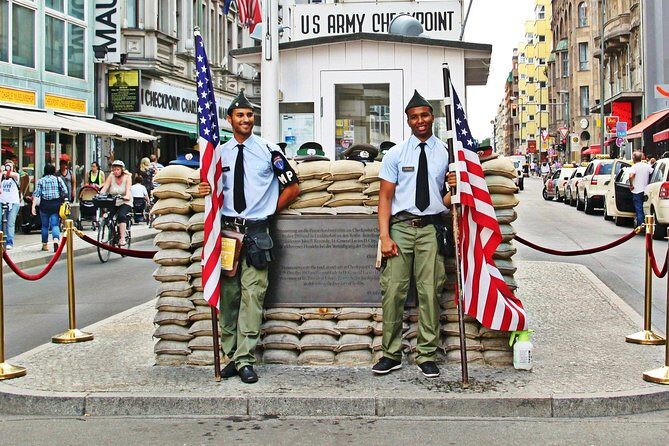
Checkpoint Charlie: crossing a Cold War icon
Next is Checkpoint Charlie, where you’ll cross the famous checkpoint area (around 20 minutes). This is one of the most recognizable Cold War sites in the world, and the tour gives it proper context rather than treating it like a movie set.
The value here is that it helps you understand how the city functioned as a divided space—who could move, who couldn’t, and why this specific crossing became so famous.
Practical tip: give yourself a moment to look beyond the obvious photo spot. Stand back and take in how the area sits in the modern city so you can imagine the old reality.
Gendarmenmarkt: a beautiful square as a reminder of imperial Berlin
Then you walk through Gendarmenmarkt, described as one of Berlin’s most beautiful squares and a reminder of imperial Berlin. This is the kind of stop that feels like a palate cleanser after the Cold War and wartime sites.
It’s about 15 minutes, so don’t expect it to replace time for a full stroll. But you’ll appreciate the shift. It’s also a good moment to check in with yourself: do you want more architecture and atmosphere next, or do you want to keep leaning into history?
Rausch Schokoladenhaus: end with chocolate and a sweet reset
Finally, the tour heads to Rausch Schokoladenhaus, described as the best chocolaterie in the city. You’ll get about 15 minutes to walk in and enjoy the stop.
This ending is more useful than it sounds. After a day of heavy topics, chocolate is a simple, real-world reward that also makes the tour feel complete. It gives you a place to relax, refuel, and talk with your guide about what to do next.
Practical tip: if you plan to bring chocolate home, buy it here rather than trying to find it later while you’re tired.
What’s included (and why those extras help)
This is a private tour with your own guide, plus included support like recommendations for museums, restaurants, and other venues. Those recommendations matter because they help you plan your remaining time without starting from scratch.
You also get an A3 guidance folder and a public transport big map. Even if you rely on pickup and walking during the tour, that map is useful after you’re done—especially if you want to explore on your own later.
Guide availability for questions and help during your Berlin visit is another quiet value point. If you’re trying to fit one more museum, find a good neighborhood meal, or decide between two options, having your guide as a resource can save you time.
Pickup from major access points is also built in: hotel, apartment, Air B&B, train station, or airport in Berlin. That kind of coverage is what turns a “good tour” into an easy day.
The best fit: who should book this private tour
This tour is a great choice if you want:
- A small group experience with real conversation.
- A single route through key Berlin sites, especially WWII and Cold War landmarks.
- Built-in context so the famous places make sense, not just look famous.
- A convenient start with pickup and a hotel-lobby meet.
It may not be the best fit if you’re the type who wants long, independent time inside multiple major museums in one go. This route favors momentum and orientation.
It’s also a good pick if you like practical guidance. Getting a transport map and recommendations means you leave with a plan, not just photos.
Quick planning tips that make the day smoother
- Wear comfortable walking shoes. The stop lengths are short, so you’ll spend more time standing and moving than sitting.
- Dress for weather. You’ll be outside at major Berlin landmarks most of the day.
- Bring a short list of questions. Things like what to learn next, or what sites you should prioritize for a return visit.
- If you care about photos, assume you’ll get your best shots early at each location. Your time is measured per stop.
Should you book it?
I’d book this private Berlin sites tour if you want an efficient, guided walk that connects the big political story—parliament, symbols of freedom, WWII remembrance, Cold War crossroads—without making you do the planning work. The small group size and the way pickup is handled make it feel like a day designed for travelers, not a hectic schedule designed for tour logistics.
You should think twice if your main goal is long museum time at a single site. This is built for short, meaningful stops across many locations, not for deep independent exploration of one building.
If your ideal Berlin day is “see the essentials with context, then pick your next moves,” this tour is a strong match.
FAQ
FAQ
How long is the Berlin private tour with Nadav Jacobs?
It runs about 2 hours 45 minutes.
How many people are in a group?
The group size is up to 6 people per private booking.
How much does the tour cost?
The price is $310.00 per group.
Is pickup included?
Yes. Pickup is offered from your hotel, apartment, Air B&B, train station, or airport in Berlin, and you meet your guide in your hotel lobby.
What about admission tickets for the main stops?
The tour lists free admission tickets for the included major stops.
Is a mobile ticket provided?
Yes, the tour includes a mobile ticket.
Can I choose my start time?
Yes. You can select a start time that works with your schedule.
Is public transportation included?
No. Public transport is not included, and it’s noted as around €3–11 per person depending on what you use.
Can I cancel for a full refund?
Yes. Free cancellation is available up to 24 hours before the experience starts.
Are service animals allowed?
Yes, service animals are allowed.