REVIEW · BERLIN
Berlin Complete in one day
Book on Viator →Operated by CULTURE AND TOURING TOURS · Bookable on Viator
Berlin hits hard in six hours. This one-day route strings together Berlin’s most important landmarks with clear guide-led storytelling and a tight walking plan that helps you grasp the city fast. You’ll also hit heavy themes head-on, so if you want a lighter first day, this might feel like a lot.
I liked how the experience leans on expert guides who know Berlin’s history up close—names like Felipe, Ezequiel, Alberto, and David come up again and again. You’ll want to plan your legs and your transport, because you cover a lot of ground by foot and transit (the tour recommends an AB transport card). The end point lands near Berlin Zoo, so you can roll right into dinner without backtracking.
In This Review
- Key highlights worth marking
- A one-day Berlin loop built around WWII, the Wall, and Jewish life
- How the 9:00 am start and Berlin transit shape your day
- Brandenburg Gate and the Reichstag area: seeing power up close
- WWII landmarks in one stretch: Propaganda, a bunker sighting, and the Wall memorial
- The Holocaust Memorial and Bebelplatz: remembering with context, not just monuments
- East Side Gallery: ending with the Berlin Wall’s biggest art moment
- Gendarmenmarkt, Museum Island, and Alexanderplatz views: a human-scale break
- Jewish Quarter walk: first Hebrew cemetery and the New Synagogue
- Price and group size: is $46.34 for 6 hours a good deal?
- Who should book this tour—and who should choose differently
- Should you book Berlin Complete in One Day?
- FAQ
- How long is the Berlin Complete in One Day tour?
- What are the meeting point and end point?
- What time does the tour start?
- How much does it cost per person?
- What’s included in the price?
- Are there admission tickets included for the stops?
- Do I need an AB transport card?
- How big is the group?
- What if I need to cancel?
Key highlights worth marking
- Free-entry landmark stops at major photo-and-history points throughout the day
- WWII and Holocaust memorials placed back-to-back so the meaning clicks faster
- The East Side Gallery ending with a preserved stretch of the Berlin Wall and street-art energy
- Jewish Quarter focus including the first Hebrew cemetery and the New Synagogue
- A manageable group size capped at 30, which keeps the walking loop from dragging
- Short time at each site (often 10–20 minutes), making it ideal for a first visit
A one-day Berlin loop built around WWII, the Wall, and Jewish life
If you’re only in Berlin for a short window, a one-day overview can make your next days better. This route is built around the city’s big turning points: the political stage in central Berlin, the physical memory of Nazi-era terror, the Wall and its legacy, and the Jewish community sites in the city’s core.
What makes it work is the pacing of ideas, not just the pacing of steps. You see iconic exteriors, then you get context from your guide so each stop stops being a postcard and starts being a chapter. It’s a strong mix: solemn memorials followed by the visual impact of the East Side Gallery.
That said, it’s not a “fun facts only” walk. You’ll be spending real time at memorials connected to genocide and oppression. If you prefer to ease into Berlin with parks and palaces first, you may want a calmer second day—or pick another tour style.
A few more Berlin tours and experiences worth a look


How the 9:00 am start and Berlin transit shape your day
The tour starts at 9:00 am at Pariser Platz (10117 Berlin), and it finishes near Berlin Zoo at Hardenbergpl. 13 (10623 Berlin). That end point matters: it’s convenient for planning the rest of your evening in the west-central area.
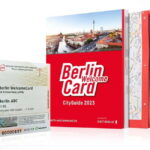
Because it’s a mostly walking day with multiple neighborhoods, public transport is your friend. The tour recommends you use an AB transport card to make getting between stops easier. If you rely on random single rides, the day can start costing time in ticket machines and station lines.
Also, the duration is about 6 hours. The stops are typically short—often around 10–20 minutes—so you’ll be moving at a steady clip. Bring comfortable shoes and expect to stand and walk more than you’d do on a museum-heavy day.
And yes: it runs in all weather conditions, so dress for rain and wind. Berlin can switch moods quickly, and nobody wants to speed-walk with cold hands.
Brandenburg Gate and the Reichstag area: seeing power up close
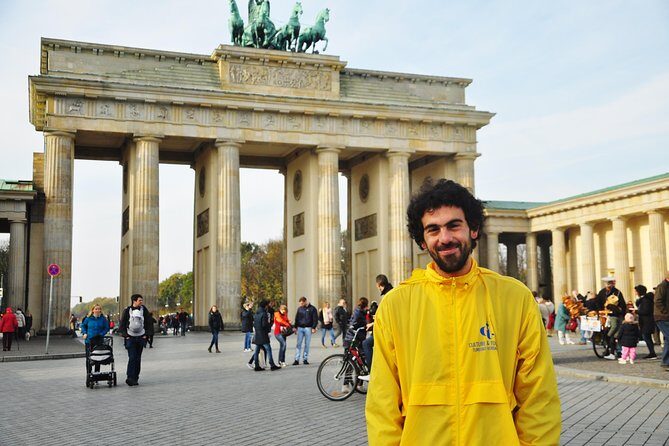
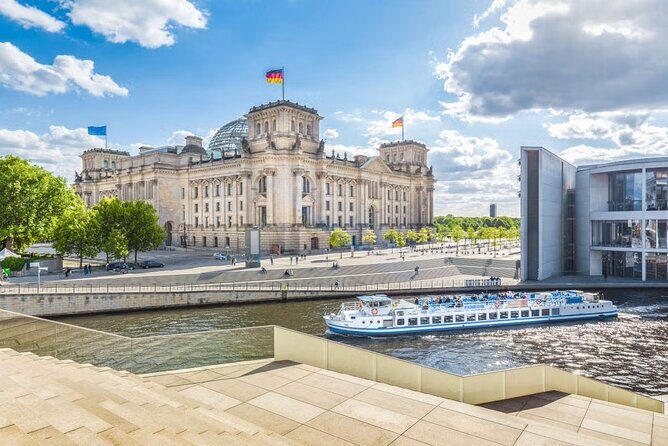
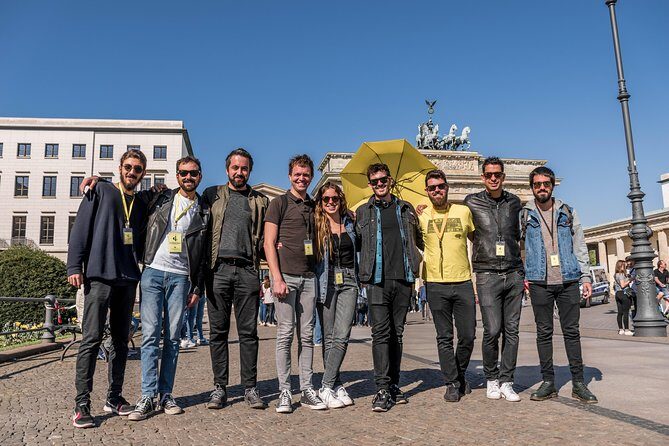
You begin at Pariser Platz and quickly reach the Brandenburg Gate, where the scheduled stop is about 15 minutes and listed as free. This is a classic starting point for a reason. It anchors Berlin’s modern identity while also sitting near layers of political history.
From there, the day heads toward the Reichstag Building (another 15-minute, free stop). Even if you’re mainly seeing the building from outside, the guided context is what changes the experience. The Reichstag area reads differently once you understand what it represented across different eras.
The real value here is how your guide connects the buildings to the people who shaped them. If you like your city tours with a historian’s mindset, you’ll probably appreciate this part. Many people also mention that the guides are good at making dense subjects feel manageable, and that quality really matters when you’re covering the “politics of the 20th century” in one morning.
A small consideration: because time is limited, you won’t linger for deep photos from every angle. If you’re the kind of person who needs ten minutes to choose the perfect composition, you’ll have to accept a quick stop and move on.
WWII landmarks in one stretch: Propaganda, a bunker sighting, and the Wall memorial
Central Berlin has a way of hiding its past in plain sight. This route tries to pull that past into focus through a chain of WWII-related stops.
One part to watch for is the Old Ministry of Propaganda area (mentioned as part of the route’s WWII focus). Even without going inside somewhere, it’s the kind of place where explanations make a big difference—because otherwise you’re just looking at another government building.
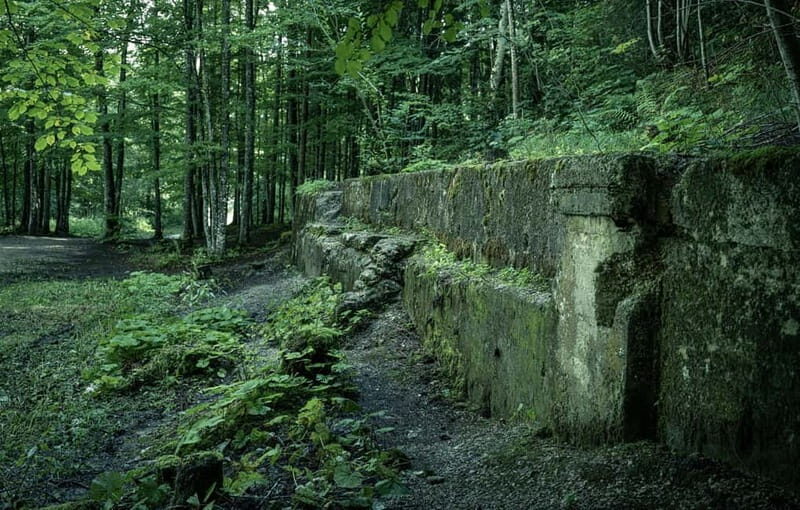
Then there’s the Hitler’s bunker sighting. It’s not presented as a long visit, more like an identifying stop—enough for you to place the site in your mental map. When you’re touring the “Berlin of choices,” these kinds of pointers help the story feel concrete instead of abstract.
Next comes the Memorial of the Berlin Wall with about 20 minutes and listed as free. This is where the day’s emotional tone shifts from political power to lived reality—what people endured, how the city changed, and how borders were enforced. The guided explanation here matters a lot, because the Wall isn’t just a physical object. It’s a reminder of separation, surveillance, and the long road to change.
The drawback with any Wall-focused stop is that it can feel heavy even for travelers who expected “history.” If you’re sensitive to dark topics, it helps to pace yourself and take short breaks during the walk between landmarks.
The Holocaust Memorial and Bebelplatz: remembering with context, not just monuments
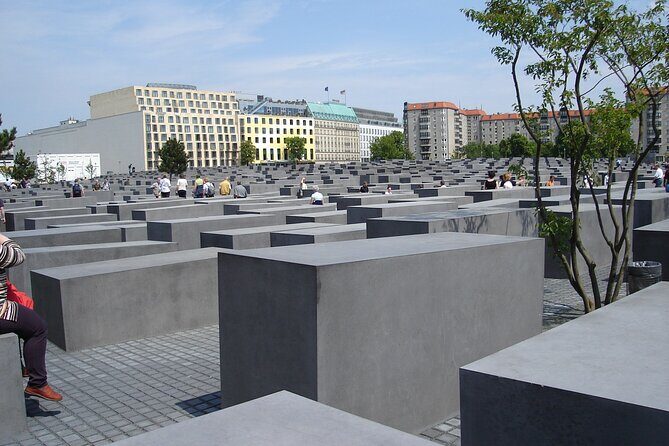
The route includes the Holocaust Memorial – Memorial to the Murdered Jews of Europe with about 15 minutes scheduled and listed as free. This kind of site can be hard to “do fast,” but a good guide helps you understand what you’re seeing and how to approach it respectfully.
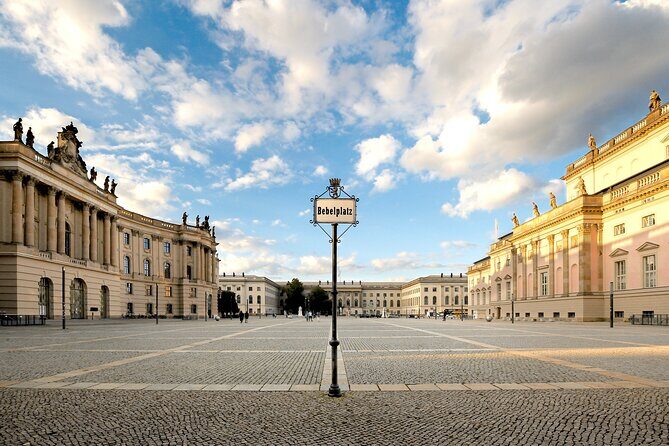
Directly tied to Germany’s book-burning history is Bebelplatz, described as the Place of first book burning, also around 15 minutes and listed as free. Even if you don’t know the backstory on arrival, the point isn’t just the event—it’s the mechanism. Censorship and propaganda weren’t side notes; they were tools of control.
What I like about this pairing is that it connects two different layers of oppression. One is about mass murder and state-sponsored terror. The other is about restricting ideas and shaping what society is allowed to know. Together, they create a clearer picture of how regimes tightened their grip.
If you prefer to process quietly, you might want to pause for a moment longer at these places on your own time. The tour’s schedule is structured, so you won’t get a long unbroken period unless your guide builds it in.



East Side Gallery: ending with the Berlin Wall’s biggest art moment
The day culminates at the East Side Gallery, described as the world’s largest outdoor art gallery. The scheduled stop is about 15 minutes and listed as free, and the route notes that if time permits, you can visit an emblematic work of art there.
This ending matters because it gives you a visual contrast. You go from memorial spaces to a Wall section transformed by art. It’s not “lighter,” exactly, but it’s different. You’re looking at the same barrier story through creativity and public memory.
One practical detail: the last stretch can feel like it moves quickly because you’re wrapping up a long day. If you want the best photos, keep an eye on where people congregate and be ready to step forward when there’s space.
If you’re someone who likes street art, this is likely the part that gets you talking afterwards. If street art isn’t your thing, the guided meaning still helps: you’re seeing how Berlin turned a wound into something that people could face in public.
Gendarmenmarkt, Museum Island, and Alexanderplatz views: a human-scale break
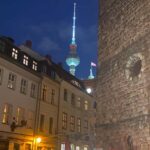
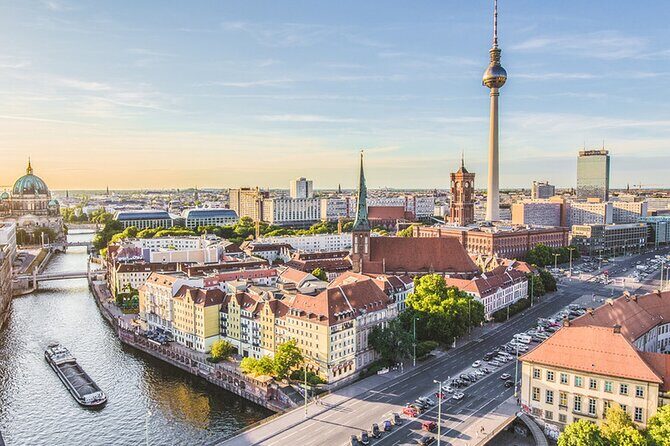
After the heavier stops, you’ll likely appreciate the city views and iconic skyline moments. The route includes walking through Gendarmenmarkt, heading toward Museum Island, and admiring the Television Tower on Alexanderplatz.
This is more than a photo break. Berlin’s identity isn’t only about 20th-century trauma—it’s also about how the city rebuilt itself, how it presents culture, and how neighborhoods connect. These central stops give you a mental map of where key institutions sit and how the city feels today.
The Television Tower is particularly useful as a visual landmark. Even if you don’t plan to go inside, seeing it from a distance helps you orient your future day trips. You’ll understand the geography much faster when you can link neighborhoods through views.
Because the day is fast, don’t expect long museum time here. Treat it as a guided orientation moment: you’re collecting angles, not buying a full day of ticketed attractions.
Jewish Quarter walk: first Hebrew cemetery and the New Synagogue
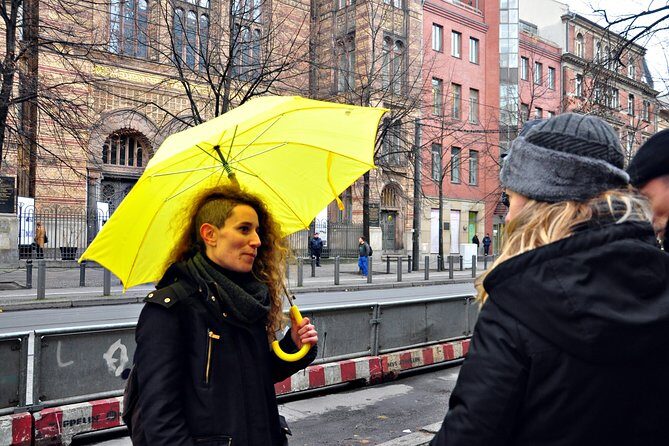
A standout part of the route is the focus on the Jewish Quarter. It includes the first Hebrew cemetery and the New Synagogue, described as an important center of Jewish life in Germany.
This section helps you see Berlin beyond the Wall-and-war storyline. Jewish history in Berlin isn’t a sidebar; it’s part of what built the city’s cultural identity. For me, the value is that the tour doesn’t just name sites—it tries to give you a sense of continuity and presence, not only absence.
You’ll move through this area on foot, and the guided explanation is what turns “these are buildings” into “this is a community history.” If you’ve been reading about Germany’s past and want a place-based way to connect it to the present, this is one of the best segments.
A consideration: the emotional weight can return here, just in a different tone than the Holocaust memorial. If you’re balancing your energy, you might want to slow down your walking pace slightly during transitions so your brain keeps up.
Price and group size: is $46.34 for 6 hours a good deal?
At $46.34 per person for about 6 hours, this can be solid value—mainly because you’re paying for guided interpretation across many high-impact sites. The tour includes a local guide and a professional guide, and the scheduled admissions for the named stops are listed as free.
So your money mostly goes toward the human element: someone helping you connect what you’re seeing to what it means. For a first-timer, that can save you time later. If you do the sites on your own without context, you might see them, but you may not understand why they matter as much as they do.
The group is capped at 30 travelers, which is big enough to meet people but small enough to keep the walking loop organized. A larger group can mean longer waits and fewer chances for your guide to answer questions.
One more detail that affects perceived value: this is a mobile ticket experience. That’s one less step in your day, especially when you’re bouncing between transit stops.
If you’re the type who wants long stops, this price point may feel “short” because the tour is designed to cover a lot. If you want a smart overview and then plan follow-up visits, it’s a good trade.
Who should book this tour—and who should choose differently
This works best if you want a first-day Berlin foundation: major landmarks, WWII-connected sites, and the Wall story in one organized loop. It also suits you if you like tours where the guide explains history clearly and keeps the pace lively—people specifically mention guides like Alberto and David as particularly good at making dense material feel bearable.
It may be less ideal if:
- You prefer slow museum time rather than walking between many outdoor landmarks.
- You’re easily overwhelmed by intense memorial subject matter.
- You’re traveling with someone who struggles with a steady 6-hour schedule.
If you’ve never been to Berlin, this tour can help you decide what to return to. If you’ve been once, it can still sharpen your understanding and point you toward neighborhoods you’d otherwise miss.
Should you book Berlin Complete in One Day?
I’d book it if you want a guided, high-importance overview without spending your whole day figuring things out. The route is built around the themes that shape Berlin’s identity, and the short stops make it realistic when you’re limited on time.
I’d skip it if you’re looking for a relaxed sightseeing day or you don’t want your first Berlin hours to be emotionally heavy. In that case, you can still see Berlin—but you might want a lighter route first, then come back for memorial-focused time with more personal pacing.
FAQ
How long is the Berlin Complete in One Day tour?
It runs for about 6 hours.
What are the meeting point and end point?
You meet at Pariser Platz, 10117 Berlin, and the tour ends near Berlin Zoo Station at Hardenbergpl. 13, 10623 Berlin.
What time does the tour start?
The start time is 9:00 am.
How much does it cost per person?
The price is $46.34 per person.
What’s included in the price?
The tour includes a local guide and a professional guide.
Are there admission tickets included for the stops?
The listed major stops are marked as admission ticket free.
Do I need an AB transport card?
The tour recommends getting an AB transport card to make getting around easier.
How big is the group?
The tour has a maximum of 30 travelers.
What if I need to cancel?
There is free cancellation. You can cancel up to 24 hours in advance for a full refund, and if the minimum number of travelers isn’t met, you’ll be offered a different date or a full refund.