REVIEW · MUNICH
From Munich: Nuremberg Day Trip by Train
Book on GetYourGuide →Operated by Radius Tours GmbH · Bookable on GetYourGuide
Nuremberg can hit you in two ways: medieval walls and hard history in one packed day. I like that this tour pairs historic Old Town sights with a fully guided look at the Nazi rally grounds, so you don’t just see places—you understand why they mattered. Just know this is a long day with lots of walking and standing, and the pace can feel tight when you want more time for photos or breaks.
What really makes it work is the English-speaking guide and the way they connect the city’s layers—from imperial Nuremberg’s role in the Holy Roman Empire to the Reformation and beyond. Guides like Paul (with strong local ties), Elizabeth, and Achim come up again and again in the feedback for explaining both mornings’ city highlights and afternoons’ Nazi-era sites. One practical drawback: trains can be crowded or delayed, which can squeeze your margins once you’re in Nuremberg.
In This Review
- Key Things to Know Before You Go
- Nuremberg in One Day: Medieval City Meets Nazi-Era Reality
- Munich to Nuremberg by Train: How to Time Your Day
- Old Town Highlights: Fortifications, Churches, and Real Streets
- The Imperial City Angle: Why Nuremberg Was More Than a Famous Name
- Hilltop Castle Feel: Seeing the Old Imperial City From Above
- Nazi Party Rally Grounds: A Guided Look at Power, Place, and Accountability
- The Pace: Walking, Standing, Lunch Plans, and Toilet Reality
- English-Led Value: Why the $93 Price Can Make Sense
- Getting the Most From the Tour: Tips That Actually Help
- Who Should Book This Nuremberg Day Trip
- Should You Book This Nuremberg Day Trip?
Key Things to Know Before You Go
- A two-theme day: medieval Old Town highlights plus a guided, contextual Nazi rally grounds tour
- Strong guide storytelling: names like Paul, Elizabeth, Achim, and Elizabeth are repeatedly praised for clear explanations
- Imperial Germany meets Reformation roots: the city’s role as an unofficial imperial capital is part of the storyline
- You’ll walk a lot: expect standing and limited personal time, plus not many toilet options
- Train ride can be a variable: sometimes crowded, sometimes late, so be ready for the rhythm of rail travel
Nuremberg in One Day: Medieval City Meets Nazi-Era Reality
This is the kind of trip that forces you to slow your thinking down. Nuremberg isn’t just a pretty stop on the route from Munich. It’s a city that can look almost movie-like in its medieval form—then immediately remind you how ideology and power used real space.
The value here is the pairing. You see the medieval fortifications, gothic churches, market areas, and the old imperial city feeling—then you move to the Nazi Party rally grounds with a guide who frames what you’re seeing and why it’s being studied today. That contrast is the point: you get the full human scale of the city, not a single theme or a quick photo stop.
A few more Munich tours and experiences worth a look

Munich to Nuremberg by Train: How to Time Your Day
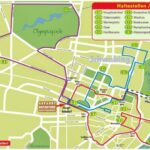
The day starts in Munich at Dachauer Straße 4. From there, you take the train to Nuremberg—plan on roughly 1.5 to 2 hours each way, depending on the service of the day. It’s not a long transfer, which is the good news.
Here’s what you can control. If the train is full (this has happened), arriving early helps you get settled. Once you’re on board, use the ride to mentally switch gears: medieval Nuremberg in your head for the morning, then the heavy, guided Nazi-era sites later. When you land, it’s an efficient transition—no time wasted.
Keep one eye on rail reality. Some departures and return legs have been late or disrupted, and the guides have still kept things moving. If you’re the type who hates uncertainty, you’ll want flexibility in your schedule.
Old Town Highlights: Fortifications, Churches, and Real Streets
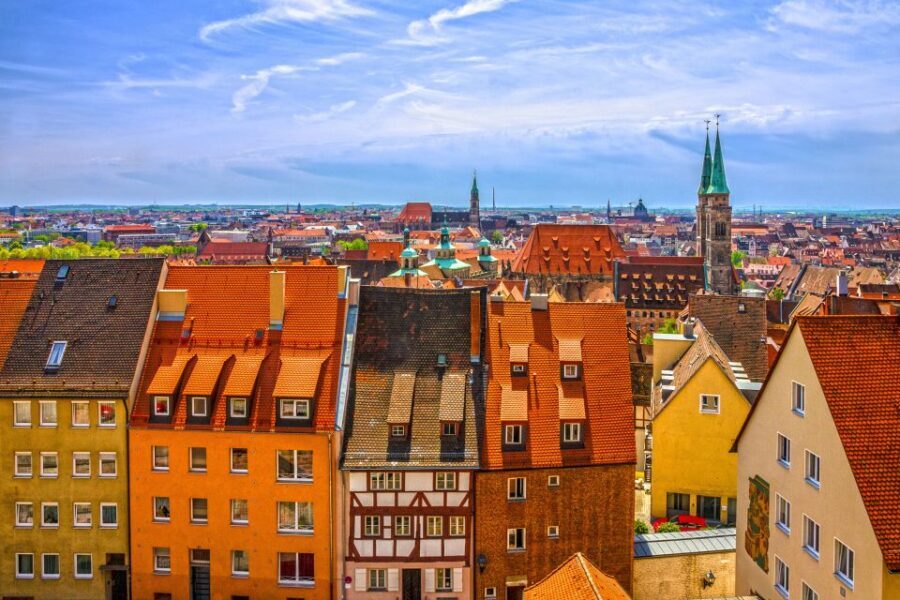
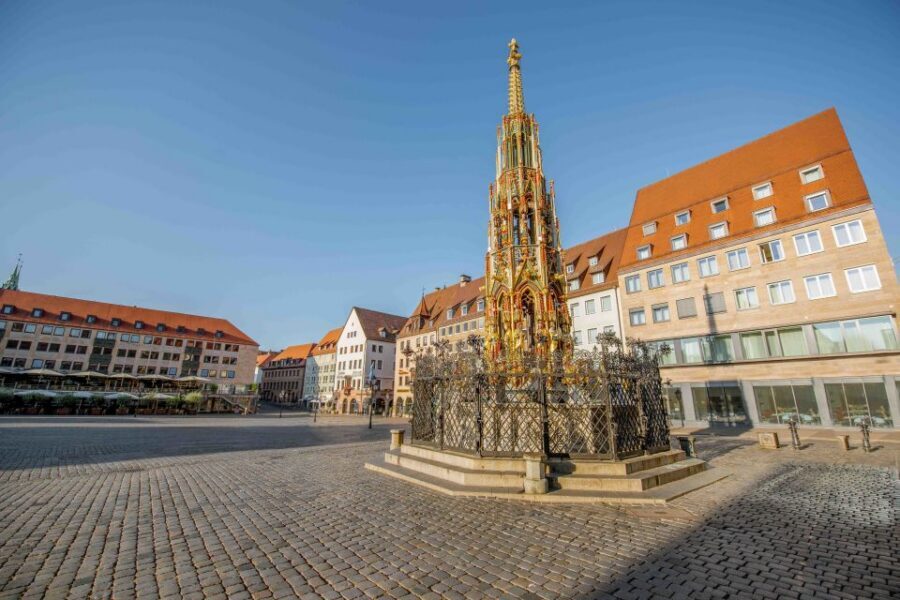
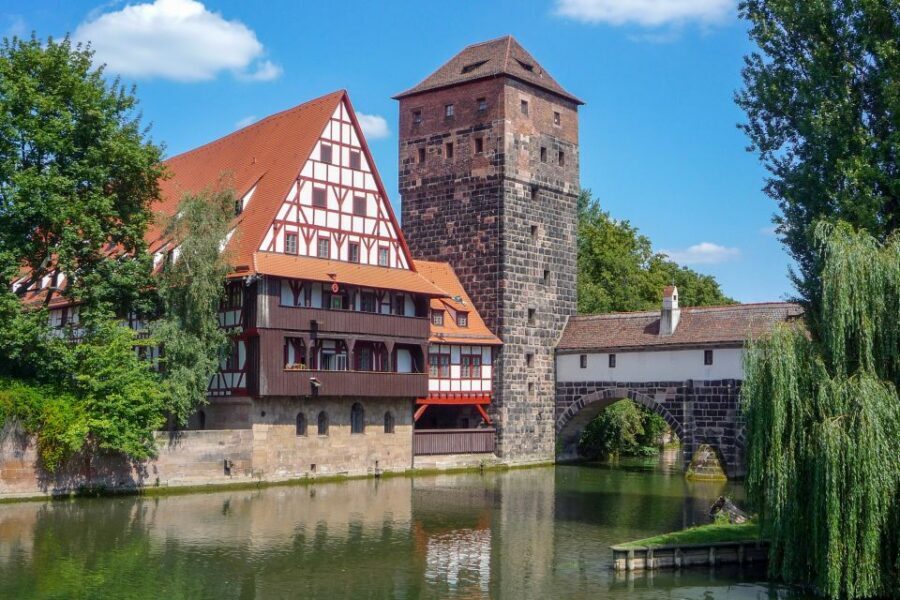
Once you’re in Nuremberg, the focus shifts to the city you can walk right into. You’ll see the massive medieval fortifications that give the Old Town its dramatic edges. It’s one of those places where the architecture does the storytelling for you—walls, towers, and gates make the city feel intentional, not accidental.
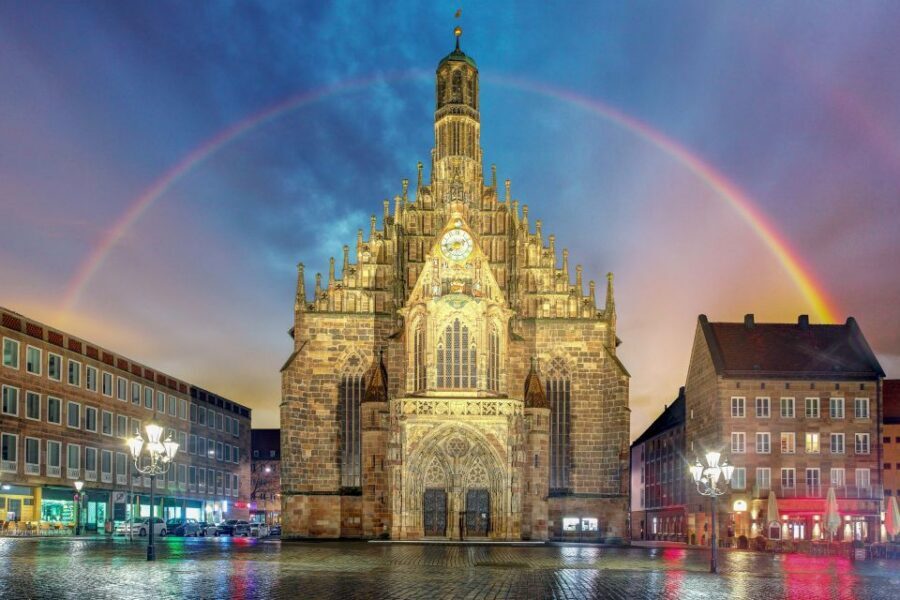
You’ll also get a tour of standout religious and civic features, including gothic churches and colorful marketplaces. The practical win is that you’re not just reading plaques. A guide helps you connect what you’re looking at to the broader timeline: imperial power, trade routes, and later religious and intellectual change.
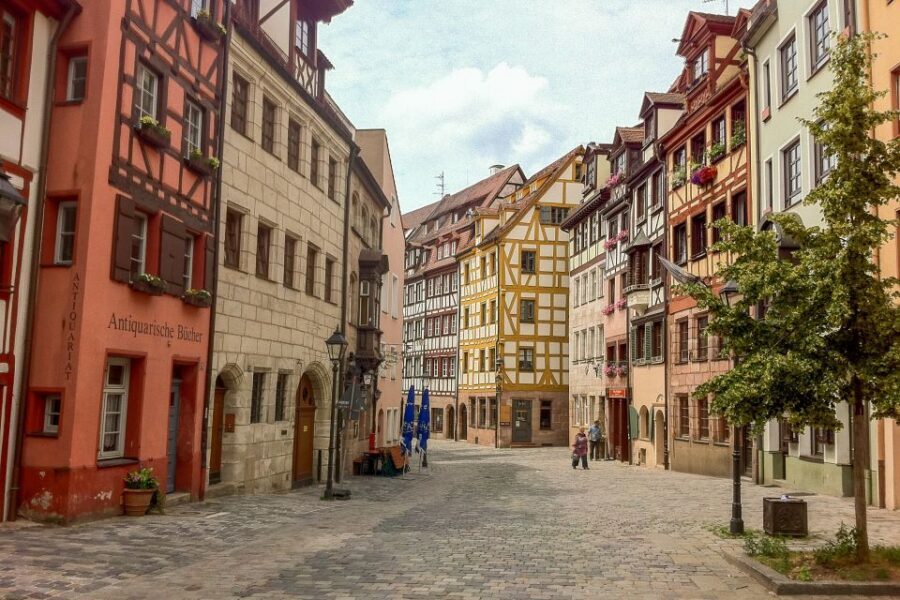
One more thing I appreciate: the Old Town part is designed to help you get your bearings fast. That matters because Nuremberg’s center has many small streets and viewpoints. If you’ve ever wandered too long and missed the main story, this format is built to prevent that.
The Imperial City Angle: Why Nuremberg Was More Than a Famous Name
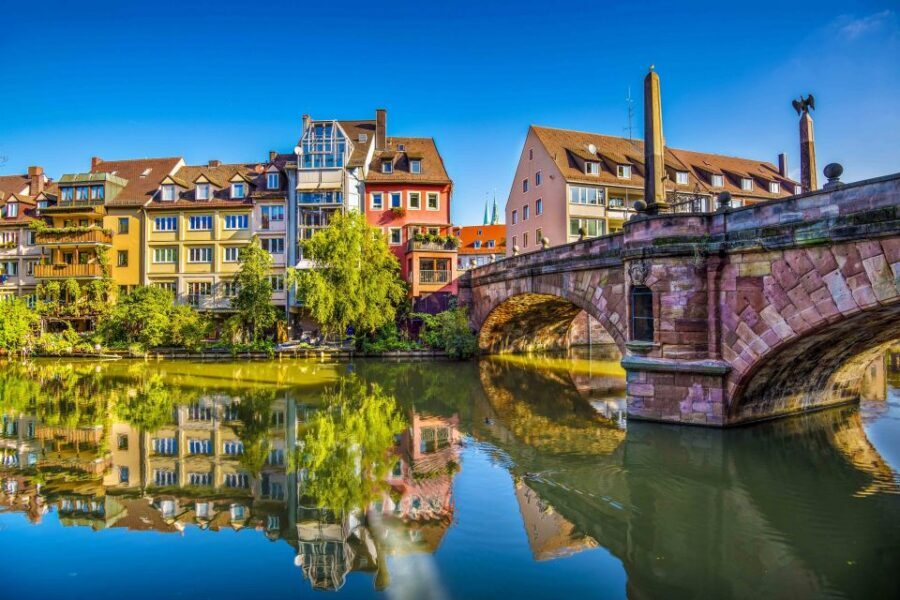
Nuremberg is often associated with the darkest chapters of 20th-century Germany, but the tour makes sure you don’t lose the earlier context. You’ll hear how the city served as the unofficial capital of the First Germanic Empire and hosted the Imperial Diet of the Holy Roman Empire.
That’s not trivia. It changes how you interpret the medieval buildings and the sense of civic importance you see in the center. When you understand that Nuremberg mattered to imperial governance and major trade routes, the city stops being a backdrop and becomes a player.
The tour also connects Nuremberg to the Reformation and to the printing and scientific revolutions. That blend—politics, religion, and ideas—helps explain why a city could have both cultural influence and later historical catastrophe. The goal isn’t to soften history. It’s to give you the full map of cause and effect.
Hilltop Castle Feel: Seeing the Old Imperial City From Above
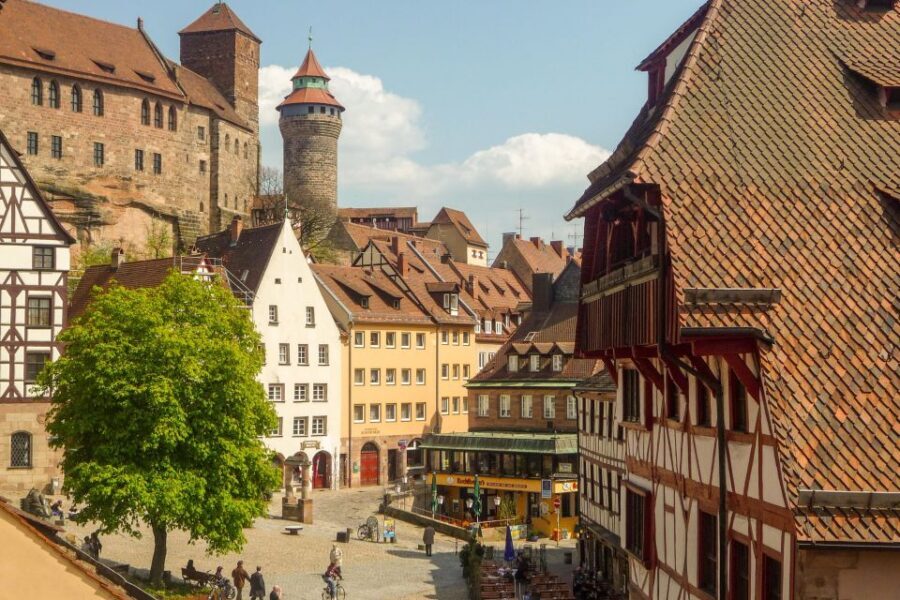
You’ll get a feel for Nuremberg as a hilltop stronghold and old imperial seat, not just a flat Old Town stroll. The mention of the castle of the old imperial city signals that the tour includes viewpoints and the sense of elevation that shaped how the city functioned.
Even when you’re not “touring a museum,” these high points matter because they change your understanding of the city’s layout. You start seeing why certain areas carried power and why defense looked the way it did. It’s the difference between noticing buildings and understanding space.
If you’re visiting in winter or on a windy day, this part can feel extra exposed. Dress for it, and don’t assume you’ll always be sheltered.

Nazi Party Rally Grounds: A Guided Look at Power, Place, and Accountability
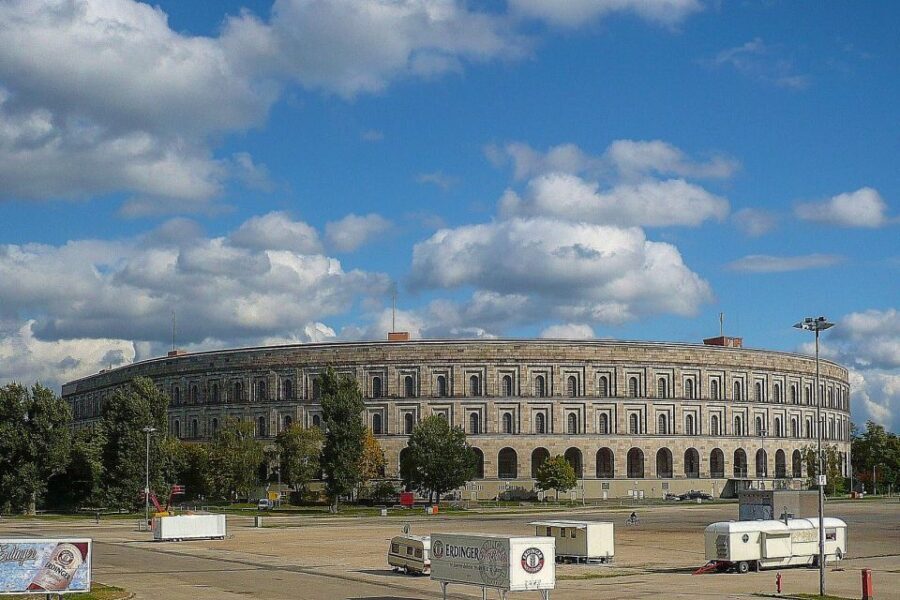
The afternoon shift is the emotional weight of this day trip. You’ll take a fully guided tour of the Nazi rally grounds, and the framing matters: you’re shown how the Third Reich used the city’s grandeur for propaganda and mass events—and then you learn how an international war crimes tribunal held Nazi leadership accountable.
I like that the tour doesn’t treat the grounds as a single landmark to tick off. It’s presented as a system of power. The scale of the spaces helps you understand why modern history texts talk about spectacle and control. In a group setting, a good guide also helps you follow the timeline of what you’re seeing instead of getting lost in the size of the environment.
Guides named in the feedback—like Paul and Elizabeth—are repeatedly praised for strong explanations and for keeping the group engaged. One small caution: in a few cases, people noted that it could be hard to hear if a guide faced away from part of the group. If you’re sensitive to audio, position yourself where the guide turns most often and you’ll catch more.
The Pace: Walking, Standing, Lunch Plans, and Toilet Reality
This is a 9-hour day, and you should plan for it like a proper walking tour. Reviews mention walking and standing all day with very little personal time, and another practical note is that toilet options can be limited.
That means you’ll want to pace your drinking and snacks—especially if you’re the type who relies on frequent breaks. You’ll also want to know that lunch is not included. Some guides have offered chances for snack breaks, and at least one guide recommended a local food stop—a simple, practical reminder that Nuremberg’s food culture can be part of your day even on a history-heavy itinerary.
If you like structure, this works well. If you want frequent unstructured time to wander off-script, you may feel a bit boxed in.
English-Led Value: Why the $93 Price Can Make Sense
At about $93 per person, the value depends on what you want from your day. You’re paying for two things that are hard to replicate on your own in a day:
1) coordinated train transport between Munich and Nuremberg, and
2) an English-speaking guide who connects the Old Town story to the Nazi-era sites.
That’s a lot for a single day. It’s also not just “transport plus a free stroll.” The guide’s job is to keep the narrative intact—why imperial Nuremberg mattered, what role it played in intellectual shifts, and how the Nazi rally grounds fit into the story of modern history and accountability.
Could you do it independently? Sure. But you’d spend your day arranging transit, figuring out what to prioritize, and then piecing history together with signage. Paying for a guide is the shortcut to coherence, especially when the afternoon topic is heavy and demands clear context.
Getting the Most From the Tour: Tips That Actually Help
If you’re booking this as a history-focused day, here’s how to make it smoother:
- Use the guide early: the morning Old Town part sets up the afternoon meaning. Pay attention then, and the rest clicks faster.
- Bring comfortable shoes: you’ll be standing and moving more than you might expect from a “day trip.”
- Ask for practical help if you have must-sees: one traveler mentioned Sarah went out of her way to accommodate personal sites with handwritten directions—so if you have specific interests, it’s worth telling the guide.
- Be patient with trains: crowding and delays can happen. If your schedule is strict, buffer it on either side of the trip.
One more helpful mindset: treat Nazi-era sites with a calm, respectful pace. This tour’s strength is not speed—it’s guided context.
Who Should Book This Nuremberg Day Trip
Book it if you want a guided day that covers both sides of Nuremberg without pretending one side doesn’t exist. It’s a strong fit for people who like history that’s explained clearly, especially the “how did we get here?” connections between medieval power, religious change, and later catastrophe.
It also makes sense if you’re short on time in Munich. You get a lot of ground in a single day, and the structure helps you avoid wandering too long and coming away with disconnected memories.
It may not be ideal if you’re looking for a relaxed, unhurried city stroll. Between the walking time and limited break opportunities, you’ll feel the schedule.
Should You Book This Nuremberg Day Trip?
I’d book this if you want a guided, English-led version of Nuremberg that covers both the medieval Old Town and the Nazi rally grounds with context. The price can feel fair when you factor in train transport plus the guide doing the hard work of making the story make sense.
But if you hate long standing, need frequent bathroom breaks, or your itinerary is fragile due to rail timing, you’ll want to think twice—or at least plan flexibility into your day.
If your priority is understanding Nuremberg as a real city across centuries, this tour is a solid choice.