REVIEW · DUSSELDORF
Dusseldorf: Flingern Food Tour
Book on GetYourGuide →Operated by Adventure World Tours · Bookable on GetYourGuide
Flingern food makes the neighborhood make sense. This 3-hour walking tour links what you see in Düsseldorf with what you eat, using Flingern’s mix of culture, creativity, and contrast as the backdrop.
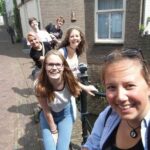
I like how the tour packs 5 international appetizers into a short walk, so you leave with a real feel for the area’s tastes—not just a souvenir photo. I also like the human side: you get city context and amusing neighborhood anecdotes, and on at least one run the guide Jeanne, a Flingern local, brought the district to life with firsthand perspective.
One thing to consider: you’re eating in small local spots, and some don’t take card. Bring enough cash if you want to grab extra drinks or keep things moving without stress.
In This Review
- Key Points You’ll Appreciate
- Entering Flingern on Foot: Why This Neighborhood Reads Like a Storybook
- Finding the Meeting Point at Flingern Station (Dorotheenstraße Exit)
- Five International Appetizers: The Taste Strategy Behind the Stops
- How the Walk Shapes the Food (and Vice Versa)
- What You’ll See: Art Shops, Designer Stores, Festivals, and Industry
- Your Guide in the Lead: German Tour, Real Translation Effort
- Timing and the Real Pace of a 3-Hour Walking Tour
- What Might Disappoint You (So You Don’t Get Bummed)
- Price and Value: Is $51 Worth It?
- Drinks, Card Payments, and the Cash-Friendly Reality
- Who This Tour Fits Best (and Who Should Skip It)
- After the Tour: Turning Flingern Into Your Own Plan
- Should You Book the Düsseldorf Flingern Food Tour?
- FAQ
- How long is the Düsseldorf Flingern Food Tour?
- How much does it cost?
- What food is included?
- Are drinks included?
- Where do I meet the guide?
- What language is the tour guide?
- Is a private group available?
- Do restaurants on the tour accept card payments?
- Is there free cancellation?
- Can I reserve now and pay later?
Key Points You’ll Appreciate
- Flingern’s character on foot: you’ll see the change at street level, not from a bus window
- 5 international appetizers across different eateries, so it feels like a mini food trip
- Local stories with real facts about the district’s culture and evolution
- A guide who can adapt: the tour runs in German, with translation help offered when needed
- Small-restaurants reality check: card may be unreliable, so plan with cash
Entering Flingern on Foot: Why This Neighborhood Reads Like a Storybook
If you like travel that feels personal and slightly off the usual grid, Flingern is a smart choice. It’s known as a more recent highlight of urban lifestyle, with creative young people rubbing shoulders with investors and city planners. You can feel that tension in the streets: low rents can attract one kind of crowd, and new development pulls another in. The result is a neighborhood that doesn’t sit still.
On this tour, the walking format matters. It’s not just about food stops; it’s about getting your bearings in a place where the look of the street can change fast. One corner can feel artsy and designed. Another can point toward the industrial edge of the city. That stop-and-go rhythm makes it easier to understand what you’re seeing and why locals talk about it the way they do.
You can also read our reviews of more food & drink experiences in Dusseldorf



Finding the Meeting Point at Flingern Station (Dorotheenstraße Exit)
You’ll start at Flingern S-Bahn and U-Bahn station, using the Dorotheenstraße exit at the end of the stairs and bridge. This matters because Flingern’s best features are spread out in walkable clusters. Starting at the station keeps the first part efficient and helps you jump into the district quickly rather than wasting time hunting for your guide.
The tour is centered in the Düsseldorf urban area, so once you’re moving, you’ll generally feel like you’re in the middle of things. Plan for normal city-walking pace: this is a 3-hour experience, so you’ll want comfortable shoes and a little patience for crowds near transit.
Five International Appetizers: The Taste Strategy Behind the Stops
The big promise is simple: 5 international appetizers in 5 different localities. That structure is good value because it turns dinner into a guided sampling. Instead of one heavy meal, you get several bite-sized tastings, which makes the overall experience feel varied without forcing you to commit to one cuisine.
Here’s what you should expect based on what’s been shared: the food is often served in smaller, traditional-style places. Some stops may feel bakery-forward, since at least one guest specifically noted the bakeries as lovely. And at least part of the mix may lean toward Japanese-style flavors, because one guest wanted more Japanese bites than what they received. Translation: the exact lineup can skew international, and if you’re hoping for strictly German, very traditional food, you might need to set expectations.
A practical tip: since drinks are not included, you may want to think about where you’ll get beverages. During the tour, plan to focus your budget on the included bites and bring cash in case you decide to add an extra drink at a stop.
How the Walk Shapes the Food (and Vice Versa)
This tour doesn’t treat the food as an isolated event. It builds meaning around it. As you walk from place to place, you’ll connect what you’re tasting with what you’re seeing: international influences in small shops, creative energy in art spaces, and the district’s layered identity in the everyday street life.
That’s the reason a walking food tour often beats a restaurant-only meal. You get to practice noticing. You’ll pass through areas where you can see alternative culture and a squatter scene, plus the practical, industrial side of the neighborhood—power plants and factories are part of the picture. Then you’ll swing back toward the human scale: art shops, galleries with international reach, designer model shops, and initiatives that support diversity and community life.
Even if you don’t stop and stare at every storefront, you’ll still absorb the logic of the neighborhood. By the time you reach each food stop, your brain has already built context.
What You’ll See: Art Shops, Designer Stores, Festivals, and Industry
Flingern’s visual mix is part of the appeal. The tour description points to a neighborhood of contrasts—places that attract young and creative people, plus investments and urban planning changes over time. You’ll notice that shift in the way the district presents itself.
On the walk, you can expect to encounter:
- Alternative culture and the squatter scene, which helps explain why Flingern feels a little less polished and a lot more self-driven
- Art shops and galleries with international reach, showing how global culture has found a home here
- Designer model shops, suggesting the district can also be fashionable and upscale in pockets
- Diversity initiatives and city festivals, which hint at community energy beyond just nightlife
- Power plants and factories, reminders that Düsseldorf isn’t only about clean, curated city center scenes
The best part is that the tour doesn’t freeze these things as trivia. It uses them as answers to real questions visitors often have: why does this area feel different, and why does it keep changing?
A few more Dusseldorf tours and experiences worth a look

Your Guide in the Lead: German Tour, Real Translation Effort
The tour is led by a certified local guide, and the language is German. That’s important if you don’t speak German. But here’s the encouraging part: the guide can make a real effort to include English speakers. One guest shared that the guide translated what he or she said in German so the group felt included. Another highlighted that Jeanne, who is from Flingern, was able to bring the neighborhood closer through local connection and storytelling.
What I like about this setup is that it reduces the fear factor. You don’t need full German fluency to enjoy the tour. You’ll still get the core experience: food stops, the walking story, and helpful local tips.
Timing and the Real Pace of a 3-Hour Walking Tour
This is a 3-hour experience, so it’s built to keep moving. You’ll go from stop to stop within the urban fabric of Flingern. The walk is a big part of the value because it connects food to neighborhood context.
One practical consideration: because this style of tour depends on timing and public movement through the district, minor delays can happen. In one case, a guide was late and the group was not informed immediately. That was handled with a small gesture of compensation. Translation for you: if something feels off pace, ask your guide where the schedule stands and what the next stop will be.
If you have a tight plan after the tour, give yourself a buffer. A food tour is rarely an exact-to-the-minute affair, and in a neighborhood walk, small timing shifts are normal.
What Might Disappoint You (So You Don’t Get Bummed)
I’d rather help you avoid disappointment than sell you a fantasy.
- It’s international, not purely traditional German.
You may get flavors you don’t usually associate with Düsseldorf, and one guest even wanted more specifically Japanese bites. If you’re hunting for very traditional, hearty German dishes, you might feel the selection is more experimental than expected.
- You need to accept small-plate portions.
Several appetizers means several bites, not a full meal. One guest felt it could have been more substantial for the price. If you’re a big eater, plan to supplement later with a proper dinner after the tour.
- Cash is not optional if you want extras.
Small local restaurants might not accept card. The tour also warns that if you withdraw cash mid-tour, other guests have to wait and there might not be an ATM nearby. So do yourself a favor and bring enough cash before you meet up.
Price and Value: Is $51 Worth It?
At $51 per person for 3 hours, the value depends on what you want out of the experience.
Here’s where the price makes sense:
- You get a guided walking tour plus 5 included appetizer tastings
- You’re paying for local navigation and neighborhood storytelling, not just food
- You’ll likely sample places you’d walk right past on your own
The price may feel less satisfying if your top goal is a single “wow” meal or very traditional dishes. Since drinks are not included, add that to your mental math.
Overall, it’s a strong deal if you enjoy:
- sampling lots of smaller bites
- learning a neighborhood’s culture as you walk
- getting local recommendations you can use later
Drinks, Card Payments, and the Cash-Friendly Reality
Let’s talk practicalities that actually affect your day.
- Drinks are not included. So you’ll pay on your own if you want beer, soda, or coffee during stops.
- Card payments may not be accepted at smaller, traditional restaurants.
This is not something you should gamble on. If you want the option to buy an extra drink, bring cash.
- ATMs might be limited nearby. If you have to withdraw cash during the tour, other guests could be delayed, so it’s best to come prepared.
You’ll enjoy the food more when you’re not doing mental arithmetic at the checkout screen.
Who This Tour Fits Best (and Who Should Skip It)
This tour is a great fit if you:
- want a local-neighborhood experience in a short time
- enjoy international food sampling rather than only classic German dishes
- like walking through districts that have both creative culture and industrial edges
- prefer getting recommendations from a guide who knows the area
You might want to look elsewhere if you’re:
- only interested in fully traditional German cuisine
- expecting a sit-down restaurant meal
- uncomfortable with cash-only situations
If you’re traveling with friends and want a shared guided walk plus food, it’s also a fun group format. Private group availability exists if you want more control over the experience.
After the Tour: Turning Flingern Into Your Own Plan
Once you’ve mapped out the district, you’ll have an easier time deciding where to go next. You’ll know what parts feel more artsy, what areas feel more fashion-forward, and where the neighborhood’s industrial edge appears. That makes it easier to plan your own dinner later without ending up lost or stuck near the station.
Since the tour includes local tips, your guide’s suggestions should help you choose a direction: a follow-up snack, a cafe stop, or a casual dinner nearby.
Should You Book the Düsseldorf Flingern Food Tour?
Book it if you want a guided, neighborhood-rooted food experience with 5 international appetizers, real district context, and a local guide who knows how to tell stories. The price is fair for what you get, especially if you like sampling and walking.
Consider a different option if you’re specifically chasing very traditional German food, or if you hate the idea of using cash at small places. Also, give yourself a little scheduling buffer, since walking tours can shift with public life.
If Flingern sounds like your kind of place, this is a smart way to learn it fast—one tasty stop at a time.
FAQ
How long is the Düsseldorf Flingern Food Tour?
The tour lasts 3 hours.
How much does it cost?
It costs $51 per person.
What food is included?
You’ll get 5 international appetizers at 5 different localities.
Are drinks included?
No, drinks are not included.
Where do I meet the guide?
Meet at Flingern S-Bahn and U-Bahn station, Dorotheenstraße exit at the end of the stairs and bridge.
What language is the tour guide?
The tour guide speaks German.
Is a private group available?
Yes, private group availability is listed.
Do restaurants on the tour accept card payments?
Not always. The tour notes that some small traditional restaurants may not accept card payments, so bring enough cash if you want drinks.
Is there free cancellation?
Yes. Free cancellation is available up to 24 hours in advance for a full refund.
Can I reserve now and pay later?
Yes, reserve now and pay later is offered.
—
If you tell me what you like to eat (and whether you prefer strictly German flavors or you’re happy with international), I can suggest what to expect from the appetizer mix and how to plan your dinner after the tour.