REVIEW · DUSSELDORF
Düsseldorf: Sushi, Sake & Japanese Lifestyle Tour
Book on GetYourGuide →Operated by Visit Düsseldorf · Bookable on GetYourGuide
Düsseldorf’s Japanese street scene is easier to understand than you’d think. This 2-hour guided walk through Immermannstraße earns points for 4 tasty food samples and Manga and Japanese lifestyle stops that connect the neighborhood to real daily culture. I like that it’s small-group focused, so the guide can actually keep an eye on questions and details. One thing to consider: it’s in German, and the food isn’t vegan and isn’t gluten-free.
I especially like the way the tour balances food with everyday “how people live here” context. You’ll get guided views of “Little Tokyo” as Düsseldorf’s own Japanese mini-zone, plus practical ideas for where to eat and what to notice when you return on your own. The possible drawback is that the information depth can vary by guide, so if you want a very deep cultural crash course, you’ll want to ask more questions as you go.
In This Review
- Key Things I’d Plan For
- Little Tokyo on Immermannstraße: What This 2-Hour Walk Actually Covers
- Meet at Clayton Hotel Düsseldorf: Getting Your Bearings Fast
- The Sushi, Sake, and Matcha Question: How the Food Samples Work
- Bookshops, Bakeries, and the Practical Joy of Japanese Everyday Shopping
- Manga Comics and Japanese Fan Culture: Reading the Neighborhood
- History Notes and Insider Tips: What Makes the Tour More Than a Walk
- Value for $41: Does This Tour Pay Off?
- Potential Trade-Offs: Language, Allergens, and What Might Be Missed
- Who Should Book This Little Tokyo Tour
- Should You Book This Düsseldorf Sushi, Sake & Japanese Lifestyle Tour?
- FAQ
- How long is the Düsseldorf Sushi, Sake & Japanese Lifestyle Tour?
- What language is the tour conducted in?
- What is included in the price?
- Are the food samples vegan or gluten-free?
- Where do I meet the guide?
- How big is the group?
- Is the tour wheelchair accessible?
Key Things I’d Plan For
- Little Tokyo on Immermannstraße: the tour centers on Düsseldorf’s most concentrated Japanese everyday culture zone
- 4 food samples included: enough variety to taste Japanese specialties without a full restaurant bill
- Bookshops, bakeries, and manga stores: you’re not only eating, you’re spotting culture in shops
- Japanese cuisine context: you get explanations tied to what you’re tasting
- Small group (up to 10): easier to get answers from a live German guide
- Diet limits matter: samples are vegetarian-friendly but not vegan, and they’re not gluten-free
Little Tokyo on Immermannstraße: What This 2-Hour Walk Actually Covers
This tour is built around one idea: Düsseldorf’s Japanese community has a tight home base, and Immermannstraße is where you feel it fast. Instead of treating Japan as a distant theme, the walk frames it as routine neighborhood life—what people buy, what they read, and what they eat on a normal day.
I like that the tour doesn’t pretend this is a full-day Japan trip. At two hours, it’s more like a focused orientation: you leave knowing the street pattern, the types of shops to look for, and the right terms for what you sampled.
You’ll also hear bits of history and insider context about why the community fits here. It’s not presented like a lecture, more like guided street reading—watch the storefronts, listen to the guide’s notes, then notice what makes the area feel unmistakably Japanese.
You can also read our reviews of more food & drink experiences in Dusseldorf


Meet at Clayton Hotel Düsseldorf: Getting Your Bearings Fast
You’ll start in front of Clayton Hotel Düsseldorf, which used to be Hotel Nikko Düsseldorf, right at Immermannstraße 41. This matters because the meeting point puts you immediately into the neighborhood rhythm instead of starting “far away” and relocating later.
Because it’s a small group limited to 10 people, the guide can move at a pace that works for the entire set. That’s one of the hidden benefits of a tight group size: fewer stragglers, more time to stop and ask, and less time spent waiting.
One practical note: the tour isn’t suitable for wheelchair users. The walk includes streetside stops and shopfront time, so mobility needs to be flexible.
The Sushi, Sake, and Matcha Question: How the Food Samples Work
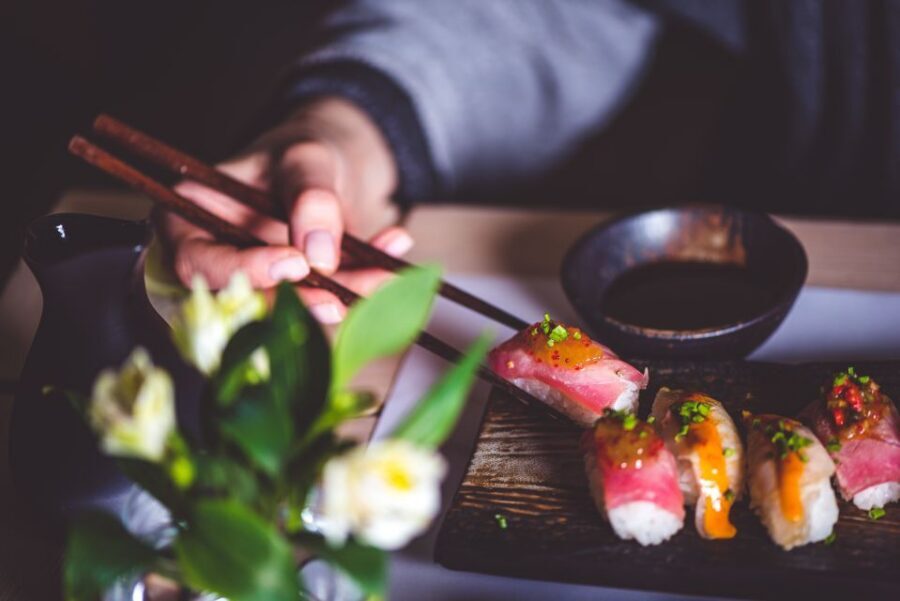
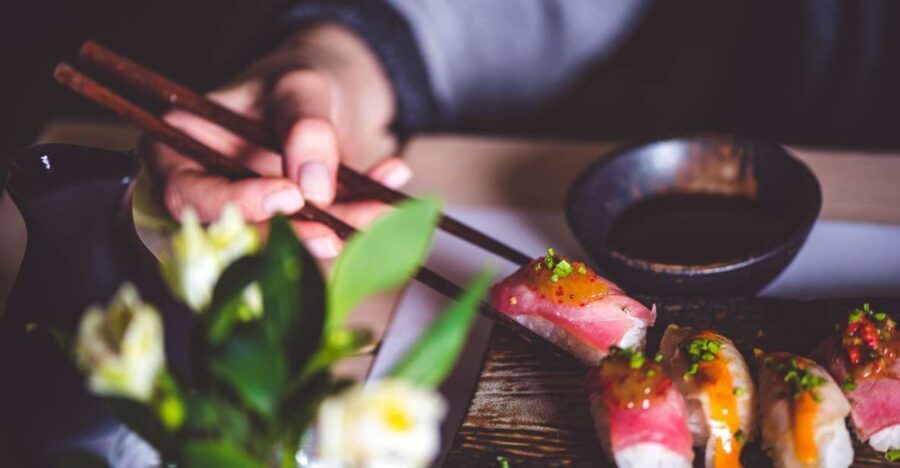
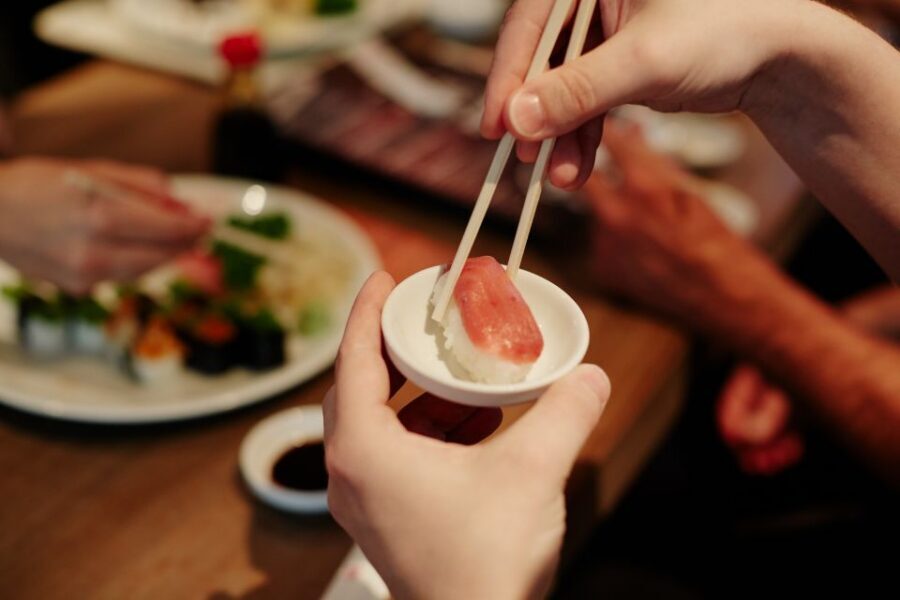
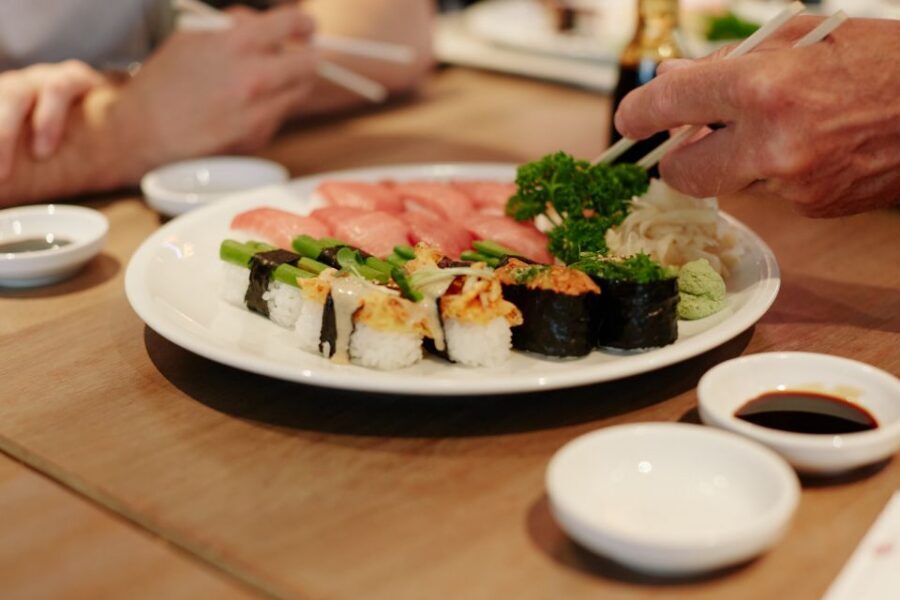
Food is the engine here. The tour includes 4 food samples, and the focus is on Japanese cuisine with clear explanations so you’re not just eating random bites. You’re likely to taste things tied to sushi and related Japanese staples, and the tour also points you toward the kinds of places where you can continue the story after the walk.
I like how this avoids the common problem with “food tours”: you don’t spend the whole time stuck in one restaurant. You sample, learn, then use the neighborhood itself as the guidebook.
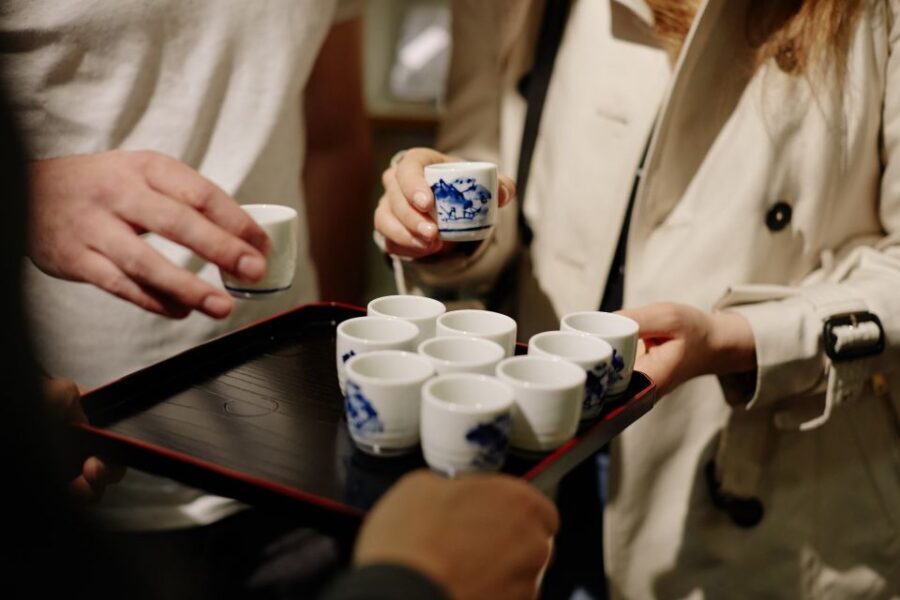
Sake and matcha come up as part of the Japanese “drink and taste culture” side of the tour. If you’re a matcha person, this can help you understand why the café culture matters, not just the flavor. Just be aware of the limits: the samples are vegetarian-friendly but not vegan, and the food is not gluten-free.
If you eat gluten-free or follow a strict vegan diet, don’t assume the tour can adjust on the fly. The safest plan is to confirm details ahead of time with the operator, because the written info is pretty clear about what’s included.
Bookshops, Bakeries, and the Practical Joy of Japanese Everyday Shopping
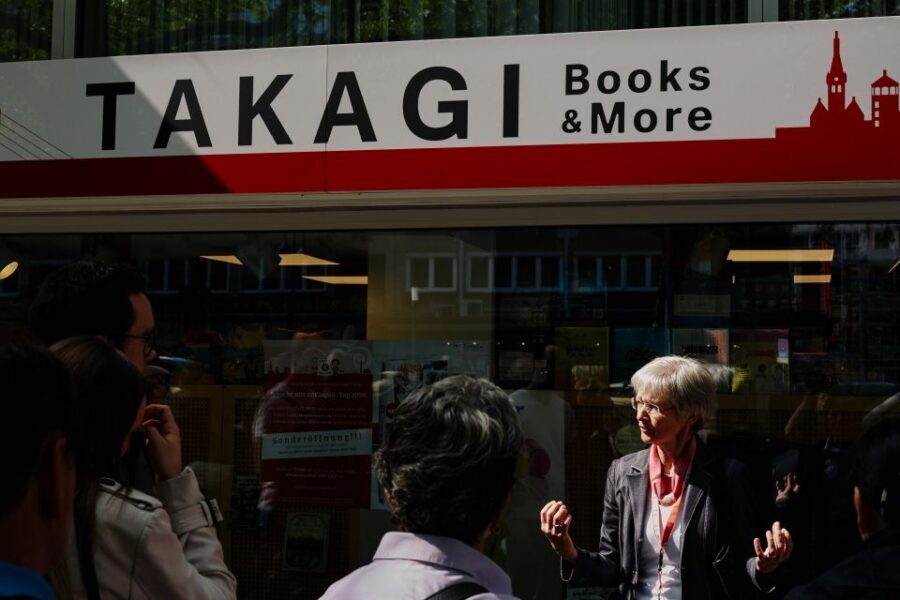
A big part of the “Little Tokyo” feel is the everyday errands side of Japanese culture. This tour includes stops connected to traditional Japanese bookshops and bakeries, which sounds simple until you realize what it teaches.
Japanese bookshops tell you what’s popular and what people actually read day to day. Bakeries help you notice how Japanese food culture uses texture, presentation, and familiar flavors in a way that often surprises first-timers. Even if you don’t buy anything, you’ll understand what to scan for when you return.
I like that these stops turn the neighborhood into something you can explore independently later. You get names and categories, so your next walk isn’t just sightseeing—it’s targeted browsing.
There’s also a shopping mindset here: you’re learning where the Japanese community shops and dines, not chasing one-off tourist landmarks. That’s the difference between a meal with a view and a meal that teaches you something about place.
Manga Comics and Japanese Fan Culture: Reading the Neighborhood
Manga is more than entertainment, and the tour treats it that way. You’ll spend time in the world of manga comic books, which gives you a shortcut into how Japanese pop culture lives in real spaces, not only online.
This is one of the most fun parts for me because it’s easy to connect to instantly. If you’ve ever read a series or watched an anime adaptation, you’ll likely recognize that the comic ecosystem is its own kind of library—organized by themes, trends, and fandom energy.
The guide’s job is to connect what you see to why it matters. When that part lands, the whole tour starts to feel less like eating and more like getting context for a lifestyle you already enjoy.
A small caution: if you’re not into manga at all, you might still enjoy the shop environment, but this piece may be more engaging for readers than for “only food” planners.
You can also read our reviews of more drinking tours in Dusseldorf




History Notes and Insider Tips: What Makes the Tour More Than a Walk
Beyond the stops, the tour adds explanation about the area’s Japanese community and the atmosphere you can feel on Immermannstraße. That includes “how it got there” context and cultural notes that help you read signs, understand shop types, and know what questions to ask next time you visit.
Insider tips are part of the pitch: the guide shares ideas on where to find the best sushi, sake, and even matcha latte options. For me, this turns the tour into a tool. You get leads you can use immediately, instead of only collecting stories.
Style matters here. I’ve seen this kind of tour succeed when the guide brings energy and keeps attention on the small details. One German-language guide named Julia is mentioned for leading in a way that’s both humorous and information-rich, which is exactly what makes a short tour feel satisfying.
On the flip side, there’s also been criticism that some guides may cover too little or include incorrect details. In that case, you won’t automatically get the full cultural picture you hoped for—so I’d treat this as a guided orientation, not a guaranteed deep textbook lesson.
If factual claims come up—especially about very specific businesses or pricing—ask a follow-up. A simple question like What’s the most common item people order here? often leads to better, more useful information than a single headline fact.
Value for $41: Does This Tour Pay Off?
At about $41 per person for a 2-hour experience, the value depends on what you want. If your goal is a cheap snack and a quick stroll, it’s probably not the best deal. If your goal is guided street-level understanding plus multiple tastings, it starts to look fair.
Here’s why it can be good value:
- You get 4 food samples, which alone can be worth the price if you were planning to try multiple Japanese bites anyway
- You get a unique souvenir only available on this tour
- You receive a voucher for the city museum, which adds a separate cultural option if you’re staying in the area
Also, the small group size (up to 10) helps justify the cost. It’s easier to get individual attention and quick answers than in a large group.
One more practical point: sessions are in German. If you don’t read German comfortably, you’ll feel the tour less as a guided conversation and more like a one-way commentary.
Potential Trade-Offs: Language, Allergens, and What Might Be Missed
This tour has a clear practical profile, and it comes with a few limitations you should match to your needs.
Language: The guide is live and the tour runs in German. If you’re comfortable with basic conversation or you can follow short explanations, you’ll likely be fine. If not, you might want translation help offline or consider another format.
Diet: Samples are suitable for vegetarians, but not for vegans. They are not gluten-free. This matters because “sushi-style” food often includes sauces, tempura elements, or ingredients that can be gluten-adjacent. Plan accordingly.
Coverage: The tour is focused on several themes: Little Tokyo walking highlights, sushi and cuisine learning, bookshops/bakeries, and manga. Some people have felt certain topics weren’t covered deeply enough—like broader aspects of Japanese daily services—so don’t assume every niche interest gets equal time.
Mobility: Not wheelchair-friendly. If you have mobility constraints, confirm details with the operator before booking.
Who Should Book This Little Tokyo Tour
I’d recommend this tour if you want a fast, guided introduction to Düsseldorf’s Japanese neighborhood life, especially if you like food and want context with it. It fits well for:
- First-time visitors who want direction beyond a typical “here are stores” stroll
- People who already like manga or want an easy entry point
- Food-minded travelers who prefer several small samples over one long meal
- Anyone who wants a short plan that connects to independent exploring right after
It’s less ideal if:
- You need vegan or gluten-free options
- You’re looking for a very deep, highly academic cultural lesson in a short time
- You need wheelchair access
- You don’t speak German and can’t follow the guide
Should You Book This Düsseldorf Sushi, Sake & Japanese Lifestyle Tour?
Book it if you want a compact, street-level orientation to Düsseldorf’s Little Tokyo, with multiple tastings and real neighborhood shop browsing in the mix. The price is easier to justify when you factor in the food samples plus the unique souvenir and the city museum voucher.
Skip it or double-check your expectations if German language coverage is an issue for you, or if your diet is strictly vegan or gluten-free. Also, go in ready to ask questions, because this kind of tour can feel very different depending on the guide’s emphasis.
If you’re aiming for a friendly, guided “Japanese lifestyle starter pack” in two hours, this is exactly the kind of tour that can pay off quickly.
FAQ
How long is the Düsseldorf Sushi, Sake & Japanese Lifestyle Tour?
It lasts 2 hours.
What language is the tour conducted in?
The live tour guide speaks German.
What is included in the price?
The tour includes a tour guide, 4 food samples, a unique souvenir available only on this tour, and a voucher for the city museum.
Are the food samples vegan or gluten-free?
The samples are suitable for vegetarians, but not for vegans. They are not gluten-free.
Where do I meet the guide?
Meet in front of Clayton Hotel Düsseldorf (formerly Hotel Nikko Düsseldorf) at Immermannstraße 41.
How big is the group?
It’s a small group limited to 10 participants.
Is the tour wheelchair accessible?
No, it is not suitable for wheelchair users.