REVIEW · DUSSELDORF
Düsseldorf: Guided City Architecture Walking Tour
Book on GetYourGuide →Operated by Visit Düsseldorf · Bookable on GetYourGuide
One tour can change how you see a city’s buildings. This Düsseldorf architecture walking tour turns familiar streets like Königsallee and the Old Town into a story of architects, power, and style choices you usually miss on your own. You’ll hear names like Daniel Libeskind and Wilhelm Kreis worked into real facades, not just textbook captions, with lively explanations from guides such as Dietmar Schönhoff in German.
I especially like how the guide mixes technical architectural notes with human stories. The best moments are the photo-friendly stops at big landmarks like Kö-Bogen and the 96-meter-high Dreischeibenhaus, plus the guide’s humor and quick answers when questions fly up. I also love the tour’s sharp focus: it’s short, but it stays on how Düsseldorf’s look developed, including the close-by contrast of Expressionism from the 1920s and Brutalism.
The main drawback is that the walk moves with purpose. If you want a slow, general sightseeing stroll or you struggle with German-only narration, you might feel rushed or miss part of the point.
In This Review
- Key highlights worth planning around
- Two Hours of Düsseldorf Architecture: What You’re Really Getting
- Where the Tour Starts: Mannesmannufer and Quick Orientation
- Königsallee: The Walk Starts with Power, Style, and Street-Level Theater
- Kö-Bogen and Dreischeibenhaus: The “Look Closer” Segment
- Old Town (Altstadt): Learning the Stories Behind Familiar Facades
- Ehrenhof: Ending Where the Meaning Concentrates
- The Architects Named on This Tour: Why Seeing Names Helps You See Buildings
- The City Museum Stop at Bergerallee 2: The Helpful Break
- Pace, Questions, and the Dietmar Schönhoff Factor
- Price and Value: Is $23 Reasonable for 2 Hours?
- Shared Group vs Private Tour: Choose Your Comfort Level
- Practical Tips So You Don’t Get Left Behind
- When This Tour Might Not Be Your Best Fit
- Should You Book the Düsseldorf Architecture Walking Tour?
- FAQ
- FAQ
- How long is the Düsseldorf architecture walking tour?
- What is the price per person?
- Where do I meet the guide?
- What areas of Düsseldorf does the tour cover?
- Which landmarks are included along the route?
- Where does the tour end?
- What’s included besides the guide?
- What language is the tour guide speaking?
- Is there an option for a private tour?
- What is the cancellation policy?
Key highlights worth planning around
- Photo stops built into the route for Kö-Bogen, Dreischeibenhaus, and the Old Town façades
- Architect names you can actually place in the streets you’re standing on: Libeskind, Kreis, Schinkel, Pfau, Hentrich
- Style contrast within a few blocks, including Expressionism (1920s) and Brutalism
- A structured 2-hour loop from Königsallee through the Altstadt to Ehrenhof
- One museum entry included at Bergerallee 2 to add context beyond the street level
- Optional shared or private format if you want more tailored pacing and questions
Two Hours of Düsseldorf Architecture: What You’re Really Getting
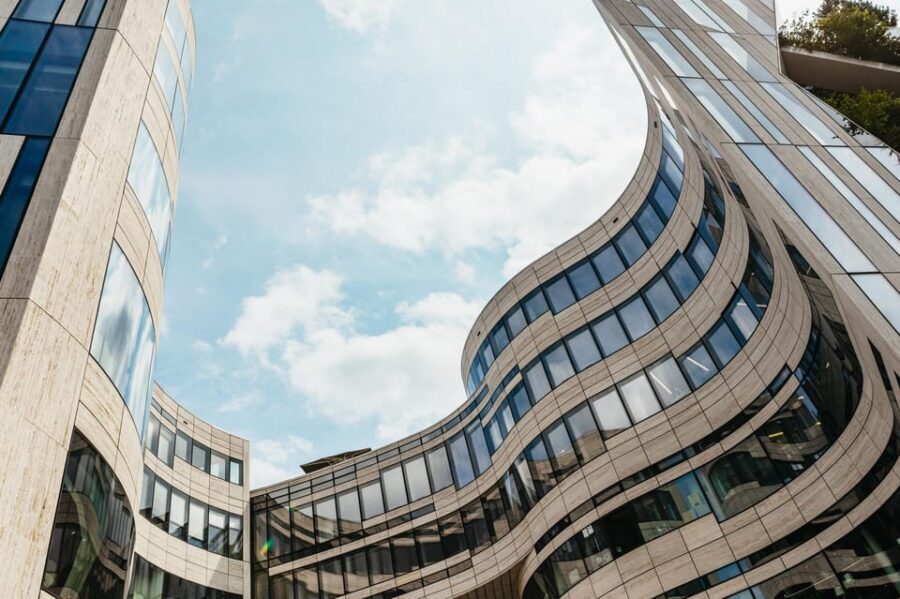
This is a focused city architecture walk that lasts about two hours. You’re not trying to cover every attraction. Instead, you’re walking the parts of Düsseldorf where the buildings themselves carry the plot: who designed them, why they look the way they do, and how Düsseldorf’s identity shows up in stone, glass, and form.
You’ll cover a clear arc: Königsallee → Kö-Bogen → Dreischeibenhaus → the Old Town (Altstadt) → Ehrenhof. Along the way, the guide ties specific designers to the structures you see, including a strong emphasis on international architects alongside regional builders and decisions.
If you already know Düsseldorf, this tour still works because it changes your viewing angle. People who think they’ve “seen it all” often walk away noticing details they never registered before—door proportions, materials, and the way buildings talk to surrounding streets.
You can also read our reviews of more walking tours in Dusseldorf



Where the Tour Starts: Mannesmannufer and Quick Orientation
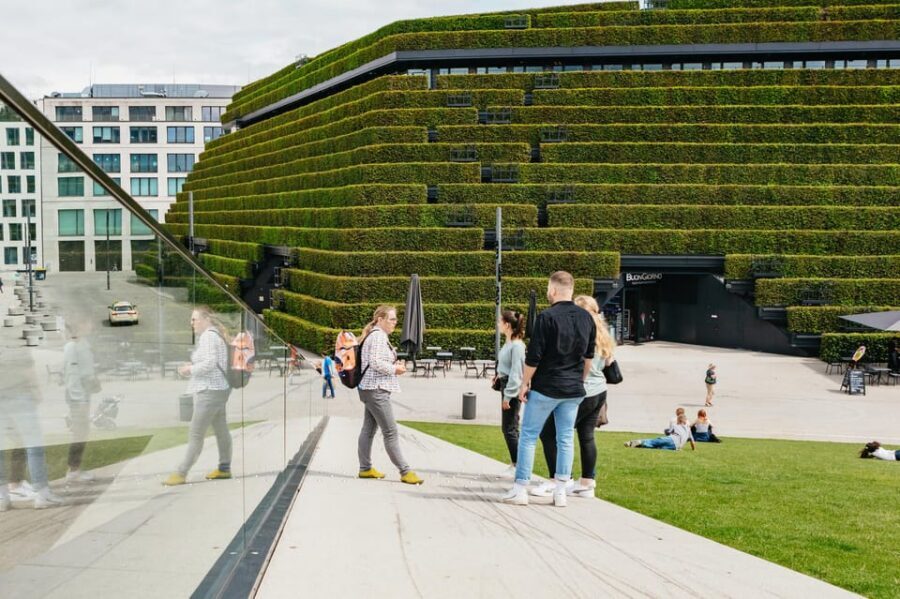
The meeting point is Mannesmannufer 2. That matters because you’re starting near the water and open views, which makes it easier to understand how the route connects districts once you’re on the move.
There are also three starting-location options listed for Alter Stahlhof, Mannesmannufer 2, and Breite Str. 69. If you’re staying somewhere else or want a shorter walk to the start, it’s worth checking your assigned option so you don’t show up at the wrong corner.
Bottom line: get there a few minutes early. This kind of architecture tour runs on momentum, and once you’re a few minutes behind the group, you lose some of the flow.
Königsallee: The Walk Starts with Power, Style, and Street-Level Theater
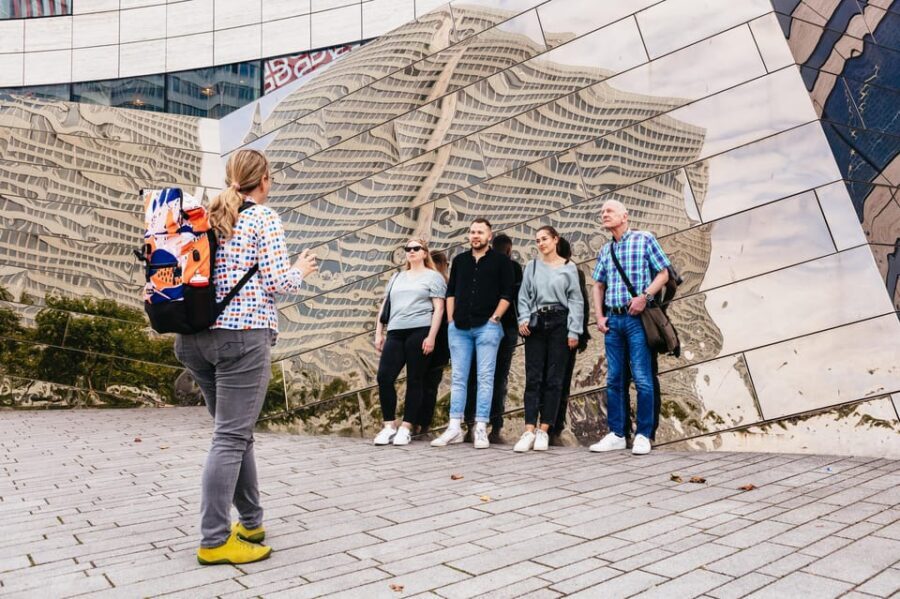
Königsallee is the part of Düsseldorf most people recognize fast. The value of a guided approach is that you stop treating it like a shopping boulevard and start reading it like an architectural statement.
This section of the tour focuses on modern icons and the design thinking behind them. You’ll pass the Kö-Bogen, tied to Daniel Libeskind, and you’ll also see the Schauspielhaus mentioned as part of the city’s architectural conversation. The guide’s job here is to translate big names into what you can actually observe with your eyes while you walk.
Expect plenty of photo chances. That’s not just for Instagram. It’s practical: you’ll want to look at façades from angles you can only manage while moving at walking speed, not from one stationary viewpoint.
Kö-Bogen and Dreischeibenhaus: The “Look Closer” Segment
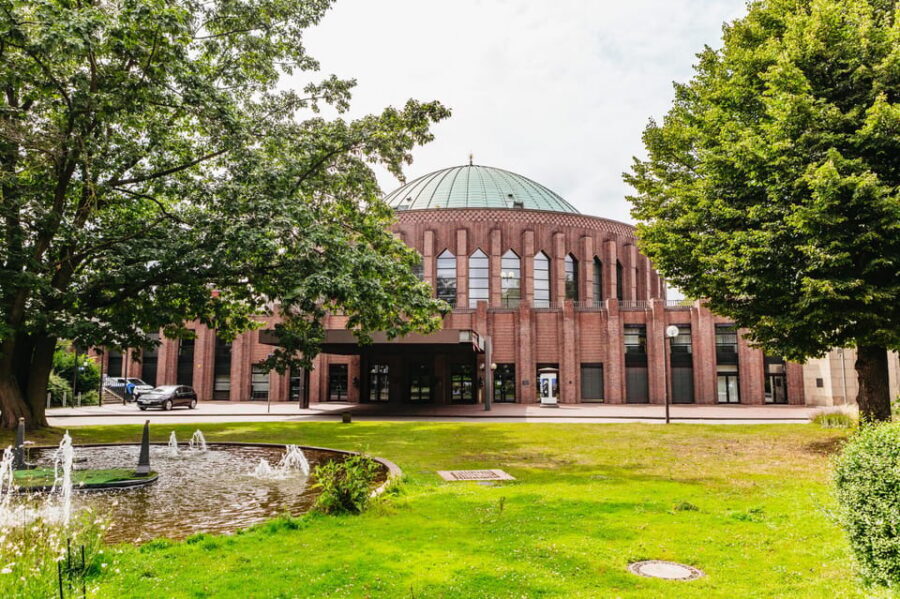
The route includes a pass-by of Kö-Bogen and the Dreischeibenhaus, one of the standout structures on this side of town. The Dreischeibenhaus is called out as 96 meters high, which helps you keep scale in your head while the guide explains how the building fits into the skyline and street rhythm.
When you’re standing in the right place, a guide can point out how design choices create different moods. For example: where the lines feel sharp or controlled, how the building edges relate to sidewalks and neighboring structures, and what the architecture is trying to communicate about modern Düsseldorf.
One thing I particularly appreciate about this segment: it’s not only about praising famous architecture. The tour frames buildings within broader patterns—who had the influence, what ideas were in the air, and how design decisions landed on the ground.
Old Town (Altstadt): Learning the Stories Behind Familiar Facades
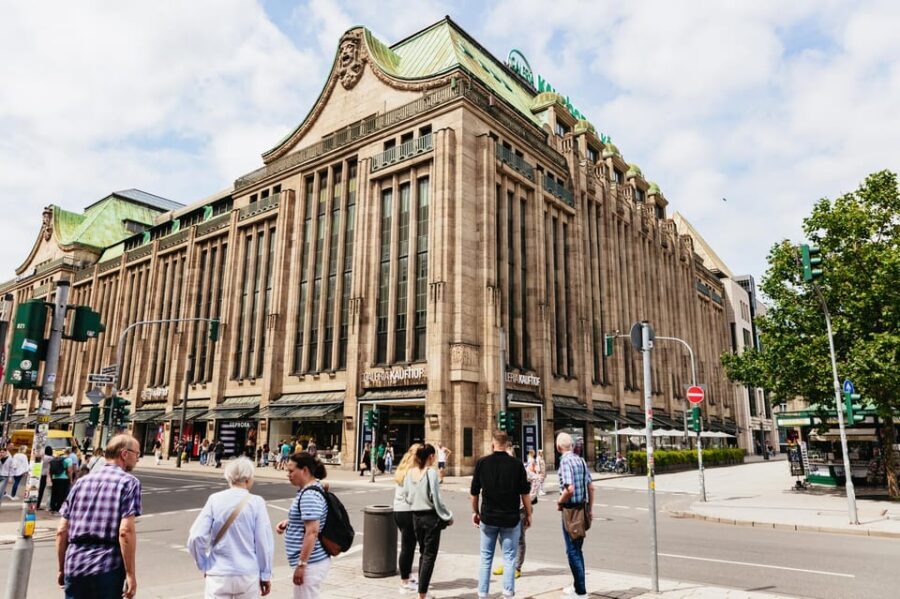
After Königsallee, you step into the Altstadt. This is where a guided walk really earns its keep. From street level, façades can look like a collection of decorative layers. With a guide, you start to understand them as choices made by specific eras, patrons, and builders responding to the city’s needs.
The tour’s Old Town portion is described as a walk that keeps building the narrative. You’re not only collecting facts. You’re practicing a skill: seeing how architecture reflects the social and economic logic of its time.
If you like photos, this is also a strong time for them, because older streets tend to reward small viewpoint changes. Just remember: the point isn’t to rush to a “perfect shot.” The point is to pause long enough to understand what you’re photographing.
You can also read our reviews of more guided tours in Dusseldorf





Ehrenhof: Ending Where the Meaning Concentrates
The tour ends at Ehrenhof (with drop-off at Ehrenhof, 40479 Düsseldorf). This finale makes sense because Ehrenhof is tied to how Düsseldorf presents itself as a cultural and design-aware city. You’ll leave with a clearer idea of what ties these districts together, even when styles and eras shift.
By the time you reach Ehrenhof, you’ve already seen the modern stretch along Königsallee and the older streets of the Altstadt. The guide’s framing helps you notice patterns instead of treating each stop like a separate sightseeing episode.
This is also an area where your photos will look better because you’re no longer photographing your way around a list. You’re photographing with context—now the buildings mean something beyond their appearance.
The Architects Named on This Tour: Why Seeing Names Helps You See Buildings

One of the best features here is how the tour uses specific designer names. You’ll hear about Wilhelm Kreis, Daniel Libeskind, Karl Friedrich Schinkel, Bernhard Pfau, and Helmut Hentrich. That list matters because it turns architecture from vague style labels into a set of people who made decisions with real consequences.
You’ll also learn that Düsseldorf can show Expressionism from the 1920s and Brutalism within just a few square kilometers. That proximity is part of what makes the walk compelling: you’re not traveling across the city to experience “a variety.” You’re experiencing how one city holds competing design philosophies close enough to compare.
One review note sums up the effect well: the guide had so many stories and layers that the tour felt like more than a normal 2-hour stroll. That’s what this architect-focused approach does when it works well. It makes you see your surroundings as a designed system, not random buildings.
The City Museum Stop at Bergerallee 2: The Helpful Break
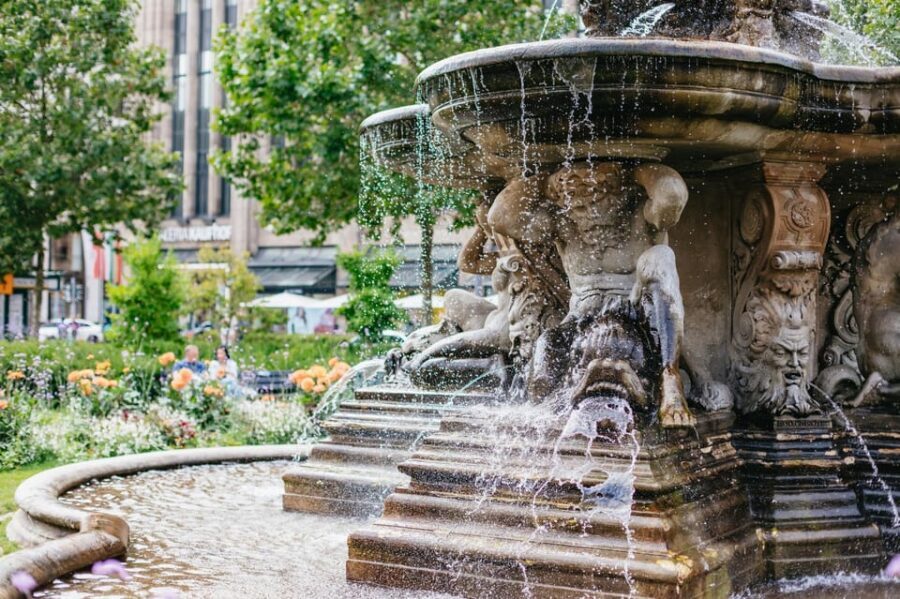
The tour includes entry to the City Museum at Bergerallee 2. That’s a smart piece of design for a walking tour. Once you’ve spent time outdoors reading façades, you’ll want a moment to reset and connect the building details to a bigger explanation.
Even if you don’t know what’s inside yet, the logic is simple: architecture looks different up close, but understanding why it was built often takes more than street-level observation. The indoor stop can do that work without dragging the tour into a long museum day.
Practical note: because this is included, you’ll likely feel like you’re completing a thought rather than only performing a “look and walk” circuit.
Pace, Questions, and the Dietmar Schönhoff Factor
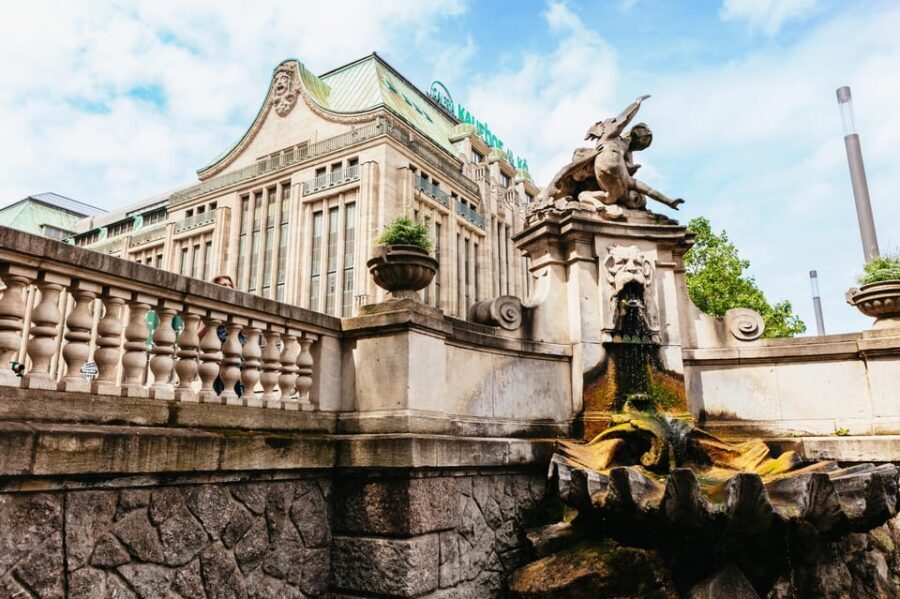
The tour is led by a live guide in German. That’s a key detail. If your German is solid enough to follow explanations and ask questions, you’ll get more from every stop. If not, you might still enjoy the buildings, but you’ll likely miss some of the storytelling.
On the positive side, reviews point to guides like Herrn Dietmar Schönhoff as especially strong. People highlighted his extensive knowledge, the way he answered questions without hesitation, and how he mixed architectural explanations with humor and anecdotes. When the guide does this well, the tour becomes less like a lecture and more like a conversation you happen to walk through.
One balanced caution: the tour can feel intense if you’re not in the mood for details. One review suggested you need a decent appetite for information and a quick walking rhythm. If you prefer slow pacing and minimal talking, you may want to choose a different kind of tour.
Price and Value: Is $23 Reasonable for 2 Hours?
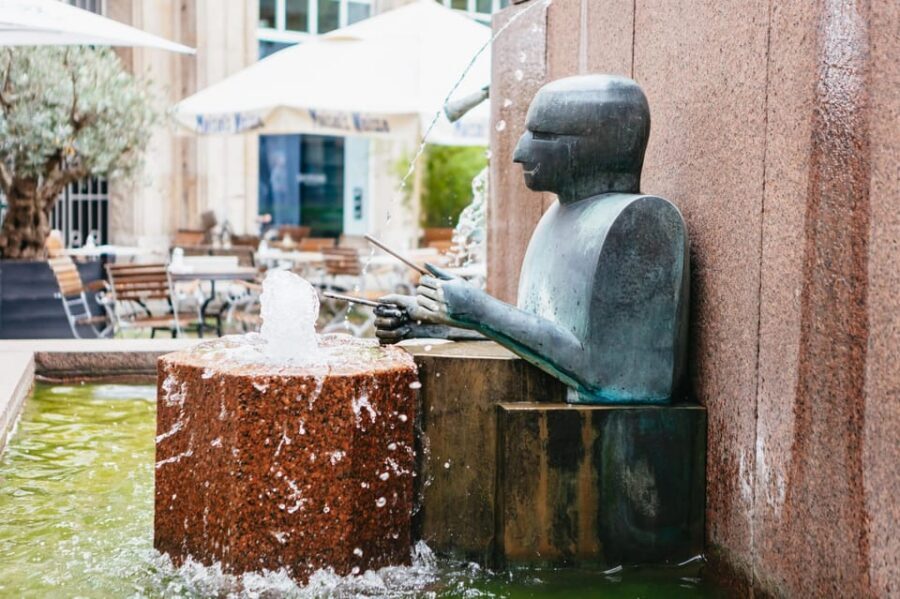
At $23 per person for about 2 hours, this is priced like an efficient, focused experience. The best value angle is that you’re getting more than a guide. You also get entry to the City Museum included, which reduces the need to plan and pay separately for that component.
You’re also paying for interpretation. Buildings are easy to see, but it’s harder to understand what you’re seeing without a guide to connect names, styles, and context. With architecture tours, that interpretive layer is usually where the money goes—and where the experience either feels meaningful or just passable.
If you like walking tours and you enjoy architecture (even as a casual fan), this sits in a sweet spot: long enough to matter, short enough to fit into a day.
Shared Group vs Private Tour: Choose Your Comfort Level
You can choose between a shared group and a private guided walking tour. That choice affects how you experience the route.
A shared group often works best when you’re happy to keep moving and listen while others ask questions too. A private tour is better if you want your own pace, more back-and-forth, or you want the guide to focus on what you’re most curious about—say, the contrast between styles or the reasoning behind specific landmark features.
Given that the guide’s value is partly how well they handle questions and add context, private can be a smart upgrade if you’re traveling with family or someone who wants a quieter, tailored experience.
Practical Tips So You Don’t Get Left Behind
This is a walking tour with multiple pass-by stops, so you’ll enjoy it more if you come prepared.
Wear comfortable shoes. There’s no mention of a sit-down heavy itinerary, so expect standing, looking up, and moving between viewpoint angles. Bring a camera if you like architecture photos, because the route is designed with photo stops in mind.
If German is your main concern, decide how you’ll handle it before you start. If you can follow most explanations, you’ll likely leave with a strong sense of what you just learned. If German is only basic, try to at least grab the key building names and style terms as you go.
Also, set your expectations: this is not just a “pretty buildings” walk. It’s an explanation-forward tour, and it rewards curiosity.
When This Tour Might Not Be Your Best Fit
This tour is a great match if you want stories behind recognizable Düsseldorf landmarks and you enjoy connecting architecture to people and eras. It’s less ideal if you want a casual stroll with minimal explanation.
It may also be frustrating if you need English narration, since the tour language is German. And because the walk can feel brisk, it’s not the easiest option if you’re expecting long stops or relaxed pacing.
One more small risk to keep in mind: on at least one booking, the tour didn’t run due to illness and the group waited at the meeting point. I’d plan like a grown-up—arrive early, and if anything seems off, use the provider’s contact method quickly rather than waiting.
Should You Book the Düsseldorf Architecture Walking Tour?
If you’re the kind of traveler who looks at buildings and wonders why they look that way, this tour is an easy yes. You’ll get Königsallee landmarks, a practical look at modern icons like Kö-Bogen and the Dreischeibenhaus, and a guided connection into the Old Town and Ehrenhof. The inclusion of City Museum entry at Bergerallee 2 adds weight without turning your day into a long museum schedule.
Book it if you want a compact, high-impact way to see Düsseldorf architecture as a story: designers, styles, and the city’s choices across time. Skip it if you want a low-effort sightseeing lap, if German narration is a dealbreaker, or if you prefer tours that slow down for deep personal time at each site.
FAQ
FAQ
How long is the Düsseldorf architecture walking tour?
The tour lasts 2 hours.
What is the price per person?
The price is $23 per person.
Where do I meet the guide?
You meet at Mannesmannufer 2. There are also three starting-location options listed: Alter Stahlhof, Mannesmannufer 2, and Breite Str. 69.
What areas of Düsseldorf does the tour cover?
It covers Königsallee, the Old Town (Altstadt), and ends at Ehrenhof.
Which landmarks are included along the route?
You’ll pass by Kö-Bogen, the Dreischeibenhaus, and you’ll also visit the area around the Schauspielhaus as part of the Königsallee focus.
Where does the tour end?
The tour drops off at Ehrenhof (40479 Düsseldorf).
What’s included besides the guide?
The tour includes walking guidance, a live guide, and entry to the City Museum at Bergerallee 2.
What language is the tour guide speaking?
The live tour guide speaks German.
Is there an option for a private tour?
Yes, you can choose between a shared group or a private guided walking tour.
What is the cancellation policy?
You can cancel up to 24 hours in advance for a full refund.