REVIEW · MUNICH
CITY QUEST Munich: reveal the secrets of this city!
Book on Viator →Operated by Just Escape Your City · Bookable on Viator
Solve Munich by puzzle, not by notes. This City Quest turns central Munich into a smartphone-powered treasure hunt with codes, quick facts, and lots of walking. You’re not just sightseeing—you’re playing your way through the city’s sights and history.
I especially like the way it keeps you moving at your own rhythm. The whole thing works like a relaxed orientation game: stop when you want, think with your team, then walk to the next clue. You also get a map with best places in town, which makes the adventure feel grounded, not random.
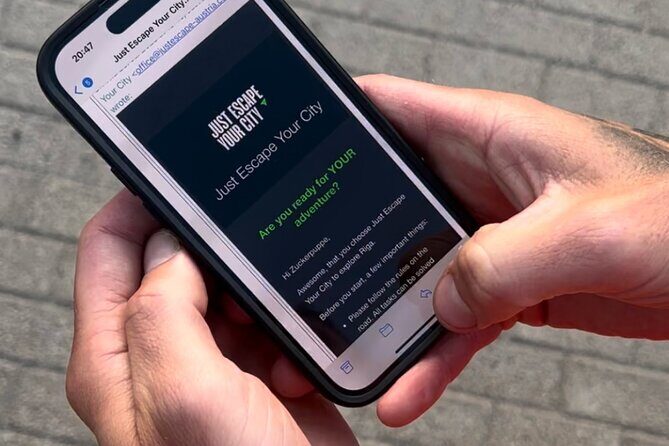
One consideration: you rely on the materials sent to you by email. If you miss the message (or it lands in spam), you might feel stuck before you start. And since a live guide isn’t included, it’s best for people who enjoy figuring things out together.
In This Review
- City Quest highlights you will actually use
- Starting at Karlsplatz: where your Munich quest begins
- How the smartphone puzzle hunt works in plain terms
- The 2.5-hour flow: what happens at each stage
- Stage 1: Get oriented near the start
- Stage 2: Work through puzzles tied to sights
- Stage 3: When the group gets challenged
- Stage 4: Finish back at Karlsplatz and get your summary
- Price and value: $33.74 per group up to 6
- Getting real learning without a live guide
- Timing it with your Munich day: when it feels best
- Who should book this City Quest, and who might not
- Common hiccups to plan for before you start
- Should you book City Quest Munich
- FAQ
- Where is the City Quest Munich meeting point?
- How long does the experience take?
- How much does City Quest Munich cost?
- Do I need a smartphone?
- Is this a guided tour with a live guide?
- Is it a private experience?
- Are service animals allowed?
- Can I cancel and get a refund?
City Quest highlights you will actually use

- Smartphone-only play: puzzles and clues feed you the experience without needing a guide in front of you
- Codes + fun facts: every step mixes problem-solving with quick city context
- Small private group: priced per group up to 6, so you can keep teamwork tight
- Map included: you get a practical guide to the route and top spots
- Central start and finish: begins and ends back at Karlsplatz, 80, Munich
Starting at Karlsplatz: where your Munich quest begins
Your quest kicks off at Karlsplatz, 80, Munich, and you’ll wrap up back at the same meeting point. That simple loop matters more than it sounds. You don’t need to “finish somewhere else” and then stitch together transit plans—your day stays tidy.
The experience is private, so only your group participates. With a group size cap of up to 6, it’s designed for teamwork rather than crowd management. If you like talking through clues, splitting tasks, and keeping momentum as a unit, this format fits.
You’ll want your smartphone ready before you arrive. The quest is built to run on a phone, and it’s the tool that keeps you moving through the puzzle sequence. Also, double-check that you can access whatever confirmation or quest content you receive at booking time—confirmation is sent when you book.
One more practical note: the start window runs very wide (early morning to late night). So you can pick the time that matches your energy level and the rest of your day. Just don’t leave it so late that you’re too tired to think.
You can also read our reviews of more city tours in Munich



How the smartphone puzzle hunt works in plain terms
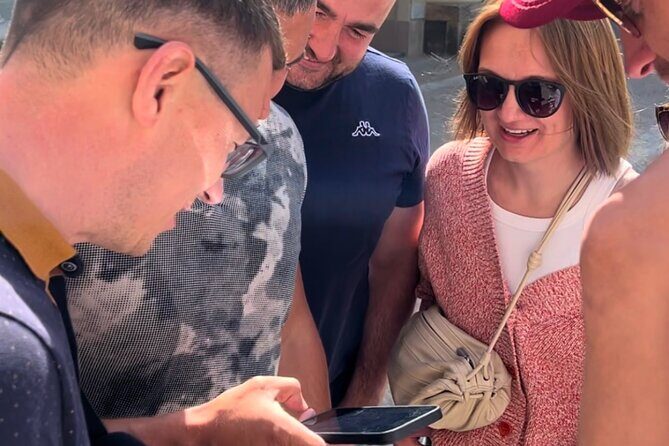
Think of this as three things blended together: a treasure hunt, an orientation game, and a self-guided tour. Instead of following a lecture, you solve puzzles, crack codes, and learn small facts along the way.
Here’s what you’ll notice right away:
- There are mystery-style tasks that require attention and teamwork
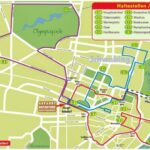
- You follow a path using a map included with the experience
- You get city info in short, digestible bites tied to what you’re seeing
That combination is the secret sauce. A normal walking tour can be passive: you listen, you nod, you forget. A quest flips that. You remember because you had to work for it. Even when you’re just stuck on a clue for a minute, you’re still paying attention to your surroundings.
You’ll probably spend a lot of time laughing, arguing in a friendly way, and comparing guesses. That’s not an optional part of the design—it’s basically built into the format. When clues click, the pace often speeds up because your group starts to think like a team.
The experience also ends with a summary of your adventure. It won’t replace a deep museum visit, but it helps you “land the plane,” so the route and facts don’t blur together later.
The 2.5-hour flow: what happens at each stage

The full experience is about 2 hours 30 minutes, give or take. Since the route is puzzle-driven, you’ll feel the timing as a sequence of checkpoints rather than a strict schedule with named attractions.
Stage 1: Get oriented near the start
You begin at Karlsplatz and immediately shift into game mode. Expect early clues to set the tone: where you need to go next, what kind of problem you’ll solve, and how your group should communicate while playing. This first stage is usually where you learn the rhythm—check the map, scan for the needed info, and move together.
If your group is new to quests, I’d treat this first stretch as a warm-up. Don’t get frustrated if your first code takes a minute. Once you get used to the format, the rest becomes smoother.
Stage 2: Work through puzzles tied to sights
As you move along the route, each checkpoint blends location and learning. You’ll solve puzzles and codes while picking up fun facts about Munich’s sights and history. The goal isn’t just trivia—it’s making those facts matter by linking them to something you physically walked to.
The nice part is pacing. You aren’t forced to keep up with a guide’s cadence. You can slow down when a clue needs thought, then pick up when it’s solved. This is where the “orientation game” feeling kicks in.
A drawback: because there’s no included guide, you’re responsible for staying on track. If someone in your group rushes ahead without checking the clue steps, you can waste time later retracing your thinking. I find it works best when one person reads the clue carefully while others look for what the puzzle is pointing at.





Stage 3: When the group gets challenged
Some parts can feel genuinely challenging, which is a plus for groups that like mental workout time. The most enjoyable moments tend to be the ones where you’re stuck for a bit, then suddenly connect the dots. That’s also when you learn the most, because you’ve created a memory hook through effort.
This is also where group dynamics matter. If you have mixed ages or different comfort levels with puzzles, assign roles. One person can focus on the clue, another on navigation, and another on scanning the surroundings. You’ll keep the mood positive.
Stage 4: Finish back at Karlsplatz and get your summary
You end back at the meeting point. That close-the-loop ending helps a lot—no “last tram ride” scramble. After you complete the final steps, you receive a summary of your adventure, which is useful for remembering what you just did and what you learned.
If you plan to continue exploring afterward, that summary can act like a quick recap you can build on—especially if you want to return to one of the places later on your own.
Price and value: $33.74 per group up to 6

At $33.74 per group (up to 6), the value depends on how full your group is. If you bring 6 people, that’s about $5.62 per person—hard to beat for 2.5 hours of active exploring with included puzzles and a map.
Even with fewer people, it can still be fair because you’re paying for a complete city-game package: puzzles, codes, and built-in facts. You’re also getting a private setup, so it doesn’t feel like you’re renting a crowded experience.
Here’s the practical way to decide:
- If you’re a family or a friend group that enjoys games, it’s a strong deal.
- If you want a traditional guided lecture, you may feel like you’re doing “work” instead of just touring.
- If you’re traveling solo or as a duo, the price is still workable, but it’s better if you actually like solving clues together.
One more value tip: the quest tends to reward planning. It’s usually booked about 6 days in advance on average, so if you know your travel dates, lock it in early enough that you’re not choosing from whatever time slots are left.
Getting real learning without a live guide

This quest doesn’t promise a deep historical lecture. What it does offer is fast, usable understanding of Munich’s sights and history—delivered inside the game so you remember it.
You’ll be learning in two ways:
- Through the facts built into the clues
- Through context from the route and the sights you stop at
Because it’s self-guided, it works best if you like autonomy. You’re the one deciding how long to linger, how fast to move, and when to replay your thinking. For some travelers, that’s exactly what makes it better than a standard tour.
But if you’re the type who loves asking questions to a person on the spot, note this: a guide is not included. The format is designed for puzzle-solving and self-direction, not real-time expert explanations.
Still, you’re not totally on your own. The experience includes a map with the best places in town, which helps you stay oriented even when the game gets tricky.
Timing it with your Munich day: when it feels best

With a duration of about 2 hours 30 minutes, this fits nicely between a morning activity and an afternoon meal—or as a pre-dinner warm-up. Since the available hours run from 4:00 AM to 11:30 PM, you can usually find a start time that matches your energy.
If you prefer cooler conditions for walking, choose a time earlier in the day. If you want a more relaxed mental pace, aim for daylight when you can scan clue details comfortably.
Also, the experience starts and ends at Karlsplatz, which is a convenient anchor point for building the rest of your route around it. You can plan to grab food nearby afterward without adding long transit legs.
One more timing thought: puzzles often take longer at the beginning because you’re learning the method. If you start right before another timed plan, you’ll feel rushed when you’re still figuring out the clue format.
Who should book this City Quest, and who might not
I’d recommend this to:
- Families and friend groups who enjoy team problem-solving
- Travelers who like learning through doing, not just listening
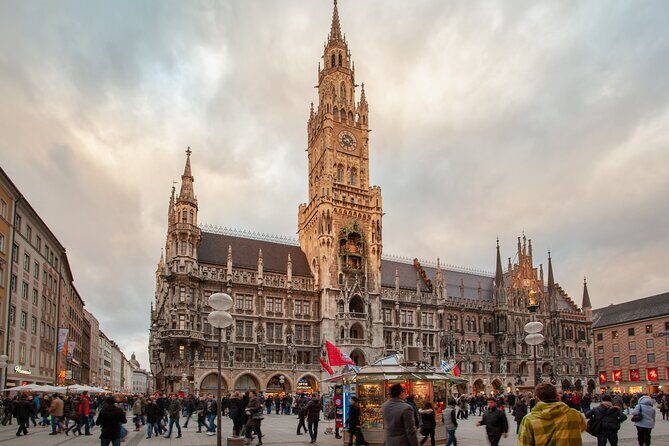
- Visitors who want an easy way to get oriented around central Munich without committing to a long guided tour
I’d be more cautious if:
- You strongly prefer a live guide and Q&A
- Your smartphone battery is unreliable, or your group hates tech-based tasks
- You’re looking for a low-effort walk with minimal thinking
The quest format can feel playful and surprisingly “adventure-like” when everyone leans into it. It also can be a fun way to break up a travel day when your brain needs something different than museums and monuments.
Common hiccups to plan for before you start

The most important pre-quest move is simple: make sure you receive the materials sent to you by email. If the information ends up in spam, you can miss the setup and feel stuck. If anything looks missing, check your spam folder and confirm you’re using the email address from booking.
Support from the provider team can help if you hit snags, and they explicitly note that the quest delivery can sometimes land in spam. So treat email check as part of your travel prep, not an afterthought.
Also, since the experience runs on your smartphone, bring a charger strategy. Even if the quest doesn’t require extra apps beyond what you already use, gameplay still takes time, screen brightness, and navigation.
Finally, because it’s non-refundable and can’t be changed for any reason, I’d only book if you’re confident your timing will work. This is a game you want to start ready, not reschedule under stress.
Should you book City Quest Munich
Book it if you want a fun, active way to learn Munich without the rigidity of a traditional guided tour. At $33.74 per group, it’s especially good value for groups up to 6, and the mix of puzzles, codes, and city facts tends to create real shared memories.
Skip it (or rethink it) if you want a guide-led experience or you don’t want any tech dependence. This is for travelers who like to solve, walk, and collaborate.
If you do book, do one extra thing: check your email immediately after booking, including spam. That one step can save you a lot of frustration before you ever reach Karlsplatz.
FAQ
Where is the City Quest Munich meeting point?
The tour starts at Karlsplatz, 80, München, Germany, and it ends back at the same meeting point.
How long does the experience take?
It takes about 2 hours 30 minutes.
How much does City Quest Munich cost?
It costs $33.74 per group, up to 6 people.
Do I need a smartphone?
Yes. You need a smartphone to participate.
Is this a guided tour with a live guide?
No guide is included. The experience is self-guided with puzzles and a map.
Is it a private experience?
Yes. It’s a private tour/activity, and only your group participates.
Are service animals allowed?
Yes, service animals are allowed.
Can I cancel and get a refund?
No. The experience is non-refundable and cannot be changed for any reason.