REVIEW · BREMEN
Bremen: Kunsthalle Bremen admission ticket
Book on GetYourGuide →Operated by Kunsthalle Bremen · Bookable on GetYourGuide
A walk through Kunsthalle Bremen feels like time travel with great shoes. I love the sheer sweep of art from the Renaissance era to today—700 years under one roof—and I’m especially drawn to the stand-out media work, including Pipilotti Rist’s pixel forest artwork. One thing to consider: this is a big museum, so if you only have a casual pace, you may want to pick your must-see rooms first instead of trying to see everything.
Kunsthalle Bremen is also special because it’s supported by the private Kunstverein in Bremen, which still plays a role in the museum’s life, with 10,000-plus members tied to the region. Add in thoughtful themed rooms on topics like war and colonialism, plus a serious focus on French and German Impressionists, and you get a museum visit that’s both accessible and thought-provoking.
In This Review
- Key highlights at a glance
- What you’re really buying with your Kunsthalle Bremen ticket
- Arriving at Kunsthalle Bremen: an art museum with roots in the city
- The Remix exhibition idea: old art meeting new questions
- A quick note on the themed rooms
- Pipilotti Rist and the pixel forest you shouldn’t skip
- French and German Impressionism: why Bremen matters
- Worpswede and Paula Modersohn-Becker
- Expressionism to modern movements: where the museum gets brave
- Media art installations: John Cage, Nam June Paik, James Turrell
- The Kupferstichkabinett: the atmospheric Art Nouveau room for paper lovers
- How to not get overwhelmed
- Thematic rooms: war, nature, colonialism, globalization (and why it’s useful)
- Special exhibitions and the museum shop plan
- How to structure your day (so you don’t miss what matters)
- Option A: art history lover route
- Option B: ideas-first route (themed rooms)
- Option C: works-on-paper deep look
- Value check: is $14 a fair deal for what you get?
- A smart extra: Artsurfer for planning context
- Practicalities that affect your comfort
- Should you book the Kunsthalle Bremen admission ticket?
- FAQ
- How long is the Kunsthalle Bremen admission ticket valid?
- What is included with the ticket?
- What’s the price per person?
- Is this museum wheelchair accessible?
- Are there any language considerations?
- Is there a free way to get more info before or during your visit?
- Can I cancel if my plans change?
- Is the museum shop open on weekends?
Key highlights at a glance

- Pipilotti Rist’s Pixelwald Wisera for a mind-bending, pixelated forest experience
- Themed rooms on faith, war, nature, world trade, colonialism, and globalization
- French and German Impressionism focus, including early support for Manet, Monet, and van Gogh
- Media art installations linked to names like Nam June Paik, John Cage, and James Turrell
- Kupferstichkabinett art-on-paper room with 200,000+ hand drawings and prints
What you’re really buying with your Kunsthalle Bremen ticket
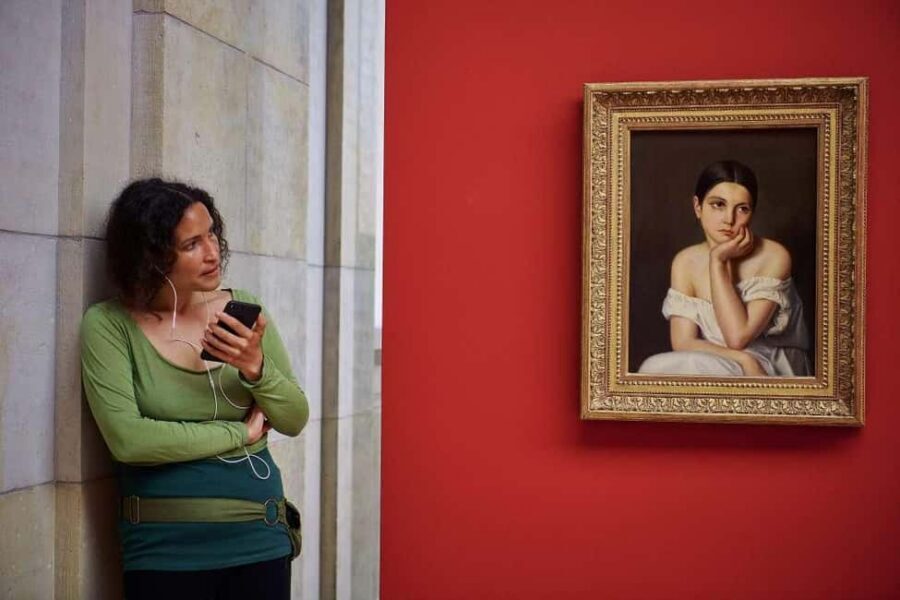
This is an admission ticket that lets you plan a focused one-day visit, not a timed guided experience. The ticket is valid for one day, and you can check availability for the starting time that fits your schedule. For $14 per person, the value comes from the museum’s range: you’re not paying to see one exhibit. You’re paying to access a whole art conversation that spans centuries.
I also like that the museum setup is built for exploration. Your eyes can move from major paintings to concept-heavy installations to works on paper, all within the same visit window. If you’re the kind of person who wants one ticket to cover a lot of different styles, this is a strong match.
A few more Bremen tours and experiences worth a look

Arriving at Kunsthalle Bremen: an art museum with roots in the city
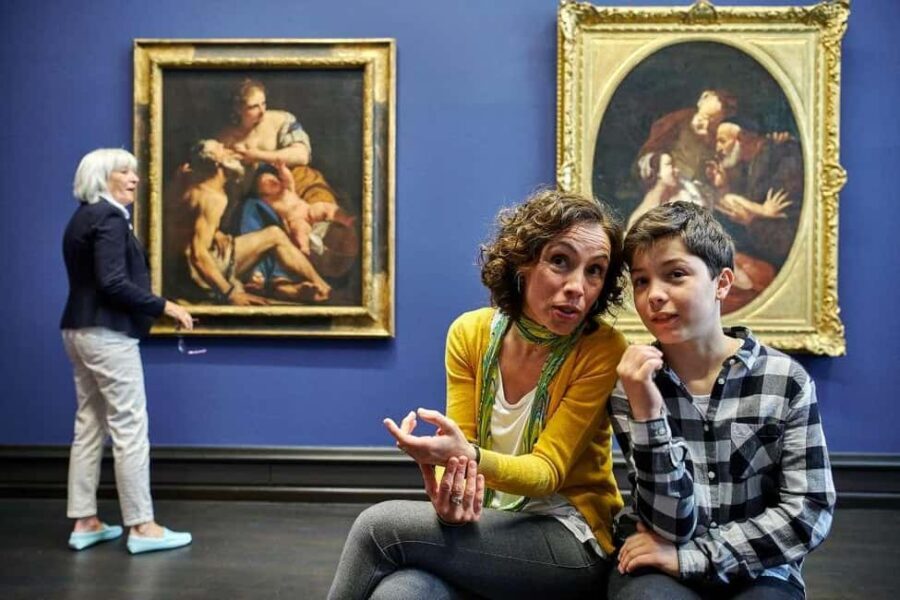
Kunsthalle Bremen was founded in 1823, and that age shows in the way the museum feels—established, not like a newcomer trying to prove itself. What’s unusual in Germany is the museum’s ongoing private support: the Kunstverein in Bremen still sponsors it, and the membership base of more than 10,000 people signals deep local investment.
That context matters for your visit. It helps explain why the museum can take risks with big ideas (like modern media art) while still valuing older European painting traditions. You’re seeing a collection shaped by time, not just by trend cycles.
The Remix exhibition idea: old art meeting new questions

The current framing is presented under the title Remix. The point is simple: you’re not stuck in one era. Instead, historical works are placed in conversation with contemporary pieces, and well-known names share space with artists you might not know yet.
For you, this creates an easy “route” mindset even without a formal itinerary. When you hit a gallery and notice a modern work nearby, you can treat it like a prompt: what changed, what stayed human, and how did artists keep asking the same big questions in different visual languages?
A quick note on the themed rooms
Beyond the main galleries, Kunsthalle Bremen includes rooms grouped by themes rather than strictly by time. You can expect topics like faith, war, nature, world trade, colonialism, and globalization. That structure is a good fit if you like context and ideas, not just aesthetics. It’s also a practical choice: you can decide whether today is your day for politics in art, religion in art, or how nature becomes a subject in multiple centuries.
Pipilotti Rist and the pixel forest you shouldn’t skip
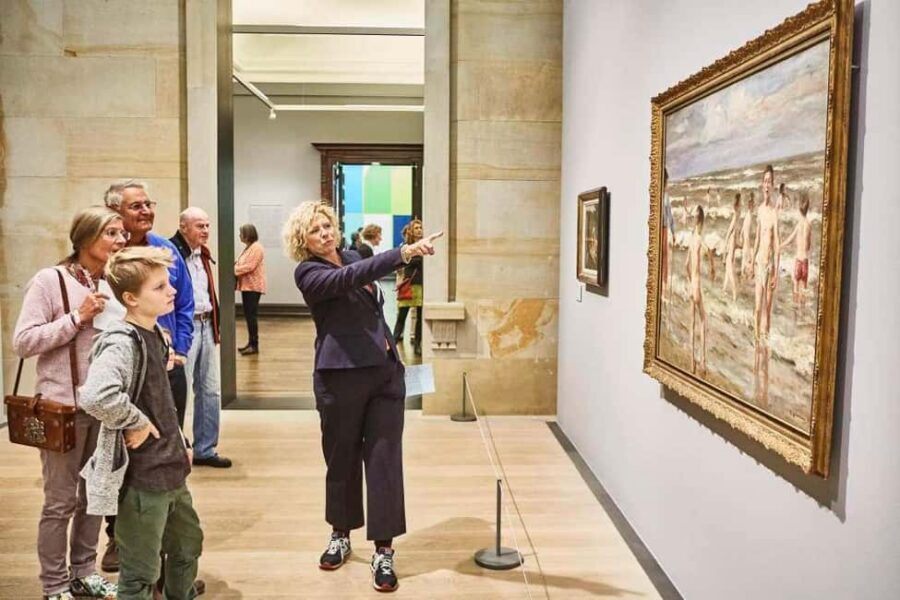
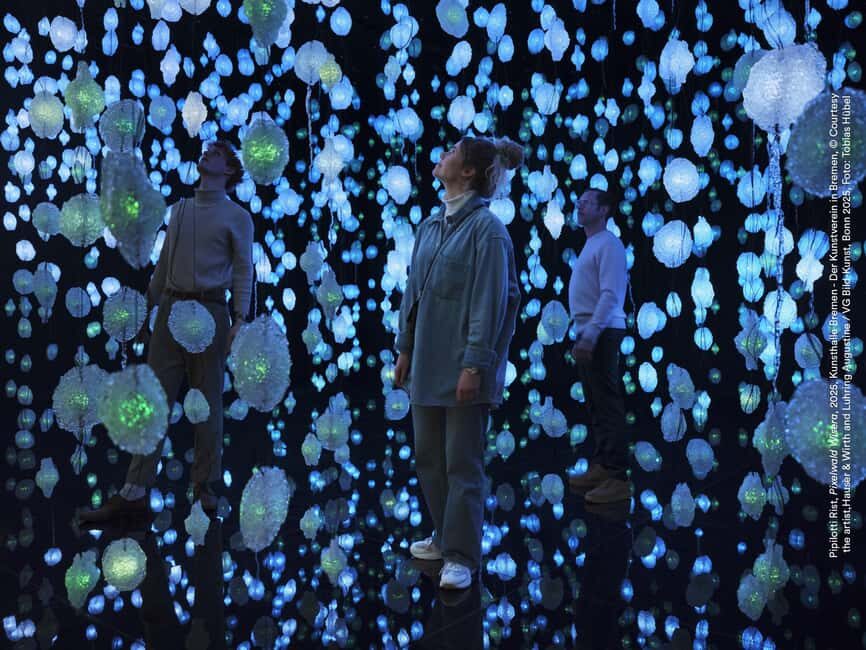
One of the headline experiences is Pixelwald Wisera by Pipilotti Rist. If you’ve ever felt that modern art can be too abstract to access, this kind of installation often changes the vibe. Instead of forcing you to decode, it invites you to react—through color, pattern, and a surreal sense of space.
What I like about this piece as a visitor is the pacing it creates. After you’ve spent time with older painting techniques—brushwork, careful composition, classic subject matter—this offers a different sensory logic. It’s a reminder that the museum isn’t only honoring the past. It’s also showing how today’s artists build environments.





French and German Impressionism: why Bremen matters
Kunsthalle Bremen has a strong spotlight on French and German Impressionist painting. Early on—at the beginning of the 20th century—it championed major Impressionist painters such as Manet, Monet, and van Gogh. It also acquired important works by Liebermann, Corinth, and Slevogt.
This matters for your planning. If Impressionism is your favorite style, you’ll likely find the museum efficient for your interests. Rather than bouncing randomly between eras, you can design your day around the painters and how their approaches shift—light, color, and modern subjects—across both French and German contexts.
Worpswede and Paula Modersohn-Becker
You’ll also find major representation from the Worpswede artists’ colony and a strong collection connected to Paula Modersohn-Becker. For many visitors, this is where the museum widens your taste. It’s still grounded in recognizable European painting traditions, but the themes and styles carry a different kind of intimacy—especially when compared to the most famous Paris names.
Expressionism to modern movements: where the museum gets brave

After Impressionism, the collection keeps moving into classical modernism, including expressionism and the work of Max Beckmann. Then it continues with later developments such as Informel and the Zero movement.
This is the moment in a museum visit where a lot of people either check out or lean in. My suggestion is to treat this section like a mood change. Don’t try to intellectually rank the whole collection. Instead, pick one or two modern works that grab you emotionally, then trace what you can: color shifts, form changes, and how artists handle meaning differently when realism isn’t the goal.
Media art installations: John Cage, Nam June Paik, James Turrell
Kunsthalle Bremen is known for fascinating media art installations by John Cage, Nam June Paik, and James Turrell. That trio gives you a quick sense of why the museum attracts repeat visitors: you’re not only looking at paintings. You’re experiencing sound-related art ideas, video or electronic art thinking, and light-based perception.
If you’re worried about technical art feeling cold, here’s how to approach it: focus on your body first. How does the space affect your attention? Do you feel time shifting? Even if you don’t fully “get” the references, media art often succeeds when you stay present.
The Kupferstichkabinett: the atmospheric Art Nouveau room for paper lovers
One of the most special parts of the museum is the Kupferstichkabinett, described as an atmospheric Art Nouveau room. It holds over 200,000 hand drawings and prints, and it’s one of Europe’s largest collections of works on paper.
If you like details, this is a big win. Paper works often reward slower looking: line quality, engraving or drawing technique, and the way artists used studies to refine ideas. And because the cabinet covers a huge range—from Dürer’s watercolors and Baroque drawings to extensive collections by Toulouse-Lautrec, Picasso, computer graphics, and Japanese woodcuts—you can jump between worlds quickly.
How to not get overwhelmed
This is your practical tip. If you only have a day, don’t plan to absorb everything. Pick one thread:
- Old master line work (Dürer and Baroque)
- Printmaking and figure drawing energy (Toulouse-Lautrec, Picasso)
- Cross-cultural graphic traditions (Japanese woodcuts)
Then, if you still have time, add a second thread.
Thematic rooms: war, nature, colonialism, globalization (and why it’s useful)
The themed rooms aren’t just labels. They’re a way to make centuries feel connected. When you walk through sections focusing on war, you see how artists responded to conflict across eras, not only as news but as human experience. In the nature room, you can compare what “nature” means when the scientific mindset grows, and when artists turn landscapes into symbol.
The rooms on colonialism and globalization are especially relevant if you want your museum visit to help you think about today. You don’t have to agree with every message to benefit. The value is that the museum puts these questions in front of you visually, across multiple art forms and time periods.
Special exhibitions and the museum shop plan
Kunsthalle Bremen also offers a varied program of special exhibitions, including acclaimed shows dedicated to important artists—from Impressionism to newer art production. Since these change, the best approach is simple: check what’s on when you go and decide whether you want your day shaped around the temporary exhibit or keep your focus on the core collection.
Don’t forget the museum shop either. It’s a nice, practical stop if you want something tangible: prints, books, and art-related items. The shop is also open on weekends, which matters if your schedule doesn’t align with weekday hours.
How to structure your day (so you don’t miss what matters)
You’ll only have one day, so your main job is decision-making. Here’s a practical way to shape your visit without rushing.
Option A: art history lover route
Start with a broad historical gallery section to ground yourself in the “Remix” idea. Then move into the Impressionism areas and follow through into modernism (expressionism and Max Beckmann). Close with one media art installation if your energy is still high.
Option B: ideas-first route (themed rooms)
Begin with the thematic rooms—faith, war, nature, trade, colonialism, globalization—because those set your interpretive lens. Then go to the periods and works that help you support or challenge what you noticed in those rooms. Finish with a media art stop like Pipilotti Rist’s pixel forest to shift your brain back into sensory mode.
Option C: works-on-paper deep look
If you love art details, spend serious time in the Kupferstichkabinett. After that, choose one painting-focused segment (Impressionism or another era you like) to keep your day balanced. This is the option for visitors who enjoy looking more slowly than average.
Value check: is $14 a fair deal for what you get?
$14 is a low price for a museum that covers centuries and multiple art formats. You’re not paying only for one attraction like a single installation; you’re accessing the broader collection, including Impressionism, modern art movements, media art, and the major art-on-paper cabinet.
If your goal is a full cultural day in one place, this ticket makes sense. If your goal is only one specific work, you might compare your options—but given the museum’s range, Kunsthalle Bremen tends to reward people who can handle a self-guided itinerary.
A smart extra: Artsurfer for planning context
The museum experience also points you to Artsurfer (free of charge) for extra information: www.artsurfer.de. I like tools like this because they help you spend less time wondering what a work is trying to do and more time deciding what you personally want to linger on.
Use it as a light prep, not homework. Pick a few names or themes, then show up and let your eyes confirm what you’re interested in.
Practicalities that affect your comfort
Some content is shown in its original language, so if you rely on quick translations, plan to spend time reading labels rather than scanning. The ticket is wheelchair accessible, so mobility needs should be manageable based on the museum’s accessibility setup.
Also, remember that the museum is large enough that a day visit can feel either perfect or rushed—your pace is the variable. If you want the calm experience, choose fewer targets and look longer.
Should you book the Kunsthalle Bremen admission ticket?
Yes—if you want one day that can include everything from major painting traditions to modern media art and serious works on paper. This is a good value ticket because it doesn’t lock you into one style; Remix lets you connect eras through themes like war, nature, colonialism, and globalization.
If your ideal museum visit is short and very focused on a single time period, you may find it helpful to plan ahead and prioritize just a couple of sections. Otherwise, Kunsthalle Bremen is the kind of place where you’ll keep finding new entry points as you move room to room.
FAQ
How long is the Kunsthalle Bremen admission ticket valid?
It’s valid for 1 day. You’ll choose a starting time based on availability.
What is included with the ticket?
The admission ticket for the Bremen Kunsthalle.
What’s the price per person?
The price is listed as $14 per person.
Is this museum wheelchair accessible?
Yes, it is wheelchair accessible.
Are there any language considerations?
Some content is shown in its original language, so label reading and text context may require extra attention.
Is there a free way to get more info before or during your visit?
Yes. There’s a free Artsurfer resource at www.artsurfer.de.
Can I cancel if my plans change?
Free cancellation is available up to 24 hours in advance for a full refund.
Is the museum shop open on weekends?
Yes, the museum shop is open on weekends.