REVIEW · BREMEN
Bremen: Walking Tour of Historic Schnoor District
Book on GetYourGuide →Operated by Bremen Tour Guide · Bookable on GetYourGuide
Schnoor can feel like stepping into a storybook alley. In a compact 1-hour walk, you get a guided pass through Bremen’s most photo-friendly lanes, from medieval religious traces to some of the oldest preserved “civilian” buildings. I love how the route connects architecture to everyday life, not just pretty facades.
I also really like the range of building styles you notice as you go—redbrick Gothic, half-timbered structures, and later periods you can spot in the details. One small catch: this is an outside-view tour, so you won’t be going inside churches or private buildings.
If you want a long, slow wander with lots of entrances and sitting-down breaks, you might feel a bit limited. It’s best as a focused orientation and a chance to soak up the Schnoor atmosphere on foot.
In This Review
- Key moments worth timing your steps for
- Why Schnoor’s alleys work so well in 60 minutes
- Meeting at Die Glocke and getting oriented fast
- St. John’s Church and the Franciscan edge of Schnoor
- The “oldest profane buildings” stop: Brasilhaus and Packhaus Schnoor 2
- Half-timbered lanes near the Weser and the craft-shop stroll
- How the guide turns architecture into stories (and makes it fun)
- What you can’t expect: an inside tour or long stops
- Price and value: $14 for a focused Schnoor orientation
- Who this walking tour suits best
- Should you book this Schnoor walking tour?
- FAQ
- How long is the Bremen Schnoor walking tour?
- How much does the tour cost?
- Where do I meet the guide?
- What language are the tours guided in?
- Is this a private tour or a group tour?
- What is included in the price?
- Are buildings shown on the tour entered, or only viewed from outside?
- Is food or drinks included?
- Is the tour suitable for wheelchair users?
- What should I bring?
Key moments worth timing your steps for
- Die Glocke meeting point keeps it easy to find before you start wandering
- Schnoor’s earliest written roots go back to the 13th century
- St. John’s Church: 14th-century redbrick Gothic worth clocking from the outside
- Haus Schnoor 15 (Brasilhaus): a 15th-century “profane” landmark
- Packhaus Schnoor 2: another very old building you’ll recognize for its age
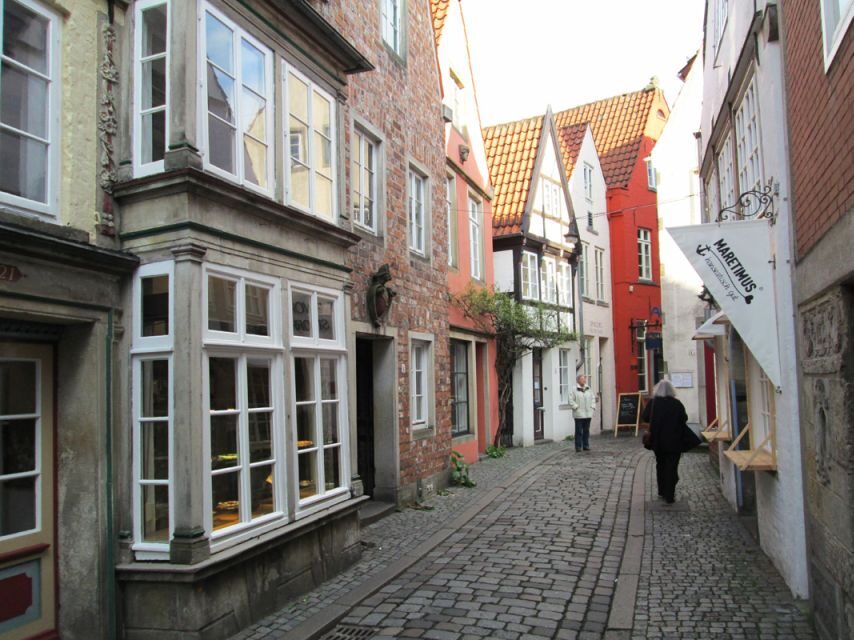
- Half-timbered houses near the Weser plus craft shops for a local browse
Why Schnoor’s alleys work so well in 60 minutes
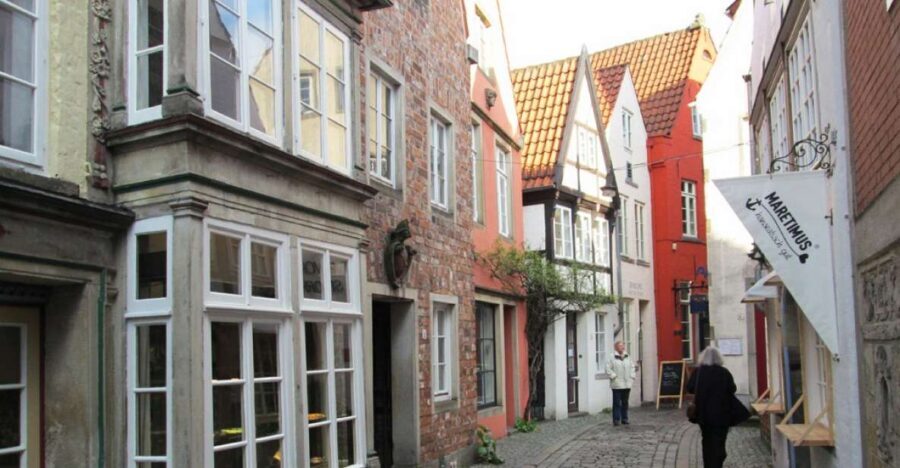
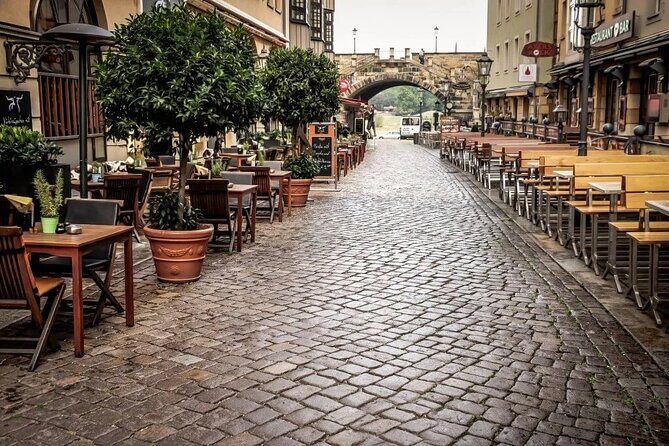
Schnoor is Bremen at its most walkable and most theatrical. The streets curve and narrow, and the buildings line up like they were arranged for a slow stroll—little houses close together, timber framing, and old brick tones that make the whole quarter feel cohesive.
What makes this tour especially satisfying is that it doesn’t treat Schnoor like just a postcard. You get the why behind what you see: the timeline of the district, the shift from medieval religious land use to later preserved residential and commercial buildings, and the way different centuries left their marks. That connection turns “pretty” into something you can actually remember.
And at $14 per person for about an hour, it’s the kind of experience that fits even tight itineraries. You’re not paying for a meal or a long bus ride—what you’re paying for is a guided walk that helps you notice what you’d miss on your own.
You can also read our reviews of more walking tours in Bremen


Meeting at Die Glocke and getting oriented fast
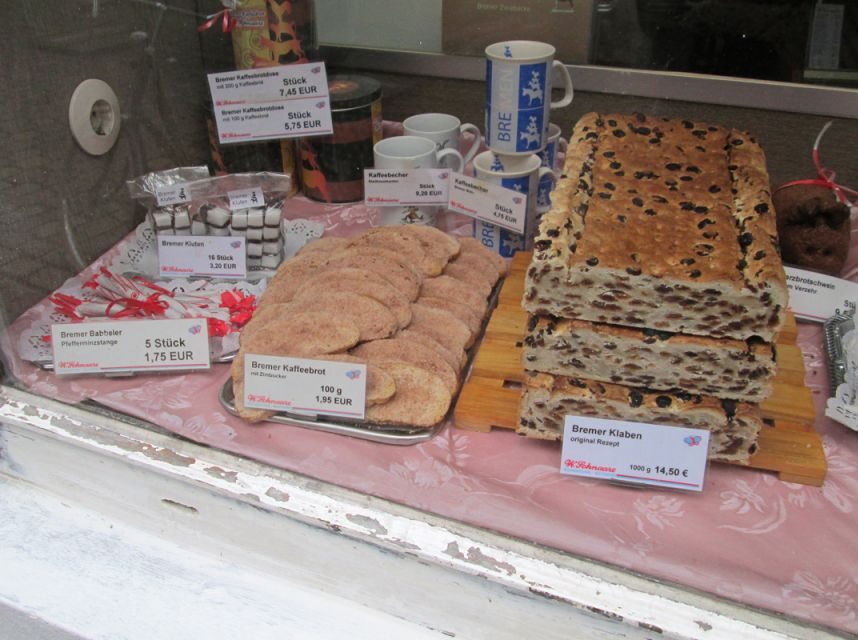
The tour starts in a simple, practical spot: in front of Die Glocke concert hall at Domsheide 6, Bremen. Your guide waits holding a sign that says Bremen Tour Guide, so you’re not stuck scanning faces.
In the first few minutes, you’ll get your bearings for the lanes ahead. That matters here because Schnoor can feel maze-like once you’re inside the tight streets. Having a guide early helps you stop treating it like a wandering photo chase and start treating it like a coherent route.
Also, keep your expectations realistic about the pacing. This is a brisk, focused walk where you’ll see the outside of key buildings. If you like to linger, plan a bit of extra time after the tour so you can return to the spots that grab you.
St. John’s Church and the Franciscan edge of Schnoor
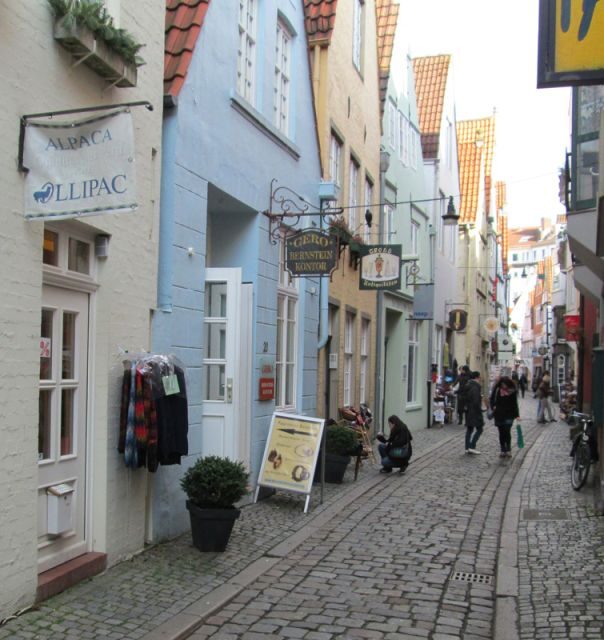
A good walk through Schnoor starts with the district’s origins. The area’s first-known written reference goes back to the 13th century, when a Franciscan monastery was built on the edge of what’s now the Schnoor district. Today, only the monastery church remains from that original monastic presence.
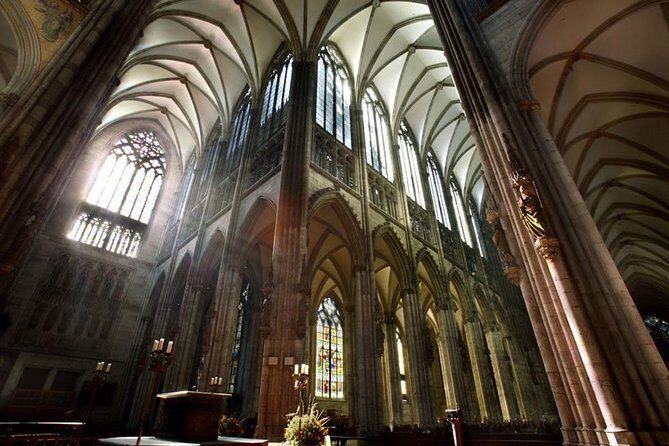
From there, the tour shifts to the Catholic side that followed. You’ll see the present St. John’s Church, built in the 14th century in a redbrick Gothic style. Even if you only view it from outside, the red brick and Gothic feel help you anchor the timeline. It’s the kind of building that makes you understand why Schnoor developed the way it did—religious institutions weren’t just landmarks; they shaped the surrounding land and flow of people.
It’s also a reminder that Schnoor isn’t only about charm and craft shops. It’s layered. The monastery-era influence lingers, then later styles and buildings take over as the district grows into a lived-in neighborhood.
The “oldest profane buildings” stop: Brasilhaus and Packhaus Schnoor 2
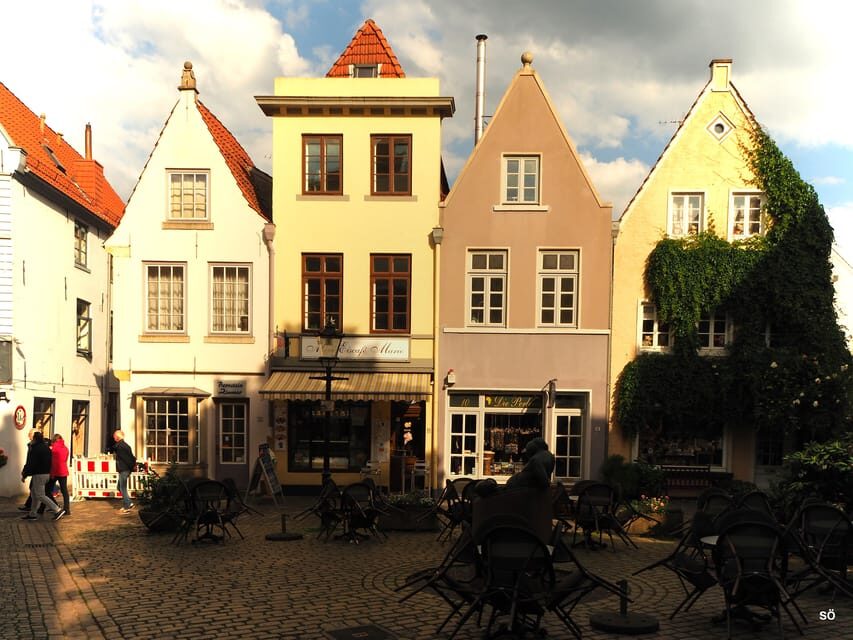
One reason Schnoor tours feel different from many European old-town walks is the emphasis on early civilian architecture—buildings that weren’t churches or monasteries.
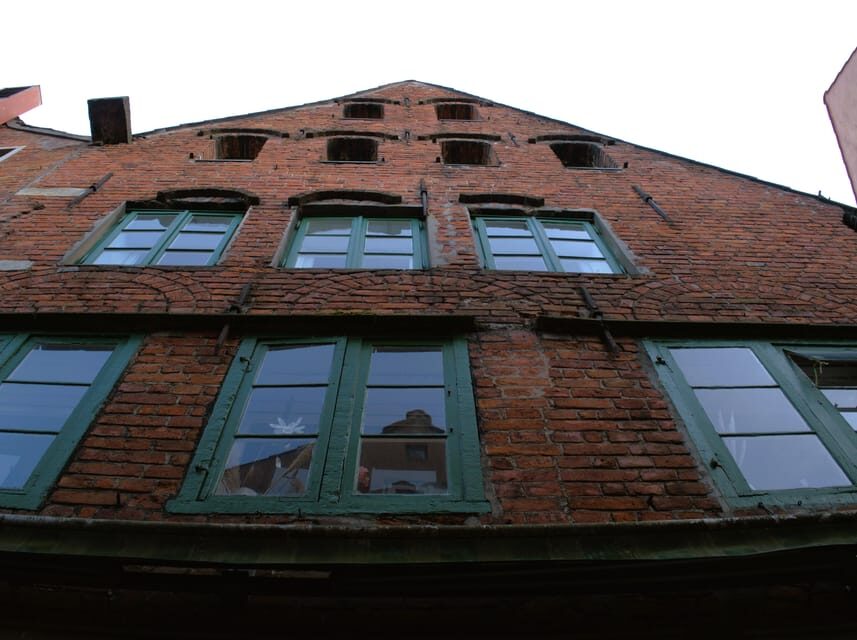
You’ll get to see some of the oldest remaining profane buildings, including Haus Schnoor 15, also called Brasilhaus, dating back to the 15th century. That detail matters. When you’re looking at a building this old, you’re no longer just sightseeing. You’re looking at evidence—structure that survived time, changes, and modern redevelopment pressures.
Another key stop is Packhaus Schnoor 2, also from the 15th century. A packhouse implies trade and storage. So while the religious sites set the early story, these older “work” buildings show how the district functioned—how goods and money moved through Bremen’s historic fabric.
One extra detail that makes this part interesting: you’ll also spot buildings that have been recreated according to historical specifications, plus structures that are now only facades—places where parts were preserved and/or relocated from elsewhere. That can be a little surprising the first time you notice it, but it’s also part of how old quarters stay readable when the city changes around them.
Half-timbered lanes near the Weser and the craft-shop stroll
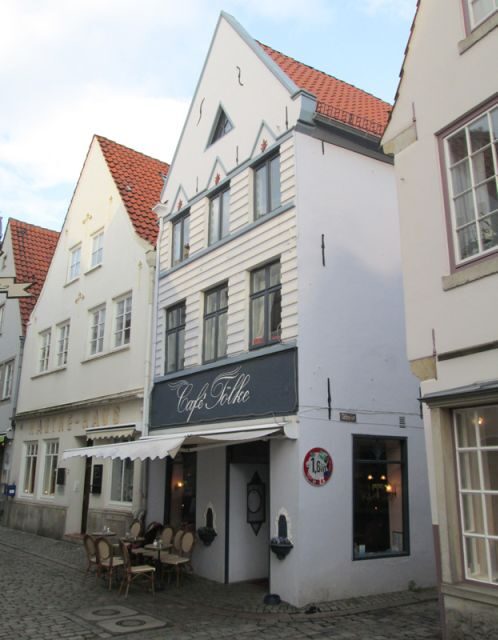
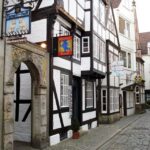
As the walk continues, the neighborhood becomes more visually playful. You’ll pass narrow half-timbered houses near the Weser River, and this is where Schnoor’s look really clicks for many people. Timber framing and tight street proportions create that classic “human-scale” feeling—buildings look like they were designed to sit close to you.
This part also pairs architecture with everyday browsing. Along the way, you’ll walk past goldsmiths and shops selling local handicrafts. Even if you don’t plan to buy anything, this is a useful break for your senses. It’s not just a museum walk—you’re moving through a functioning historic quarter.
There’s a small practical note here: because this is an outside-view tour, you may see some storefronts and entrances you can’t access. That’s not a flaw—just a heads-up so you don’t expect guaranteed inside views of shops or tea rooms.
You can also read our reviews of more historical tours in Bremen
How the guide turns architecture into stories (and makes it fun)
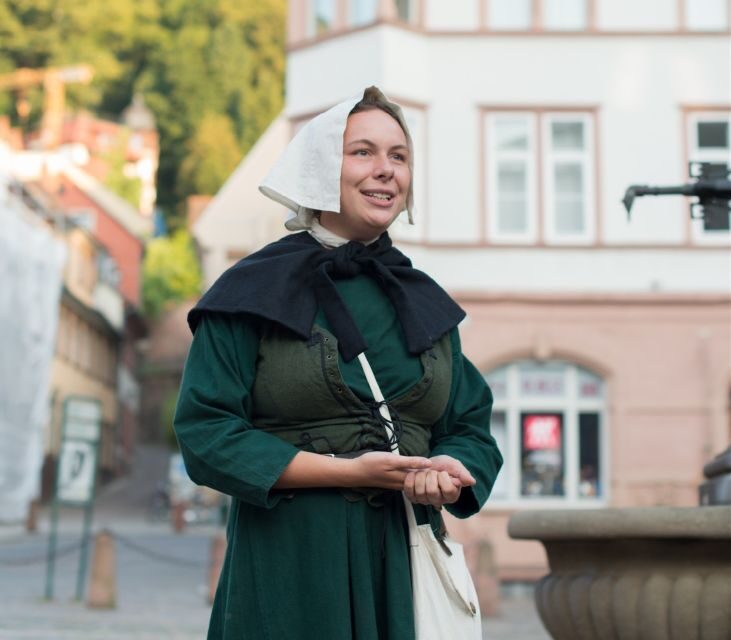
The best thing about this style of tour isn’t the buildings alone—it’s how the guide connects them. The walk is described as very informative and entertaining, and that matches what you want from a one-hour experience: clear points, not a long lecture.
One review specifically highlighted a guide named Sönke, described as funny and full of Bremen-flavored stories around Schnoor. That kind of tone makes you pay attention to small details. When someone points out why a building style is the way it is—or what a profane structure tells you—the quarter stops being random and starts feeling mapped.
You’ll also get a timeline touch that spans more than one era. The tour covers architecture associated with classicism and historicism, plus Baroque and Renaissance influences. Even without heavy technical language, the guidance helps you notice these shifts. You start seeing centuries in the facades—roof lines, materials, proportions, and window rhythms—so you can look around on your own after the tour ends.
What you can’t expect: an inside tour or long stops
Since buildings are viewed only from the outside, plan your expectations accordingly. You’re not coming here for church interiors, house museums, or long time in one room. This is a walking, looking, listening experience.
That means the tour is also not a great fit if you want lots of breaks. The upside is you get a concentrated hit of Schnoor highlights without burning half a day. The downside is you’ll move on while your curiosity might still want more time at one facade.
If you tend to travel slowly, pair this with extra free time afterward. After the guide finishes the key points, you’ll know exactly which streets you want to revisit.
Price and value: $14 for a focused Schnoor orientation
Let’s talk money in plain terms. $14 per person for about one hour can be great value in a city like Bremen because you’re paying for interpretation.
You’re not paying for transport, meals, or a complicated multi-stop route that requires lots of logistics. You’re paying for someone to point out what you’re actually looking at: 13th-century origins, the Franciscan monastery trace, a 14th-century redbrick Gothic church, 15th-century profane landmarks like Brasilhaus and Packhaus Schnoor 2, plus the visual cue-points for later styles.
If you’re comfortable spending an hour on a walk and you like history you can see, that price feels reasonable. If you hate guided structure or you need indoor visits, you’ll probably prefer a self-guided stroll.
Who this walking tour suits best
This tour is a strong match for:
- First-timers to Bremen who want Schnoor explained in a short amount of time
- People who like photo-friendly architecture but also want context
- Travelers who enjoy craft-shop ambiance and walking through real neighborhoods
It’s not ideal if you:
- Need wheelchair access (this tour isn’t suitable for wheelchair users)
- Want to enter buildings or stop for food (food and drinks aren’t included)
- Prefer long, slow wandering without a set route
The simple tip is also the most important: wear comfortable shoes. Schnoor streets are compact and you’ll want stable footing on uneven or narrow sections.
Should you book this Schnoor walking tour?
I’d book it if you want a clear, guided way to understand why Schnoor looks the way it does—and you’re happy seeing buildings from the outside. The combination of major time anchors (13th–15th centuries), standout landmarks (St. John’s Church, Haus Schnoor 15/Brasilhaus, Packhaus Schnoor 2), and the Weser-side half-timbered vibe makes it a smart use of one hour.
I’d skip it if your priority is interior access, long museum-style time, or a slow wandering day with lots of stops. Also skip it if you can’t do stairs/uneven ground comfortably, since it’s not set up for wheelchairs.
If you’re the type who likes learning just enough to look smarter on your next block—this is that kind of walk.
FAQ
How long is the Bremen Schnoor walking tour?
The tour lasts 1 hour.
How much does the tour cost?
The price is $14 per person.
Where do I meet the guide?
Meet in front of Die Glocke concert hall at Domsheide 6, Bremen, 28195. The guide waits with a sign that says Bremen Tour Guide.
What language are the tours guided in?
The tour guide speaks German.
Is this a private tour or a group tour?
The tour offers private group available options, in addition to shared tours.
What is included in the price?
It includes the guided walking tour (and a private tour if you select that option).
Are buildings shown on the tour entered, or only viewed from outside?
The buildings are only seen from the outside.
Is food or drinks included?
No. Food and drinks are not included.
Is the tour suitable for wheelchair users?
No. It is not suitable for wheelchair users.
What should I bring?
Bring comfortable shoes, since it’s a walking tour.