REVIEW · MUNICH
Best of Munich Electric Bike Tour
Book on GetYourGuide →Operated by Fat Tire Tours - Munich · Bookable on GetYourGuide
Munich can feel big. One smart bike ride ties the whole city together in a few hours. This easy electric bike tour gives you a guided route through Bavarian power, Munich’s darker chapters, and the famous park scenes you’d otherwise miss.
What I like most is the way it mixes “wow” stops with straight answers. You’ll get royal-bavaria context at Königsplatz and then head into the Führerbau area to understand how the city’s 20th-century story got twisted.
One possible drawback: you need to be comfortable riding on your own in city traffic at times, and you’ll want a small budgeting plan because food/drinks aren’t included and you should bring cash.
In This Review
- Key highlights that make this Munich eBike tour work
- Why an eBike is the smart way to tour Munich in four hours
- Getting started at Karlspl. 4 (and what setup you’ll actually use)
- Königsplatz: where Munich shows off Bavaria’s royal identity
- Führerbau: the blunt stop that keeps the story honest
- Alte Pinakothek, Siegestor, Odeonsplatz, and Munich Residenz
- Riding the English Garden to the Chinese Tower beer-garden scene
- Eisbachwelle: the surfer moment that sells the whole park
- Angel of Peace, Maximilianeum, and the river-side rhythm of Munich
- Viktualienmarkt and Ohel Jakob Synagogue: the Munich beyond the royal route
- Price and value: is $70 worth it?
- Practical considerations before you book (so nothing surprises you)
- Should you book the Best of Munich Electric Bike Tour?
- FAQ
- What is the duration of the Best of Munich Electric Bike Tour?
- Where does the tour start?
- How much does the tour cost?
- What is included in the price?
- Is food or drinks included?
- Do I need cash for the tour?
- What level of riding is required?
- Is the tour suitable for children?
- Are pregnant women allowed?
- What languages are available for the guide?
- When is free cancellation available?
Key highlights that make this Munich eBike tour work

- Königsplatz introduces you to Bavaria’s royal family with the right level of context for a first visit
- Führerbau brings you face-to-face with the setting behind the Nazi-era rise in Munich
- English Garden coverage means you get park highlights without wasting time figuring out routes
- Chinese Tower break gives you free time plus street food/market-style regional bites
- Eisbachwelle is the “wait, people surf here?” moment that’s worth the bike ride
- Viktualienmarkt and Ohel Jakob Synagogue add a more everyday Munich flavor beyond the palaces
Why an eBike is the smart way to tour Munich in four hours
Munich’s highlights are spread out, and walking only gets you so far before your feet start bargaining for shorter stories. An eBike fixes that. You do the legwork with your legs assisted by the motor, which keeps the pace friendly while you still cover serious ground.
This is also a history-and-sights tour, not a “ride in circles” experience. The guide keeps you moving between landmark after landmark, with short stops that let you orient your eyes and understand what you’re looking at. If you want a first-day kind of win—without burning half your vacation—this fits well.
I especially like that the tour isn’t just about the pretty stuff. You also get a hard-history stop that explains why Munich mattered, not only why it looks great today.
You can also read our reviews of more cycling tours in Munich
Getting started at Karlspl. 4 (and what setup you’ll actually use)
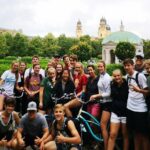
The meeting point is Karlspl. 4, in the inner courtyard behind Sixt Car Rental. It’s the kind of place where you’ll want to arrive a few minutes early so you can check in, get oriented, and avoid rushing.
You’ll be issued an electric bike plus a helmet. One rider also mentioned getting gloves, which is a nice touch if the weather turns cool. The practical point: Munich weather can change fast, and bike touring rewards you for dressing for the ride, not the forecast headline.
Before you go, confirm you can ride confidently on your own. This matters because there’s no mention of child towing gear, and the tour isn’t set up around “training wheels” for adults.
Königsplatz: where Munich shows off Bavaria’s royal identity
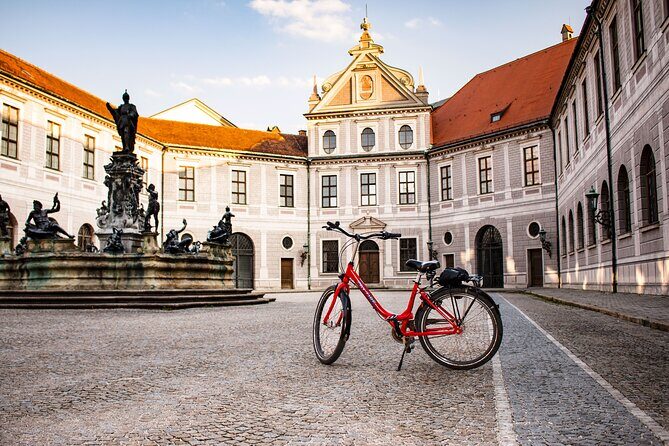
Königsplatz is one of those squares that makes you understand why power wants space around it. The layout and surrounding buildings give you a strong sense of grandeur, and the guide uses it to connect what you’re seeing with Bavaria’s famous royal family.
What I like here is the “first visit” value. Instead of only pointing, the guide frames the place so later palaces and monuments make more sense. You also get a chance to step out for photos, so you’re not locked onto the bike for every moment.
Tip: stand still for a minute. Look at the geometry and how the buildings relate to the square. When you get that visual idea, the stories land better.
Führerbau: the blunt stop that keeps the story honest
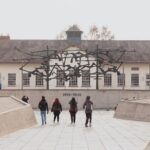
Munich’s Nazi-era history is tied to specific locations, and this tour doesn’t dodge that. The Führerbau stop is short, but it’s designed to explain what the site represented and why the rise of the Nazi movement had a real geographic grip on the city.
This is the part I’d call “important,” not because it’s heavy (though it is), but because it keeps the sightseeing from becoming wallpaper. You’re seeing the same city that sells you beer gardens and royal boulevards. You also get to understand how the modern city grew from complicated and painful events.
A consideration: if you prefer your tours light and strictly scenic, you might find this segment emotionally intense. It’s brief, but it’s not a throwaway.
Alte Pinakothek, Siegestor, Odeonsplatz, and Munich Residenz
After Königsplatz and the hard-history stop, the ride turns into what Munich does best: monuments stacked near each other, each one tied to royal ambition and civic identity.
You’ll pass highlights connected to the arts and the royal story:
- Alte Pinakothek, where the culture angle shows up right away
- Siegestor, a monumental “victory gate” type of landmark that visually screams the era’s messaging
- Odeonsplatz, a major square where the city’s ceremonial mood shows through
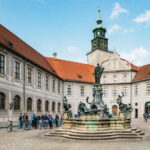
- Munich Residenz, the seat of Bavarian rulers, which helps you understand why Munich built so much around status
The value of biking here is timing. These stops are classic “you could see them on a self-guided walk” spots, but traffic, distances, and parking make that harder than it sounds. On an eBike tour, you get the advantage of staying in the flow while a guide keeps the meaning attached to the sight.
Potential drawback: some segments involve busy road areas. One rider noted that parts felt a little risky when cycling among higher traffic. If that worries you, take it slow, follow instructions closely, and keep your focus on road position, not the scenery.
A few more Munich tours and experiences worth a look
Riding the English Garden to the Chinese Tower beer-garden scene
The English Garden is one of the big reasons to do Munich by bike. It’s a huge urban park, and the tour uses that space like a shortcut to multiple signature moments.
The mid-tour break happens at the Chinese Tower area (the park’s famous setup), and you get about 40 minutes. This is where the tour shifts from “look and learn” into “eat and reset.” Expect free time, street food, and a food market visit feel—plus regional options.
The practical part is crucial: food and drinks are not included, and the tour’s info says you should bring cash in EUR because credit cards aren’t accepted for the dinner and snack stop. I’d treat this like a must-do: withdraw enough before you start, so you’re not scrambling inside the park.
This is also a great moment to breathe. After time with monuments and museums, the park air and wide-open views make the whole route feel less like a checklist.
Eisbachwelle: the surfer moment that sells the whole park
Then you roll to Eisbachwelle, the spot where the Eisbach River forms a wave that people surf. If you’ve only seen Munich as palaces and churches, this is the reality check that makes the city feel alive.
This stop works because it’s visual and fast. You don’t need technical knowledge to understand what’s happening: you can see the wave, you can see surfers, and you instantly get why this place became a signature. It’s also the kind of stop that breaks up the history sections without losing the guided flow.
If you time it right, you’ll catch activity. If you don’t, you’ll still get the “people surf here” explanation that makes the park feel like more than a green blob on a map.
Angel of Peace, Maximilianeum, and the river-side rhythm of Munich
As the ride continues, you’ll hit more landmarks that shape Munich’s identity:
- Angel of Peace, Munich, a meaningful monument stop that adds a reflective tone
- Maximilianeum, the kind of civic building that helps you understand how the city plans and politics show up in stone
- Isar River, which ties the urban layout to the natural geography of the area
I like this stretch because it changes the camera angle you’ve been using. Instead of only facing facades, you start noticing spacing, sightlines, and how the river and parks affect the city’s movement.
Also, river stops tend to be less about “facts you memorize” and more about “place you remember.” You’ll come away with images that stick: bridges, banks, and that feeling that Munich has room to exhale.
Viktualienmarkt and Ohel Jakob Synagogue: the Munich beyond the royal route
To balance the palaces, you’ll cycle into areas that feel more like daily life. The tour includes a stop at Viktualienmarkt, one of Munich’s most famous market spaces. This is where you can taste the city’s regular rhythm—snacks, food culture, and the kind of shopping atmosphere that makes Munich feel less like a museum.
Then comes Ohel Jakob Synagogue, another stop that broadens what you’ve seen. It matters because it shows that Munich’s story isn’t only built from royalty and state power. Religious and community heritage belongs in the frame too.
If you’re the kind of traveler who loves a city when it shows multiple layers, this ending sequence helps. You get landmarks, yes—but you also get a sense of how Munich lives.
Price and value: is $70 worth it?
At $70 per person for a 4-hour guided eBike tour, the value comes down to what’s included and what’s not.
Included:
- guide
- electric bike
- helmet
Not included:
- food and drinks
That means the “all-in” experience is really about transportation + guidance. You’re paying for someone to do the route planning and interpretation, and for the eBike to get you between major sights without wasting hours on transfers. For a first-time Munich visit, that’s often where city tours earn their keep.
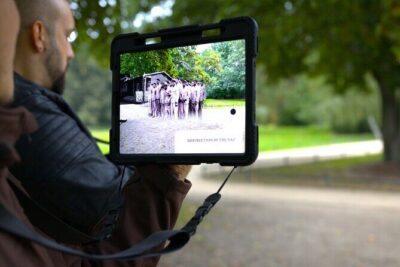
The reviews backing this up (without overthinking it) point to the guide quality as the difference-maker. One named guide, Rob G, was praised for making the tour meaningful, keeping riders safe, and even sharing photos that helped explain more of the history behind the locations. Another positive note: riders said the e-bikes were comfortable and well equipped, and they liked that helmets were provided.
My take: if you show up ready to ride and you bring cash for your break, this price feels fair for what you get.
Practical considerations before you book (so nothing surprises you)
A good eBike day is half fun, half preparation. Here are the main rules that affect your experience:
- You must be able to ride a bicycle on your own.
- No double trailers for toddlers, no tag-alongs, and no kid seats on electric bikes.
- Children under 14 aren’t suitable for this tour.
- Pregnant women aren’t listed as suitable.
- If you’re under 18, you need an adult over 18 present.
- Bring passport or ID, plus credit card and cash—and assume cash is the key for the food stop since credit cards aren’t accepted there.
- Dress for weather and for cycling comfort.
Safety-wise, follow the guide’s pacing and instructions. One rider flagged the reality that some areas can have higher traffic. That doesn’t mean the tour is reckless, but it does mean you should take the ride seriously, keep your eyes up, and don’t treat it like a leisurely stroll.
Should you book the Best of Munich Electric Bike Tour?
Book it if you want a smart first pass through Munich that blends royal landmarks, major park sights, and real historical context—all within a half-day. The eBike format is what makes it work: you get coverage without the fatigue tax of walking.
Skip it (or choose a different style) if you strongly dislike traffic cycling, hate any historical content that isn’t purely uplifting, or if your ride comfort isn’t solid. Also skip if you can’t follow the cash requirement for the snack/meal stop.
If you match those conditions, this tour is one of the most efficient ways to get the big Munich images in your head—Königsplatz, the English Garden, the Eisbach wave, the market buzz—plus the explanations that make those images mean something.
FAQ
What is the duration of the Best of Munich Electric Bike Tour?
The tour lasts 4 hours.
Where does the tour start?
The meeting point is Karlspl. 4, in the inner courtyard behind Sixt Car Rental.
How much does the tour cost?
The price is $70 per person.
What is included in the price?
The tour includes a guide, an electric bike, and a helmet.
Is food or drinks included?
No. Food and drinks are not included.
Do I need cash for the tour?
Yes. You should bring cash in EUR for the dinner and snack stop because credit cards are not accepted there.
What level of riding is required?
All guests must be able to ride a bicycle on their own.
Is the tour suitable for children?
No. Children under 14 years are not suitable. Also, no guest under 18 will be given a bike without an adult over 18 present.
Are pregnant women allowed?
No. Pregnant women are listed as not suitable.
What languages are available for the guide?
The tour is guided in English.
When is free cancellation available?
Free cancellation is available up to 24 hours in advance for a full refund.