REVIEW · BERLIN
Berlin Uncensored: A History of Sex & Freedom
Book on GetYourGuide →Operated by BerlinGuide.de · Bookable on GetYourGuide
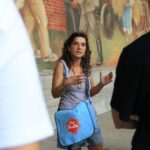
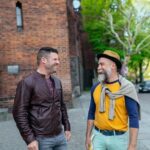
Berlin’s sex history is written on its streets. This tour is built around Augmented Reality and real locations, with Jeff leading the walk as a certified sociologist and sex educator who connects the city’s changes over time. I especially like how the content is structured as a timeline, not random facts, and how the tech moments serve the story instead of taking it over. One thing to keep in mind: the AR experience may not match everyone’s expectations, and the full walk clocks in at about 3.5 hours.
In This Review
- Key Things to Know Before You Go
- Why This Berlin Sex-History Walk Feels Like Seeing a Lost Timeline
- Jeff’s Sociologist Lens: Sensitivity Without Sugarcoating
- Price and Time: Is $81 Worth 210 Minutes of AR Storytelling?
- Walking the Nollendorf District, Where Berlin’s Queer Past Left Footprints
- Denns BioMarkt to Prinz Eisenherz: AR Photos and Club Culture Echoes
- Metropol and the Final Stretch Back to Alnatura
- What the History Covers: Condoms, Sex Science, Nazi Censorship, and East-West Rules
- How the iPad Augmented Reality and Mixies Photos Work in Real Life
- Who Should Book Berlin Uncensored (and Who Might Skip It)
- Should You Book This Tour?
- FAQ
- Where does the tour meet?
- How long is the tour?
- Is the tour in English?
- What’s the group size?
- Is the tour wheelchair accessible?
- Do I need to bring a public transport ticket?
- What’s included in the price?
- Are videos subtitled?
- Is the tour suitable for children?
- Does the tour cover Nazi and Cold War history?
Key Things to Know Before You Go
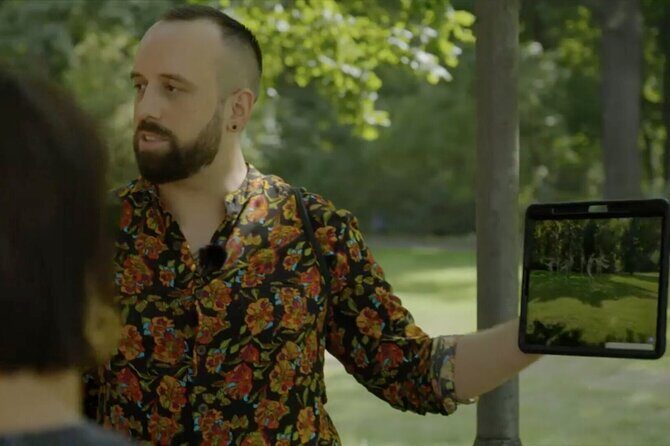
- AR on a guided iPad brings vanished clubs and lost spots back into view where you’re standing
- Jeff the guide blends sociology, sex education, and journalism to keep the tone informed and sensitive
- 200+ archival media (photos, videos, audio, and quotes) turns big historical themes into concrete scenes
- A timeline from the 1920s to today covers sexual science, Nazi censorship, the East/West divide, and modern scenes
- Small group limits the room, so you can actually ask questions and keep up with the pacing
- Mixies AR photos give you a fun souvenir tied to the moment, not just a standard picture
Why This Berlin Sex-History Walk Feels Like Seeing a Lost Timeline
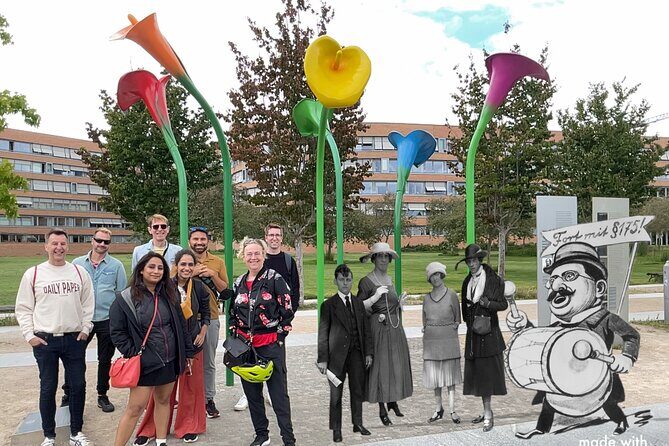
This isn’t the usual history walk where you just read plaques and move on. Berlin Uncensored uses the city as the classroom. You’re shown how Berlin’s attitudes toward sexuality changed across eras, and you watch those shifts happen on street corners you could otherwise walk past without noticing.
The big win here is the format: you’re guided through the story with a steady pace, and then AR re-creates what’s not there anymore. That matters in Berlin, where layers of the past can be physically close to you, yet historically easy to miss. You get the link between culture and policy too: how sex-positive freedom rose, got crushed, got reshaped by borders, and later re-emerged in a modern, queer-leaning nightlife landscape.
Expect adult topics throughout—sexual science, censorship, persecution, and contemporary kink culture. This is for people who want context, not shock value.
You can also read our reviews of more historical tours in Berlin
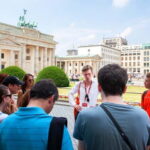
Jeff’s Sociologist Lens: Sensitivity Without Sugarcoating
Jeff is a certified sex educator and sociologist, and that shapes the whole experience. The tour’s topics are heavy—especially around Nazi persecution—and the tone is designed to be clear and respectful. Instead of treating sexuality like gossip, you’re taught to see it as part of society: laws, public health, science, gender roles, and lived community.
I like that the walk doesn’t stop at saying what happened. It also covers why it mattered. You’ll hear about early sexology and contraception innovation in Berlin long before many people associate the city with those topics. Then the guide connects the Nazi crackdown to real consequences for individuals and communities, including LGBTQ+ people.
And when the tour reaches the present, the focus stays on sex-positive culture and the ways people build communities through art, nightlife, and kink scenes. That keeps the story from becoming only tragedy, while still not dodging the darkest chapters.
Price and Time: Is $81 Worth 210 Minutes of AR Storytelling?
At $81 per person for about 210 minutes, you’re paying for three things: a live expert guide, tech-based storytelling, and a lot of curated archival media. This isn’t a quick stop-and-go “see a few sights” tour. It’s a full walking experience that tries to hold your attention by changing format—walking segments, guided stops, and AR moments tied to specific topics.
For me, the main value question is whether you’ll use the tech for the story. Most feedback points to AR being used well as part of the narration, not as random gimmicks. At the same time, one cautionary note: at least one person found the AR not as strong as expected and would have preferred more time at actual locations rather than standing while information played out.
So I’d frame it like this: if you like history that uses media—photos, video, audio, quotes—and you’re comfortable with adult themes, the price starts to make sense. If you only want traditional sightseeing with minimal tech, you may feel the time runs long.
Walking the Nollendorf District, Where Berlin’s Queer Past Left Footprints
The tour starts in front of Alnatura Super Natur Markt at Nollendorfplatz (Else-Lasker-Schüler-Straße 18, 10783 Berlin). From the very beginning, the plan is to orient you, then anchor each era to the streets you’re walking.
You’ll spend a short stretch on foot and then hit the first guided stop at Magnus-Apotheke (about 20 minutes). Even without a museum feel, this early stop sets the tone: the guide uses photos/videos and AR-enhanced visuals to show how health, bodies, and social attitudes intersected in Berlin. It’s where the tour starts shifting from nightlife stereotypes into policy and science.
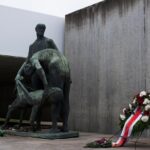
Next comes the Memorial to the Homosexuals Persecuted Under Nazism (about 15 minutes). This stop matters because it interrupts any idea that Berlin’s past was only about freedom and parties. Nazi censorship and persecution were systematic, and this memorial gives the story a human spine. It also prepares you for the later parts of the timeline, where repression and control show up as real forces, not abstract history.
Then you move through Kurfürstenstraße (about 20 minutes) and Schwerinstraße (about 15 minutes). These stops are about place and pattern—how street neighborhoods became stages for clubs, cabarets, and cultural experimentation across different periods. The guide connects themes like liberation movements and changing gender roles to what Berlin looked like in each era.
By the time you reach Nollendorfstraße (about 10 minutes), the walk has already taught you how to read the city differently. Instead of treating streets as neutral, you’re learning to see them as witnesses.
Denns BioMarkt to Prinz Eisenherz: AR Photos and Club Culture Echoes
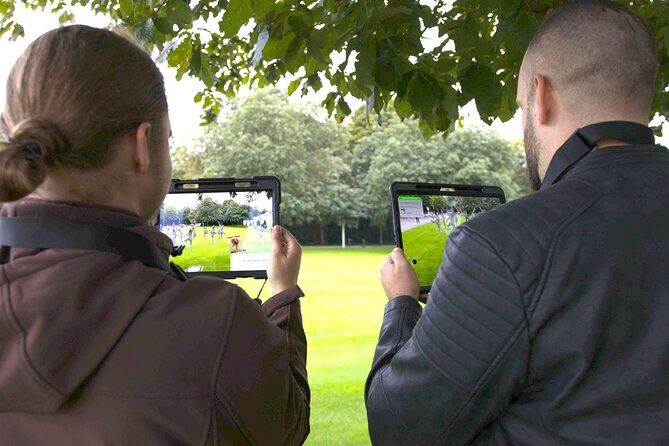
After Nollendorfstraße, you continue toward Denns BioMarkt (about 15 minutes). This is one of those stops where the setting might look ordinary at first glance, but that’s the point. Berlin’s sexual history didn’t only happen in official venues—it also lived in everyday districts where people found community. With AR, the guide points out what used to be there and adds context through archival media.
Next, the walk focuses on Prinz Eisenherz (about 20 minutes). This is where you can expect the tour to lean more into performance culture: nightlife, cabaret energy, and the ways sexuality showed up in art and public life. Berlin became a magnet for experimentation, and the guide ties that to the city’s broader role in sexology and public debate.
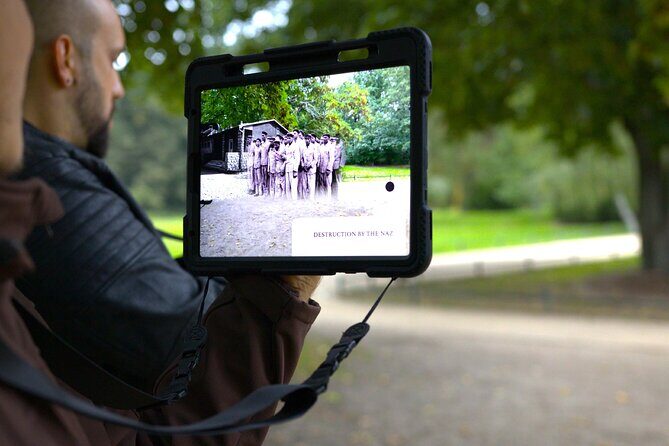
At multiple points in the tour, you’ll also get AR recreations of historic clubs and lost locations. In particular, the experience includes tech that brings places like Eldorado Club back to life in your view, layered over the modern street scene. One person described the tech as engaging rather than annoying, which is exactly what you want from AR. It should answer the question: what used to happen here?



Metropol and the Final Stretch Back to Alnatura
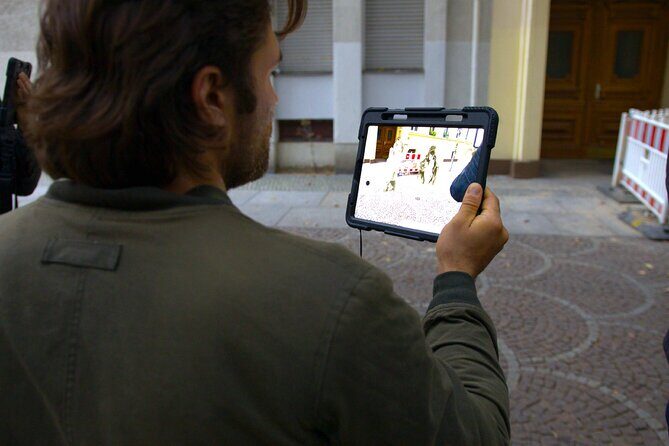
You wrap up at Metropol (about 20 minutes). This stop is a strong closer because it lets the story land back in the realm of nightlife and cultural production—where Berlin’s reputation today comes from, not just from marketing.
The tour then returns you to the start point back at Alnatura Super Natur Markt, after the final guided segment. In practical terms, this gives you time to regroup, compare notes with your small group, and decide how much more you want to explore on your own afterward.
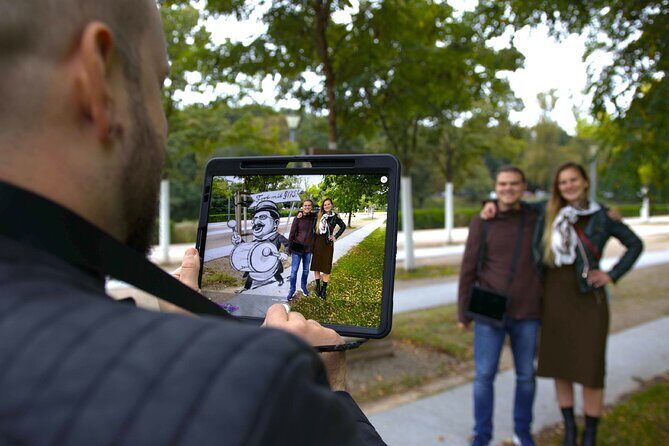
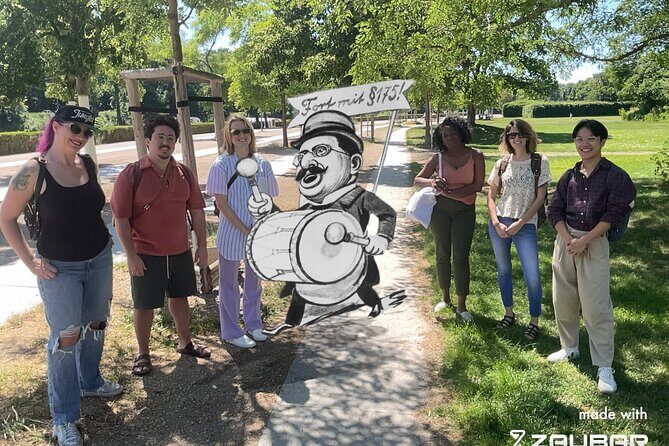
One more detail that I think is genuinely useful: the tour includes Mixies, which are fun, personalized photos with AR elements. That means you’re not just remembering a route—you’re leaving with a souvenir tied to the content you saw and the exact moments you stood in place for. You’ll likely want that, because Berlin can be intense and information-heavy in this format.
What the History Covers: Condoms, Sex Science, Nazi Censorship, and East-West Rules
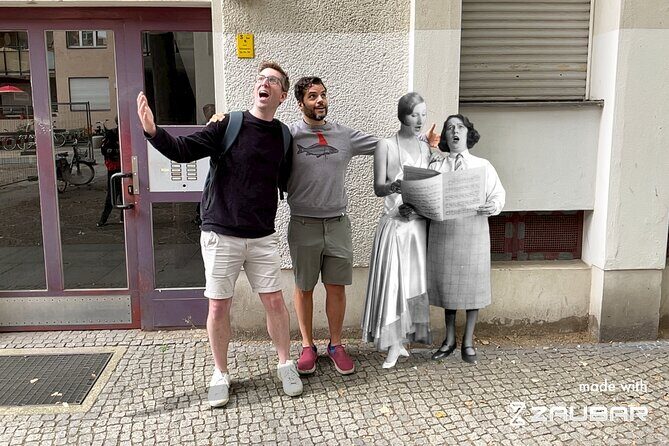
The tour’s timeline is the backbone, and it covers some major themes you’ll recognize as central to Berlin’s identity.
First up is the 1920s—described as a period when sex clubs, nudism, and kink culture had room to breathe. You’ll learn about Berlin’s role in early inventions too, including the claim that the first rubber condom was made in Berlin. That kind of detail does more than add trivia. It shows that sexual freedom wasn’t only social—it was also scientific and commercial.
Then comes the birth of sexual science. The tour highlights the Institute for Sexual Science and connects Berlin’s work on desire, attraction, and sexual behavior to contraception and public health. It also covers why this groundbreaking work was later erased under Nazi rule.
Next is the darkest shift: sex under the Nazis. The tour explains how erotic expression was criminalized, erotic magazines and clubs were shut down, and persecution targeted sex workers and sexual minorities. You’ll also hear about the double standards in Nazi sexual policies—because the regime didn’t just suppress sexuality; it used morality as a weapon.
After WWII, the story turns to a divided city: West Berlin versus East Berlin. West becomes a center of sexual liberation, while East Germany is tied to nudism culture associated with FKK, but with tight controls on sexuality. The guide also points out the different pressures around relationships and gender roles across the Wall.
Finally, you reach Berlin today—sex-positive culture, famous clubs, and underground kink-electronic scenes. The tour mentions names like KitKat Club, Berghain, and Lab.Oratory, plus Europe’s large fetish festival, Folsom Europe. Whether you plan to visit those places or not, the tour helps you understand why Berlin has become a hub for people seeking community and freedom.
How the iPad Augmented Reality and Mixies Photos Work in Real Life
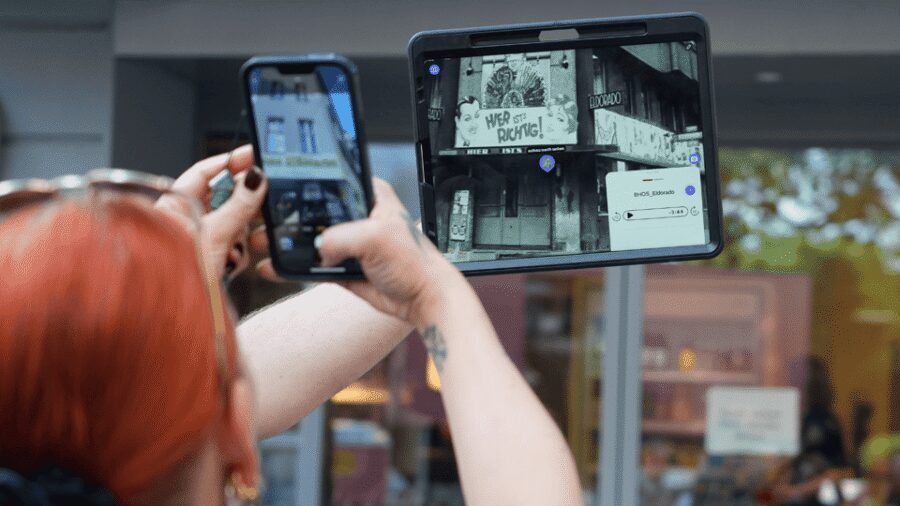
AR is the centerpiece here, and the practical question is: does it help you pay attention, or does it pull you out of the story? The overall feedback suggests the guide uses it in a planned way—enhancing moments at specific stops instead of constantly interrupting the walk.
The tech setup is simple: your guide uses an iPad to show AR layers, including historical images, videos, audio recordings, and quotes. The tour also includes 200+ rare historical photos, videos, audio recordings, and provocative quotes, which means you’re not relying only on talking points. When AR is well handled, it gives your brain a visual hook to attach to the historical facts.
There are also accessibility and comfort notes worth knowing:
- Subtitles are available for all videos in English, German, or both
- Videos and visual materials can be described in more detail for guests with visual disabilities
- Some parts of the tour take place in high-stimulation environments with strong sensory input
- If you need it, mandatory mask use indoors can be arranged
- The tour is wheelchair accessible, though some paths may be bumpy, and toilets can be arranged on request
One caution from past experiences: one person felt AR quality wasn’t what they expected and wanted more time at actual spots instead of standing nearby while info played. That doesn’t mean AR is broken—it means expectations matter. If you’re hoping for a fully immersive movie experience, you might be slightly disappointed. If you’re okay with AR as a helpful layer on a walking history lesson, it should fit well.
Who Should Book Berlin Uncensored (and Who Might Skip It)

This is best for adults who want Berlin’s sex history as social history: politics, science, repression, and community-building. It’s also a good choice if you’re curious about how the city moved from the 1920s into Nazi persecution, then through Cold War differences, and eventually into a modern sex-positive nightlife culture.
You should also be comfortable with adult subject matter and the emotional weight of some stops, especially the Nazi-era persecution memorial. And because the tour isn’t for children under 18, it’s clearly designed for an adult audience.
Accessibility-wise, the tour is listed as wheelchair accessible, but expect some uneven paths. If you need a restroom stop, ask in advance so arrangements can be made. The sensory note also matters: if strong visuals or audio cues tend to affect you, plan to manage that energy.
If you prefer purely traditional sightseeing with minimal tech, this may feel like more standing-and-watching than you want.
Should You Book This Tour?
Book it if you want a structured, expert-led way to understand Berlin beyond stereotypes—using AR, archival media, and a clear historical timeline. Jeff’s blend of sociology and sex education is a big part of why this tour seems to land well: the story stays human, not just sensational.
Skip it if you want only classic sightseeing, or if you strongly dislike AR-based experiences. Also consider comfort with a longer 210-minute walk, plus the fact that some people have wished there were more breaks for food and rest.
If you’re the kind of traveler who likes street-level history that changes how you read a city, Berlin Uncensored is likely your kind of tour.
FAQ
Where does the tour meet?
You meet in front of the entrance to the organic supermarket Alnatura at Nollendorfplatz, Else-Lasker-Schüler-Straße 18, 10783 Berlin.
How long is the tour?
The duration is 210 minutes.
Is the tour in English?
Yes, the live tour guide is English.
What’s the group size?
It’s a small group limited to 10 participants.
Is the tour wheelchair accessible?
Yes. The tour is wheelchair accessible, though some paths may be bumpy. Accessible toilets can be arranged upon request.
Do I need to bring a public transport ticket?
Yes. A public transport ticket is not included, and you should bring one to the tour.
What’s included in the price?
Included are a guided walking tour led by a sociologist and certified sex educator, AR elements, Mixies AR photos, 200+ rare historical photos/videos/audio/materials, and insider tips on modern sex-positive nightlife and events.
Are videos subtitled?
Yes. All videos have English, German, or both languages available.
Is the tour suitable for children?
No. It is not suitable for children under 18.
Does the tour cover Nazi and Cold War history?
Yes. The tour includes Nazi censorship and persecution, plus how sex culture differed in West and East Berlin during the Cold War, followed by Berlin’s sex-positive culture today.