REVIEW · BERLIN
Berlin Wall History Small Group Cycling Tour
Book on GetYourGuide →Operated by BBT-Sightseeing & More · Bookable on GetYourGuide
That first boundary line is hard to shake. A bike tour that follows the Berlin Wall traces turns distant Cold War names into real street-level scenes. You’ll pedal between major border-crossing landmarks, hear tragic stories, and still make it to big sights like the Brandenburg Gate and Checkpoint Charlie in one smooth 4-hour loop.
I like two things a lot: the route focuses on the places where people actually crossed and were blocked, not just generic photos; and the small group size (max 8) keeps the pace relaxed and the explanations clear. One thing to consider: this runs in all weathers and there’s no food or drink included, so plan for outdoor time with a bit of weather-proofing.
In This Review
- Key highlights I’d plan my route around
- A 4-hour ride that turns street signs into border stories
- Price and what $36 buys you in real sightseeing time
- Getting to the bikes: meet at 75 Bornholmer Straße
- The emotional center: Square of the 9th November 1989 to Bornholmer Straße
- Crossing through Mauerpark and spotting wall traces without the wall
- Bernauer Straße Wall Memorials: where the wall story gets physical
- Ghost station and Chausseestraße border-crossing: the eeriest kind of silence
- Invaliden Graveyard and Invalidenstraße: quiet history with weight
- A symbolic pedal: Government Bank toward the Parliament of Trees
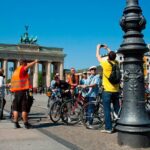
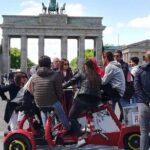
- Brandenburg Gate, Potsdamer Platz, Checkpoint Charlie, and Tränenpalast
- How the small-group format keeps the tour relaxed
- Weather, packing, and what you should bring before you meet
- Should you book this Berlin Wall cycling tour?
- FAQ
- How long is the Berlin Wall History small group cycling tour?
- How big is the group?
- Where does the tour start and end?
- What language is the guide?
- Is the tour available in bad weather?
- What’s included in the price?
- What is not included?
- What should I bring and what can’t I bring?
- Is there a cancellation option?
Key highlights I’d plan my route around
- Bornholmer Straße border-crossing plus cycling through Mauerpark, with the original watchtower area and a look at the Death Strip traces
- Bernauer Straße Wall Memorials for a serious, grounded look at what the wall meant on the ground
- Chausseestraße ghost-station and border-crossing stops, where the history feels close and human
- Invaliden Graveyard and the former crossing on Invalidenstraße, a quiet stretch that hits emotionally
- Riding past the Government Bank toward the Parliament of Trees, then into the landmark cluster around Friedrichstraße
A 4-hour ride that turns street signs into border stories
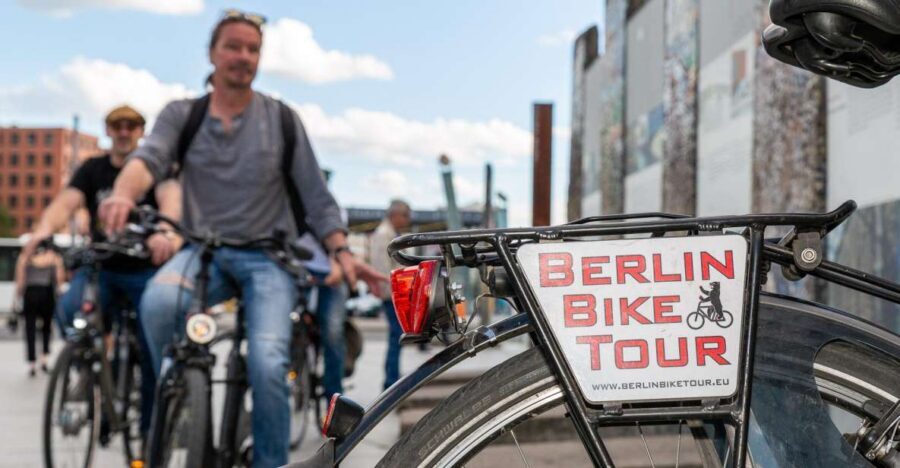
This tour follows the Berlin Wall route known as the Mauerweg, using what’s still visible between key former border-control areas. Yes, much of the wall is gone, but you’ll still see traces, original-style watchtower remnants, memorial spaces, and the layout cues that help you understand how the border line shaped daily life.
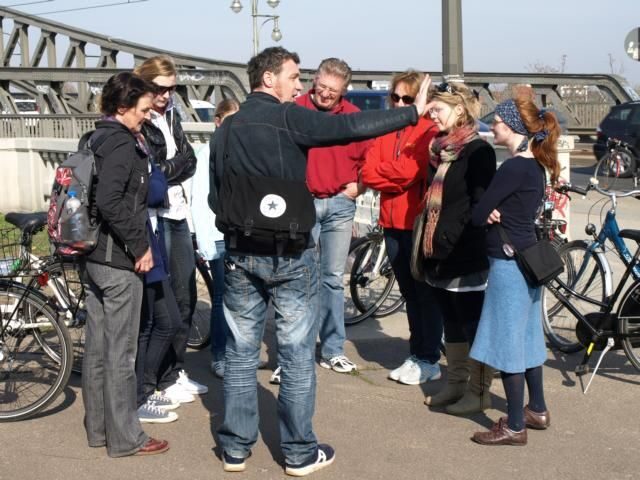
The tour is also designed for comfort and pacing. In a group of 3 to 8, you don’t get stuck waiting in a long line for every stop, and you can actually hear the stories. It’s the kind of guided ride where you end up looking over your shoulder more than once, even when the street looks ordinary today.
And you get a smart mix: border-history stops plus classic Berlin landmarks. By the time you roll past the Brandenburg Gate area and Friedrichstraße, the Cold War context makes those sights feel more than postcard scenery.
You can also read our reviews of more cycling tours in Berlin

Price and what $36 buys you in real sightseeing time
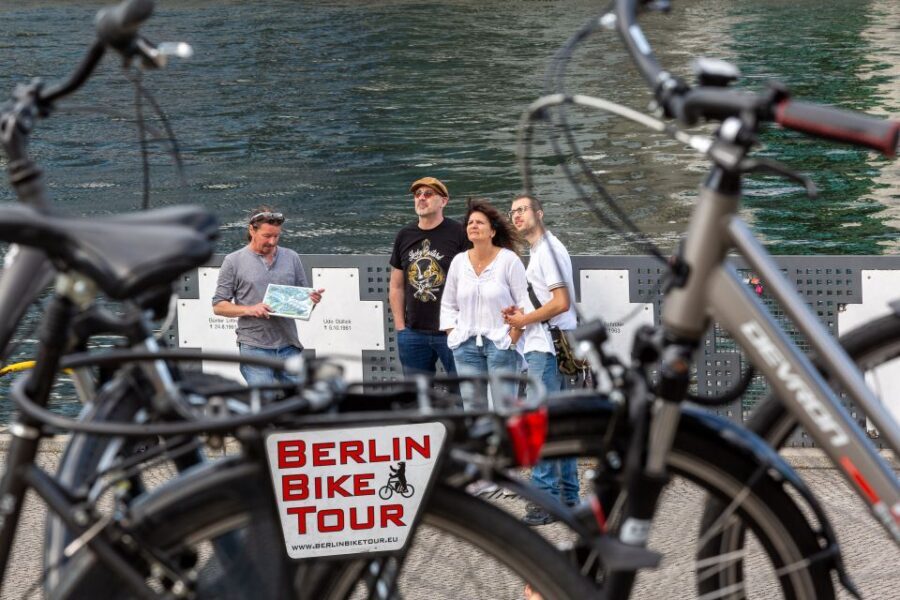
At $36 per person for a 4-hour guided bike experience, you’re paying mainly for two things: a guided story route and the bike itself. You’re not just renting a bicycle and wandering. You’re being walked through how the border line functioned, where it mattered most, and what the key places meant.
This is also solid value for people who want “big Berlin” without losing half the day to transit. Cycling connects sites faster than hopping between stations one by one, and the guide helps you make sense of the stops instead of treating them like checkboxes.
What’s not included matters too. There’s no food or drink, so build in your own snack or plan a meal before or after. Also, it’s not a one-stop-museum tour; it’s outdoors cycling plus walking at key memorial points.
Getting to the bikes: meet at 75 Bornholmer Straße
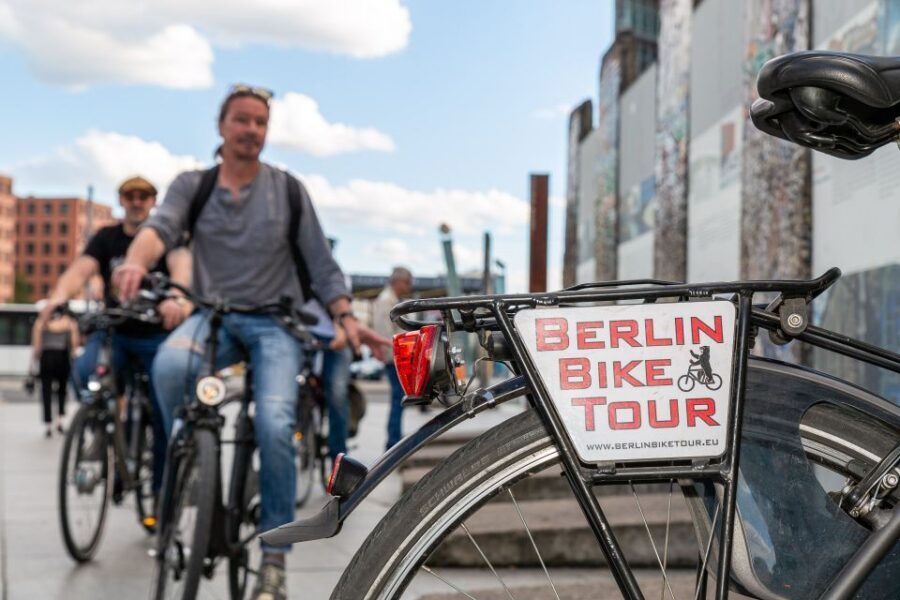
You meet your guide at 75 Bornholmer Straße, 10439 Berlin and the ride ends back at the same point. That “back where you started” setup is helpful. It keeps the day tidy and makes it easier to plan your next activity afterward.
Public transport access is straightforward:
- About 1 minute on foot from tram stop Björnsonstraße (M1, M13, M50)
- About 2 minutes on foot from S-Bahn Bornholmer Straße (S1, S2, S8, S25, S85)
- About 10 minutes on foot from S-Bahn/U-Bahn Schönhauser Allee (S8, S41, S42, S85, U2)
This matters because you don’t want transportation stress eating into your tour time. The meeting location is close to several transit lines, so you can show up calm and on schedule.
The emotional center: Square of the 9th November 1989 to Bornholmer Straße
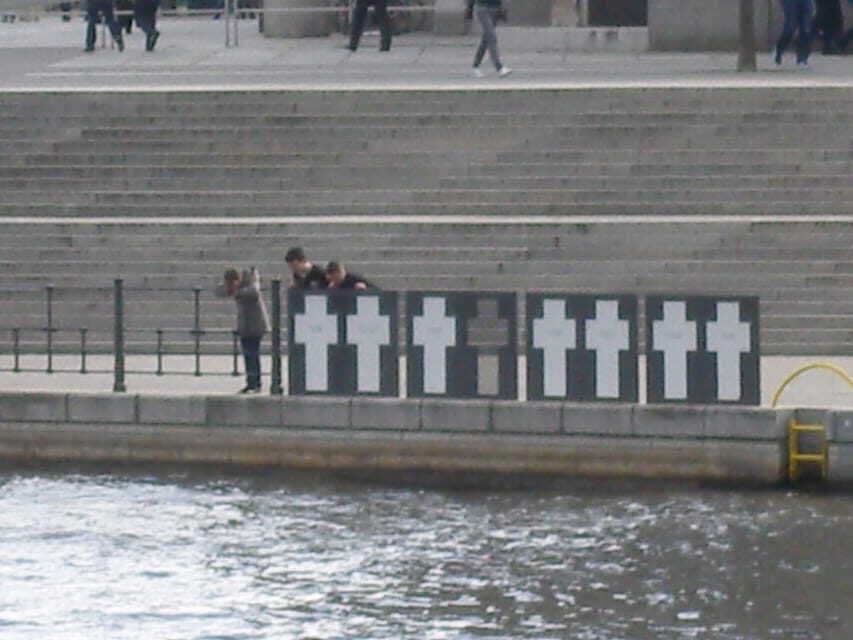
The tour starts where the story turns into motion: the Square of the 9th November 1989. This is where the first East German citizens crossed the border, and the tone shifts from background knowledge to lived reality.
From there, you connect to the first major cycling segment around Bornholmer Straße, including the former border-control crossing. This is one of the strongest parts of the route because it’s not abstract. The guide helps you see how the border line was experienced in real time and real space.
You’ll also encounter some truly memorable details:
- the idea of cherry trees grown on Bornholmer Straße
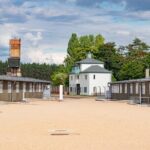
- a look at an original watchtower presence in the area
- traces of the Death Strip
- and the visual storytelling element of rabbit pictures on the ground that guide you along the route
Those small clues are more than quirky decoration. They make the experience more walkable, less museum-like, and easier to remember later when you start comparing what you’ve learned to what you see around Berlin today.
Crossing through Mauerpark and spotting wall traces without the wall
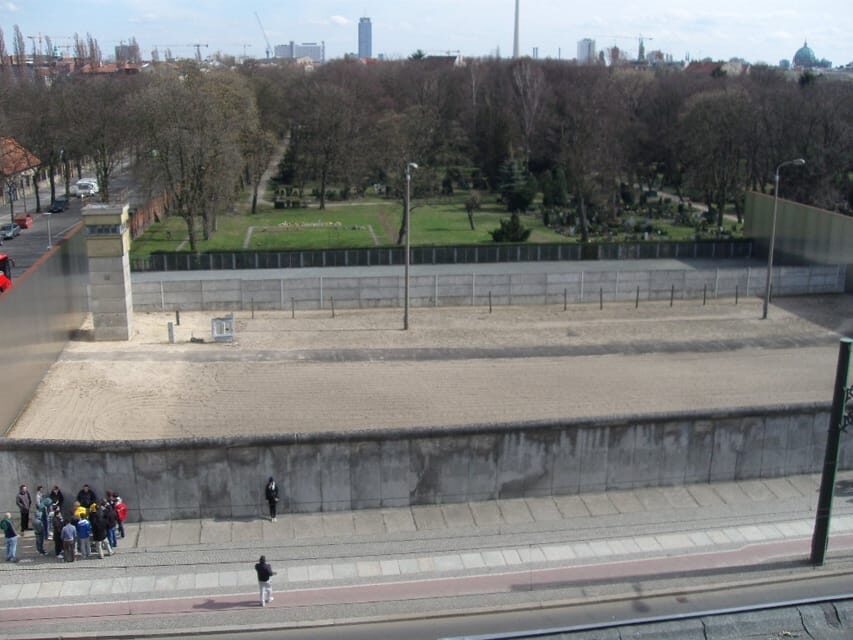
Once you’ve crossed at Bornholmer Straße, you cycle through Mauerpark. Even when you’re riding through greenery and everyday city scenes, your guide keeps bringing you back to the underlying geometry: where the border ran, where barriers and control points would have shaped movement, and how the space between sides was used.
This is where cycling helps. Walking can make a route feel like a long checklist. On a bike, you glide through neighborhoods and still pause at the moments that matter. You get a better sense of scale—how far the separation stretched, and how city life tried to continue around it.
The challenge is mental, not physical. Some stops are heavy. The tour includes tragic and fateful stories, and the guide’s job is to keep those stories respectful while still keeping the ride flowing. If you prefer purely upbeat sightseeing, you should mentally prepare for emotional history.
You can also read our reviews of more historical tours in Berlin

Bernauer Straße Wall Memorials: where the wall story gets physical
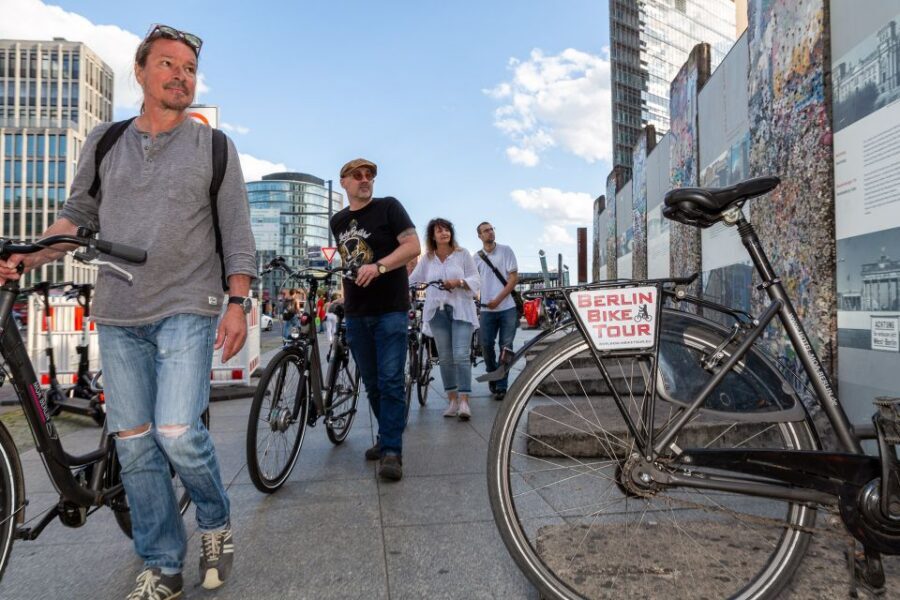
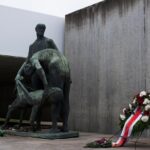
Next up are the Wall Memorials at Bernauer Straße. This stop is a turning point because it shifts from route-tracing into focused remembrance. The memorial setting helps you slow down and take in the meaning of the space, not just the sequence of locations.
What I find valuable here is how it anchors the tour. Without a moment like this, a history bike ride can feel like moving scenery. At Bernauer Straße, the tour gives you a structured pause—time to connect the earlier crossing story to what people faced at the wall itself.
From a practical standpoint, this is also one of the stops where you’ll likely want your camera ready. The environment is made for looking. Bring your ID and a steady grip, because this is the part of the day where details matter.
Ghost station and Chausseestraße border-crossing: the eeriest kind of silence
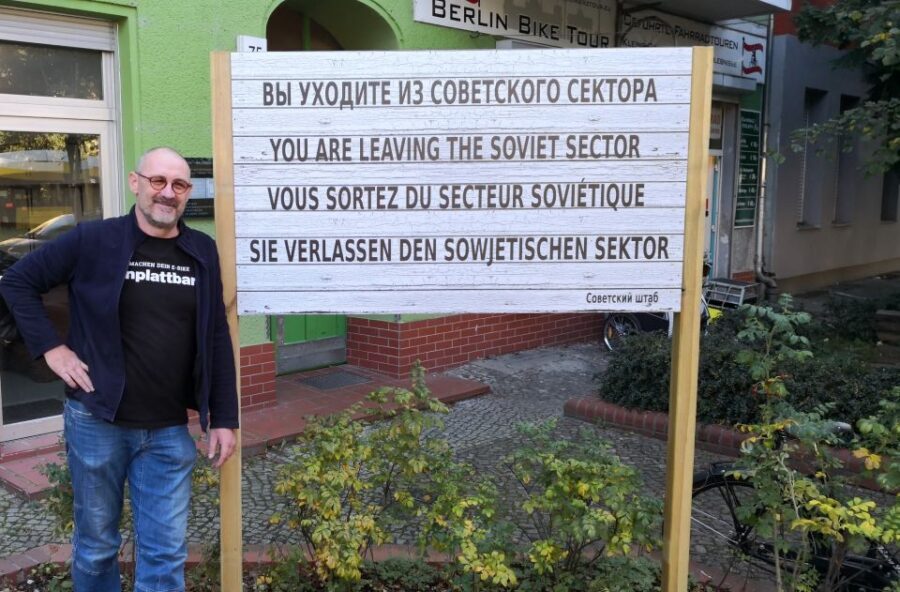
The tour then heads to Chausseestraße, where you visit the ghost-station and a former border-crossing point. “Ghost-station” is a phrase that already tells you the mood. You’re walking into a space where history is tied to movement—trains, passageways, and how control changed everything.
This is the stop that tends to stick with people because it’s atmospheric. You’re not just learning dates; you’re learning how infrastructure can become a barrier. The guide’s explanations help you understand why the same place that once worked for daily travel could become part of a system built to prevent freedom.
The drawback for some visitors is also obvious: it’s not a quick photo stop. You’ll want to pay attention and let the story land, which means giving it a bit of focus even if the rest of Berlin around you is lively.
Invaliden Graveyard and Invalidenstraße: quiet history with weight
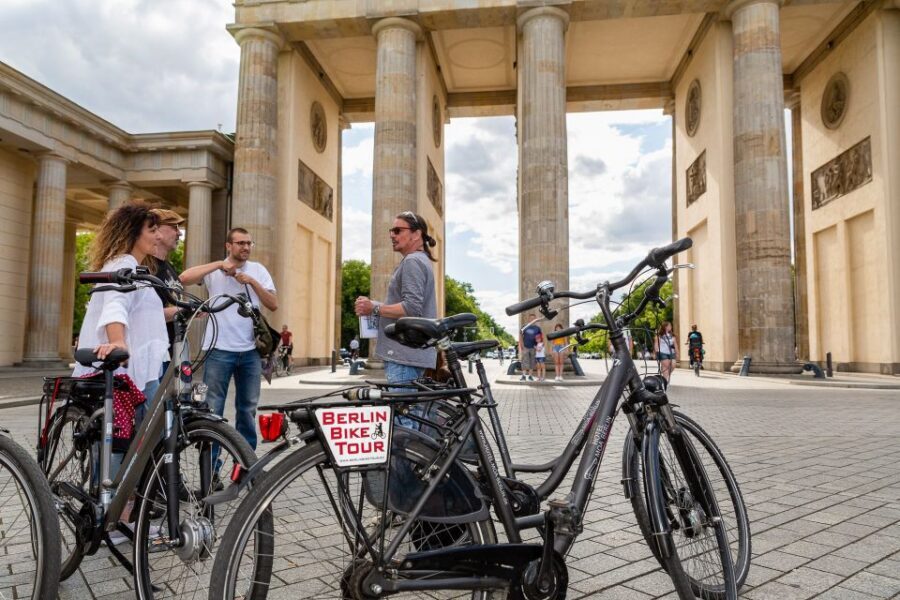
Another strong segment is the Invaliden Graveyard plus the former border-crossing at Invalidenstraße. This is a calmer, more reflective portion of the tour, and that contrast matters. A bike ride can feel like momentum. This stop slows you down on purpose.
The value of the graveyard connection is that it reminds you the wall didn’t only change geography. It changed lives. Even if you’re traveling to see the sights, your brain starts treating the route as a place where consequences happened.
Then the tour moves you back toward the border-crossing feeling on Invalidenstraße—a useful pairing. The graveyard gives you context for the human cost, while the crossing location helps you connect that cost to the system’s mechanics.
A symbolic pedal: Government Bank toward the Parliament of Trees
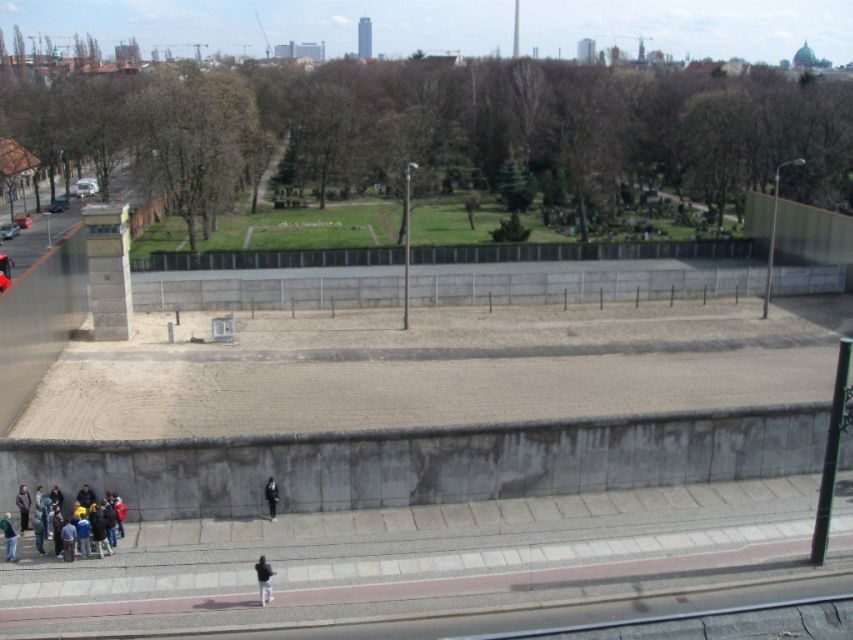
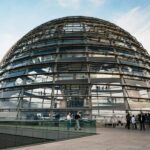
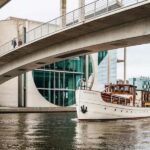
After the heavier memorial pieces, the ride includes a stretch along the Government Bank toward the Parliament of Trees. The tour uses this as a contrast zone—history is still present, but the pace and visual environment let you breathe.
This is also where you get a sense of Berlin’s layers. You go from a border corridor mindset to a cityscape where government, remembrance, and public space all coexist. It’s a good mental reset before the landmark finale.
If you’re someone who likes structure, this section is helpful. It’s a transition that sets you up for the famous center-city sights later, without turning the day into pure sightseeing.
Brandenburg Gate, Potsdamer Platz, Checkpoint Charlie, and Tränenpalast
The tour closes the loop with major Berlin landmarks that most people recognize from films, books, and photos:
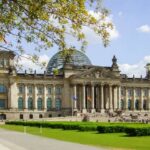
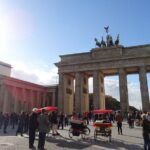
- Brandenburg Gate
- Potsdamer Platz
- Checkpoint Charlie
- Tränenpalast on Friedrichstraße (Palace of Tears)
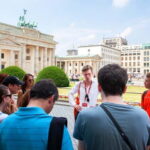
The key here isn’t that these are famous. It’s that your route understanding makes them feel different. You’re not just seeing a well-known spot. You’re seeing it after you’ve learned how border control worked and how separation affected people trying to cross.
On the way, the tour also passes by other well-known sights on Friedrichstraße and nearby areas, including:
- Friedrichstadt Palace
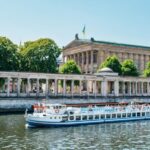
- Museum Island
- New Synagogue
- Old Berlin Post Office
You’ll likely appreciate this “bonus sighting” effect. It turns the last part of your ride into city orientation. After 4 hours on a bike, you’ll feel like you have a working mental map of central Berlin, not just isolated points of interest.
How the small-group format keeps the tour relaxed
Small group tours can go either way: too crowded, too rushed, or surprisingly calm. This one is capped at 8 participants, with a minimum group of 3, and that size really shows in the experience.
Several past groups praised the guides for being professional and relaxed, and it’s especially clear that German-language guiding works well for this kind of story-heavy route. The explanations don’t feel like lectures. They feel like a guided walk through a place that still has edges you can feel.
Guides like Marcus and Kathrin have been called out for clear pacing and personal insights, which is exactly what you want on a tour that mixes landmark sites with heavy Cold War stories. If your guide is one of them, it’s a bonus. If not, the tour format still aims for that same calm, attentive rhythm.
Weather, packing, and what you should bring before you meet
This tour runs in all weathers. On rainy days, you’ll get a rain poncho, which is a practical touch for staying comfortable and keeping the ride moving.
What to bring:
- Passport or ID card
- Sunglasses
- Sun hat
- Camera
What to avoid:
- Luggage or large bags
That luggage restriction is worth planning for. If you’re traveling light, great. If you’re arriving with bigger bags, you’ll want to store them before heading to the meeting point so you can keep the bike space clear.
Also, because food and drink are not included, don’t plan on buying something during the gaps between stops. Bring what you need for your own energy level, and think of the tour as a focused history ride, not a snack break adventure.
Should you book this Berlin Wall cycling tour?
Book it if you want a Berlin Wall experience that’s more than museum reading. The route follows the real border traces between key areas, and you’ll hit memorials and border-crossing sites that change how central Berlin landmarks feel.
I’d also recommend it if you like active sightseeing with guidance. A bike keeps you moving through neighborhoods, and the guide helps you connect the dots—especially when the wall itself is mostly gone.
Skip it only if you hate cycling, dislike outdoor tours in changing weather, or need built-in food stops. Since there’s no food or drink included and the tour is outdoors, it’s best for travelers who can handle a concentrated 4 hours with your own planning.
If you’re curious about what the border looked like from street level, this one gives you that perspective fast.
FAQ
How long is the Berlin Wall History small group cycling tour?
It runs for about 4 hours.
How big is the group?
The group is limited to a small size, with a minimum of 3 and a maximum of 8 participants.
Where does the tour start and end?
You meet at 75 Bornholmer Straße, Berlin 10439. The tour ends back at the meeting point.
What language is the guide?
The live guide speaks German.
Is the tour available in bad weather?
Yes, it takes place in all weathers. On rainy days, you’ll be given a rain poncho.
What’s included in the price?
A bicycle, fees, a city guide, and a rain poncho if necessary are included.
What is not included?
Food and drink are not included.
What should I bring and what can’t I bring?
Bring your passport or ID card, sunglasses, a sun hat, and a camera. Luggage or large bags are not allowed.
Is there a cancellation option?
There is free cancellation up to 24 hours in advance for a full refund.