REVIEW · BERLIN
Berlin: Sachsenhausen Concentration Camp Tour in English
Book on GetYourGuide →Operated by Insider Tour Berlin · Bookable on GetYourGuide
Cold air, heavy facts, clear context. This Berlin to Sachsenhausen tour gives you a licensed English guide and a structured walk through what the camp was used for before, during, and after WWII. You’re not just seeing buildings; you’re tracing decisions, prisoner groups, and brutal processes across the site.
Two things I really like: the way the guide connects the history before you reach the main grounds, and the lineup of key locations—like Station Z and the gallows—that turns a memorial visit into a real story you can follow. One thing to consider: it’s moderate walking in all weather, and you’ll spend hours standing outside, absorbing details that are genuinely hard to process.
In This Review
- Key highlights to look for
- A focused Berlin day: Sachsenhausen in 5.5 to 6 hours
- Meeting at Friedrichstraße and getting to Oranienburg smoothly
- Camp Administration Center: the starting point that makes the whole site click
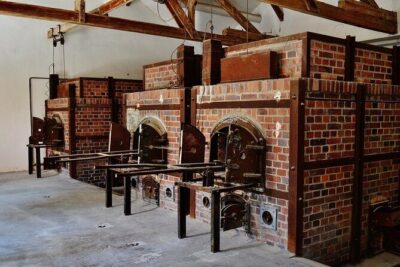
- Station Z and the camp’s built-in system of mass murder
- The buildings that explain daily brutality: barracks and punishment
- Medicine used as harm: pathology and the infirmary
- Resistance and prisoner stories: more than dates on a wall
- After WWII: how Sachsenhausen lived on under Soviet control
- The SS training camp and execution-focused corners
- What to do with your time before and after the tour
- Price and value: why $22 feels fair for this kind of structure
- Who should book this Sachsenhausen tour from Berlin
- Should you book this Sachsenhausen tour?
- FAQ
- Where do I meet the guide for the Sachsenhausen tour?
- How do you get from Berlin to Sachsenhausen?
- How long is the tour, and how much time is spent on-site?
- Do I need public transport tickets?
- What’s included in the ticket price?
- What should I bring and wear?
- Is the tour wheelchair accessible?
Key highlights to look for
- Friedrichstraße meetup with yellow umbrellas makes it easy to start on time.
- A licensed guide keeps the history organized and respectful, not just factual.
- Station Z, gas chamber area, and gallows locations help you understand what the camp system was designed to do.
- Barracks and punishment cells show how routine terror worked on a daily level.
- Post-1945 Soviet use (Special Camp 1/7) adds the often-missed afterlife of the site.
- Resistance stories (including 1942 Jewish revolt) give victims more than just a tragic headline.
A focused Berlin day: Sachsenhausen in 5.5 to 6 hours
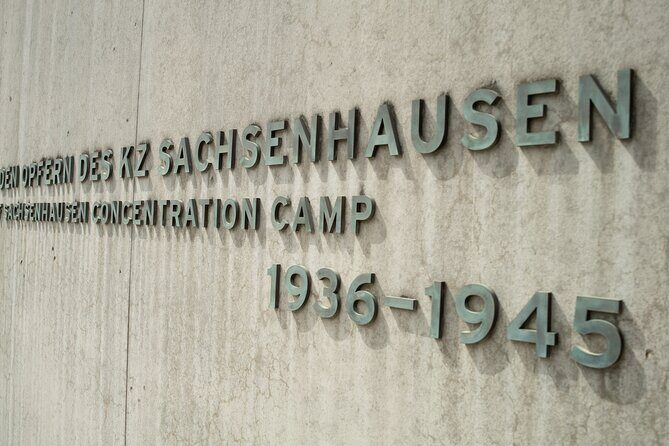
Sachsenhausen sits just outside Berlin, close enough for a long day that still feels controlled and purposeful. The tour runs about 5.5 to 6 hours, with a train ride out to Oranienburg, a short walk to the memorial, and then roughly 3 hours on-site with your guide.
That time split matters. If you’re trying to do this from Berlin on your own, it’s easy to wander, miss key buildings, and end up with a pile of disconnected photos. With a guide, you get the order right—and you also learn what each section is telling you. Guides I’ve seen highlighted for this tour style—people like Daniel and Xavier—tend to keep the pace readable while still treating the subject with the seriousness it deserves.
You can also read our reviews of more tours and experiences in Berlin.


Meeting at Friedrichstraße and getting to Oranienburg smoothly
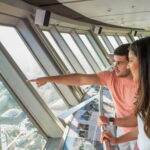
The meetup is straightforward: you’ll meet your guide outside Friedrichstraße train station, on the square beside the Traenenpalast (Palace of Tears). Look for guides holding yellow umbrellas.
From there, the plan is simple: take the train to Oranienburg (about 25 minutes), then walk around 20 minutes to the memorial. On the way back, you’ll return to Berlin by train (around 45 minutes), with drop-offs at two central locations, including Reichstagufer 17.
Two practical things I’d plan around:
- You’ll need an ABC public transport ticket (zone requirement). The tour notes it can be purchased on the day with help from on-site staff, which is a big stress reducer if you’re not sure which ticket you need.
- The tour uses public transport with your guide, so you’re not shielded from the real logistics of getting there—but it also means you’ll see how locals actually move through the Berlin region.
Camp Administration Center: the starting point that makes the whole site click
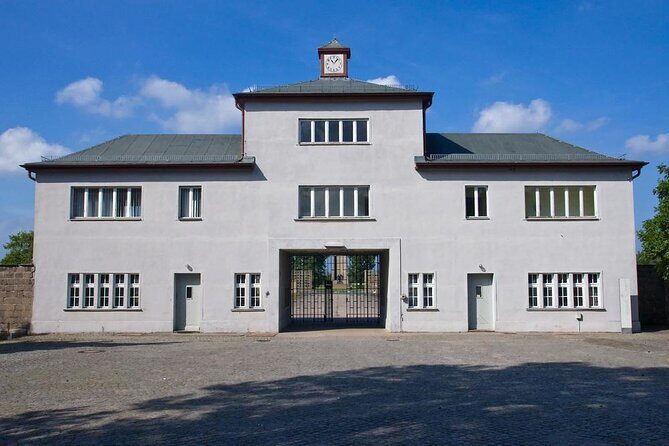
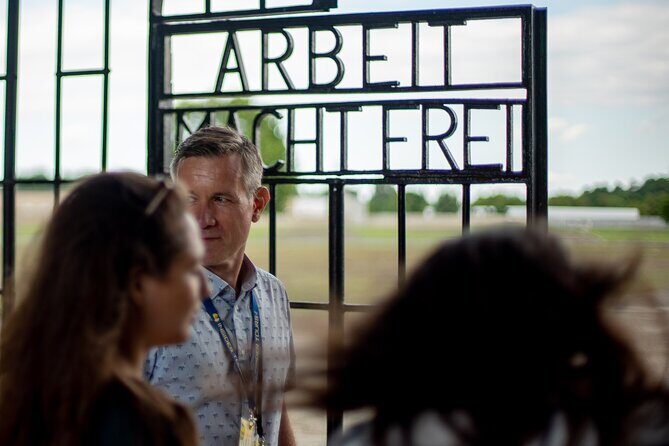
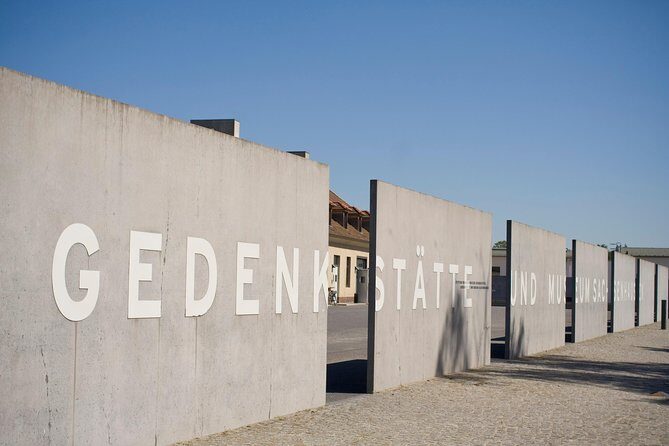
Your guided portion begins at the Camp Administration Center, now an on-site museum. This building matters because it’s tied to how the Nazi camp system was managed. It once served as the headquarters overseeing the Third Reich’s 32 main camps and more than 1,000 satellite camps.
I like starting here because it stops the story from being just architecture. You learn that camps weren’t random horror spots; they were a huge administrative machine. Once you understand that, the rest of Sachsenhausen feels more legible. You’re not “walking around history.” You’re following the shape of an organization.
Your guide will also set up key timeline themes: what Sachsenhausen was for at the start, how it expanded, what happened around the Death March in early 1945, and how the Soviets repurposed the site afterward.
Station Z and the camp’s built-in system of mass murder
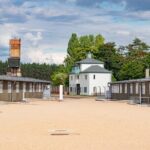
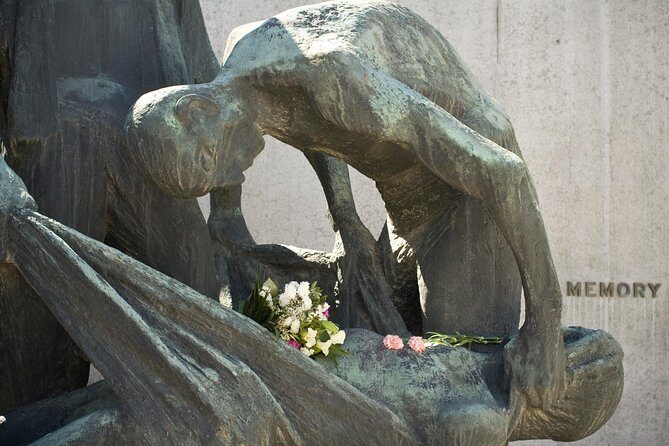
As you move through the grounds, some stops are the hardest to look at, which is exactly why they’re important. One major location is Station Z, described as a site of mass murder. The watchtower also appears on your walk, reminding you that surveillance and control were constant, not occasional.
A guide’s role here is huge. The memorial shows you structures and footprints, but your brain wants context: Who was targeted? How was the system designed to operate? What did prisoners experience day to day? When the explanations are clear—like the approach highlighted by guides such as Mikhail, Ariel, and Rebecca—you come away with understanding instead of just shock.
And yes, you’ll see other specific nodes tied to killing and execution, including the gallows. The tour also flags locations connected with the gas chamber, so you’re not left guessing what that part of the site represents.
The buildings that explain daily brutality: barracks and punishment
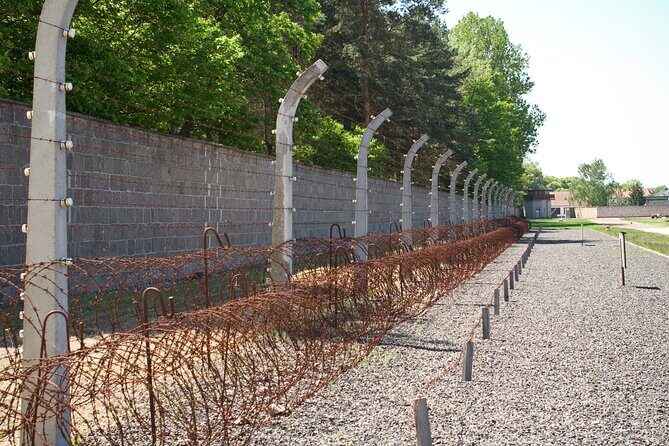
Sachsenhausen isn’t only about the end of the process. It’s also about the routine cruelty that made survival so difficult.
You’ll visit the Jewish Barracks and the Punishment Cells. This is where the tour’s “before/during/after” approach becomes real on your feet. The barracks show how prisoners were warehoused, while punishment areas show that the system enforced terror through discipline and suffering.
In most Holocaust memorials, it’s easy to get lost in general terms. Here, your guide’s stop-by-stop method pushes you to connect the dots:
- What kind of prisoner group ended up where?
- What kinds of treatment were used to break people?
- How did cruelty function as policy?
If you want to learn, this part is gold—especially if your guide is strong at patient explanation. People highlighted for that kind of pacing include Paul Declan (described as patient with questions) and Pete F (noted for making the material accessible).



Medicine used as harm: pathology and the infirmary
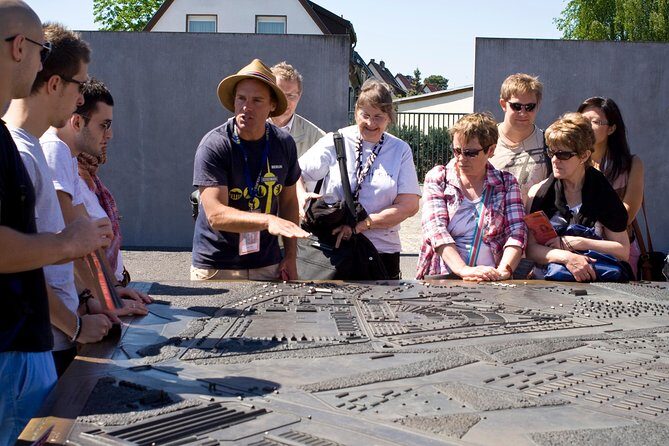
One of the most chilling sections is the tour’s focus on medical abuse. You’ll see:
- the Pathology Laboratory
- an Infirmary area tied to experimentation
These stops aren’t there to shock you for shock’s sake. They’re there to help you understand how Nazi ideology and the camp bureaucracy also touched science and medicine—turning human beings into subjects rather than patients.
If you’re the kind of visitor who asks a lot of questions, this is a good place to do it. The tour’s guide format is built for Q&A; some guides you’ll see mentioned, like Lucia and Jamie, are praised for staying responsive even after the tour ends.
Resistance and prisoner stories: more than dates on a wall
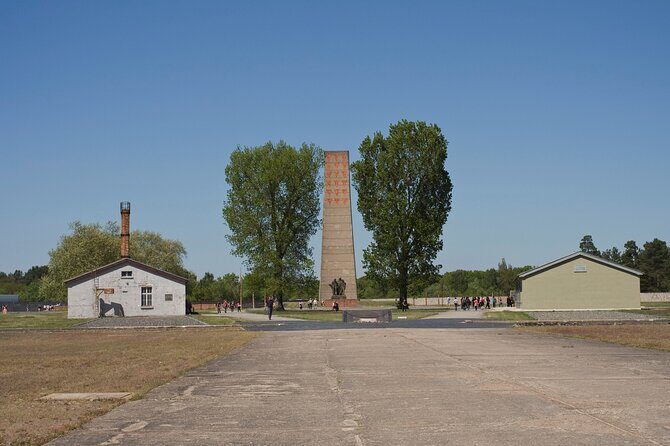
The tour doesn’t treat prisoners like footnotes. You’ll hear about resistance efforts and defiance, including:
- a Jewish revolt in 1942
- defiance by British POWs
- sabotage by Soviet and Polish prisoners
You’ll also learn how the camp held different prisoner groups and how those groups’ fates diverged. The highlights specifically mention a notable individual: Stalin’s son.
I like that the tour includes resistance because it fights a common mistake on memorial visits: turning everything into a one-note story of suffering. Resistance doesn’t remove the horror. It adds reality—people fought back in whatever ways they could, even inside a system engineered to crush resistance.
After WWII: how Sachsenhausen lived on under Soviet control
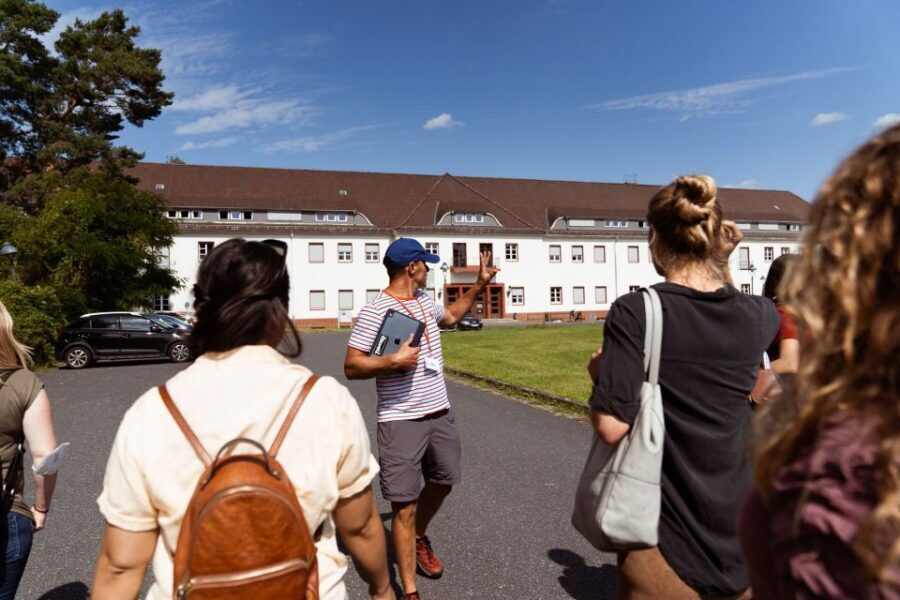
One of Sachsenhausen’s most important “after” chapters is built into the route. You’ll visit Special Camp 1/7, with explanations about how the Soviets used Sachsenhausen after the war.
This part matters because it reminds you that places can’t be sterilized just because the war ended. The tour also references the Soviets repurposing the camp after 1945, so you’re not left with a timeline that stops at liberation.
It’s heavy material, but this section is where guided context really helps. Without it, you might see buildings and assume one straight narrative. With it, you understand the site became a tool again—different regime, different prisoner system, same geographic and structural reality.
The SS training camp and execution-focused corners
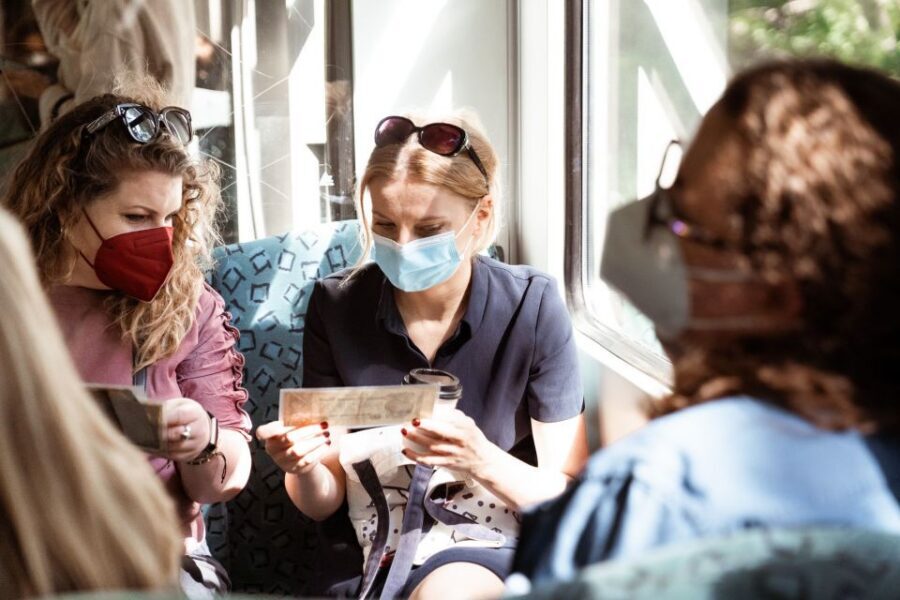
Another stop you’ll make is the SS Training Camp area. That’s where the tour becomes a reminder that camp brutality wasn’t only carried out by an anonymous monster. Training, ideology, and organization fed the machinery.
Then there are the execution-linked locations, including the gallows. These parts of the grounds are stark and hard to interpret at first glance. A guide’s job is to connect what you see to what it meant—how and why sentences were carried out, and what those spaces were used for.
If you’re trying to be respectful and also learn effectively, here’s a tip: slow down when you reach these points. Look once, listen twice. The explanations are often the difference between “this looks serious” and “this is the structure of the system.”
What to do with your time before and after the tour
This tour is packed into a single day, but you still have room to plan your comfort.
I’d treat it like a museum day with added walking. Wear comfortable shoes and dress for cold wind and rain because the tour “runs in all weathers.” Bring:
- water
- snacks (food and drink aren’t included)
- comfortable layers
If you’re arriving in Berlin, it’s also worth building a buffer in your schedule. Once you’re back near central drop-off points like Reichstagufer 17, you’ll likely want time to decompress. Even if you’re the “history nerd” type, Sachsenhausen isn’t a light outing.
Price and value: why $22 feels fair for this kind of structure
At about $22 per person, this tour looks almost too reasonable for what you get—especially in a city where guided history tours can easily run higher.
Here’s the value math that actually matters:
- You’re paying for a licensed English-speaking guide.
- The tour includes a guided walk through high-signal locations like Station Z, punishment areas, and execution-linked spots.
- It also includes a €3 donation to the memorial.
Public transport is on you (the ABC ticket), and food isn’t included. But compared to the cost of getting only pieces of the story on your own, the guide-led structure is what you’re really buying: correct sequence, clear explanations, and a focus on specific sites rather than wandering.
On a difficult topic, getting it right is worth it.
Who should book this Sachsenhausen tour from Berlin
This experience is a good fit if you:
- want a guided, stop-by-stop memorial visit rather than self-guiding
- prefer public transport logistics done for you (your guide walks you through it)
- are comfortable with moderate walking and standing outside
It’s not a good fit if you have mobility impairments or limited walking ability, because it isn’t wheelchair accessible and the route involves walking on-site.
If you like history tours where the guide treats questions seriously, you’ll probably appreciate the style described for guides such as Daniel, Xavier, and Mikhail—clear explanations, patience with questions, and a tone that stays respectful even when the details are brutal.
Also, if this is your first time visiting a concentration camp memorial, the guide’s context makes it easier to process what you’re seeing without losing the bigger story.
Should you book this Sachsenhausen tour?
Yes—if you want the experience to be structured, educational, and respectful, booking this Sachsenhausen Memorial tour from Berlin is a strong call. The big win is the combination of licensed guidance and the specific route that hits the key locations tied to mass murder, punishment, experimentation, and the site’s postwar use.
Skip it only if walking time or the emotional weight of the subject will be a real problem for you. Otherwise, come prepared with good shoes, water, and snacks, and let the guide do what guides are best at here: giving you context so the memorial doesn’t turn into a blur of grim spots.
FAQ
Where do I meet the guide for the Sachsenhausen tour?
Meet your guide outside Friedrichstraße train station, on the square beside the Traenenpalast (Palace of Tears). Look for guides holding yellow umbrellas.
How do you get from Berlin to Sachsenhausen?
You take the train from Berlin to Oranienburg (about 25 minutes), then walk about 20 minutes to the Sachsenhausen Memorial. You also return by train.
How long is the tour, and how much time is spent on-site?
The total tour lasts about 5.5 to 6 hours, with around 3 hours of guided time at the Sachsenhausen Memorial.
Do I need public transport tickets?
Yes. You need an ABC public transport ticket to travel to Sachsenhausen Memorial and back. It can be purchased on the day with help from on-site staff.
What’s included in the ticket price?
Included: a licensed English-speaking guide, the guided tour of the camp, and a €3 donation to the camp memorial.
What should I bring and wear?
Bring comfortable shoes, snacks, and water, and wear comfortable clothes for all weather. The tour involves moderate walking.
Is the tour wheelchair accessible?
No. The tour is not wheelchair accessible and isn’t recommended for people with limited mobility or walking impairments.