REVIEW · BERLIN
Berlin: Hackesche Höfe Courtyards Walking Tour
Book on GetYourGuide →Operated by You In Berlin · Bookable on GetYourGuide
Berlin’s courtyards can feel like secret rooms. This Hackesche Höfe walking tour stitches together the big landmarks of central Berlin with the quieter back-street world you usually miss, starting right at the Berliner Fernsehturm.
I especially liked how the tour balances “wow” sights with practical storytelling. You’ll walk past major points like Alexanderplatz and the Marienkirche, then shift into the inner courtyards where you get a better sense of how Berlin life is organized around these spaces.
One thing to keep in mind: it’s a 2-hour stroll with a lot of movement, and the guide speaks German. If you want long hangs at a single stop, you might feel a bit rushed.
In This Review
- Key Highlights Worth Your Attention
- Starting at Berliner Fernsehturm: your easy orientation
- Alexanderplatz, Marienkirche, and Neptunbrunnen: the center in fast-forward
- Rotes Rathaus and the walk through the civic core
- Along the Spree toward Berlin Cathedral and the Humboldt Forum
- Enter Hackesche Höfe: the courtyards that change everything
- Oranienburger Straße and the New Synagogue Berlin – Jewish Centre
- The guide matters: stories that make the back streets make sense
- Price and value: is $43 worth it?
- Who this tour fits best
- Quick practical advice so you enjoy it more
- Should you book this Hackesche Höfe Courtyards walking tour?
- FAQ
- Where do I meet the guide?
- How long is the walking tour?
- How much does the tour cost?
- Is this a small group tour?
- What language is the tour guide speaking?
- Is the tour wheelchair accessible?
- Is hotel pickup or drop-off included?
- Does the tour run in bad weather and on public holidays?
Key Highlights Worth Your Attention
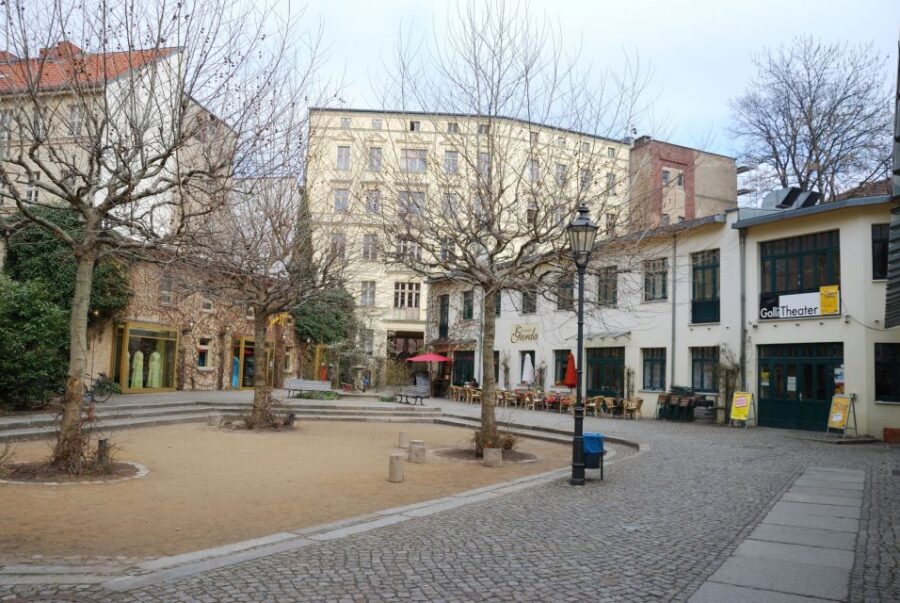
- Hackesche Höfe courtyards: interconnected inner spaces with shops, restaurants, and art galleries
- Central Berlin anchors: Alexanderplatz, the Neptunbrunnen, and the Rotes Rathaus along the route
- River views: a walk that brings in the Spree and major sights nearby
- Cathedral + Humboldt Forum area: classic skyline moments mixed with modern-era history
- New Synagogue Berlin – Jewish Centre: a meaningful stop on Oranienburger Straße
Starting at Berliner Fernsehturm: your easy orientation
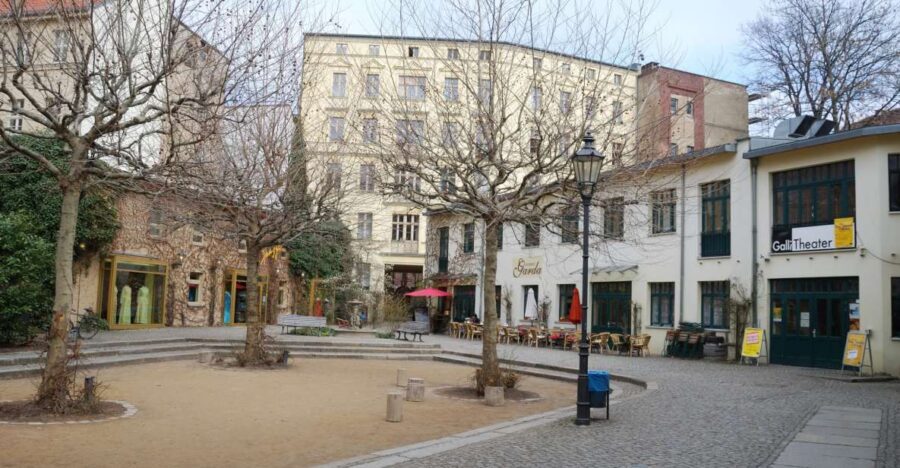
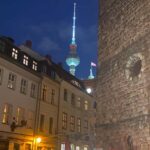
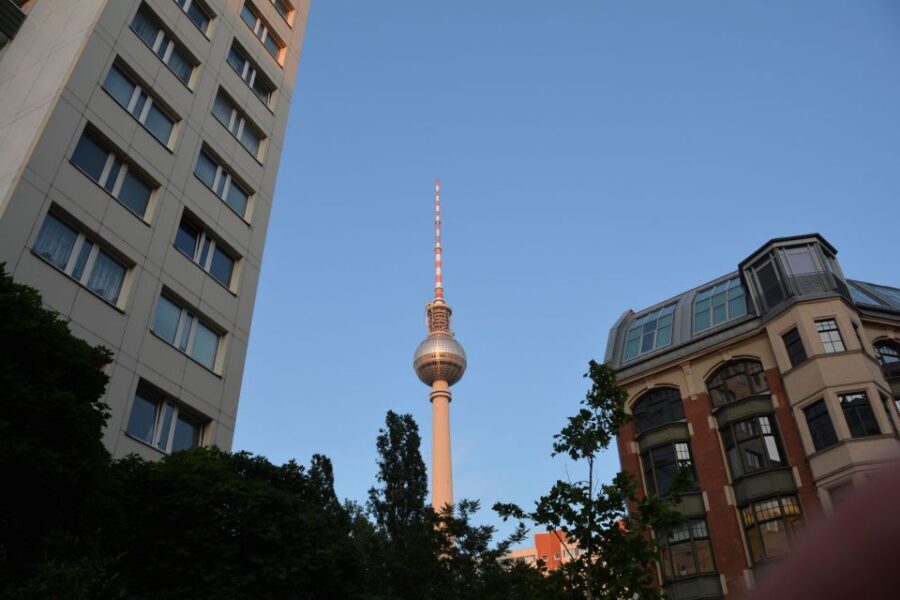
The tour begins in front of the main entrance of the Berliner Fernsehturm, the TV Tower that’s basically Berlin’s vertical landmark. When you start here, you get instant orientation. You can look out, clock where you are in the city center, and mentally map the rest of the walk as you move.
Meeting is simple: the guide holds a GetYourGuide/You in Berlin flag. No guesswork, no complicated public-transport puzzle. And since this is a small group (limited to 10), you’re not stuck in a crowd that keeps peeling away whenever you stop for a photo.
The big practical win? You get an early “base point” view of Berlin before the tour turns into tighter streets and interior courtyards. That makes the rest of the route feel more understandable, not just like a string of random famous buildings.
You can also read our reviews of more walking tours in Berlin



Alexanderplatz, Marienkirche, and Neptunbrunnen: the center in fast-forward
Once you leave the TV Tower area, the walk swings into the heart of the city. Alexanderplatz is where Berlin shows off its scale. Expect to see the kind of square-and-street geometry that makes central Berlin feel efficient, busy, and built for movement.
Then you’ll hit the Marienkirche, a church stop that changes the pace a little. Even if you don’t spend time inside (not described as part of the tour), it helps you connect the modern city center to older layers of Berlin. The guide’s job here is to explain why these landmarks sit where they do and how the city’s layout affects what you experience today.
From there, you move toward the Neptunbrunnen, the Neptune Fountain area. This is the sort of landmark that’s easy to notice but harder to read without context. With a guide, you’re less likely to treat it like a photo spot and more like a clue about what Berlin chose to display in public space.
Tip for you: keep your camera ready, but also keep your eyes up. A lot of the value here comes from learning what to look for—main facades, street alignments, and sightlines—so you can connect the dots as you go.
Rotes Rathaus and the walk through the civic core
Next up is the Rotes Rathaus (Red Town Hall). This is a “Berlin government buildings” kind of stop, which means it’s about civic identity as much as architecture. Even if you’re not a wonk, the guide’s stories help you understand why these buildings matter in a city that’s had major political shifts.
What I like about this part of the tour is that it’s not just sightseeing for sightseeing’s sake. You’re seeing how public buildings shape the routes people walk and how the center of Berlin feels designed for gatherings, administration, and big-city life.
Drawback to consider: this section is more about the street-and-facade experience than about entering spaces. If you’re hoping for lots of inside time, set expectations for a primarily walking-and-looking tour.
Along the Spree toward Berlin Cathedral and the Humboldt Forum
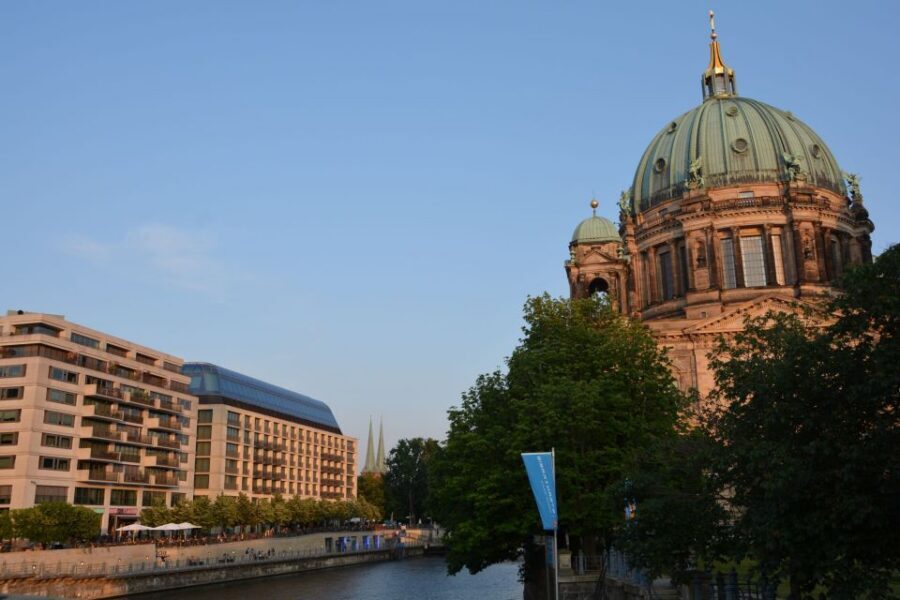
The route brings you alongside the River Spree, which is a smart move. Water gives you breathing room. It also makes it easier to understand why so many key landmarks cluster around the river corridor and nearby routes.
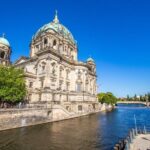
As you go, you’ll see Berlin Cathedral and the Humboldt Forum area from the outside. This matters because it shows Berlin’s mix: older monumental power structures alongside newer cultural spaces. The guide helps connect what you see to the city’s evolving identity, which is exactly the kind of context you’d otherwise have to piece together from multiple sources.
Practical note: riverside sections can be windy. So even on decent days, bring weather-appropriate clothing. The tour runs in all weather conditions and on public holidays, so it’s not a “only on sunny days” plan.
Enter Hackesche Höfe: the courtyards that change everything
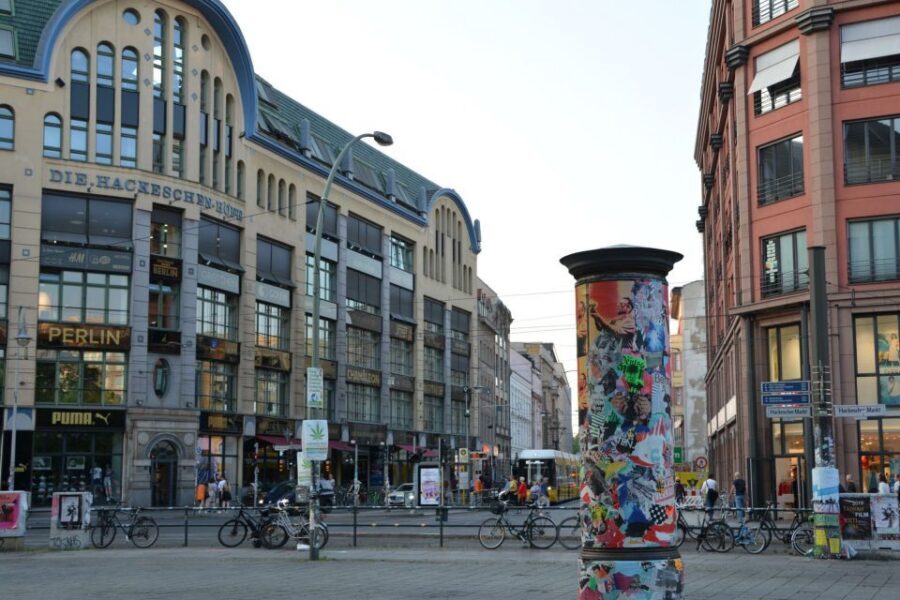
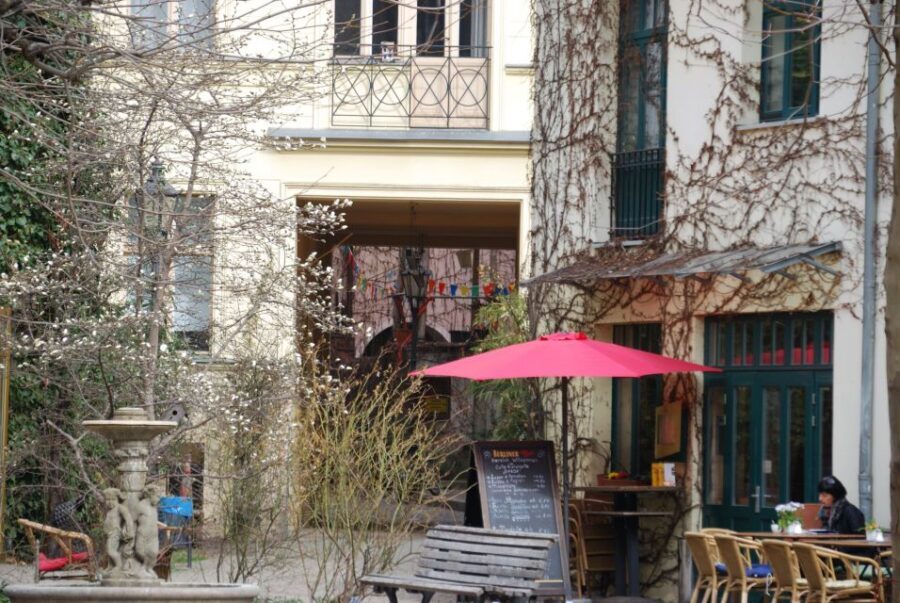
Now comes the reason to pick this tour: Hackesche Höfe. When you reach it, the experience shifts from “big landmarks” to a network of interconnected courtyards. This is where Berlin feels more human-scale.
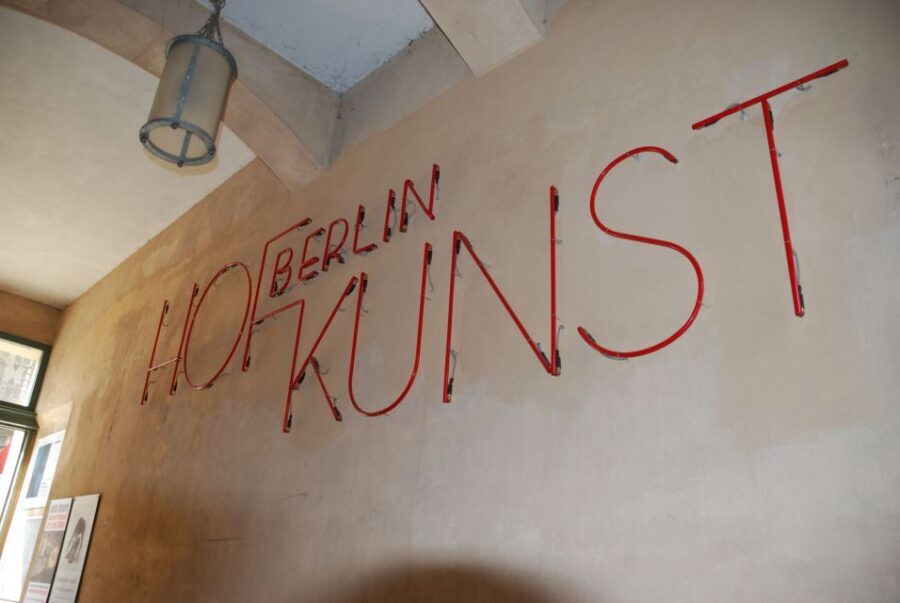
What makes Hackesche Höfe special is that it isn’t just a pretty architectural backdrop. The courtyards are a working part of the city. You’ll find a large choice of restaurants, shops, and art galleries inside the complex. So you’re not only learning about a historic site—you’re also seeing how it’s used today.
This is also the point where the guide’s value really shows. A good guide turns architecture into a story you can follow: why the courtyards are linked the way they are, how these interiors create a sense of privacy compared with the street, and how Berlin’s back areas function as social and commercial space.
If you want a quick “how to enjoy it,” here’s yours: pause at the transitions between courtyards. Look at how you go from one interior space to another, and notice how your sense of direction resets. That moment of reset is basically the entire charm of Hackesche Höfe.
One more consideration: you’ll walk a fair amount between sights. If your legs are sensitive, plan to use your stops to rest a little, even if it’s just standing still for 30 seconds while the guide talks.

Oranienburger Straße and the New Synagogue Berlin – Jewish Centre
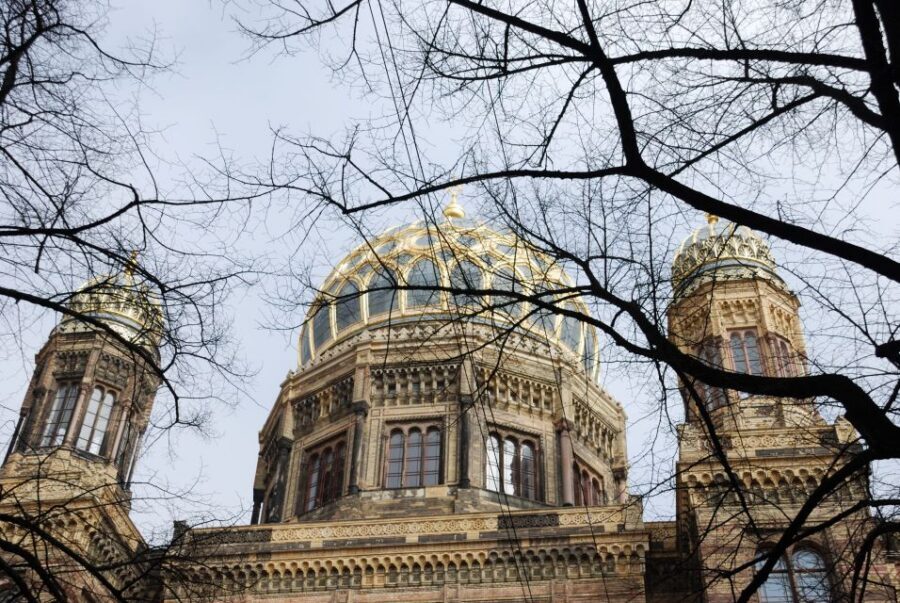
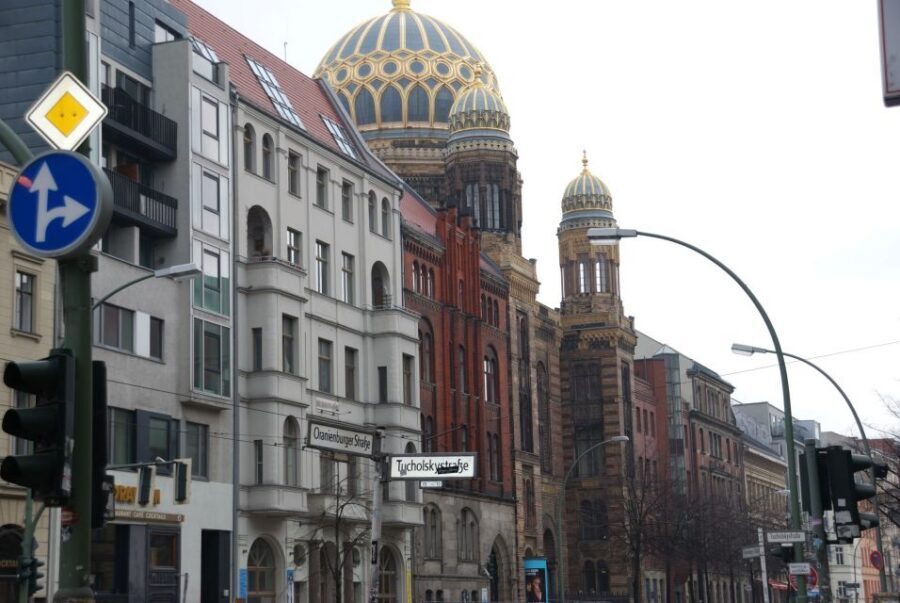
After the courtyards, the tour continues along Oranienburger Straße toward the New Synagogue Berlin – Jewish Centre. This is an important shift in tone. The route moves from architectural enjoyment into deeper cultural meaning.
Even from the outside, the synagogue area invites a more reflective kind of looking. And because this tour keeps explaining what you’re seeing, it helps you connect the place to Berlin’s broader story rather than treating it as a standalone attraction.
This part of the walk is also useful for your travel planning. Seeing these kinds of significant sites with context makes it easier to decide what else you want to read about later—especially if you’re building a Berlin trip around neighborhoods and history rather than only top-10 landmarks.
The guide matters: stories that make the back streets make sense
A small-group tour only works if the guide keeps it moving and keeps it clear. The consistent praise around this tour is that the guide provides lots of information in a way that stays interesting and easy to follow.
In particular, guides like Carlo are highlighted for leading people through Berlin’s hinterhöfe (inner courtyards) in a way that feels personal and practical—things you might not find on your own without already knowing what you’re looking for. You also tend to get extra tips for Berlin along the way, which is a quiet bonus. Those small “while you’re here” pointers often end up guiding your next day’s plans.
For you, that means this isn’t just a route of famous names. It’s a guided translation of the city. You leave with a better instinct for how to move through Berlin’s center, and you’re more likely to notice what you’d otherwise walk past.
Price and value: is $43 worth it?
At $43 per person for a 2-hour small-group walk, you’re paying for three things: a professional guide, a tight route through major sights, and concentrated time in Hackesche Höfe.
Is it a bargain? It depends on how you like to travel.
- If you’re the type who gets more from context than from wandering alone, this price makes sense. Courtyards like Hackesche Höfe are easier to enjoy when someone explains what you’re seeing and why it matters.
- If you’d rather do everything independently and you’re already a Berlin history buff, you might feel like the walking time is “just time.” But you’d still likely want a guide for the courtyards, because that’s the core attraction—and the part that rewards interpretation.
My honest take: this tour is good value when you want efficiency. You cover a lot of central Berlin highlights, then you spend the key moment in the courtyards where you get shops, art, and architecture in one place.
Who this tour fits best
This walk works especially well if you:
- want an easy, guided way to connect central Berlin landmarks with the inner-courtyard experience
- like small groups (you won’t be shoulder-to-shoulder with hundreds of people)
- prefer to learn as you move rather than sitting through a lecture
- care about architecture and city layout, not only famous photo spots
It’s less ideal if you:
- need lots of free time to explore inside buildings on your own (the structure is a guided route)
- only want English-language guidance (the tour is German)
Quick practical advice so you enjoy it more
Bring comfortable shoes. The tour is a walking format, and you’ll be moving between the TV Tower area, central landmarks, the river corridor, and Hackesche Höfe.
Wear weather-appropriate clothing. Since it runs in all weather conditions and on public holidays, you don’t want to be the person hunting for a dry spot while the group keeps rolling.
And give yourself permission to slow down at Hackesche Höfe. That’s the stop where you’ll get the most from standing still for a moment, looking around, and letting the courtyard layout click.
Should you book this Hackesche Höfe Courtyards walking tour?
If you want a smart two-hour plan that combines Berlin’s headline sights with the quieter, more character-rich inner courtyards, I’d say yes. Hackesche Höfe is the star, but the payoff is bigger because the tour sets it up with the surrounding landmarks like Alexanderplatz, the Marienkirche, Neptunbrunnen, and major sights near the Spree.
Skip it only if you’re chasing a long, museum-style day or you strongly need English guidance instead of German. For everyone else, it’s an efficient way to see a different side of central Berlin—one that’s all about how the city uses space between streets.
FAQ
Where do I meet the guide?
Meet in front of the main entrance of the Berliner Fernsehturm. The guide will be holding a GetYourGuide/You in Berlin flag.
How long is the walking tour?
The tour lasts 2 hours.
How much does the tour cost?
It costs $43 per person.
Is this a small group tour?
Yes. It’s limited to 10 participants.
What language is the tour guide speaking?
The live tour guide speaks German.
Is the tour wheelchair accessible?
Yes, it is wheelchair accessible.
Is hotel pickup or drop-off included?
No, hotel pickup and drop-off are not included.
Does the tour run in bad weather and on public holidays?
Yes. The tour takes place in all weather conditions and on public holidays.