REVIEW · GERMANY
About Vikings, kings and cheeky monks (Medieval Schleswig)
Book on GetYourGuide →Operated by Hygge & Meer · Bookable on GetYourGuide
A medieval port city in one smart loop. This 1.5-hour guided walk turns Schleswig into a story you can see, starting with cathedral views and moving through the harbor vibe, the old town, and the fishing settlement of Holm with St. John’s Monastery. I especially like how the guide connects everyday places to big-picture change, like why Schleswig’s trade importance faded. I also like the cozy, relaxed pacing with lots of local flavor, even when the topics get serious about kings and power. One possible drawback: the cathedral visit is mainly outside, and the inside option costs extra depending on timing.
You’ll meet in the center, then follow a route that feels designed for getting your bearings fast. Expect a German-only live guide, and plan for an outdoor-focused experience.
In This Review
- Key Highlights You’ll Feel (Not Just Hear)
- Entering Schleswig’s Medieval Story at Rathausmarkt
- Schleswig Cathedral Outside: Denmark’s Power Written in Stone
- Optional inside visit
- Old Town Views: Where the Past Stays Walkable
- Holm Fishing Settlement: Special Rights on the Schlei
- The “Schleibrief” and King Christian I
- The Cozy City Harbor (Stadthafen): History with a Slow Pulse
- St. John’s Monastery: The “Cheeky Monks” Angle
- The Rhythm and Timing: What 90 Minutes Really Gives You
- Price and Value: Is $17 Worth It?
- Who This Tour Suits Best (And Who Should Rethink It)
- Practical Tips Before You Go
- Should You Book This Medieval Schleswig Tour?
- FAQ
- How long is the Medieval Schleswig tour?
- Where do I meet the guide?
- What does the tour include?
- Is the Schleswig Cathedral interior included?
- Does the tour visit Holm and St. John’s Monastery?
- What languages are available?
- Is the tour wheelchair accessible?
- What is the price?
- Can I cancel for a full refund?
- Can I reserve and pay later?
Key Highlights You’ll Feel (Not Just Hear)
- Rathausmarkt start right in the heart of Schleswig, easy to find before you head out
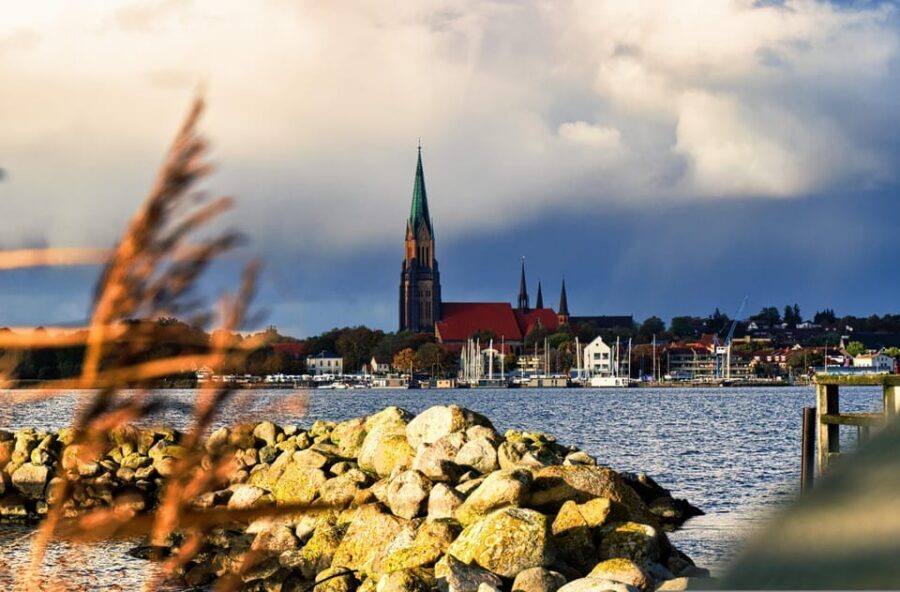
- Schleswig Cathedral exterior as a frame for the Danish kings story
- Holm fishing settlement and the special rights of Holm fishermen
- St. John’s Monastery as a standout stop in the medieval city picture
- Cozy harbor atmosphere near the Stadthafen for a less-formal rhythm to the walk
- A hygge-style tour that keeps things calm while still being informative
Entering Schleswig’s Medieval Story at Rathausmarkt
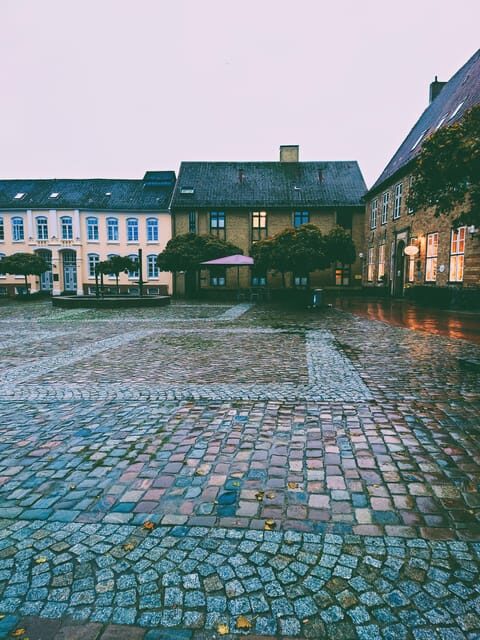
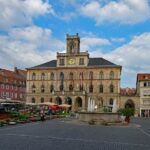
Your tour begins on Rathausmarkt, in central Schleswig, in front of the local restaurant Alte Apotheke. That location matters more than you might think: you’re not dropped at some random edge-of-town landmark. You start where the city breathes, which makes the rest of the walk feel logical.
From there, the guide sets the theme: Schleswig in the early Middle Ages wasn’t just a local dot. It was a trading city with active port life, and the harbor area shaped daily work and long-distance connections. In a short 1.5 hours, you’re basically getting the “why” behind the city’s current look.
This is the kind of route that works when you only have a slice of time. It’s also the kind of tour that helps if you’re the person who normally wants context before you go sightseeing on your own.
You can also read our reviews of more tours and experiences in Germany.


Schleswig Cathedral Outside: Denmark’s Power Written in Stone
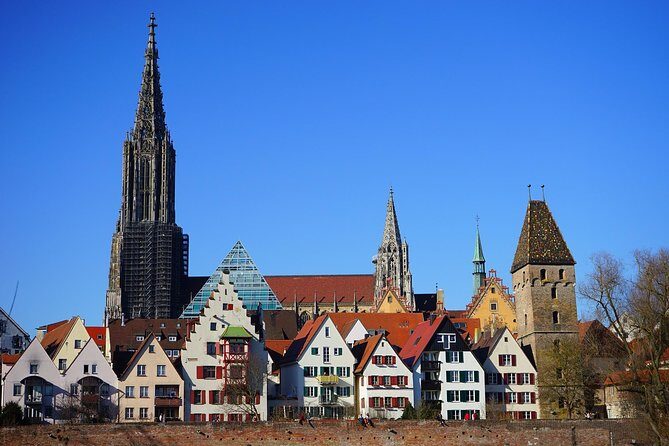
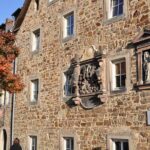
The cathedral stop is an outside visit, and it’s the perfect way to start thinking historically. Even without going inside, you can grasp how important this religious center was in medieval Schleswig. The tour links the cathedral to the Danish royal world, which gives the building more meaning than just architecture.
The guide’s framing focuses on questions like: what role did Schleswig and the Schleswiger Dom play for Danish kings? And why did the city’s earlier prominence in trade shift over time? When you’re standing near a major monument like this, it’s easier to accept that power and influence weren’t abstract back then. They were physically anchored in visible institutions.
Optional inside visit
If you want to see the cathedral interior, there’s a chance to add it for an extra charge depending on time of day. That means you should treat the outside visit as the “core plan.” If your main goal is interiors, build a little flexibility into your schedule so the added time works.
Old Town Views: Where the Past Stays Walkable
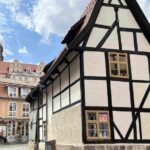
After the cathedral area, you’ll head into Schleswig’s picturesque old town. This is where the tour does something smart for time-limited visitors: it helps you read the city as a chain of cause and effect.
The guide’s story connects the city’s early trade strength to the port, and then to later changes that reshaped Schleswig’s role in the broader network. As you move through the older streets, the lesson is simple: the city’s layout and landmarks aren’t random. They grew out of maritime traffic, commerce, and the pull of religious and civic centers.
The tone here is also part of the value. The tour doesn’t sprint from stop to stop. It keeps that Nordic sense of calm—often described as hygge—so you can actually take in what you’re seeing instead of just collecting photos.
Holm Fishing Settlement: Special Rights on the Schlei
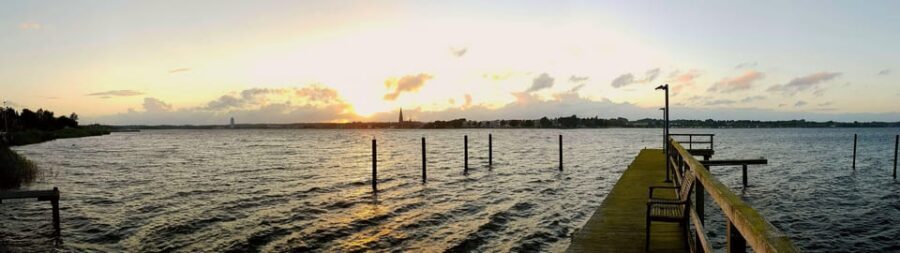
One of the most memorable parts is the visit to Holm, the fishing settlement. This stop gives you the work-and-water side of Schleswig’s story, not only the political and church side.
Here’s the key context the guide emphasizes: the Schlei was a major shipping route in the early Middle Ages. That matters because it explains why coastal and river-adjacent communities mattered so much. When trade and transport move through water, the people closest to it gain leverage, routines, and sometimes legal privileges.

The “Schleibrief” and King Christian I
As you walk Holm, you learn about the old special rights of the Holm fishermen. The guide highlights how these rights were reaffirmed by a document called the Schleibrief issued by King Christian I of Denmark in 1480.
That detail is more than trivia. It’s a window into how authority worked at the local level. A king’s paper could protect livelihoods. It could also preserve a community’s role when larger networks changed. If you enjoy the idea that history is made not only by rulers but by working people, this stop will land well.
The Cozy City Harbor (Stadthafen): History with a Slow Pulse
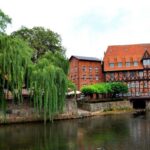
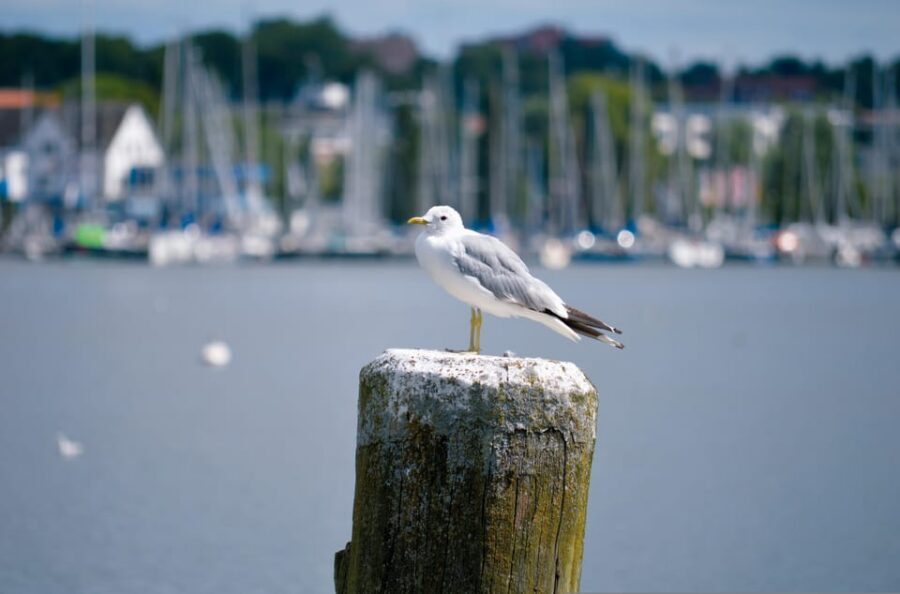
The tour also includes the cozy city harbor, near the Stadthafen. This is the moment where the whole tour theme clicks: Schleswig’s identity is inseparable from its water access.
In most cities, a harbor is just scenery. Here, the tour uses the harbor area as a visual anchor for the earlier explanation of Schleswig as a trading hub. You can look at the shoreline and understand why merchants, sailors, and fishers had different reasons to care about the same stretch of water.
Even though the tour is historical, it doesn’t feel like a museum lecture. You get to stand in place, then hear how that place worked in earlier centuries. It’s a big reason this tour tends to get strong feedback: the guide connects locations to stories in a way you can test with your eyes.
St. John’s Monastery: The “Cheeky Monks” Angle
The final major stop is St. John’s Monastery (Johanniskloster). If you like medieval architecture and institutional history, you’ll probably appreciate this one. The monastery is described as the best preserved medieval monastery in Schleswig-Holstein, so it’s not just a name on a map. It’s a surviving piece you can actually look at.
And then comes the amusing part of the tour’s framing: the stop is tied to the idea that not all Schleswig monks had a great reputation. That’s the tour’s playful “cheeky monks” angle, and it keeps the history from becoming heavy or sterile.
What I like about ending here is that it balances the earlier stops. You’ve already seen the cathedral’s civic-religious power and the fishing settlement’s livelihood structure. The monastery adds a different slice of medieval life—spiritual, social, and very tied to how communities were organized.
The Rhythm and Timing: What 90 Minutes Really Gives You
This is a 1.5-hour guided walk, and the schedule is built for efficiency. You cover multiple high-value areas: cathedral exterior, old town, Holm, harbor atmosphere, and St. John’s Monastery.
That timing matters for two types of travelers. First, if you only have one afternoon in Schleswig, this tour helps you make sense of what you’ll see afterward. Second, if you’re the kind of person who likes an organized route, this gives you a sensible plan without taking your whole day.
The overall pacing also seems designed to keep questions possible. Several people appreciated that the guide could react to what the group wanted to know, rather than sticking rigidly to a script.
Price and Value: Is $17 Worth It?
At about $17 per person, this tour sits in the “good value” zone for guided walking history. Here’s why: you’re not only hearing facts. You’re getting a route that links distinct landmarks with the political and economic story of Schleswig—trading city, port influence, Danish royal connections, and local fisherman rights.
Also, the included sightseeing covers several anchor points you’d otherwise need to research and stitch together on your own:
- Schleswig Cathedral exterior
- Holm fishing settlement
- St. John’s Monastery
- Old town and the harbor area
The only real add-on risk is that cathedral interiors are not included. If the interior is a must for you, keep in mind that extra cost and timing may apply. If you’re fine with exterior views (which is still plenty for a 1.5-hour overview), the base price feels fair.
Who This Tour Suits Best (And Who Should Rethink It)
This tour is a strong fit if you want:
- A calm, hygge-style introduction to medieval Schleswig
- A guided connection between places and the bigger story (trade routes, royal ties, local rights)
- A route you can enjoy without needing museum stamina
It’s also mentioned as suitable for families and groups, which makes sense for the outdoor pacing and the variety of stops. Still, if you’re traveling with kids who need hands-on excitement, take note: at least one person felt it wasn’t a great match for children. So you might decide based on the attention span and interest level of your group.
If your ideal sightseeing day is quick context plus a walkable route, you’ll likely appreciate this format.
Practical Tips Before You Go
A few small things can improve your experience a lot:
- Wear comfortable shoes. This is a walking tour with multiple historic areas.
- Bring your curiosity. The guide’s style can adjust to questions, and that’s where the story gets more personal.
- If you care about cathedral interiors, plan for the possibility of an added option and timing limits.
- Since the guide speaks German, make sure you’re comfortable following a German-led tour (or have a basic level).
Should You Book This Medieval Schleswig Tour?
I’d book it if you want an efficient, outdoor-focused overview of Schleswig that doesn’t feel like a checklist. For $17, you get a guided route that connects cathedral power, port and Schlei shipping, Holm fisherman rights, and St. John’s Monastery into one coherent walking story. It’s the kind of tour that helps you understand what you’re seeing next, even if you’re not a hardcore medieval-history person.
I would skip or think twice if you’re specifically hunting for cathedral interiors as the main event, since that part is outside the default plan and may cost extra. And if your group includes kids who need highly interactive content, you may want to consider a more hands-on option.
If you’re aiming for a calm, meaningful afternoon in northern Germany, this one is a very solid choice.
FAQ
How long is the Medieval Schleswig tour?
The tour lasts 1.5 hours.
Where do I meet the guide?
Meet on Rathausmarkt in the heart of Schleswig, in front of the restaurant Alte Apotheke.
What does the tour include?
It includes a guided outdoor tour of Schleswig’s highlights, including the cathedral exterior, the old town, Holm, the harbor area, and St. John’s Monastery.
Is the Schleswig Cathedral interior included?
No. The cathedral visit is outside only. An interior tour may be bookable for an additional charge depending on time of day.
Does the tour visit Holm and St. John’s Monastery?
Yes. Holm and St. John’s Monastery are part of the walk.
What languages are available?
The live guide speaks German.
Is the tour wheelchair accessible?
Yes, it is listed as wheelchair accessible.
What is the price?
The price is $17 per person.
Can I cancel for a full refund?
Yes. You can cancel up to 24 hours in advance for a full refund.
Can I reserve and pay later?
Yes. It offers reserve now & pay later, so you can book without paying immediately.