REVIEW · GERMANY
Reil, Mosel: Guided organic wine tasting and cellar tour
Book on GetYourGuide →Operated by Weingut Arns · Bookable on GetYourGuide
Mosel wine, made with fewer chemicals. Here, you get organic vineyard know-how and a real tasting session in just two hours.
I especially like meeting the winemakers and hearing their answers in plain language, not wine jargon. And I love the structure: a vineyard walk first, then a cellar tour, then 4 to 5 organic wines to taste while the lessons are fresh.
One possible drawback: this is a guided experience tied to the winery’s set flow, so if you’re looking to freestyle and linger for hours in one spot, you might want extra time on your own before or after.
In This Review
- Key things that make this tour worth your time
- Organic Mosel wine, explained without the lecture
- Getting to the right starting point: Arns Winery and the Blue Flag
- Vineyard tour: seeing organic growing as a system, not a slogan
- Cellar tour in a real-working setting
- The tasting: 4 to 5 organic wines, including sparkling
- Price and value for a 2-hour organic experience
- Who should book this tour (and who might want a different style)
- The real takeaways: what you’ll remember next time you order Mosel wine
- Should you book Weingut Arns organic wine tasting?
- FAQ
- How long is the guided organic wine tasting and cellar tour?
- What wines will I taste?
- Is the tour guide available in English?
- Where do I meet for the tour?
- What’s included in the price?
- Is the tour wheelchair accessible?
Key things that make this tour worth your time
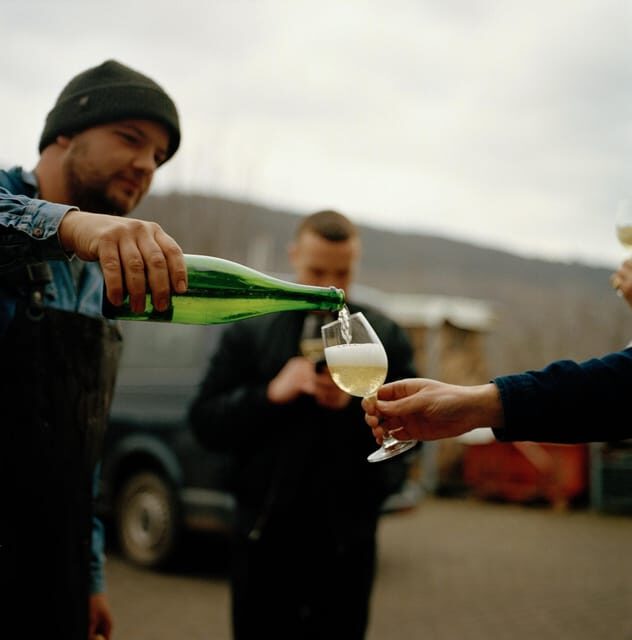
- Meet the winegrowers and ask your questions right to the people making the wine
- Organic vineyard tour focused on how soil and biodiversity connect to the bottle
- Modern wine cellar visit alongside traditional organic practices
- Traditional-method sparkling among the wines tasted
- Tasting of handcrafted organic wines plus bread and water included
- English or German guide (and you’ll see real flexibility in how the group is handled)
Organic Mosel wine, explained without the lecture
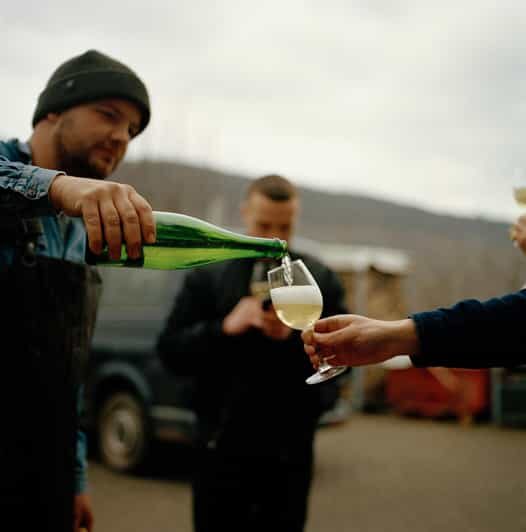
The Mosel has a reputation for elegant whites, but what I found most useful about this experience is the way it turns organic growing into something practical. You don’t just hear that the vineyard is organic. You get answers to the questions that matter when you’re tasting: what organic practices change in the vineyard, what the soil is doing, and how sustainability shows up in real production decisions.
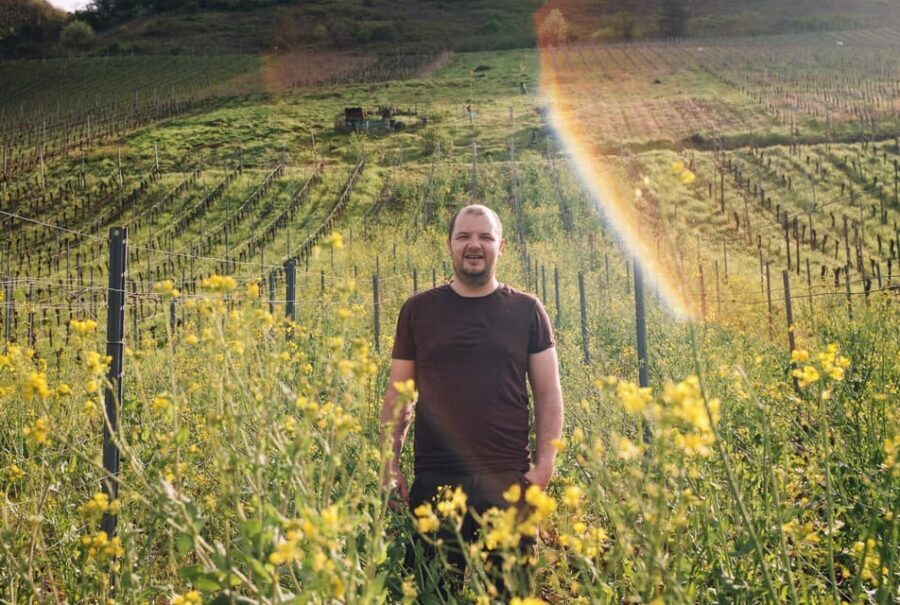
The tour is hosted by Weingut Arns, and the vibe is family winery simple and human. The guide I noticed getting the highest praise is Alexander—people talk about his energy and how he explains things with both knowledge and genuine care. If your German is rusty, the good news is that the tour operates in English and German, and the group experience seems designed so everyone can follow along and ask questions.
You can also read our reviews of more food & drink experiences in Germany
Getting to the right starting point: Arns Winery and the Blue Flag
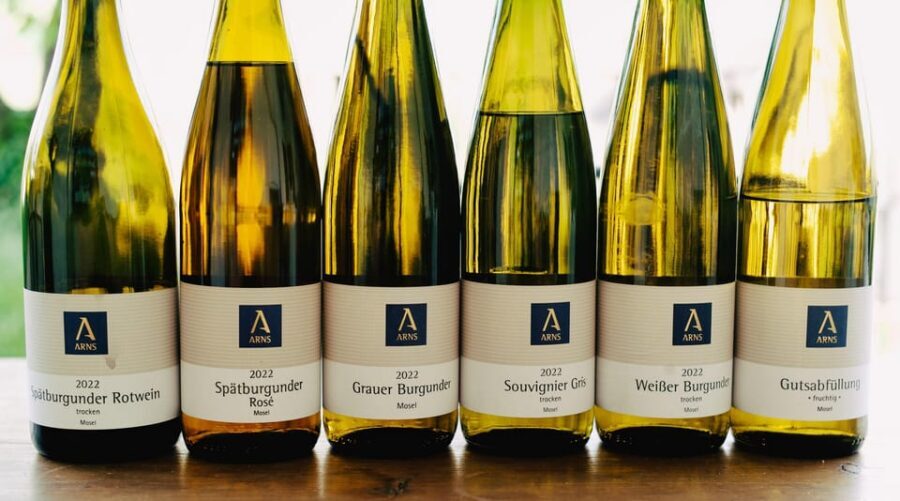
Plan your arrival so you’re not rushing. The start is at Kringstraße 36, and the meeting point is Arns Winery, marked with the Blue Flag. In vineyards, timing is everything because tours are scheduled tight: you’ll be walking in good light, tasting when the cellar feels right, and keeping the whole rhythm intact.
If you’re traveling with companions who may not be as into wine, this is still a good meet-up. It’s not a “sit and listen” thing for two hours. You’re moving: vineyard view, then cellar spaces, then the tasting table.
Practical tip: wear shoes you’re comfortable walking in on vineyard paths. Even when it’s not steep, the ground can be uneven.
Vineyard tour: seeing organic growing as a system, not a slogan
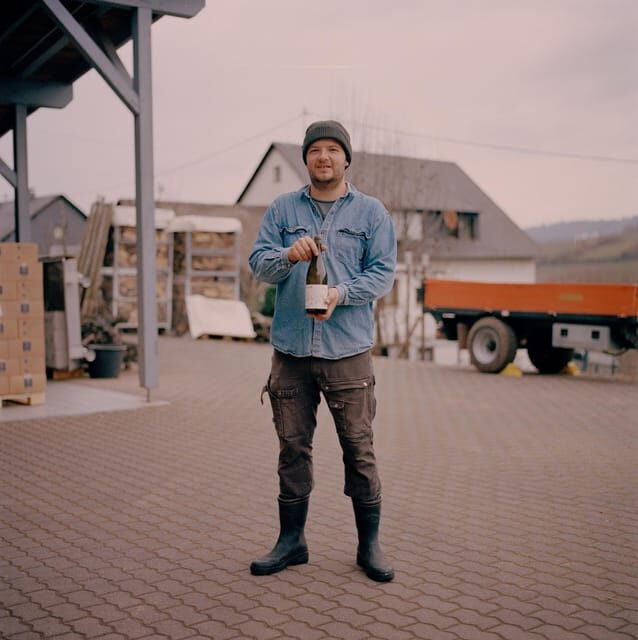
The first hour is the vineyard part, guided, focused, and built around observation. This is where you’ll understand organic viticulture in Mosel terms.
You’ll walk through organic vines and talk about questions that are easy to ask and hard to answer if you only read labels later. Things like:
- What biological diversity means in a vineyard and why it matters to plant health
- How the soil influences what the vine can do (and how that can show up in the glass)
- Whether it’s realistic to grow wine sustainably without giving up quality
This is exactly the kind of lesson that makes tastings more fun. After you’ve seen how the grower thinks about the vineyard, you stop tasting like a passive consumer and start tasting like a detective. You notice acidity, texture, and freshness not as “mystery flavors,” but as results of choices made months earlier in the soil and canopy.
And yes, you’ll get to meet the winegrowers in a way that feels natural, not performative. That matters because you can ask the question you actually have, like how they handle organic practices during tough seasons, or what trade-offs they’ve found.
Cellar tour in a real-working setting
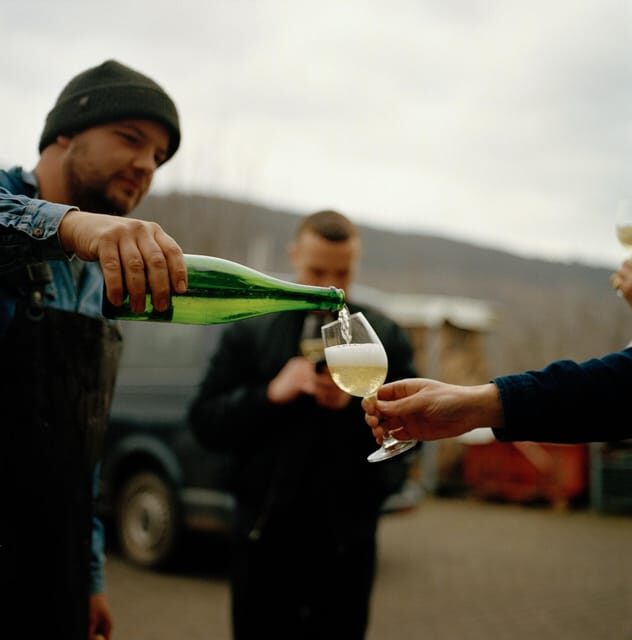
After the vineyard, the pace shifts to the winery and the modern wine cellar. This is where the tour connects the “why” to the “how.” You’ll see the facilities and learn how traditional and modern organic approaches fit together in their process.
The tour highlights both sides:
- Traditional methods of wine growing and winemaking
- Modern cellar tech and current practices that help maintain quality
For me, the best part of the cellar stop is that it turns abstract claims into something you can picture. You start to understand what changes after harvest, and how the winery manages consistency while still treating the vineyard as the source of the character.
It’s also a good mental reset. If the vineyard walk got your head full of terms, the cellar tour is where you ground it again. You’ll connect the dots before the tasting begins, so your glass isn’t just random wine samples—it’s part of the explanation you just walked through.
The tasting: 4 to 5 organic wines, including sparkling
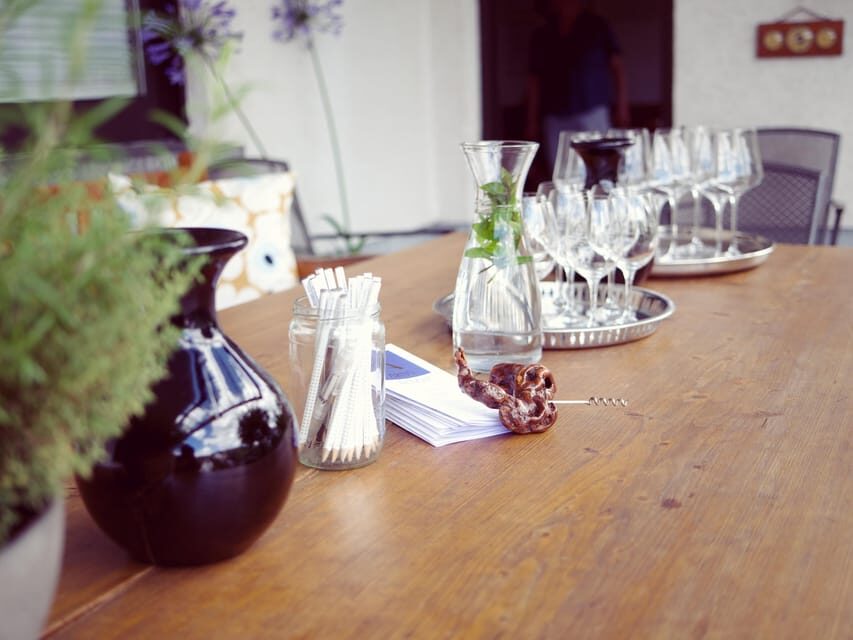
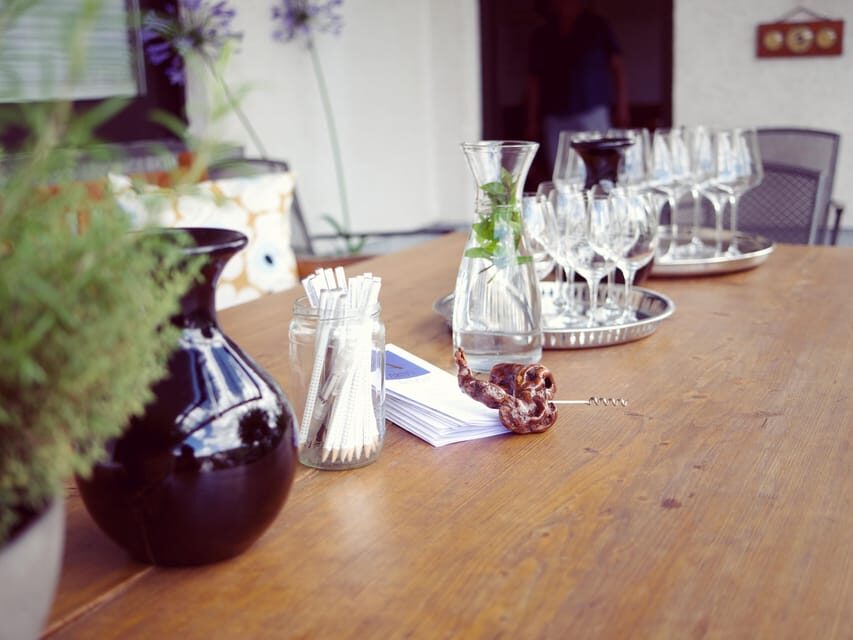
The tasting is the payoff: a full wine tasting session lasting about an hour, featuring four to five different organic wines. You’ll taste white and red wines, plus sparkling wine made using the traditional method.
What makes this tasting more satisfying than a basic “sip and smile” event is the pairing with what you just learned. When you taste a Mosel white, you can think about soil and organic vineyard choices right away. When you taste a red, you’ll likely focus on structure and how fermentation and cellar handling affect the final character. And when you taste the traditional-method sparkling, you get to compare texture and character in a way that feels tangible.
Bread and water are included, which is a small detail but a very practical one. It keeps the tasting comfortable and makes it easier to focus on differences between wines rather than hunger or dryness.
One more reason this tasting lands well: people specifically praise how questions are handled. If you’re curious and want to slow things down—ask. If you’re not sure what to ask, the guide’s explanations usually make it easier to follow and join in.
And there’s a fun, genuinely useful note: at least one booking mentioned they could bring their dog without issues. If that’s your situation, it’s smart to check in ahead, but it’s a good sign that the winery doesn’t treat the visit as strictly human-only.
You can also read our reviews of more guided tours in Germany
Price and value for a 2-hour organic experience
At $29 per person for a 2-hour tour, this is priced like a thoughtful local experience, not a big commercial production. You’re paying for multiple parts in one ticket: vineyard walk, cellar tour, and a structured tasting of 4–5 organic wines, plus bread and water.
The value is strongest if you want more than a sip session. If you’re the type who likes to understand what you’re drinking—how organic farming changes the vineyard behavior and how that shows up in flavor—this tour gives you a lot of context per minute.
Is it a luxury extravagance? No. It’s a hands-on winery visit that seems designed for real people with real questions. For that, the pricing makes sense.
Also, you’re not stuck with only the wine. The tour experience includes the social element of meeting the winegrowers and asking questions in English or German. That’s part of the value you can’t always measure, but you feel it when the guide is approachable and the explanations stick.
Who should book this tour (and who might want a different style)
This tour is a strong match for:
- Wine lovers who want organic wine growing explained clearly
- People who enjoy hands-on walks and want a short, well-paced plan
- Groups where not everyone speaks the same language, since the guide has been praised for switching between German and English
- Travelers who want to try a range—whites, reds, and traditional-method sparkling—without committing to a long day
It might be less ideal if you:
- Want to roam freely without a structured timeline
- Prefer tastings that are more focused on a single grape or a deep technical lecture without the vineyard context
- Are expecting a huge-scale “tour bus” style event (this is a family winery feel)
The real takeaways: what you’ll remember next time you order Mosel wine
By the end, you should feel like you can taste with intention. Organic wines still reflect the Mosel style—freshness, balance, and character—but the tour helps you understand what sits behind the style.
You’ll likely remember three ideas:
- Biodiversity and vine health aren’t just environmental buzzwords; they connect to how the vineyard functions
- Soil influences what the vine produces, and that shows up when you taste
- Sustainability is something you manage in practice, not something you claim on a label
If you’re heading out to restaurants afterward, you’ll probably find yourself reading labels with new confidence and asking smarter questions when a server describes the wine.
Should you book Weingut Arns organic wine tasting?
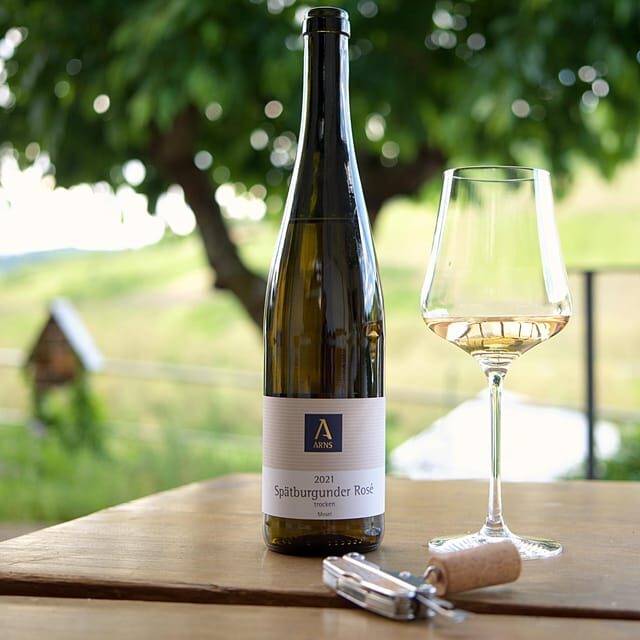
Yes, if you want an efficient, high-value introduction to organic Mosel wine with real tastings and a clear link between vineyard practices and what ends up in your glass. The best signs are the structured flow (vineyard, cellar, tasting), the focus on organic growing questions, and the repeated praise for Alexander’s friendly, energetic guidance.
I’d book it if you’re on the fence and trying to pick one winery experience: this one earns your money because you leave with both wine you enjoyed and knowledge you can actually use the next time you taste Mosel.
FAQ
How long is the guided organic wine tasting and cellar tour?
It runs for about 2 hours, with a guided vineyard portion and then a wine tasting at the winery.
What wines will I taste?
You’ll taste four to five different organic wines, including white and red wines, and sparkling wine made using the traditional method.
Is the tour guide available in English?
Yes. The live tour guide offers English and German.
Where do I meet for the tour?
The meeting point is Arns Winery, marked with the Blue Flag. The starting location is Kringstraße 36.
What’s included in the price?
The experience includes the vineyard and cellar tour, the wine tasting with 4 to 5 organic wines, and bread and water.
Is the tour wheelchair accessible?
Yes, it is listed as wheelchair accessible.
###