REVIEW · BERLIN
Where It All Began: Berlin’s Queer & Trans History Tour
Book on GetYourGuide →Operated by BerlinGuide.de · Bookable on GetYourGuide
One street can change how you see a city. This tour traces 150+ years of LGBTQIA+ and trans resistance in Berlin with rare media, AR scenes, and a guide who knows the subject from the inside out. You’ll walk through the area tied to modern Pride energy and also into the darker chapters that people worked hard to survive.
I especially like the way 200+ archival photos, videos, rare audio clips, and quizzes are used like a living timeline, not a slideshow. I also like that the tour is led by Jeff, a queer activist and gender scholar who brings humor and emotion without turning serious stories into something soft.
The one drawback to clock now: the material can be heavy and explicit at times, covering topics like Nazi persecution, HIV/AIDS, antisemitism, transphobia, and sexual violence—so it’s not a tour for everyone’s comfort level.
In This Review
- Key things I’d plan around
- Berlin queer & trans history starts at Nollendorfplatz
- Meet Jeff: a guide who blends activism, science, and sex education
- The 200+ archival media experience: photos, videos, and audio with subtitles
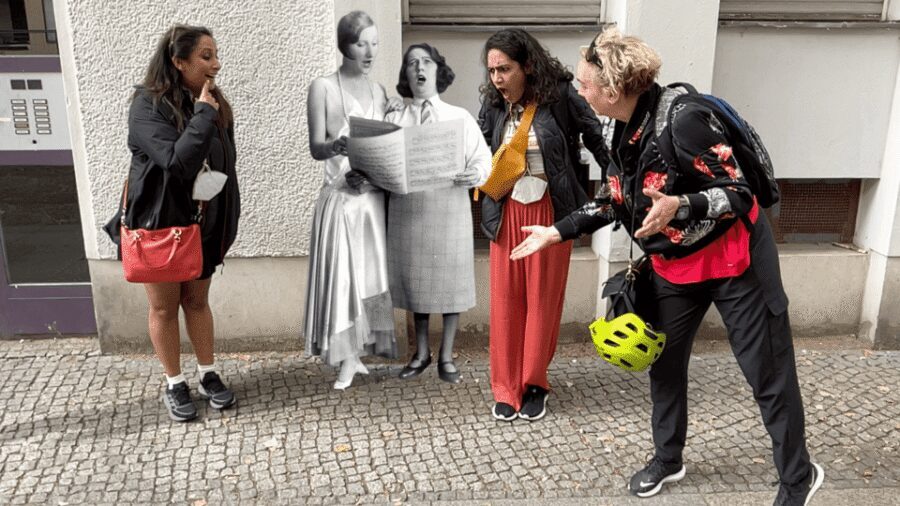
- AR Mixies: selfies with historic figures (and why it works)
- Ulrichs and Hirschfeld: the early roots of modern LGBTQIA+ activism
- The world’s first trans identities and gender-affirming surgeries
- Lesbian nightlife and feminist movements in 1920s Berlin
- Nazi Germany, persecution, and how resistance survived
- From the AIDS crisis to SchwuZ and survival in divided Berlin
- How Berlin shaped global Pride, clubs, and today’s queer events
- Time, price, and logistics for a 3-hour walk
- What to bring
- Content notes: when to choose this tour and when to skip
- Should you book this Berlin queer & trans history tour?
- FAQ
- Where do we meet for the tour?
- How long is the tour?
- What’s the group size?
- What language is the tour in?
- Is the tour wheelchair accessible?
- What makes it different from a normal walking tour?
- Does the tour include quizzes?
- What kind of historical media do you see?
- Is the tour family-friendly?
- What topics are covered that might be sensitive?
Key things I’d plan around
- A small group (max 10) means you can actually ask questions and feel seen.
- Multimedia history (photos, videos, rare audio clips, music, interviews) keeps the facts moving.
- AR Mixies selfies let you make a personal memory instead of just taking notes.
- Trans history is front and center, including early gender-affirming ideas and how Nazis tried to erase them.
- Nightlife from the 1920s to now is treated as culture and community, not just parties.
- Sensitive content is part of the curriculum, so choose your timing and mindset.
Berlin queer & trans history starts at Nollendorfplatz
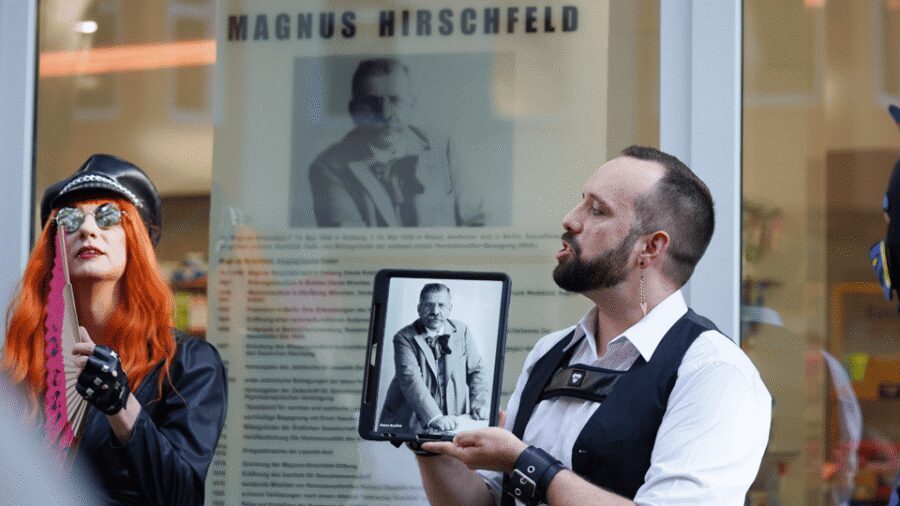
If you’ve ever felt Berlin’s Pride energy, this tour shows you the roots behind it. The walk finishes where the energy tends to collect—Nollendorfplatz—but it begins in a quieter, everyday spot by Alnatura Super Natur Markt. That contrast matters. You’re not just seeing landmarks; you’re learning how people built identity, community, and safety right into normal city streets.
What makes this experience click is the balance between public celebration and survival history. Berlin gets talked about as a nightlife capital, sure. But here, clubs and bars are also discussed as places where identity could be expressed when it was risky, illegal, or violently policed.
You can also read our reviews of more historical tours in Berlin

Meet Jeff: a guide who blends activism, science, and sex education
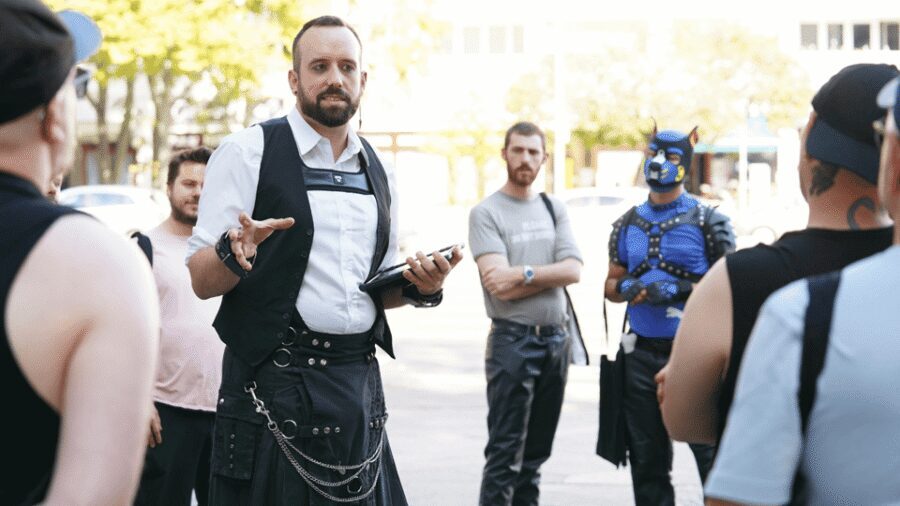
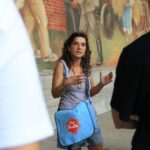
This isn’t a standard history lecture on a sidewalk. Jeff leads the tour—described as a queer activist, social scientist, and certified sex educator—and it shows in the tone. The group stays included, people feel welcomed, and the content lands with both heart and clarity.
From the info you’re given, you can expect a guide who uses personal quotes, interactive quiz moments, and AR scenes to keep you engaged. You also get “explain it like a human” energy rather than stiff textbook delivery. One detail I’d file away: the tour leans on unusual materials—rare audio clips and a big stack of archival media—so it feels researched, not improvised.
And yes, the group size stays small (limited to 10). That’s not just a comfort perk; it helps the guide adjust pace and respond to different comfort levels in the moment.
The 200+ archival media experience: photos, videos, and audio with subtitles
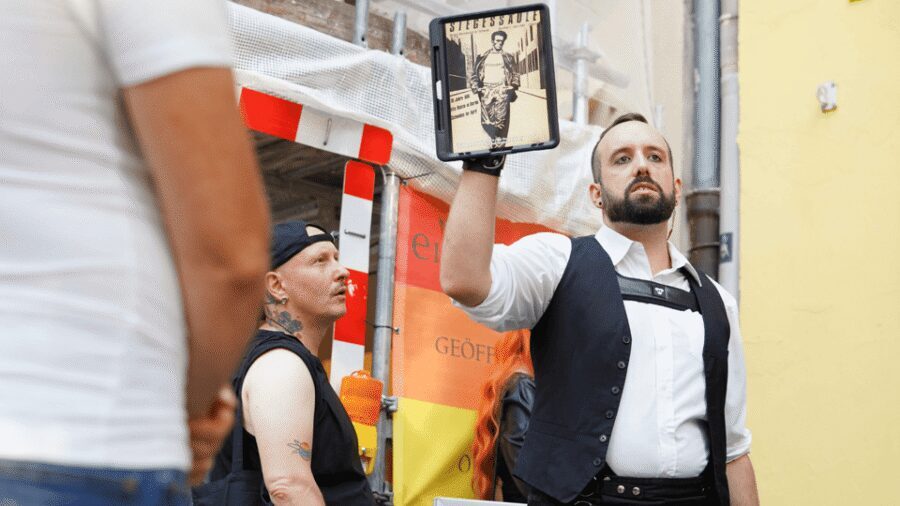
A big part of why this tour is worth your time is how it uses multimedia like a storytelling tool. You’re guided through 200+ historic photos, videos, and rare audio clips instead of relying only on what can fit on a plaque.
You can expect:
- archival images and film clips to frame key moments across decades
- personal quotes that add human voice to big events
- interactive quiz questions that turn remembering into participation
- AR scenes that add a visual layer to what you’re learning
If you care about accessibility of media, that’s explicitly addressed. Videos include subtitles in German, English, or both. For guests with visual disabilities, the guide can describe all visual materials. That matters because it means the tour isn’t only “watch the screen” based—there’s a plan for people who need it adapted.
AR Mixies: selfies with historic figures (and why it works)
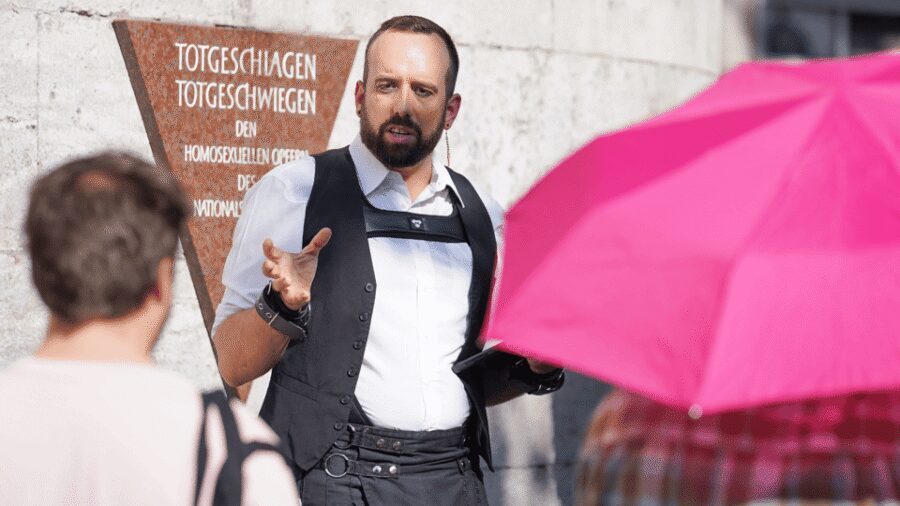
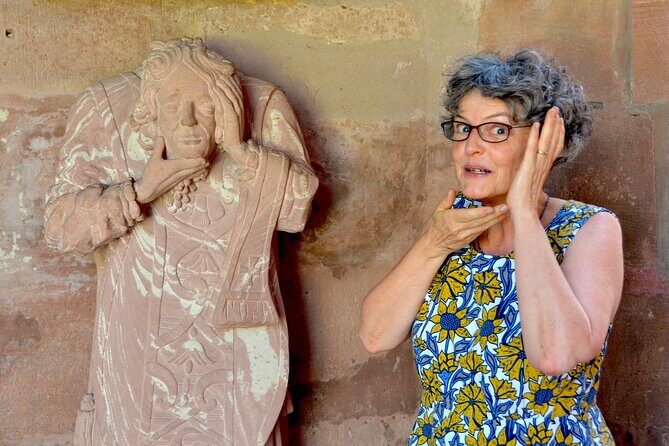
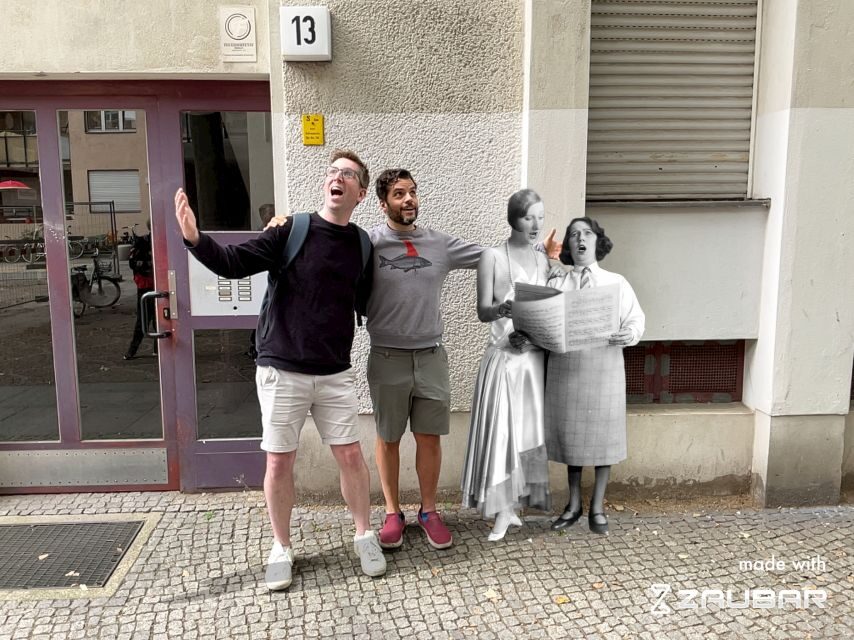
You’ll also get Mixies, an Augmented Reality selfie feature. The idea is simple: you take a fun, personalized photo using AR elements with historic queer activists. It’s playful, but it also reinforces the point of the tour—these stories are not museum pieces. They’re part of living identity and ongoing community.
From a practical standpoint, AR moments do two useful things on a walking tour:
- They give you a break from constant listening.
- They create something you can share and remember when you’re back home.
Just keep in mind you’ll be moving outdoors for much of the experience, so plan to stay patient with phone setup and lighting. Bring comfortable clothes so you’re not thinking about your feet when the tour starts getting emotionally intense.
Ulrichs and Hirschfeld: the early roots of modern LGBTQIA+ activism
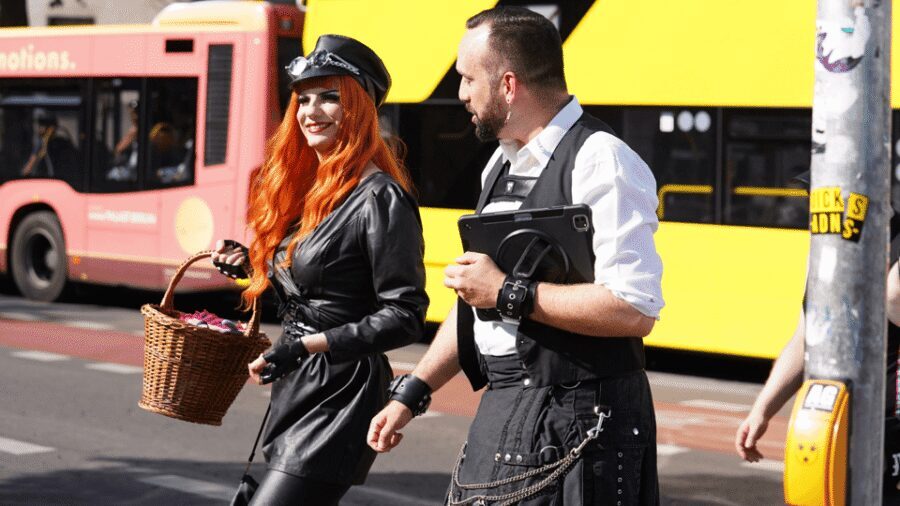
This is a tour about origin stories, not just milestones. You start walking through Berlin with Karl Heinrich Ulrichs and Magnus Hirschfeld in focus—pioneers tied to the world’s first LGBTQIA+ rights movement.
What you’ll feel here is the shift from personal identity to organized resistance. The guide doesn’t just name historical figures; the walk is built to show how early activism shaped later visibility, community language, and political pressure. That framing matters because it prevents the common “Pride just appeared” misconception.
Expect this part to connect the past to the streets you’re standing on today, so you leave with a stronger sense of continuity—how ideas and movements traveled through time, not just across borders.


The world’s first trans identities and gender-affirming surgeries
One of the most standout parts of the tour is its focus on trans history. You’ll learn about some of the earliest discussions tied to trans identities and gender-affirming surgeries—plus how trans people could be documented through “transvestite certificates.”
This isn’t presented as a modern feel-good origin story. The guide also covers how the Nazis tried to erase or destroy queer and trans history. You’re shown that visibility has always come with risk—and that bureaucracies and laws mattered as much as community spaces.
If you’re curious about how trans life functioned in different eras (not just how people wish it had), this is the section where the tour earns its keep. It gives you specific names and specific concepts, rather than stopping at general statements like “it was hard.”
Lesbian nightlife and feminist movements in 1920s Berlin
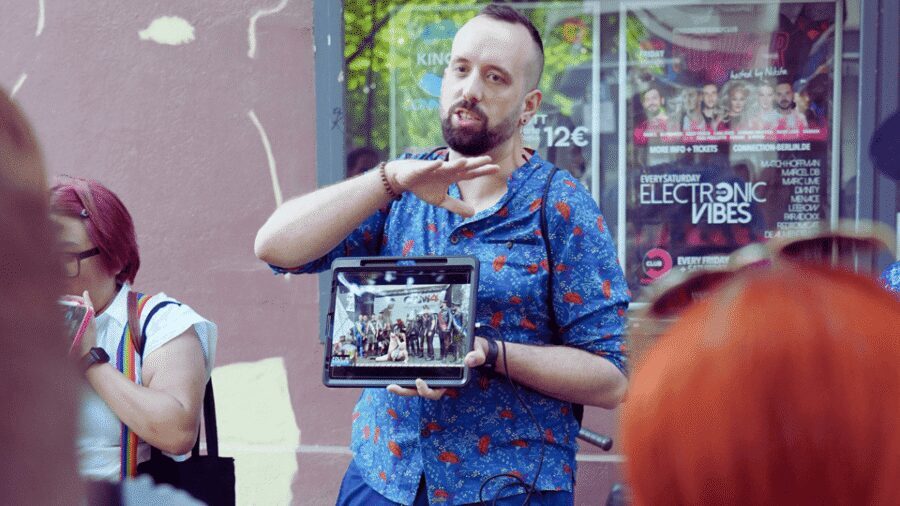
Berlin in the 1920s comes up for a reason: the city became a global center for LGBTQIA+ expression before Nazi repression shut down much of what people depended on.
You’ll step into the story of lesbian bars and cabarets, where queer women found community and resistance. Icons come into the conversation—Claire Waldoff, Marlene Dietrich, and Josephine Baker—and the guide ties nightlife to organizing, not just entertainment.
You should expect a mix of cultural details and political context. This is where the tour feels like it’s answering a question you didn’t know you had: How did people build belonging in public spaces when private life could be policed?
Nazi Germany, persecution, and how resistance survived
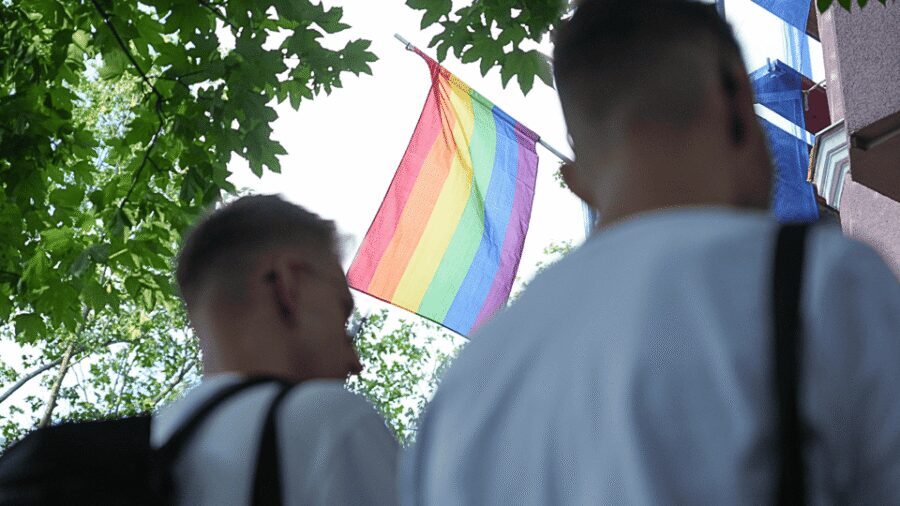
This is where the tone becomes more difficult. The tour covers Hitler’s contradictory stance on homosexuality, the persecution of queer people, and the fact that queer resistance survived even under Nazi rule.
Given the explicit content notes, you should prepare yourself. The tour includes discussions of Nazi Germany and (mass) murder, plus sexualized violence and suicide. That doesn’t mean it’s sensational. It means you’re getting honest history, not sanitized storytelling.
If you want a practical approach: mentally set aside extra energy for this section. Wear your most comfortable walking shoes, have water, and don’t try to “power through” while distracted. This part is meant to be felt and understood, not rushed.
From the AIDS crisis to SchwuZ and survival in divided Berlin
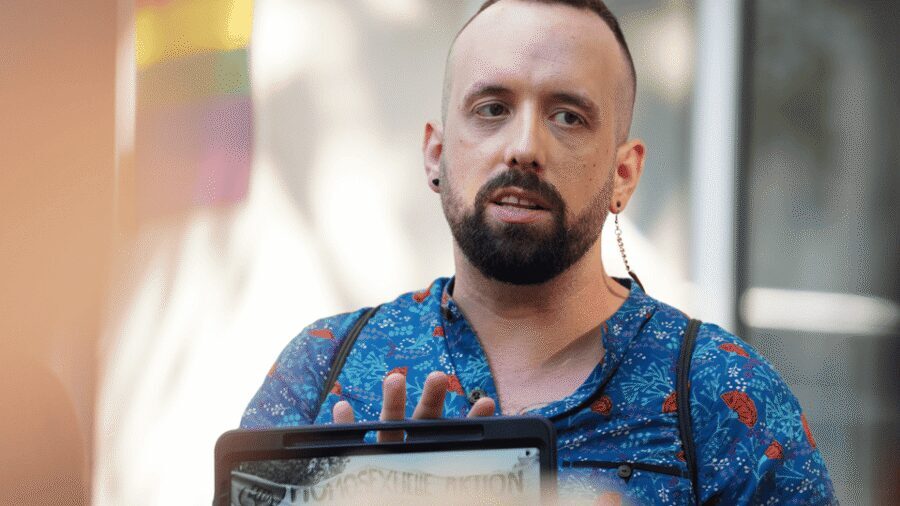
Later chapters track the AIDS crisis and queer activism in divided Berlin. The walk references SchwuZ nightclub as an activist hub, and it includes the detail that the Berlin Wall was called the condom of the GDR.
Those lines matter because they show how activism wasn’t just in pamphlets and speeches. It showed up in nightlife spaces, education, and community action—often exactly where mainstream society refused to look.
This portion also connects back to earlier themes: when law or stigma blocks basic safety, communities invent solutions. You’ll feel the continuity between early organizing (Ulrichs, Hirschfeld) and later activism (AIDS crisis) as a single long arc.
How Berlin shaped global Pride, clubs, and today’s queer events
The tour doesn’t stop at what Berlin went through. It also tracks what Berlin contributed to the world. You’ll hear about the city’s influence on global nightlife and Pride—from legendary venues to modern events.
The names highlighted include Chez Romy Haag and Berghain, plus the idea that Pride movements and events like the Dyke March and Folsom Europe continue the legacy of community-building.
There’s a smart way the guide likely frames this: the club scene isn’t treated as a trend. It’s treated as culture with history. When you leave, you’ll be better at spotting the “why” behind why Berlin nightlife feels tied to identity rather than just music.
Time, price, and logistics for a 3-hour walk
At $81 per person for a 3-hour small-group tour, the question is value: do you get more than a set of photos and a guide talking near a landmark?
You do, based on the stated format:
- small group up to 10 participants (more personal pacing)
- AR selfies (Mixies) for lasting memories
- 200+ rare archival photos/videos/audio clips
- interactive quizzes and AR scenes
- insider tips on modern queer nightlife and events
If you’re someone who likes to learn by seeing and hearing, not just listening, the price makes more sense. If you’re only looking for a quick overview and don’t want multimedia, it might feel like a lot.
What to bring
Wear comfortable, weather-appropriate clothing. You’ll be outdoors and you’ll walk. The route is listed as wheelchair accessible, but some paths may be bumpy, and accessible toilets can be arranged upon request. Some parts also involve high sensory input, like bright lights and loud noises.
Content notes: when to choose this tour and when to skip
This tour includes sensitive, triggering topics. The listed subjects include antisemitism, racism (including sexualized racism), homophobia, transphobia, and queerphobia. It also covers BDSM/kinks/fetishes/sex work, drugs, HIV/AIDS, Nazi Germany, nudity, poverty, sex and sexual abuse, sexualized violence against children, and suicide.
It’s also not suitable for children under 18.
So my practical advice is simple: read the content notes honestly, then decide. If you know you handle trauma content well, you may find this tour deeply meaningful. If you’re in a fragile headspace, pick a lighter day.
Should you book this Berlin queer & trans history tour?
I’d book it if:
- you want LGBTQIA+ and trans history in Berlin with real storytelling tools (video, audio, quotes, AR, quizzes)
- you like tours led by someone like Jeff, with lived community knowledge plus formal education
- you care about the connection between past resistance and today’s nightlife and Pride energy
- you’re comfortable with sensitive history and adult topics
I’d skip or postpone if:
- you want a purely celebratory tour with no hard content
- you’re not up for discussions that include Nazi persecution, HIV/AIDS, and sexual violence
- you prefer a quiet, low-stimulation experience
If you do book, plan your day so you’re not rushing afterward. This one leaves an imprint—because it connects identity, politics, and nightlife to the same streets you’ll walk through all over again.
FAQ
Where do we meet for the tour?
You meet at Nollendorfplatz in front of Alnatura Super Natur Markt, Else-Lasker-Schüler-Straße 18.
How long is the tour?
The tour lasts 3 hours.
What’s the group size?
It’s a small group, limited to 10 participants.
What language is the tour in?
The tour is guided in English.
Is the tour wheelchair accessible?
Yes, the route is wheelchair accessible, though some paths may be bumpy. Accessible toilets are available upon request.
What makes it different from a normal walking tour?
It includes augmented reality (AR) elements, including Mixies AR selfies, plus multimedia content like 200+ rare historical photos, videos, and audio clips.
Does the tour include quizzes?
Yes, you’ll test your knowledge with interactive quiz questions.
What kind of historical media do you see?
You’ll see 200+ archival photos, videos, and rare audio clips, plus personal quotes and AR scenes.
Is the tour family-friendly?
No. It is not suitable for children under 18.
What topics are covered that might be sensitive?
The tour includes discussions of topics such as antisemitism, racism, homophobia, transphobia, queerphobia, Nazi Germany and (mass) murder, HIV/AIDS, nudity, drugs, and sexual violence.