REVIEW · NUREMBERG
Tour en español al Campo Zeppelin
Book on GetYourGuide →Operated by Hallo Nuremberg! · Bookable on GetYourGuide
Nuremberg’s rally grounds hit fast, then stay with you. This Spanish tour is built to explain what the Nazi regime wanted people to feel—and how they tried to turn architecture and ritual into propaganda. I like that you get a specialised live guide in Spanish and that the route takes you right to the Zeppelinfeld and other key ceremonial spaces.
Two things I really like: you’ll get clear historical framing for the Nazi party’s rise to power, and you’ll walk the same wide parade-style streets that were designed for mass displays. One consideration: the stop at the documentation center is part of the guided experience, but entrance to the Doku Zentrum isn’t included, so if you want extra indoor time, plan ahead.
In This Review
- Key things to know before you go
- Why the Campo Zeppelin sites still matter in 2026
- From the Frauenkirche Hauptmarkt to the bus ride: getting oriented fast
- Luitpoldhain: ceremonies, memory, and the shape of power
- Documentation Center Nazi Party Rally Grounds: what you’ll learn (and what you won’t access)
- Große Straße: walking the parade route and understanding the spectacle
- Congress Hall: the “colossal” architecture moment you shouldn’t rush
- Zeppelinfeld (Campo Zeppelin): the main walk with maximum meaning
- Bus back to Nuremberg: how the 3 hours actually feel
- Price and value: is $20 a good deal here?
- Language and guide style: making history understandable in Spanish
- What to bring and how to dress for rain or shine
- Who should book this Campo Zeppelin tour?
- Should you book it? My take
- FAQ
- Where does the tour start?
- How long is the tour?
- Is the tour in Spanish?
- What’s included and what’s not?
- Do I need a public transport ticket?
- Is the tour wheelchair accessible, and does it run in bad weather?
Key things to know before you go
- Spanish live guide who tells the story in a way that’s easy to follow
- Focused 3-hour route that covers multiple “showpiece” locations in one go
- Rain or shine so comfortable shoes matter more than usual
- Somber, politically charged sites—expect a respectful, educational tone
- Documentation Center time is limited and museum entry isn’t included
- Meeting point is clear: look for the guide with a red and white umbrella
Why the Campo Zeppelin sites still matter in 2026
If you’re choosing between just taking photos and actually understanding what you’re seeing, this tour is the practical middle ground. These aren’t random monuments. They’re spaces built for speeches, uniforms, ceremonies, and coordinated public moments—meant to make a political movement feel inevitable.
I also like that the tour doesn’t treat history like a checklist. You’re guided through how the Nazi party used public events and carefully planned physical settings to build power, including references to key moments around Hitler’s Putsch and the roles of the SS and SA. Even if you already know the basics, the on-the-ground context makes it easier to connect dates to places.
You can also read our reviews of more tours and experiences in Nuremberg.

From the Frauenkirche Hauptmarkt to the bus ride: getting oriented fast
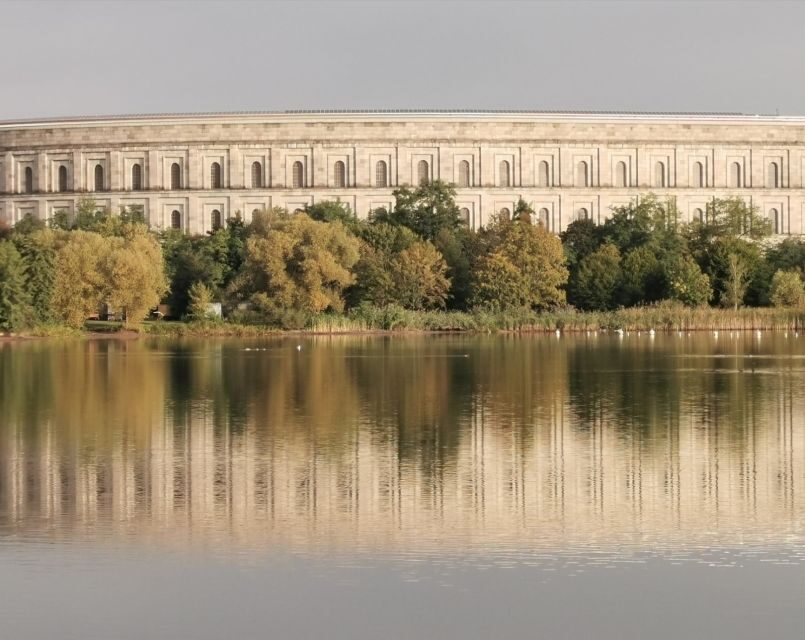
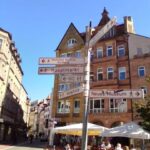
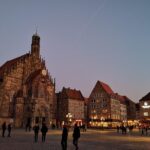
Your tour starts in front of the Church of Our Lady (Frauenkirche) in Nuremberg’s Hauptmark. That’s a smart starting point because it’s central, easy to find, and you don’t waste time hunting for a meeting spot.
Then you board a bus for about 20 minutes to reach the rally grounds area. For a 3-hour total experience, this transfer time matters: it keeps the walking portion focused on the real “Campo Zeppelin” zones, rather than stretching your schedule with extra transit.
Bring your public transport ticket even if you’re taking a tour bus. The guide instructions make it clear that this isn’t bundled with the tour.
Luitpoldhain: ceremonies, memory, and the shape of power
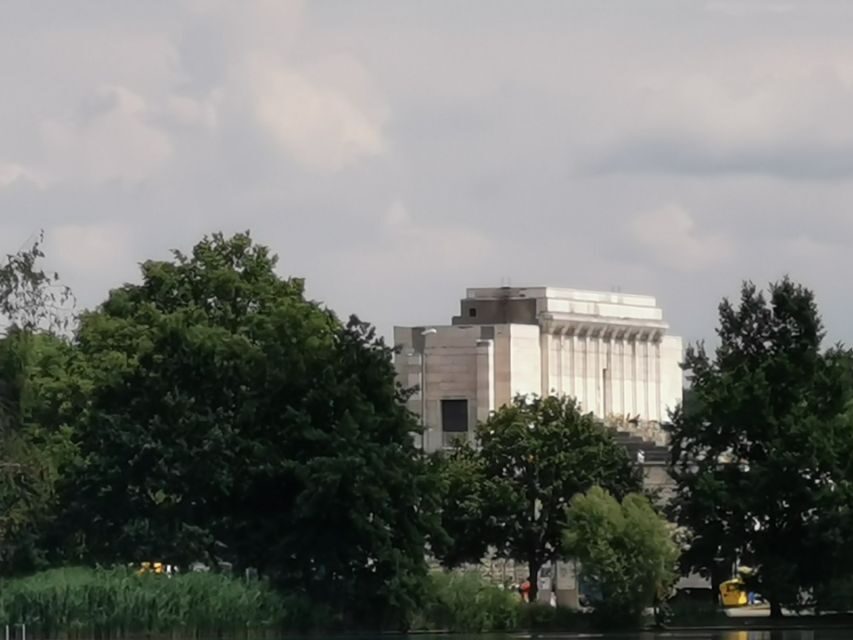
Your first guided stop is Luitpoldhain, and you’ll spend about 30 minutes there. This is one of the best places to start because it sets the emotional and political tone. You’re not just looking at buildings—you’re walking through a space tied to how the regime staged remembrance and public authority.
The tour highlights how places in this area were used to recall Hitler’s Putsch each year, and how SS and SA ceremonies were performed there. That’s an important distinction for your understanding: these gatherings weren’t casual. They were choreographed events designed to build loyalty, normalize power, and unify supporters through repeated ritual.
What to watch for: the way open space works. Large grounds like this are built to make crowds feel coordinated, not individual. If you pay attention to sightlines—where people would have been gathered—you’ll start seeing propaganda as a physical design problem, not just a political idea.
Documentation Center Nazi Party Rally Grounds: what you’ll learn (and what you won’t access)
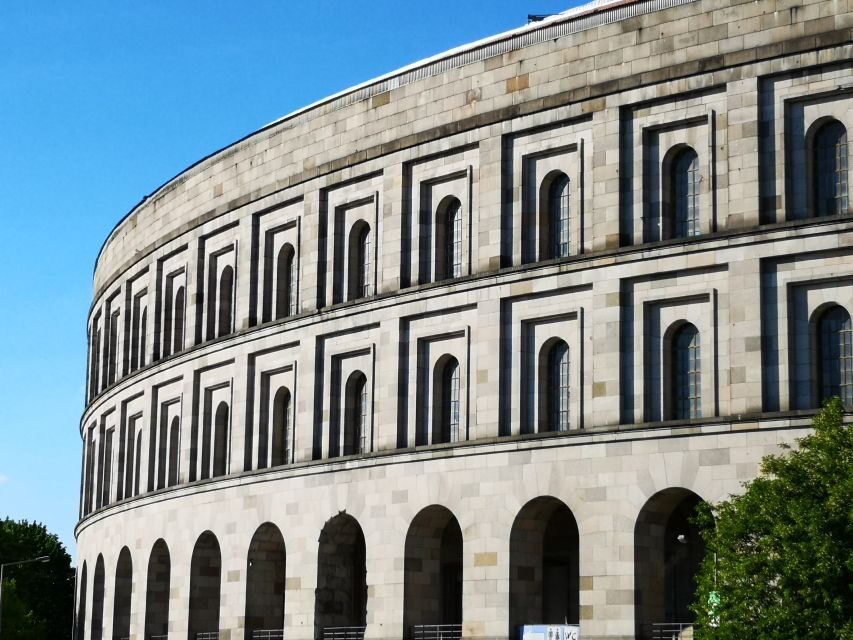
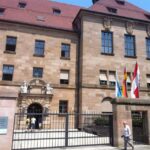
Next comes the Documentation Center Nazi Party Rally Grounds, with about 20 minutes of guided time. This stop is valuable because it helps you translate the “wow” factor of massive structures into “what does it mean” context.
There’s one catch you should be ready for: entrance to the Doku Zentrum isn’t included. So you may get guided access to the surrounding area and explanations, but if you want extra indoor exhibits or a longer museum session, you’ll need to handle that separately.
Is this a dealbreaker? Not usually. The tour is timed to keep the experience moving across multiple locations, including the parade street and Zeppelinfeld. If you prefer deeper museum time, consider pairing this tour with additional self-guided time later.
Große Straße: walking the parade route and understanding the spectacle
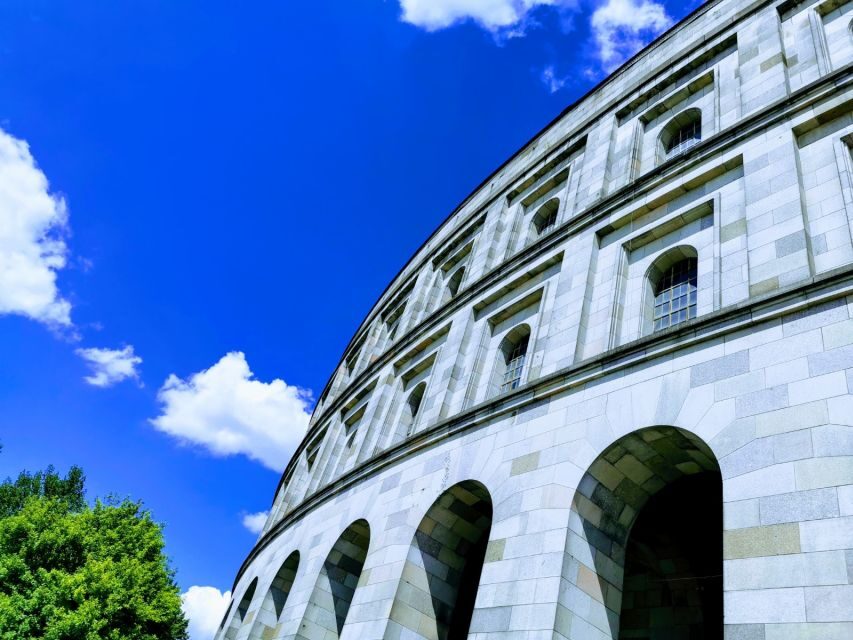
After the documentation stop, you’ll move to Große Straße for another 20 minutes of guided walking. This is where the tour’s “practical history” style really clicks.
You’re shown the kind of parade environment the regime used for mass formations of the German army. The street isn’t just a route—it’s part of the message. Long, formal thoroughfares are designed to make movement look impressive and disciplined. They turn people into geometry.
A tip: take a moment to imagine the scale and pace. Even without strict reenactment details, the environment makes it easier to feel how large events were meant to control attention. You’ll likely come away thinking differently about how modern power can still rely on staging and symbols—even when it claims to be about national pride rather than politics.
Congress Hall: the “colossal” architecture moment you shouldn’t rush
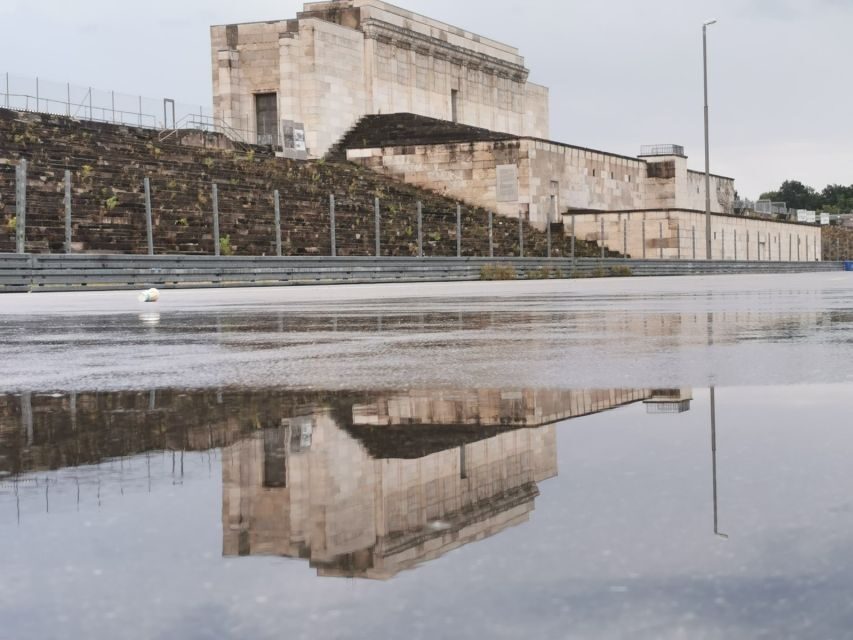
The tour also includes a guided look at Congress Hall, described as a colossal structure. While the schedule lists main guided time blocks for other stops, Congress Hall fits into this rally-ground portion as a major visual anchor.
This is one of those moments where architecture does the talking. These structures were meant to look permanent, inevitable, and bigger than the people inside them. When your guide ties that to the Nazi party’s rise to power and propaganda strategy, the building stops being a photo background and becomes a tool used to persuade.
Don’t rush it. Spend a little longer than the first instinct says. Even a few extra minutes can help you notice the scale details and how the space would frame crowds.
Zeppelinfeld (Campo Zeppelin): the main walk with maximum meaning
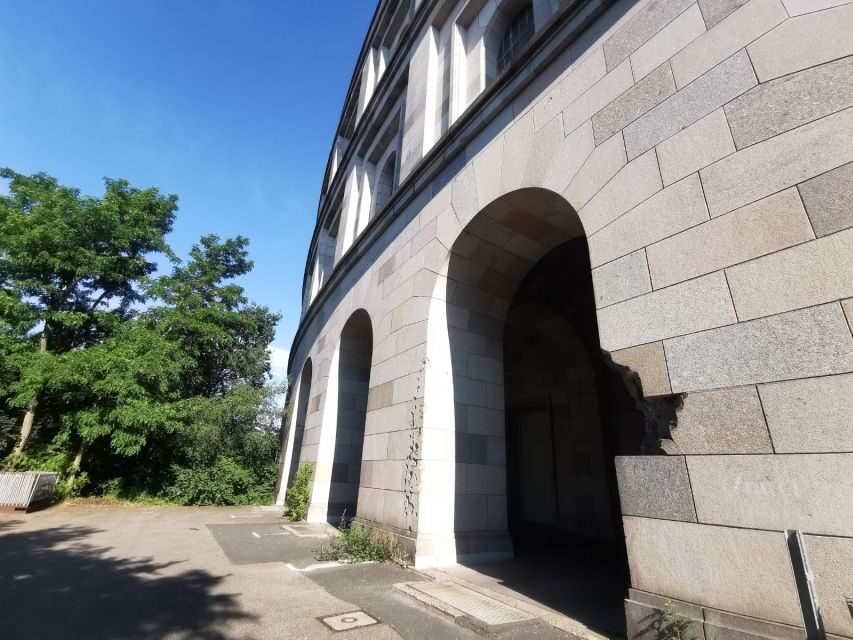
Finally, you reach Zeppelinfeld, which is the standout stop in the experience. You’ll get about 20 minutes of guided time here, and this is the place the tour description centers on.
Walking among the Zeppelinfeld grounds is the moment where your understanding becomes “physical.” The tour’s focus on major historical significance lands best here because you’re in a space designed for large public events tied to the regime’s image of strength and control.
I like that the guide keeps the focus on why this place mattered and how it functioned in the broader story of the Third Reich’s operations. If you’re the kind of person who wants to understand what you’re looking at—not just where it is—this is the most satisfying part of the itinerary.
Bus back to Nuremberg: how the 3 hours actually feel
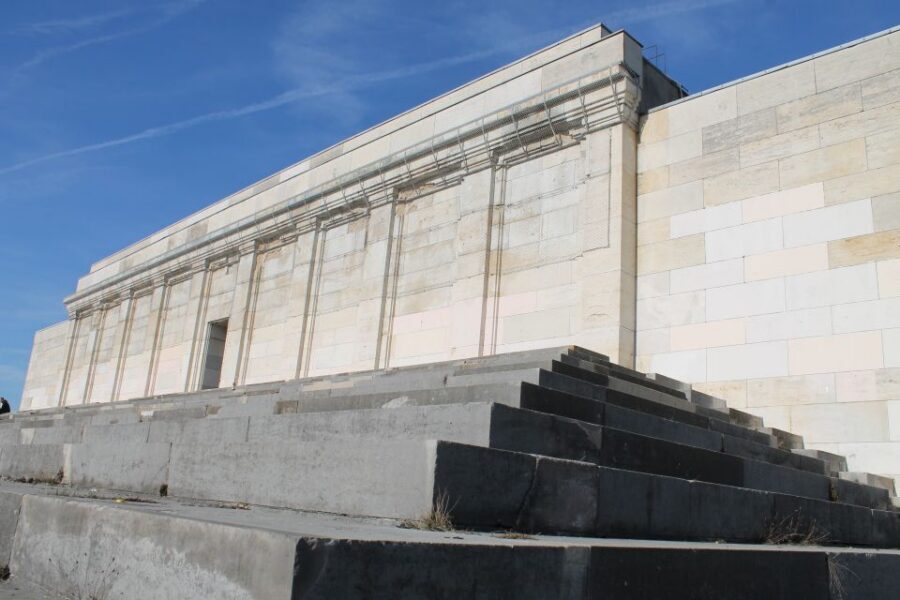
You’ll take the bus back after the Zeppelinfeld portion, with another 20-minute coach ride to wrap up the tour. That means the entire plan is compact: several important locations, short guided segments, then time to absorb everything on your own once you’re back in town.
Because the tour is 3 hours total, it’s designed for clarity, not exhaustion. You’ll come away with the main thread: the Nazi party’s rise to power, the operational use of these rally sites, and how ceremonies and parades reinforced political messaging.
If you’re the type who likes to read every plaque, this may feel a bit tight. But if you want a strong orientation and a guided interpretation you can build on, it’s an efficient use of time.
Price and value: is $20 a good deal here?
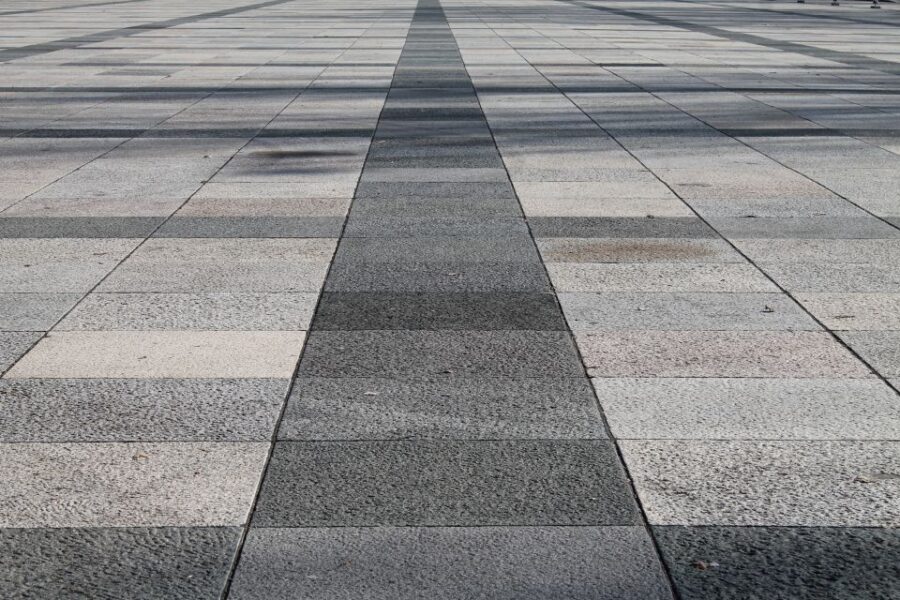
At $20 per person for a 3-hour Spanish live-guided experience, the value is strong—especially because you’re not just seeing one site. You’re covering several significant rally-ground areas with time on Luitpoldhain, the documentation center grounds stop, Große Straße, and Zeppelinfeld.
The best part is what you’re buying: guided interpretation. Visiting these places on your own can turn into a collection of interesting objects with missing context. With a specialist guide, you’re getting the “why” attached to the “what,” in Spanish, within a short block of time.
One more value note: the tour asks you to bring a public transport ticket, but your core transport between stops is handled. That helps you spend less mental energy planning and more energy paying attention.
Language and guide style: making history understandable in Spanish
This is a live tour in Spanish, and the specialized guide approach matters here. These sites are complex, and it’s easy to get lost in dates and terminology if you don’t have someone guiding the sequence.
From the guide’s reputation, you can expect the storytelling to feel connected—less like a lecture, more like a flowing explanation with room for questions. That makes a difference when you’re trying to connect what you see in front of you to the political timeline the tour is building.
Even if Spanish isn’t your first language, a structured Spanish explanation is usually easier than reading standalone signage—because you can follow the narrative order.
What to bring and how to dress for rain or shine
This tour runs rain or shine, so dressing for comfort isn’t optional. Wear comfortable shoes. You’ll be walking key areas and standing enough to look around and listen.
Also, bring your public transport ticket as instructed. And if weather is nasty, consider a compact rain layer. The tour is not canceled just because it’s wet, so you’ll want to be ready to keep moving.
Who should book this Campo Zeppelin tour?
This is a great fit if:
- you want a Spanish-guided overview that ties together multiple rally-ground locations
- you like understanding the purpose behind monuments and streets, not just the surface details
- you have limited time in Nuremberg and want a focused 3-hour plan
It may be less ideal if:
- you specifically want long museum-style indoor time inside the Doku Zentrum (entrance isn’t included)
- you’re looking for a very slow walk with minimal structure
Should you book it? My take
If your goal is to see the Campo Zeppelin area and understand it in a guided, coherent way, this tour is an easy yes. The combination of Spanish live guide, a tight timeline that still hits multiple high-impact locations, and the focus on how the Nazi party used these spaces to rise and operate makes it good value at $20.
The only real decision point is your personal preference for museum depth. If you want extra indoor exhibit time, you’ll likely need to add that separately since Doku Zentrum entrance isn’t included. If not, you’ll get a strong, respectful route through the main sites in one visit.
FAQ
Where does the tour start?
It starts in front of the Church of Our Lady (Frauenkirche) in Nuremberg’s Hauptmark. Your guide will be holding a red and white umbrella.
How long is the tour?
The tour lasts 3 hours.
Is the tour in Spanish?
Yes, the live tour guide speaks Spanish.
What’s included and what’s not?
The tour includes a visit to the Zeppelin Field with a specialized guide. Entrance to the Doku Zentrum is not included.
Do I need a public transport ticket?
Yes. A public transport ticket is not included, and you’re instructed to bring one.
Is the tour wheelchair accessible, and does it run in bad weather?
Yes, the tour is wheelchair accessible, and it takes place rain or shine.