REVIEW · BERLIN
Small-Group Historical Bike Tour in Berlin
Book on Viator →Operated by I Love Berlin Bike Tours · Bookable on Viator
Berlin has a way of teaching fast.
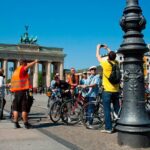
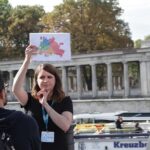
This small-group bike tour turns big landmarks into a story you can ride between, and I especially like the guided stop-by-stop pacing plus the included bikes and gear that make it feel easy to get started. One thing to watch: the TV Tower area is busy, so plan to arrive a few minutes early at Panoramastraße 1 and double-check you’re at the correct entrance-side when you meet.
You’ll roll through central Berlin for about 3 to 4 hours (start time is 11:00 am), with an English-speaking local guide and a mobile ticket. Many stops list admission as free, which adds real value when you’re doing a concentration of major sites in one go. I’ve also seen guides such as Jerry, Pablo, and Demetrios praised for turning history into clear, question-friendly explanations, which is exactly what you want on a short ride.
In This Review
- Key things to love about this Berlin bike tour
- Why 3–4 hours on Berlin bikes is a smart way to start
- Price and value: $54.42 that actually adds up
- Meet at Panoramastraße 1: what to expect before you ride
- Riding style: easy pace, frequent stops, and small-group attention
- Berliner Fernsehturm and Alexanderplatz: one tower, many layers
- St. Nicholas Church and the birth of Berlin idea
- Oranienburger Straße: Jewish landmarks and the Berlin background
- Berlin Wall Memorial at Bernauer Strasse: the border becomes real
- Reichstag Building: a parliament that survived fire and seizure
- Holocaust Memorial and Topography of Terror: walking remembrance, not just watching
- Checkpoint Charlie, then Gendarmenmarkt: two different Berlin moods
- Bebelplatz book burning memorial: a quick stop with a sharp message
- Museum Island ride-by: seeing the cultural stage from the bike lane
- Practical tips: brakes, weather, and how to make the day feel smooth
- Who should book this bike tour, and who might want a different option
- Should you book this tour?
- FAQ
- How long is the bike tour in Berlin?
- What time does the tour start?
- Where does the tour meet?
- Do you get a bicycle as part of the tour?
- Is the tour offered in English?
- Are any admission tickets included or free?
- Is food and drinks included?
- What is the minimum age to join?
- Is hotel pickup and drop-off included?
- Are service animals allowed?
- What brake system should I expect on the bikes?
Key things to love about this Berlin bike tour
- Small-group feel: your group stays together, so you’re not just herded past monuments.
- Bike setup included: you don’t have to rent, worry about sizing, or figure out where the locks go.
- Free entry at major stops: lots of the big names on your route list free tickets.
- Flat-city riding: Berlin is built for bikes, so the effort stays reasonable.
- Cold War focus with variety: Wall history, Parliament-era drama, Holocaust remembrance, and more.
- Frequent photo breaks: the pace gives you time to look, not just move.
Why 3–4 hours on Berlin bikes is a smart way to start
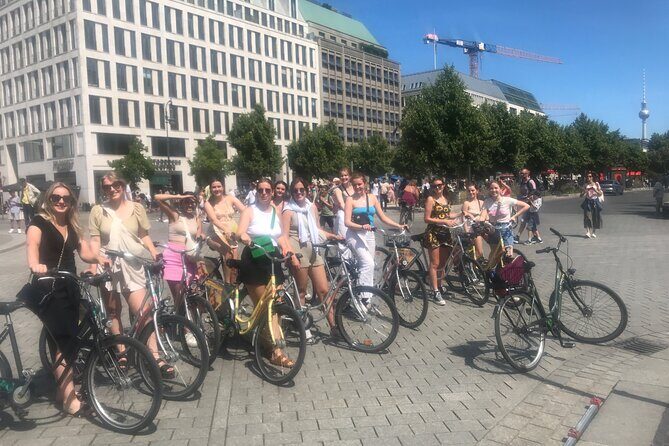
Berlin is enormous in options, but this tour keeps you focused. In a half-day you get a strong orientation: where the key sites sit, how they connect, and how the city’s story shifts from one neighborhood to the next.
What makes it work is the rhythm. You ride between stops, then you park the bikes long enough to take in what you’re seeing. On a bike, that mix is much easier than bouncing between multiple tours, transit transfers, and long walks.
This is also a good first-day activity if you want your bearings fast. Afterward, you’ll know which areas you’ll want to return to on your own.
You can also read our reviews of more cycling tours in Berlin
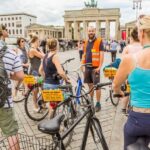

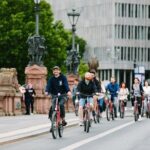
Price and value: $54.42 that actually adds up
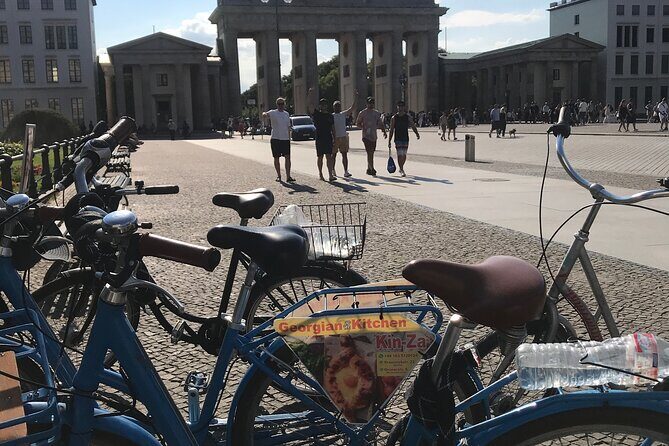
At $54.42 per person for roughly 3 to 4 hours, the price is mostly about three things you get together: the guide, the bikes, and the admission listed as free at many stops.
If you were to rent a bike yourself in Berlin, then pay for a series of major-site tickets, the math can get ugly fast. Here, the tour bundles the essentials: local professional guide and use of bicycle, plus multiple stops that show admission tickets as free. The result is a tour that feels more like pay-once sightseeing than a budget compromise.
The one cost you’ll still need to plan for is simple: food and drinks aren’t included. If your tour day is likely to run into a mealtime window, bring a snack plan or budget time for a nearby café stop on your own.
Meet at Panoramastraße 1: what to expect before you ride
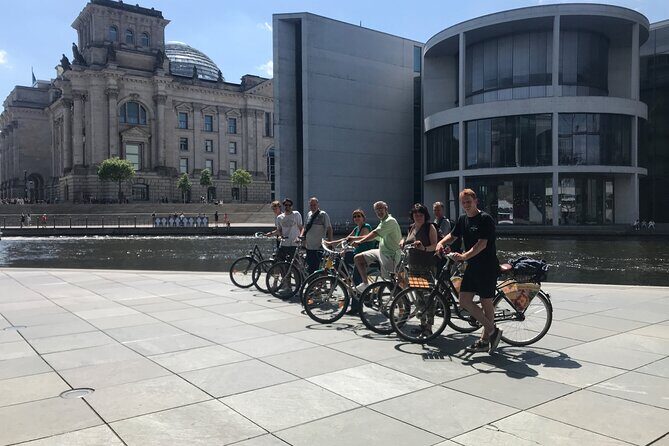
Your meeting point is Panoramastraße 1, 10178 Berlin, and the tour starts at 11:00 am. The location is central and close to public transportation, which is helpful if you’re hopping in from a hotel or an early museum visit.
I suggest arriving a touch early, even if you’re confident with apps. A recurring theme with bike tours in busy areas is that the TV Tower surroundings have more than one “feels-like-the-right-place” entrance or side. If you get there early, you reduce stress and you start riding with calm energy.
You’ll also want to be comfortable with a casual dress style. Berlin weather can flip quickly, so I’d bring a light layer and something that works for wind or drizzle. Even if the ride is easy, cool air plus cycling can sneak up on you.
Riding style: easy pace, frequent stops, and small-group attention
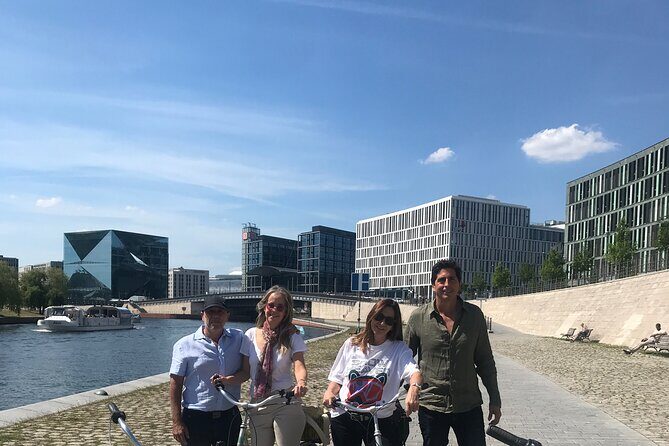
Berlin is famously bike-friendly, and this tour is built around that reality. You’re not doing a long-distance training session—you’re moving through the city with pauses for photos and interpretation.
That matters because history sites aren’t just to look at. Many of these stops make sense when you have a guide to connect names, dates, and why the location mattered. On this ride, the stops are short enough to keep momentum, but long enough to absorb the story without feeling rushed.
Also, the tour is described as a private tour/activity, meaning you won’t be mixed into strangers’ plans. That tends to make it easier to ask questions and stay engaged.
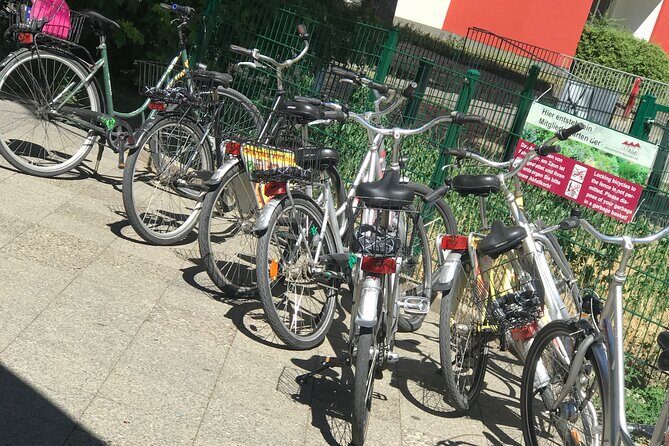
One practical note from experience: some bikes can use a back-pedal braking system (where pedaling backward applies the rear brake). If you’re not used to it, practice for a second when the guide gives you the start rules, and don’t assume you’ll stop the way your home-bike brakes do.
Berliner Fernsehturm and Alexanderplatz: one tower, many layers
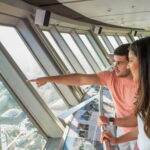
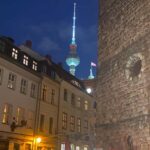
The tour starts in the Alexanderplatz orbit at Berliner Fernsehturm (the TV Tower). This is one of those places where you can understand Berlin’s scale immediately—tall structure, big square, major traffic flow—and still zoom in on the details because the guide links the space to story.
You’ll likely spend about 10 minutes in this first zone, so the goal isn’t to linger for hours. It’s more like orientation by landmark: you’re getting the mental map of where you are and why it became important.
A tip that helps: treat the first stop as your warm-up listening moment. Ask your guide how today’s Cold War and remembrance themes connect to the city layout you’re seeing. By the second or third stop, those connections start clicking.
You can also read our reviews of more historical tours in Berlin
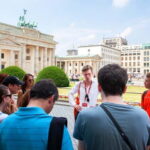
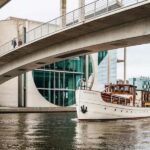
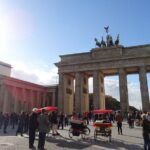

St. Nicholas Church and the birth of Berlin idea
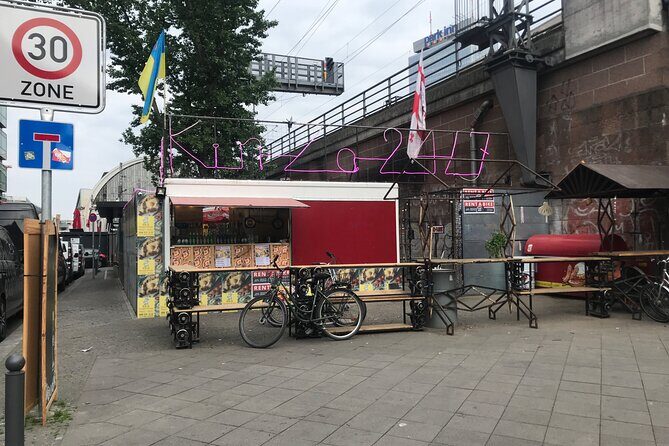
Between your early central-area moments, you’ll also reach St. Nicholas Church, described as a landmark in Berlin’s city center for over 800 years. This isn’t just about an old church building—it’s used to connect the present-day city to its earlier identity.
The tour frames the area around the birth of Berlin as a city, which is a smart way to keep a historical tour from feeling like only 20th-century flashbacks. When you can place a medieval anchor point in your mind, later eras make more sense.
This stop is also a reminder that Berlin isn’t only divided and rebuilt in the Cold War. It has longer roots, and the guide’s role is to point out how those layers overlap.
Oranienburger Straße: Jewish landmarks and the Berlin background
Next up is Oranienburger Straße, with emphasis on the area’s Jewish history and the Jewish New Synagogue context. The time here is listed around 15 minutes, which is about right: enough to orient yourself and understand the significance without turning it into a slow visit.
This segment works best if you don’t treat it like a photo stop. Use the guide time to ask what changed in the city, and what that building and neighborhood represent in the bigger Berlin story. Even if your travel focus is Cold War history, this part adds crucial context.
It’s also a good contrast point. After the large, official-feeling sites, you’ll see how personal community history shaped the city’s texture.
Berlin Wall Memorial at Bernauer Strasse: the border becomes real
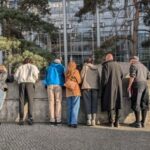
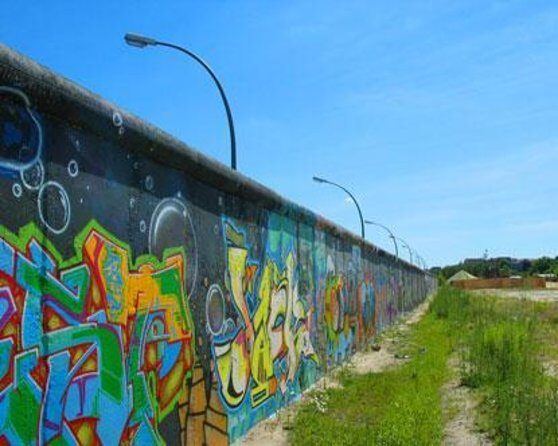
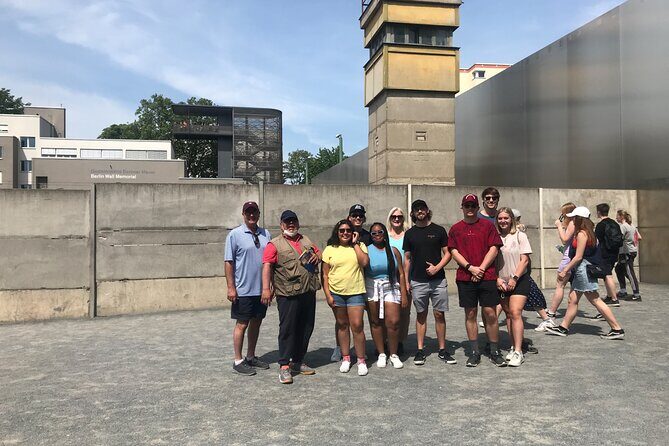
This is one of the core stops: the Memorial to the Berlin Wall at Bernauer Strasse, described as the central memorial site for Germany’s division. The memorial runs along 1.4 kilometers of the former border strip, and that scale matters.
Instead of talking about the Wall like an abstract symbol, the tour explains how the border fortifications evolved through the late 1980s. You’re meant to leave with an impression of what the barriers and traces of obstacles were like, not just the headline summary.
You’ll spend around 25 minutes here, and that time is valuable because this site can’t be understood in 3 minutes. If you’re the type who likes to absorb in your own way, this stop offers enough space to do it—look first, then listen, then go back for one more glance.
If there’s one place I’d slow down to really notice details, it’s this memorial.
Reichstag Building: a parliament that survived fire and seizure
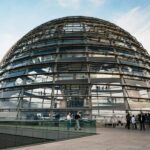
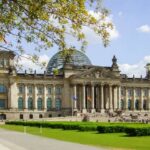
The Reichstag Building is next, positioned near the Brandenburg Gate area. The tour connects the building to Germany’s parliamentary story, including the point that it was the seat of the Weimar Republic government and later seized by the Nazis in 1933.
You’ll have about 10 minutes, which means you’ll mostly focus on the big ideas and the setting rather than a long interior visit. Still, the guidance turns the exterior into a timeline.
This is a good stop for anyone who wants the human “why” behind political architecture. When you understand what happens when a government building is taken over, it changes the way you read the photo you’ll take later.
Holocaust Memorial and Topography of Terror: walking remembrance, not just watching
Two emotionally heavy stops come back-to-back in spirit, even if the tour pacing keeps moving.
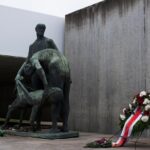
First is the Holocaust Memorial – Memorial to the Murdered Jews of Europe. You’ll spend about 15 minutes, and you can walk around it and take pictures. The point here isn’t to treat the site like a backdrop; it’s to experience the space slowly enough to feel its intent, then ask questions so you don’t leave with only impressions.
Next is Topography of Terror, a brief stop (about 10 minutes) where you’ll see and take pictures of where Gestapo Headquarters once stood. The tour frames this as a spot that makes the machinery of repression easier to understand through location.
If you want to get the most out of these stops, keep your phone camera ready but not in charge. Look with your eyes first, then shoot one or two images. The guide’s context helps you read what you’re seeing without turning remembrance into a checklist.
Checkpoint Charlie, then Gendarmenmarkt: two different Berlin moods
You’ll get a short Checkpoint Charlie moment (about 5 minutes). That’s enough for context and photos, especially if you’ve never been. Here, the guide helps you connect why that crossing became famous and what it meant in the daily geography of division.
Then the ride shifts tone at Gendarmenmarkt. You’ll ride through the square, take photos, and hear the talk tied to what the space represents. You’ll spend about 10 minutes, and this stop is a relief valve: history, yes, but in an elegant setting that shows a different side of the city.
This contrast is one reason the tour works. It prevents the day from turning into only heavy concentration. You’re absorbing, then you’re resetting, then you’re absorbing again.
Bebelplatz book burning memorial: a quick stop with a sharp message
At Bebelplatz, the tour includes the Book Burning Memorial (about 15 minutes). This is a small moment in the route but big in meaning because it shows how censorship and fear can be documented in a site like this.
Because it’s brief, don’t rush the explanation. The value is in hearing what the memorial is pointing at and how it fits into the wider story of oppression, manipulation of truth, and forced conformity.
If you’re doing this tour early in your trip, you can come back later with more time and read deeper. But even in a short stop, it lands.
Museum Island ride-by: seeing the cultural stage from the bike lane
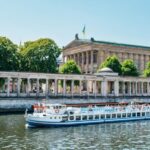
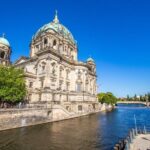
Finally, you’ll head toward the tour’s end with a ride through Museum Island. The idea here is orientation. The guide shows you the museums and provides the background story so you understand what kind of cultural cluster this is.
You won’t get a full museum visit in this time, but you’ll leave knowing what the area is and what to prioritize later. It’s a smart use of bike time because it helps you decide on your own itinerary without wasting an entire morning on the wrong museum.
Practical tips: brakes, weather, and how to make the day feel smooth
Here’s what I’d plan around to make this tour go effortlessly:
- Bring a layer even if it looks mild. You’ll be cycling, and Berlin wind can feel cooler than you expect.
- Watch for the brake style on the bike. Some bikes use back-pedal braking, and that can feel odd if you’re used to hand brakes.
- Start early and confirm your entrance-side at the TV Tower area. This is a busy landmark with multiple meeting-feeling spots.
- Have water or a snack plan, since food and drinks aren’t included.
- Expect lots of stops with short explanation windows, so ask your guide any big questions while you’re parked with the group.
The pace is generally relaxed, and Berlin is flat. Still, the best feeling comes from being ready physically and mentally.
Who should book this bike tour, and who might want a different option
This tour fits best if you want a concentrated Berlin overview with real historical context in a short time. It’s also a great match for first-timers who want a guided route through famous sites like the Berlin Wall memorial, the Holocaust memorial area, and central landmarks around Brandenburg Gate and Museum Island.
It’s also ideal if you like asking questions. Multiple guides in recent experiences (including Jerry, Pablo, and Demetrios) are praised for friendliness and for answering queries in a patient way.
If you want a slow museum-style day where you go inside every major stop, this probably won’t satisfy you by itself. The tour is designed for movement and interpretation, not full-on ticketed sightseeing marathons.
Should you book this tour?
Yes, I think it’s a strong booking for your first 1–3 days in Berlin—especially if you want an efficient, guided way to connect Berlin’s major Cold War landmarks, Jewish history context, and remembrance sites without getting lost in transit.
Book it if you like your history with a route. This tour gives you the path, the landmarks, and the explanations you can build on later.
Skip or pair it with other plans if you’re hunting for deep museum time at each stop. You’ll get great grounding here, but you’ll still want to return to your top two or three sites when you have more hours.
FAQ
How long is the bike tour in Berlin?
The tour is listed as about 3 to 4 hours.
What time does the tour start?
The start time is 11:00 am.
Where does the tour meet?
The meeting point is Panoramastraße 1, 10178 Berlin, Germany.
Do you get a bicycle as part of the tour?
Yes. Use of bicycle is included, along with the local professional guide and biking equipment.
Is the tour offered in English?
Yes, the tour is offered in English.
Are any admission tickets included or free?
Many stops list admission tickets as free, including major sights on the route.
Is food and drinks included?
No. Food and drinks are not included.
What is the minimum age to join?
The minimum age is 2 years, and children must be accompanied by an adult.
Is hotel pickup and drop-off included?
No. Hotel pickup and drop-off are not included.
Are service animals allowed?
Yes, service animals are allowed.
What brake system should I expect on the bikes?
Some bikes use a braking system where pedaling backward applies the rear brake.