REVIEW · POTSDAM
Potsdam: Entry to DAS MINSK Kunsthaus in Potsdam
Book on GetYourGuide →Operated by DAS MINSK Kunsthaus in Potsdam · Bookable on GetYourGuide
Modern GDR walls still have stories.
At DAS MINSK Kunsthaus, a former terrace restaurant from the 1970s, you’ll see how art from the former GDR can land in new conversations today. I especially like the Soft Power exhibition approach (textile design used to question power relations) and the fact that the museum format is flexible, with changing exhibitions that keep things from feeling like a one-note stop. One thing to consider: some works can feel emotionally heavy or dark, so it’s worth going in with the right mood.
The café is a real bonus. Café HEDWIG serves lunch, cakes, and coffee, and in summer the terrace views help you reset after the exhibitions.
In This Review
- Key things I’d plan for at DAS MINSK Kunsthaus
- DAS MINSK Kunsthaus: why this Potsdam stop feels different
- What the Soft Power exhibition is really asking you to notice
- The galleries: your 2-hour self-guided flow
- Step 1: Orient quickly, then choose your pace
- Step 2: Work through the three chapters like mini-exhibitions
- Step 3: Let the rotating exhibitions add context
- Step 4: Don’t skip the setting (the building is part of the meaning)
- The architecture and urban-history angle you can’t ignore
- Café HEDWIG: a smart part of your visit, not just a pause
- Price and value: is $11 worth it?
- Practical details that change how your visit goes
- Who this is best for (and who might feel less satisfied)
- Should you book DAS MINSK Kunsthaus in Potsdam?
- FAQ
- How long does the DAS MINSK Kunsthaus entry take?
- What does the ticket price include?
- Are guided tours, events, or workshops included?
- Is the museum wheelchair accessible?
- Is there a café on site?
- Can I cancel for a full refund?
Key things I’d plan for at DAS MINSK Kunsthaus
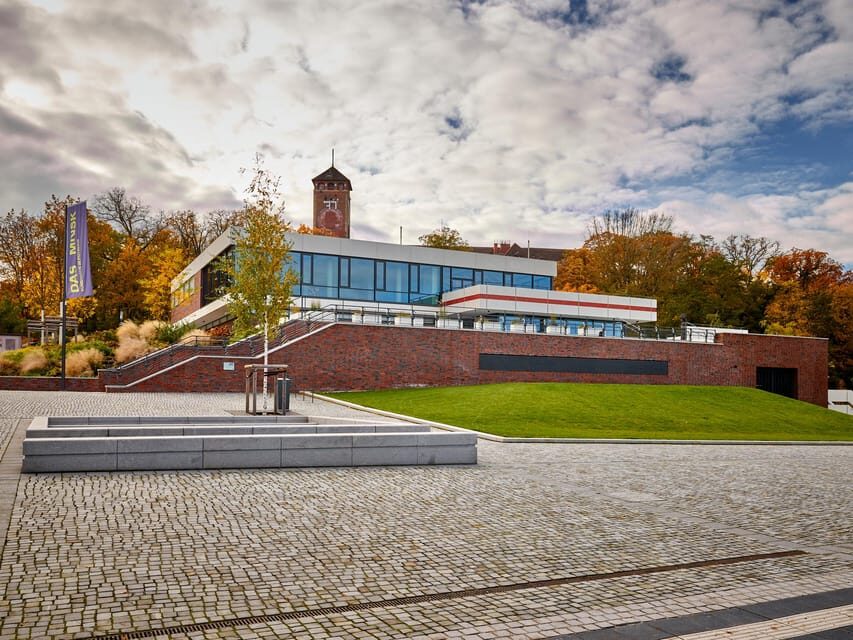
- Former Minsk terrace building (1970s modernist GDR style): the architecture is part of the experience, not just a backdrop.
- Soft Power textile focus in three chapters: you’ll be nudged to read fabric as political language.
- Artworks from the former GDR via the Hasso Plattner Collection: a focused way to understand the era through contemporary context.
- Changing exhibitions: even if you’ve been to Potsdam museums before, this can feel fresh.
- Café HEDWIG + terrace views: a break with a payoff, especially in warmer months.
DAS MINSK Kunsthaus: why this Potsdam stop feels different
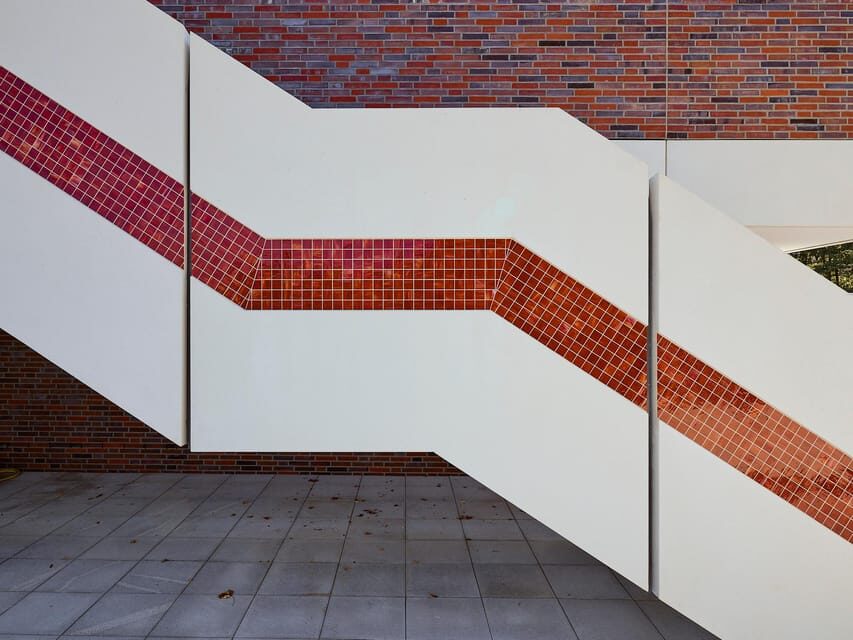
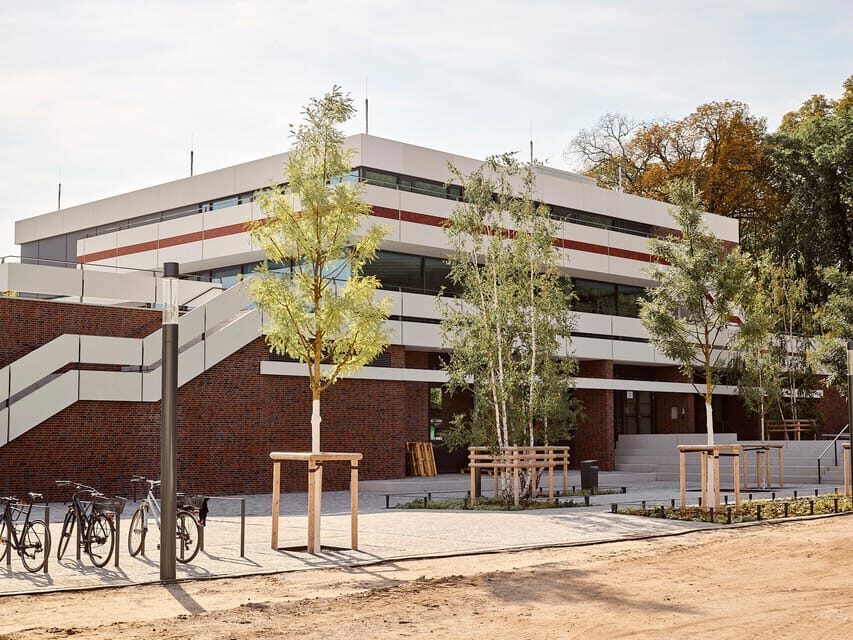
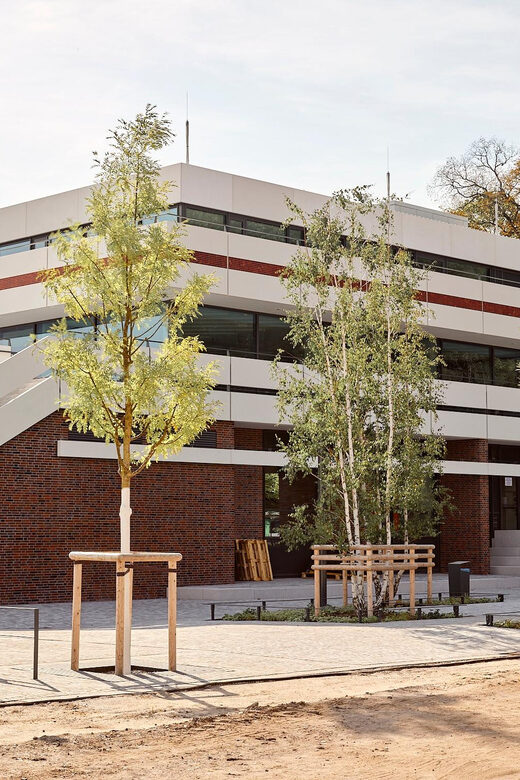
DAS MINSK Kunsthaus is in Potsdam’s northern orbit, and it’s not trying to be a classic museum box where you march room to room on autopilot. The big reason it works is the building itself. What used to be the terrace restaurant Minsk, built in the 1970s in a distinctly modernist GDR style, now acts like a hinge between eras. You walk into a place that already carries political design choices in its walls, and then the museum layers art on top—modern and contemporary—so the setting and the content keep talking to each other.
The museum also gives you a strong “entry point” idea: you’re not only looking at artworks, you’re also looking at how meanings get reshuffled. The exhibition program uses artworks from the former GDR that are part of the Hasso Plattner Collection, but the displays put them into new contexts. That’s what makes a visit feel more like interpretation than just collecting facts.
If you’re the type who likes to think while you wander, this place will suit you. If you want purely upbeat art and easy emotional exits, plan your timing and be ready to take a pause in the café when you need it.
You can also read our reviews of more tours and experiences in Potsdam.
What the Soft Power exhibition is really asking you to notice
Right now, DAS MINSK Kunsthaus is presenting the group exhibition Soft Power, and the premise is clear: textile design isn’t only craft or decoration. It can be a tool of artistic expression used to question power relations.
That matters because it changes how you’ll look at the details. Instead of seeing fabric work as just texture, you’ll be pushed to treat it like argument. Textiles have a language—production methods, materials, patterns, and the social roles they’ve been assigned. When an exhibition frames textiles as power-aware communication, you end up paying attention to things like:
- how form can make a claim
- how everyday materials can carry ideology
- how design choices can function like persuasion
The show is structured in three chapters, so you’re not stuck in a single theme. You’ll likely move through different angles on textile art and its relationship to control, influence, and representation. Even without a guided tour included, the chapter format helps you make sense of the pacing.
A quick practical note: based on what I’ve seen people say about the experience, having any kind of audio support (if available during your visit) can make your time feel more pointed. If the museum seems a bit abstract at first glance, don’t wrestle alone—use the tools they provide or ask staff for a fast explanation of where to start.
The galleries: your 2-hour self-guided flow
Your ticket covers entry to the exhibitions, and you’ll typically spend about 2 hours. That’s enough time to do this properly if you move with intent and take breaks when the art asks for it.
Here’s a realistic way to pace your visit:
Step 1: Orient quickly, then choose your pace
Because this is not built around a scheduled guided tour, I recommend you take a few minutes at the beginning to get your bearings. If you feel unsure about what to focus on, ask staff for a quick route or a simple pointer on what “Soft Power” emphasizes most. That kind of early clarity can save time later.
Step 2: Work through the three chapters like mini-exhibitions
Treat each chapter as its own compact story. I like doing this because it keeps you from getting lost in one long stretch of similar-looking pieces. You’re aiming to leave each section with one takeaway: what does this chapter suggest about textiles and power?


Step 3: Let the rotating exhibitions add context
Even beyond Soft Power, the museum’s changing exhibition policy is part of the appeal. Rotating shows help you feel like the museum is responding to current art conversations rather than only preserving a single narrative. If you come back later, it won’t feel repetitive.
Step 4: Don’t skip the setting (the building is part of the meaning)
Spend a bit of time just noticing the space. This is a former terrace restaurant repurposed for contemporary use, and that transformation matters. You’re walking through an environment that used to be public and social, now turned into a place for looking and thinking. It changes the tone of what you see.
The architecture and urban-history angle you can’t ignore
Potsdam is full of grand facades and museum-worthy walls, but DAS MINSK Kunsthaus hits differently because it leans into urban and architectural history. You’re looking at a modernist building from the GDR era and watching it be re-used for contemporary art.
That reuse isn’t cosmetic. It gives you a chance to read the physical design choices of a specific time period and compare them to what the museum does now. In other words: you’re not just seeing art about ideas. You’re also seeing ideas about public space and cultural life in the way the building was designed and later adapted.
When the museum works best for me, it’s when I let the space lead my interpretation. The modernist geometry, the sense of social space from the original terrace function, and the GDR-era context all shape how you react to exhibits from that period—especially artwork shown from the former GDR in new contexts.
Café HEDWIG: a smart part of your visit, not just a pause
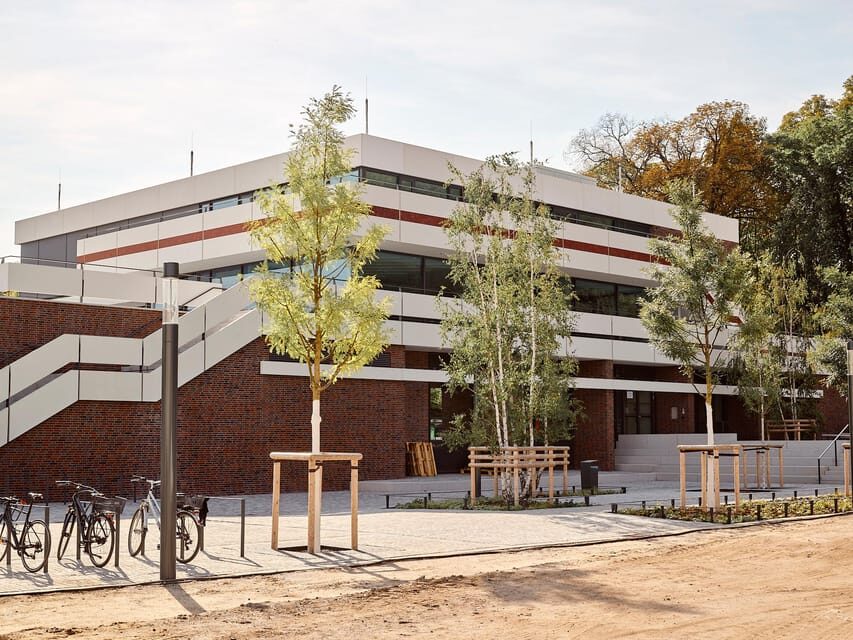
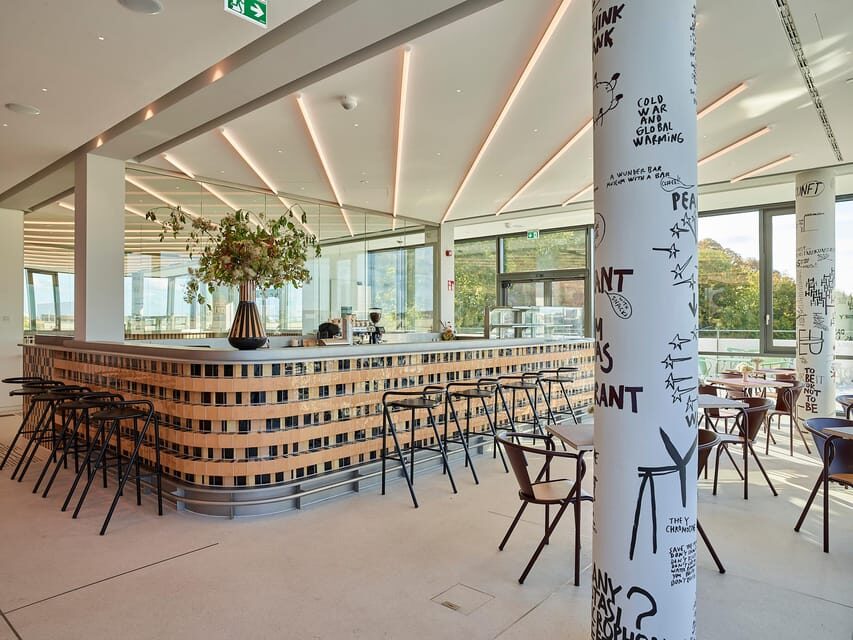
Café HEDWIG is inside the DAS MINSK Kunsthaus setup, and it’s more than a quick coffee stop. You can get lunch, cakes, and coffee, which makes it easy to build a full 2-hour visit without rushing.
If you’re visiting in warmer months, the terrace becomes a major reason to stay longer. The building’s terrace offers a view over the city, and it’s a nice contrast: you go from focused, concept-driven textile art indoors to a wider, calmer look outside.
Even if you don’t sit for long, plan to give yourself at least a short break. Some of the exhibition content can feel heavy, and the café view gives you an emotional reset.
Also worth noting: the venue has gender-neutral toilets. If that’s important to you for comfort and ease, it’s a practical win.
Price and value: is $11 worth it?
At about $11 per person, the value is pretty straightforward: you’re paying for entry to the exhibitions, and the whole experience is timed for roughly 2 hours. Since guided tours and workshops are not included, the ticket value comes from the art access plus the building’s atmosphere, not from a staff-led narrative.
Here’s how I’d judge the value based on how people experience the museum:
- If you like concept-forward contemporary exhibitions and don’t need someone walking you through every detail, this ticket price is an easy yes.
- If you prefer highly structured experiences with strong narration, plan to use any available audio support or ask staff for a quick orientation.
- If the idea of power-and-politics themed art feels like a stretch for your mood, you can still make it work by pacing yourself and building in café time.
The “skip the ticket line” part also helps. It turns the visit from a chore into a smoother stop, especially if you’re combining it with other Potsdam sights.
Practical details that change how your visit goes
A few things matter more than you’d think:
- The visit is self-paced in practice. You’re not locked into guided narration, so you’ll get more out of it if you read labels with intention.
- Changing exhibitions mean you should treat each visit like a new appointment, not a repeat.
- The building is wheelchair accessible, so you can plan confidently if you need step-free routes.
- If you’re sensitive to emotionally dark or negative themes, start with the section that feels most relevant to your interests and don’t force yourself through everything back-to-back.
Who this is best for (and who might feel less satisfied)
This is a great match if you:
- enjoy contemporary art that asks you to think rather than just admire
- are curious about the former GDR through artworks, but want context beyond old-school display methods
- like exhibitions with a clear conceptual framework, like Soft Power’s textile-power premise
- want a cultural stop in Potsdam that also includes a real café break and potentially an outdoor city view
You might enjoy it less if you:
- want a purely uplifting art session
- dislike heavier themes and need a very light emotional tone from your museum time
- expect a full guided experience included in the ticket price
Should you book DAS MINSK Kunsthaus in Potsdam?
I’d book it if you’re aiming for something compact, thoughtful, and rooted in a real place—the converted Minsk building—with an exhibition like Soft Power that turns textiles into a lens on power.
Don’t book it if you only want classic art museum routines and you’re not in the mood for concept-led work that can lean dark. But even then, you might still consider it for the renovated building feel and the Café HEDWIG terrace break, since that part can genuinely make the outing feel complete.
If you want an efficient plan: pair this with other Potsdam stops, give yourself your full 2 hours, and build in café time so your brain and mood both stay on track.
FAQ
How long does the DAS MINSK Kunsthaus entry take?
The duration listed for this experience is 2 hours.
What does the ticket price include?
Your ticket includes entry to the exhibitions.
Are guided tours, events, or workshops included?
No. Guided tours, events, and workshops are not included.
Is the museum wheelchair accessible?
Yes, the experience is wheelchair accessible.
Is there a café on site?
Yes. Café HEDWIG offers lunch, cakes, and coffee, and there are terraces with city views in summer months.
Can I cancel for a full refund?
Yes. Free cancellation is available up to 24 hours in advance for a full refund.