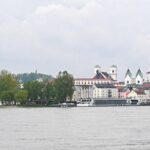
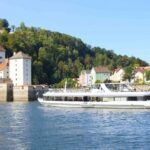
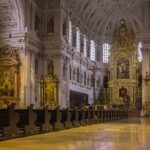
Passau is a small city with big stories. This classic guided walk strings together baroque, neo-gothic, and river history in about 1.5–2 hours, and it stays flexible thanks to a private group of up to 15. I especially like the chance to see the world-famous cathedral organ at St. Stephen’s Cathedral and to get a real feel for Passau through details like flood marks on the Old Town Hall walls. The main thing to consider: the day includes a hike up to Oberhaus Fortress, so you’ll want at least moderate fitness and good shoes.
You start at St. Stephen’s Cathedral on Domplatz and finish at Veste Oberhaus (so it’s not a round-trip loop). That end point matters: once you’re up on the fortress, you’re basically in “panorama mode,” with views over Passau and the Austrian neighbors. You’ll also get time walking through the old-town lanes and into quieter courtyards, which is often where Passau’s personality shows up.
This is a tour that works best when you like guided navigation and crisp context. Your guide also sets the pace, and strong English skills can make the history land fast—guides like Guido and Sylvia are specifically praised for it, including keeping a 17-year-old engaged.
In This Review
- Key highlights worth planning for
- Getting your bearings in Passau’s old-town core
- St. Stephan’s Cathedral: baroque bones and the giant organ
- Neue Bischöfliche Residenz: late Baroque with a Viennese feel
- Altes Rathaus and the flood marks that tell the truth
- Mariahilf pilgrimage church: 321 steps and excellent views
- Oberhaus Fortress (Veste Oberhaus): the rivers meet, and the colors show
- Why the private guided format can be great value
- Timing, tickets, and comfort: make it easy on yourself
- Who this Passau classic tour is for
- Should you book this Passau classic guided tour?
- FAQ
- How long is the Passau Classic Guided tour?
- Is this tour private, and how big is the group?
- Where does the tour start and end?
- What are the main stops on the tour?
- Do I need admission tickets for these stops?
- Will I use a mobile ticket?
- Is the tour suitable for people with physical limitations?
Key highlights worth planning for
- St. Stephen’s Cathedral organ mechanics: five-manual general console, plus six consoles in total
- Old Town Hall flood-water marks: see the recorded heights and dates of major floods
- Mariahilf pilgrimage church: founded in 1622 and associated with 321 pilgrimage steps
- Late Baroque episcopal palace: Neue Bischöfliche Residenz built from 1712 to 1730
- Oberhaus Fortress payoff: sweeping views over Passau, its red roofs, and the meeting point of three rivers
- Private-group flexibility: up to 15 people, so your guide can adjust on the fly
Getting your bearings in Passau’s old-town core
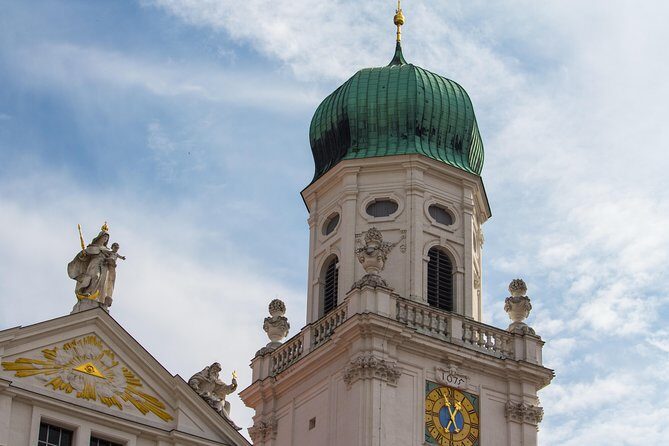
Passau is the kind of city where getting oriented early pays off. In a short time, you’ll move from the cathedral district to episcopal buildings, then into the old-town civic heart, and finally up into fortress territory. That flow is handy because it matches how Passau grew: religious power down in the historic center, authority and defense up on the heights, and the river shaping everything in between.
Because it’s private, you’re not stuck with a rigid script. If your group is curious about a specific building detail—like painted legends or flood levels—your guide can spend a little more time there. This is one reason the tour’s length works so well: it’s long enough to connect the dots, but short enough that you’re still fresh for the climb at the end.
You should also know the tour uses a mobile ticket. Plan to keep it handy on your phone, and be ready to show it at the start.
You can also read our reviews of more guided tours in Passau

St. Stephan’s Cathedral: baroque bones and the giant organ
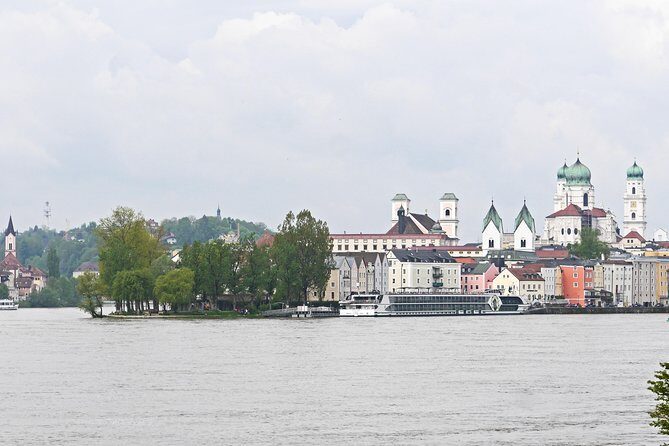
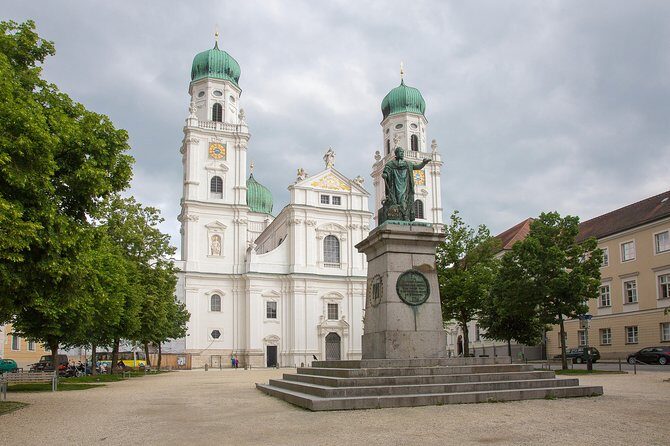
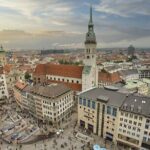
Your tour starts at St. Stephen’s Cathedral (Dom St. Stephan), a baroque church from 1688 dedicated to Saint Stephen. It’s not just a pretty facade either. The cathedral is the seat of the Catholic Bishop of Passau and the main church of his diocese.
Here’s what I love about this stop: you get layered history without it feeling like a lecture. The site has had churches since 730, so when you look at today’s cathedral, you’re seeing part of a much longer story.
Then comes the organ—this is the big “how is that even possible” moment. The cathedral has the largest cathedral organ in the world. It can be played from a five-manual general console in the gallery, and there are six consoles in total. Even if you’re not an organ person, you’ll come away with a clearer picture of why this church is special to worshippers and music-lovers.
Tip for your visit: give yourself time to look up and around. This is one of those interiors where the details reward you if you slow down for a minute. The good news: this stop is efficient at about 15 minutes, and the admission ticket here is free.
Neue Bischöfliche Residenz: late Baroque with a Viennese feel
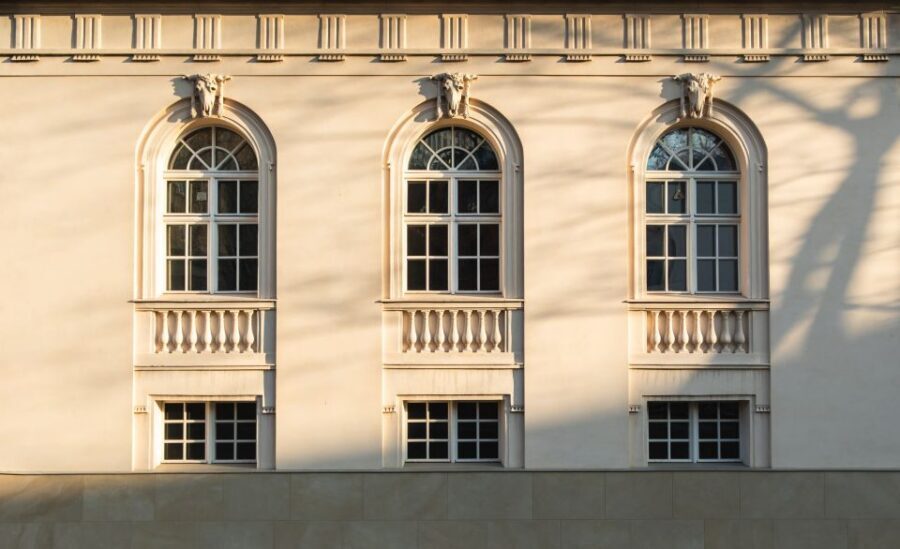
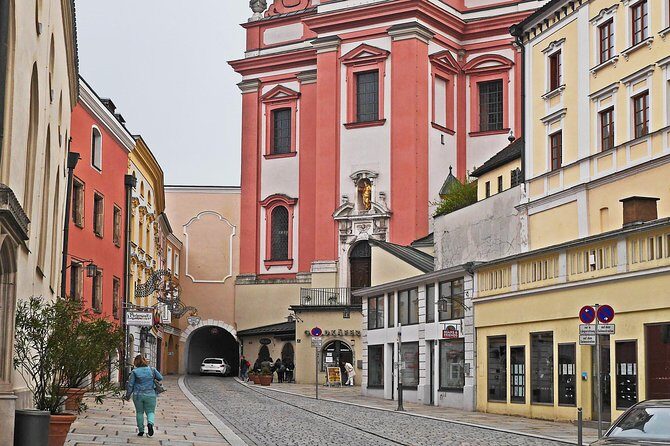
Next you head toward the New Episcopal Residence on Residenzplatz—Neue Bischöfliche Residenz. Built between 1712 and 1730, it’s described in a Viennese late Baroque style.
This stop is shorter, about 15 minutes, and admission isn’t included. Even so, it’s a valuable contrast. After seeing the cathedral’s long continuity since 730, you get a period piece from the early 1700s, tied to the prince bishops of Passau. You’ll likely notice how Baroque architecture leans into presence and power—very much the mood you want in a building designed for religious governance.
If you’re the type who likes to compare styles, this is a good place to do it. Look at how the forms and details differ from what you saw at the cathedral and what you’ll see next at the city hall.
Altes Rathaus and the flood marks that tell the truth
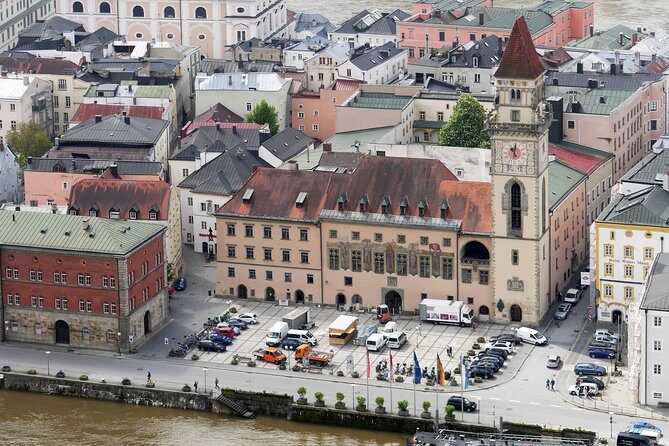
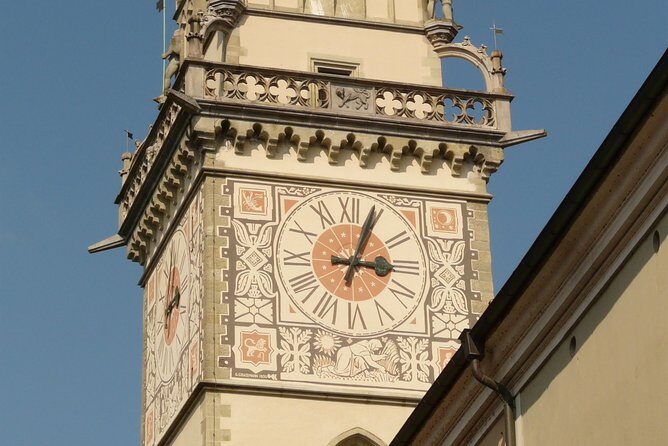
The Old Town Hall (Altes Rathaus) brings you from religious authority into civic life. It dates back to the 14th century and is described in Neo-Gothic style. Inside, there are lavish paintings tied to local legends, so you’re not only seeing architecture—you’re seeing the stories people attached to their city.
But the detail I find most useful is the one you can physically connect with reality: on the side of the building, you can observe water marks showing the heights and dates of various floods. Passau sits where rivers meet, and those marks make the landscape’s risk feel real, not abstract.
This part is also where you start seeing why the guided format helps. From the Old Town Hall area, you’ll move through narrow passageways, into unknown corners, and toward hidden courtyards. That’s a big deal in a city like Passau: the streets can look similar from the outside, but once you’re guided through them, you spot how daily life changes by block.
Duration is around 20 minutes, and admission isn’t included. If you want time for a drink after, this is a good place to mentally prep for it—there tend to be places to eat and beverage nearby once you’re back in the old-town center.
Mariahilf pilgrimage church: 321 steps and excellent views
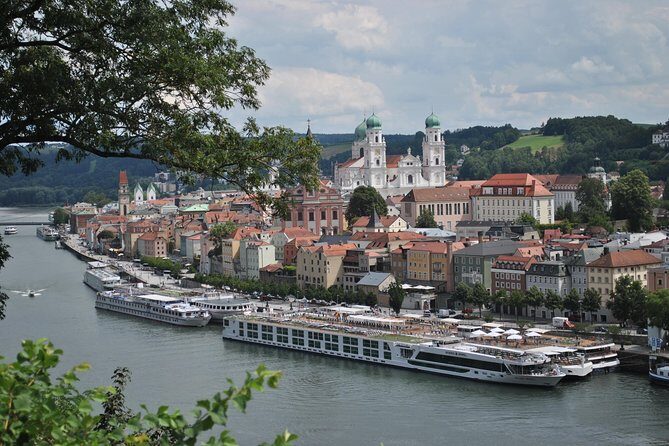
The tour continues with the pilgrimage church and Pauline Fathers’ Monastery area. The church you’ll focus on is Mariahilf, founded in 1622 by Domdekan Marquard von Schwendi. The name translates roughly to Mary help us, which helps explain why pilgrimage is such a central theme here.
What makes this stop memorable is the famous 321 pilgrimage steps. Even if you don’t climb every step as part of your visit, the church’s identity is tied to that ascent, so you’ll naturally be thinking about effort and reward as you look around. The church also offers magnificent views, so your guide will help you orient toward what you’re seeing from this higher-feeling spot.
This stop runs about 15 minutes, and it’s one of the free admission moments. That makes it a great “breather” before the more physical climb to Oberhaus Fortress.
One practical note: since you’ll be dealing with steps and viewpoints, wear shoes you trust. This isn’t about extreme hiking, but comfort matters when you’re moving from church to fortress.



Oberhaus Fortress (Veste Oberhaus): the rivers meet, and the colors show
Now comes the hike up to Veste Oberhaus, Passau’s bastion and the fortress area with a museum. The route is described as a hike, and this is also where your moderate fitness level matters most. Expect stairs and uphill walking.
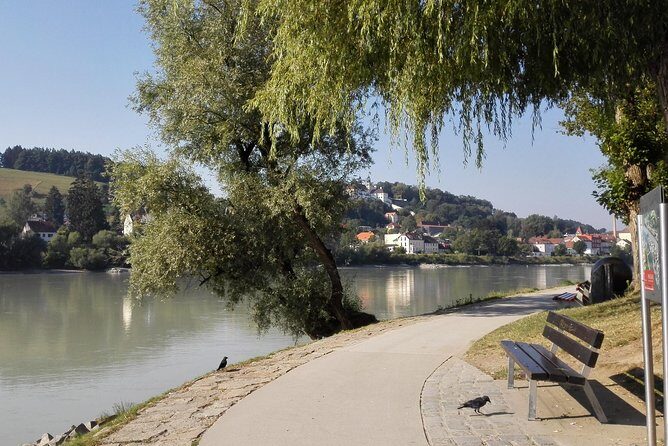
Once you’re up there, the payoff is exactly what you want after a climb: wide, confident views. You’ll see Passau spread out with green hills, red-roof buildings, colorful houses, and church towers. And because Passau is famous for its waterways, the guide will point out the merging point of the three rivers. That confluence is the kind of geographic fact that becomes real only when you look down from a height.
This stop is about 45 minutes, so plan to linger. Admission isn’t included here, so if you want museum time, you’ll need to factor that into your total plan.
If you’re traveling with kids or teens, this is also a strong closer. It’s visual, it’s easy to understand, and it gives your guide a chance to tie together how the rivers shaped both the city and the fortifications.
Why the private guided format can be great value
The headline price is $385.48 per group for up to 15 people. On paper, that looks steep until you do the math. If your group fills closer to 15, you’re roughly in the low-to-mid $20s per person range. If it’s smaller, the per-person cost rises, but you’re paying for a guide’s time plus the flexibility to keep things comfortable for your group.
This is where the private format earns its keep. Guides such as Guido and Sylvia are praised for strong language skills and for keeping everyone engaged, including a 17-year-old. That’s not a small detail. Good English (or just strong guiding clarity) changes whether history feels like trivia or like a map you can walk with.
Also, your itinerary is not “one size fits all.” Since it’s private, your guide can respond to what you’re most interested in—organ details versus architecture versus the river-and-flood story. That flexibility is hard to get on bigger group tours.
Timing, tickets, and comfort: make it easy on yourself
The total duration is about 1 hour 30 minutes to 2 hours. With the stop times adding up (cathedral, episcopal residence, old town hall, Mariahilf, and the fortress), the pacing is tight but doable. The key is comfort planning so the uphill finish doesn’t feel like a surprise.
Here’s how to think about tickets based on what’s included:
- Free admission at St. Stephen’s Cathedral (Dom St. Stephan)
- Free admission at the Pilgrimage Church and Pauline Fathers’ Monastery area (Mariahilf)
- Not included at Neue Bischöfliche Residenz, Altes Rathaus, and Veste Oberhaus
So you’ll likely spend money on admissions for some of the middle civic-and-residence stops and for Oberhaus if you want the museum time. The tour’s structure makes sense: two free anchors (cathedral and Mariahilf) keep costs down while you still get the big architecture moments.
Shoes and weather matter because you’re moving through narrow passages and then hiking uphill at the end. If Passau is rainy, walk more slowly than you think you need. Also, keep your phone charged for the mobile ticket.
If you’re the kind of traveler who hates uncertainty, note that the experience is non-refundable and can’t be changed once booked. That makes it worth double-checking your calendar before you commit.
Who this Passau classic tour is for
This tour fits best if you want:
- A guided “greatest hits” structure without spending a whole day
- Architecture and city storytelling that includes river risk (those flood marks are a standout)
- A private-group pace and the ability to ask questions
- A finish with real scenery from above
It’s also a good match for families with older kids and teens, especially if your guide keeps energy high and explains clearly. The fortress view tends to land with most ages, because it’s hard to misunderstand what you’re looking at.
If you’re limited by mobility, take the fitness note seriously. The Oberhaus hike is the main physical challenge, and the pilgrimage church area ties into the idea of many steps. Moderate fitness is the target here, not “minimal walking.”
Should you book this Passau classic guided tour?
I’d book it if you want a fast, coherent introduction to Passau with strong guiding and a satisfying payoff at the top of Oberhaus. It’s a smart choice when you like learning while you walk, and when you appreciate details—like how the organ works, how civic legends appear inside the Old Town Hall, and how the flood marks make river life feel immediate.
Skip or reconsider if you’re trying to minimize walking uphill or if you don’t want to buy any extra admissions for the residence, city hall, or fortress museum. Also, if your schedule is fragile, remember it’s non-refundable.
If you get a guide with clear English and good momentum—think of the praised examples like Guido and Sylvia—you’ll likely feel like Passau clicked into place quickly: cathedral power, episcopal architecture, civic legends, pilgrimage steps, and then the river-and-fortress view.
FAQ
How long is the Passau Classic Guided tour?
It lasts about 1 hour 30 minutes to 2 hours.
Is this tour private, and how big is the group?
Yes, it’s a private tour/activity. Your group will be the only group participating, with up to 15 people.
Where does the tour start and end?
It starts at St. Stephan’s Cathedral, Domplatz, 94032 Passau, Germany and ends at Veste Oberhaus, Oberhaus 125, 94034 Passau, Germany.
What are the main stops on the tour?
You visit St. Stephen’s Cathedral (Dom St. Stephan), Neue Bischöfliche Residenz, Altes Rathaus, the pilgrimage church and Pauline Fathers’ Monastery (Mariahilf), and Veste Oberhaus.
Do I need admission tickets for these stops?
Admission is free at St. Stephen’s Cathedral and at the pilgrimage church. Admission is not included for Neue Bischöfliche Residenz, Altes Rathaus, and Veste Oberhaus.
Will I use a mobile ticket?
Yes. The tour uses a mobile ticket.
Is the tour suitable for people with physical limitations?
It’s best for travelers with moderate physical fitness, since the tour includes hiking up to Oberhaus Fortress.