REVIEW · NUREMBERG
Nuremberg: Tour of Former Nazi Party Rally Grounds
Book on GetYourGuide →Operated by Franken Guide · Bookable on GetYourGuide
Nuremberg’s Nazi rally grounds feel like walking through a warning sign. I like how this tour connects the architecture to the politics behind it, and I especially appreciate the way the guide handles tough questions with high factual detail. One possible drawback: this is focused on what you can see outside and learn as you walk, so if you’re hoping for lots of indoor stops, you’ll want to plan mentally for open-air viewing and any ticketed access that isn’t included.
If you start at the Documentation Centre Nazi Party Rally Grounds (DokuZentrum), you’re already in the right frame of mind. The tour is a private group experience (up to 8), so you’re not stuck in a huge crowd while the story gets heavy and specific.
In This Review
- Key highlights worth your time
- Where the tour begins: DokuZentrum and setting the context
- The Speer blueprint: how a city got designed for mass power
- Unfinished Congress Hall: the monument that never finished
- Zeppelin Field and the staged spaces of power
- The streets between buildings: walking as part of the lesson
- Why the Nuremberg Trials (1946) belong in this story
- Price and value: $128 for a private group (up to 8)
- Included and not included: what you should plan for
- Language and pacing: what German-only means for you
- What kind of traveler should book this?
- Should you book the Nuremberg Nazi rally grounds tour?
- FAQ
- Where does the tour meet?
- How long is the tour?
- What is the price?
- Is the tour private?
- What language is the tour guide?
- What’s included in the price?
- What is not included?
- Can I request different start times?
- What are the cancellation terms?
- Do I have to pay immediately to reserve?
Key highlights worth your time
- Unfinished Congress Hall: Albert Speer’s grand plan, stopped mid-build, still looking imposing
- Speer’s 400,000-person assembly vision: you’ll hear how the regime imagined mass spectacle
- Zeppelin Field and Colosseum-like structures: spaces designed for staging political power
- Built-in context around the Nuremberg Trials (1946): why this ground became world history
- German live guide: clear, direct storytelling tailored to questions in the moment
Where the tour begins: DokuZentrum and setting the context
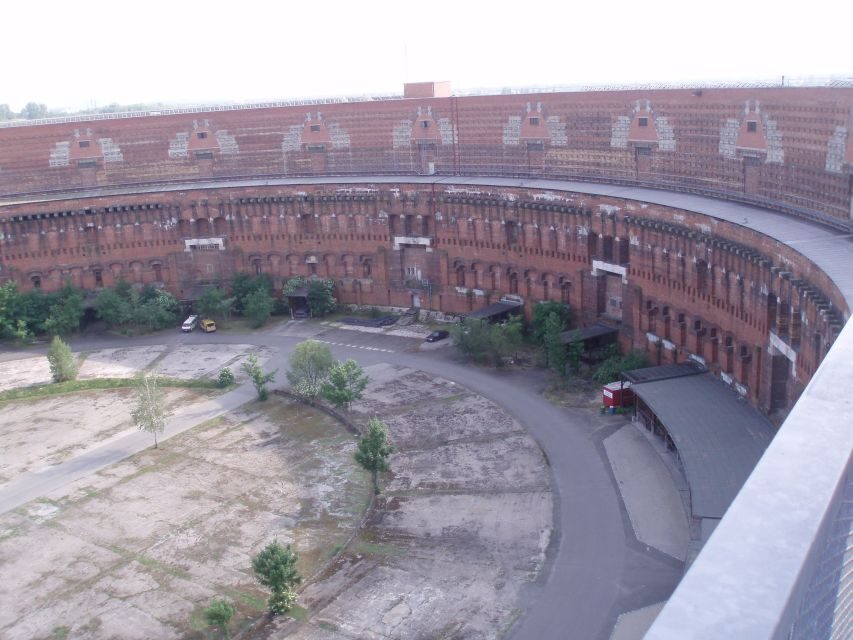
The meeting point is right in front of the Documentation Centre Nazi Party Rally Grounds (DokuZentrum) at Bayernstraße 110, Nuremberg. That matters because it tells you what kind of tour this is: not a vague “history walk,” but a guided look at the physical site of a regime that shaped modern German history in brutal ways.
I like the way this start pulls you into context immediately. You’re not guessing why the buildings look the way they do. You also get a practical rhythm: gather, meet your Franken Guide host, and then head out to see the rally grounds as part of one connected plan rather than separate sights.
If you’ve got trouble finding the exact spot (it can be a little unclear at first for some people), do what one past participant did: check the confirmation details and use the contact info listed there to clarify on the spot.
You can also read our reviews of more tours and experiences in Nuremberg.
The Speer blueprint: how a city got designed for mass power
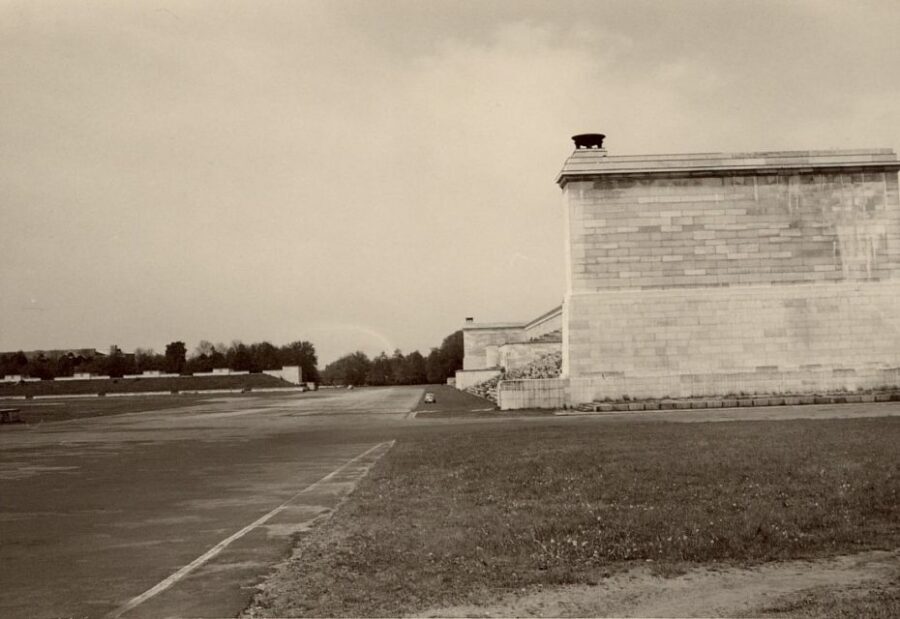
One of the most striking parts of this tour is the explanation of Albert Speer’s vision. Speer, known as the head architect associated with National Socialism, planned a gigantic assembly and demonstration area for as many as 400,000 people in the southeast of the city.
For you, that number isn’t just trivia. It’s the key to understanding the scale and straight-line design choices you’ll see around you. When you know the regime expected huge crowds, the broad streets and monumental spaces make sense as tools, not just styles.
Your guide’s storytelling here is meant to connect political background to physical form: how the regime tried to control what people saw, where they stood, and what it felt like to be part of a mass event. Even if you’ve read about the period before, hearing it tied to the actual plan makes the site harder to shrug off.
Unfinished Congress Hall: the monument that never finished
A major stop is the unfinished congress hall, one of the most famous buildings on these grounds. It’s a powerful reminder that “meant to be” can still be real enough to intimidate. Even without completion, the structure’s presence communicates ambition and control.
What I like about focusing on an unfinished building is that it removes some of the mystique. You can see the regime’s obsession with grandeur, but you also learn how history interrupted the plan. That mix—grand design plus abrupt reality—is one reason the site hits so hard.
You’ll also get practical interpretive guidance on what you’re looking at while you’re looking at it: the basic idea, the intended function, and why the emptiness and the incomplete parts still matter. It’s one thing to hear propaganda rhetoric in a book. It’s another to stand close to the built leftovers of that messaging.
Zeppelin Field and the staged spaces of power
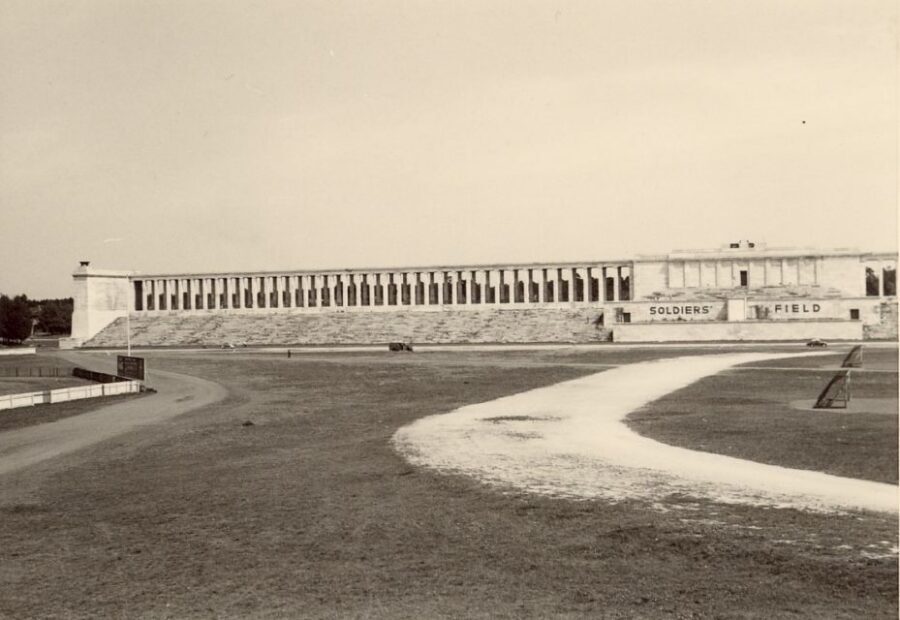
You’ll also walk past major rally-ground spaces, including the Zeppelin Field and areas often described alongside the regime’s “colossal” designs—like the Colosseum references you’ll hear tied to how large-scale spectacle was imagined.
For you, the value here is learning to read the site like a stage. The spaces aren’t random; they’re shaped for mass movement and visible alignment. That’s why the guide pays attention to how streets connect, how sightlines work, and how the layout would have directed crowd behavior.
A good sign that you picked the right tour is when the guide doesn’t treat these spaces as “cool to photograph.” Instead, they frame what the design was trying to do. That’s the tone on this tour: sober, factual, and focused on how political theater was built into the built environment.
The streets between buildings: walking as part of the lesson
The tour also includes walking along the great streets between the major features. That sounds simple, but it’s actually part of the educational design. Seeing buildings in isolation can make them seem like leftovers from a style period. Walking the connections helps you understand how the regime intended the experience to feel.
I think that’s one of the underrated benefits of a 90-minute guided route. You’re not stuck in a museum where the story stops at a wall label. You’re moving through the site as it was meant to be used—at least in planning terms—and that movement changes your understanding.
Keep in mind: this is 90 minutes, so you’ll cover ground at a steady pace. If you like long lingering stops, you may want to add extra self-guided time afterward using the area map once you’ve gotten the guided framework.
Why the Nuremberg Trials (1946) belong in this story
These grounds gained global attention again with the Nuremberg Trials in 1946. Your guide connects that shift directly to why the location remains infamous—and not just for what happened during the regime’s rise, but also for how the world tried to make sense of responsibility after the collapse.
For you, the practical takeaway is perspective. The architecture tells you how power wanted to look. The trials tell you what happened when that power was held accountable. Hearing both parts in the same tour prevents a one-sided view.
It also helps you understand why this place is handled so carefully today. The purpose isn’t to recreate the pageantry. It’s to study the mechanics of manipulation and the consequences.
Price and value: $128 for a private group (up to 8)
The price is $128 per group up to 8 people, for about 90 minutes. On paper, that’s a simple rate. In real travel terms, it’s a value question: are you paying for a guided explanation that saves you time and confusion?
I’d say yes, because the guide’s job isn’t just to point out buildings—it’s to interpret the intent behind them: Speer’s plan, the unfinished elements, the rally layout, and the trial connection. Sites like this are easy to misread if you’re relying only on general guidebooks. A live German guide can steer you toward the big ideas quickly and answer questions in the moment.
If you’re traveling solo or as a couple, you’ll still get the benefit of a private-group format with a natural pace and space to ask. And if you’re a small group of friends or family, splitting the group cost can make this feel like a bargain compared to booking multiple separate tours or trying to cobble together translations on your own.
Included and not included: what you should plan for
This tour includes the tour itself and a tour guide (live, German). Not included: entrance fees and meals.
You don’t need to worry about meal planning during the 90 minutes, but if you’re the kind of traveler who schedules everything tightly, it’s worth knowing meals aren’t provided. Also, entrance fees being excluded means you should be ready for the possibility that some areas you pass might require payment if you want to go inside. Your guide will keep the focus on what’s included, but planning a bit of flexibility will reduce stress.
Language and pacing: what German-only means for you
The tour is in German. If you read German well enough to follow signage but prefer guided conversation, this is something to consider early. If your German is limited, you can still learn a lot from visual context, but your questions and comprehension will depend on your comfort level with the language.
The good news is that the guide seems built for interaction. In the feedback I reviewed, the strong theme was that questions were answered and the guide brought extra context beyond the basic facts. That’s exactly what you want from a German-only guided tour: someone who can communicate clearly and handle follow-up questions without rushing you.
What kind of traveler should book this?
This is a strong match if you want:
- A focused, respectful, guided explanation of the rally grounds’ purpose
- A route built around major sites like the unfinished Congress Hall and the Zeppelin Field
- A way to understand scale and design decisions tied to political goals
It’s less ideal if you’re looking for a casual photo walk with minimal historical context, or if you want a long, slow museum-style pace. This is a “walk-and-learn” format.
Should you book the Nuremberg Nazi rally grounds tour?
Yes—if you care about understanding the site instead of just seeing it. The best reason to book is the combination of structured context (Speer, 400,000-person planning, and the 1946 Trials) with an in-person look at the places those ideas were built into. It’s also good value because you pay per group up to 8, not per person alone.
If you’re sensitive to heavy topics, go with an expectation of seriousness and keep your questions thoughtful. And if your German isn’t strong, consider whether you can comfortably follow a German tour; it can still be worthwhile, but your enjoyment will depend on comprehension.
FAQ
Where does the tour meet?
The meeting point is in front of the Documentation Centre Nazi Party Rally Grounds (DokuZentrum), Bayernstraße 110, Nuremberg.
How long is the tour?
The tour lasts 90 minutes.
What is the price?
It’s $128 per group up to 8 people.
Is the tour private?
Yes. It’s described as a private group.
What language is the tour guide?
The live tour guide speaks German.
What’s included in the price?
The tour and the tour guide are included.
What is not included?
Entrance fees and meals are not included.
Can I request different start times?
Yes. Individual start times are possible upon request.
What are the cancellation terms?
You can cancel up to 24 hours in advance for a full refund.
Do I have to pay immediately to reserve?
No. You can reserve now and pay later.