REVIEW · MUNICH
Munich: Deutsches Museum Guided Tour with Entry Ticket
Book on GetYourGuide →Operated by Paul Riedel Tours · Bookable on GetYourGuide
The Deutsches Museum turns science history into a walk you can follow. With a professional guide, you get help sorting through a place that houses 100,000 objects across five floors. In about two hours, you’ll also get a clearer story line than you’d get wandering alone.
I particularly like two things: first, the guide-led focus on the history of technology and science, which makes the exhibits feel connected instead of random. Second, the range, from astronomy and physics to metallurgy, plus hands-on-feeling topics like agriculture and food technology, photography, and film.
One possible drawback: coverage is broad but time is short. A couple of issues show up in the real world, like a booking tied to the wrong date and a guide who did not know the museum areas as well as expected, so I’d go in with a flexible plan and be ready to choose your priorities early.
In This Review
- Key Highlights I’d Put at the Top
- Why This Deutsches Museum Tour Feels Different Than Self-Guided
- Meeting at the Cashier: How to Start Smoothly
- Five Floors of Science: What You’ll See With a Pro
- The Guide Factor: Professional Explanations You Can Trust (With One Caveat)
- Pricing and Value: Is $149 a Good Deal for 2 Hours?
- Logistics That Actually Matter: Shoes, Rules, and Staying Put
- What I’d Do to Get the Most Out of Your 2 Hours
- Should You Book This Deutsches Museum Guided Tour?
- FAQ
- How long is the Deutsches Museum guided tour?
- Where do I meet the guide?
- What’s included in the price?
- Is there a skip-the-line option?
- What languages is the live tour guide offered in?
- Is the museum tour wheelchair accessible?
- What should I bring, and what’s not allowed?
Key Highlights I’d Put at the Top
- World-scale museum with guidance: See how technology and science evolved, not just what objects look like.
- Five floors, one guided path: You’ll get help finding the most important stops without wasting time.
- Massive collections, clear themes: Astronomy, physics, metallurgy, and more get explained in context.
- Live guide in English or German: You choose the language for the tour experience.
- Entry included plus skip the ticket line: You avoid extra waiting before you start learning.
Why This Deutsches Museum Tour Feels Different Than Self-Guided
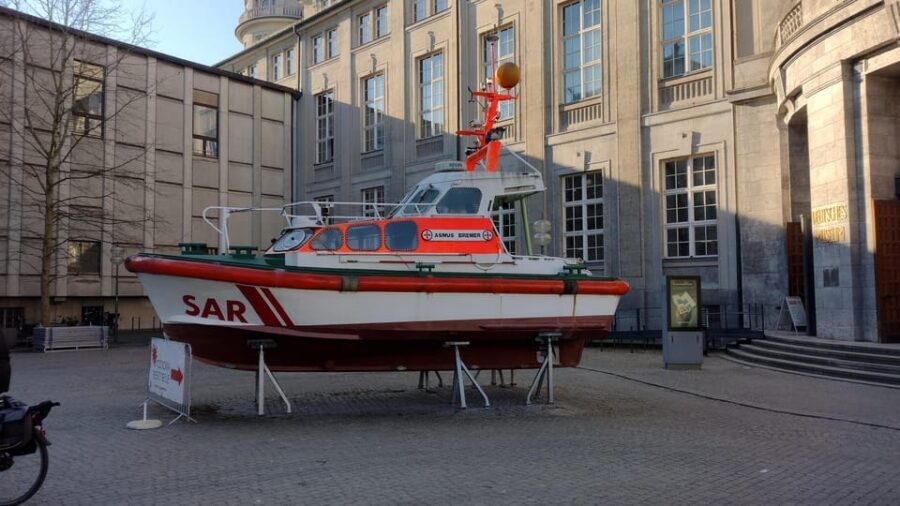
The Deutsches Museum is huge in the best possible way. You’re not just looking at displays, you’re learning how inventions and scientific ideas connect across time and disciplines.
What makes a guided format worth it is the “translation” layer. The museum has an astonishing amount in storage and on display, so explanations from a professional guide help you understand what you’re seeing and why it mattered when it was created. Instead of asking what each object is, you start asking the more interesting question: how did technology change the world around it?
This tour’s focus is also practical. You get a structured walkthrough over two hours, which is ideal if you’re trying to fit Munich museum time into a tight schedule without sacrificing the quality of what you see.
A few more Munich tours and experiences worth a look



Meeting at the Cashier: How to Start Smoothly
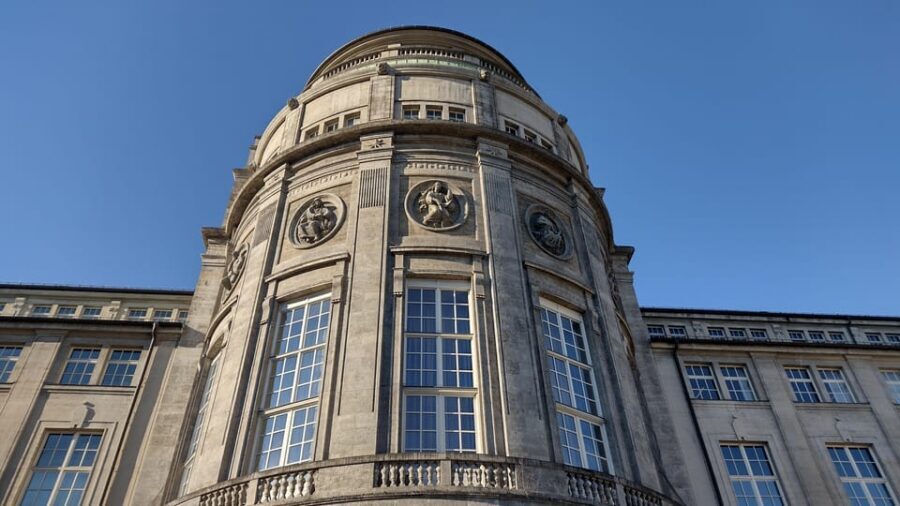
You meet at the cashier, which is straightforward and easy to find once you’re inside. The key benefit here is that you don’t spend your energy figuring out where a tour group starts while you could be already walking the halls.
The tour runs for about two hours. That matters because the Deutsches Museum can easily eat a whole day on its own, especially if you like reading labels and lingering. With a guide, you get a smart pace for the highlight areas, then you can decide how to extend your visit afterward.
Also, this experience includes admission and skip-the-ticket-line access. That’s a real time-saver in a popular museum, and it helps you get your day back for the rest of Munich.
Five Floors of Science: What You’ll See With a Pro
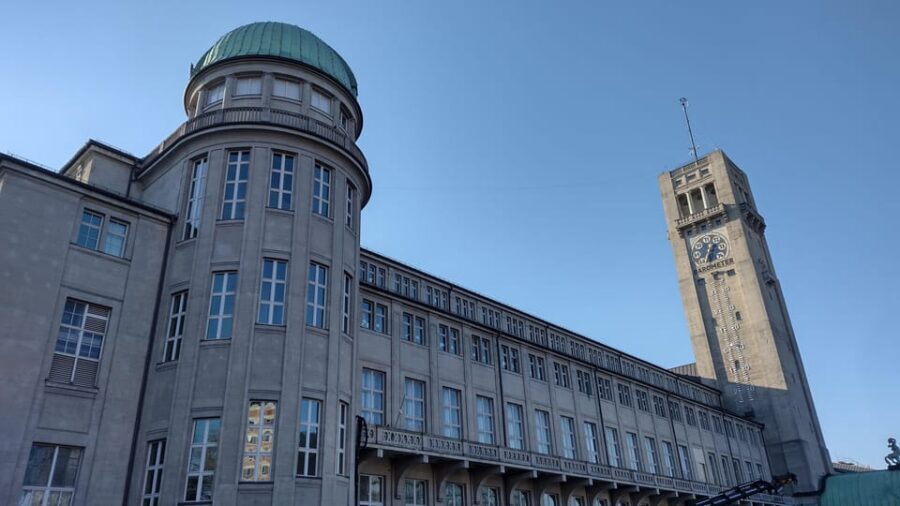
Even before you pick which exhibits you care about, the museum’s scope is the story. The tour covers the museum’s major themes across multiple floors, and you’ll encounter objects that span the history of technology and science.
Astronomy is one of the big categories. With a guide, you’re more likely to understand the logic behind the instruments and what they were used to measure, rather than just spotting old equipment and moving on.
Physics also shows up as a major thread. The guide’s value here is connecting concepts to the objects. Physics can feel abstract in a classroom, but seeing it represented through real tools and experiments makes the explanations stick.
Then there’s metallurgy, which I love because it’s the “how it’s made” side of science. When you learn about materials and techniques, the inventions around you stop feeling random. You start seeing manufacturing choices as part of scientific progress.
Beyond the big science labels, the tour includes topics that broaden the museum beyond labs. You’ll see exhibitions tied to agriculture and food technology, and you can also find displays on photography and film. That mix is a big reason this museum appeals to more than just engineers.
One more thing: the guide’s job is to help you find the most important facts you might otherwise miss. That doesn’t mean everything will be covered, but it does mean you’ll have a stronger first pass through the museum than you’d get from a map and guesswork.
The Guide Factor: Professional Explanations You Can Trust (With One Caveat)
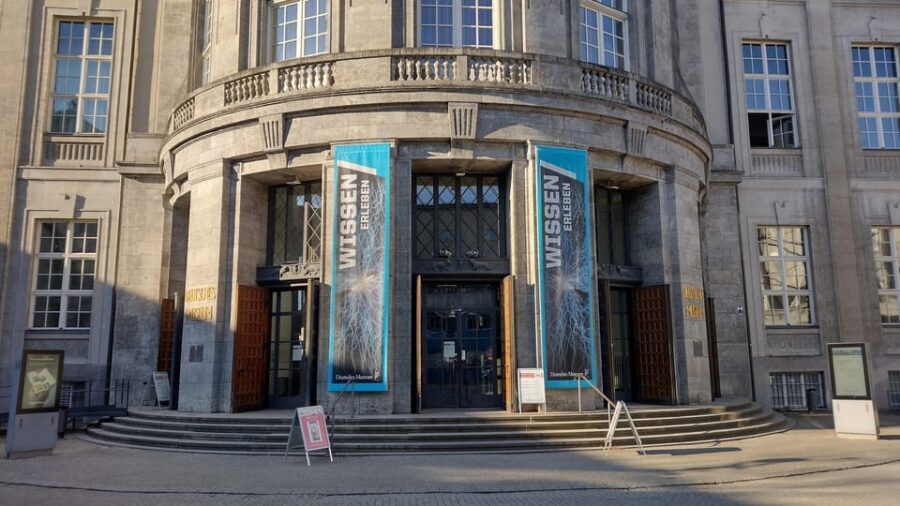
A strong guide changes your museum visit from scanning to learning. In this case, the tour is led by a professional guide, and the experience is offered in English or German, depending on what you choose.
One detail that stood out from guide feedback is the mention of a guide named Genny. The comments describe her as very familiar with the museum and able to explain the history of multiple areas clearly. That kind of competence is exactly what you hope for in a place this large.
At the same time, there’s an important caveat. One booking note highlights that a guide didn’t know the museum areas as well as expected. That’s not something you can fully predict ahead of time, but you can reduce the risk by arriving with a general plan for what you want most. If astronomy, physics, or metallurgy is your top interest, be ready to steer your attention toward those during the walkthrough.
For language, stick with what you’re most comfortable with. If you’re choosing between English and German, think about which one lets you follow explanations without effort. A museum guide is delivering context in real time, and comfort with the language directly affects how much you take in.
Pricing and Value: Is $149 a Good Deal for 2 Hours?
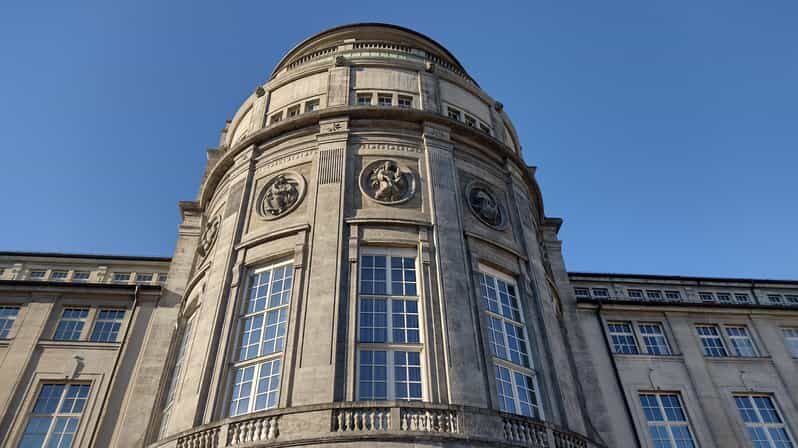
At $149 per person for a 2-hour guided visit with admission included, you’re paying for two things: entry and interpretation. The entrance part gets you into the museum, but the price is really about having someone explain the history of technology and science while you move through the collections efficiently.
Think of this as buying time and clarity. Without a guide, you can absolutely explore on your own, but your day can get messy fast: you’ll likely drift, you may miss key areas, and the museum scale can overwhelm your sense of what’s essential.
With this tour, you get a planned path through big themes like astronomy, physics, and metallurgy, plus culture-adjacent topics like photography, film, and agriculture and food technology. That spread helps you sample multiple interests in one short visit, which is valuable if you’re not sure what you’ll end up loving.
If you’re the type of traveler who enjoys reading labels and going slow, you might not need the guided piece. But if you prefer to learn the big ideas first, then use your free time to go deeper, a guide at the start is a smart value move.
You can also read our reviews of more guided tours in Munich






Logistics That Actually Matter: Shoes, Rules, and Staying Put
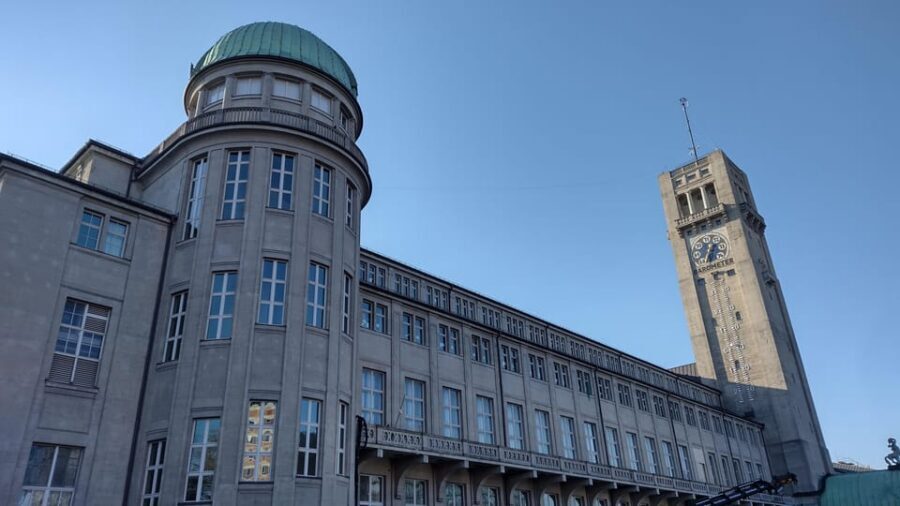
This tour asks for comfortable shoes. That’s not a throwaway line. In a museum with multiple floors and lots of moving between areas, your feet will decide whether you enjoy the visit or just survive it.
There are also clear rules: no alcohol and drugs, and bachelor and bachelorette party groups are not allowed. If you’re traveling with a group, keep that in mind and plan for a more typical touring vibe.
Wheelchair accessibility is listed, so if you need that kind of access, you can consider this tour option with more confidence than you’d have for every museum format.
After the guided portion ends, you can stay and explore on your own. That’s a big part of the value. You get a guided orientation first, then you decide what to chase with more time, whether that’s returning to one theme or slowing down for the objects that grabbed your attention during the explanations.
What I’d Do to Get the Most Out of Your 2 Hours
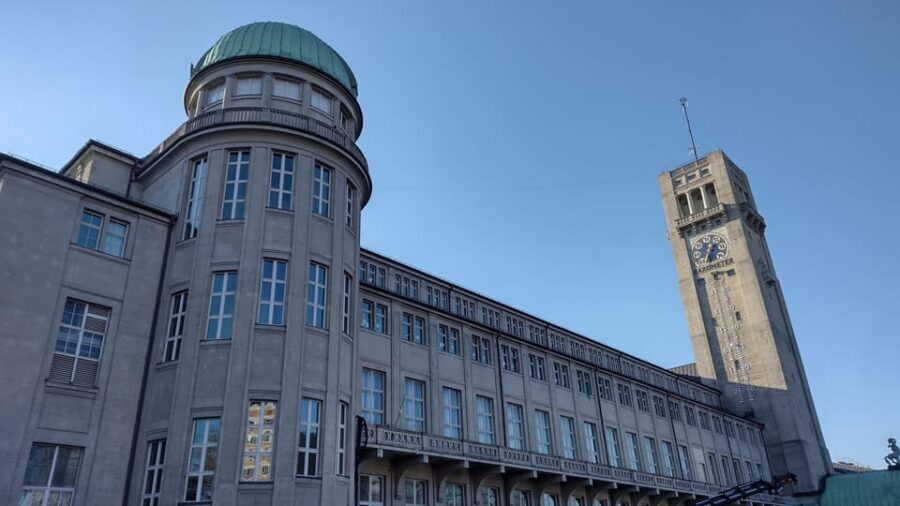
Here’s how I’d approach it if I were standing where you’ll stand at the cashier with limited time. I’d pick two or three themes in advance and mentally tag them as must-sees: astronomy, physics, metallurgy, and maybe one of the broader topics like photography or film.
Then I’d treat the guide like a filter. Let them point you to the most important facts and interpretive links. You can still choose what you photograph or read, but you’re less likely to miss the “why” behind the objects.
Because the museum holds about 100,000 objects across different areas, you’re never going to see everything in one visit. So instead of trying to “cover it all,” use the tour to learn how to navigate your own follow-up. After that, your independent time becomes more focused and satisfying.
Also, if you’re picky about scheduling, double-check your date and start time before you arrive. A real issue was tied to tickets for a different date, and it’s the kind of preventable problem that can ruin a museum morning.
Should You Book This Deutsches Museum Guided Tour?
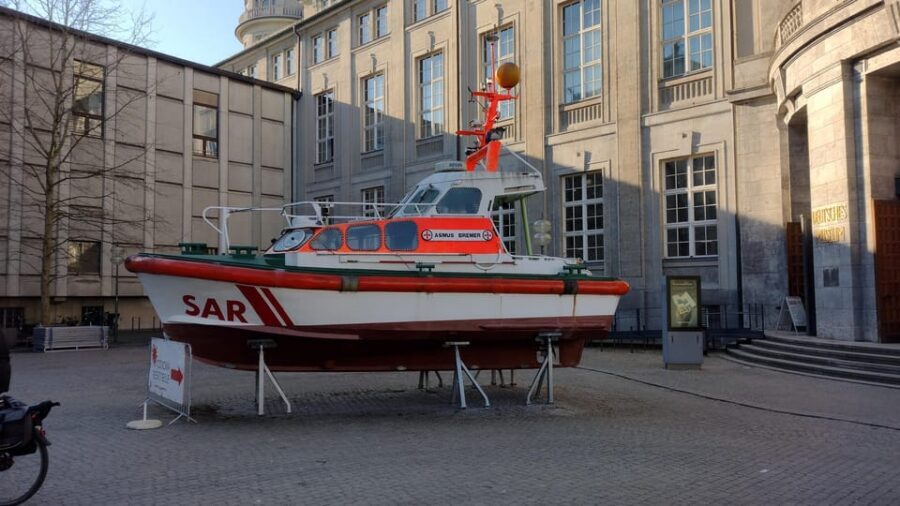
Book it if you want a strong first pass through a massive museum. A professional guide, a guided path across five floors, and skip-the-ticket-line entry with admission included are all good reasons to choose this format—especially if you only have about two hours to spare.
I’d skip it if you already know the specific areas you want to spend the day in and you’re happy to explore independently without needing a guided explanation. If you want full freedom to wander slowly for hours, the guided tour can feel like a fast sampler.
If you do book, go in with a flexible attitude and a small list of priorities. With that mindset, you’ll leave with clearer context—and you’ll know exactly where to return once the tour ends.
FAQ
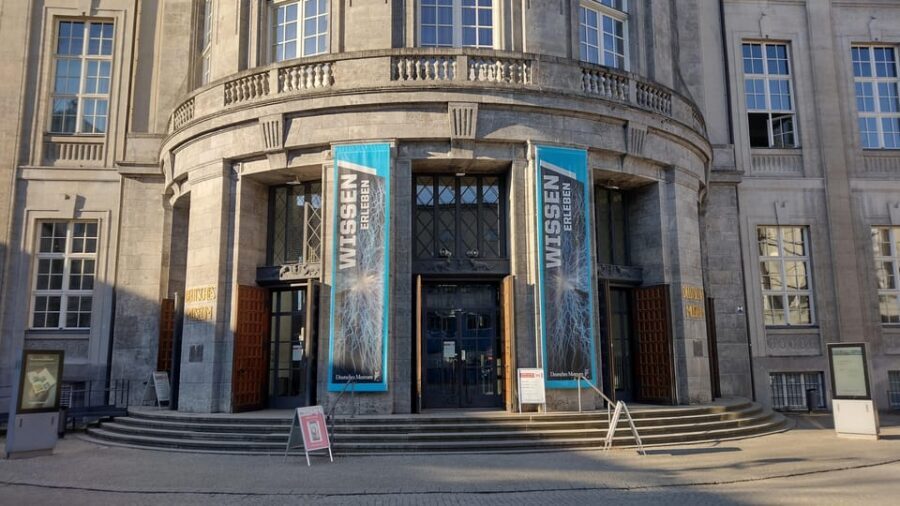
How long is the Deutsches Museum guided tour?
The tour duration is 2 hours.
Where do I meet the guide?
The meeting point is at the cashier.
What’s included in the price?
The package includes a professional 5-stars guide and entry/admission to the Deutsches Museum.
Is there a skip-the-line option?
Yes. Skip the ticket line is included.
What languages is the live tour guide offered in?
The live tour guide is available in English and German.
Is the museum tour wheelchair accessible?
Yes, wheelchair accessibility is listed.
What should I bring, and what’s not allowed?
Bring comfortable shoes. Alcohol and drugs are not allowed, and bachelor and bachelorette party groups are not allowed.