REVIEW · BERLIN
Living in the Shadow of Berlin’s Nightlife – A City Tour
Book on GetYourGuide →Operated by querstadtein e.V. · Bookable on GetYourGuide
Berlin’s club streets tell a different story here.
This 2-hour Friedrichshain walk uses Berlin’s nightlife geography as a frame for real life—Miriam shares her experience as a homeless female migrant around Ostbahnhof, including where she slept and what safety meant in unsafe places. I like that you get first-hand perspective instead of secondhand theory, and I also like the tour’s invitation for personal conversation, not just head-down sightseeing. One drawback: the themes are serious, so it may feel heavy for some people.
You’ll still pass familiar, tour-friendly landmarks—just with the volume turned down on the party pitch. The walk is practical, grounded, and human-scale: what you carry, where you can rest, what you notice when the city is busy but you feel alone.
In This Review
- Key things I’d circle before you go
- Berlin’s nightlife district, re-framed around Ostbahnhof
- Who Miriam is—and why her perspective changes what you notice
- Where people sleep: garages, underpasses, condemned buildings
- Walking past Berghain and the East Side Gallery with a different pair of eyes
- Alternative housing projects: the politics you can spot without slogans
- The 2-hour flow: conversation, walking, and staying present
- Price and value: why $23 can feel fair here
- Who should book this tour in Friedrichshain
- Should you book? My take on making the call
- FAQ
- FAQ
- How long is the tour?
- What language is the guide?
- Where does the tour start?
- Is there a price per person?
- Is this tour wheelchair accessible?
- Can I book a private group?
- What should I bring?
- Is the tour suitable for children?
- What’s the general cancellation and booking approach?
Key things I’d circle before you go
- Miriam’s biography drives the whole route, from fleeing violence to building survival in an unfamiliar city
- You walk past nightlife icons like the Berghain area and the East Side Gallery while hearing non-tour stories
- Stops focus on sleeping spaces—garages, underpasses, condemned buildings, and tent settlements
- You learn how people define safety when the street is the shelter
- You get housing context, including alternative housing projects that don’t fit Berlin’s luxury image
- It’s built for conversation, not a lecture-only format
Berlin’s nightlife district, re-framed around Ostbahnhof
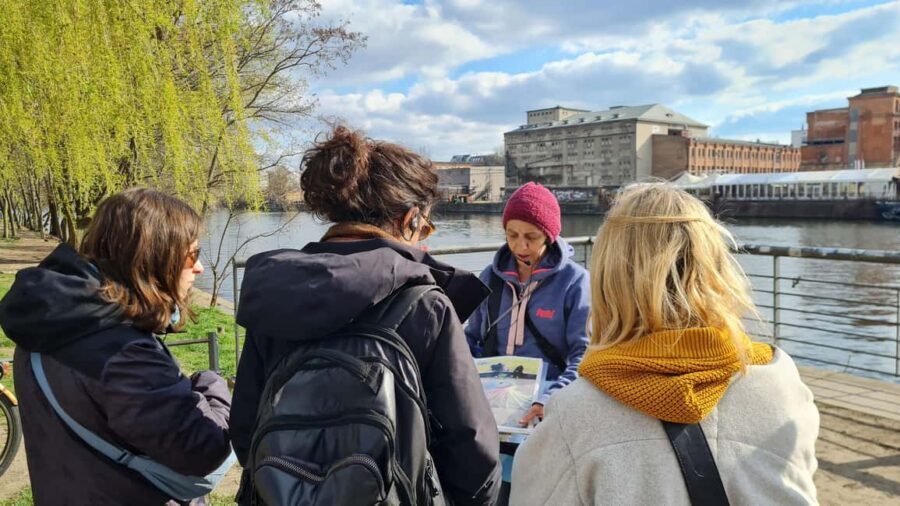
Friedrichshain is where Berlin’s nightlife reputation gets loud. Near Ostbahnhof, the city’s energy shows up in people, posters, queues, and club chatter. Even if you’ve never been to Berghain, the area around it has that feeling of being watched—by locals, by tourists, and by street life happening right next to the headlines.
What I like about this tour is that it doesn’t erase the nightlife. It re-aims your attention. You’ll walk through parts of Friedrichshain that many people associate with parties, but the story shifts to daily realities: being without a safe place to sleep, trying to navigate a city where you don’t speak the language, and figuring out what the environment can offer you—sometimes only in fragments.
And yes, you’ll also be near postcard-friendly spots. The difference is the lens. Instead of treating the area as a backdrop for your Berlin photo, you treat it like a place where people have lived, waited, worked, and kept going.
You can also read our reviews of more city tours in Berlin


Who Miriam is—and why her perspective changes what you notice
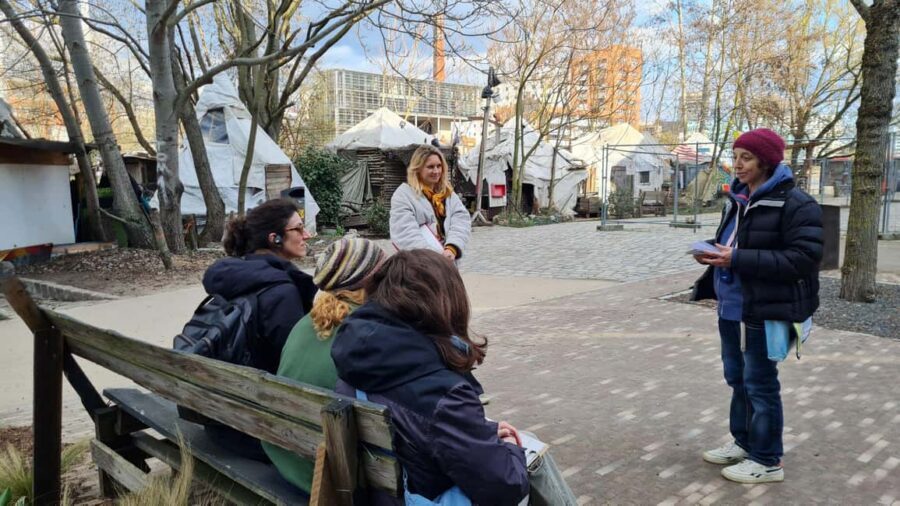
The guide, Miriam, leads from experience, not from a detached lecture. Her story starts with fleeing from a violent partner with very little luggage, arriving in Berlin without people she knew and without language skills. That detail matters because it shapes everything that follows: your first weeks in a new city don’t feel like an adventure. They feel like problem-solving.
As you walk, Miriam doesn’t just say what happened. She helps you understand the logic behind survival choices. Where someone sleeps isn’t random. It connects to safety, visibility, access to basic needs, and the trade-offs between comfort and staying out of trouble.
That shift can be uncomfortable in a good way. It makes the street feel less like a stage and more like a set of constraints. And it makes you less likely to romanticize what you see from the sidewalk.
This also explains the tour’s tone: there’s room for personal encounters and conversation. Not everyone will want to share, but you’ll notice the format is designed so the group can ask questions and process what they’re hearing while the sights are still in front of them.
Where people sleep: garages, underpasses, condemned buildings
One of the most powerful sections of the walk centers on sleeping spaces—specifically the places Miriam used to sleep. This is not a graphic tour, but it is direct. You’ll hear about garages, underpasses, condemned buildings, and tent settlements as she guides you along the places that shaped her day-to-day life.
What I find most useful is the way Miriam frames safety. In a normal travel day, safety is a vague word. Here it becomes practical. You start to hear how people judge risk: how exposed a spot is, who might pass through, what weather does to a situation, and how sleeping arrangements change depending on whether the surroundings feel predictable or hostile.
You also learn that not all “shelter” works the same way. Sleeping places differ in privacy, stability, and how quickly the environment can change. Miriam explains what she learned about those differences, which helps you understand that homelessness isn’t one single condition. It’s a set of temporary solutions that get rewritten constantly.
If you’re the type who likes to understand root causes, this part will hit. If you prefer lighter sightseeing, consider that this tour is built around lived reality, not scenery.
Walking past Berghain and the East Side Gallery with a different pair of eyes
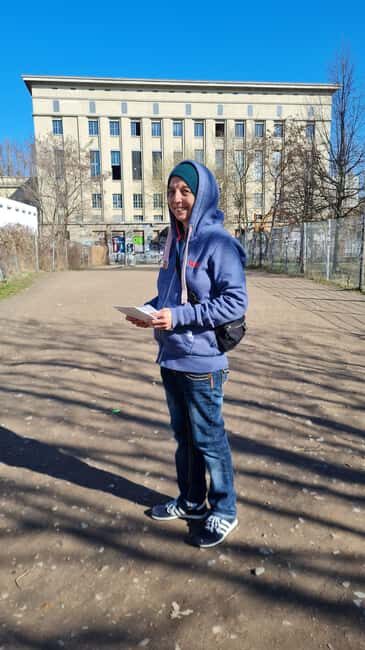
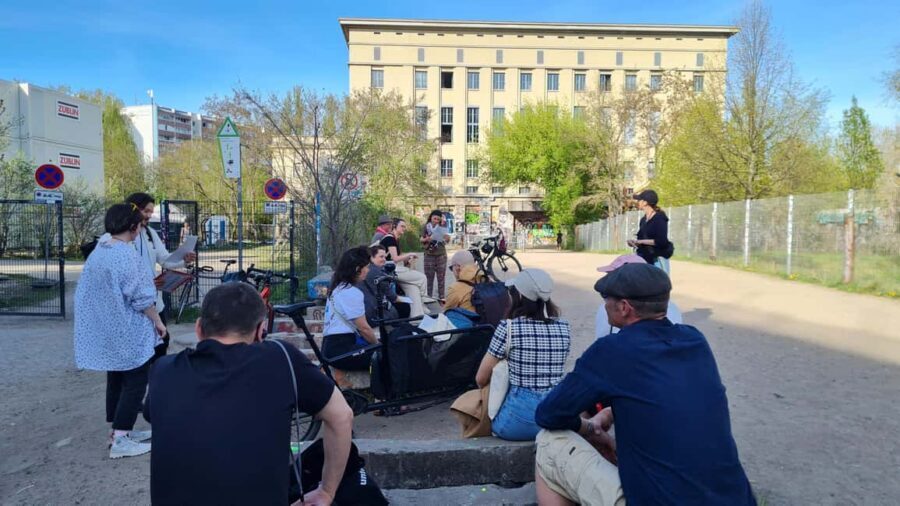
Berlin’s nightlife icons are easy to spot, especially in Friedrichshain. The area around Berghain and the East Side Gallery is part of the tourist mental map. On this tour, you’ll pass through that same zone, but you won’t get the usual story of nightlife culture from inside the club.
Instead, you’ll hear about clubs Miriam has never been to—while she lived in their immediate vicinity. That contrast is the point. The club may feel like Berlin’s party symbol from the outside, but for someone sleeping nearby, it’s also a neighborhood with a shadow life: people moving through the night, the rhythm of streets that never fully turns off, and the small survival tasks that continue no matter what music is playing.
You’ll also get details about returnable bottles—one of those things that sounds small until you realize it’s part of a survival economy. It’s a reminder that the city’s systems keep running, even when you’re not included in them.
And the tour nudges you into a more respectful question: what does it mean to love a place that also contains people who can’t afford safety? You don’t have to answer perfectly. You just have to see it clearly.
Alternative housing projects: the politics you can spot without slogans
Berlin likes to sell itself as creative. But creative isn’t the same as caring. Miriam shares information about alternative housing projects that have established themselves away from luxury and capitalism, yet still struggle to find space in the city.
On the walk, this becomes more than an opinion topic. You start noticing how power and visibility shape who gets space. Luxury draws attention. Cheap or precarious living gets pushed to edges. People then get treated like they’re part of the background noise instead of part of the city’s human fabric.
This section can feel like the tour expands from personal biography to something bigger. It does so carefully: it stays grounded in what Miriam has seen and lived, and it keeps the focus on why options shrink when the city prioritizes certain images and certain budgets.
If you come to Berlin expecting constant nightlife dopamine, this will slow you down. If you like tours that connect the personal with the political in plain language, you’ll probably enjoy the clarity.
You can also read our reviews of more nightlife experiences in Berlin





The 2-hour flow: conversation, walking, and staying present
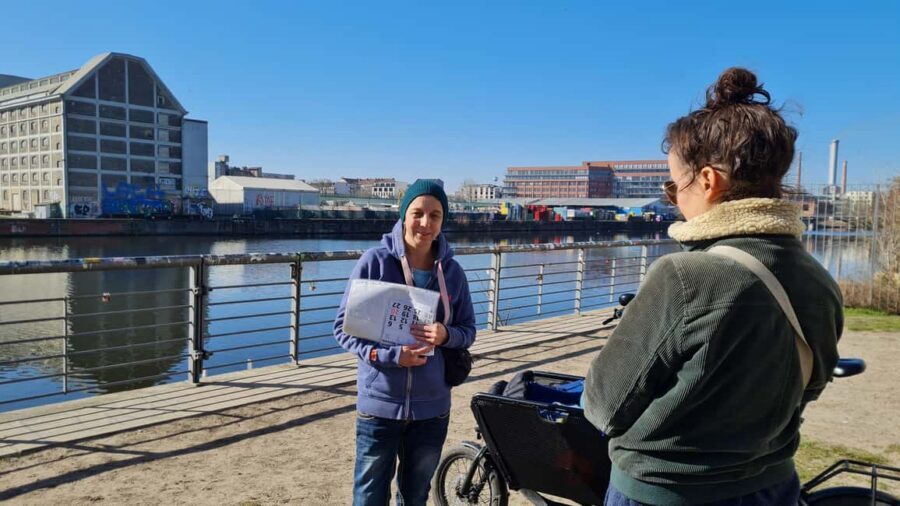
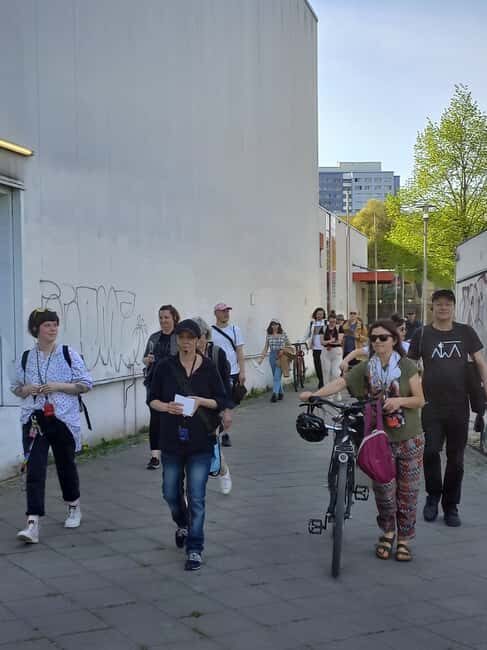
You’re out for 2 hours, and that matters. This is long enough to move through a neighborhood and hear multiple story chapters, but short enough that you won’t feel trapped for the whole day. You’ll want to treat it like a focused walk, not a casual stroll you can zone out during.
The format includes space for personal encounters and conversations, which changes the energy. Instead of a one-way lecture, you’re encouraged to ask questions or react while the sights are still fresh. That’s also why comfortable pacing is important: you’ll be listening, thinking, and sometimes processing emotion in real time.
What to bring is simple, but don’t skip it. Wear comfortable shoes. Bring water. Dress for the weather—this city tour happens outside. In summer, think hat and extra water. In winter, dress warmly. (Berlin weather loves to surprise people, even when you think you’re prepared.)
Because this isn’t traditional sight-hopping, it’s also smart to manage expectations. You won’t come out with a list of monuments. You’ll come out with a new habit: noticing what a neighborhood hides in plain sight.
Price and value: why $23 can feel fair here
$23 per person for a live English walking tour is relatively affordable, especially given the structure. You’re paying for three things that cost effort and expertise: a guide with lived experience, an intentionally planned route through specific real places, and a format that supports conversation rather than rapid-fire facts.
If you compare it to the kind of tour where you’re mostly watching landmarks and collecting general history, this offers a different kind of value. The price isn’t about buying access to famous buildings. It’s about buying time with a person who can explain what it’s like to exist where many people only pass through.
Still, be honest about fit. This price might not feel like a bargain if you want a light, upbeat city highlight tour. It’s a better match if you want to understand Berlin beyond the poster version—especially the way a neighborhood works for people who aren’t partying, aren’t shopping, and aren’t shopping for memories.
Who should book this tour in Friedrichshain
This experience works best if you:
- Want an off-the-radar view of Berlin, close to nightlife but not controlled by nightlife clichés
- Are comfortable with serious topics like homelessness and migration
- Prefer guided walks that mix story with room for questions
- Enjoy practical insight about how people navigate cities, not just facts about buildings
It’s also designed with real constraints in mind. The tour is listed as wheelchair accessible, and it can be booked as a private group if you want a smaller, quieter format.
One clear limitation: it’s not suitable for children under 14. That’s a strong sign that the content is best suited to adults and teens who can handle the tone and themes.
Should you book? My take on making the call
Book it if you’re ready to walk through Friedrichshain with new eyes and you’re okay with a heavier, more human kind of storytelling. If you want nightlife photos and quick historical facts, this won’t be the right fit. This is about understanding what sits next to the club scene when the city is still awake.
A good rule: if you can handle empathy without treating it like a spectacle, you’ll likely get a lot out of it. If you’re hoping for a carefree evening stroll, you may end up feeling unsettled in a way you didn’t plan for.
If your goal is to see Berlin as more than an itinerary, then this tour is a strong pick.
FAQ
FAQ
How long is the tour?
The tour lasts 2 hours.
What language is the guide?
The live guide speaks English.
Where does the tour start?
The meeting point may vary depending on the option booked.
Is there a price per person?
Yes. The price listed is $23 per person.
Is this tour wheelchair accessible?
Yes. The activity is listed as wheelchair accessible.
Can I book a private group?
Yes. Private group available is offered.
What should I bring?
Bring comfortable shoes and water, plus weather-appropriate clothing.
Is the tour suitable for children?
No. It’s listed as not suitable for children under 14.
What’s the general cancellation and booking approach?
You can cancel up to 24 hours in advance for a full refund, and there is a reserve now & pay later option.