REVIEW · KOBLENZ
Koblenz: The Living Vineyard, Nature & Wine Enjoyment
Book on GetYourGuide →Operated by Bernd Doetsch - Touren- & Gästeführungen in Koblenz, an Rhein & Mosel · Bookable on GetYourGuide
In Moselle vineyards, wine and nature share the same trail. This 3-hour outing at Weingut Lunnebach mixes an easy, sensory walk with real talk about how the region grows Riesling on steep slate slopes. You’ll finish with views back toward Koblenz and a tasting that feels guided, not rushed.
I love two things right away: the secco welcome and the glass setup make it feel special from minute one, and the guide’s focus on both wine and the living vineyard ecosystem keeps it from becoming a lecture. With Bernd Doetsch leading in German, the tour pace is lively, and the explanations come frequently enough that you never feel lost.
One thing to consider: this is an uphill walk on a roughly 3-kilometer trail, and it runs rain or shine. If you have mobility limits or prefer flat ground, this may not be the right fit.
In This Review
- Key Things I’d Watch For
- Weingut Lunnebach: Riesling Slopes and a Secco Welcome
- The 3-Kilometer Vineyard Walk and Napoleon’s Path
- Terroir Talk You Can Actually Picture: Slate, Sun, and Geology
- Near-Natural Viticulture Meets Real Wildlife
- How the Tasting Feels Like Part of the Story
- Views Back to Koblenz: Why the End Matters
- Price, Value, and Who This Tour Fits Best
- Should You Book This Koblenz Living Vineyard Experience?
- FAQ
- How long is the tour?
- Where does the tour start?
- What’s included in the tasting?
- Is the tour offered in English?
- Does the walk happen in bad weather too?
- Is there a free cancellation option?
Key Things I’d Watch For
- Secco first, then the walk: you start tasting immediately, not at the very end
- A gentle uphill trail: about 3 km, leisurely pace, with frequent story stops
- Napoleon’s old path: the route has serious historical flavor
- Near-natural viticulture in practice: learn how vineyard care supports nature
- Wildlife spotting focus: flora, insects, reptiles, mammals, and birds are part of the lesson
- Three selected wines: tasting is included after you’ve earned it by walking and looking
Weingut Lunnebach: Riesling Slopes and a Secco Welcome
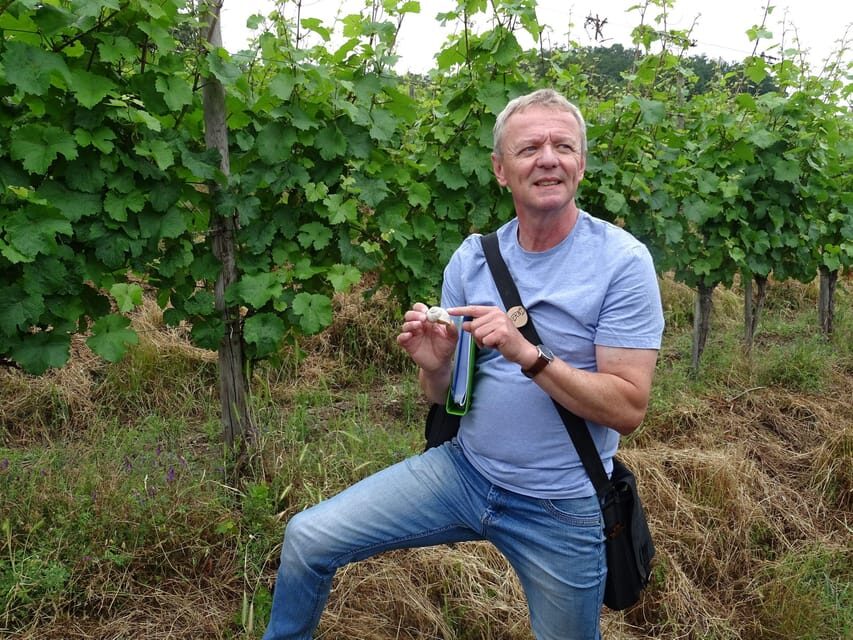
You begin at Weingut Lunnebach, a winery where Riesling is the star. That matters because this tour isn’t trying to be a generic wine tasting. It’s built around one grape, one place, and the way the Moselle makes it taste different.
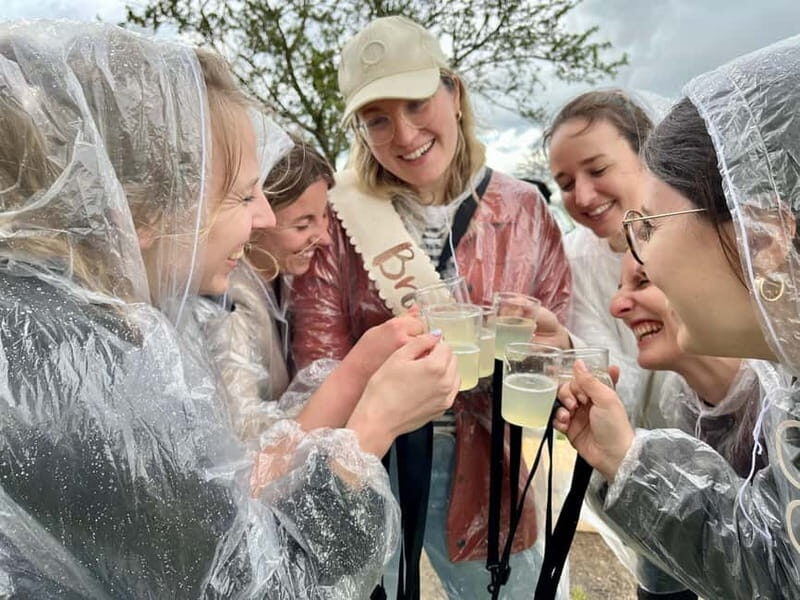
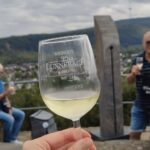
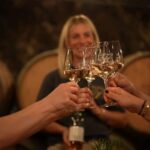
Before you step into the vines, you’re greeted with a delicious welcome secco. They hand you a wine glass and a glass holder, which sounds small, but it changes everything on a walk. It’s easier to sip without juggling stuff, and it keeps the atmosphere relaxed instead of chaotic.
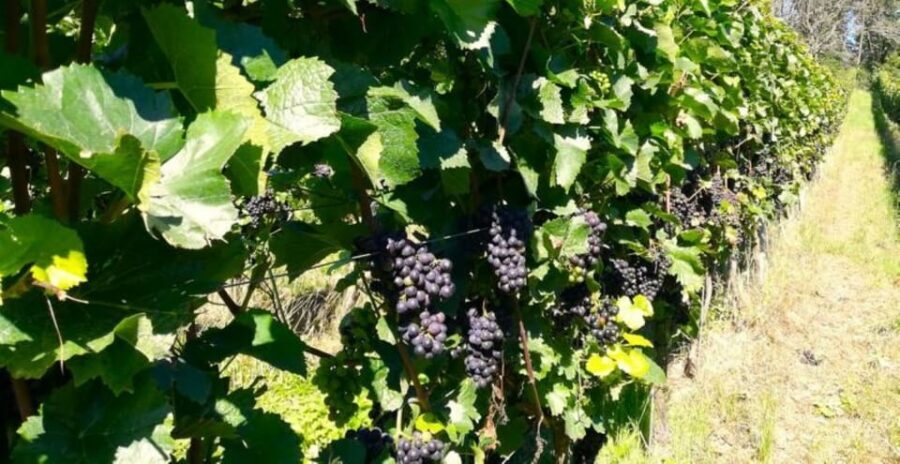
Lunnebach also sets the tone for what you’re about to learn. The vines grow on the steep Moselle slopes, with grapes ripening on slate-shaped soils and an exposure to sunlight that helps develop character. The winery’s approach is targeted care in the vineyard and wine cellar, plus a nature-protecting method called near-natural viticulture. In plain terms: they want good wine, but they also want the vineyard to function like an ecosystem, not just rows of plants.
You can also read our reviews of more wine tours in Koblenz
The 3-Kilometer Vineyard Walk and Napoleon’s Path
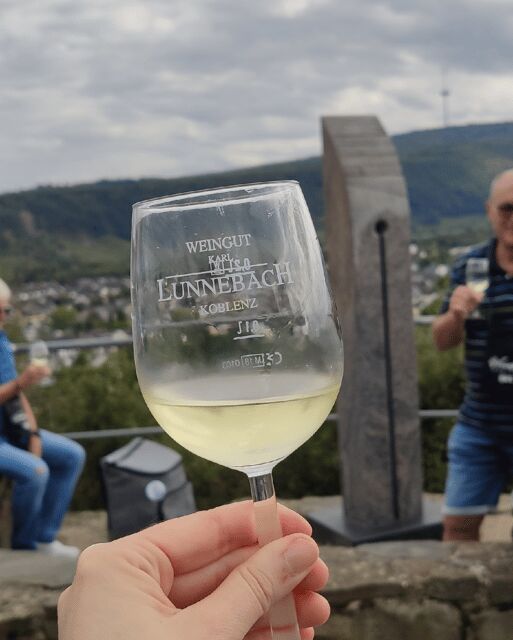
The core of the experience is a guided walk through the Moselle vineyards. You head up from the winery along a path that’s tied to the area’s history, including the fact that Napoleon Bonaparte walked this route. That’s a fun anchor when you’re climbing—suddenly you’re not just moving from one photo spot to another. You’re traveling through layers of time.
The trail is described as leisurely uphill, about three kilometers. That’s a big enough distance to feel like you’ve done something, but it’s not framed as a tough hike. If you wear comfortable shoes, you can keep a steady pace without turning it into a workout.
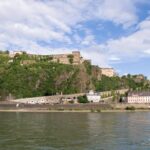
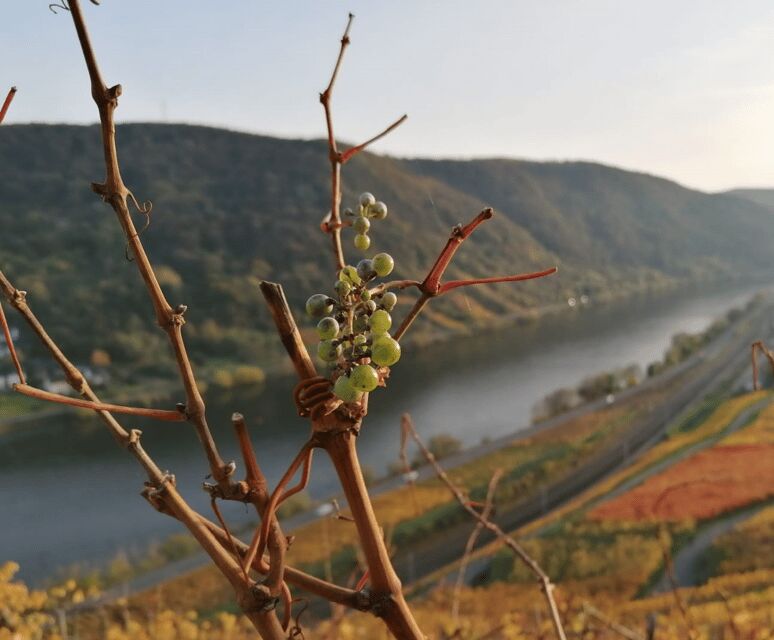
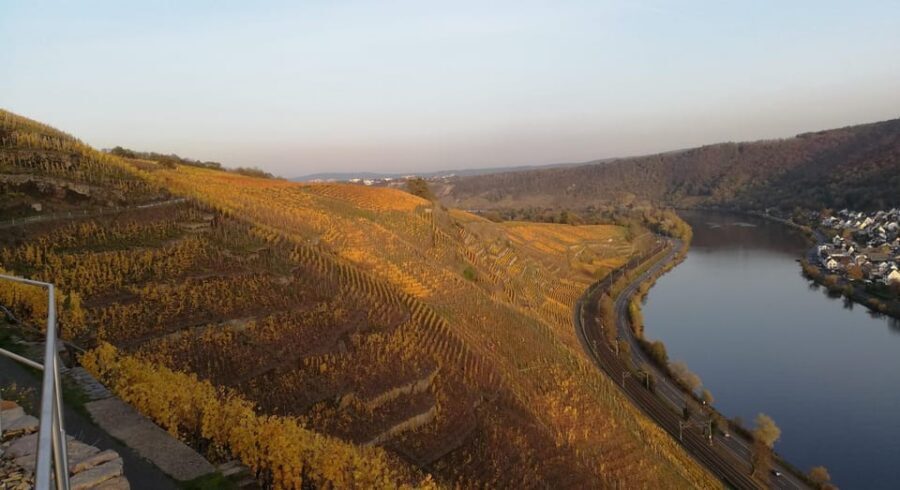
You’ll also get the rewarding timing of a vineyard walk: views open up as you gain elevation. Partway through, you look out over the picturesque Moselle valley. On the way back, you’re rewarded again with a wide view toward the city of Koblenz. The views aren’t treated like an afterthought. They’re part of how the guide teaches the region.
One more practical note: the tour takes place rain or shine. So bring clothes you can handle if the weather changes. A quick check of what you’re wearing matters more than worrying about the forecast.
Terroir Talk You Can Actually Picture: Slate, Sun, and Geology
Wine education can go one of two ways: it’s either vague and poetic, or it’s stuffed with details you can’t connect to what you’re seeing. This tour aims for the middle. You learn about the history and geology of the Moselle region while you’re standing right in the setting those forces created.
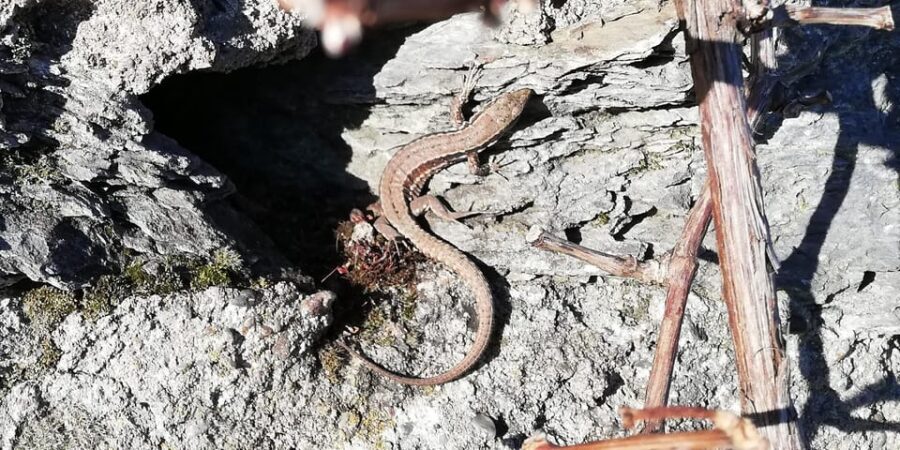
Here’s why that works for you: geology becomes concrete when you’re surrounded by vines and rocky soil. The steep slopes and slate-based soils aren’t just a technical line—they help explain why vineyards here can feel both dramatic and fragile. You see the slope. You notice the dryness and structure around the plants. Then the guide connects those physical realities to what the wine tastes like.
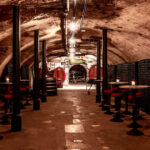
They also explain the winemaker’s work—how targeted vineyard care and cellar decisions shape the final result. If you’ve ever wondered why two Rieslings from neighboring towns can taste like they belong to different worlds, this is the kind of walk that gives you a mental map.
Near-Natural Viticulture Meets Real Wildlife
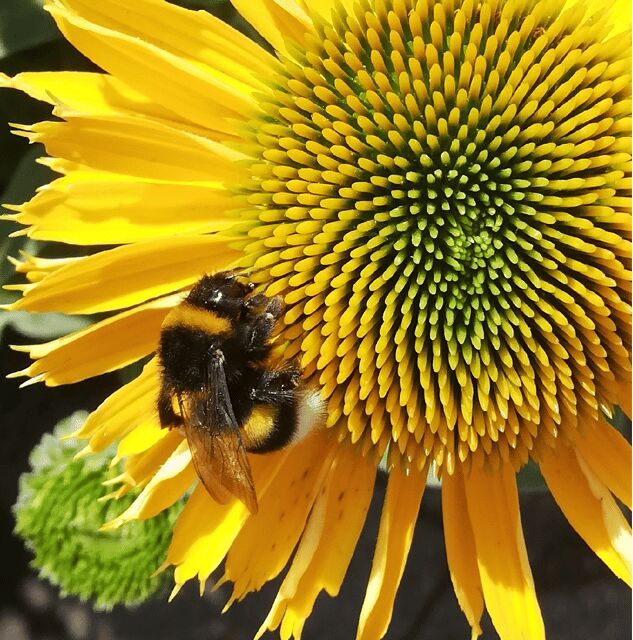
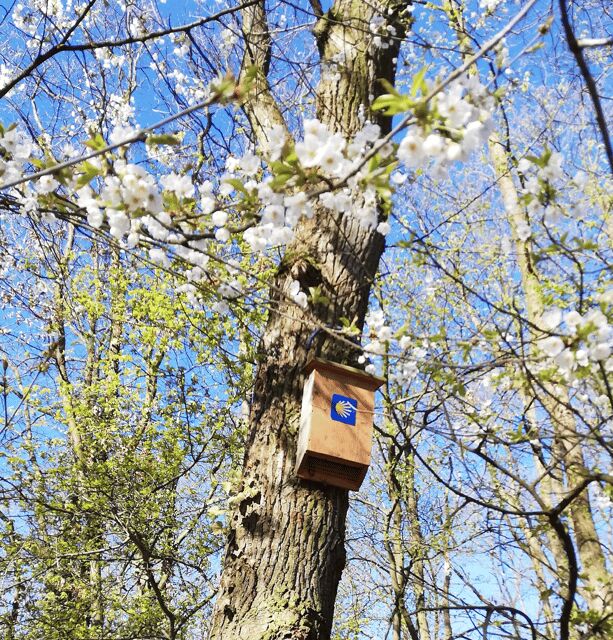
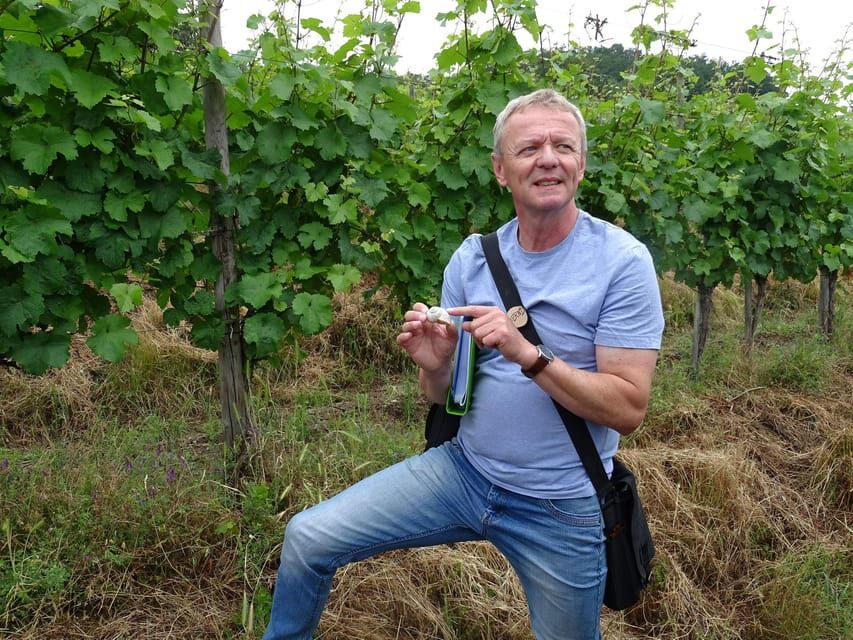
This isn’t a wine tour that only talks about grapes. It’s explicitly built around biodiversity in a wine-growing landscape. Between vines and along edges of habitats, you’re guided to notice flowers and herbs and the small creatures that make the whole system tick.
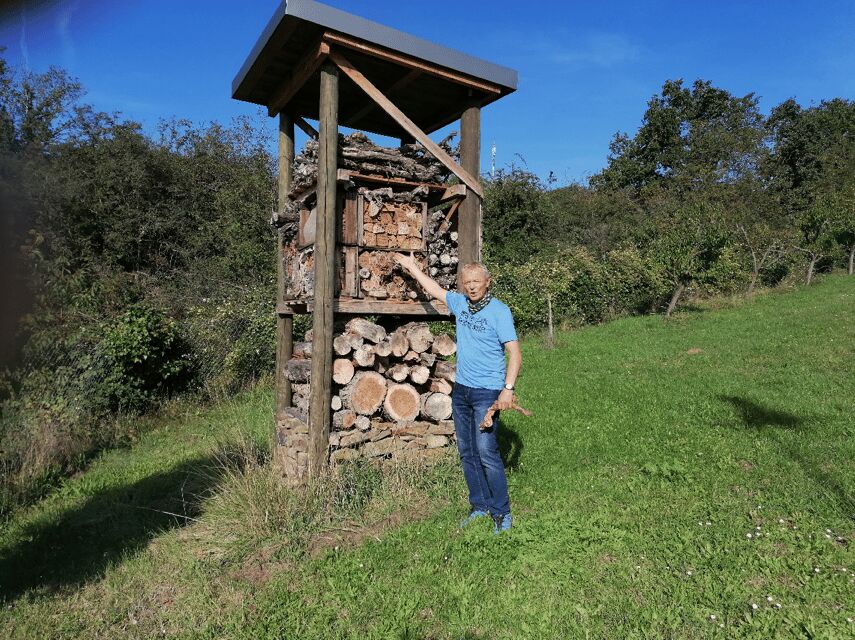
The tour route passes through different habitat types, including vineyards, dry stone walls, fallow land, meadows with fruit trees, and the Brauewald (a wooded area). That variety is not just scenic. For wildlife, it’s food sources, shelter, and temperature control, all in a compact area. For you as a visitor, it turns the walk into a nature-minded scavenger hunt—even if you’re not the type who normally spots insects.
The experience also aims to help you see the vineyard as an ecosystem, with possible sightings or discussions that include insects, reptiles, mammals, and birds. Even when you don’t spot a specific animal, the way the guide points out what to look for makes you a better observer on your own. And that’s the kind of takeaway that lasts longer than a glass of wine.
How the Tasting Feels Like Part of the Story
You’re not left waiting until the end for the fun part. The tour starts with secco, then you’re walking and learning, and you eventually move into a tasting of one secco and three selected wines.
The way it’s structured matters. Because you’ve been out among vines and habitat edges, the tasting doesn’t feel random. You’ve already heard why the slopes matter, why slate soils matter, and why near-natural viticulture matters. So when the guide pours the wines, you understand the logic behind the choices more than you would in a standard cellar visit.
You should also expect the tasting to be staged in a relaxed way that fits a walking tour. The experience includes hospitality along the route, and there can be small moments where you’re served during the progression, not only at the final table. By the time the last pour lands, it tends to feel like the finale it’s meant to be, paired with small bites and that final big view over the Moselle valley.

Views Back to Koblenz: Why the End Matters
A lot of vineyard tours end with either paperwork or a shop. This one ends while you’re still outdoors, with a magnificent view over the Moselle valley toward Koblenz.
That matters for your brain. Views help you reset after a few hours of focused attention. You’ve been tracking cues—terrain, plants, wildlife signals—and the last panorama gives your eyes a break while still keeping you connected to the place. It also makes the tasting feel earned. You’re not just drinking because it’s included. You’re drinking because you’ve looked at the same sunlight and slope the vines have been using.
And since the walk is described as about three kilometers with a leisurely uphill approach, you’re likely to feel comfortable enough at the end to actually enjoy the moment. If you go in expecting a steep grind, you’ll probably be pleasantly surprised.
Price, Value, and Who This Tour Fits Best
At about $30 per person for a 3-hour guided experience, this sits in the reasonable zone for a combined nature walk plus tasting. What makes the value feel real is the pairing: you’re getting more than wine. You’re getting context—how terroir, geology, and near-natural vineyard practices connect to what ends up in your glass.
You also get a guide who works the whole time in German, including the history, the science-y parts, and the on-the-ground observation cues. In real terms, that means you’ll get more than a simple pour-and-go. It’s the kind of format that helps you leave with specific impressions, not just a general good mood.
Who I think should book:
- You like hands-on wine context more than a purely indoors tasting
- You enjoy nature spotting, even casually, and want help noticing what’s around you
- You’re traveling with friends or family and want a shared experience that’s active but not extreme
Who should pause:
- You need step-free access. This tour is not suitable for wheelchair users or people with mobility impairments
- You want no uphill at all. It’s leisurely, but it’s still an uphill walk
- You’re not comfortable doing the tour in German, since the guidance is exclusively in German
Should You Book This Koblenz Living Vineyard Experience?
If you want a wine tasting with real place-based context, this is a smart choice. The combination of secco plus a walking tour through multiple habitat types, followed by tasting three selected wines, makes it feel like you understood the vineyard before you drank from it.
Book it if you’re happiest outdoors, if you like the idea of Riesling on steep slate slopes, and if you enjoy tours where the guide keeps explaining along the way. Skip it if you can’t handle an uphill, rain-or-shine walk. With the right shoes and a realistic sense of effort, it’s exactly the kind of regional experience that makes Germany’s wine country feel personal instead of staged.
FAQ
How long is the tour?
The duration is about 3 hours.
Where does the tour start?
The meeting point is at Weingut Lunnebach.
What’s included in the tasting?
You’ll have tasting of one secco and three selected wines.
Is the tour offered in English?
No. The tour guide leads the experience exclusively in German.
Does the walk happen in bad weather too?
Yes. The tour takes place rain or shine.
Is there a free cancellation option?
Yes. You can cancel up to 24 hours in advance for a full refund.