REVIEW · KOBLENZ
Koblenz: Sektmuseum Histor. Kelllergewölbe incl. 1 Glas Sekt
Book on GetYourGuide →Operated by Koblenzer Sektmuseum GbR · Bookable on GetYourGuide
Few things feel more German than a cellar and bubbles. This Koblenz Sektmuseum tour takes you into Deinhard’s former sparkling-wine cellars, where the whole point is the grape-to-sekt story and the special atmosphere of working (and sipping) underground.
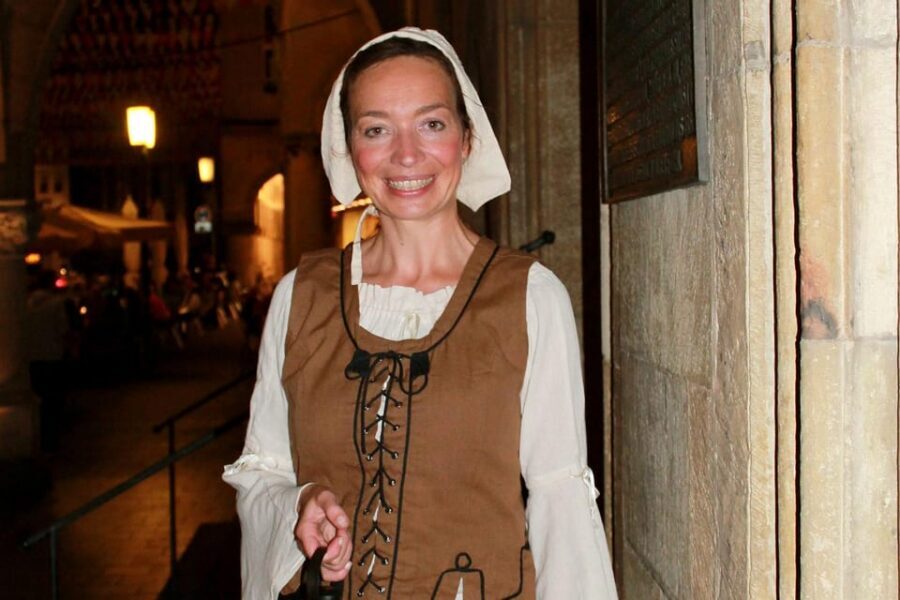
I like how practical it is: you learn the steps behind winegrowing and how sparkling wine comes to life, using original equipment and a real sense of how people worked in the old factory. I also like the human touch some guides bring, with Michaela specifically praised for charm, humor, and clear know-how. One thing to keep in mind is that orientation at the start can be a bit tricky if the guide is hard to spot, so arrive a touch early and watch for whatever sign or cue they use.
In This Review
- Key highlights I think you’ll care about
- Koblenz Sektmuseum in Deinhard’s former sparkling-wine cellars
- Getting down into the candlelit Kellergewölbe (and how to not waste time)
- The grape-to-sekt story: what you learn in the cellar rooms
- Original equipment and why it changes the whole experience
- Deinhard since 1794, the traditional bottle fermentation method, and a detail to ask about
- The included Sekt tasting: how the tour ends with a real payoff
- Price and value: is $24 for one hour fair?
- Who this Sektmuseum tour suits best (and who might skip it)
- Small planning tips for a smoother start
- Should you book the Koblenz Sektmuseum Sekt-Kellergewölbe tour?
- FAQ
- How long is the Koblenz Sektmuseum tour?
- How much does the tour cost?
- Where do we meet for the tour?
- What’s included in the ticket price?
- Is the tour in German?
- Is there an elevator to reach the cellars?
- Does the tour include a tasting?
- Is this a good activity for rainy or hot days?
- Can I cancel for free?
- Can I reserve now and pay later?
Key highlights I think you’ll care about
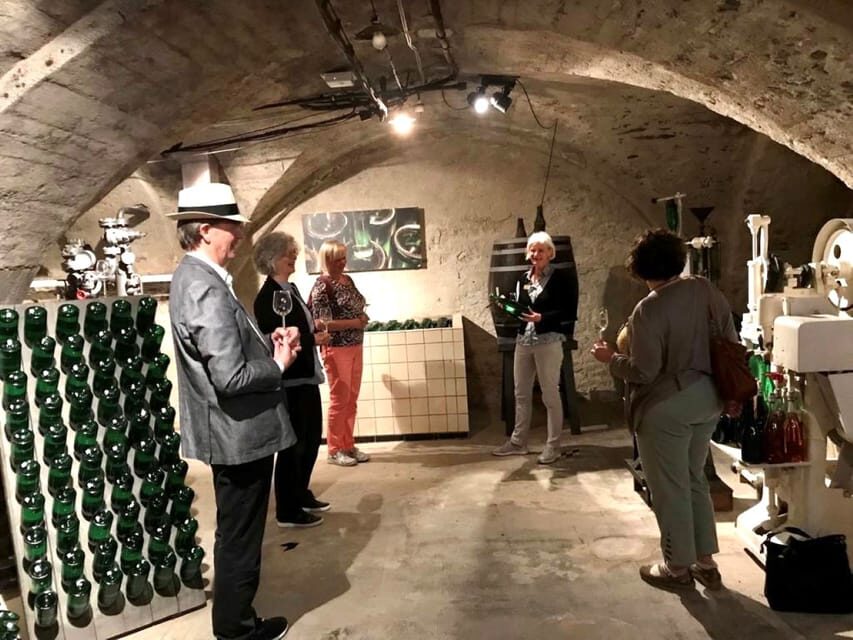
- Candlelit Kellergewölbe: you’re touring underground in a mood you can’t replicate at home.
- Grape-to-sekt explanations: the process is taught in a way that actually connects the dots.
- Original cellar setting: the former sparkling-wine factory context adds credibility to the story.
- One included glass of Sekt: the tasting isn’t an extra add-on, it’s the finish.
- Guides matter: sessions are often driven by the personality of the guide, with Michaela singled out for blending humor and knowledge.
Koblenz Sektmuseum in Deinhard’s former sparkling-wine cellars
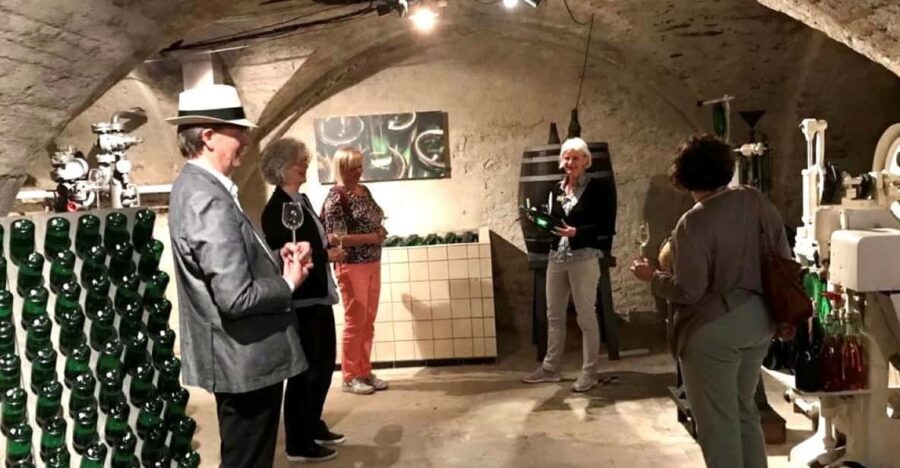
This is a 1-hour tour in Koblenz, in Rhineland-Palatinate, built around a very specific setting: the historical sparkling-wine cellars connected to the Deinhard company, founded in 1794. Even if you don’t consider yourself a wine person, the format makes it approachable. You’re not just staring at labels. You’re walking through the space where traditional sparkling-wine work happened, and you’re learning why that work was so methodical.
The tour focuses on sparkling wine, not still wine. That matters because sparkling wine has extra “steps” built into it: the method (traditional bottle fermentation is mentioned) and the logic of how bubbles form and are preserved. The museum approach also means you get a story that feels tied to place. Old stone, old cellar air, and the sense of continuity from past production to today’s interpretation.
You can also read our reviews of more tours and experiences in Koblenz.
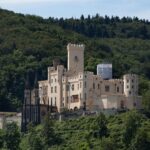


Getting down into the candlelit Kellergewölbe (and how to not waste time)
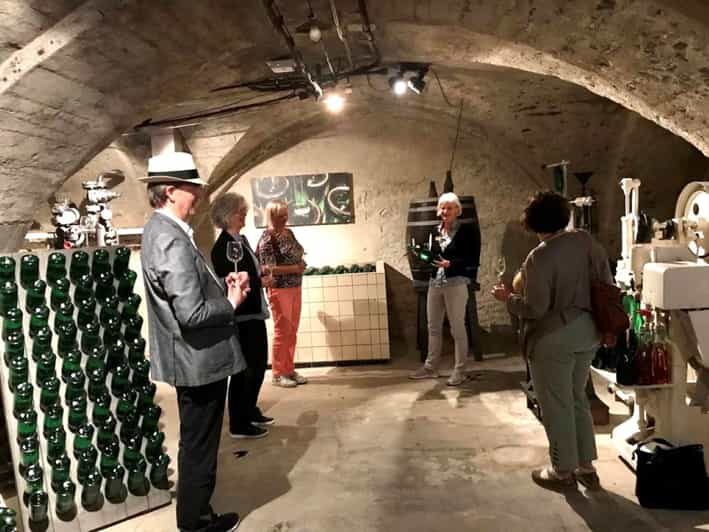
The tour meets at the entrance, and you’ll then make your way into the depths of the former sparkling-wine cellars. A key practical point: there’s an elevator available, so you’re not forced into a long climb to reach the main areas of the museum.
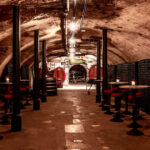
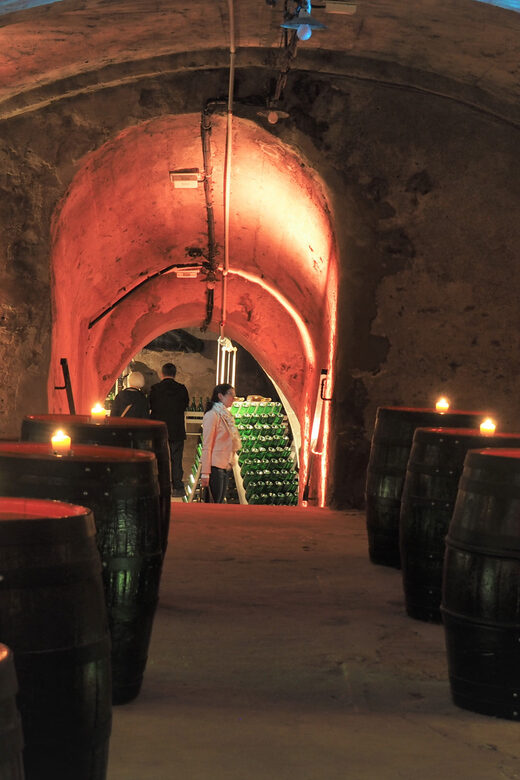
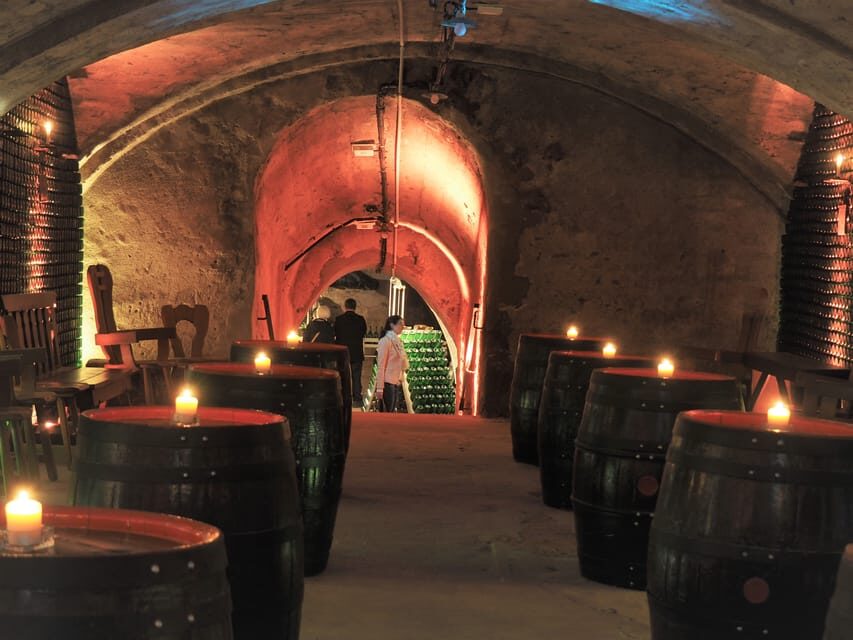
Once you’re in the cellars, the tone shifts quickly. This isn’t a bright, white-room museum stop. The highlight is the charms of the old vaults with candlelight and the lived-in feeling of a place designed for long, quiet processes. That’s especially nice on days when Koblenz is hot or rainy, because you’re basically switching to a cool, controlled environment underground.
If you’re someone who likes to orient fast, do this: arrive at the meeting point a few minutes early and be ready to check any cues the provider uses. One small snag reported is that the guide may not be immediately recognizable (for example, if signage is subtle). In other words, don’t assume you’ll spot them from far away—look closely.
The grape-to-sekt story: what you learn in the cellar rooms
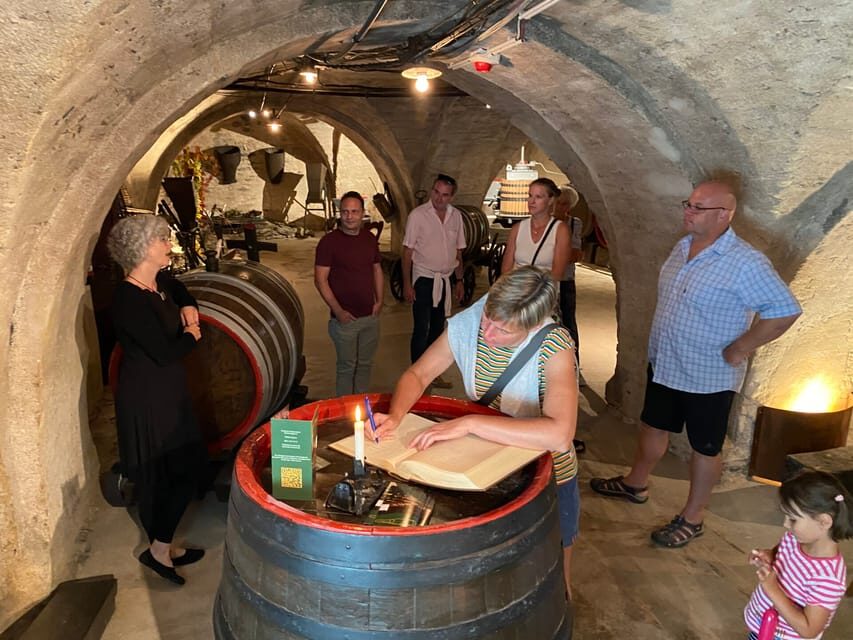
The core of the experience is the explanation of the path of the grape to sparkling wine. The tour guide walks you through what winegrowing involves, then connects it to how sparkling wine is made and what makes it different.
You can think of it like a chain reaction:
- You start with the basics of how grapes become wine.
- Then you move into the part that gives sparkling wine its identity.
- Finally, you get the “mysterious origins” angle—why sparkling wine is not just wine with something extra, but a process with its own logic.
What makes this valuable is the way it’s taught inside the cellar itself. The tour isn’t “stand in a hallway and watch a screen.” It’s explained while you’re surrounded by the environment tied to the work. That gives you context for the technical parts, and it helps the steps feel less like trivia and more like a system.
Original equipment and why it changes the whole experience
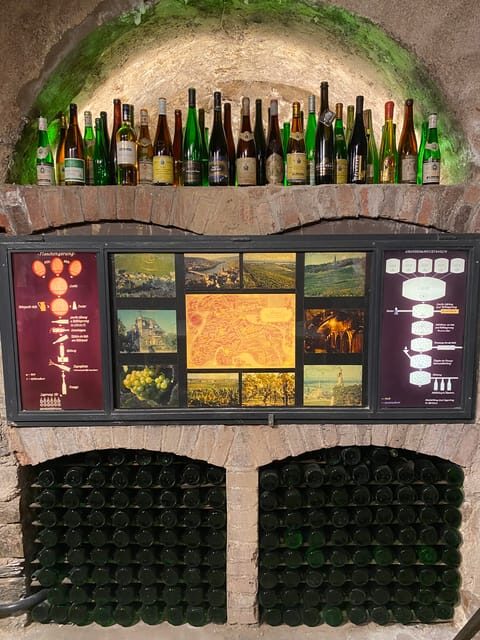
A big part of the appeal here is that you don’t just hear general facts. You’ll see original equipment used in connection with sparkling-wine production, and that changes your brain’s experience of the tour.
When you can physically picture the tools and setups, the process becomes easier to understand. You start thinking in practical terms: why certain stages need time, why cellar conditions matter, and why sparkling wine production historically demanded patience. You also get a stronger sense of how people worked in the past, since the museum is built around real space and real artifacts, not just impressions.
If you’re the kind of person who likes hearing how things are done, not only what they are, you’ll likely get more out of this than a quick “taste and walk out” activity.
Deinhard since 1794, the traditional bottle fermentation method, and a detail to ask about
The tour is anchored to Deinhard’s long involvement with sparkling wine, with the museum story mentioning that since 1843 sparkling wine has been produced here using the traditional bottle fermentation method. It also clearly frames the cellars as part of a historic sparkling-wine factory world.
Here’s the one consideration I’d flag for you, based on a discrepancy that came up in guidance materials: one note states that production there stopped in the 1960s, and that the place today functions as a museum in the cellar vaults rather than an actively producing site.
You don’t need to stress about this, but if dates matter to you, just ask the guide a simple question during the tour:
- Is the 1843 mention about historical production, or about the story the museum tells?
- What exactly is still part of ongoing production versus preserved interpretation?
That small check can help you calibrate what you’re seeing: historical reconstruction and interpretation versus “this is what’s running today.” It’s a good way to keep your understanding sharp without making the tour feel like a homework assignment.



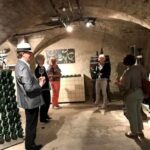

The included Sekt tasting: how the tour ends with a real payoff
Every good food-and-drink museum needs a finish that makes you feel the lesson in your glass. This one ends with 1 glass of sparkling wine (Sekt). That tasting is the practical “close the loop” moment.
What I like about this format is that you don’t have to search for a bar or find something nearby afterward to validate the experience. You learn the process in the cellar, you hear the story about how sparkling wine comes to life, and then you taste the result right then—while the explanations are still fresh.
Also, because the tour is only 1 hour, it stays focused. You don’t get worn down by museum fatigue. Instead, you go from atmosphere to explanation to tasting at a pace that feels efficient.
Price and value: is $24 for one hour fair?
At $24 per person for about 1 hour, this sits in the category of “pleasant add-on” experiences in a travel budget, not a big ticket flagship. The question is whether you feel it’s worth it for what you get.
Here’s my value take:
- You get guided instruction, not just a self-guided walk.
- You get entry into the museum experience.
- You get original equipment context in a special cellar environment.
- And you get a tasting: 1 glass of Sekt included.
For many visitors, the included drink alone helps justify the price. But the real value is the combination: a guided story that’s tied to place. If you enjoy learning while still doing something sensory, the price makes more sense than if you’re only chasing a quick souvenir or a photo stop.
There is one caution in the cost conversation: one person felt it was a bit expensive. If you’re very price-sensitive, you might compare it to other wine experiences in the region. But if a 1-hour guided cellar tour with a tasting sounds like your kind of evening, $24 doesn’t feel out of line.
Who this Sektmuseum tour suits best (and who might skip it)
This tour is a strong match if you want:
- A winter-proof or rainy-day plan that’s mostly indoors and underground
- A guided history-and-process lesson, with the cellar atmosphere doing half the work
- A short activity that doesn’t require a long time commitment
It also fits couples and small groups who like calm, guided environments. And if you’re the sort of person who enjoys the “how it’s made” side of food and drink, you’ll probably appreciate the grape-to-sekt narrative.
If you’re looking for a high-energy show, a tasting flight with multiple pours, or a modern museum filled with interactive screens, this may feel more classic and process-focused. It’s designed to be short, guided, and cellar-bound.
Small planning tips for a smoother start
To avoid any early frustration:
- Be at the entrance right on time, or slightly early.
- Keep an eye out for the guide’s identification cues.
- If you’re arriving with someone else, stay together at the meeting point so nobody has to chase details later.
The tour is in German, so if your German is basic, you’ll still get value from the visuals and the guided explanations, but the full benefit is clearly for German speakers. If you don’t speak German confidently, you might want to gauge how comfortable you are with learning through guided narration.
Should you book the Koblenz Sektmuseum Sekt-Kellergewölbe tour?
Book it if you want a focused, atmospheric Koblenz Sektmuseum experience that teaches the story behind sparkling wine while you walk through real cellar spaces. The candlelit Kellergewölbe setting and the fact that 1 glass of Sekt is included make it feel like more than a quick pass through a museum room.
Skip it only if you’re not interested in wine processes, you strongly dislike German-language tours, or you’re looking for a multi-stop, long tasting session rather than a tight 1-hour guided format.
If you enjoy guided learning tied to place, and you want an easy win on hot or rainy days, this one is worth adding to your Koblenz schedule.
FAQ
How long is the Koblenz Sektmuseum tour?
The tour lasts about 1 hour.
How much does the tour cost?
The price is listed as $24 per person.
Where do we meet for the tour?
You meet at the entrance.
What’s included in the ticket price?
The ticket includes entrance fees, a guided tour, and 1 glass of sparkling wine.
Is the tour in German?
Yes, the live tour guide speaks German.
Is there an elevator to reach the cellars?
An elevator is available.
Does the tour include a tasting?
Yes. The adventure tour ends with a glass of sparkling wine.
Is this a good activity for rainy or hot days?
Yes. It’s described as especially suitable for hot and rainy days, since it takes place in the cellars.
Can I cancel for free?
Yes. You can cancel up to 24 hours in advance for a full refund.
Can I reserve now and pay later?
Yes. There’s an option to reserve your spot now and pay later.