REVIEW · KOBLENZ
Winetasting / Weinprobe Koblenz
Book on GetYourGuide →Operated by Weingut Schwaab · Bookable on GetYourGuide
Three wines, zero fuss, all Moselle. At Vinothek Schwaab on the river, I loved the quick three-wine flight and how the host points out what to notice in each pour. You get water, written tasting info, and plenty of chances to ask questions. One thing to consider: if it’s a busy moment, the pacing can tighten, so you may want a less crowded time slot.
This is a short, practical wine visit, about 30 minutes. It’s based in Koblenz-Güls, roughly 10 minutes from the city center, right by the Moselle, with a strong focus on Terrassenmosel grape diversity and the famous Koblenzer Marienberg terraces.
In This Review
- Key things to know before you go
- Entering Vinothek Schwaab in Koblenz-Güls
- The 30-minute wineprobe: how the tasting actually works
- A possible drawback to plan for
- Three wines, one goal: learn how to taste for real
- Moselle terraced vineyards: why Koblenzer Marienberg matters
- What you learn about wine production and wine enjoyment
- Pricing and value: is €16 worth a 30-minute tasting?
- Optional WEINSTEIGTOUR add-on: steep terraces via multimedia
- Timing, crowds, and the group reality
- Who should book this Koblenz wineprobe
- Should you book Winetasting / Weinprobe Koblenz at Vinothek Schwaab?
- FAQ
- How long is the wine tasting?
- What is included in the price?
- How much does it cost?
- Can I add the WEINSTEIGTOUR, and how much does it cost?
- What languages are available for the instructor?
- Is the experience wheelchair accessible?
- Is free cancellation available?
Key things to know before you go
- Three regional wines in a tight 30-minute tasting
- Vinothek Schwaab setting by the Moselle in Koblenz-Güls
- Q&A in German or English, with wine description included
- Water included so you can sip and compare properly
- Optional €5 WEINSTEIGTOUR multimedia add-on for terraced-vineyard views
Entering Vinothek Schwaab in Koblenz-Güls
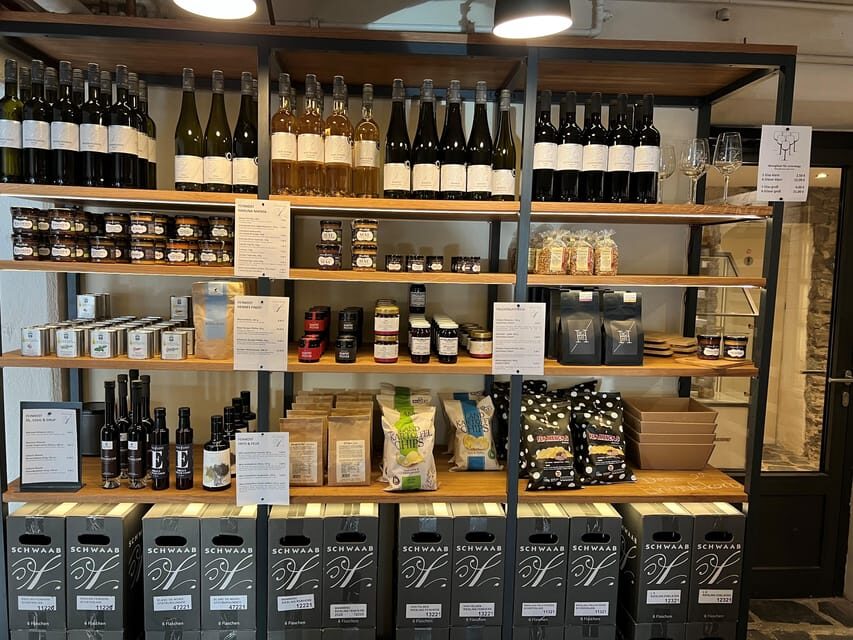
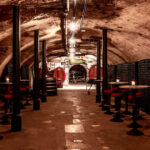
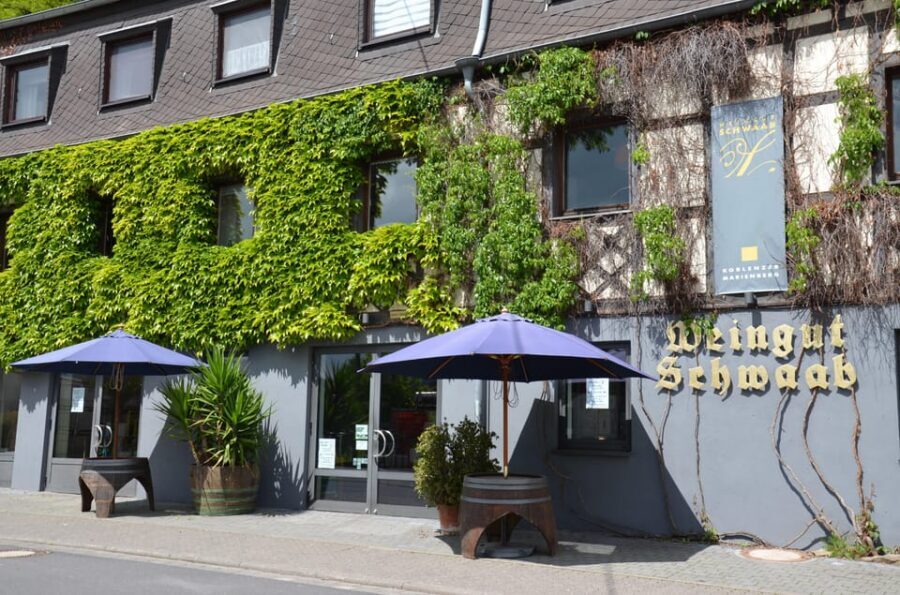
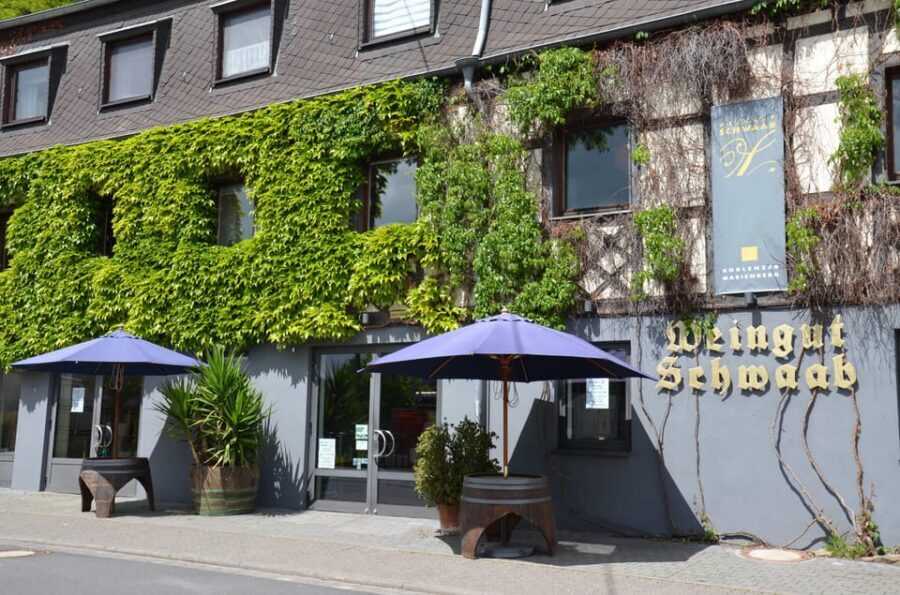
The tasting starts in the winery’s vinothek space at Weingut Schwaab, in Koblenz-Güls, positioned about 10 minutes from central Koblenz. That location matters because it keeps the visit easy: you can slot it into a day of city walking and still feel connected to the vines.
What I like about this setup is that it’s not trying to be a wine-school drama. Instead, you’re guided through a small set of wines and encouraged to ask questions while you taste. The staff approach is rooted in the idea of shared moments with friends, family, or business partners, which helps the mood stay relaxed.
The winery also leans hard into its terroir story. They farm terraced sites on the Terrassenmosel, including the steep terrace Koblenzer Marienberg. Even before you understand every wine term, you start to see why this region’s grapes tend to taste distinct.
You can also read our reviews of more tours and experiences in Koblenz.

The 30-minute wineprobe: how the tasting actually works
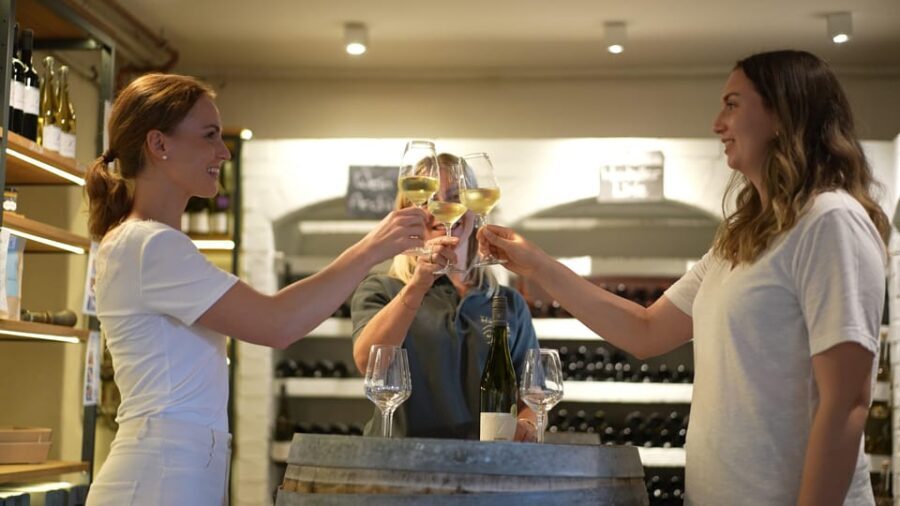
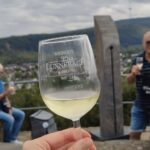
This experience is built around one simple flow: taste three selected regional wines over about 30 minutes, with help from the instructor. You’ll have mineral water on hand, plus wine descriptions so you can remember what you liked and why.
In practice, the biggest value of the tasting is comparison. Three pours, side by side, makes it easier to spot differences in style and structure than if you were drinking one glass and moving on. You’re not expected to be a wine expert. You’re guided to notice things like how the wine feels on your palate, how flavors shift as it opens, and what the winemaker likely aimed for.
Because the visit includes Q&A, you can ask the exact questions that come up in the moment. That’s especially useful for first-timers who want clear answers on things like production methods or what people actually mean when they describe a wine.
A possible drawback to plan for
The only real caution I’d give is about timing and crowds. One account described a situation where there was a lot going on and the group didn’t get much dedicated attention. If you’re hoping for a longer, deeper chat with the host, pick a calmer time slot and be ready that the tasting is still designed to run efficiently.
Three wines, one goal: learn how to taste for real
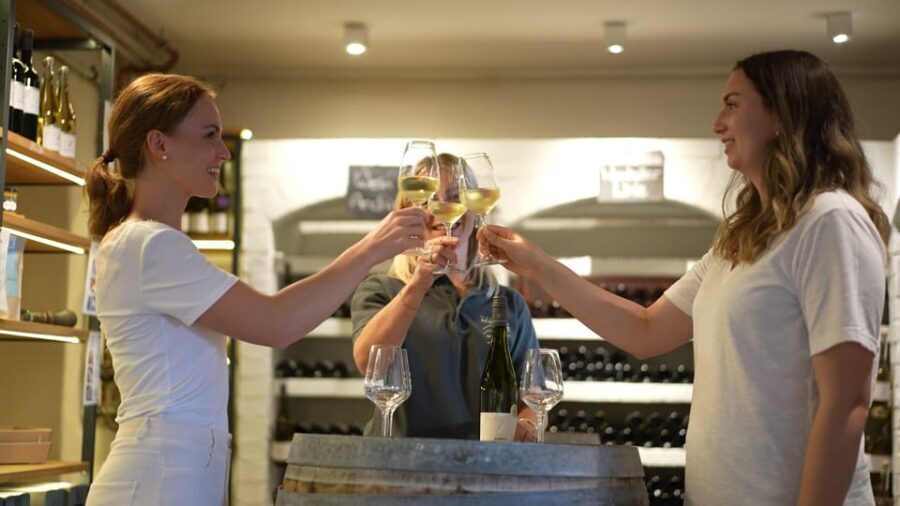
The wineprobe isn’t just about drinking. The point is to help you build a mental checklist. The winery frames it as discovering grape variety and learning what makes wine enjoyable, and the tasting description supports that.
Here’s what tends to make these short tastings work:
- You taste a set that reflects the region’s diversity.
- You get explanation while the wine is still in front of you.
- You learn vocabulary that makes future tastings easier.
Even if you’re not a “notes on paper” person, the written descriptions are handy. They let you re-check the name and the idea behind each wine later, when you’re deciding whether to buy a bottle.
The most appreciated part in the feedback pattern is the instruction quality, especially in English. That matters because wine details can get lost if the guide has to wrestle through language. When the host’s English is strong, the whole experience clicks faster and feels less like guessing.
Moselle terraced vineyards: why Koblenzer Marienberg matters
You don’t need a geology degree to get why the Terrassenmosel is special. The winery’s focus on the steep terrace Koblenzer Marienberg gives you a reason for the wine’s character: steep sites change how vines are tended and how grapes ripen.
In their materials, the vineyard steepness is described as an extreme 60 degrees, and the WEINSTEIGTOUR add-on refers to terraces tied to vineyard history going back to the 13th century. That’s the kind of detail that changes your tasting from casual to meaningful, because you start connecting the glass to the work in the vines.
Even if your tasting is only 30 minutes, this background helps you understand why the winery emphasizes conscious stewardship and care for the terrace sites. It’s not marketing fluff when the whole business model depends on working steep ground safely and repeatedly through seasons.



What you learn about wine production and wine enjoyment
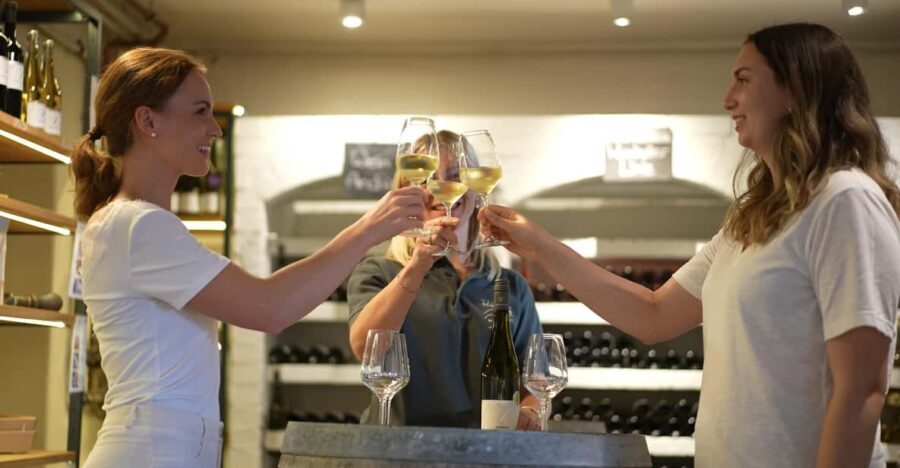
During the tasting, the guide explains enough about wine production and enjoyment to make your palate feel “trained,” not mysterious. You can ask questions throughout, and you receive wine description material to follow along.
Common questions that fit this kind of setup (and that you can ask) include:
- How the winemaker’s choices show up in taste
- What makes a wine feel balanced
- How to describe what you like without overthinking
One recurring positive theme is that people felt they got a full explanation and had time to ask questions. Another hint: at times when staff capacity is stretched, the explanation can get shorter. So if you want the most educational version of this experience, plan for a slot when the place isn’t overwhelmed.
Pricing and value: is €16 worth a 30-minute tasting?
The listed price is $16 per person for 30 minutes, and it includes three wines, mineral water, and wine descriptions, plus Q&A. For a short format, that’s a solid value, especially in a region where wine is a central part of daily life and not just an add-on.
The value comes from two things:
- You taste more than one wine, so your money buys comparison, not just a single “try and forget.”
- You get context. Explanations and descriptions help the experience stick, which makes the tasting more useful for your future purchases.
Could the value dip? Yes. If the visit runs with a tighter schedule due to crowds, you might not get as much individual attention. Still, you’ll generally get the three-wine flight and the included basics.
Optional WEINSTEIGTOUR add-on: steep terraces via multimedia
If you want more than the tasting room, you can add the WEINSTEIGTOUR for €5. This is described as a multimedia walk through the vineyards of Koblenzer Marienberg, with terraces tied back to the 13th century and a steepness of 60 degrees.
The key idea here is balance. The tasting gives you the story in condensed form. The walk extends it with visuals and on-site context at a pace that works for you.
Two practical notes based on real-world experience patterns:
- The walk is designed as self-guided, and QR scanning is part of the flow. If you upgrade, give yourself enough time to get going smoothly.
- If your phone is older or storage is tight, the digital materials can be heavy. A failed load on an older phone was mentioned, so consider testing Wi-Fi and ensuring you have space before you start.
This add-on can turn the day from a quick pour into a full Koblenz wine-vine connection.
Timing, crowds, and the group reality
A 30-minute wineprobe is a simple machine: welcome, tasting, explanation, questions, done. That’s good news if you like efficient experiences. The trade-off is that the experience length can’t stretch much if the schedule is tight.
That’s the part to watch. When there’s enough staff, you get the kind of back-and-forth questions people love. When it’s busy, the host may have to step away to handle other customers, and your explanation time can shrink.
My practical advice: choose a time when you’re not rushing to catch a train right after. Build in a buffer so the tasting doesn’t feel like a stopwatch event.
Who should book this Koblenz wineprobe
You’ll probably enjoy this most if you want:
- A quick wine orientation in a real winery setting
- Three regional wines instead of one random glass
- Clear instruction in German or English
- A chance to ask questions without sounding silly
It’s also a great fit if you’re pairing wine with a wider Koblenz day. The Koblenz-Güls location makes the timing workable, especially if you’re already planning river time along the Moselle.
If you’re the kind of wine fan who expects a long, multi-hour seminar, this might feel short. But if your goal is to leave with better tasting instincts and a few bottles you actually understand, the format hits the sweet spot.
Should you book Winetasting / Weinprobe Koblenz at Vinothek Schwaab?
Book it if you want a friendly, structured three-wine introduction to the Terrassenmosel, with water, tasting notes, and real Q&A support. The price-to-inclusions ratio is strong, and the setting near the Moselle makes the whole thing feel grounded rather than touristy.
Skip or adjust expectations if you’re going on a very peak time and you need a deep, uninterrupted coaching session. In that case, aim for a quieter slot or pair it with the €5 WEINSTEIGTOUR so you get the extra detail even if the tasting room pacing is compressed.
If you like learning just enough to shop smarter later, this is the kind of short experience that pays off.
FAQ
How long is the wine tasting?
The wine tasting lasts about 30 minutes.
What is included in the price?
The experience includes 3 different wines, mineral water, wine descriptions, and the opportunity to ask questions about wine production and wine tasting.
How much does it cost?
The price is listed as $16 per person.
Can I add the WEINSTEIGTOUR, and how much does it cost?
Yes. You can upgrade for an additional €5. The WEINSTEIGTOUR is a multimedia walk through the vineyards of Koblenzer Marienberg.
What languages are available for the instructor?
The instructor offers German and English.
Is the experience wheelchair accessible?
Yes, it is wheelchair accessible.
Is free cancellation available?
Yes. You can cancel up to 24 hours in advance for a full refund.
If you want, tell me what day/time you’re considering in Koblenz and what kind of wines you like (dry, fruity, light reds, crisp whites), and I’ll suggest how to plan the tasting plus the WEINSTEIGTOUR for the smoothest flow.