REVIEW · BERLIN
From Berlin: Guided Sachsenhausen Concentration Camp Tour
Book on GetYourGuide →Operated by Birchy's Berlin Tours · Bookable on GetYourGuide
Facts hit hard at Sachsenhausen. This guided trip from Berlin pairs train-ride context with a licensed walkthrough of one of the Third Reich’s first purpose-built camps, and it’s designed to get you inside the important parts fast, including Station Z. I really liked the respectful, clear way guides explain what you’re seeing, with English-speaking specialists such as Paul and Julian setting a serious, steady tone. The other big plus: you get access to key locations like the SS and Gestapo Prison Block rather than only seeing the grounds from the outside.
One thing to plan for: you’ll need a public transport ticket with ABC zones to reach the memorial, and the subject matter is heavy. Also, the tour is not suitable for children under 12, and you can’t bring luggage or large bags.
In This Review
- Key takeaways before you go
- Why Sachsenhausen from Berlin feels different
- Meet at Ebertstraße 24, then the train does the heavy lifting
- The guided memorial tour: what the pacing really means
- Key places you’ll enter: the “what you actually see” list
- On-route history: how the guide sets up what you’ll see
- Price and value: is $40 worth it?
- Getting the most out of the day (and staying comfortable)
- Who this tour fits best
- Notes on guides: what the best ones do right
- Quick logistics checklist (so nothing slows you down)
- Should you book this Sachsenhausen tour?
- FAQ
- How long is the Sachsenhausen concentration camp tour from Berlin?
- Where does the tour meet in Berlin?
- How do you get to Sachsenhausen from Berlin?
- Do I need a ticket for public transport?
- What’s included in the tour price?
- What areas will the tour give access to?
- Is the tour offered in English?
- Is the tour wheelchair accessible?
- Is this tour suitable for children?
- Are food and drinks included?
Key takeaways before you go
- Licensed, English-speaking guide for the full visit, not just a quick stop-and-go look
- Full camp entrance access plus entry to major buildings tied to detention and punishment
- On-the-ride context about how Nazi dictatorship and early concentration camps fit together
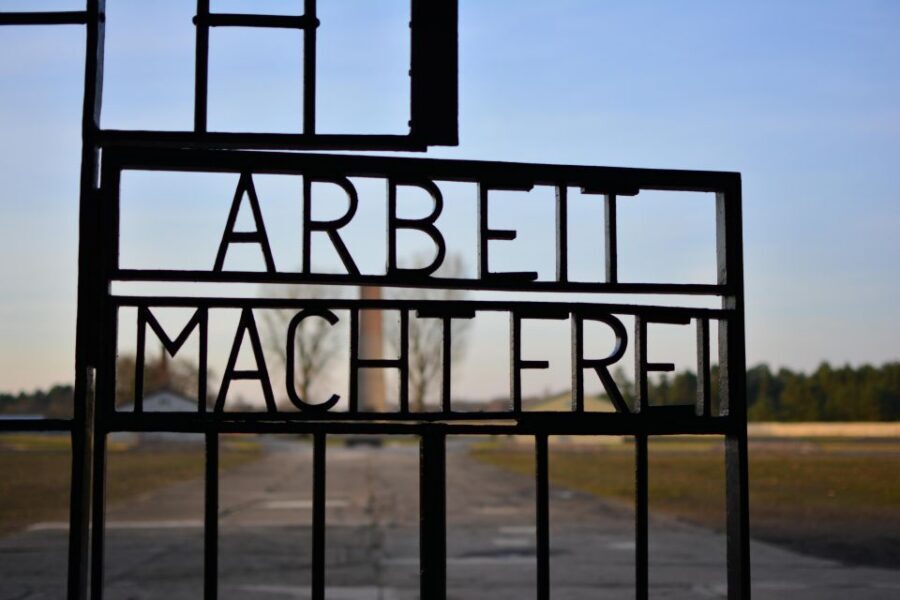
- You see specific sites like the SS and Gestapo Prison Block, Station Z, and Tower A
- Well-structured timing for a 6-hour day that includes train time both ways
- Guides who go the extra mile, including tailored Berlin suggestions after the tour
Why Sachsenhausen from Berlin feels different
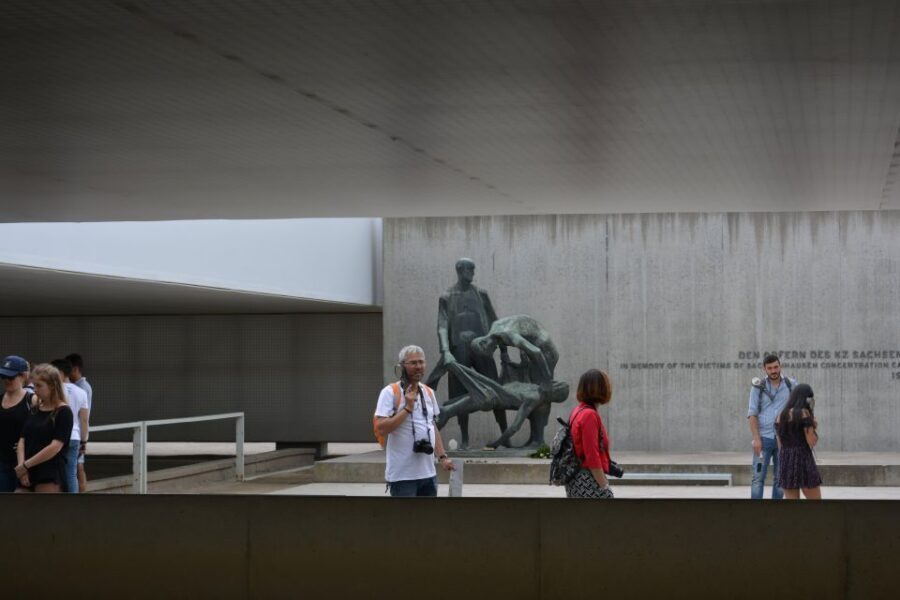
If you’re already in Berlin, it’s tempting to do “the big museums” and call it a history trip. This one hits differently. Sachsenhausen is close enough to feel connected to Berlin’s story, but distinct enough that it doesn’t blend into the city’s usual tourist rhythm.
What I like about this tour’s focus is that it doesn’t treat Sachsenhausen like a generic concentration camp stop. It frames the camp as the first purpose-built concentration camp within the Third Reich and the closest one to Berlin—which matters because you can better understand how quickly the system took shape and how near the machinery of terror was to the capital.
You’ll also learn why Sachsenhausen is often described as a key node in the camp network. As the day goes on, the guide connects the dots: how the prisoner mix changed over time, how living conditions worsened as the war progressed, and how the camp functioned as part of a larger system rather than an isolated site. That is the kind of context that turns a list of locations into real understanding.
One more thing: the memorial isn’t overly focused on spectacle. The atmosphere stays serious and factual. You’ll feel that shift as soon as you’re out of the train station and moving toward the grounds.
You can also read our reviews of more guided tours in Berlin



Meet at Ebertstraße 24, then the train does the heavy lifting
The day starts at Ebertstraße 24, outside Hopfingerbräu, right by the Brandenburg Gate area. That location is convenient if you’re staying central, and it saves you the hassle of extra transfers before you even begin.
From there, the plan is straightforward:
- You meet your guide for a short greeting.
- You take a 75-minute train ride to Oranienburg, the town where the Sachsenhausen memorial is located.
- After the visit, you return by train, with an hour-long ride back to Berlin.
Why this works: the train time isn’t wasted. The guide uses that stretch to set the stage—how Hitler built a dictatorship and how concentration camps in their early form became a tool for Nazi terror and suppression of political opponents. You’re not stumbling into the memorial cold. You get a map in your head for what you’ll see next.
Practical note: the tour requires you to have a public transport ticket with ABC zones. The activity description is clear about that, so don’t rely on guessing or travel-day improvisation. This is also why you should show up on time at the meeting point—late arrivals can break the flow for everyone.
The guided memorial tour: what the pacing really means
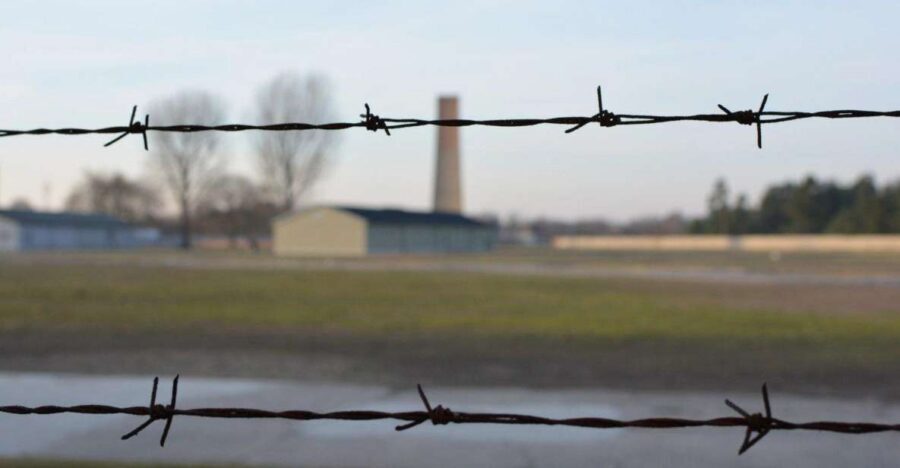
Once you reach the memorial, you’re in for 3.5 hours of guided touring. The pacing is long enough to cover the major parts without feeling like a rushed checklist, but it’s also structured so you don’t get lost in too much at once.
This is also where the “licensed guide” part matters. A guide isn’t just reciting names or dates; they’re interpreting what the spaces were used for and why specific buildings were chosen. That approach helps you understand the logic of the camp system—how detention, punishment, medical arrangements, and execution facilities fit into one workflow.
You should expect the tour to feel somber. Still, it’s not chaotic or vague. The better guides keep it clear, calm, and responsive. In past tours, guides like Paul (including Irish Paul) have been praised for being respectful and engaging, explaining with real clarity, and answering questions without shutting people down. Julian also received strong feedback for good information and an organized feel.
There’s another practical reason the pacing helps: you’re not just standing and looking. You’re moving through specific sites that the tour includes, which gives your brain anchors. By the time you reach the execution facility area, the earlier parts of the narrative aren’t random—they connect.
Key places you’ll enter: the “what you actually see” list
This is one of those tours where the inclusions are worth reading closely, because they tell you what you’ll be able to access. The Sachsenhausen tour includes entrance to the memorial and a full camp tour with licensed guiding, plus access to key buildings and blocks.
Here are the main areas included:
- SS and Gestapo Prison Block
This is central to understanding how prisoners were held and processed under Nazi security forces.
- Infirmary building
You’ll learn how the camp dealt with medical situations within its own oppressive system.
- Station Z (the purpose-built execution facility)
This area is one of the hardest parts of the day, and the guide’s framing is important.
- The Camp Kitchen
Seeing camp infrastructure helps you understand daily systems and control mechanisms.
- Pathology Building and Mortuary
These spaces add another layer of how punishment and the treatment of bodies were handled.
- Cellar
Another detention-related structure that helps clarify how confinement worked on the ground.
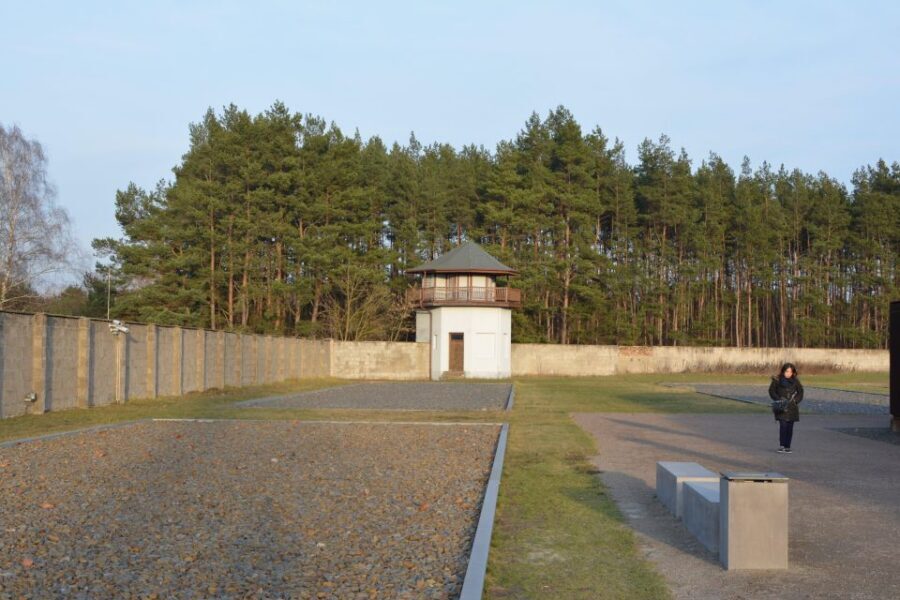
- Barrack buildings: Tower A (main camp entrance)
Tower A is tied to the camp’s entry and the layout of movement and control.
If you only did an outside tour, you’d miss how much meaning is carried by these particular rooms and structures. Entry access changes your visit. It turns “I saw a site” into “I understand what the site was built to do.”
This also explains why the tour includes skip-the-ticket-line for the memorial entrance. You get to spend more time on the guided parts that matter rather than waiting around.
On-route history: how the guide sets up what you’ll see
One of the smartest design choices here is the learning you do on the way out. Concentration camps can feel overwhelming because the scale and cruelty are hard to process. The guide helps with that by laying groundwork during the train ride.
You’ll cover ideas like:
- how Hitler achieved dictatorship
- how concentration camps became an instrument of Nazi terror
- how political suppression shaped the earliest concentration camp purpose
You’ll also learn that Sachsenhausen wasn’t just “a camp.” It became a nodal point for the entire concentration camp system. That framing helps you avoid a common mistake: treating Sachsenhausen as a standalone location with no connections. Instead, you understand it as part of a network with rules, roles, and evolving prisoner demographics.
The tour also emphasizes how conditions shifted during the war—specifically that living conditions worsened over time. That kind of timeline is useful because it lets you see the transformation instead of only absorbing the end-state.




Price and value: is $40 worth it?
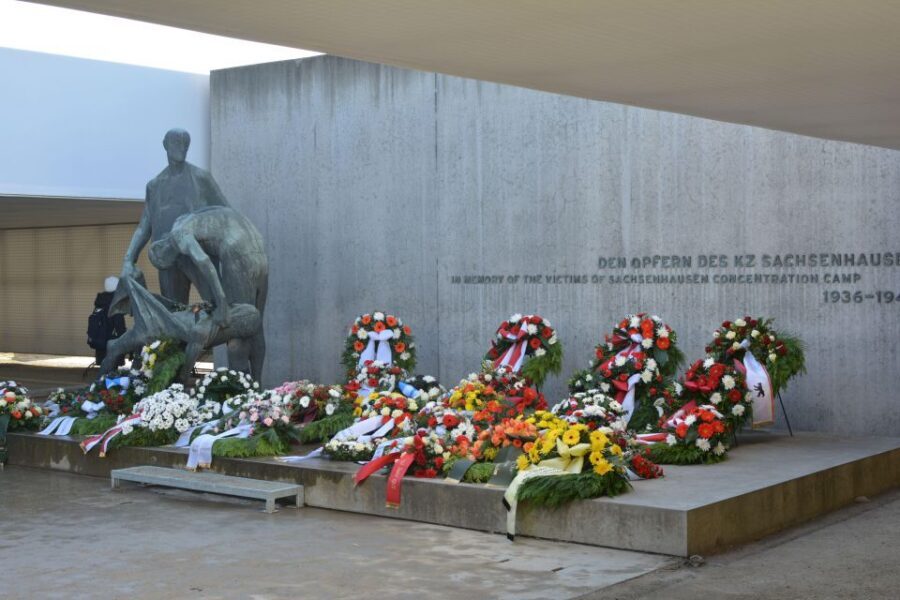
At about $40 per person for a 6-hour experience, this tour sits in a reasonable range for Berlin day trips—especially because it includes more than “a guide walking you around.”
Here’s what you’re really paying for:
- a licensed guide for the full memorial tour
- entrance to the Sachsenhausen Memorial
- access to specific, key internal areas (not just exterior viewing)
- transport time built into the schedule via train
The savings aren’t just monetary. Without a guide, you’d need to piece together practical logistics and interpret the sites on your own. With a guide, you get the story organized for you in real time, plus the ability to ask questions. Based on the strong feedback about guides like Paul and Julian, that interpretive layer seems to be where the tour earns its value.
If you’re the type who hates “armchair history” and wants the meaning attached to the physical places, this price is easier to justify.
Getting the most out of the day (and staying comfortable)
This is a long, serious outing, so comfort matters. Wear comfortable shoes—you’ll be on your feet for a good chunk of time, and memorial terrain can be uneven. Dress for the weather, because Germany weather loves surprises, and you’ll be outside for portions of the visit.
Packing rules are also clear:
- No luggage or large bags
- Pets are not allowed (assistance dogs are allowed)
That’s a small inconvenience, but it helps keep the memorial visit orderly. If you’re traveling light already, you’ll be fine.
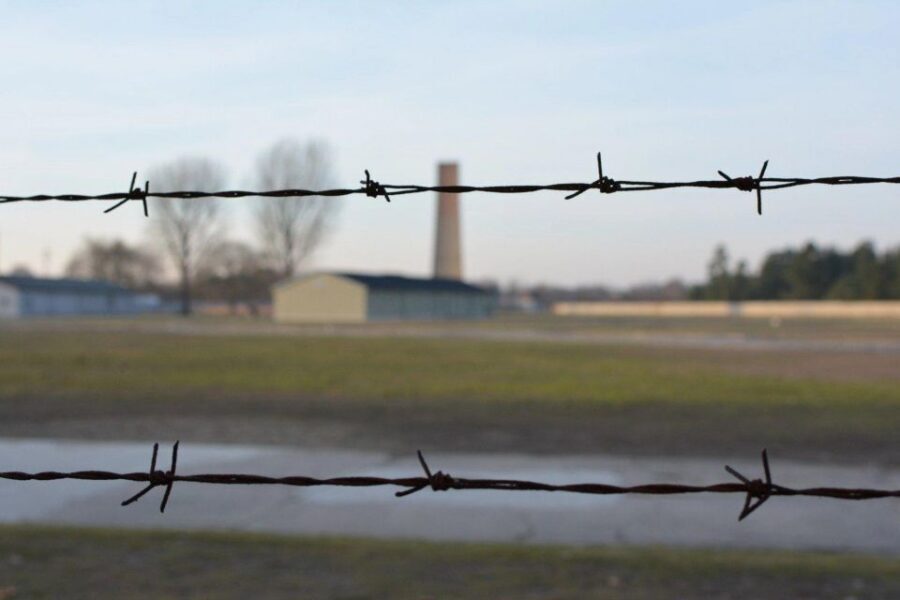
Also, remember the content isn’t just “history facts.” It’s about suffering and violence. The guide will explain events and the camp’s role, including the execution facility area, detention blocks, and medical-related spaces. Go in with the mindset that this is meant to be difficult—then useful.
Who this tour fits best
This experience is a strong match if:
- you want a guided visit to one of the most visited concentration camps near Berlin
- you care about understanding the camp’s role in the broader system, not only isolated events
- you prefer an organized plan that uses transit time for context
It’s likely less suitable if:
- you’re traveling with children under 12
- you’re looking for a light or entertainment-style outing
- you don’t have access to an ABC zones public transport ticket
If you want a day trip that’s serious but not chaotic, this one tends to work because it stays structured and focused on specific included areas.
Notes on guides: what the best ones do right
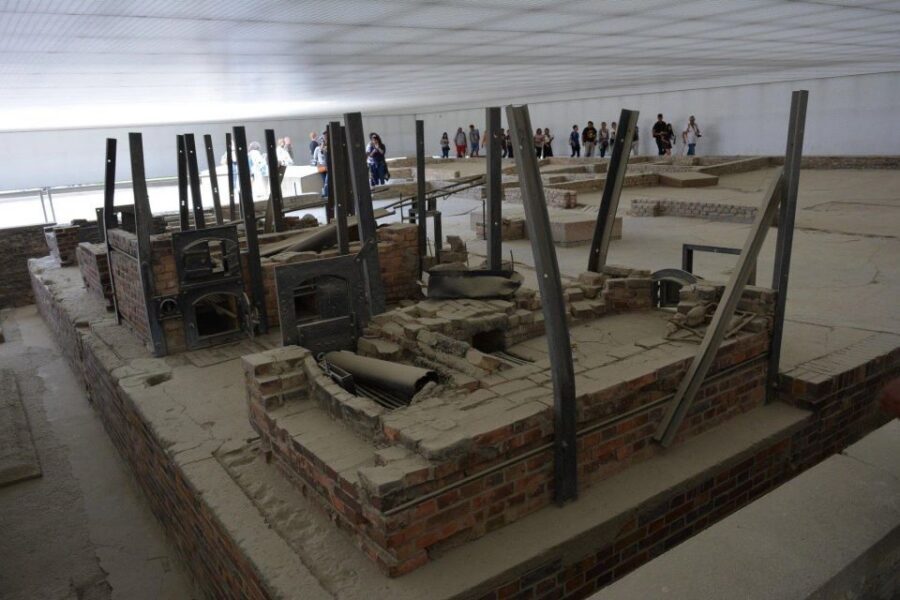
A lot of tours say they’re “educational.” This one lives or dies on the guide’s delivery. The good news: there’s a clear pattern of strong feedback about guides who are respectful, engaging, and careful with the subject.
Paul has been highlighted for being prompt, putting people at ease, and making a somber visit feel well organized rather than heavy in a confusing way. He’s also been praised for thoughtful, tailored Berlin recommendations after the tour, which is a nice bonus if you want help building the rest of your itinerary beyond a single day trip.
Julian also received top marks for solid information and a smooth experience. That consistency suggests you’re not gambling blindly on quality.
Quick logistics checklist (so nothing slows you down)
- Arrive at Ebertstraße 24 outside Hopfingerbräu, near the Brandenburg Gate area
- Bring comfortable shoes and weather-appropriate clothing
- Plan for a total 6-hour day
- Have an ABC zones transport ticket for the train ride
- Don’t bring luggage or large bags
- Skip the idea of bringing pets (assistance dogs are okay)
If you do those basics, you’ll keep your attention where it belongs: on what the guide is showing and explaining.
Should you book this Sachsenhausen tour?
I’d book it if you want a guided, structured visit that actually gives you access to the major included sites—especially the SS and Gestapo Prison Block and Station Z. For many visitors, that internal entry access is the difference between a vague overview and real understanding.
Skip it if you’re not ready for a difficult topic, if you can’t handle the heavy tone, or if you’re traveling with a child under 12. Also, if you don’t have an ABC zones ticket and you don’t want to deal with public transport on a schedule, you’ll likely find the day more stressful than it should be.
In short: for Berlin history travelers who value a licensed guide and a plan that uses time well, this is a solid value at $40—and it’s one of the most direct ways to connect Berlin with the camp system without feeling lost.
FAQ
How long is the Sachsenhausen concentration camp tour from Berlin?
The tour lasts about 6 hours total, including train travel and a guided visit to the Sachsenhausen Memorial.
Where does the tour meet in Berlin?
It starts outside Hopfingerbräu at Ebertstraße 24, 10117 Berlin, right next to the Brandenburg Gate area.
How do you get to Sachsenhausen from Berlin?
You take a train from Berlin to Oranienburg (about 75 minutes), then return by train (about 1 hour).
Do I need a ticket for public transport?
Yes. You need a public transport ticket with ABC zones to travel to the camp.
What’s included in the tour price?
You get entrance to the Sachsenhausen Memorial, a licensed English guide, and a full camp tour.
What areas will the tour give access to?
The tour includes entry to key areas such as the SS and Gestapo Prison Block, infirmary building, Station Z, the camp kitchen, pathology building and mortuary, the cellar, and barrack buildings including Tower A.
Is the tour offered in English?
Yes, the live tour guide is English-speaking.
Is the tour wheelchair accessible?
Yes, the tour is listed as wheelchair accessible.
Is this tour suitable for children?
No. It is not suitable for children under 12.
Are food and drinks included?
No. Food and drinks are not included.