REVIEW · FRANKFURT
2-Hour Best of Frankfurt Walking Tour (English)
Book on GetYourGuide →Operated by Frankfurt Let's Go · Bookable on GetYourGuide
Frankfurt can feel like two cities at once. This 2-hour walk strings together old-world squares, cathedral views, and modern bridges, guided by Anita. I love the clear, easy pace and the way you get a city overview fast, plus the route hits both landmarks and everyday life like Kleinmarkthalle. One thing to consider: it is a short tour, so you will pass by many sights from the sidewalk rather than linger long at each one.
The “best of” part actually works because the stops are logical: you start at Römerberg, move through the old center, cross at the Eiserner Steg, then end in the shopping-and-food flow around Zeil and the markets. The tour style is practical, with time for questions, and you get an English guide who explains what you are looking at and why it matters. If you hate walking or want deep time inside museums, this 2-hour format may feel a bit quick.
In This Review
- Key things to know before you go
- Starting at Römerberg: where Frankfurt’s story clicks into place
- St. Bartholomew’s Cathedral: seeing why the old center mattered
- Römerberg to the river: why the skyline starts to make sense
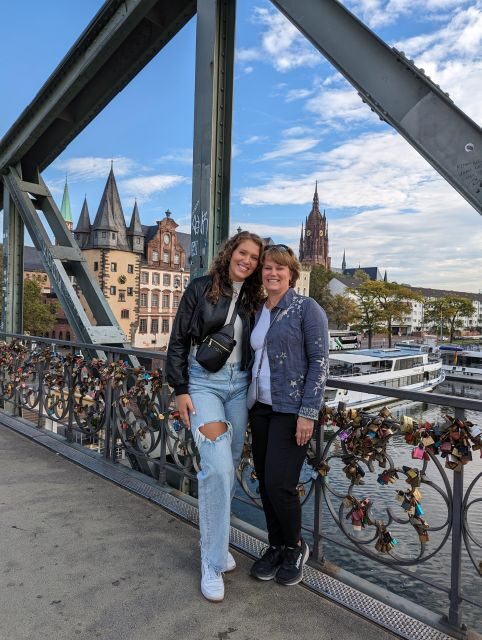
- Eiserner Steg: the bridge stop that turns photos into perspective
- Museums highlights: how to spot what matters without committing yet
- Kleinmarkthalle: food market stop that makes Frankfurt feel lived-in
- Zeil shopping street: ending in the flow of modern Frankfurt
- Guide style matters: why Anita’s approach elevates the whole walk
- Price and value: is $27 worth a 2-hour overview?
- Logistics that actually affect your comfort
- Should you book this 2-hour Best of Frankfurt walk?
- FAQ
- How long is the 2-Hour Best of Frankfurt Walking Tour?
- What is the tour price?
- What language is the tour guide?
- Where do I meet the tour?
- Where does the tour end?
- What locations are included on the route?
- Is the tour wheelchair accessible?
- Can I cancel for a full refund?
- Is it a flexible tour?
Key things to know before you go
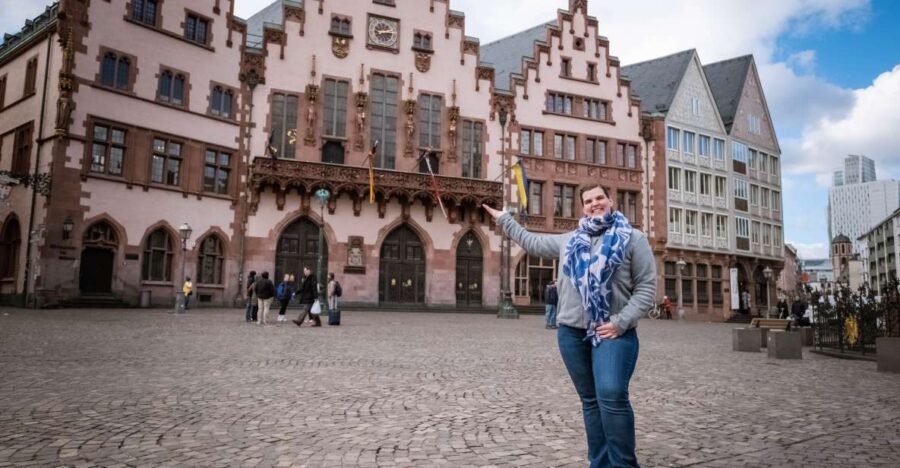
- 2 hours, big-picture focus: You get bearings fast without a half-day commitment.
- Old town meets modern Frankfurt: Römerberg and the cathedral connect to the bridge views and city layout.
- Eiserner Steg cross is a highlight: It is the kind of stop that makes the city snap into focus.
- Kleinmarkthalle + Zeil = real life: Food market energy and the main shopping street both show how people use the city.
- English live guide with Q&A energy: Anita’s delivery is friendly, with answers as you go.
- Wheelchair accessible: If you can manage a paved city walk, it should fit your needs.
Starting at Römerberg: where Frankfurt’s story clicks into place
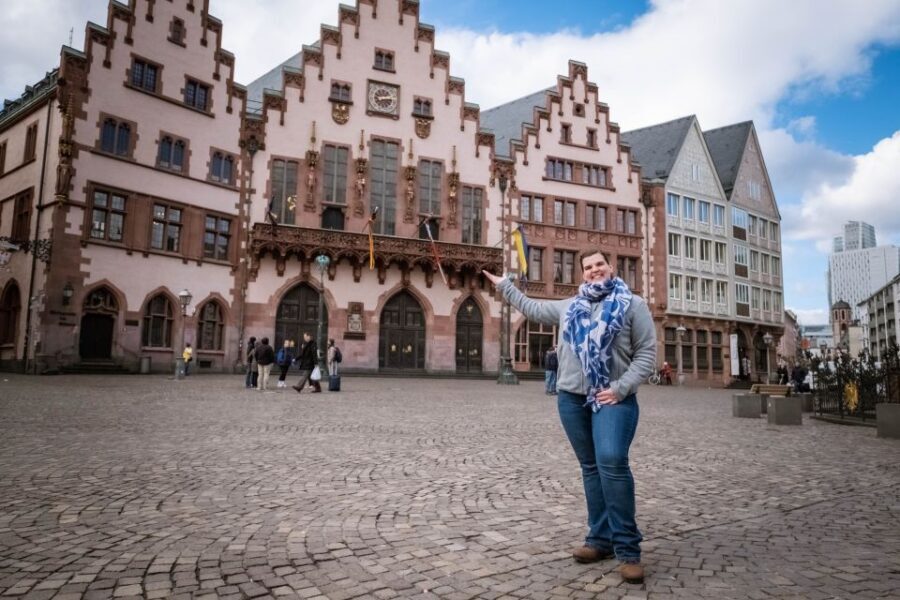
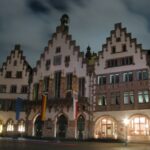
Most first-time Frankfurt visits start with confusion. The city looks orderly, then suddenly you get a dramatic mix of eras. That is exactly what this tour solves because it begins at the Alte Nikolaikirche on the Römerberg square area. Even if you have never been here, you can tell you are in the “core” part of town: you are surrounded by the kind of architecture and urban geometry that shaped Frankfurt long before today’s skyline took over the skyline conversation.
From the start, you will likely notice how the guide sets expectations. Instead of dumping facts, the tour frames what you are seeing: where the old civic identity shows up, how power and trade changed the city, and where the modern era took over. That is a big deal if you only have a couple hours. You will not just collect postcard photos; you will understand the city’s logic.
What I like for your first trip: Römerberg gives you an anchor. Once you understand the old center’s position, everything else on the route becomes easier to place on a map in your head.
Possible drawback: If you want interior access or long museum time right away, you are still in street-level orientation mode during the opening portion.
You can also read our reviews of more walking tours in Frankfurt



St. Bartholomew’s Cathedral: seeing why the old center mattered
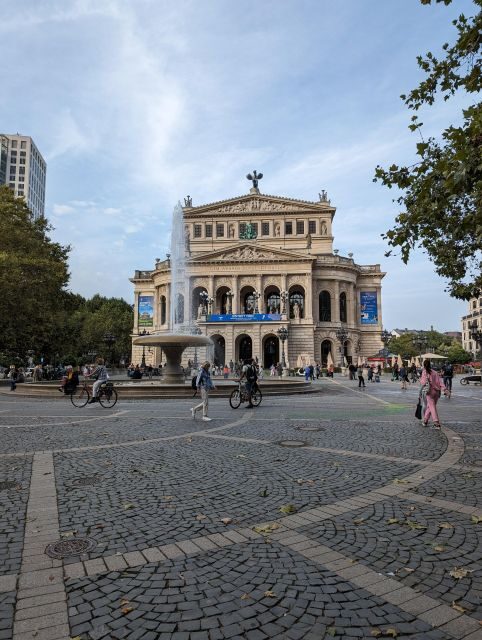
After Römerberg, the route moves you toward St. Bartholomew’s Cathedral. Cathedrals in German cities can feel like they sit slightly above street life, like they are always waiting for the next chapter. Here, the cathedral functions as more than a pretty building. It is a visual cue for the kind of historic importance Frankfurt held in the region.
This stop is also a chance to practice “reading” architecture. Even without going inside (the tour data does not specify interior time), you can learn to look at proportions, façades, and how a major church shaped the streets around it. The guide’s job is to point out what you might otherwise miss: which parts are most distinctive, how it connects to the surrounding square-world, and what role religion and civic identity played in shaping city life.
Tip for you: Stand where the guide tells you to, then look for how the building relates to nearby street lines. That is where the explanation tends to make the most sense.
Where it can fall short: If you are expecting a long, in-depth cathedral visit with lots of time inside, the 2-hour window means you will get the outside context and key ideas, not a full deep-dive.
Römerberg to the river: why the skyline starts to make sense

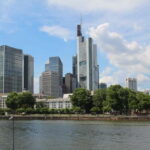
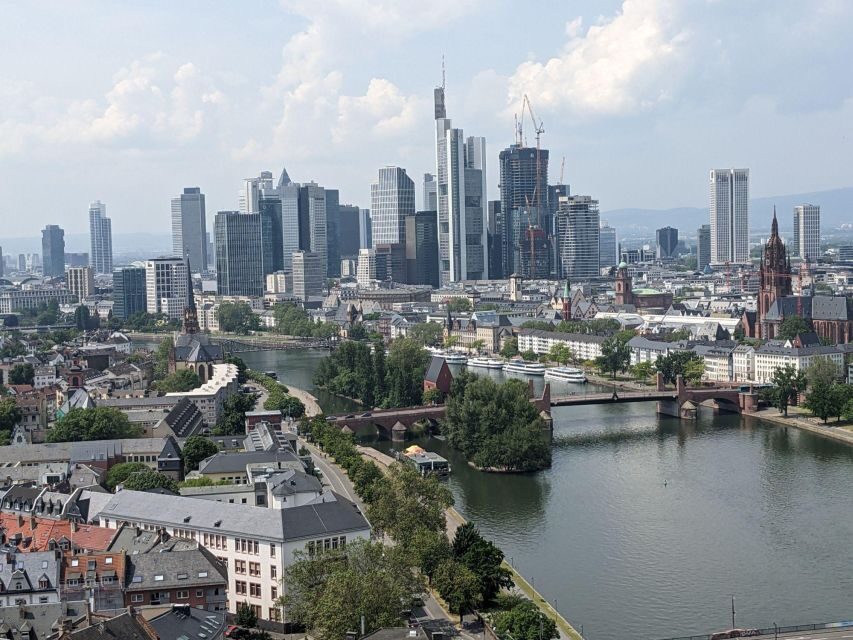
Frankfurt’s reputation often gets reduced to modern finance and tall buildings. But the city’s physical layout tells a richer story than that. One of the most effective transitions on this tour is the shift toward the river area, which sets up the next big stop: Eiserner Steg.
This is the part where you stop thinking in neighborhoods and start thinking in connections. The guide’s explanations help you understand how Frankfurt’s historic core relates to the riverfront and how the city grew outward from there. If you are the type who gets lost in “see this, then that,” this is where the tour’s structure feels smart.
What I really like: The city overview stays coherent as you move. The route is not random sightseeing; it is building understanding piece by piece.
Eiserner Steg: the bridge stop that turns photos into perspective
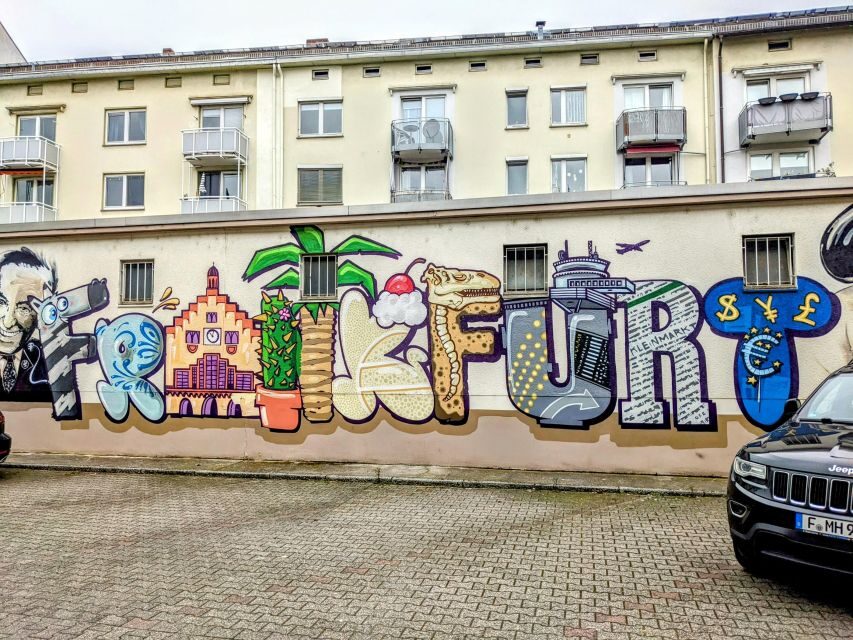
The Eiserner Steg is one of those sights where people either rush past or slow down because it is simply useful. A bridge is a literal connection. It is also the kind of viewpoint that makes Frankfurt feel like one continuous place rather than scattered attractions.
Even if your camera skills are modest, this stop tends to land well because the guide can connect what you see from the bridge to the city story you just heard. You get a moment where old streets, the river corridor, and modern shapes all coexist in one view. That is the whole point of a “best of” tour that includes a bridge: it helps you build a mental model of the city’s geography.
A practical note: Bridges can be breezy. Wear something with a bit of warmth, especially in colder months.
Possible drawback: If you dislike standing for viewpoints, just be prepared that a bridge is inherently a stand-and-look stop.
Museums highlights: how to spot what matters without committing yet
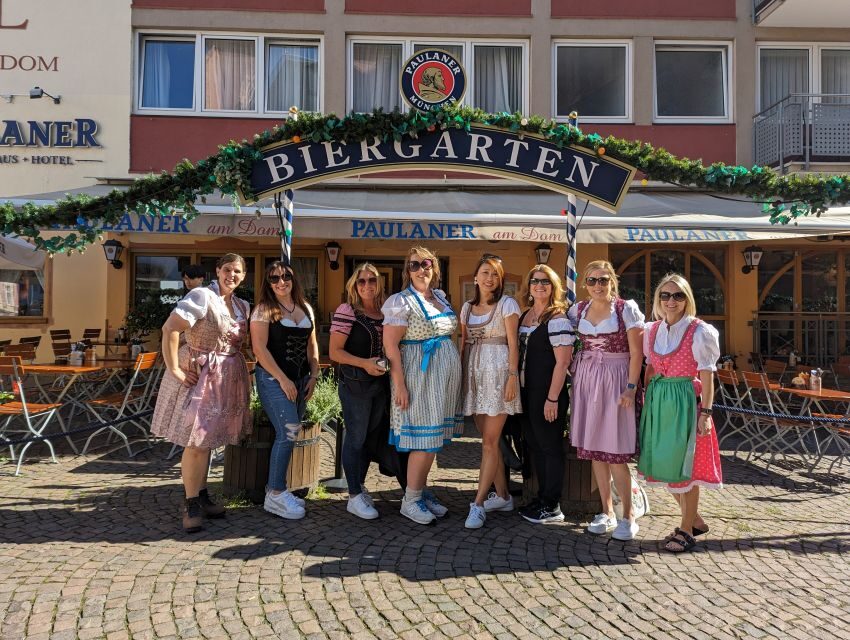
Your route includes museums highlights, but the tour data does not promise a museum entry with ticketed access. Think of this section as a street-level guide to what is worth checking later. The guide’s value here is interpretation. Museums are easy to list. It is harder to connect each institution to what kind of city Frankfurt is: trade, design, culture, and the way the city curates memory.
For you, this can be a time-saver. Instead of guessing which museum fits your interests, you learn what each area represents and how it connects to the rest of the route. If you plan a return trip, this portion helps you choose where to spend real time.
What you’ll gain: A shortlist in your head, so your follow-up decisions get easier.
Where it can be unsatisfying: If you only want museum time during the tour, you might find this section more about context than inside visits.
A few more Frankfurt tours and experiences worth a look


Kleinmarkthalle: food market stop that makes Frankfurt feel lived-in
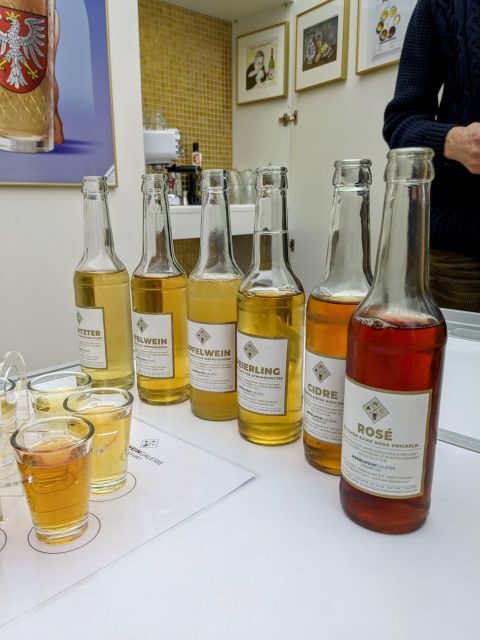
Then the tour hits Kleinmarkthalle, and this is where Frankfurt stops being theoretical. A market is a city in miniature: schedules, smells, busy hands, and the everyday rhythm locals use to buy dinner and talk to each other. The tour gives you the chance to experience that atmosphere as part of a guided overview, not as a random detour.
Even if you do not plan to eat on the spot, markets do something big for first-time visitors. They show you what the city values day-to-day. And because you are on a timeline, this is a high-value stop. You get sensory payoff without needing extra transport or separate planning.
One of my favorite “tour-life” takeaways: Markets are perfect for understanding the city’s social side. You can learn more from how people move through a place than from a long lecture.
Possible drawback: If you are on strict dietary restrictions or just want museum-style quiet, the market energy may not be your favorite moment. But it is brief and highly memorable.
Zeil shopping street: ending in the flow of modern Frankfurt
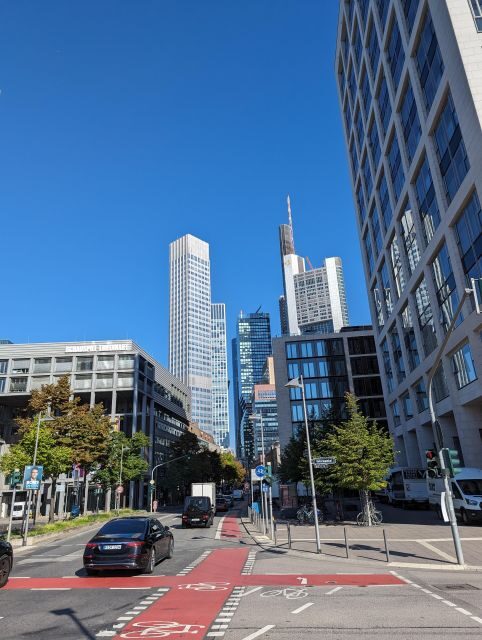
Finally, the tour brings you to Zeil, one of Frankfurt’s best-known shopping streets. Ending here makes sense because it reflects modern city life after you have seen the older civic core and river connection. You get a clean before-and-after feeling: historic reference points up front, contemporary city routines at the end.
Zeil is also a useful way to transition into your next plans. You will finish close to places to grab food, browse, or pick up something you forgot to pack. Since the tour ends back at the meeting point area, you also get a sense of how the route “loops” through the center.
What you’ll enjoy if you like independent time afterward: You leave with a calmer sense of direction, so you can explore more confidently on your own.
Possible drawback: If shopping streets are not your thing, you might find this portion more functional than inspiring. But it is still valuable because it helps you see how the city works right now.
Guide style matters: why Anita’s approach elevates the whole walk
The biggest reason this tour earns strong reviews is the guide experience. The English guide is Anita, and the tone that comes through is friendly, question-friendly, and organized. People consistently note that she is easy to talk to and answers questions as you go, and that her delivery is both entertaining and relaxed.
That matters more than you might think. Frankfurt can be visually impressive but emotionally distant if you do not know what you are looking at. A guide who can connect architecture and streets to human stories makes the city feel approachable.
Also, this is described as an easy walk and even a format that works for families. That does not mean it is a stroller event or a free-for-all, but it suggests the pace is manageable for most people who are used to sightseeing walking.
Practical expectation: You will get a clear route and a steady rhythm. You should be able to keep up, ask questions, and still enjoy the scenery.
Price and value: is $27 worth a 2-hour overview?
At $27 per person for a 2-hour guided walk, the value comes down to how you travel. If you like learning while moving and you want a fast orientation, this price makes sense. You are not paying for museum tickets or transportation. You are paying for interpretation: someone pointing out what you would otherwise overlook and helping you understand the city’s mix of old core and modern presence.
This tour also gives you a good tradeoff: you cover a wide spread of key sights in a short time. That is ideal when your schedule is tight, you are arriving for the first time, or you want a first-day activity that reduces stress the rest of the trip.
Who gets the best value:
- First-time visitors who want a city overview
- People who like architectural explanations
- Travelers who enjoy markets but also want context
- Anyone who prefers a guided route over building one from scratch
Who might decide it is not worth it:
- If you already know Frankfurt well and just want to pick one or two places to spend time inside
- If you dislike guided interpretation and prefer total self-guided wandering
Logistics that actually affect your comfort
This tour is listed as wheelchair accessible, which is a meaningful detail if mobility is a concern. It is also a walking tour, so you still want comfortable footwear. The route length is short (2 hours), but the “walking tour” label still means you will be on your feet and moving between stops.
The meeting point is very specific: meet in front of the Alte Nikolaikirche, located at the Römerburg square. You also end back at the meeting point, which is helpful. It keeps your day simple and reduces the risk of feeling stranded at an unfamiliar endpoint.
Finally, the tour is flexible, and the guide’s Q&A approach is part of why that flexibility matters. If you want clarification, the structure appears to support it rather than rushing you past.
Should you book this 2-hour Best of Frankfurt walk?
I think you should book if you want the best of Frankfurt without turning the day into a checklist. This route has a strong logic: historic civic square (Römerberg), a major cathedral (St. Bartholomew’s), a classic river viewpoint (Eiserner Steg), then market and modern shopping energy (Kleinmarkthalle and Zeil). With Anita leading in English, you also get the kind of guide attention that helps the city click into place.
Skip it if you are looking for a long, indoor-heavy day or if you already know Frankfurt well and just need one or two specific deep stops. In that case, you might be better off choosing a museum-focused plan or a purely self-guided wander.
If you are on your first visit, this tour is a smart way to start. It gives you bearings, then it leaves you free to explore the parts that match your tastes.
FAQ
How long is the 2-Hour Best of Frankfurt Walking Tour?
The tour lasts 2 hours.
What is the tour price?
The price is $27 per person.
What language is the tour guide?
The tour is in English, with a live guide.
Where do I meet the tour?
Meet in front of the Alte Nikolaikirche, located at the Römerburg square.
Where does the tour end?
The tour ends back at the meeting point.
What locations are included on the route?
The route includes Römerberg, St. Bartholomew’s Cathedral, Eiserner Steg, museums highlights, Kleinmarkthalle, and Zeil Shopping Street, plus other stops.
Is the tour wheelchair accessible?
Yes, it is listed as wheelchair accessible.
Can I cancel for a full refund?
Yes. There is free cancellation up to 24 hours in advance for a full refund.
Is it a flexible tour?
Yes. The tour is described as flexible, and the guide answers questions as you go.