REVIEW · FRANKFURT
Discover Frankfurt’s most Photogenic Spots with a Local
Book on Viator →Bookable on Viator
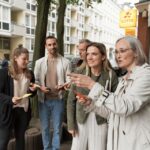
Frankfurt looks better through a local’s lens. This 90-minute photo route ties together iconic sights and the little details that make your photos look like you planned them.
I love the way each stop comes with a reason to look closer, from ornate façades at the Alte Oper to story-rich viewpoints along the Main. One drawback: it depends on good weather, since a lot of the best angles are outdoors.
In This Review
- Photo-ready route through Frankfurt’s best viewpoints
- The value: why 90 minutes feels like more in Frankfurt
- Start at the Alte Oper: ornate architecture and fast orientation
- Frankfurt’s daily life at the central transport hub
- The biggest church stop: size, setting, and what to frame
- Paulskirche: Germany’s first democratic constitution made here
- Romerberg square: the photogenic heart of old Frankfurt
- Iron Footbridge (Eiserner Steg): built 1869, photographed forever
- Museumsufer along the Main: 16 museums worth seeing at walking speed
- Skyscrapers and an ornate fountain: the modern riverfront contrast
- Local tips you’ll use the same day (and the next one)
- Price and logistics: what to budget for, and how to make it easy
- Should you book? A quick yes-or-no guide
- FAQ
- How long is the Frankfurt photogenic spots tour?
- What’s the group size?
- Where does the tour start and end?
- What is included in the price?
- What is not included?
- Do I get a ticket on my phone?
- Is the tour suitable for most people?
- What’s the cancellation and weather approach?
Photo-ready route through Frankfurt’s best viewpoints
- Small group feel (up to 8): more time for your questions and camera checks
- Local-led storytelling: you get the why behind the buildings, not just the where
- A tight 90 minutes: perfect when you want results without burning a whole day
- Icon-to-icon pacing: Alte Oper → Romerberg → Iron Footbridge → Main riverfront
- Personal recommendations included: use the hints for bars, cafés, and restaurants after the walk
The value: why 90 minutes feels like more in Frankfurt
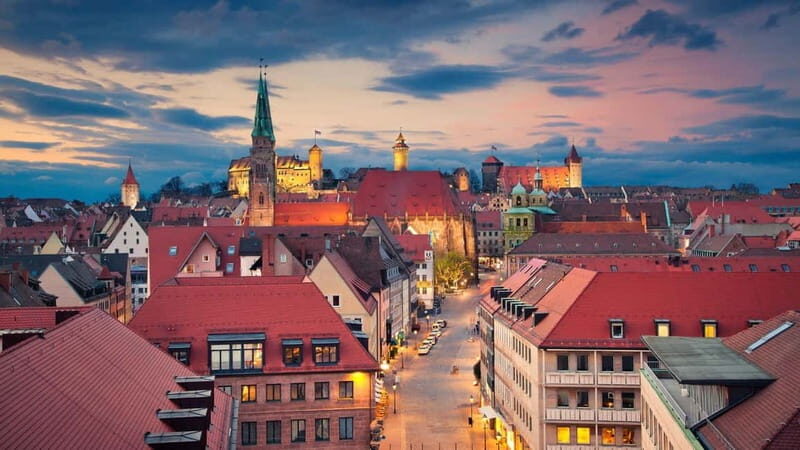
Frankfurt can be a little tricky to photograph on your own. It’s modern in parts, historic in pockets, and the best angles are often tied to exact corners and river paths. This tour is built for that reality: short walking segments, frequent photo moments, and a guide who points out what to notice.
At $114.60 per person, it’s not a budget activity. The value comes from the format: you’re paying for a local’s time, targeted photo stops, and personalized recommendations you can actually use later. Also, the group stays small (max 8), which helps keep the pace realistic for looking, stopping, and taking a second shot when the light improves.
You can also read our reviews of more tours and experiences in Frankfurt.
Start at the Alte Oper: ornate architecture and fast orientation
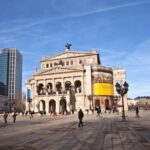
You begin at Alte Oper (Opernpl. 1), and that’s a smart first move. The Old Opera house is the kind of landmark that instantly tells you what Frankfurt cares about: grand public buildings, fine details, and a city that loves strong façades.
From here, you’ll get a clear sense of direction before you head into the more “everyday life” stops. You can expect the guide to draw your attention to specific architectural features—useful if you want photos that look sharp instead of flat.
If you’re coming in with jet lag or late-day energy, starting at a single obvious landmark like Alte Oper helps you relax. You don’t need to figure out where to go first.
Frankfurt’s daily life at the central transport hub
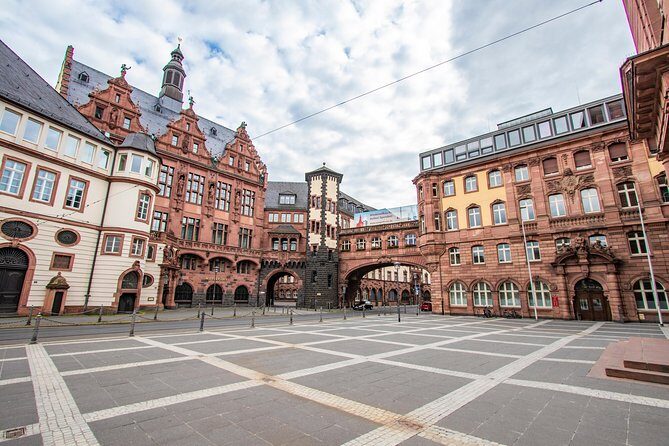
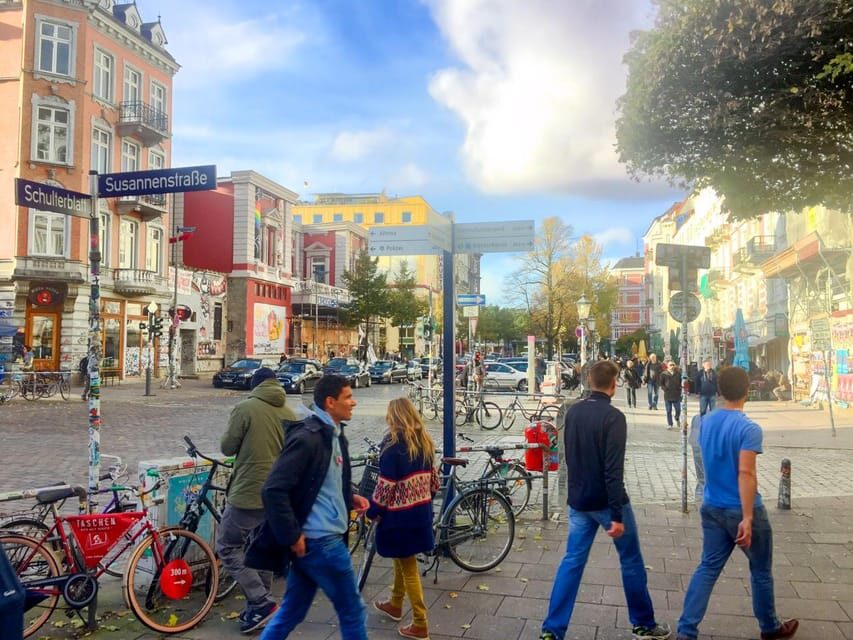
One stop is placed in Frankfurt’s geographical centre and a busy transport hub. This is where the city feels real. It’s not just postcard sights—it’s where you’ll see how people actually move, how the streets connect, and where daily rhythm happens.
For photos, transport hubs can be hit or miss because of crowd levels and motion. The benefit here is that the guide can steer you to workable viewpoints and timing. You’ll also get context for what you’re seeing, which makes the scene more than background noise.
This part is especially good if you enjoy “street-level” travel photos—people flow, signage, and that quick sense of city scale.
The biggest church stop: size, setting, and what to frame
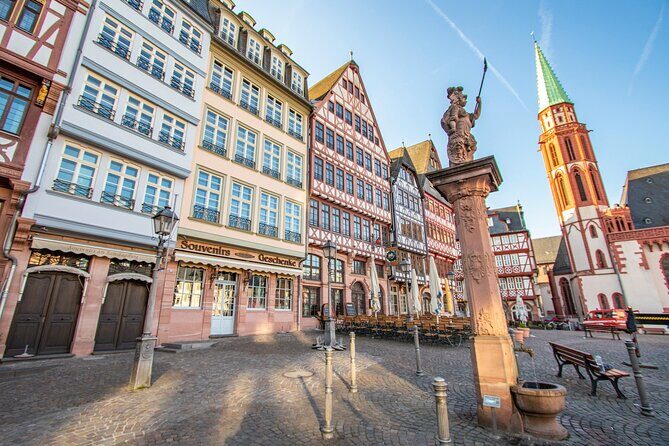
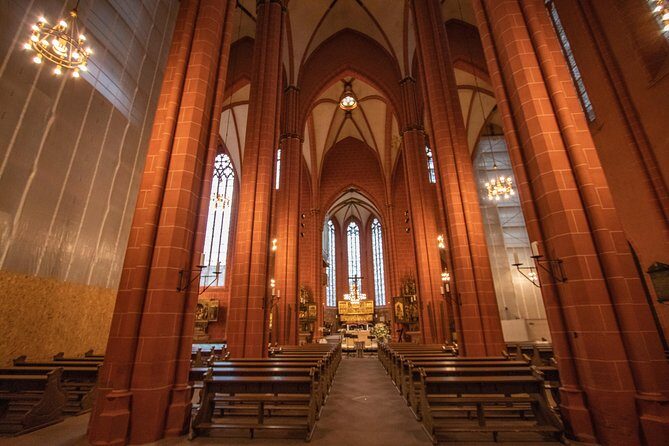
Next comes a stop at the city’s biggest church, with a focus on history and what makes it significant visually. Even when you’re not a church fanatic, big churches give you built-in photography structure: vertical lines, dramatic doorways, and spaces that swallow sound and light.
The drawback to keep in mind: the biggest-church experience can feel a bit more “look and listen” than “run to the perfect angle,” depending on what’s going on inside and around the building. Still, the guide’s job is to keep you productive—helping you get frames that work both outside and at the best viewing points during your visit.
Paulskirche: Germany’s first democratic constitution made here
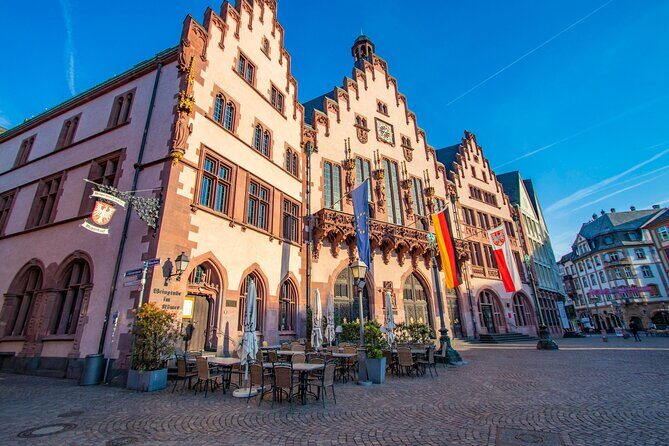
Paul’s church (Paulskirche) is one of the stops that adds real substance. The guide’s explanation connects the building to a key political milestone: the National Assembly created the first democratic constitution for Germany here.
That turns a photo stop into something that sticks. When you photograph Paulskirche with the story in your head, your pictures feel intentional instead of accidental. It’s the kind of landmark where you can slow down and take details—façade elements, angles that highlight the church’s presence in the streetscape, and wider shots that show how it sits among surrounding blocks.
If you want your Frankfurt photos to reflect more than architecture, this is a highlight.

Romerberg square: the photogenic heart of old Frankfurt
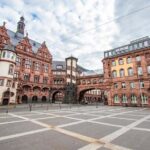
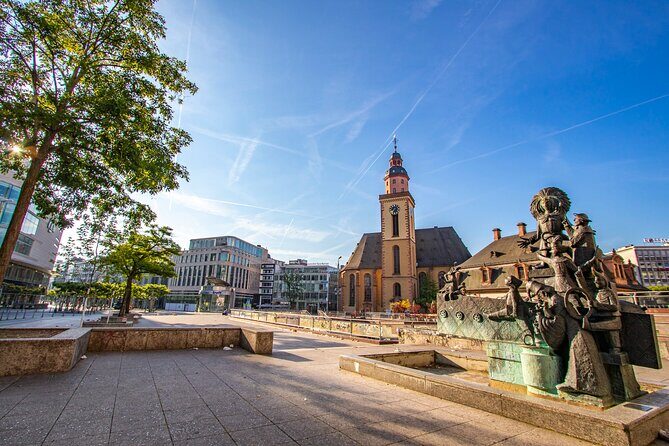
Then you get a wander through Römerberg, a picturesque square built for photo opportunities. This area works well for camera work because it’s compact: you can take a sequence of shots without constantly repositioning.
I like this kind of stop because it’s forgiving. Even if you’re not a “serious photographer,” you can still get great results—street corners, façade textures, and the classic square geometry that makes buildings look like they belong in the same story.
One more plus: the guide can pace this part to your walking style. That matters in places like Romerberg, where staying longer can make the difference between average and great light.
Iron Footbridge (Eiserner Steg): built 1869, photographed forever
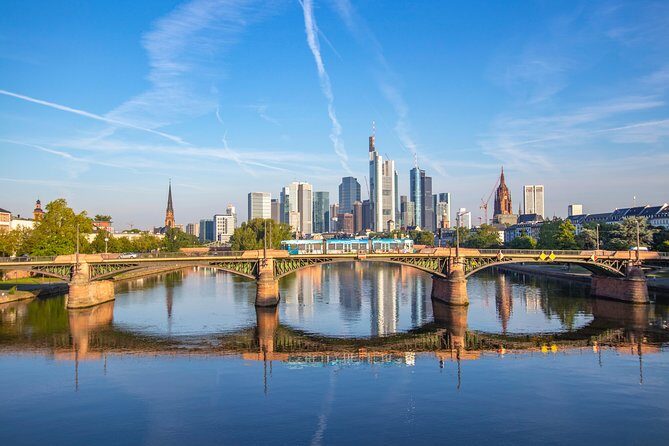
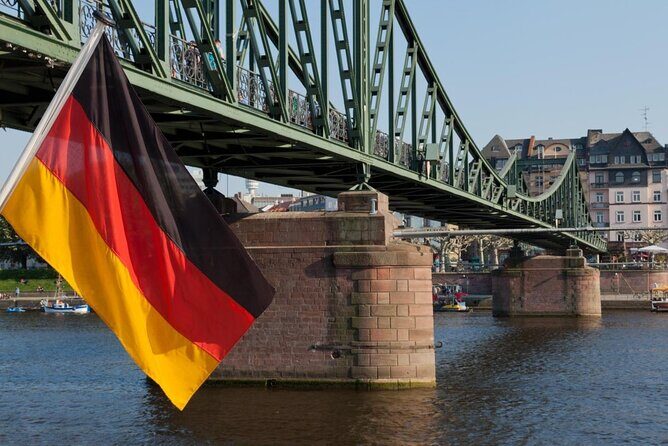
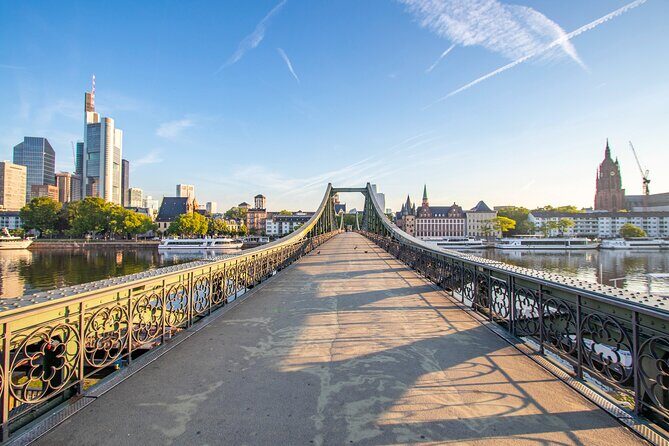
The Iron Footbridge is one of Frankfurt’s most popular photo spots for a reason. It’s a neo-Gothic-style bridge built in 1869, and it’s known for its intricate metalwork design.
What you’re really chasing here is the skyline view. This bridge gives you a structured path toward the modern riverfront, so your photos naturally have depth. You’ll also get the benefit of someone telling you where to stand for the best metal detail and the cleanest skyline line.
If you only have one “big view” moment to prioritize, this is often the one. The only caution: on windy or wet days, the bridge can feel less comfortable to linger on—so do what the guide suggests for timing and positioning.
Museumsufer along the Main: 16 museums worth seeing at walking speed
Next comes the river area known for its concentration of museums: a first-rate collection of about 16 museums across the south and north banks of the Main. Even if you don’t plan to go inside any museum, the embankment itself is a photo stop because of the long river perspectives.
This is a smart inclusion because it broadens your Frankfurt photos beyond the city center. Along the Main, you can capture reflections, building edges, and the sense of a city that lives with its river instead of hiding from it.
A practical note: museum entry tickets and monument tickets aren’t included, and that’s normal. If you want museum time, you’ll need to plan extra time beyond this walking-focused tour.
Skyscrapers and an ornate fountain: the modern riverfront contrast
The route continues with an area tied to Germany’s iconic skyscrapers and an ornate fountain that you’ll definitely want to capture. This is where Frankfurt’s “two faces” come together: older squares and churches on one side, and modern skyline drama on the other.
For photos, the best part is contrast. If your camera roll starts with ornate stone and historic churches, this stretch gives you room to show what makes Frankfurt feel current. The fountain adds a focal point, so your shots don’t rely only on tall buildings.
This stop also tends to be the most sensitive to weather. If it’s sunny, you’ll love the skyline clarity. If it’s overcast, focus more on metalwork, edges, and composition rather than trying to force perfect reflections.
Local tips you’ll use the same day (and the next one)
The tour includes personalized recommendations, which is where many walking tours fall short. Here, the intention is that you’ll leave with direction for bars, cafés, and restaurants—practical picks, not just generic “go here” advice.
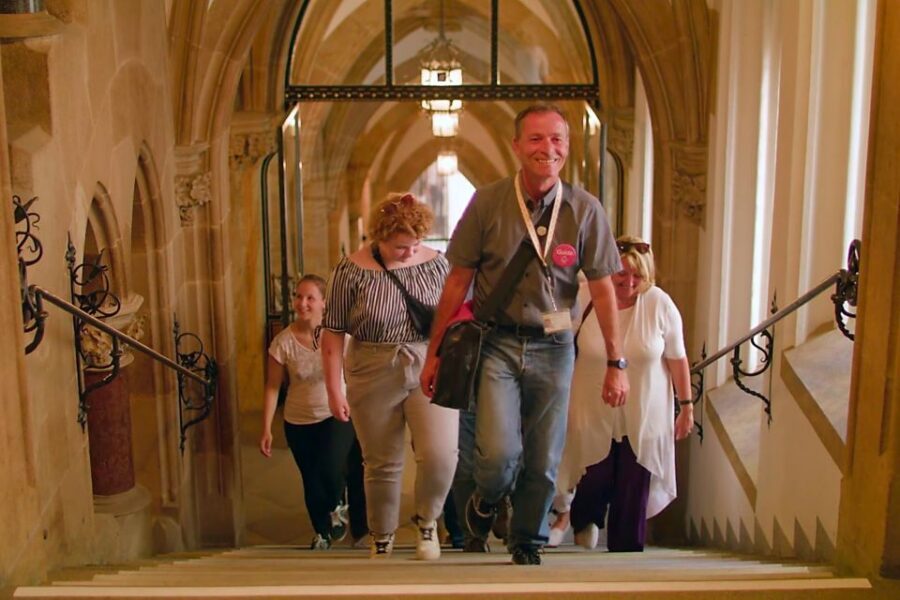
In one guiding example, Shene mixed in food tasting and recommendations while still keeping the photo focus strong. Another guide, Nathalie, was noted for friendly, clear explanations and adapting the tour to pace and needs. That tells me the experience is flexible enough to match your energy level, not just run a strict script.
If you want a smooth first day in Frankfurt, this structure helps. You’re not only collecting photos—you’re also collecting next-step plans.
Price and logistics: what to budget for, and how to make it easy
$114.60 per person for 1 hour 30 minutes can make you wonder what you’re truly buying. You’re paying for:
- a local guide who can connect stories to exact photo angles
- a small group capped at 8, which reduces waiting and improves the pacing
- recommendations after you finish walking
What you should budget separately:
- personal expenses
- anything requiring entry tickets, including public transportation, museums, and monuments (these aren’t included)
This tour also works best when the forecast looks good. The experience may adjust stops if weather changes, and that’s common for outdoor photo routes.
One small planning tip: since it’s often booked around 11 days in advance, you’ll do better reserving ahead if your dates are fixed.
Should you book? A quick yes-or-no guide
Book this tour if you want a high-impact photo walk with context—especially if you’re short on time and you like seeing both historic and modern Frankfurt. It’s a good fit for most people who can handle walking at a moderate pace, and it’s ideal when you want a local’s advice on what to do next.
Skip it (or expect to adjust expectations) if you strongly dislike outdoors plans when weather is uncertain, or if mobility limits make walking difficult. The route is not recommended for impaired mobility, and the tour’s best moments rely on getting to specific viewpoints.
FAQ
How long is the Frankfurt photogenic spots tour?
It’s approximately 1 hour 30 minutes.
What’s the group size?
The group is capped at a maximum of 8 travellers.
Where does the tour start and end?
It starts at Alte Oper, Opernpl. 1, 60313 Frankfurt am Main, and ends at Willy-Brandt-Platz 3, 60311 Frankfurt am Main.
What is included in the price?
A local guide, a small group experience, and personalized recommendations are included.
What is not included?
Personal expenses are not included, and entry tickets for public transportation, museums, and monuments are also not included.
Do I get a ticket on my phone?
Yes. The tour uses a mobile ticket, and you receive confirmation at booking.
Is the tour suitable for most people?
Most people can participate, but it is not recommended for guests with impaired mobility.
What’s the cancellation and weather approach?
You can cancel for a full refund up to 24 hours in advance. If the experience is canceled due to poor weather, you’ll be offered a different date or a full refund. Service animals are allowed, and the tour is near public transportation.