REVIEW · BREMEN
Espresso Kurs im Johann Jacobs Haus in Bremen
Book on GetYourGuide →Operated by Johann Jacobs Haus GmbH · Bookable on GetYourGuide
A great espresso course should do more than talk. This one spends real time on machine use and milk texture so you can actually reproduce the result at home.
I like that it covers the full chain, from the coffee bean and its origin to dialing in the grinder, not just the final cup. I also like the small group setup and the hands-on format, because that’s where you learn what to adjust and how. One consideration: the course runs in German, so plan for that if you’re not comfortable following instructions.
In This Review
- Key takeaways
- Espresso Course Setup in Bremen: what “hands-on” really means
- From bean origin to roast: building taste judgment before you pull shots
- Grinder and machine adjustments: the skills that stop espresso from being luck
- Pulling espresso: practicing the steps instead of memorizing them
- Milk foam mastery for a latte-art heart you can repeat
- Small group advantage: German instruction with real feedback
- What you actually leave with: handout, certificate, and repeatable home practice
- Price and value: is $152 worth 210 minutes of espresso training?
- Who this Bremen espresso course is best for
- Should you book the Johann Jacobs Haus Espresso Kurs?
- FAQ
- How long is the Espresso Kurs at Johann Jacobs Haus in Bremen?
- What language is the course taught in?
- How big is the group?
- What’s included in the course?
- Where do I meet for the course?
- Can I get a certificate?
Key takeaways
- Hands-on focus: you practice the espresso machine steps instead of only watching.
- Bean-to-cup approach: roast and bean origin ideas connect to what you taste.
- Dialing in skills: you learn what matters when adjusting the grinder and machine.
- Milk texture + latte-art heart: you work toward fine, velvety foam for a heart on top.
- Small group, limited to 8: more instructor attention and less waiting around.
- You leave with a handout and certificate: reference material plus a participation certificate from Johann Jacobs Haus.
Espresso Course Setup in Bremen: what “hands-on” really means
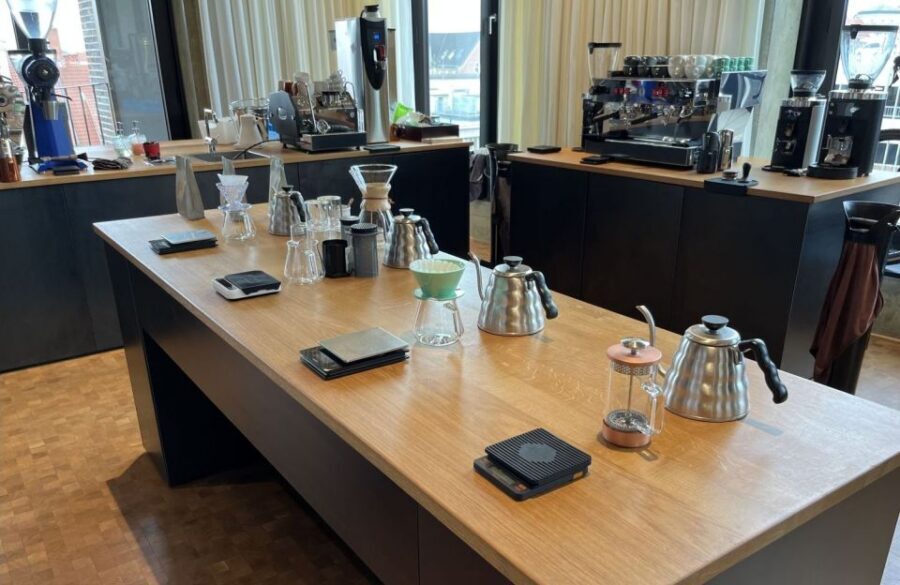
The Espresso Kurs im Johann Jacobs Haus in Bremen is built around the idea that you learn fastest by doing. The session runs 210 minutes, and that’s important because espresso isn’t a one-step trick. You’re training your eyes, hands, and timing—pulling shots and steaming milk with the same kind of repeatable workflow you’d use at home.
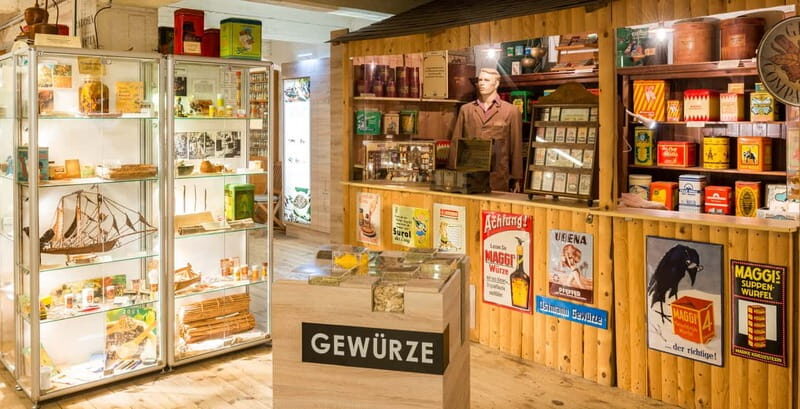
Meeting is at the Johann Jacobs Haus Heritage Store. You’ll check in at the counter, then get started with professional training on the espresso machine. The course is taught in German, and the format is clearly designed for small group coaching—up to 8 participants—so you’re not just another number in the room.
You can also read our reviews of more tours and experiences in Bremen.



From bean origin to roast: building taste judgment before you pull shots
One of the most useful parts of this course is how it treats espresso as more than a machine button. You start with the fundamentals of espresso preparation, including the bean-to-roast context—what the coffee is, where it comes from, and how that connects to flavor.
Why this matters for you: when you understand where a bean’s characteristics can lead, you stop guessing. Instead of changing settings randomly, you learn what different adjustments are meant to accomplish. That kind of cause-and-effect thinking is exactly what makes the difference between repeating a good cup and always ending up with something that tastes “off.”
The course wording also points to learning about the coffee bean and its origin, then carrying that knowledge into espresso prep. Even if you don’t speak technical coffee language yet, this approach helps you build a practical taste map: you’ll learn what to watch for when the grinder and shot settings change.
Grinder and machine adjustments: the skills that stop espresso from being luck
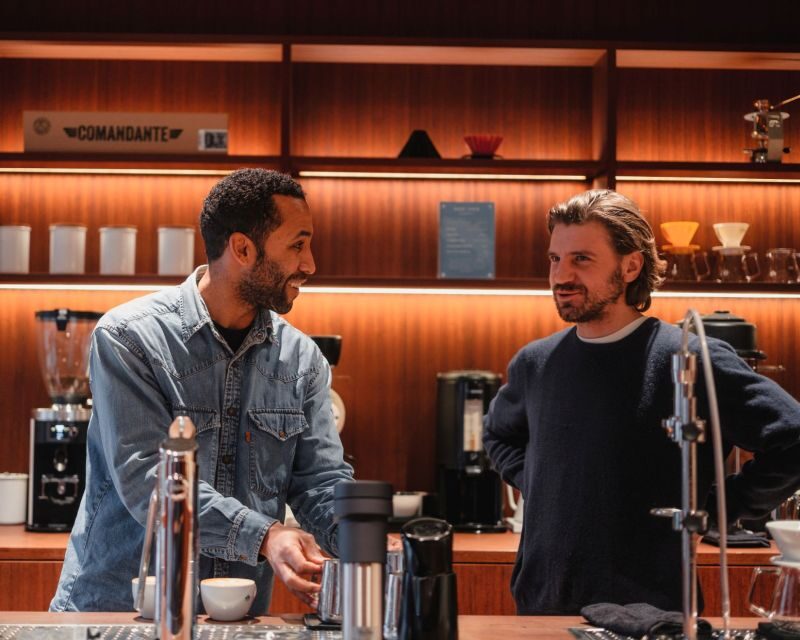
Espresso can be finicky, and that’s not a marketing complaint—it’s reality. The course spends time on what matters when you adjust the grinder and the machine, which is the core of getting consistent espresso. If you’ve ever had one great cup and several mediocre ones, you already know the problem: you likely didn’t change the right variables, or you changed them too quickly.
In this training, the goal is not to overwhelm you with jargon. It’s to make sure you understand what adjustments influence the shot and how operation on the machine connects to the result in the cup. Think of this as learning the logic behind the workflow, so you can diagnose your own espresso later.
Also, because the course is hands-on, you’re not only learning what the “correct” setting should be. You’re learning how to adjust based on what you’re seeing and tasting—so home setup becomes doable, even if your equipment isn’t identical to the course machine.
Pulling espresso: practicing the steps instead of memorizing them
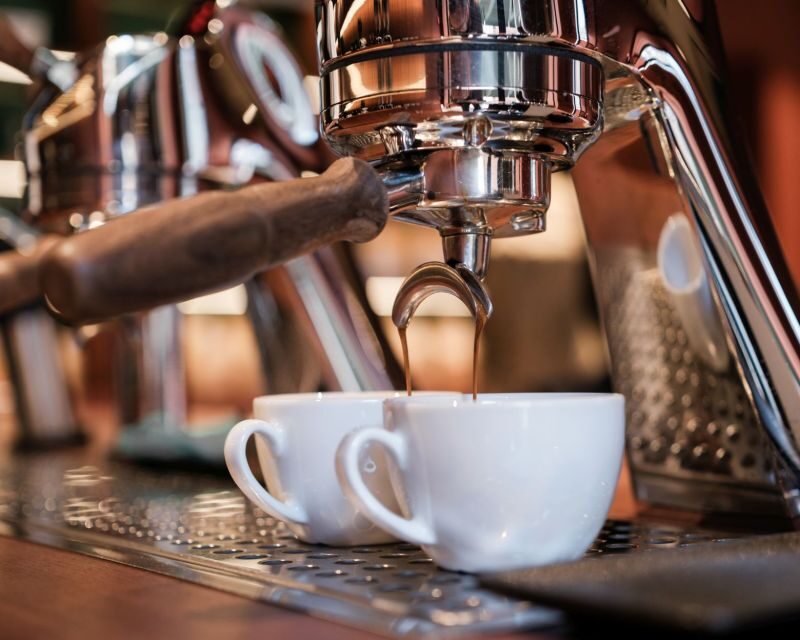
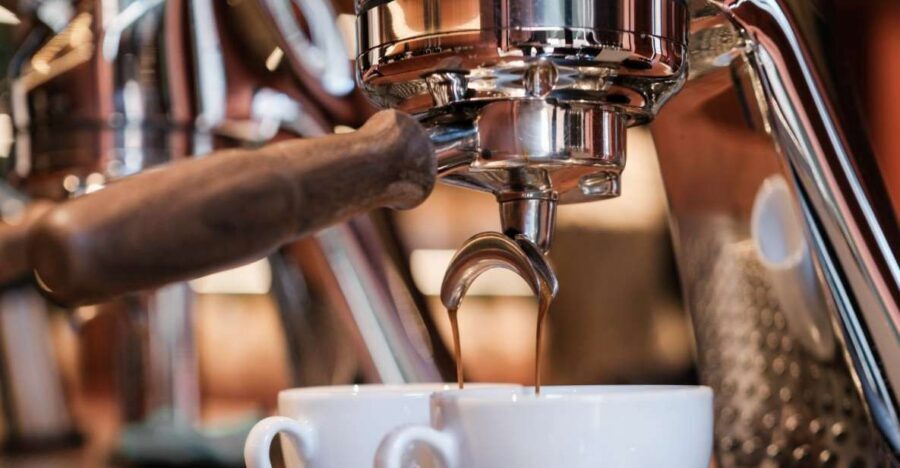
The course explicitly focuses on preparing a perfect espresso, and the structure is practical: you learn and then apply what you learn. That hands-on portion is where most people actually gain confidence, because espresso has quick feedback. You’ll get a result, then you can adjust again.
Here’s what I’d consider the practical takeaway for you: you’re training habits. How you operate the machine, how you handle the workflow, and how you respond when something changes. Those small skills add up to barista-level consistency.
The course also includes espresso as part of what’s provided, which supports the training approach. You’re tasting and learning through doing, not just reading a handout and hoping it clicks.
Milk foam mastery for a latte-art heart you can repeat
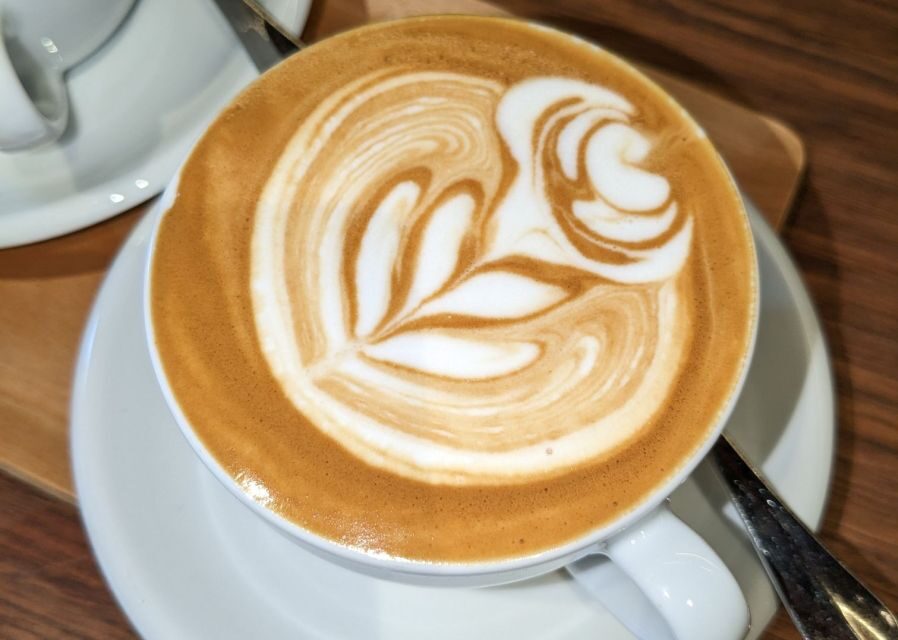
Espresso is only half the show if your dream cup includes milk. This course teaches you how to create fine, velvety milk foam—the texture you need for pouring clean latte art.
And yes, the highlight is specific: you learn to pour a heart on top of your cappuccino. That’s not just a fun party trick. The ability to shape latte art is tied directly to steam control and milk microfoam quality. If your foam is too thick, too airy, or separates too easily, your pour won’t behave.
So for your home practice, you’re not only learning “how to steam.” You’re learning how to produce the kind of milk surface that lets you pour a shape with definition. The heart goal is also a smart learning target because it gives you a clear checkpoint: you know what you’re aiming for visually.






Small group advantage: German instruction with real feedback
This is not a big lecture. It’s designed as a small group experience limited to 8 participants, with professional trainers guiding you on the espresso machine. That matters because espresso technique is hard to correct at a distance. When your hands are doing something slightly off, you usually need quick corrections.
The instructor language is German, so if you’re a non-speaker, you’ll want to go in with a plan. Bring a translation mindset: watch what they do, follow the routine, and use the handout as your safety net. If you can understand basic coffee vocabulary, you’ll get much more from the interaction.
What you actually leave with: handout, certificate, and repeatable home practice
At the end of the course, you’re given a handout with key information for reference. That’s huge value for espresso courses, because coffee technique details fade fast if you don’t write them down. The handout gives you a way to reproduce the steps later, instead of relying on memory.
You can also receive a participation certificate from Johann Jacobs Haus. A certificate won’t make your espresso taste better by itself, but it does add a sense of closure—and it’s a nice touch if you like having proof of skills learned.
And because the course is hands-on, you’re taking home more than theoretical knowledge. You’re learning operational confidence: grinder adjustments, machine handling, and how to get milk foam into latte-art shape.
Price and value: is $152 worth 210 minutes of espresso training?
At $152 per person for 210 minutes, this course sits in the “serious practice time” category. You’re paying for two things: coaching and equipment time. Espresso training can be expensive when it’s purely observational, but this one is built around hands-on machine work, which is where the value comes from.
Here’s what you get that supports the price:
- Small group (max 8), which usually means you’re not spending most of your time waiting.
- Included water, espresso, and milk/milk alternatives, so the training has a real tasting and steaming component.
- A handout you can use later, plus a participation certificate.
- A structured focus on the two hardest parts of home espresso: dialing in and milk texture.
If your goal is to get better at espresso at home—not just to learn the concept—then the cost makes more sense. If you’re only looking for a quick overview, this course may feel like too much time. But if you want skills you can repeat, the 3.5 hours and hands-on nature are exactly the point.
Who this Bremen espresso course is best for
This course is a strong fit if you want to leave with practical barista skills you can actually run at home. It’s especially good for you if you’ve tried espresso or cappuccino before but struggle with one of these:
- getting consistent shot results
- knowing what to change when something tastes off
- steaming milk with the right texture for clean pours
It also works well if you like learning coffee beyond taste alone. The course includes the idea of learning about the coffee bean and its origin, and that connection between background and technique is often what makes people stick with the hobby.
If you’re only comfortable in English, or you need full step-by-step instruction in your language, the German instruction could be a drawback. In that case, you might want to consider your comfort level before booking.
Should you book the Johann Jacobs Haus Espresso Kurs?
I’d book it if you want hands-on training that covers both espresso and milk with a clear goal (that latte-art heart). The best reason is the practical portion: you’re not just being told what to do, you’re learning how to adjust and operate.
Skip it only if your comfort with German is low and you know you’ll struggle to follow trainer instructions in real time. Otherwise, this is the kind of course that helps you move from “nice when it works” to “I can reproduce this.”
If you value technique, feedback, and a reference handout you can use later, this Bremen course is a solid use of 210 minutes.
FAQ
How long is the Espresso Kurs at Johann Jacobs Haus in Bremen?
The course lasts 210 minutes.
What language is the course taught in?
The instructor teaches in German.
How big is the group?
It’s a small group limited to up to 8 participants.
What’s included in the course?
Included items are water, espresso, and milk/milk alternatives.
Where do I meet for the course?
You should sign in at the Johann Jacobs Haus Heritage Store reception/counter.
Can I get a certificate?
Yes. At the end of the course, you can receive a participation certificate from Johann Jacobs Haus.