REVIEW · DRESDEN
City tour (including visit to the Frauenkirche) and Semper Opera Tour
Book on Viator →Operated by Stadtführung Dresden und mehr von Erlebnistouren Dresden Renger · Bookable on Viator
Dresden looks different after you step inside. I love the Frauenkirche stop because you go past the usual exterior photos and see how the reconstruction work reads up close. I also love the Dagmar Renger style of guiding, which mixes live narration with a pictorial, time-travel feel that makes the story stick as you walk.
One thing to keep in mind: the tour is capped at 15, but any small-group city walk can still feel like a crowd if you’re sensitive to noise or prefer a more relaxed pace. Also, the Semperoper segment is guided and schedule-driven, so it’s less about hands-on exploring and more about focused explanation in the building’s key spaces.
In This Review
- Key highlights to look for
- Why this Dresden walk makes the story click
- Entering Dresden’s old center: from Stallhof to Neumarkt
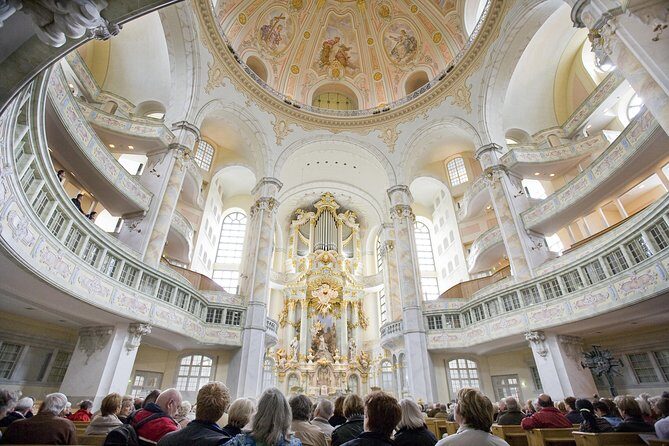
- The Frauenkirche inside visit: design and reconstruction you can see
- Princes on 25,000 Meissen tiles and the Dresden “fairground” feeling
- Brühl’s Terrace viewpoint: where the Elbe becomes part of the plan
- Semperoper tour: foyers, glazed vestibules, and music history
- Price and value: what $32 gets you and why it feels fair
- Timing, group size, and how to make it enjoyable
- Should you book the Dresden + Semperoper combo?
- Quick booking checklist
- FAQ
- How long is the tour?
- What time does the tour start?
- Where do I meet the group?
- What is the order of sights?
- Does the Frauenkirche visit include going inside?
- Is admission included for the Semperoper?
- How much does it cost?
- How big is the group?
- Is the tour schedule flexible based on the opera?
- What is the cancellation window?
Key highlights to look for

- Inside the Frauenkirche: you get an up-close look at interior design and the historical reconstruction as part of the open church
- Time-travel storytelling: live, pictorial explanations designed to help you picture what Dresden looked like before and after
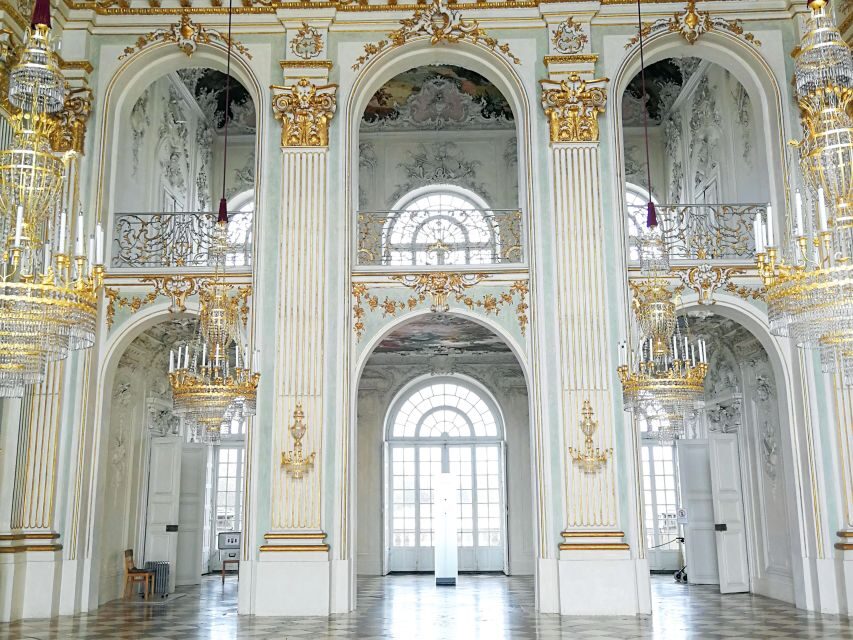
- Semperoper behind the scenes feel: atmospheric foyers, glazed vestibules, and a look at how music history shaped the auditorium experience
- Meissen porcelain detail on parade: the Procession of Princes image made from 25,000 tiles
- Perfect walkable route: from Neumarkt through major squares to the Elbe-side terrace viewpoint
- A clear break built in: the tour rhythm gives you space for lunch before the Semperoper portion starts
Why this Dresden walk makes the story click

This is one of those tours where the route does the heavy lifting. You start at Neumarkt, move through the rebuilt center, then head straight for the Frauenkirche where Dresden’s 20th-century rebuilding story becomes visible in materials, shapes, and design choices. After that, the day pivots from architecture to music and performance, with a guided Semperoper visit that helps you understand why this opera house became such a landmark.
The big value for you is pacing with purpose. You’re not sprinting between sights; you’re getting enough time at each stop to notice patterns, not just collect snapshots. And because the guide uses live narration plus pictorial explanation (think visual “time travel” as you go), the city reads more like a coherent narrative than a list of monuments.
The full experience runs about 4 hours. The city walk segment is scheduled from 10:30 a.m. to about 12:30, then you get roughly an hour break for lunch until 13:30, when the Semperoper tour begins.
You can also read our reviews of more city tours in Dresden

Entering Dresden’s old center: from Stallhof to Neumarkt
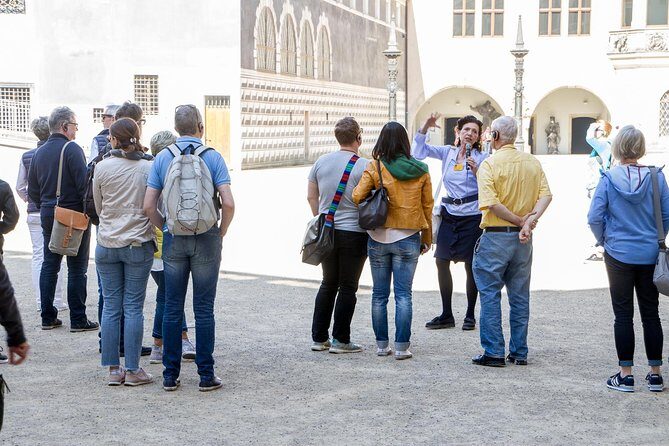
Your starting point is Dresden Information Neumarkt 2, right in the heart of the area most people use as a base. This helps. You’re not crossing town first—you’re already in the main stage set.
Stop 1: Stallhof (10 minutes)
Stallhof is the oldest fairground in Dresden. The explanation centers on the idea of a tournament court for knight games, which gives the space a stronger identity than just another courtyard. Even in a short stop, you can learn how Dresden’s ceremonial public spaces evolved into the city center’s social and civic areas.
A small practical note: courtyards like this are easy to “walk through” without looking up. Take the extra few seconds the guide allows and glance around. That’s where the historic character usually shows.
Stop 2: Neumarkt (10 minutes)
Neumarkt is the rebuilt historic center, and the tour treats it like more than a backdrop. The guide frames what you’re seeing as reconstruction—how the restored city center aims to bring back the feel and function of older Dresden. That matters because later, when you reach the Frauenkirche and the opera house, the theme of rebuilding isn’t abstract anymore. It’s already in your head.
If you’re arriving in Dresden for the first time, this opening sequence does a great job of helping you get your bearings fast: squares, corridors, and “where people moved” all become part of the story.
The Frauenkirche inside visit: design and reconstruction you can see
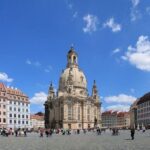
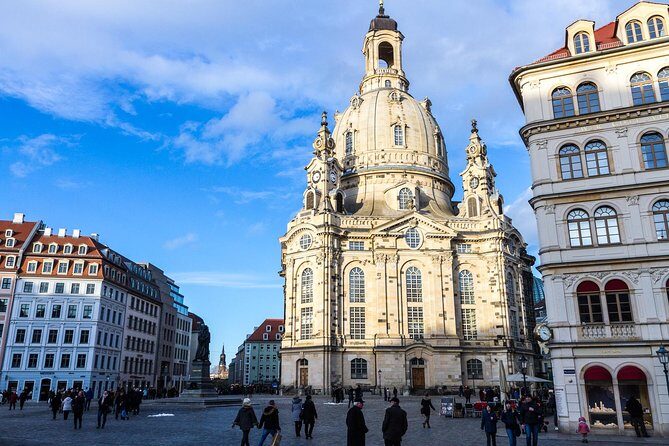
The Frauenkirche Dresden stop is the tour’s emotional and visual centerpiece. You’ll hear exterior context, then you get inside inspection as part of the open church.
Stop 3: Frauenkirche (about 15 minutes)
This isn’t just a quick look around. The guide focuses on details of interior design and the historical reconstruction. The tour approach is about helping you understand what you’re seeing and why it was rebuilt the way it was. That’s the difference between visiting and learning.
Here’s why this matters for you: the Frauenkirche is the kind of place where photographs can trick you. From the street, you get the iconic outline. Inside, you notice how space, light, and reconstruction choices shape the atmosphere. A guided stop helps you avoid “I saw it, but I didn’t register it.”
Also, the tour explicitly links this visit to the broader Dresden comeback narrative. When you later look at the Semperoper’s history, the connection between surviving culture and rebuilding cultural spaces feels natural, not random.
Princes on 25,000 Meissen tiles and the Dresden “fairground” feeling
After the church, the tour swings back into public landmarks and spectacle—Dresden as a city that builds visual statements.
Stop 4: Procession of Princes (10 minutes)
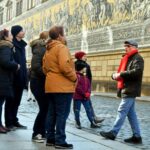
You see the unique image of the Saxon princely family made from 25,000 Meissen porcelain tiles. The short time here is actually a strength. Instead of getting lost in details, you learn what the tile concept means and why porcelain matters in this story. You also get a mental hook: Dresden didn’t just rebuild buildings; it staged identity through art and craft.
Stop 5: The Dresden Zwinger (15 minutes)
The Zwinger is described and treated like Dresden’s most famous fairground—one of those places that historically combined architecture with an event-world mindset. You’ll get a guided perspective on what makes the complex feel like a stage, and you’ll have enough time to spot the major features rather than rushing through.
If you like architecture, pay attention to the way the tour frames connections between spaces. Even without long stays, you can start to see how Dresden’s layout supports movement, views, and ceremonial atmosphere.
Brühl’s Terrace viewpoint: where the Elbe becomes part of the plan
Stop 6: Bruehlsche Terrasse (10 minutes)
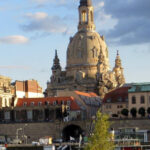
This is the tour’s “exhale” moment. The guide explains it as a former fortress wall turned promenade, then helps you see the bigger picture: flood plains, the Elbe, and the view toward the new town.
This stop works well because you’re no longer only inside stories. You’re looking outward, which helps your brain file the day’s themes under one idea: Dresden’s identity isn’t only monuments—it’s also its position and its relationship to water and rebuilding.
Even if you only have a few minutes, stand where the group pauses and look in the directions the guide indicates. If you casually walk past, it’s easy to miss the point of why this spot gets recommended over and over.



Semperoper tour: foyers, glazed vestibules, and music history
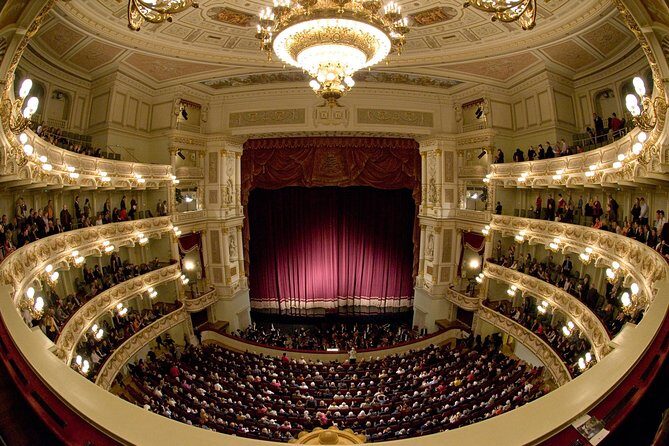
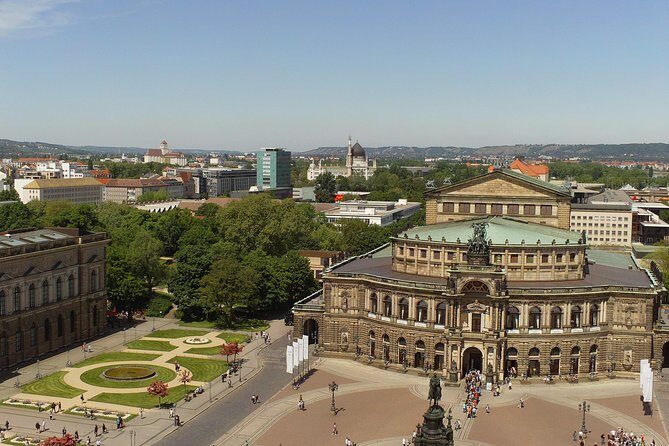
After your lunch break, your day transitions into a guided visit of the Semper Opera House (Semperoper).
Stop 7: Semperoper (about 45 minutes, admission included)
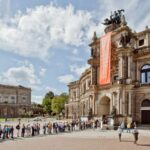
You’ll get insights into the unusual history of building and music in one of the world’s famous opera houses. The tour focuses on the building’s atmospheric spaces—especially the foyers and the glazed vestibules—and then shifts attention toward the auditorium’s increased splendor.
What you should expect here is guided “architecture plus culture.” Instead of only naming rooms, the tour helps you understand why the opera house’s design and history matter to what happens onstage. If you’re the type who gets value from context, this is where the day pays off.
One more detail: the program depends on rehearsal and the opera schedule. If your specific date differs, the organizer shares updated info. That’s a normal reality for performance venues, but it’s worth knowing so you don’t assume every visit is identical down to the minute.
Price and value: what $32 gets you and why it feels fair
At about $32 per person, this tour pricing is low enough that you should feel comfortable booking for value—but high enough that you’re paying for real access and guided time, not just a generic walking route.
You’re paying for three things that add up:
- Inside access focus at the Frauenkirche as part of the open church, plus guided explanation
- A structured city walk that connects multiple stops instead of treating each one like a standalone postcard
- A guided Semperoper visit with admission included and dedicated time in the building’s main spaces
The other value piece is the break. Most short tours cram you all day with no air. Here, the day is designed with an hour break and a clear next starting point at 13:30. That means you can grab lunch at your own pace, then return without feeling rushed into the next thing.
For a first-time Dresden visit, I think this combo tour is a strong deal because it hits two of the city’s biggest identity points—church rebuilding and opera culture—while still letting you see key squares and viewpoints.
Timing, group size, and how to make it enjoyable
The group size is capped at 15 travelers, and most people can participate. That’s a helpful balance: you’re not stuck in a huge herd, but you also aren’t in a private tour world. The pace is built around short stops—often 10 to 15 minutes—plus explanation time.
Here’s how to set yourself up for success:
- Wear comfortable shoes. You’ll be walking between central Dresden stops and standing for explanations.
- If you prefer quiet, consider that any guided walking tour means you’ll share space and hear the same narration.
- If you like lighter, story-based guidance, this fits. The tour uses pictorial storytelling and guide-led explanation rather than only listing facts.
- If you strongly dislike lecture-style pacing, note that the Semperoper portion is designed for focused guided interpretation inside the building.
Also, the route starts at Neumarkt and ends at Semperoper (Theaterplatz 2). That makes the overall day easy to plan: once you’re done, you’re already in the opera-house zone, a natural place to continue exploring without backtracking.
Should you book the Dresden + Semperoper combo?
If you want your first Dresden day to feel structured and meaningful, I’d book it. You get the key spine of the city—Neumarkt, the Frauenkirche inside, the Zwinger, and Brühl’s Terrace—and then you get a guided look at the Semperoper that connects architecture with music culture.
I’d be a cautious buy only if you know you’re very sensitive to group energy or you prefer more free time at major sights. Because the stops are timed and explanations are a big part of the experience, you won’t have hours of solo wandering inside each landmark.
Quick booking checklist
- You want both Frauenkirche reconstruction context and Semperoper music history
- You like guided storytelling that helps you visualize the past
- You’ll appreciate a lunch break built into the schedule
If that sounds like your style, this is a smart, efficient way to see Dresden with more understanding than you’d get from a quick self-guided run.
FAQ
How long is the tour?
The combined experience lasts about 4 hours.
What time does the tour start?
It starts at 10:30 a.m.
Where do I meet the group?
You meet at Dresden Information, Neumarkt 2, 01067 Dresden.
What is the order of sights?
The tour includes Stallhof, Neumarkt, Frauenkirche (inside inspection), Procession of Princes, the Dresden Zwinger, Bruehlsche Terrasse, and then the Semperoper.
Does the Frauenkirche visit include going inside?
Yes. The tour includes an inside inspection as part of the open church.
Is admission included for the Semperoper?
Yes, admission is included for the Semperoper tour.
How much does it cost?
It costs $32.02 per person.
How big is the group?
The maximum group size is 15 travelers.
Is the tour schedule flexible based on the opera?
The Semperoper part depends on rehearsal and the opera schedule. If your date differs, you’ll receive information from the organizer.
What is the cancellation window?
You can cancel up to 24 hours in advance for a full refund.