REVIEW · DRESDEN
Dresden: Semperoper Tickets and Guided Tour
Book on GetYourGuide →Operated by Semperoper Erleben · Bookable on GetYourGuide
One building tells two stories at once. The Semperoper’s rooms mix Italian-Renaissance looks with a major comeback tale. You’ll see why this Dresden opera house has such a loyal following and why its auditorium gets talked about even when no show is running.
I especially love the ornate interior details, rebuilt so carefully they feel like originals. I also like that the guide spotlights acoustics—so you understand what makes the hall special, not just how it looks. One thing to plan for: the tour is only 45 minutes, and the pace can feel a bit brisk when multiple groups move through at once.
In This Review
- Key highlights at a glance
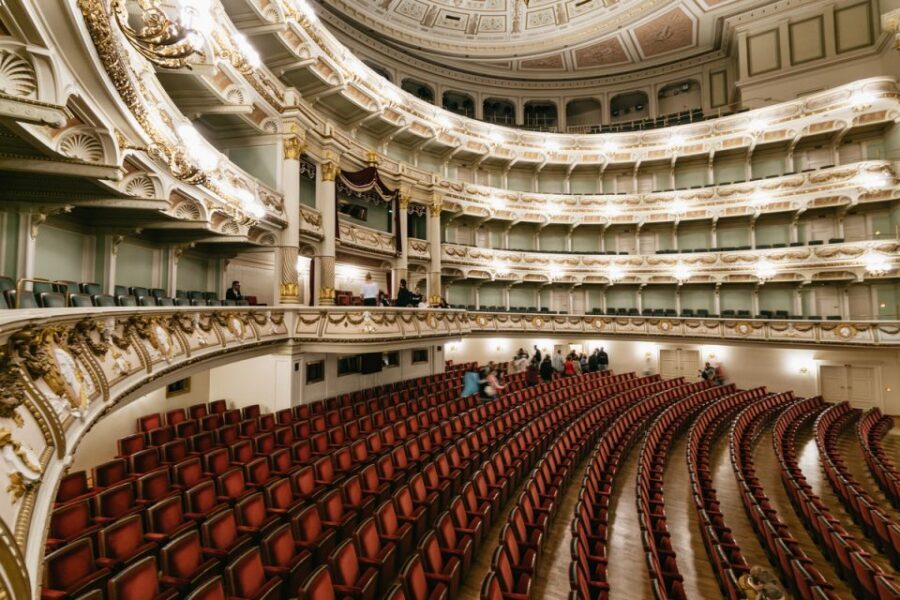
- Semperoper’s interior: the kind of beauty you can walk into
- The 45-minute route: what you’ll actually see
- Italian-Renaissance details: why the design feels so intentional
- Reconstruction story: fire, war, and the art of getting it back
- The auditorium acoustics lesson you won’t get from photos
- Skip-the-line value and the €3 interior photo license
- Group pace, sound levels, and why timing matters
- English and German guides: what makes the commentary click
- Who this tour fits best (and who may want another plan)
- Should you book the Semperoper tickets and guided tour?
- FAQ
- How long is the Semperoper guided tour?
- What is included in the ticket price?
- Do I need to buy a photo license to take pictures inside?
- Can I skip the ticket line?
- What languages are the tours offered in?
- Where do I meet the guide?
- Are pets allowed inside?
- Are smoking, food, and drinks allowed?
- Are large bags or luggage allowed?
- Is the tour wheelchair accessible?
Key highlights at a glance
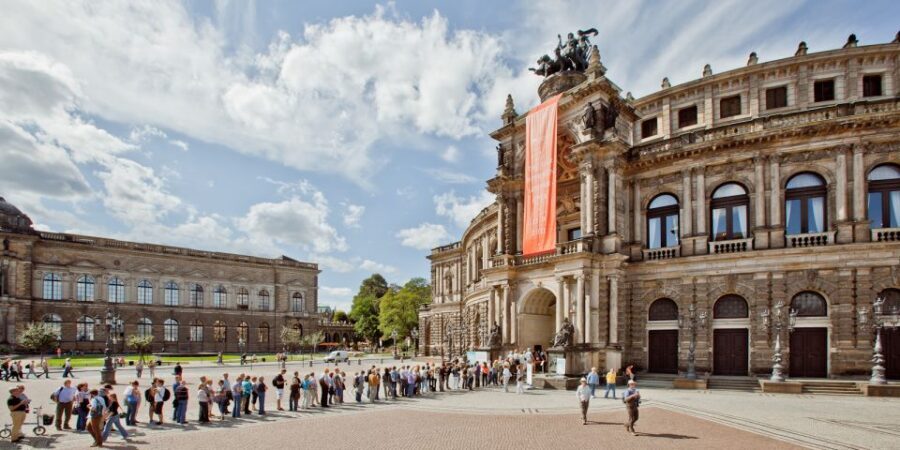
- Skip-the-line entry with your Semperoper admission ticket included
- Italian-Renaissance-inspired spaces and reconstructed rooms you can actually walk through
- Auditorium acoustics explained, so you notice details you’d otherwise miss
- Reconstruction backstory tied to the building’s survival and return (fire and WWII-era damage are part of the story)
- Language options: German and English guided tours with live interpretation
- Photo license required for interior photos: €3 purchased at the start of the tour
Semperoper’s interior: the kind of beauty you can walk into
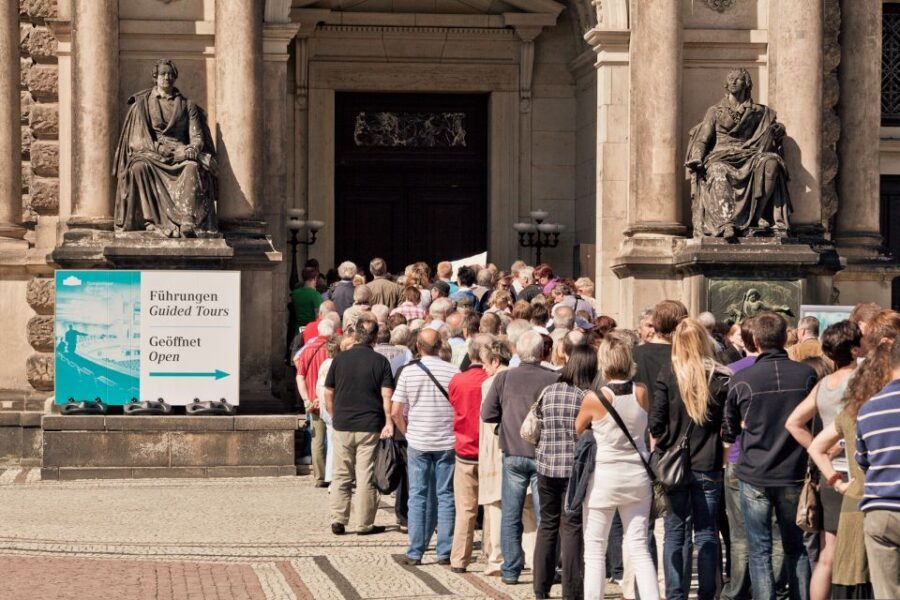
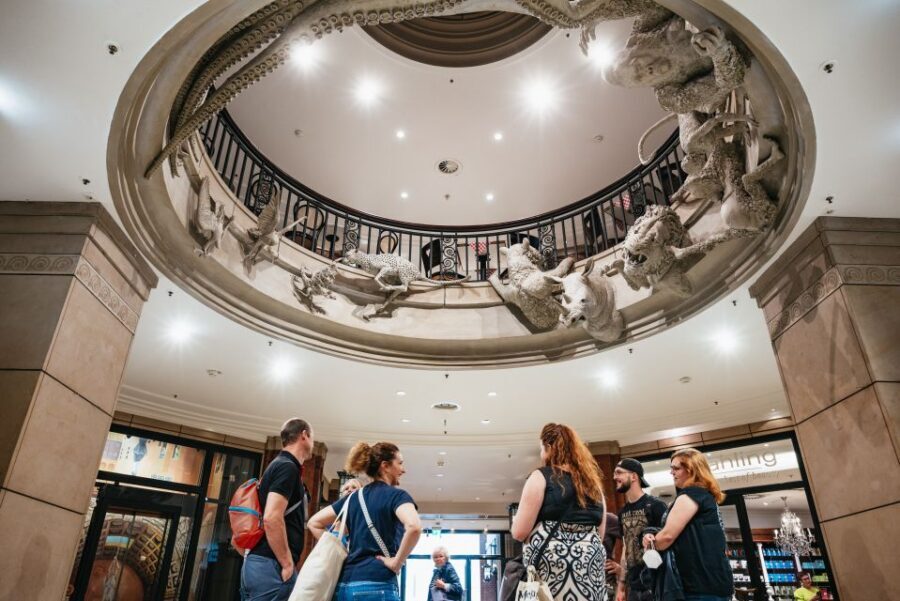
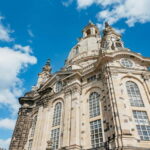
The Semperoper is one of those places where your brain keeps doing the math. From the outside, you sense grandeur. From the inside, you see the design choices—how space, decoration, and layout work together to impress.
What makes this tour click is that you don’t just get a quick glance. You get time in the ornate rooms and in the areas that shape how an audience experiences a performance. Even if opera isn’t your thing, the building’s craftsmanship is the star.
You’ll also get a clear sense of the venue’s prestige. This is a major opera house, and the tour language makes that obvious without turning it into a lecture. The best guides keep it human, mixing structure and story, and naming what you’re looking at so it sticks.
A few more Dresden tours and experiences worth a look
The 45-minute route: what you’ll actually see
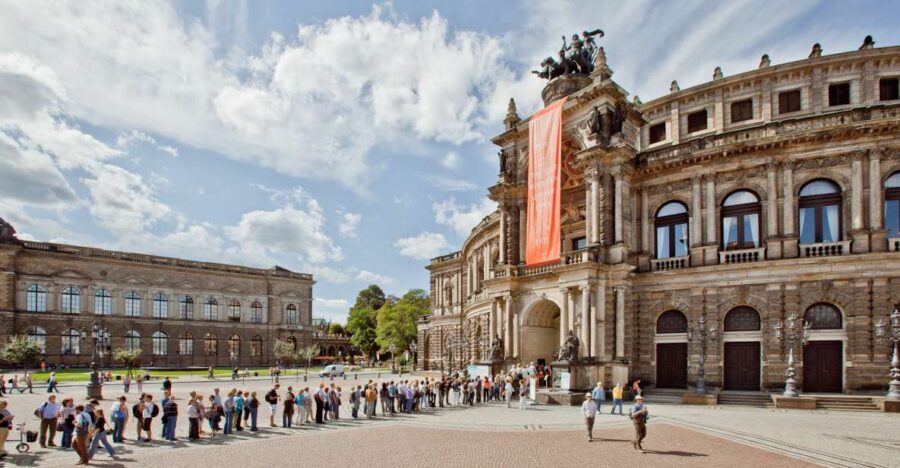
This is a short tour by design. Forty-five minutes sounds tight because it is. But it’s long enough to cover the essentials: exterior impression, key interior spaces, and the auditorium experience.
Here’s the feel of the route, based on how the tour is described and what people highlight most:
You start at the Semperoper and move through the most visually impressive public areas. Guides focus on the reconstructed look, pointing out how the rooms were restored to match their original style. That’s one of the tour’s big values. It’s not only history on a wall—it’s history you stand inside.
Next, you spend time getting oriented to the auditorium. The emphasis is on why the room sounds the way it does. You’re not there to “test” acoustics with a performance, but you’ll learn what to listen for and why the hall behaves like it does.
One note to set expectations: this tour is not pitched as a backstage walkthrough. You’re seeing the main public spaces and the hall itself. On some visits, you might catch an extra moment as the main stage setup is underway in the evening. That kind of peek is luck-based, not guaranteed, so treat it as a bonus if it happens.
Italian-Renaissance details: why the design feels so intentional
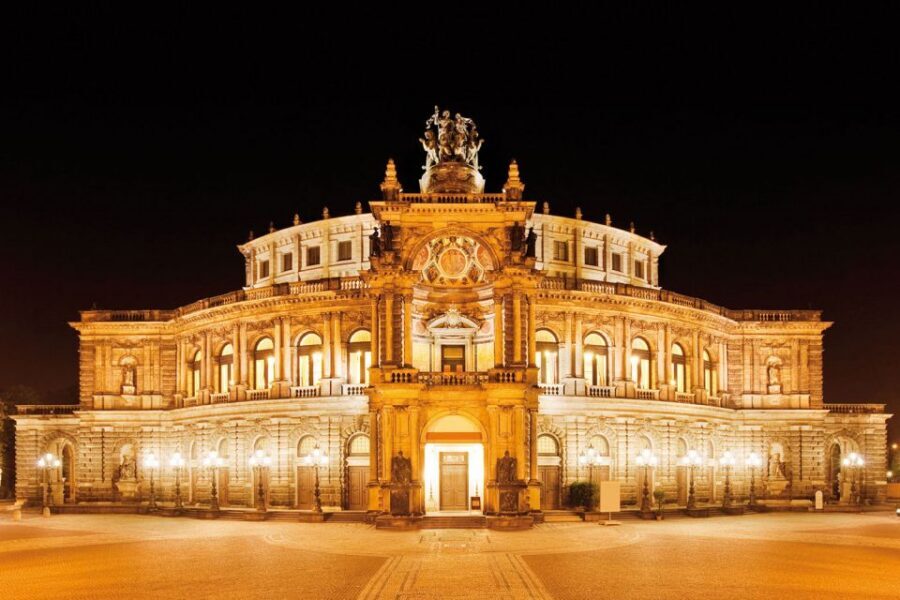
The Semperoper interior leans into an Italian-Renaissance vibe, and the tour helps you spot what that means in practice. This isn’t just “pretty ceilings.” It’s a whole approach to symmetry, ornament, and how rooms transition from one mood to another.
You’ll notice that the decoration isn’t random. The ornate spaces are presented as part of the building’s identity. The tour guide points out what you’re looking at and why those features matter for an opera house—formal dignity for patrons, visual clarity for audiences, and a sense of ceremonial arrival.
What I like here is that the guide doesn’t force you to pretend you’re an expert. You get enough visual cues that you can describe what you saw after the tour. That makes the experience more rewarding than a quick pass where everything blurs together.
Reconstruction story: fire, war, and the art of getting it back
One of the most compelling parts of the Semperoper story is that it wasn’t simply kept running. It was damaged, then rebuilt. The tour route uses that reality to explain what you see today.
You’ll hear about the building’s survival and recovery, including the role of fire and damage associated with WWII-era events. Then the guide connects it to what was done afterward: careful reconstruction meant to restore original features rather than replace them with something generic.
People consistently highlight this aspect because it changes the meaning of the decorations. When you learn that the rooms you’re standing in are tied to reconstruction choices over time, the beauty becomes more than aesthetics. It becomes proof of intent—architecture as cultural memory.
There’s also something practical in this story. It helps you understand why the building feels both historic and very “alive” in the present. That balance is hard to fake, and the tour makes it feel real.
The auditorium acoustics lesson you won’t get from photos
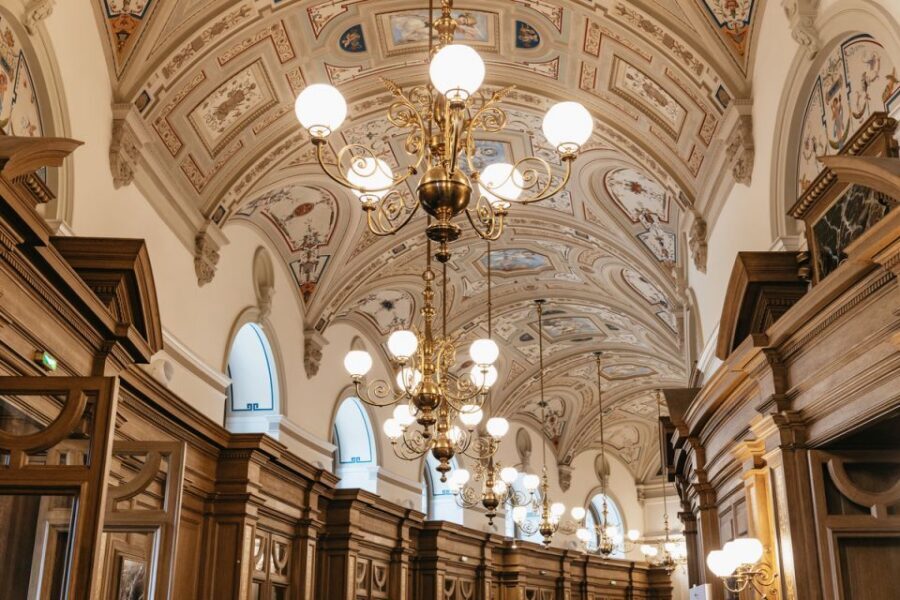
A lot of monuments look impressive. Fewer teach you something you can sense. The Semperoper auditorium is one of those rare interiors where acoustics are part of the design, not an afterthought.
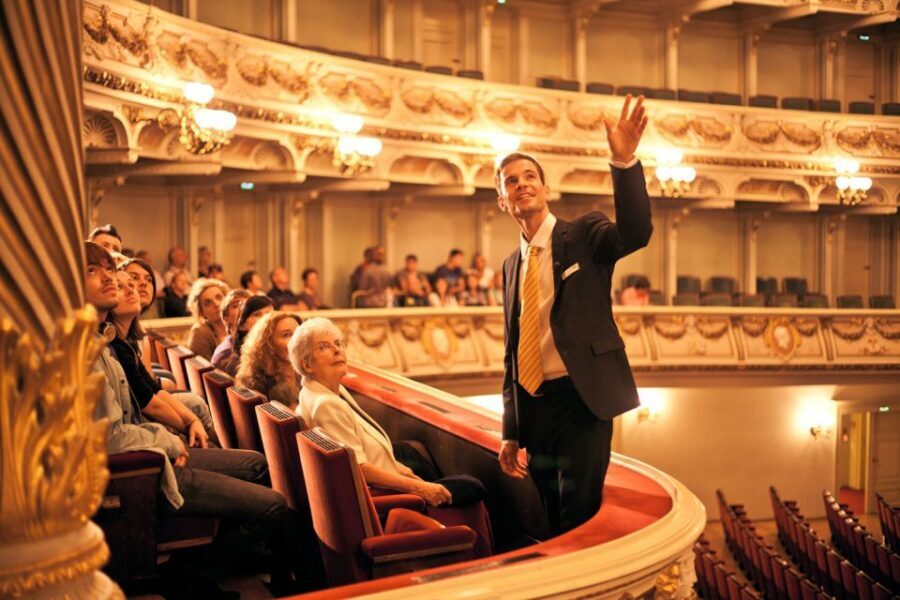
The tour guide walks you through what makes the hall distinctive. Even without hearing a full performance, you’ll learn how the room is shaped and why the space carries sound the way it does. That matters, because acoustics are hard to describe using architecture alone.
If you care about music, you’ll love this part because it turns the building into a tool. If you don’t, you’ll still appreciate it because the guide explains the reasoning behind the hall’s reputation.
And if you’re hoping for a “wow” moment, keep it simple: stand where the guide asks you to stand. Listen to the room itself. The auditorium often does the rest.
You can also read our reviews of more guided tours in Dresden


Skip-the-line value and the €3 interior photo license
Let’s talk practical value, because this is where the tour earns its spot.
For a price listed at $18 per person, you’re getting both your entry and the live guided explanation. You’re not paying just for access to a building that you could wander around solo. You’re paying for an organized walk through rooms that are easier to appreciate when someone frames what you’re looking at.
The tour also advertises skip-the-ticket-line entry, which is genuinely useful at major sights like this. If you’re on a tight Dresden schedule, that saved time helps you fit the Semperoper into a day without stress.
Now, the photo rule is important. Interior photos require a photo license for €3, bought at the beginning of the tour. If you forget, you’ll either have to put your phone away or pay for the license and then start shooting. One reviewer point is that it can be enforced at a moment’s notice, so don’t count on getting away with casual photos.
If photography matters to you, budget that extra €3 and plan to take pictures right after you receive permission. If you don’t care much about photos, the license detail is just one more small hassle—still manageable.
Group pace, sound levels, and why timing matters
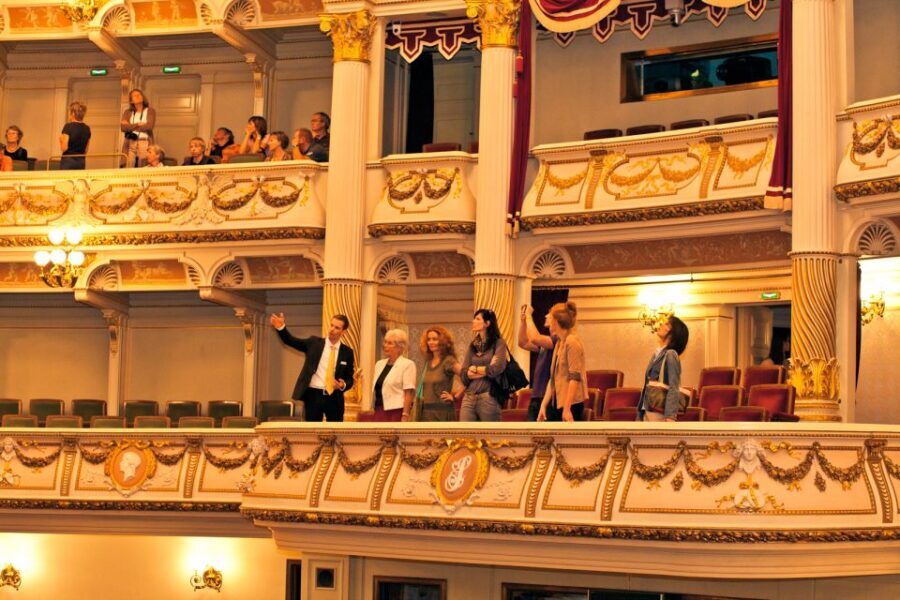
The tour is 45 minutes, and that schedule can create a couple of real-world effects.
First, guides can only say so much in so little time. When multiple groups meet up at a final stop, noise can rise. That doesn’t ruin the tour, but it can make it harder to hear every word—especially on English tours if microphones aren’t doing the heavy lifting.
Some reviews specifically mention hearing issues on English commentary and suggest it might depend on mic use and the moment. That’s not a reason to avoid the tour, but it is a reason to show up on time, stand where you can hear well, and be ready for a brisk pace.
If you’re sensitive to group noise, aim for quieter starting times when possible. If you’re flexible, just go in knowing this is a shared experience inside a working venue.
English and German guides: what makes the commentary click
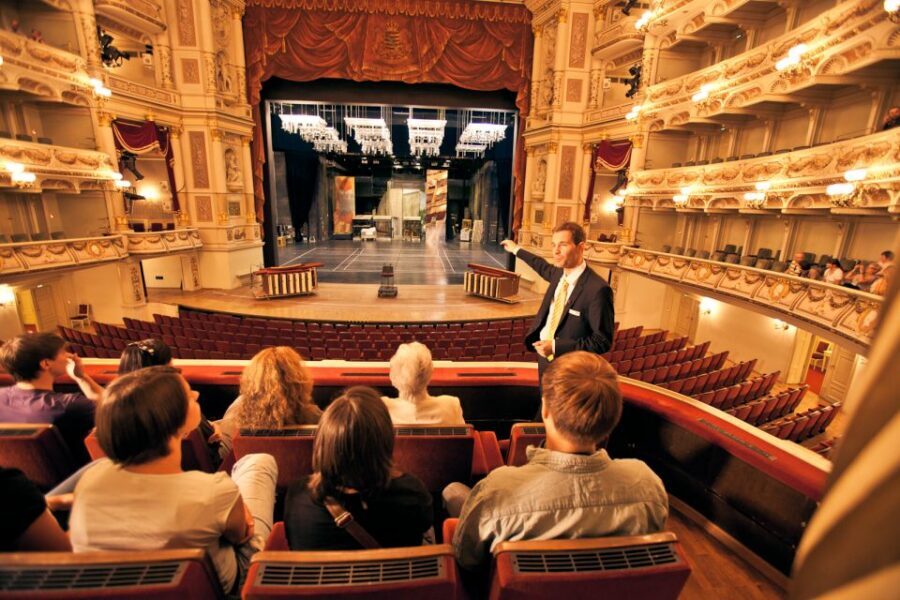
One of the strongest signals from the feedback is that the guides really carry the experience. People mention guides being friendly and clearly invested, and some name specific guides in their reviews, like Richard, Thomas, Robert, Garbot, and Claudia.
You shouldn’t assume you’ll get a particular person. But it’s fair to expect a live guide who can explain the building with energy and detail. That’s a big deal at an opera house, because the place is layered. Without narration, it’s easy to see the beauty and still miss the meaning.
The best moments come when the guide connects details like reconstruction or ornamentation to the way an opera house functions today. If you ask questions, this kind of tour tends to respond well—because the guide’s job is to translate the venue, not just march you through it.
Who this tour fits best (and who may want another plan)
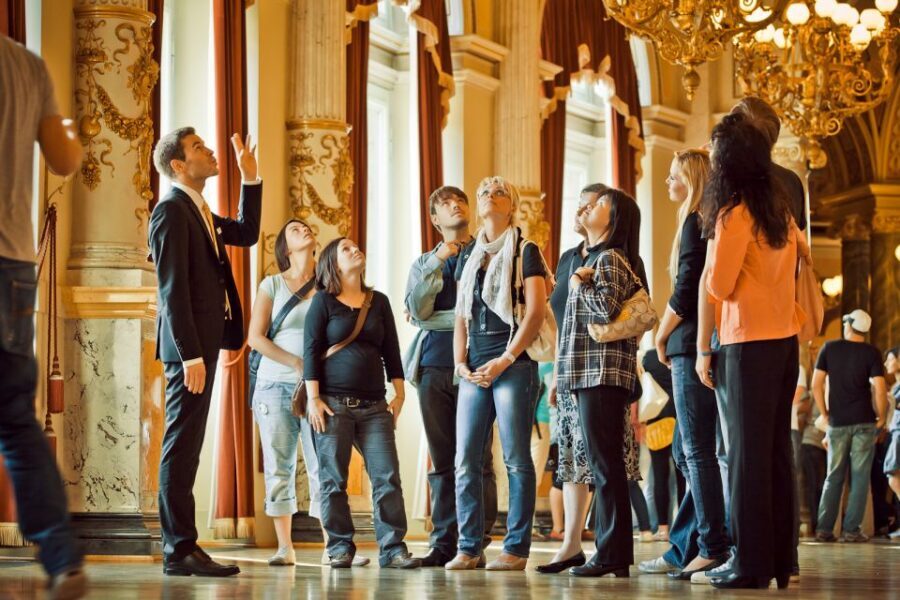
This tour works best for people who want more than a quick exterior photo and more than a silent walk.
You’ll love it if:
- you’re curious about why the Semperoper looks the way it does, especially after reconstruction
- you want a structured way to enjoy the auditorium, even without a performance
- you value interpretation and want someone to point out design and acoustics
You might skip or switch plans if:
- you want a long, slow museum-style pace
- you’re very concerned about hearing every single word in a loud group setting
- you’re only interested in backstage access, because the tour is focused on the public interior areas
If you’re pairing this with opera tickets later, it can set the stage—literally and mentally. Understanding the hall in advance makes a performance feel less like you’re guessing and more like you’re participating.
Should you book the Semperoper tickets and guided tour?
Book it if you want high value for time: admission plus live storytelling inside a famous Dresden landmark, delivered in a tight 45-minute format. At about $18, the math is easy if you care about context—because the guide turns a beautiful interior into something you understand.
I’d also book it if you like buildings with a comeback story. The tour’s reconstruction focus makes the Semperoper feel purposeful, not just decorative.
Skip it only if you’re looking for a long-form experience, or if group noise and hearing every word matters more to you than seeing the auditorium and key reconstructed spaces with an interpreter.
If you do book, bring a little patience for shared group pacing, and don’t forget the interior €3 photo license if you want to take pictures. That one detail can save you stress and let you enjoy the tour without interruptions.
FAQ
How long is the Semperoper guided tour?
The tour duration is 45 minutes.
What is included in the ticket price?
The package includes a Semperoper admission ticket and a guided tour.
Do I need to buy a photo license to take pictures inside?
Yes. Interior photography is permitted only with a photo license of €3, which is purchased at the beginning of the tour.
Can I skip the ticket line?
Yes. The experience is described as skipping the ticket line.
What languages are the tours offered in?
Tours are offered with a live guide in German and English.
Where do I meet the guide?
The meeting point may vary depending on the option booked.
Are pets allowed inside?
No, pets are not allowed.
Are smoking, food, and drinks allowed?
Smoking is not allowed. Food and drinks are not allowed.
Are large bags or luggage allowed?
No. Luggage or large bags are not allowed.
Is the tour wheelchair accessible?
Yes. The tour is wheelchair accessible.