REVIEW · BERLIN
Berlin: Sachsenhausen Concentration Camp Guided Tour
Book on GetYourGuide →Operated by On the Front Tours · Bookable on GetYourGuide
Sachsenhausen hits hard, but it teaches clearly. This guided trip is interesting because it maps how the Nazi camp system worked in daily life, then follows what happened to the site after the war. I really like the small group size (up to 7), which makes time for questions, and I like how guides such as Matt, Tom, and Jorg are described as both factual and careful with a subject that demands respect.
One thing to plan for: it moves for 5 hours, so if you prefer lingering in indoor exhibits, you may feel you want more time. The tour is built to cover many key locations, including rooms and outdoor spaces that require steady walking.
In This Review
- Quick hits before you go
- Why Sachsenhausen matters as the Nazi prototype camp
- From Alexanderplatz to Sachsenhausen: transport and pacing
- Inside the grounds: entrance, Tower A, and the SS inspectorate
- The daily routine on display: roll call, shoe-testing, and inmate struggle
- Jewish sector barracks and cell block: overcrowding, secrecy, and targeted prisoners
- Camp kitchen break, prisoner drawings, and the post-war Special Camp no. 7
- Station Z and the infirmary: the system’s final steps
- Price and value: is $115 for 5 hours worth it?
- Should you book this Sachsenhausen concentration camp guided tour?
- FAQ
- How long is the Sachsenhausen guided tour from Berlin?
- Where do I meet the guide in Berlin?
- Do I get transportation from central Berlin?
- Is the tour in English?
- Is the tour wheelchair accessible?
- What should I bring for the tour?
- What items are not allowed on the tour?
- What is included in the price?
Quick hits before you go
- Small-group focus (up to 7) keeps the experience conversational instead of a lecture.
- Guided pickup from Alexanderplatz means you do not have to figure out rail and transfers on your own.
- A full route through the camp covers entrance, daily routine areas, prisoner quarters, and the machinery of murder.
- You also see the post-war chapter at Special Camp no. 7 under Soviet control.
- A scheduled break at the camp kitchen gives you a moment to reset, use restrooms, and view an exhibition of camp items.
- Tower A and the main entrance are handled as part of a larger explanation of how the system was designed.
Why Sachsenhausen matters as the Nazi prototype camp
Sachsenhausen is not just another stop on a World War II map. It is a window into how the Nazi camp system was organized, tested, and turned into an operating model that other camps could copy.
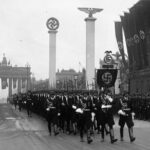
On this tour, I like that the guide frames the camp as a system, not a collection of scary photos. You get the “how it worked” behind the “what happened,” including the administrative authority that ran concentration camps for the Third Reich. That context helps you connect the physical spaces you see—gates, yards, barracks, execution-related areas—to the logic of control.
You will also hear about prisoner resilience alongside the cruelty. That balance matters. It does not soften the reality, but it keeps the story from becoming only about destruction.
You can also read our reviews of more guided tours in Berlin



From Alexanderplatz to Sachsenhausen: transport and pacing
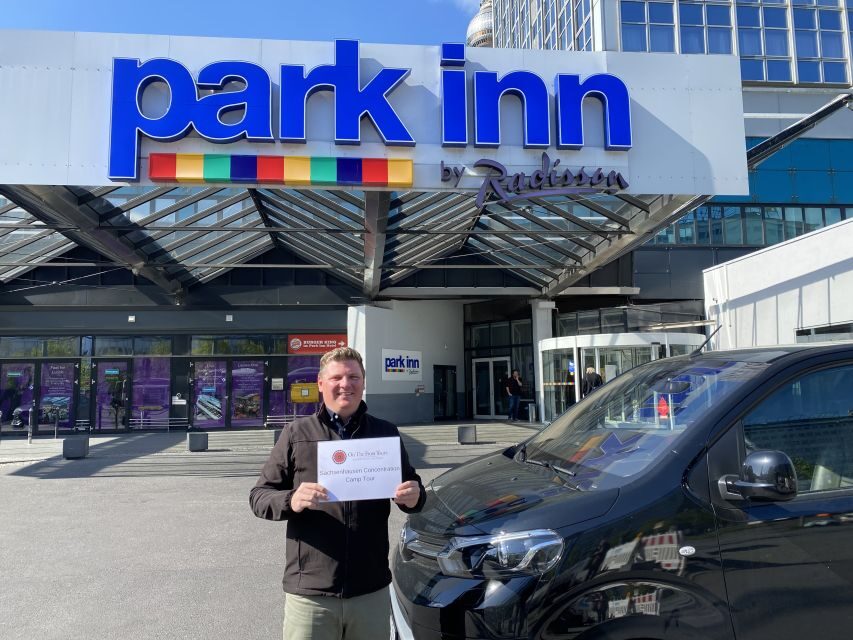
You start near Berlin’s Alexanderplatz at the Park Inn by Radisson Berlin Alexanderplatz, where you’re picked up for the drive to the memorial. The transfer is timed at about 30 minutes each way, and the whole outing runs about 5 hours total.
This matters more than it sounds. When a tour is anchored to a central pickup point, you spend less mental energy on logistics and more on the experience. And because the group is small, the van ride also sets the tone: you begin already thinking about what you’re going to see and why.
I also appreciate the practical reality check: the tour runs rain or shine. So yes, you should dress for Berlin weather and pack accordingly. Comfortable shoes are non-negotiable here, because you’ll be walking through outdoor areas as well as indoor stops.
Inside the grounds: entrance, Tower A, and the SS inspectorate
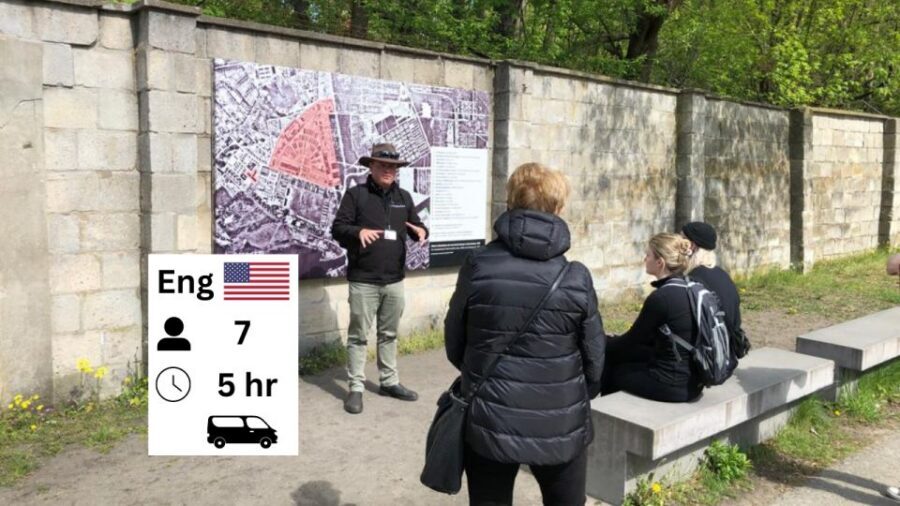
The first big shift happens as you get oriented on the way to the camp. On the ride from Berlin, your guide explains the methodology of the Nazi concentration camp system and why Sachsenhausen became a prototype camp for later designs.
Once you arrive, the tour moves into the SS Concentration Camps Inspectorate. This is a key stop because it turns the story from “guards and prisoners” into “a machine.” You’re not just watching history unfold on site—you’re learning who managed the system and what the camp leadership needed it to do.
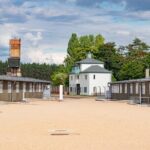
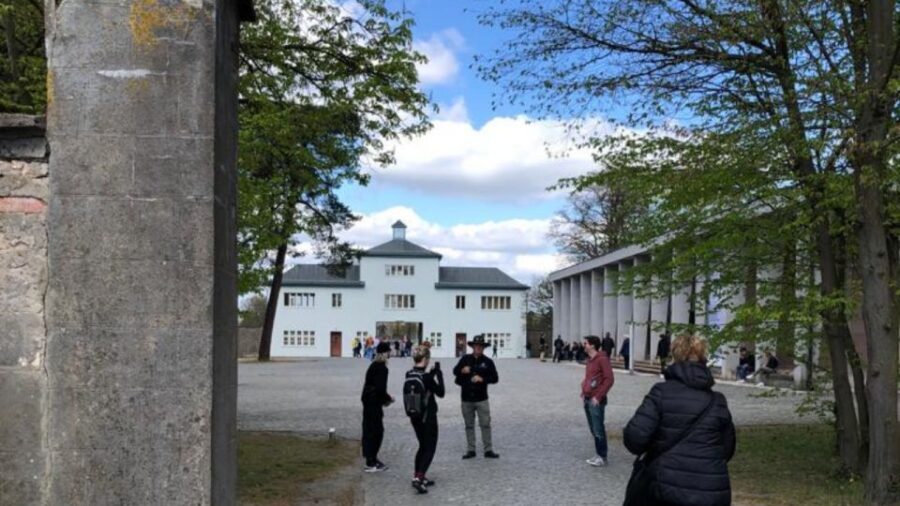
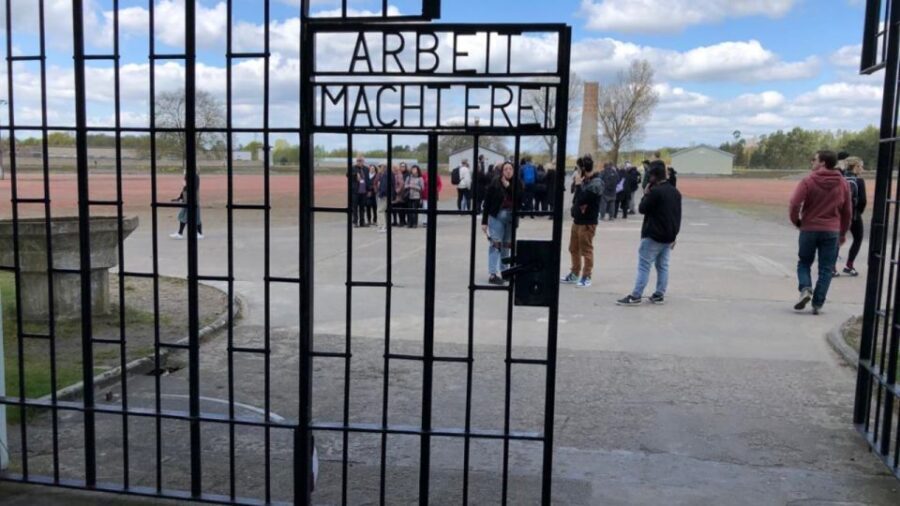
Then you reach the main entrance, including Tower A with the infamous words Arbeit macht frei. Walking through that gateway is unsettling, but the way the guide places it in context is what makes it stick. Instead of treating it as a random symbol, you understand it as part of how the regime controlled what people thought, feared, and accepted.
The daily routine on display: roll call, shoe-testing, and inmate struggle
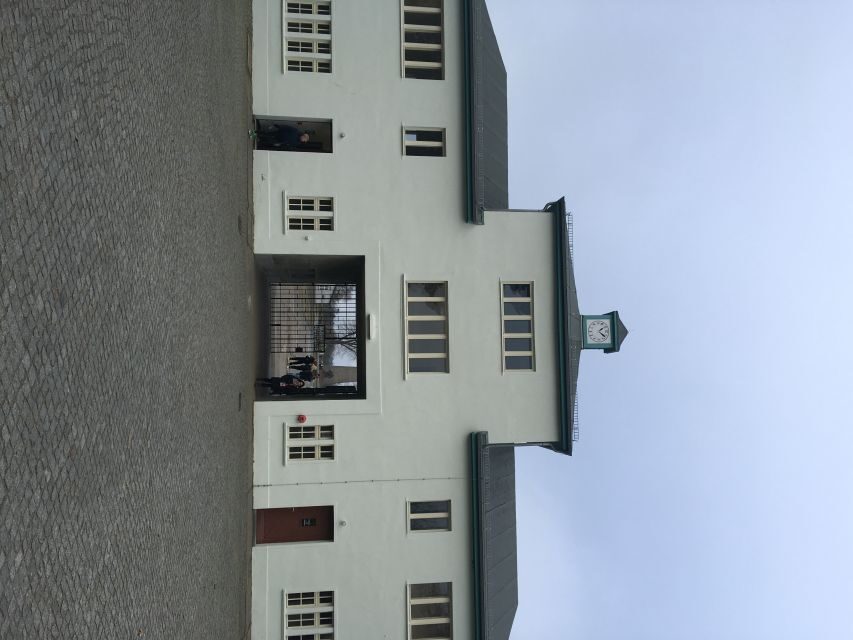
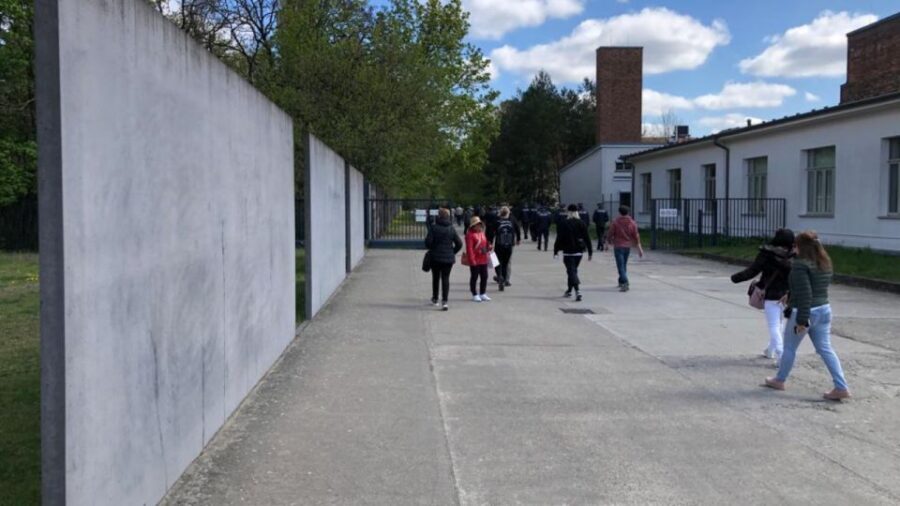
The camp walkthrough is built around daily life and routine, not only major landmarks. You’ll hear about the morning roll call, which is the kind of detail that feels small until you remember it was meant to regulate bodies, time, and obedience.
Another early highlight is the shoe testing track. This is one of those places where the physical layout tells a story: you can see how the system evaluated prisoners and pushed harm through procedures that were meant to sound ordinary. It’s a chilling reminder that cruelty did not rely only on explosions or chaos—it also lived in checks, inspections, and repetitive control.
As you move through these spaces, you’ll be asked (gently, but directly) to consider the motivations and mindsets of both guards and prisoners. That is one of the stated goals of the tour, and it’s also why the experience feels more intelligent than simply reading historical facts. You start to understand how people were positioned inside the system: some had power, some had none, and everyone lived with consequences.
If you like learning that’s structured, this part delivers. It gives you a timeline of the camp’s everyday mechanics—what prisoners faced at the start of the day, how routines shaped survival, and how the site supported the larger agenda.
Jewish sector barracks and cell block: overcrowding, secrecy, and targeted prisoners
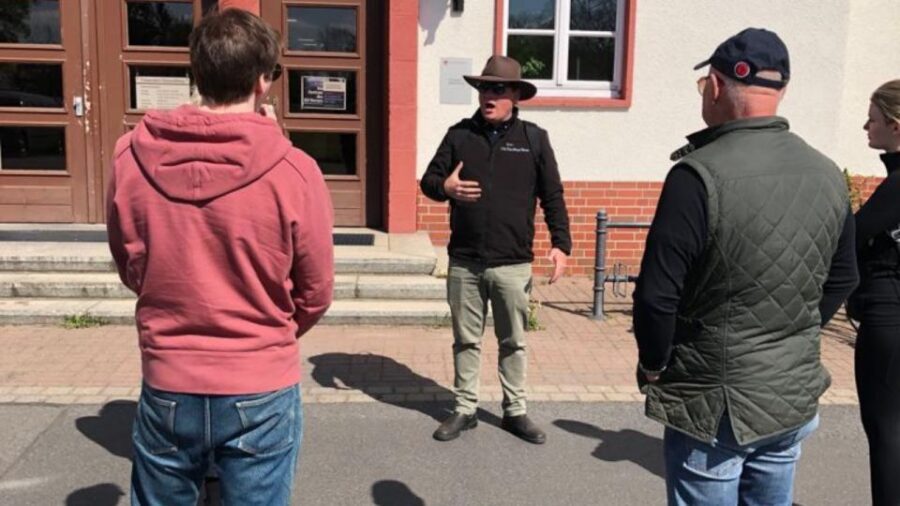
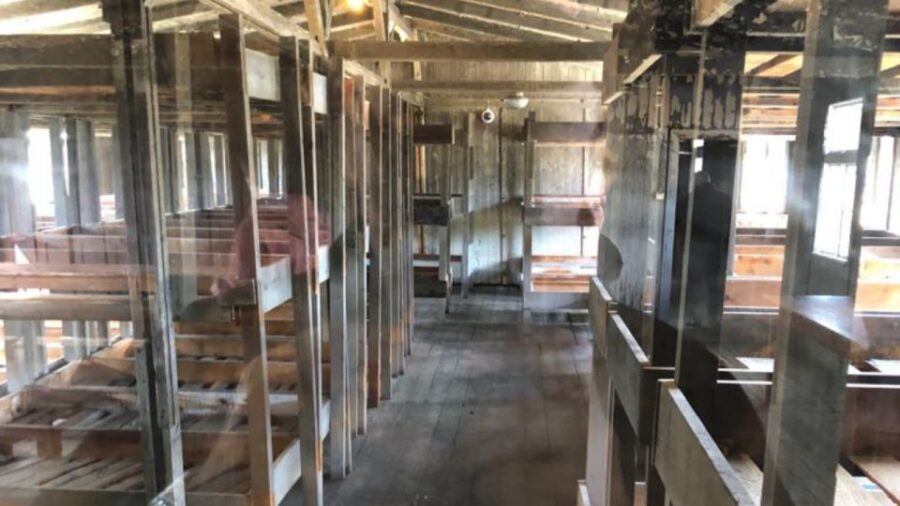
After the early routine areas, the tour turns to the Jewish sector. You’ll walk through overcrowded barracks, and the focus here is living conditions—how the physical spaces forced impossible choices for hygiene, rest, and basic human dignity.
This section can feel emotionally heavy because it is so concrete. You can stand where prisoners lived and grasp the mismatch between what the regime claimed versus what humans actually endured. The guide’s job is crucial here: not to rush, not to sensationalize, and to keep the facts anchored.
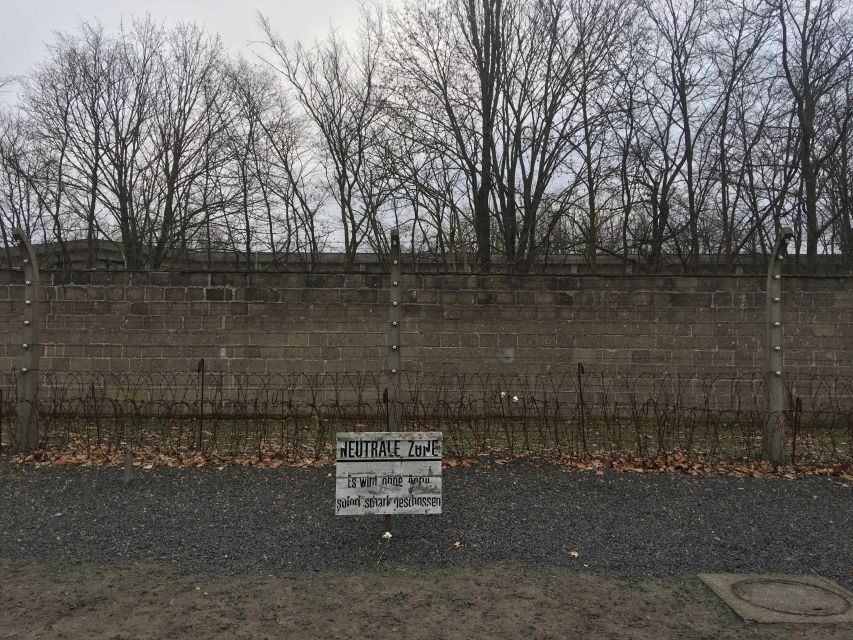
Next comes the camp cell block, described as shrouded in secrecy, connected to cruel mistreatment. This is another important part of the story because it shows how the system worked beyond routine. You’re not only seeing how people were controlled day-to-day—you’re seeing where control escalated into brutal punishment.
The tour also references British POWs and special inmates held there, including Stalin’s son. That detail matters because it highlights that the camp was not only one category of victim. It points to the regime’s broader pattern of imprisonment, detention, and exploitation.




Camp kitchen break, prisoner drawings, and the post-war Special Camp no. 7
Midway through, you get a short break at the camp kitchen. This is more than a “walk rest” stop. You can use the restrooms, and you can explore an exhibition of camp items, including prisoner drawings still visible on the walls.
I like including this stop in the route because it gives your brain a moment to reset without losing the thread of the story. It also reminds you that prisoners were thinking, creating, and documenting life even in conditions designed to crush the mind.
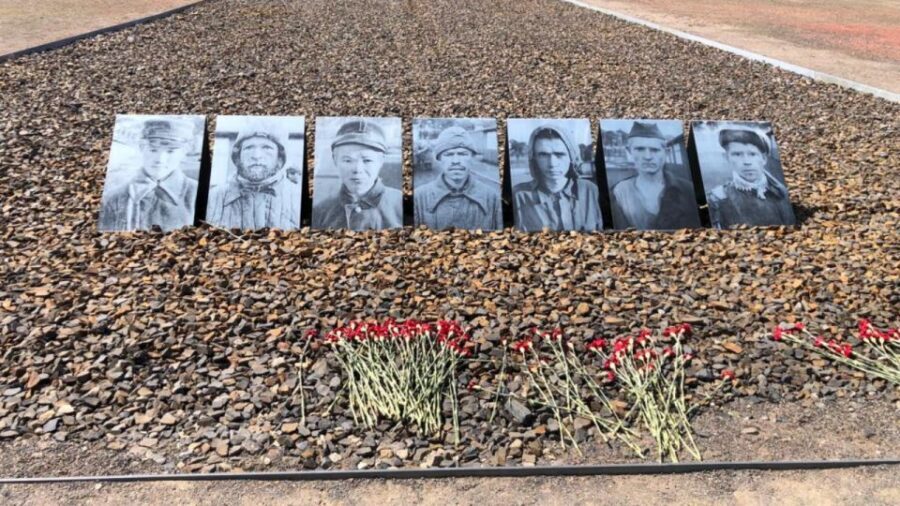
Then the tour shifts to a difficult but essential chapter: Sachsenhausen after the Nazis, when the site was kept in use by the Soviet Union as Special Camp no. 7. Here, the tour discusses holding about 60,000 prisoners, including German POWs, convicted war criminals, and political prisoners.
This part is valuable for a couple reasons. First, it explains that the camp site remained part of imprisonment systems after the Third Reich fell. Second, it connects post-war conservation efforts to modern Germany—so you leave with an understanding that history is not only something that happened. It’s something societies choose to remember, study, and protect.
Station Z and the infirmary: the system’s final steps
If earlier stops explain the machinery of daily control, Station Z is where the system’s end-game becomes unmistakable. This area covers the execution site as well as the gas chamber and crematorium.
You’ll be guided through how the Nazis carried out the Final Solution, including the systematic murder of prison inmates. The way the tour handles these locations is important. You are walking through places tied to genocide, so the tone has to be factual and respectful, not dramatic.
After Station Z, the tour ends with the camp infirmary, where prisoners were subjected to medical experiments. This is the last piece that ties together how the camp system used institutions—administration, labor routines, detention, execution, and medicine—to harm people as a planned practice.
I find that seeing the infirmary after Station Z helps you connect a disturbing chain. The cruelty is not random. It follows a logic: determine who is expendable, control them, break them, and in some cases turn suffering into data and procedure.
Price and value: is $115 for 5 hours worth it?
At $115 per person for about 5 hours, you’re paying for more than a bus ride and a guide’s voice. You’re getting pickup and drop-off from central Berlin at Alexanderplatz, a bottle of water, a live English guide, and a guided route that covers multiple zones on the grounds.
You’re also getting something harder to price: time management. Small-group tours limited to 7 participants can be more expensive than larger group options, but the trade-off is real. You can ask questions and get answers in context, instead of waiting for a break in a bigger crowd.
There’s another value point in the ticket: it includes a meaningful contribution to the camp memorial. That matters because it ties your visit to preservation and educational continuity, not just sightseeing.
My practical advice is simple: if you want a structured, respectful tour that explains not just what happened, but how the system was built and sustained, this price can feel fair. If you only want a quick overview with lots of free time to wander, you might prefer a shorter self-guided option (but you would miss the interpretive context this tour provides).
Should you book this Sachsenhausen concentration camp guided tour?
Book it if you:
- want a small-group, English guided route that connects locations to how the camp system worked
- care about hearing both Nazi and post-war use of the site, including Special Camp no. 7
- like asking questions and receiving careful answers instead of reading everything alone
Skip it if you:
- need lots of free time to linger in exhibits and would feel stressed by a paced 5-hour schedule
- are looking for a light, casual outing (this is intentionally serious and emotionally demanding)
- struggle with steady walking on uneven ground, since it’s rain or shine and you’ll cover multiple outdoor areas
FAQ
How long is the Sachsenhausen guided tour from Berlin?
The tour duration is 5 hours.
Where do I meet the guide in Berlin?
You meet at the main entrance at the taxi pickup and drop-off point at Park Inn by Radisson Berlin Alexanderplatz.
Do I get transportation from central Berlin?
Yes. Pickup and drop-off from a central location is included, with van time of about 30 minutes each way.
Is the tour in English?
Yes, the live tour guide is English.
Is the tour wheelchair accessible?
Yes, the tour is listed as wheelchair accessible.
What should I bring for the tour?
Bring comfortable shoes and snacks.
What items are not allowed on the tour?
Drones are not allowed. Alcohol and drugs are not allowed, and alcoholic drinks in the vehicle are not allowed. Bare feet are also not allowed.
What is included in the price?
Included items are pickup and drop-off from the central location, a bottle of water, and a guide.