REVIEW · BERLIN
Berlin: 3-hour bike tour – A journey through time in the capital
Book on GetYourGuide →Operated by CityRiders · Bookable on GetYourGuide
Berlin by bike keeps you moving. This 3-hour ride is a smart way to see big moments of Berlin’s past with insider-guided context while still rolling at an easy pace. I also like how the route is built for quick connections between far-flung sights, so you’re not stuck doing long transfers. One consideration: some stops are emotionally heavy, and the time at each highlight is limited, so you’ll get an overview rather than a slow, in-depth visit.
I think this tour works well because it’s paced for real sightseeing, not just distance covered. You’ll have time to stop for photos, pause when the story gets intense, and then get moving again—especially useful when Berlin’s winter cold or summer heat turns “walking time” into a full-day chore.
At $44 per person, the value comes from what’s included: your guide, a rental bike (with an optional helmet), and the photo-spot planning. Add optional rain ponchos and gloves if the weather turns, and you’ve got a format that helps you stay flexible without sacrificing meaningful history.
In This Review
- Key things that make this tour worth your time
- A 3-hour loop that stitches Berlin’s past to its present
- Riding with guides who bring the stories to life
- From Topography of Terror to the former Führer bunker site
- The Holocaust Memorial: time to reflect, not just pass through
- Tiergarten break and the Victory Column’s golden view
- Bellevue Palace, the Spree riverbanks, and the ride into the government district
- Reichstag to Brandenburg Gate: democracy’s changing symbols
- Museum Island without museum tickets: architecture lessons along the river
- Gendarmenmarkt: a graceful finish in a classic square
- Price and value: what $44 buys you in Berlin
- What to wear and bring for a smooth ride
- Who this bike tour is best for
- My booking verdict: should you ride it?
- FAQ
- How long is the bike tour?
- How much does it cost?
- What’s included in the tour?
- Is food or drinks included?
- Where does the tour meet?
- What languages are available?
- What should I wear for the ride?
- Do I need to bring my own bike?
- Is cancellation free?
- Should I bring cash?
Key things that make this tour worth your time
- Local storytelling that keeps WWII and Cold War history understandable and human-scale
- Bike-first logistics so you cover major landmarks in just three hours
- Photo stops with guidance, including the Brandenburg Gate and the Victory Column area
- A built-in break in Tiergarten so your legs and attention both reset
- Past-and-present contrasts around Berlin’s government district and Reichstag area
- Comfort extras like optional helmet plus rain ponchos and gloves in bad weather
A 3-hour loop that stitches Berlin’s past to its present
This is the kind of tour you choose when you want orientation fast, but you still want substance. The format is simple: you bike between landmarks at a leisurely pace, and your guide provides the story beats so you’re not just reading plaques. In three hours you get a wide timeline—Nazi-era sites, Holocaust remembrance, then the Cold War era imagery and Berlin’s political center in modern times.
What I like about this structure is that it doesn’t treat Berlin as one museum room. You ride from heavy historical ground to greener space, then back into the dramatic architecture near government buildings. That shift matters. It helps you feel how the city grew around what happened here, instead of pretending history lives in only one place.
Also, the tour is designed for movement without chaos. Bikes are the “middle speed” between walking and rushing via transit. You’re close enough to everything that you can still notice details, but you’re not burning time just to get to the next stop.
You can also read our reviews of more cycling tours in Berlin
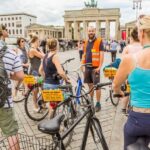

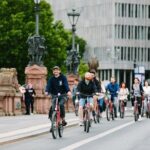
Riding with guides who bring the stories to life
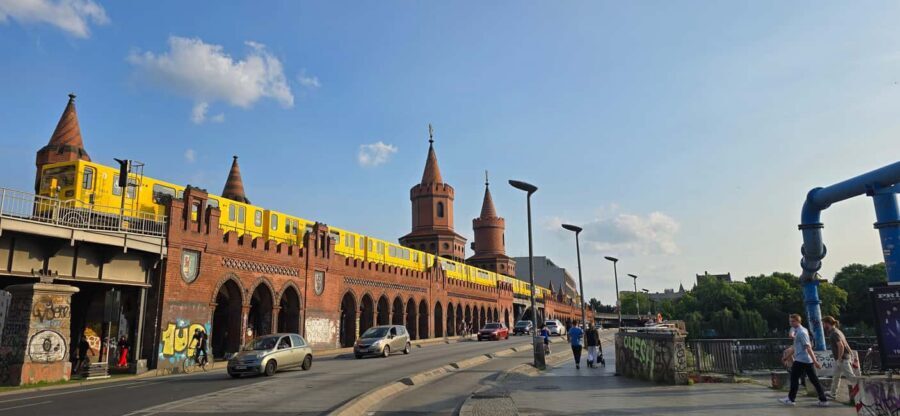
The big advantage here is the live guide—personal, local, and comfortable leading groups through serious topics. You can book the tour in English, German, Spanish, or Portuguese, so you’re not stuck relying on a shaky translation app when the context matters most.
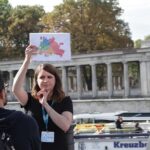
The guide experience shows up in how the tour feels: informative without being dry, and paced enough that you can ask questions. In past trips, guides such as Gio and Fais have been singled out for being helpful, friendly, and effective at showing the right places. Another guide name you might encounter is Dio—who, based on guest feedback, also managed to keep the tour relaxed and easy to follow.
One practical tip: if you like taking photos, a good guide makes a difference. This one is built for that. You’ll get pointed to the best angles, and the group won’t feel like a moving parade where you’re only allowed to snap a picture while riding.
From Topography of Terror to the former Führer bunker site
The tour starts by moving you into the Cold War and WWII storyline right away. After you get rolling, you reach Topography of Terror, an impressive site that frames the darker systems of National Socialism. This is one of those places where Berlin’s “look at me” beauty drops away, and the reality is blunt. Your guide helps connect what you’re seeing to the broader historical meaning, so you understand why the site matters beyond the surface level.
A short ride later, you stand at a place that’s almost invisible today but was once part of the Nazi regime’s control infrastructure: the former Führer’s bunker. The contrast is the point. Berlin doesn’t always announce its scars with big monuments. Sometimes you’re looking at an area that feels ordinary, and that’s exactly what makes the historical context important.
Potential drawback here: if you’re sensitive to heavy themes, you’ll feel it quickly. There’s no soft landing, because the tour is designed as an overview of the most significant memorial and historical sites in a short time window. That can be a pro if you want a focused introduction, and a con if you’re hoping for something light and leisurely from start to finish.
The Holocaust Memorial: time to reflect, not just pass through
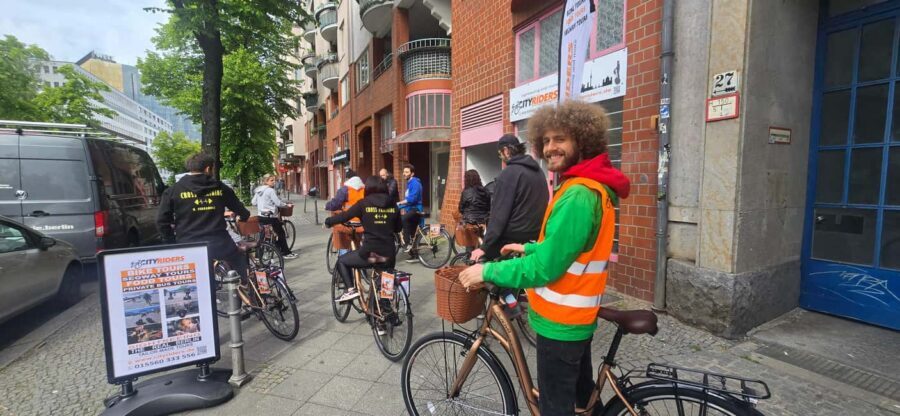
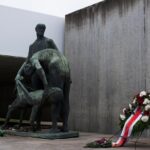
After the Nazi-era stops, you reach the Holocaust Memorial, one of Berlin’s most moving places. This is a site where the experience benefits from a guide’s clear framing. Rather than leaving you with disconnected facts, the guide gives you the history and significance so your visit lands with more understanding.
In a bike tour format, it’s easy to rush memorials. This one helps avoid that by building in enough time for you to take it in and regroup mentally before you move on. You’ll still cover ground, but the tour treats this as a moment, not a stop you just roll through.
My advice: if you want to get the most out of this part, slow down your own pace. Keep your phone calls and quick backscrolling to a minimum. Let the guide’s explanation settle, then take a minute to just observe the setting without trying to multitask.
Tiergarten break and the Victory Column’s golden view
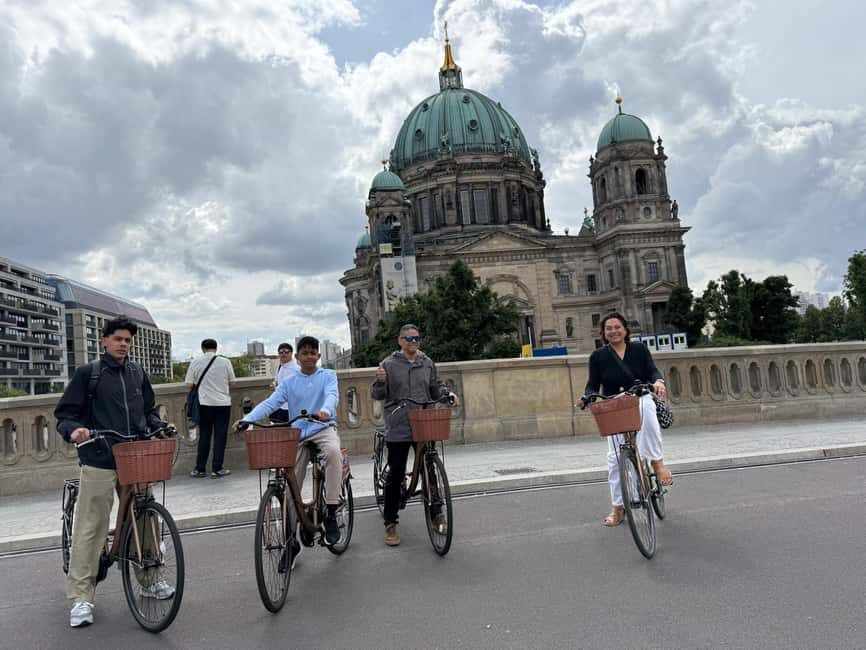
When you finish the memorial and transition into the next chapter, the route takes you into Tiergarten—Berlin’s green heart. This stop matters because it changes the emotional temperature of the tour. You’ve been in a history-heavy zone, and now you’re in one of the city’s biggest parks, where the atmosphere is more open and restorative.
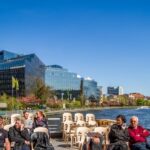
Then you get the break: about 30 minutes to refresh with a drink or snack. For a three-hour tour, this is the right length. Long enough to reset, short enough that you don’t lose the flow of the day. It also gives your legs a chance to recover from the earlier stops and stops you from feeling like you only ever sit on a bike seat.
After the break, you cycle toward the Victory Column. It’s one of Berlin’s most famous landmarks, and the tour is timed so you can see it as a highlight rather than a quick glance from the street. The column and its golden Else draw people in for photos, and this tour includes the guidance for where to stand and how to frame the shot so it looks like what you see in your mind.
A few more Berlin tours and experiences worth a look


Bellevue Palace, the Spree riverbanks, and the ride into the government district

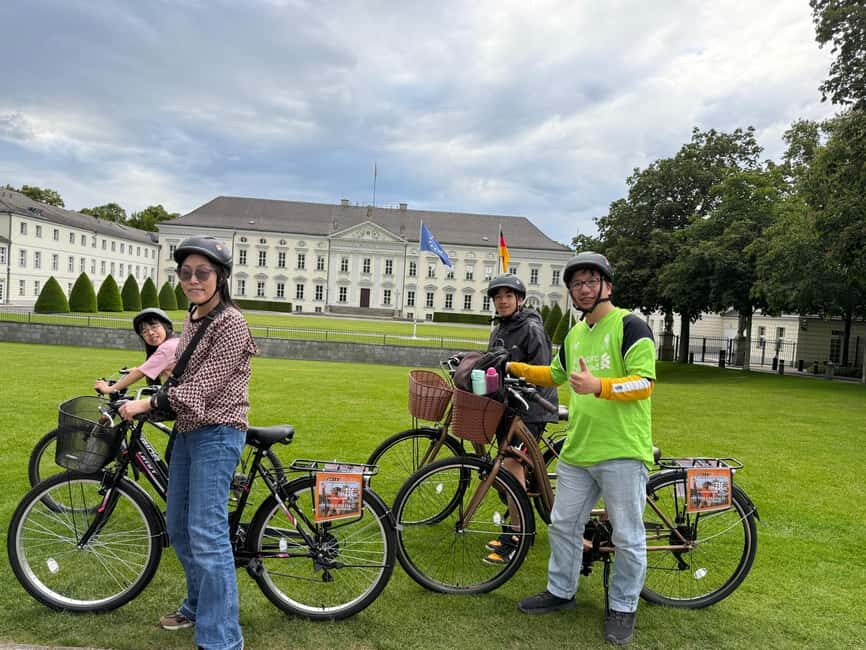
From the park area, you move into the political and ceremonial side of Berlin. You’ll pass Bellevue Palace, the official residence of the Federal President, set directly along the Spree. Even if you’ve never studied German institutions, your guide helps translate why seeing these buildings from the right angles helps you understand how the city represents its leadership.
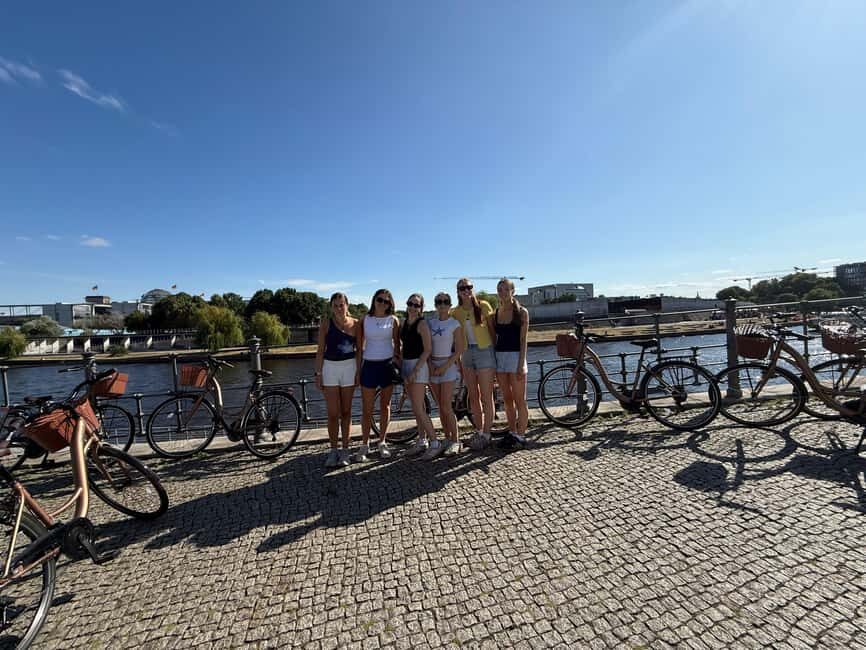
Then the ride follows the Spree riverbank toward the government district. This matters because the river acts like a visual thread. It keeps navigation easy and makes the city feel connected rather than chopped into separate points on a map. You also get the pleasure of moving through Berlin while still being close to sightlines you’d otherwise have to hunt for on foot.
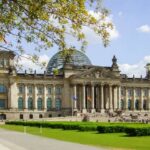
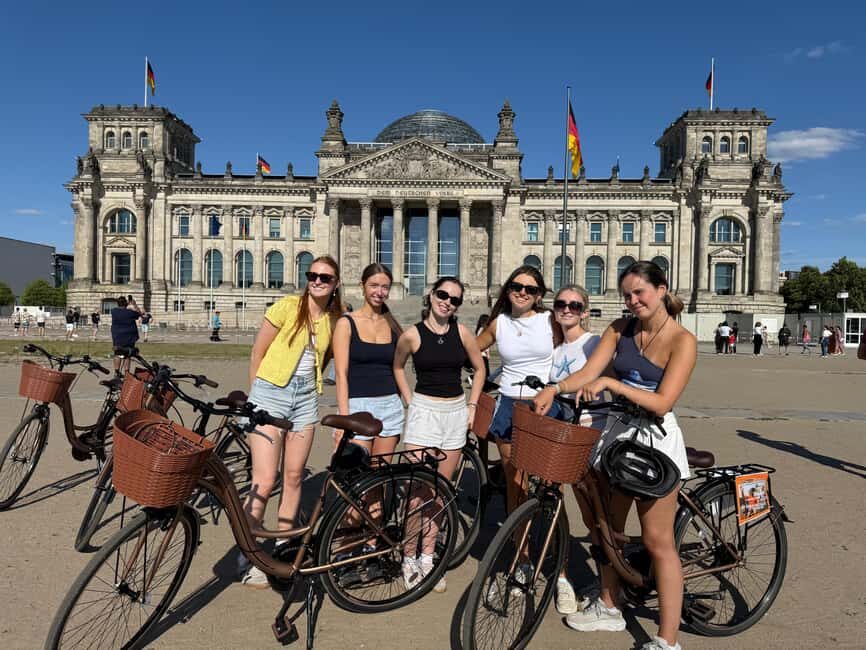
The route includes both modern and historic government architecture. You cycle past the modern Chancellery with its striking design, then continue toward the historic Reichstag building. That past-and-present contrast is one of the tour’s smartest ideas: you’re literally transitioning from one era’s visual language to another’s while a guide explains the storyline behind the buildings.
Reichstag to Brandenburg Gate: democracy’s changing symbols
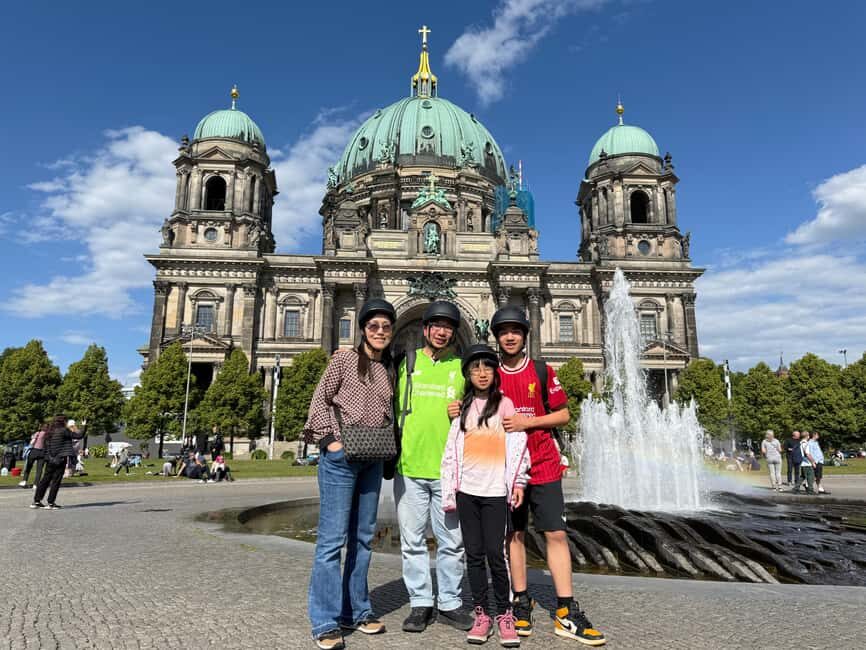
The Reichstag area is where many visitors feel the city’s political weight. With your guide, you’ll get a journey through German democratic history, from the German Empire to the modern Federal Republic. This isn’t a “memorize dates” exercise. It’s a route-based explanation, using the buildings and surroundings to make the shifts in governance feel concrete.
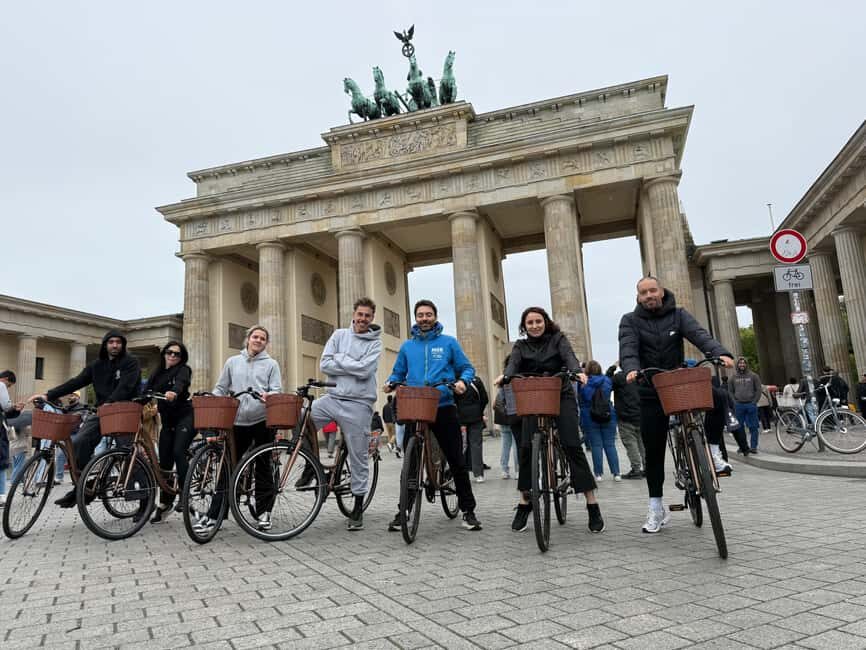
Then comes the Brandenburg Gate, a symbol of German unity and one of Berlin’s most famous photo spots. This tour encourages you to take your time here. You’re not just told it’s important—you’re guided to soak up the atmosphere, which is hard to do when you’re rushing between tickets and crowd control.
Quick practical note: even if you’ve seen photos of the Brandenburg Gate a thousand times, standing there still works. Berlin’s scale and the way the street opens up around it make the gate feel more than a postcard image. The guide’s context helps you understand why this specific structure became a meeting point for meaning.
Museum Island without museum tickets: architecture lessons along the river
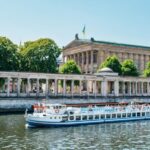
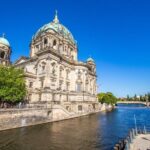
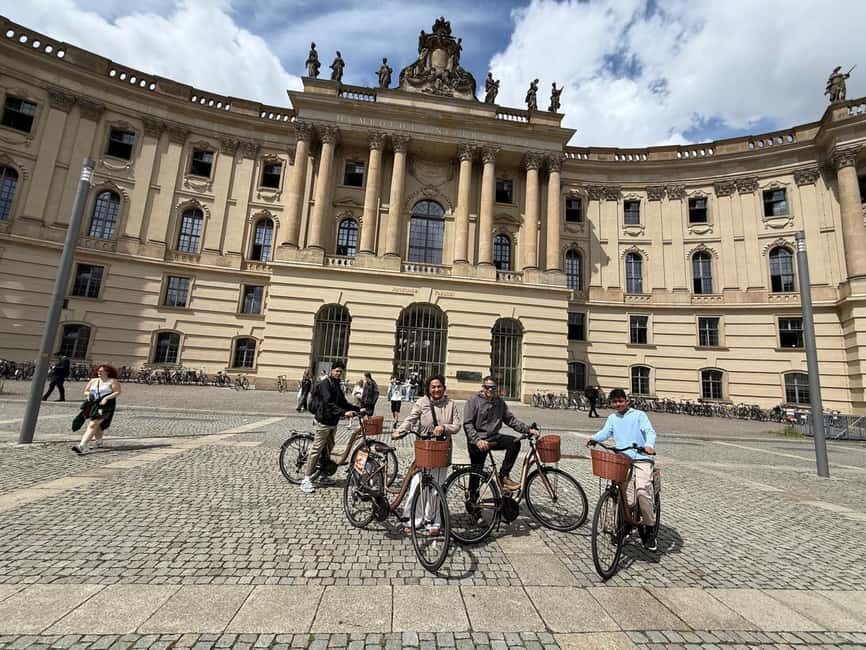
From the Brandenburg Gate, the ride continues to Museum Island, a UNESCO World Heritage Site in the middle of the Spree. The tour’s approach is thoughtful here: you won’t be going inside the museums, but you’ll learn why this ensemble is significant and you’ll get architectural insights.
This is a great way to handle time. Berlin has many museums, and most visitors can’t see everything in a short trip. Museum Island gives you the “big picture” of why five major museums cluster here, and it helps you decide later which museum you’d want to return to on your own.
If you’re thinking about your next steps in Berlin, this stop is useful. It nudges you from general sightseeing into informed choices. You’ll leave knowing what makes the collection area special and what kind of museum experiences might fit your interests.
Gendarmenmarkt: a graceful finish in a classic square
The ride ends at Gendarmenmarkt, considered one of the most beautiful squares in Europe. Here you get a different kind of visual payoff: German and French Cathedrals and the Concert Hall shape the skyline, and the square feels made for lingering.
This ending works because it’s not heavy. After serious historical stops, you need a calm, elegant conclusion. Gendarmenmarkt delivers that, and it also gives you a place to stand with your bike and plan the next move—whether that’s grabbing a meal nearby, walking to a nearby attraction, or simply taking a slower stroll than you’ve done all day.
Price and value: what $44 buys you in Berlin
At $44 per person for a three-hour guided bike tour, the price isn’t just for “someone to lead the way.” You’re getting:
- a personal local guide with live storytelling
- a rental bike, plus optional helmet
- help with the best photo spots
- optional rain ponchos and gloves when conditions are rough
- a route that strings together major landmarks efficiently
When you compare this to piecing together bike rental, navigation, and separate admissions for guided context, the value starts to make sense. Even if you’re a confident planner, Berlin’s history is easier to understand with the right framing. You’re paying for interpretation and timing, not only transportation.
Also consider this: if you only have a day or two in Berlin, a tour like this can save you from “wandering without a plan.” It gives you a clear mental map of the city’s key sites and themes—especially around WWII memory and Cold War-era symbolism.
What to wear and bring for a smooth ride
Because you’re cycling for the full tour length, comfort matters. Bring comfortable weather-appropriate clothing and sturdy shoes for cycling. The tour also provides optional rain ponchos and gloves if it’s cold or wet, which is a huge help if Berlin weather surprises you.
Plan to be at the meeting point 10 minutes before the start. The tour meets at CityRiders, a location close to public transportation that’s described as easy to find. If you’re coming from another part of the city, give yourself a little buffer so you’re not late and flustered when the group starts moving.
If you like to be prepared, bring cash in euros as it’s advisable. The tour itself doesn’t include food and drinks, so cash is also useful for a snack during the break.
Who this bike tour is best for
This experience is a strong fit if you:
- want a focused introduction to Berlin’s most important WWII and Cold War-related sites
- prefer biking to walking for covering lots of ground in a short time
- like guided context, especially for memorial sites and political history
- appreciate a relaxed pace with time for photos
It may not be ideal if you:
- want a slow museum-style visit with lots of time inside buildings
- are hoping for a light, purely scenic sightseeing ride from the start
- dislike cycling for extended stretches, even at a leisurely pace
If you’re traveling with friends and want a shared experience with clear pacing, this format tends to work well. It’s structured enough to feel coherent, but flexible enough that you can still set your own attention level stop by stop.
My booking verdict: should you ride it?
I’d book this tour if you want the fastest meaningful way to understand Berlin’s hard history and its political center—without spending a whole day on logistics. The best reasons are practical: you get a bike, a real guide with strong storytelling, targeted photo stops, and a route that helps you connect the dots between memorial sites, government architecture, and classic city squares.
If you know you’re emotionally sensitive to WWII and Holocaust-related sites, consider whether you want a guided overview like this or a slower, more spaced-out plan. But if you’re ready for context and clarity, this is a smart use of three hours in Berlin—efficient, guided, and memorable in the right way.
FAQ
How long is the bike tour?
The tour lasts 3 hours.
How much does it cost?
The price is $44 per person.
What’s included in the tour?
Included are a personal local guide, rental bike (and optional bike helmet), the guided city tour, and the best stops for photo spots. Optional rain ponchos and gloves are also included in cold or wet weather.
Is food or drinks included?
No. Food and drinks are not included. There is a break in Tiergarten where you can refresh with a drink or snack.
Where does the tour meet?
You meet at CityRiders. The meeting point is close to public transportation and is described as easy to find.
What languages are available?
The live tour guide is available in English, German, Spanish, and Portuguese.
What should I wear for the ride?
Wear comfortable, weather-appropriate clothing and sturdy shoes for cycling.
Do I need to bring my own bike?
No. A rental bike is included, and you can choose to rent an optional helmet.
Is cancellation free?
Yes, free cancellation is available up to 24 hours in advance for a full refund.
Should I bring cash?
It’s advisable to have cash in euros with you.