REVIEW · BAMBERG
Bamberg: Guided Tour of the Gardeners’ District
Book on GetYourGuide →Operated by BAMBERG Tourismus · Bookable on GetYourGuide
Bamberg’s onions still leave a trail.
This 90-minute guided tour walks you through Bamberg’s UNESCO-listed market gardeners’ district, where historic houses blur daily life and work, and you’ll hear how the region earned the nickname onion treaders through exports like onions, seeds, and sweet licorice. I especially like how the guide ties those old trades to what you can see and smell today in a living gardening neighborhood.
I also like the stop at Niedermaier’s organic garden, because it turns the story into something real instead of just “look at buildings.” The museum visit is useful too, but with limited time you shouldn’t expect a long, multi-garden day—some people may feel there’s more walking than plant viewing.
In This Review
- Key Things You’ll Notice on This Bamberg Garden Tour
- Bamberg’s Gardeners’ District: Why This Tour Feels Different
- Maximiliansbrunnen Start: Getting Oriented Fast
- The Historic Quarter Walk: Houses Where Work and Home Mix
- Niedermaier’s Organic Gardening: The Most Lively Stop
- The Market Gardeners and Wine Growers Museum Stop
- Price and Value: What You’re Buying for $17
- Group Pacing and How to Make the Most of 90 Minutes
- German-Language Tours: Who Should Book This?
- Should You Book This Gardeners’ District Tour?
- FAQ
- Where does the tour start?
- How long is the Bamberg Gardeners’ District guided tour?
- What’s included in the tour price?
- What language is the live guide?
- Is there a cancellation option?
- How do I get the ticket after booking?
Key Things You’ll Notice on This Bamberg Garden Tour
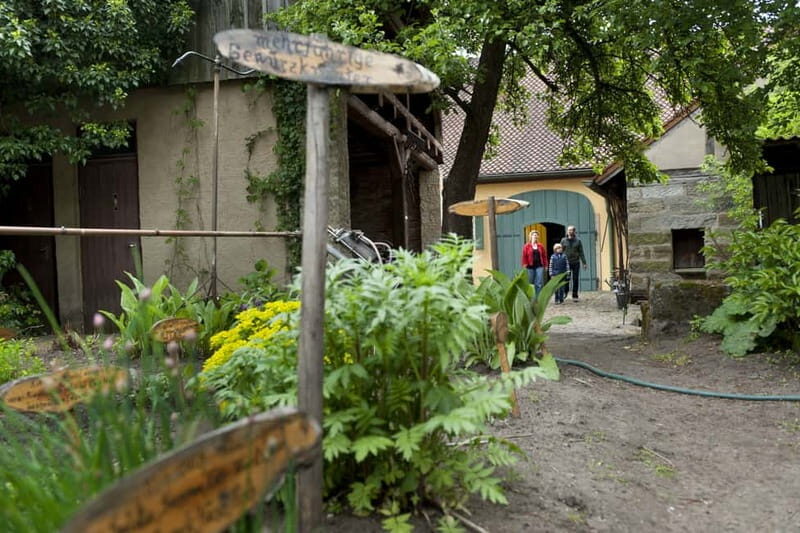
- UNESCO market gardeners’ district: see working-and-living houses from different centuries in one compact area
- The onion treaders story: learn how Bamberg’s gardeners exported onions, seeds, and sweet licorice far beyond the region
- Niedermaier’s organic gardening: a current gardening family puts the old methods into perspective
- A focused museum stop: learn about the past market gardeners and wine growers way of life without spending all day indoors
- German live guide: plan to understand German basics or expect the pace to be more visual than chatty
Bamberg’s Gardeners’ District: Why This Tour Feels Different
Bamberg can look like a classic postcard city—until you move a few blocks and realize the city also runs on plants, soil, and logistics. This tour is built around a specific part of town: the market gardeners’ district, listed by UNESCO. That status matters because it signals that you’re not just sightseeing. You’re viewing a historic system of how people lived, grew, and shipped goods.
One of the most interesting details is the way the gardeners’ houses were designed. Living and working quarters sit close together, so gardening wasn’t a separate chore after you clocked out. It was part of your daily routine. On this tour, the guide helps you read that layout, so the neighborhood becomes a map of how people farmed and sold what they grew.
The tour also leans into the social identity of the gardeners. Bamberg’s market gardeners had the nickname onion treaders, which comes straight from the goods they were known for—especially onions—and the work connected to them. Even if you’re not a garden person, that angle makes the walk feel grounded and specific.
You can also read our reviews of more guided tours in Bamberg



Maximiliansbrunnen Start: Getting Oriented Fast
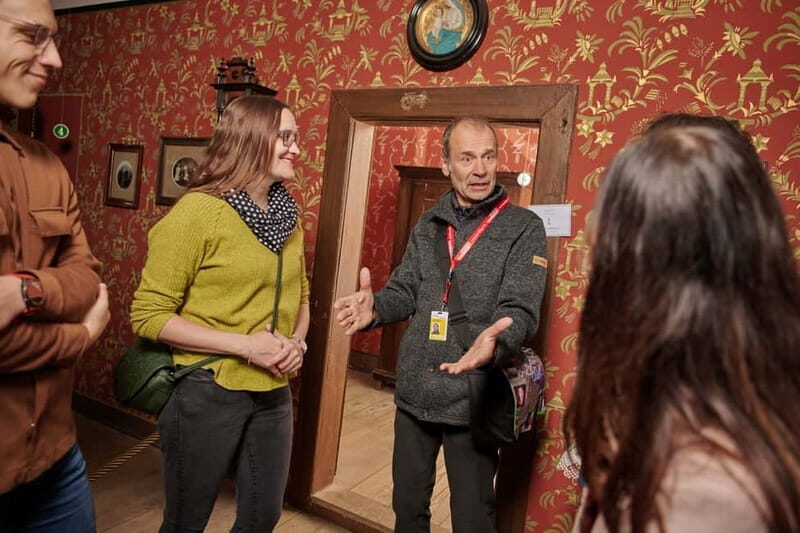
The tour meets at Maximiliansbrunnen at Maximiliansplatz in Bamberg. I like starting at a clear, central point because it reduces that early “where do we stand?” scramble. Once you’re with the group, the walk route is paced for a 1.5-hour experience, not an all-day hike.
Since the tour is only 1.5 hours, you’ll want to arrive a few minutes early and be ready to move. This isn’t the kind of tour where you wander freely between stops. The guide keeps the rhythm, and the timing is tight enough that you’ll feel the structure.
Also, the live guide language is German. The tour is not labeled as multilingual, so it’s best if you feel comfortable following basic German explanations, or if you enjoy learning through observation—houses, tools, garden layout, and how the museum scenes are presented.
The Historic Quarter Walk: Houses Where Work and Home Mix
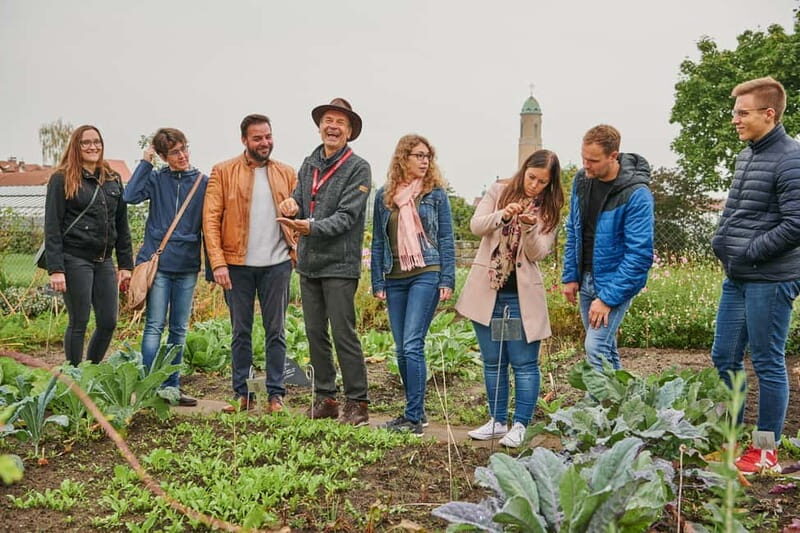
This is the backbone of the tour: a guided walk through the market gardeners’ district. Here’s what makes it more than a pleasant neighborhood stroll. The guide focuses on the character of the area—its traditions and customs—and connects that to the physical setting.
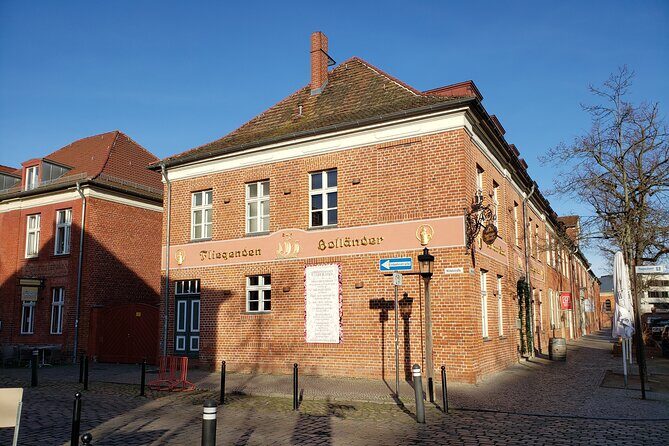
In practical terms, you’ll spend time looking at the typical gardeners’ houses from various centuries. Since those homes include living and working areas close together, the architecture tells you how the gardeners managed their time and labor. It’s one of those places where you can see how the job shaped the buildings, and how the buildings supported the job.
If you enjoy places where everyday life is built into the streetscape, you’ll likely find this segment satisfying. It’s also a good way to understand the district without needing extra reading. Your guide’s explanations give you handles to interpret what you’re seeing.
Niedermaier’s Organic Gardening: The Most Lively Stop

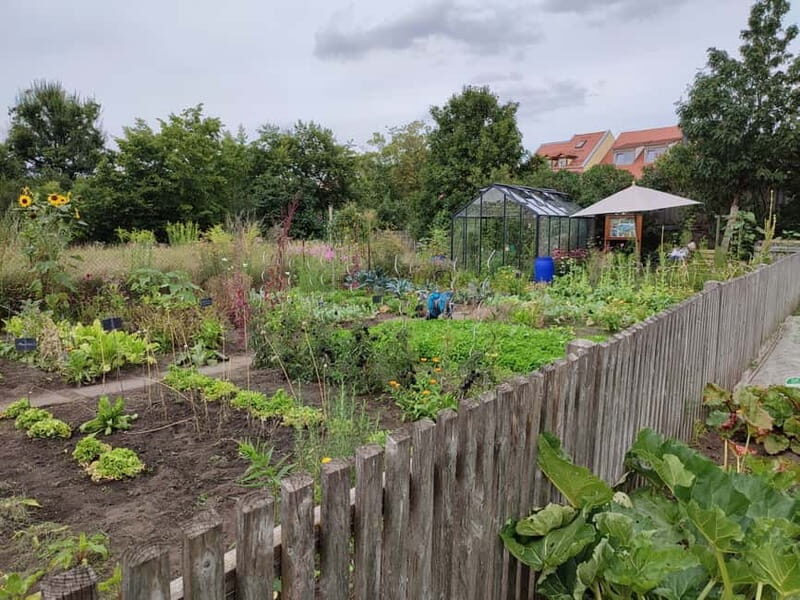
The standout moment for many people is the visit to Niedermaier’s organic gardening. This is where the tour shifts from historic description to present-day practice—one of the current gardening families in Bamberg showing how organic gardening operates within the same broader tradition of market gardening.
Even if you don’t know horticulture terms, you’ll understand the point quickly: these are living working spaces, not a staged demonstration. A garden tour like this tends to focus on how people grow, manage, and maintain plants responsibly, and in this case it also ties back to the district’s older reputation for growing and exporting.
I like that this stop gives you contrast. You learn about centuries-old gardeners’ life and then you see how an organic approach fits into that continuity. It makes the story feel less like a museum label and more like a community that still gardens on purpose.
One heads-up: because the overall duration is 1.5 hours, you should expect a single main gardening visit rather than multiple separate garden stops. If you’re hoping to tour several gardens the way you might on a longer botanical day, this one is likely to feel more compact.
The Market Gardeners and Wine Growers Museum Stop
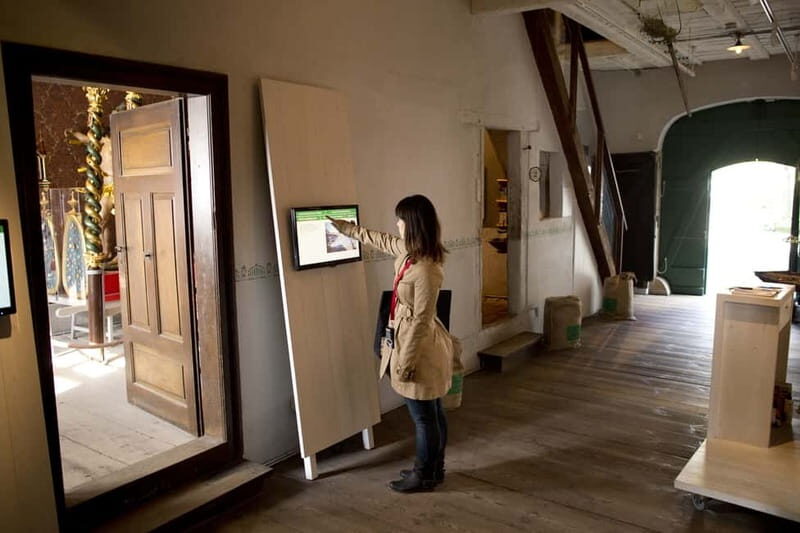
After the outdoor time, the tour includes a stop at the Museum of market gardeners and wine growers. The museum adds context that a walking tour alone can’t cover, especially when you want to understand the living and working environment of former market gardeners and wine growers.
This museum stop is included as part of the overall pacing, so it likely functions as an important “top-up,” not a full museum afternoon. The upside is that you avoid museum fatigue. You get targeted information, and you stay within the time window of the tour.
The trade-off is similar: if you were expecting a long, deeply detailed museum experience, you might feel the museum is only a supporting act. One practical way to handle that expectation is to go in with curiosity, not assumptions—think of it as a quick historical bridge between the neighborhood’s buildings and the real garden you just visited.

Price and Value: What You’re Buying for $17

At $17 per person for about 1.5 hours, the value comes down to how you like to travel. If you enjoy guided context—someone explaining why this district is UNESCO-worthy and how market gardening shaped daily life—then this price feels reasonable for a focused, structured tour.
You’re not just paying for a route. You’re paying for three core components: a guided walk of the gardeners’ district, a visit to Niedermaier’s organic garden, and a museum stop that frames the past. That combination is tighter than many standalone walking tours, and the organic garden visit is a real draw for people who like hands-on authenticity.
If you’re the type who prefers independent wandering and then only occasional guided help, you might question the value. With limited time, the tour won’t give you a slow, photo-heavy drift through every alley. It’s organized and purposeful, which is usually good—just know that you’re buying structure.
Group Pacing and How to Make the Most of 90 Minutes
A short tour can be a blessing. It’s easier to fit into a day in Bamberg. It also limits the number of “dead moments” if the guide keeps movement going.
Still, short tours can have one unavoidable issue: waiting. Outdoor stops can require regrouping. Museum transitions can take a few minutes. One review experience included a complaint about spending time standing around, which tells me the pacing may include brief pauses for orientation and group management.
You can make this work for yourself by doing two simple things:
- Wear comfortable shoes and be okay with short stops on uneven terrain.
- Focus on details during pauses: gardeners’ house layouts, small street views, and signs of how work used to flow.
If you’re traveling with strong interests in gardening history specifically, the guide’s explanations can keep those pauses from feeling long.
German-Language Tours: Who Should Book This?

Because the tour guide language is German, it’s not the best match if you want fully explained English throughout. If your German is limited, you’ll still be able to enjoy the visual parts—the houses, the organic garden atmosphere, and the museum displays—but you may feel less connected to the finer cultural details.
This tour is a great fit if you:
- Want an authentic neighborhood experience tied to UNESCO
- Enjoy learning how trades shape architecture and daily routines
- Like organic gardening and want to see it through a local family’s lens
- Prefer a compact 90-minute tour over a longer museum-heavy day
It’s also a decent option for couples and solo travelers who like small-group structure and don’t mind that the story comes through a German guide.
Should You Book This Gardeners’ District Tour?
I think you should book it if you want a guided tour that connects history to something living. The UNESCO gardeners’ district plus the visit to Niedermaier’s organic garden is a strong pairing. It turns Bamberg’s onion-treading legend into something you can actually see, not just read.
You might skip it if you want multiple garden locations or a long, deep museum immersion. With a 1.5-hour runtime, the tour stays focused, and that focus means fewer stops and less time per stop than some people expect.
FAQ
Where does the tour start?
The tour starts at Maximiliansbrunnen at Maximiliansplatz in Bamberg.
How long is the Bamberg Gardeners’ District guided tour?
The duration is 1.5 hours.
What’s included in the tour price?
You get a guided tour of the market gardeners’ district, a visit to Niedermaier’s organic gardening, and a visit to the Museum of market gardeners and wine growers.
What language is the live guide?
The tour is guided live in German.
Is there a cancellation option?
Yes. You can cancel up to 24 hours in advance for a full refund.
How do I get the ticket after booking?
After booking, you receive confirmation without a ticket. You can only get the ticket through the Getyourguide app, so download the app in advance.