REVIEW · MUNICH
Art Nouveau Meets Street Art in Munich (Max. 12 guests)
Book on GetYourGuide →Operated by Philipp's Munich Tours · Bookable on GetYourGuide
Munich has two art languages, and this tour teaches both. You’ll walk through Schwabing with Philipp, an architect and certified city guide, spotting Art Nouveau details that most people pass by. I love how the tour is built around real building façades, not vague lectures. I also love the hands-on twist: you create your own four spray-painted postcards at the end.
The big idea is simple—look closely, then make something. Along the way, you’ll hear stories tied to artists like Wassily Kandinsky and Paul Klee, and you’ll focus on floral motifs and bold design ideas that shaped Jugendstil. One consideration: this experience isn’t suitable for wheelchair users, and it involves walking and using the subway.
In This Review
- Key things I’d plan around
- Schwabing with Philipp: where Munich’s Art Nouveau really starts
- The Jugendstil façade framing moment (and why it works)
- Subway to a contemporary art district on a former castle-yard site
- The spray-paint workshop: make four stencil postcards
- What you get for $42: guidance, supplies, and a real souvenir
- Who should book, and who might want to skip
- Should you book this Art Nouveau meets street art tour?
- FAQ
- How long is the tour?
- How many people are in the group?
- Where does the tour meet, and where does it end?
- Which languages are offered?
- Is food included?
- Does the price include transportation?
- What art materials are provided for the workshop?
- Is the tour suitable for wheelchair users?
Key things I’d plan around
- Small group (max 12) means you get time to ask questions and actually see details.
- Architect-led walking through Schwabing makes the Art Nouveau style feel practical, not just decorative.
- Façade framing for four designs turns sightseeing into a repeatable way to look.
- Heated shipping-container workshop keeps the spray-paint activity comfortable.
- You leave with four postcard artworks plus a postcard gift from the tour highlights.
Schwabing with Philipp: where Munich’s Art Nouveau really starts
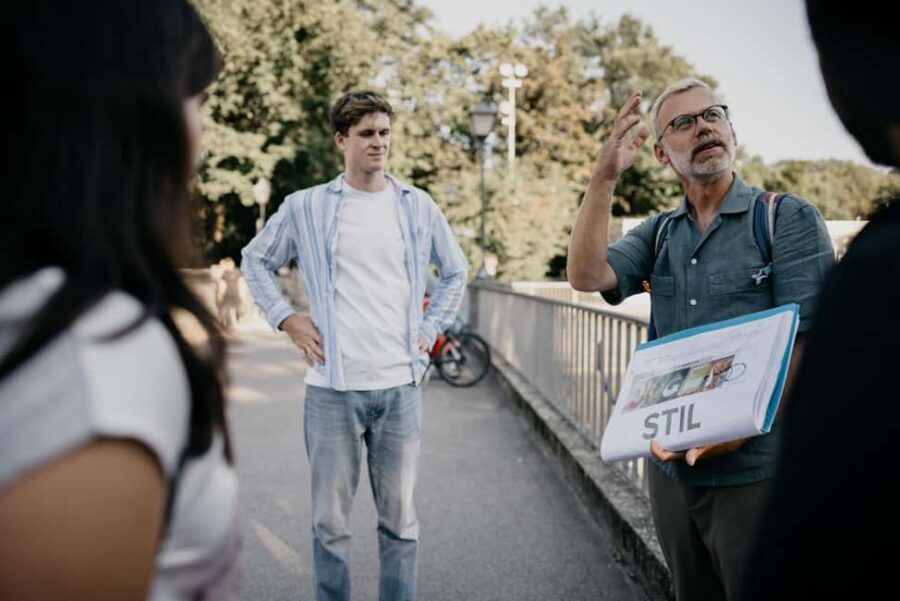
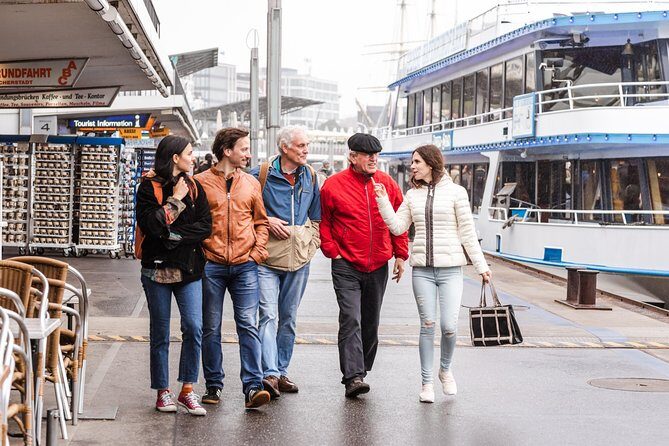
Your tour starts at Georgenstraße 7, in front of the building entrance. If you’re coming by subway, the easiest route is U3 or U6 to Giselastraße, then about a 10-minute walk. When we met as a group, the vibe was calm and friendly—small enough that you notice when the guide slows down to point out something specific.
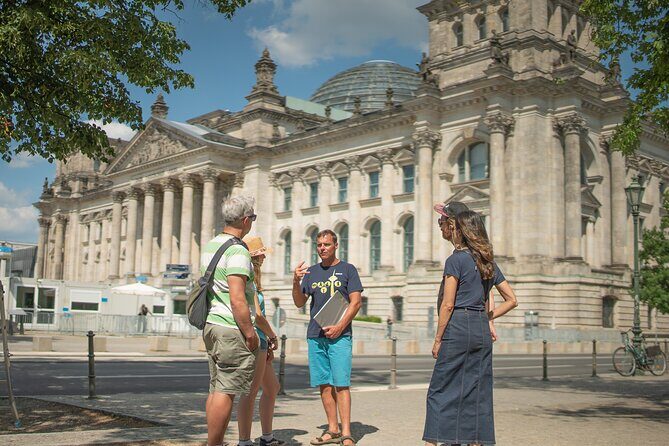
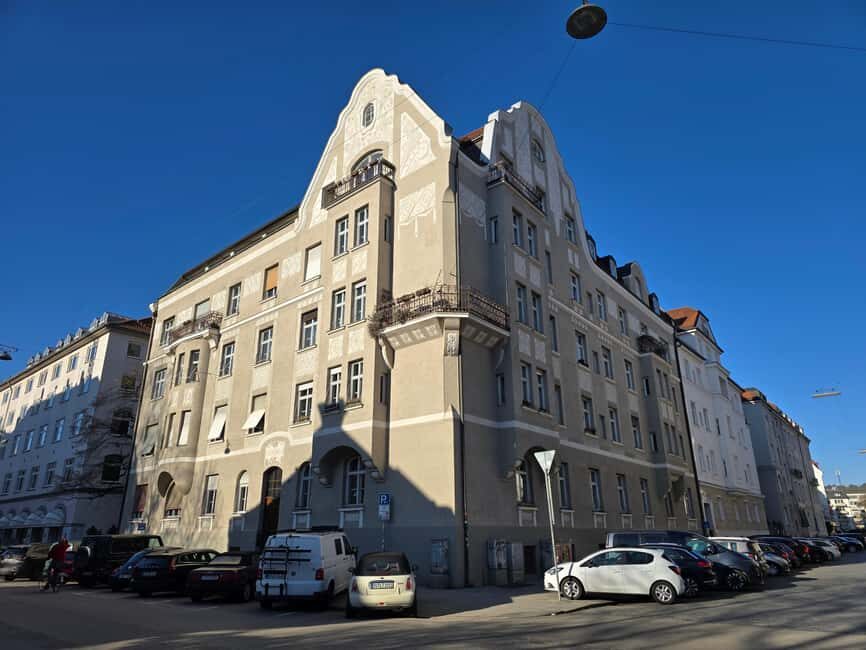
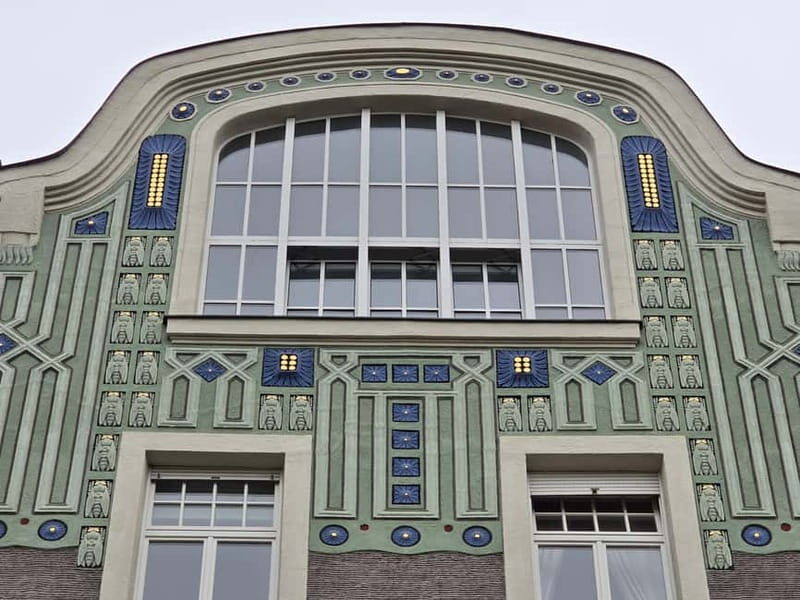
Philipp runs this as an official-style city tour, but his architect brain adds an extra layer. He’s not just naming styles; he’s helping you see how the façades are built—floral motifs, ornamental lines, and the way designers used space. That matters because Jugendstil can look decorative from far away. Up close, it’s a system of choices: shape, rhythm, and theme.
Schwabing is a smart neighborhood to explore for this theme too. It’s described as a historic bohemian quarter and the birthplace of German Art Nouveau, and that energy comes through in the mix of old elegance and street-level creativity.
Practical note: you’ll want comfortable shoes. This is a walking and subway flow tour, not a sit-and-watch option.
A few more Munich tours and experiences worth a look
The Jugendstil façade framing moment (and why it works)
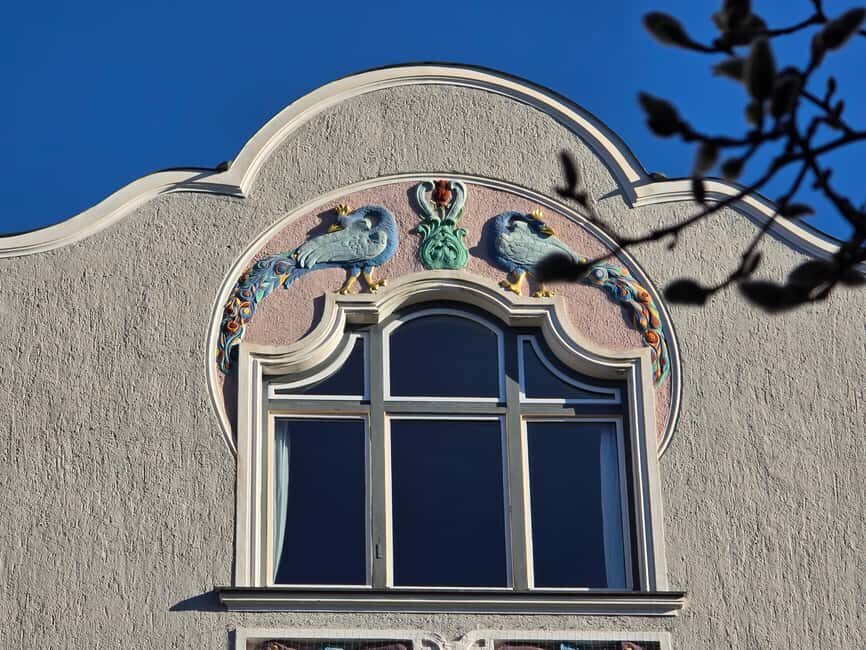
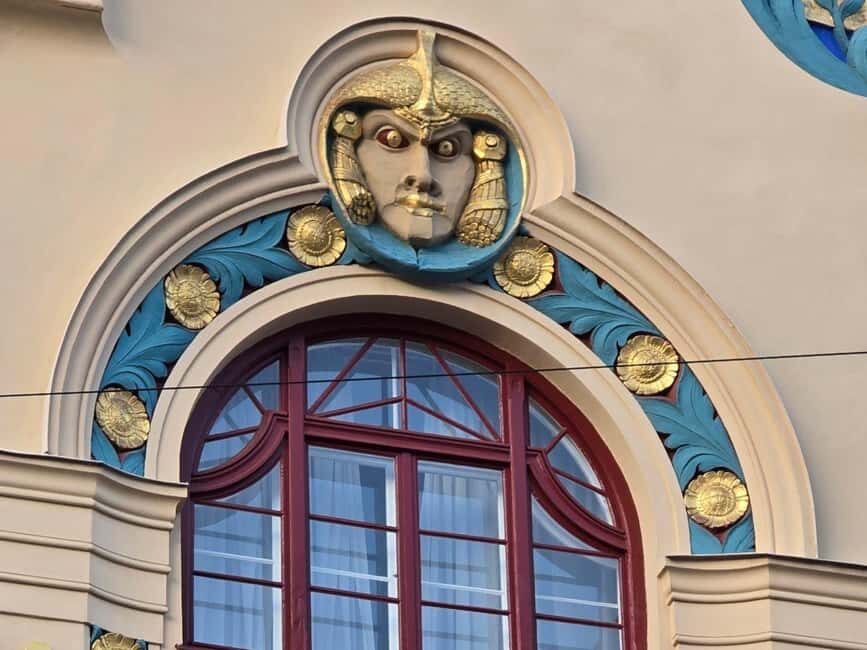
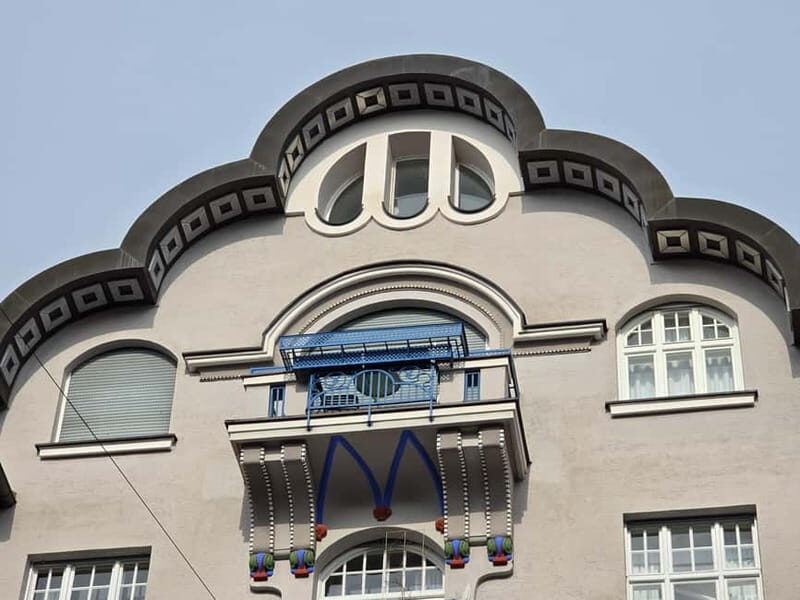
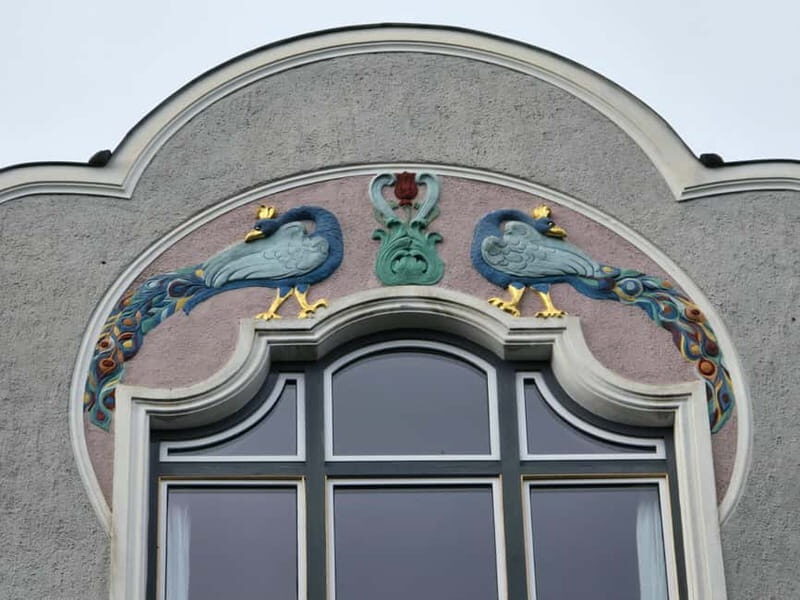
After you get your bearings, you focus on a set of four outstanding Jugendstil façades. The “framing” part is clever because it’s not random photo-taking. You’re encouraged to study details closely enough that they can turn into designs later—so you start seeing patterns, not just pretty surfaces.
This is where the tour earns its keep for beginners. You don’t need an art degree. You just need to pay attention while Philipp guides you through what to look for: floral motifs, stylized forms, and bold ideas that defined the movement. The tour also threads in artist stories, including Wassily Kandinsky and Paul Klee. Even if you only know their names, it gives you a sense of why these visual choices mattered during that era.
I like that the “discover” phase stays structured. About one hour in Schwabing is enough time to settle into the theme without fatigue taking over. And because you’re learning to look at the same kind of elements across multiple façades, everything clicks faster than if you were hopping between random sights.
Also, you’ll get a sense of how this style connects to Munich’s present-day creative scene. The tour doesn’t pretend Art Nouveau is the only “real” art. It sets you up to understand it—and then shows you how a contemporary art space can echo the idea of bold design.
Subway to a contemporary art district on a former castle-yard site
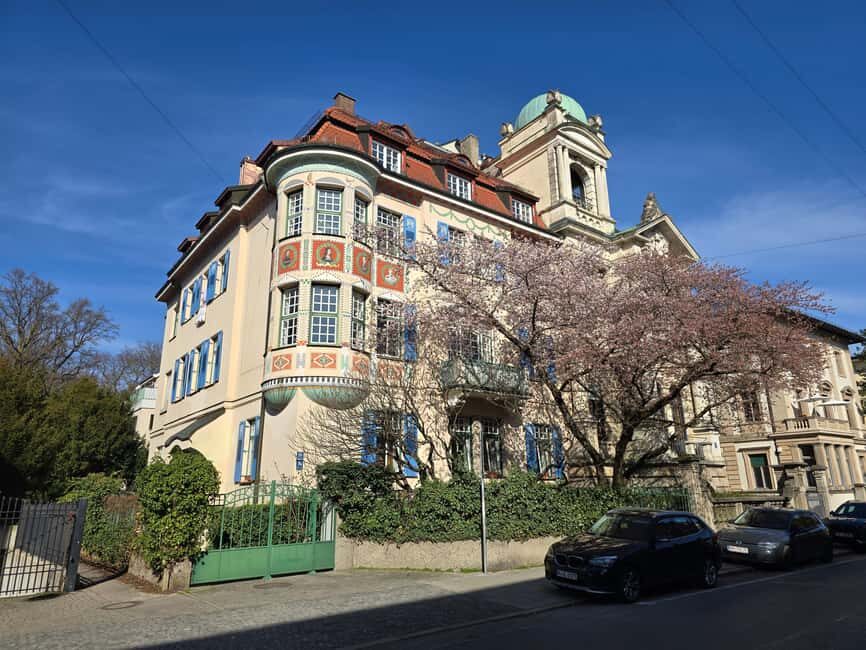
Once Schwabing’s done, you travel by subway to a contemporary artistic district. The tour describes this setting as a former castle-yard site. That change of scenery is more than a logistical move—it’s part of the concept.
You’re going from elegant façades full of floral curves to a more DIY, modern creative zone. That’s where the phrase Art Nouveau meets street art stops being clever marketing and starts feeling like the tour’s whole point.
You don’t stay out in the cold either. Inside, you’ll work in a heated shipping container. That detail matters if you’re traveling in cooler months, or if you’d normally skip outdoor creative activities. Here, the workshop is built for comfort and focus.
Timing-wise, the tour still keeps the pacing relaxed. There’s enough structure that you know what’s next, but not so much rushing that you miss the moment of discovery you just earned during the walk.
At the end, the tour finishes at Bahnwärter Thiel, which is convenient if you plan to keep exploring Munich afterward.
The spray-paint workshop: make four stencil postcards
Now the fun part: you’ll create four postcards using stencils inspired by the Art Nouveau details you saw earlier. This is where the architecture work turns into something you can hold, mail, frame, or just keep as proof that you actually paid attention.
The materials are provided, and you’re not expected to bring your own gear. You get spray paint, stencils, envelopes, and postcards. You also get safety items: safety glasses, protective gloves, masks, and clothing covers. That combination tells me the tour isn’t just about fun—it’s about doing the creative part responsibly.
Inside the heated container, you’ll use the stencils to transfer those Jugendstil motifs into your own designs. For me, the big value is the connection. You don’t just learn what floral motifs and bold forms look like. You reproduce that logic with your hands. The design choices become physical.
Beginners usually worry they’ll be bad at art. This tour is set up to reduce that stress. Because the stencil approach gives you a template, you’re not starting from a blank page. Your creativity shows up in how you apply the spray and how you interpret the shapes you studied outside.
And yes, it’s creative in a very real way: you’re making the final art in front of your guide, not just taking a workshop photo and moving on.
What you get for $42: guidance, supplies, and a real souvenir
Let’s talk value. At $42 per person for about 150 minutes, you’re paying for far more than a walking route.
You get:
- A guided experience led by Philipp, who’s both an architect and a certified official Munich tour guide (MGV & BVGD)
- A unique postcard gift tied to one of the highlights from the tour
- A digital map with Philipp’s favorite places to visit in Munich
- All workshop supplies (spray paint, stencils, postcards, envelopes)
- Safety gear (glasses, gloves, masks, clothing covers)
What’s not included is important too. Food and drinks aren’t part of the tour, and transport to or from the meeting point isn’t covered. If you’re doing this as part of a longer day, it’s smart to grab a snack before you start—or plan to eat after.
Also, the group size matters. Max 12 guests means less waiting and more attention when you’re working with the stencils. You’re not competing for the guide’s time.
One more small but practical perk: the tour has both English and German, and it also notes Spanish as available through the live guide. If you’re traveling with mixed-language friends, that flexibility can be a relief.
If you want the “street art” part to feel respectful and not random, this is one of the more thoughtfully designed ways to do it. You come out knowing how the old design language works, then you practice a modern version of it.


Who should book, and who might want to skip
This tour is ideal if you’re:
- A beginner who wants Art Nouveau explained clearly
- An art fan who likes architecture and detail
- Someone who learns best by doing, not by watching
- Planning a short Munich trip and wanting a distinctive activity in 150 minutes
It’s also family-friendly, which makes sense given the relaxed pacing and the hands-on final product. Even if your group includes people who aren’t “architecture people,” the postcard workshop usually wins them over.
What might not fit:
- Wheelchair users, because the tour is not suitable for that.
- Anyone who hates spray paint, mess, or sensory activities, even with covers and safety gear (you are doing the spraying).
And one rule you should know: no smoking during the experience.
Should you book this Art Nouveau meets street art tour?
If you want Munich in a way that’s more than photos and plaques, I’d book it. The combination of a focused Schwabing walk, four targeted façades, and a stencil-based spray-paint workshop is a rare mix of art education and hands-on output. For me, the best part is that you leave with something finished—a set of four postcards—so the day doesn’t disappear the second you get home.
If you’re comfortable walking, you’re curious about Jugendstil, and you don’t mind getting creative, this is a strong pick for a short stay.
FAQ
How long is the tour?
It runs for 150 minutes.
How many people are in the group?
The group is small, with a maximum of 12 guests.
Where does the tour meet, and where does it end?
You meet at Georgenstraße 7 (in front of the building entrance). The tour finishes at Bahnwärter Thiel.
Which languages are offered?
The live tour guide offers English, German, and Spanish.
Is food included?
No. Food and drinks are not included.
Does the price include transportation?
No. Transportation to and from the meeting point isn’t included.
What art materials are provided for the workshop?
You’ll be provided with spray paint, stencils, envelopes, and postcards, plus safety glasses, protective gloves, masks, and clothing covers.
Is the tour suitable for wheelchair users?
No. The tour is not suitable for wheelchair users.