REVIEW · BERLIN
Wall Tour Berlin – Fates, Heroes & Love Stories
Book on Viator →Operated by Freizeit-und Reiseclub Berlin · Bookable on Viator
Berlin’s Wall still feels close. This 2-hour walk links the Wall’s building, the daily machinery of control, and its fall, with stories you can see in the streets. I really like how the tour focuses on specific places along the border line, not vague big-picture history. And I love that the key memorial stops you visit have free entry, so your €-level spend goes mostly to the guide’s storytelling.
I also like the tone balance: yes, you’ll hear about deaths, Stasi abuse, and desperate escape attempts. But you’ll also get one or two love stories, because even in a locked-down city, people still fell in love. One drawback to plan for: this is heavy, outdoor walking in a short time window, and there have been occasional reports of meeting-point confusion or a no-show—so arrive early and keep your phone handy.
In This Review
- Key things to know before you go
- How this 2-hour Wall walk fits into Berlin
- Where you start (Elisabeth-Schwarzhaupt-Platz) and where you end near Mauerpark
- Stop-by-stop: what each section teaches you
- Nordbahnhof area: ghost stations and the idea of a sealed city
- Early memorial stops: how the Wall became possible
- Construction and control: the border strip as a system
- Memorial window: the human cost and the unknown count
- Viewing platform on Bernauer Strasse: seeing the border line in one glance
- Ackerstraße: the church that sat in the middle of everything
- The darker mechanics: agreements, kidnappings, propaganda
- Passenger agreements: making the wall “more permeable” (with strings attached)
- Windows, exits, and the tragedies of jumping
- Tunnels and propaganda: escape routes become a story the state can rewrite
- Conrad Schumann’s jump: the escape that made headlines
- East vs West in Berlin: the loudspeaker war and the last beat
- Ending at Mauerpark: what happens after the Wall falls
- Price and value: why $19.66 can be a smart deal
- Practical tips so you get the best experience
- Should you book Wall Tour Berlin – Fates, Heroes & Love Stories?
- FAQ
- How long is the Wall Tour Berlin – Fates, Heroes & Love Stories?
- Where does the tour start and where does it end?
- How much does the tour cost?
- Do I need an admission ticket for the memorial stops?
- Do I get a mobile ticket?
- How big is the group?
- What if the weather is bad?
Key things to know before you go
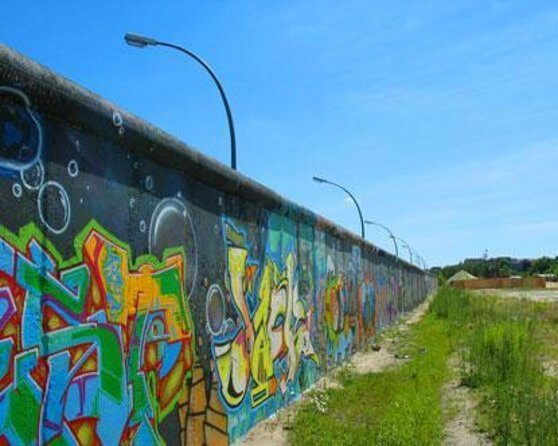
- A short, focused 2 hours: expect a brisk pace designed to fit a lot of Wall history into one route.
- Free memorial access at stops: you’re not paying extra for entry tickets at the memorial points.
- Small group size (max 25): you’ll have a better chance of hearing details and questions.
- Mobile ticket: you’ll check in with your phone instead of fussing with printouts.
- Weather matters: it depends on good weather, so wear layers and bring protection if the forecast looks iffy.
- Expect intense stories: the themes include deaths, Stasi tactics, kidnappings, and propaganda.
How this 2-hour Wall walk fits into Berlin
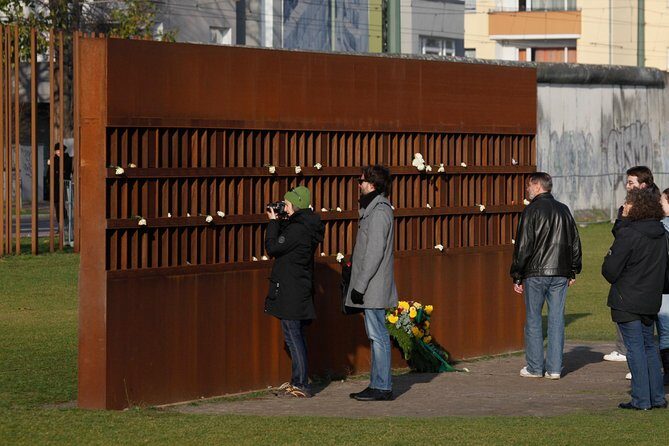
This tour is set up as a tight, guided route. Two hours sounds short until you realize how much Berlin “remembers” through street layout, memorial windows, and restored border-site features. You’re not doing a museum crawl. You’re walking the line—so the history lands where it happened.
The group size is capped at 25. That’s a sweet spot: big enough to meet other people, small enough that the guide can keep moving without sounding like a megaphone tour. And because it’s a mobile-ticket experience with confirmation at booking time, the admin side tends to be straightforward.
Who it suits best: you want a guided overview with real human stakes, and you’re okay with emotional subjects. If you prefer light, jokey sightseeing only, you’ll feel like you’re eating dessert during a storm.
You can also read our reviews of more tours and experiences in Berlin.



Where you start (Elisabeth-Schwarzhaupt-Platz) and where you end near Mauerpark
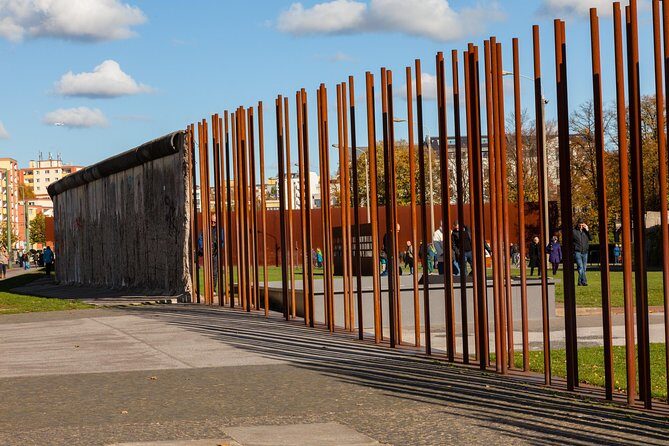
You start at Elisabeth-Schwarzhaupt-Platz (10115 Berlin). The end point is listed near Oderberger Straße / Bernauer Straße (very close to Mauerpark). That’s helpful because you finish in a lively area where you can keep your Berlin day going.
Tip for flow: take transit to the start, then let the tour deliver you down the border history toward the Mauerpark zone. When you’re done, you’re not stuck back at square one.
Also note: this is a “walk-to-walk” format. Comfortable shoes are not optional—there’s a lot of standing, looking, and moving between border memorial points.
Stop-by-stop: what each section teaches you
This tour moves through the Berlin Wall story in a logical sequence: the Wall’s origins, how it was built and operated, and what happened as people escaped or resisted. Even when the stops are only five to fifteen minutes long, each one is meant to answer a specific question.
You’ll also hear how “the Wall” wasn’t just concrete. It was systems: surveillance, propaganda, punishment, and—at times—love hiding in plain sight.
Nordbahnhof area: ghost stations and the idea of a sealed city
The tour begins around the entrance area at Nordbahnhof S-Bahn station on Gartenstraße. Right away, you’re set up to understand something many first-timers don’t expect: even trains and stations could become part of the border’s theater.
You’ll learn why so-called ghost stations existed during the GDR era. The idea is simple but chilling: people could see the outside world (or at least pass close to it), but the system prevented normal use. Think of it as the border reaching into daily routines, not just enclosing land.
One thing I like here: the start gives you momentum. You’re not still orienting while the guide is trying to teach you what the Wall even meant. You get a quick “what you’re looking at” explanation early.
Early memorial stops: how the Wall became possible
Next you move through memorial points where the guide sets the groundwork: how a Wall could be built at all—politically, socially, and technically. There’s an emphasis on the border strip concept and what the GDR leadership did to justify the change.
A key moment comes when the guide connects statements from 1961 to the reality that followed. You’ll hear that Walter Ulbricht used a famous claim that nobody intended to build a Wall. Then, less than two months later, the border was sealed and the Wall was constructed.
Why this matters for you: it shows how propaganda doesn’t just sell ideas. It buys time—then it helps normalize something horrifying once it becomes reality.



Construction and control: the border strip as a system
One of the most valuable parts is the section focused on how the border strip was constructed. The guide doesn’t treat construction like boring engineering. Instead, construction becomes the “why” behind everything else you’ll see later: why escapes were so dangerous, why certain areas were targeted, and why everyday movements became life-and-death decisions.
You’ll also hear about the Wall operating for decades—28 long years—so you can understand that this wasn’t a temporary crisis. It was a sustained policy of separation.
Memorial window: the human cost and the unknown count
At another memorial point, the tour gets specific about the price. The number you’ll hear—at least 140 deaths between 1961 and 1989—is stark. And the tour is clear that the exact number of victims is unknown.
You’ll also hear about individual fates at the memorial windows. These “small” moments can hit hard because they turn a statistic into a person-shaped hole in the timeline.
Practical note: if you’re the type who needs mental breathing room, plan that. Bring a friend, or give yourself a moment afterward to reset. The route is efficient, but it doesn’t slow down because history is heavy.
Viewing platform on Bernauer Strasse: seeing the border line in one glance
You then head to a viewing platform on Bernauer Strasse. This is the “catch your bearings fast” stop. From here, you get an overview of the border strip as a physical corridor, not an abstract line on a map.
If you’re the DIY type, you may think you know where to look in Berlin. This stop is different. It teaches you how to read the space: where barriers sat, what “inside” and “outside” meant, and how Berlin’s geography made separation feel immediate.
Ackerstraße: the church that sat in the middle of everything
At Ackerstraße, you visit the area connected to the Church of Reconciliation. This is where the church once stood, literally in the middle of the border strip. The guide explains how people from East and West celebrated services together there.
Then you’ll learn what happened to the church after the border closed.
I like this stop because it’s a reminder that not all Wall-era moments were only fear and conflict. Religion, community, and shared routines kept trying to exist even when the state pushed the opposite direction.
The darker mechanics: agreements, kidnappings, propaganda
A big theme here is that the Wall was maintained not only by fences, but by policies and information control. The guide connects these systems to what people could and couldn’t do.
Passenger agreements: making the wall “more permeable” (with strings attached)
You’ll hear about passenger agreements—understandings between Berlin’s West Senate and the GDR to make the wall more permeable. That word sounds mild until you pair it with what permeable really meant in practice.
This section ties directly into how the GDR abused children and young people for propaganda purposes. You’ll hear how the Stasi-style system worked on the ground, including targeting young people for political ends.
It’s one of those uncomfortable lessons: the Wall didn’t stop with adults making bad choices. It tried to program the next generation.
Windows, exits, and the tragedies of jumping
Along Bernauer Strasse, you’ll learn about residential buildings with windows and exits that faced the West—yet stood on GDR territory. This set-up created situations where desperate people chose the window rather than captivity.
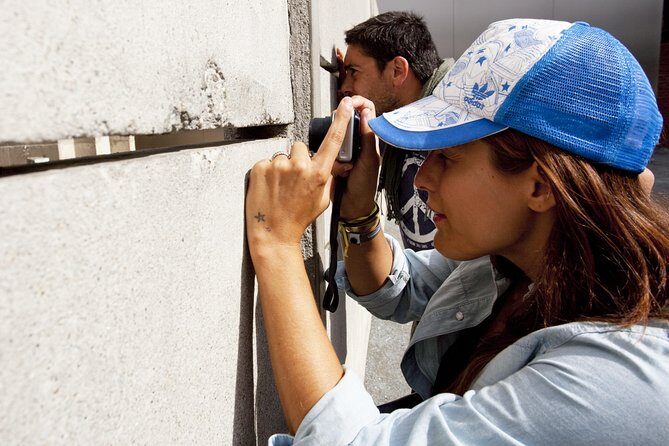
You’ll hear that hundreds of people jumped out of their windows to their deaths out of fear and despair. The tour also gives time for you to look at pictures and videos at your leisure at this stage.
This stop is visually grounded. You don’t just hear about desperation; you see how the city’s layout created the trap.
Tunnels and propaganda: escape routes become a story the state can rewrite
Next comes the section on tunnel escapes in the 1960s. One tunnel is described as becoming legendary and is located near a border house.
The guide connects the escape attempts to how the GDR used propaganda to shape the narrative afterward. In other words: even escape could be turned into a lesson meant to frighten others.
If you like cause-and-effect history, you’ll appreciate this part. It shows the feedback loop: escape → state response → propaganda → more pressure.
Conrad Schumann’s jump: the escape that made headlines
The tour covers one of the most famous escape attempts: the jump of Conrad Schumann. The guide explains how Schumann became wanted and that he remained wanted until the fall of the GDR.
This section works as a story anchor. It’s easier to follow the whole Wall narrative once you’ve got one well-known individual thread to hold onto.
East vs West in Berlin: the loudspeaker war and the last beat
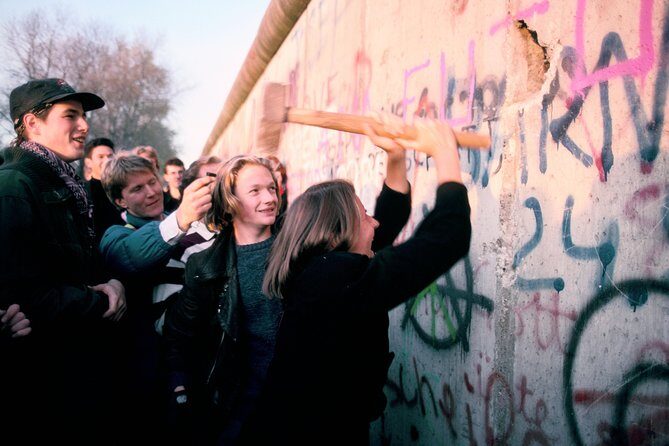
Berlin wasn’t just divided by concrete. It was divided by noise. You’ll learn about a loudspeaker war—how the West and East used broadcast sound to irritate and attack each other in public space.
It’s a neat counterpoint to think about: when the border prevents movement, information attacks become the next weapon. This part helps you feel the Cold War as lived experience, not just political documents.
Ending at Mauerpark: what happens after the Wall falls
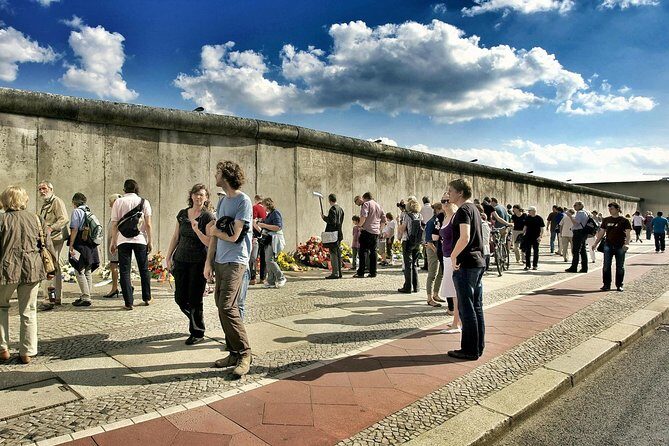
The tour ends at Mauerpark, and the guide ties the story together with what the fall of the Wall changed. You don’t get a long farewell lecture. You get the “last mile” of meaning.
For me, finishing here works because Mauerpark is a place where Berliners now do ordinary life stuff—markets, hangouts, and weekend energy. That contrast is the point. The Wall’s past is right there, but the city keeps moving.
And if you want to squeeze extra value from the day: plan an unhurried walk after the tour in the surrounding area. You’ve just trained your eyes to read border geography. Use it.
Price and value: why $19.66 can be a smart deal
At $19.66 per person for about 2 hours, the value mainly comes from two things:
1) You’re paying for a guide-led story through key border locations.
2) The memorial stops you visit are marked as admission free at the points on the route.
So you’re not paying multiple entry fees. You’re buying context, interpretation, and the ability to connect what you see with what it meant.
Is it expensive compared to free walking tours? Sure. But if you want the Wall explained with personal stakes—escape tactics, Stasi youth abuse, propaganda logic, and a few love-story threads—this is priced like a practical “hit the highlights” experience.
Practical tips so you get the best experience
- Arrive early at the meeting point. There have been reports of people arriving and finding nobody there, so don’t treat start time as a suggestion.
- Wear comfortable shoes. Expect standing, looking, and a brisk pace.
- Plan for strong emotions. Some stops cover deaths and abuse. If you need a mental break, take it.
- Bring layers. The tour depends on good weather, but Berlin weather loves surprises.
Should you book Wall Tour Berlin – Fates, Heroes & Love Stories?
If you want a focused, place-based Wall overview in a short time, I think you’ll like this. The biggest wins are the way the guide connects the physical border line to the human stories—deaths, escapes, Stasi pressure on young people, and propaganda mechanics—while still including love stories so the city doesn’t feel only like a grave.
I’d only hesitate if you absolutely hate dark history or you need long pauses and slow pacing. Also, because there have been occasional no-show or meeting-point problems reported, treat this like any tour where timing matters: show up early, confirm details, and be ready to act if something looks wrong.
Overall: this is a strong “first Wall tour” option. It gives you the map in your head—and the Wall’s meaning in your body.
FAQ
How long is the Wall Tour Berlin – Fates, Heroes & Love Stories?
The tour lasts about 2 hours.
Where does the tour start and where does it end?
It starts at Elisabeth-Schwarzhaupt-Platz, 10115 Berlin. It ends near Oderberger Straße / Bernauer Straße, close to Mauerpark.
How much does the tour cost?
The price is listed as $19.66 per person.
Do I need an admission ticket for the memorial stops?
The memorial stops on the route are marked as admission free.
Do I get a mobile ticket?
Yes, the experience uses a mobile ticket.
How big is the group?
The tour has a maximum of 25 travelers.
What if the weather is bad?
The tour requires good weather. If it is canceled due to poor weather, you’ll be offered a different date or a full refund.